If you want more energy, better gut health, skin health, improved libido and so on, you must make sure that you avoid the following dietary mistakes.
Thread🧵
Thread🧵
*Standard disclaimer that nothing in this thread should be used as a substitute for medical advice*
For starters, in case you are skeptical about just how much our diet matters, consider that tens of thousands (if not more) of DNA-related processes are based on nutrients.
So, when we deprive ourselves of nutrients (either by not providing enough of them OR by messing up their absorption), TENS OF THOUSANDS of DNA-related processes become dysfunctional.
That being said, now let's just right into common dietary mistakes (these might be numbered, but in the long run, all of these are equally important in my opinion).
For starters, in case you are skeptical about just how much our diet matters, consider that tens of thousands (if not more) of DNA-related processes are based on nutrients.
So, when we deprive ourselves of nutrients (either by not providing enough of them OR by messing up their absorption), TENS OF THOUSANDS of DNA-related processes become dysfunctional.
That being said, now let's just right into common dietary mistakes (these might be numbered, but in the long run, all of these are equally important in my opinion).

Mistake number 1: Consuming highly processed foods on a regular basis.
Am i saying that you shouldn't never consumed a highly processed food? No.
Now of course, since you are part of this niche space you are already avoiding highly processed foods for the most part, but keep in mind that most people are not and the problems with highly processed foods are many.
From the fact that if you look at the ingredient lists they are not even foods but poison bombs in reality that could be hiding and are certainly contributing to health issues through ingredients such as MSG, high fructose corn syrup, food dyes, canola oil and other additives all the way to the fact that billions of dollars are spent every year for the sole purpose of figuring out how to make them as addictive as possible.
Am i saying that you shouldn't never consumed a highly processed food? No.
Now of course, since you are part of this niche space you are already avoiding highly processed foods for the most part, but keep in mind that most people are not and the problems with highly processed foods are many.
From the fact that if you look at the ingredient lists they are not even foods but poison bombs in reality that could be hiding and are certainly contributing to health issues through ingredients such as MSG, high fructose corn syrup, food dyes, canola oil and other additives all the way to the fact that billions of dollars are spent every year for the sole purpose of figuring out how to make them as addictive as possible.
Mistake number 2: Not realizing that when it comes to food, you can cover A LOT of your nutritional needs with just:
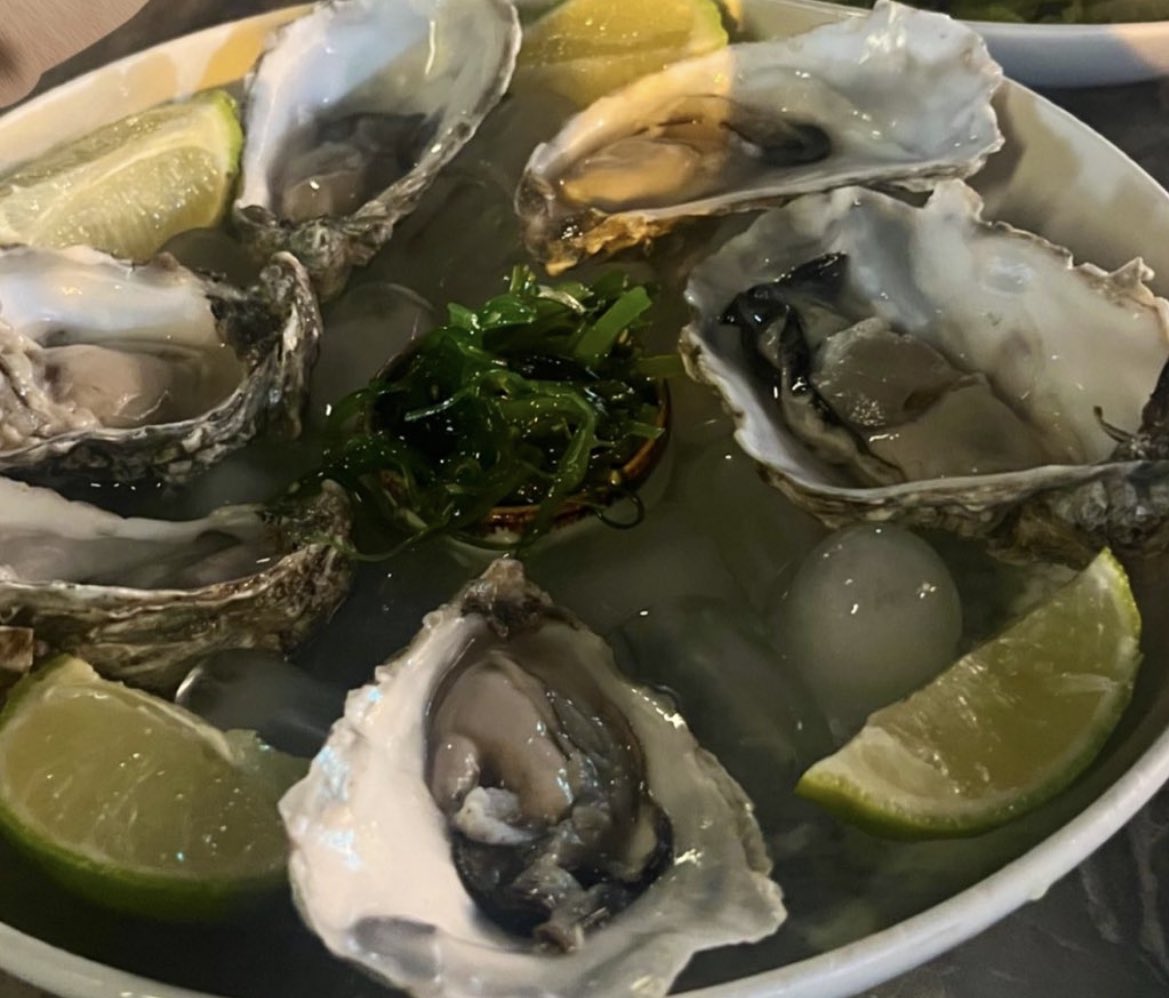
-300 grams of quality shrimp/octopus or squid
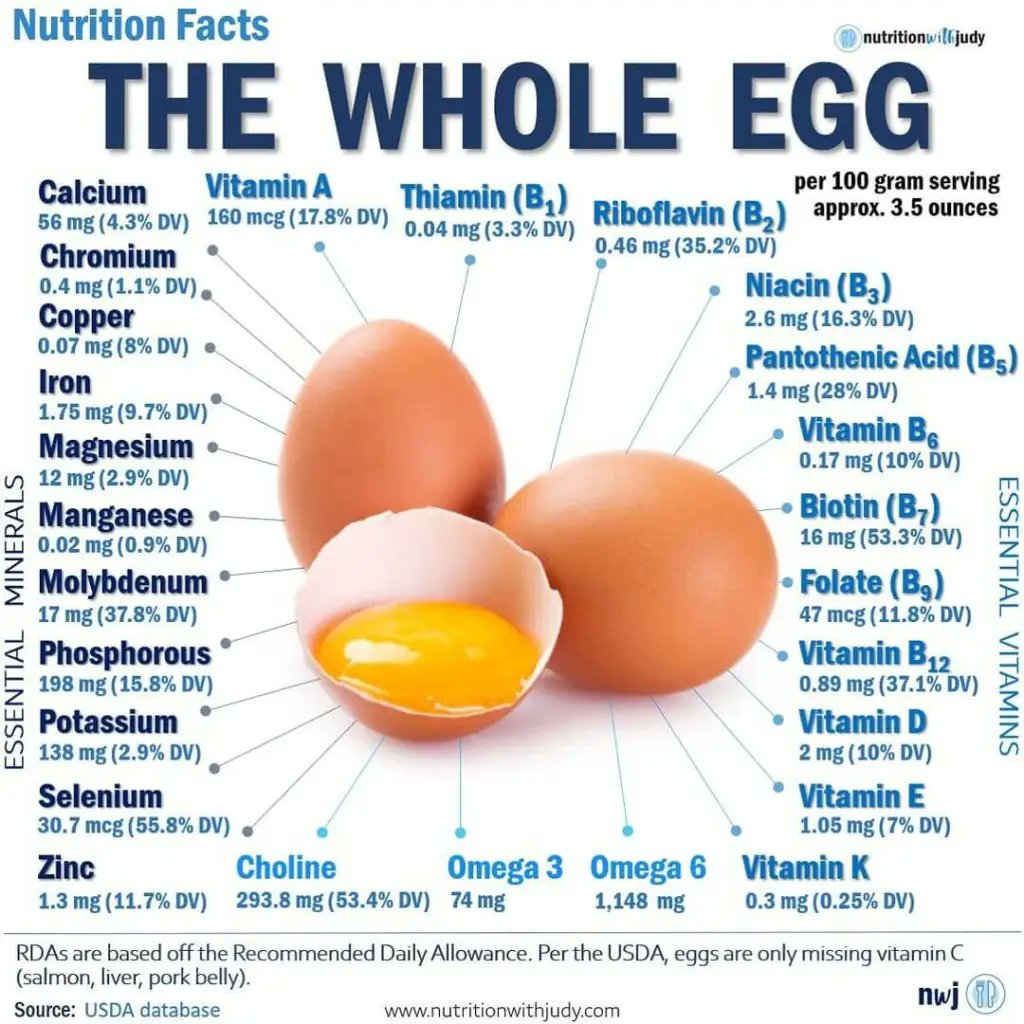
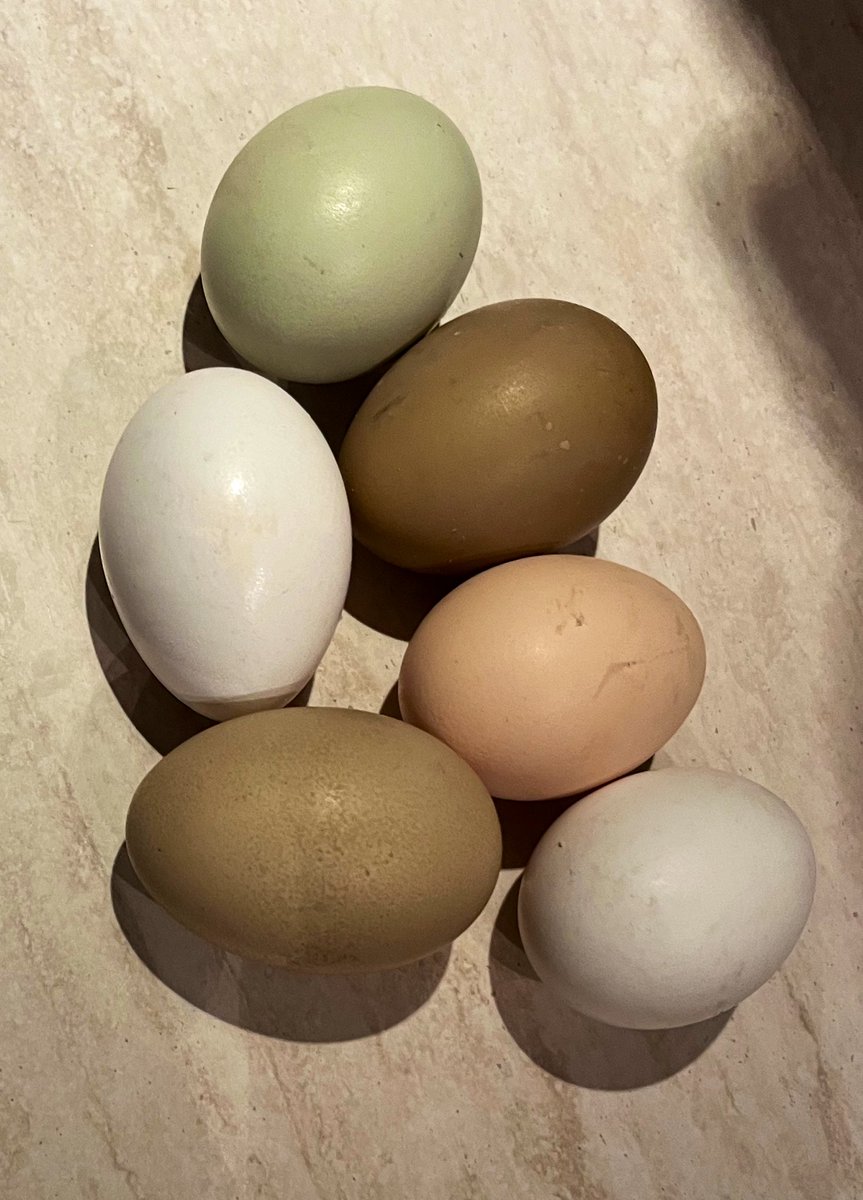
-10 whole eggs
-200 grams of beef or lamb heart
-200 grams of raw cheese
-2 pounds of strawberries, oranges, kiwis, berries or something seasonal
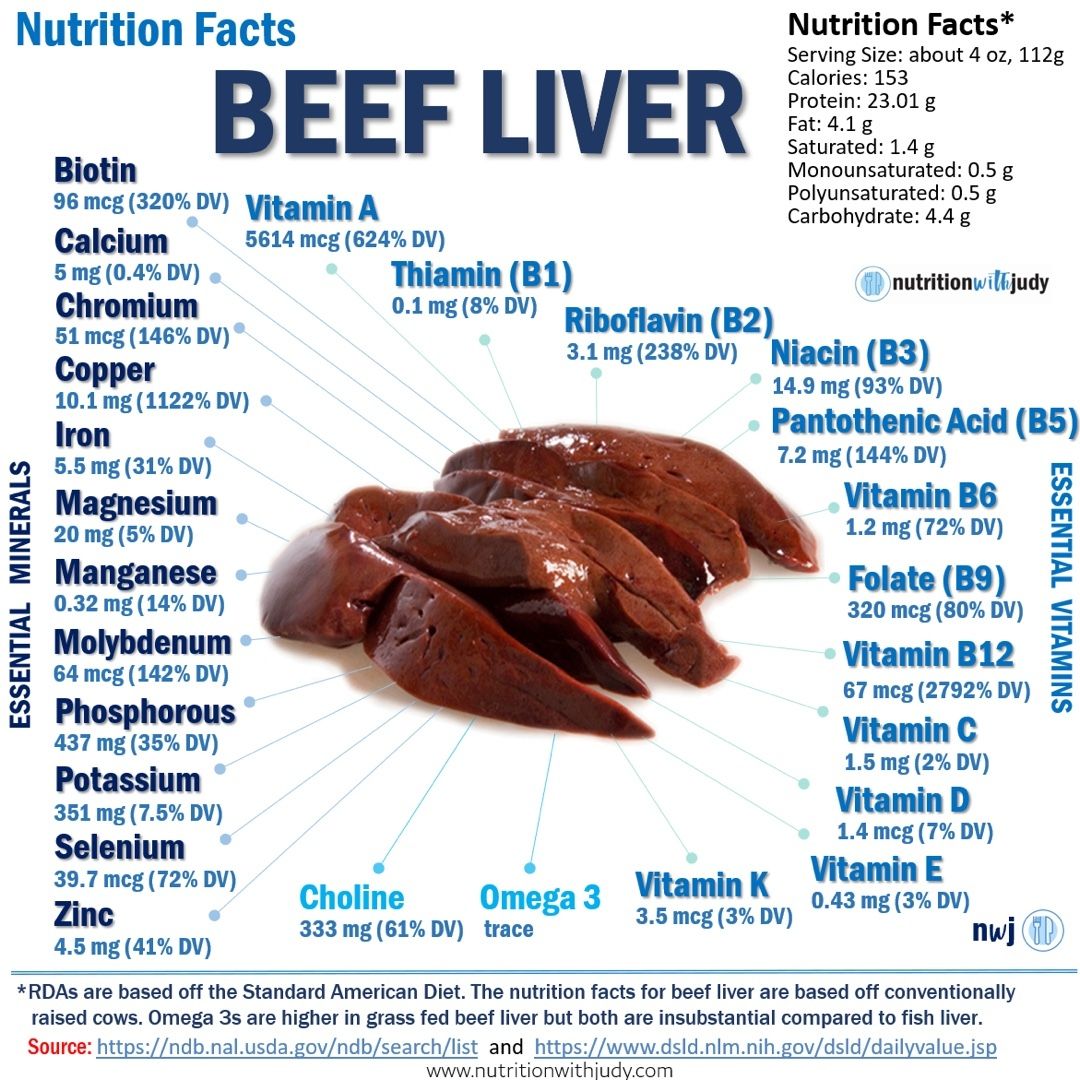
-100 grams of beef liver
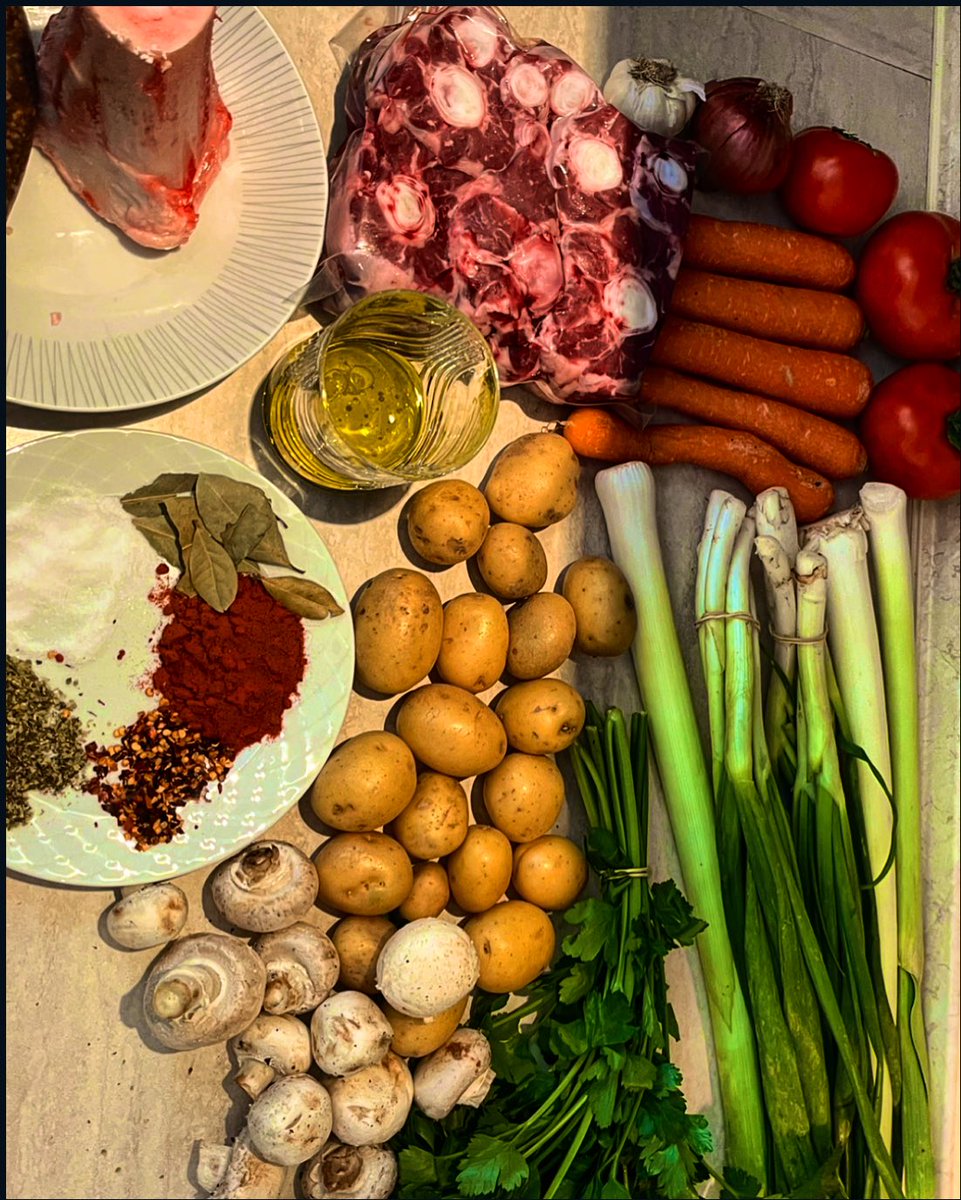
-Adding EVOO, potatoes, mushrooms and easy to digest vegetables in just one of your daily meals -4 pounds of bone in red meat per week
Are these the cheapest foods? No.
Are they cheaper than you might expect if they are sourced properly and most people still do now know that this list literally covers A LOT of their nutritional needs? Yes.
P.S: If you have the space realize that growing a garden turns out to be easier than we think.
-300 grams of quality shrimp/octopus or squid
-10 whole eggs
-200 grams of beef or lamb heart
-200 grams of raw cheese
-2 pounds of strawberries, oranges, kiwis, berries or something seasonal
-100 grams of beef liver
-Adding EVOO, potatoes, mushrooms and easy to digest vegetables in just one of your daily meals -4 pounds of bone in red meat per week
Are these the cheapest foods? No.
Are they cheaper than you might expect if they are sourced properly and most people still do now know that this list literally covers A LOT of their nutritional needs? Yes.
P.S: If you have the space realize that growing a garden turns out to be easier than we think.
Mistake number 3: Turning temporary extremes into permanent lifestyles.
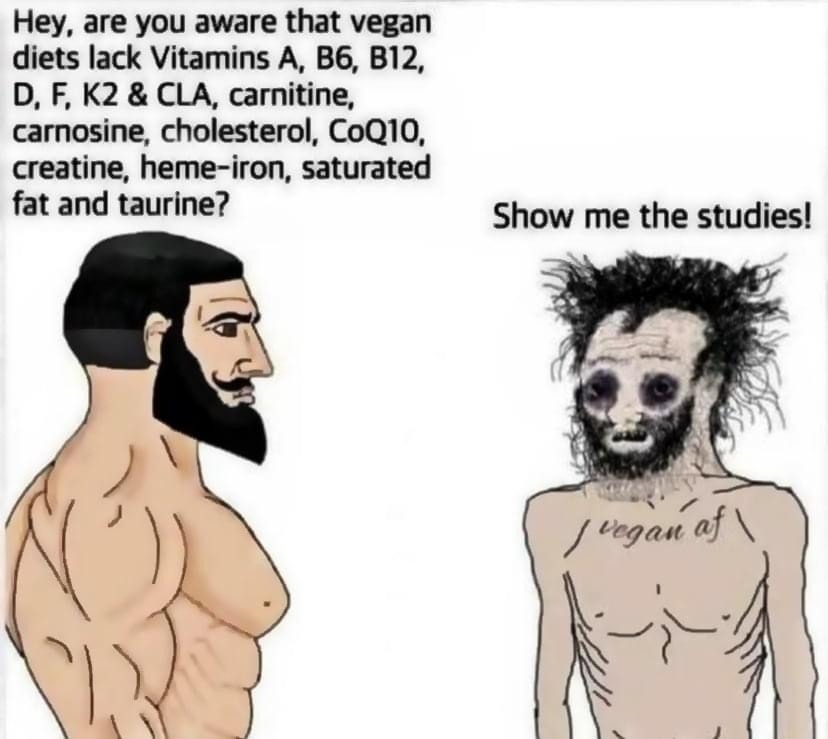
*This one is about veganism, going carnivore, never eating plants, eating 50 grams of fiber with each meal, low carb, high carb, low fat or whatever, for extended periods of time (months/years).
Sometimes, you have to break something down to common sense.
For example: The people with the worst health issues are the ones who follow dietary trends.
One day they are keto, then vegan, three months later they go carnivore, then they go high carb and so on.
BUT, the fundamental principles of nutrition, DO NOT, change every single month.
All of us suggest eating whole, tasty and nutrient dense foods and implementing more dietary restrictions based on a specific context if needed.
Anyone who does not do this has a borderline or actual eating disorder.
*I'm not a dck and actually sympathize with people who suffer from it.
What i do have a problem with though is being in denial about it and trying to impose this illness upon others by pretending that it's about being "healthy" and trying to obsessively impose this on others.
An one dimensional boring diet, usually is an unhealthy diet.
*This one is about veganism, going carnivore, never eating plants, eating 50 grams of fiber with each meal, low carb, high carb, low fat or whatever, for extended periods of time (months/years).
Sometimes, you have to break something down to common sense.
For example: The people with the worst health issues are the ones who follow dietary trends.
One day they are keto, then vegan, three months later they go carnivore, then they go high carb and so on.
BUT, the fundamental principles of nutrition, DO NOT, change every single month.
All of us suggest eating whole, tasty and nutrient dense foods and implementing more dietary restrictions based on a specific context if needed.
Anyone who does not do this has a borderline or actual eating disorder.
*I'm not a dck and actually sympathize with people who suffer from it.
What i do have a problem with though is being in denial about it and trying to impose this illness upon others by pretending that it's about being "healthy" and trying to obsessively impose this on others.
An one dimensional boring diet, usually is an unhealthy diet.
Point being that a fair amount of people try to follow diets that are so restrictive, that they end up being unhealthy.
In general, if there's not enough variety in someone's diet, the person will not be covering his primary micronutrient needs.
Obviously, in the beginning, these hyper restrictive diets can seem great and someone can experience lots of benefits by implementing them, mainly because he cuts out processed foods and eats some real food.
But as many find out, do this for long enough and you inevitably experience a lot of health issues.
If you have a specific health issue for example, let's say a gut issue, dietary restrictions need to of course be implemented.
But remember that they are a tool, they are not the cure.
If someone for example has gut dysbiosis, takes out some of the healthy things that happen to trigger some of his symptoms (let's say fruit for example) and does not work on fixing the causes of that dysbiosis, he will begin to react badly to more and more foods as it's also often noticed.
Note: In order to understand just how perfectly balanced nature is through the variety of foods that it provides us, grapes are in season and raisins will start getting produced.
A common complaint that a lot of people have in the winter, is low levels of vitamin D. Yet boron greatly extends that half life of vitamin D and guess what's high in boron? Raisins.
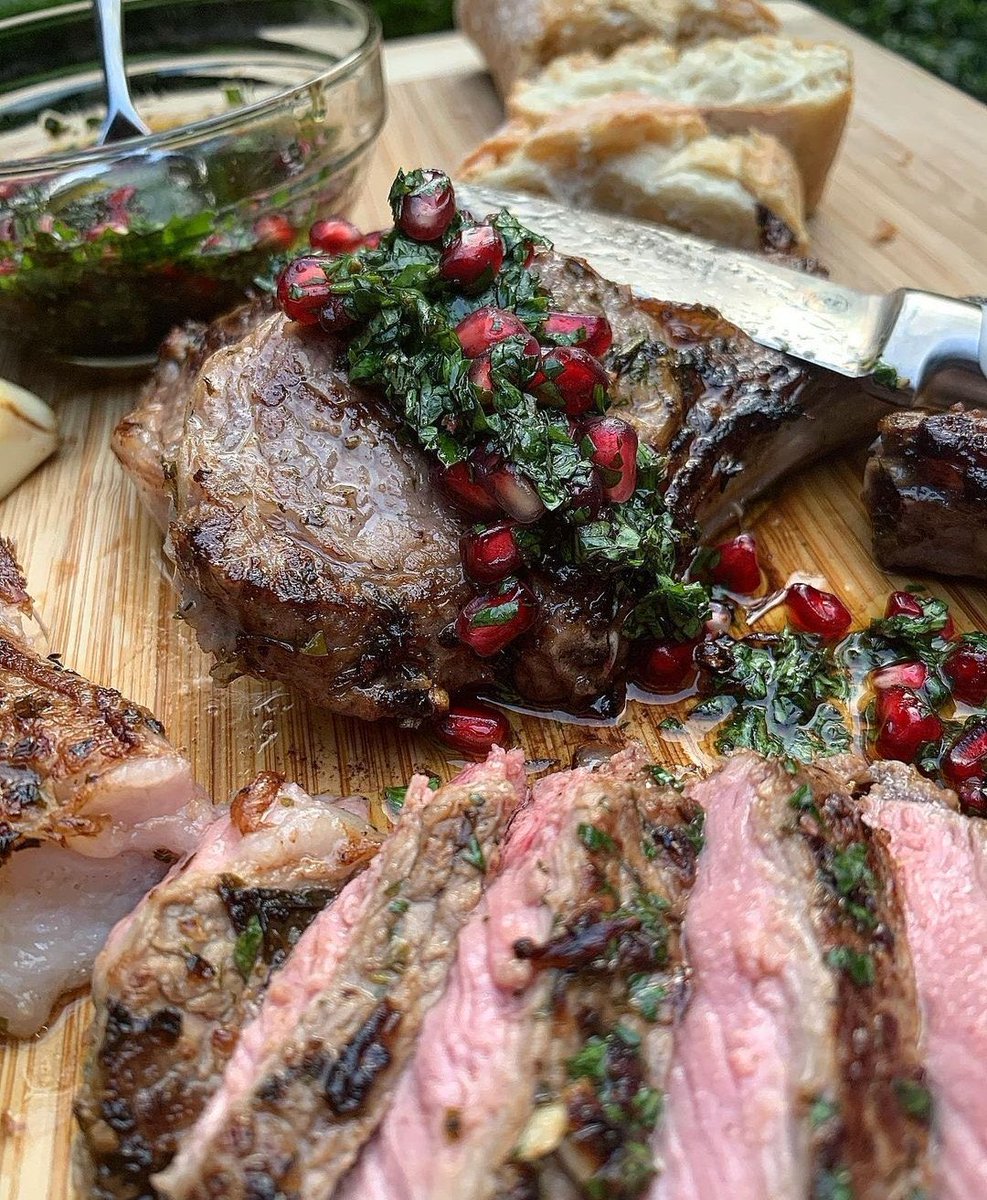
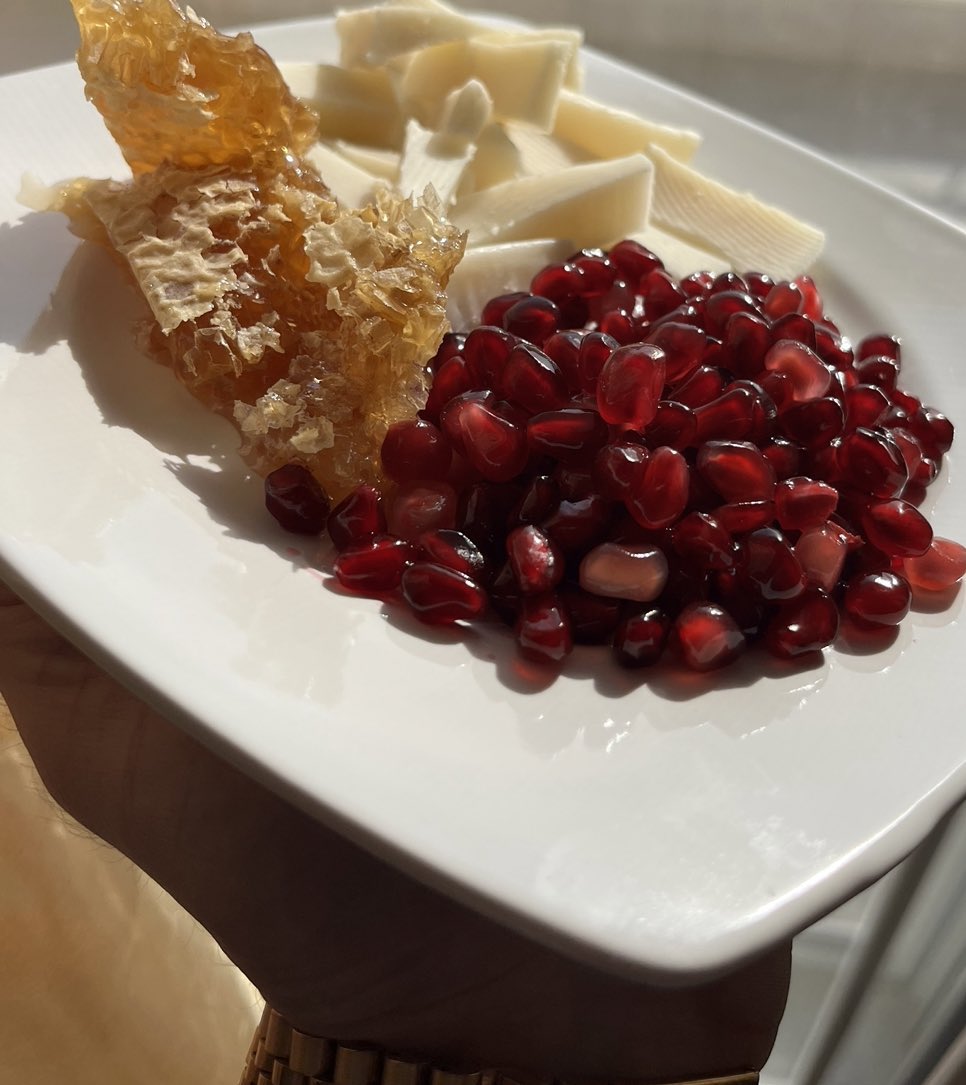
Then another fruit we have access to during the winter are pomegranates which ALSO influence vitamin D. pmc.ncbi.nlm.nih.gov/articles/PMC75…… Then another food whose consumption is supposed to be increased a lot during the winter months is cheese which can contain up to 30IUs of vitamin D.
You get the idea.
In general, if there's not enough variety in someone's diet, the person will not be covering his primary micronutrient needs.
Obviously, in the beginning, these hyper restrictive diets can seem great and someone can experience lots of benefits by implementing them, mainly because he cuts out processed foods and eats some real food.
But as many find out, do this for long enough and you inevitably experience a lot of health issues.
If you have a specific health issue for example, let's say a gut issue, dietary restrictions need to of course be implemented.
But remember that they are a tool, they are not the cure.
If someone for example has gut dysbiosis, takes out some of the healthy things that happen to trigger some of his symptoms (let's say fruit for example) and does not work on fixing the causes of that dysbiosis, he will begin to react badly to more and more foods as it's also often noticed.
Note: In order to understand just how perfectly balanced nature is through the variety of foods that it provides us, grapes are in season and raisins will start getting produced.
A common complaint that a lot of people have in the winter, is low levels of vitamin D. Yet boron greatly extends that half life of vitamin D and guess what's high in boron? Raisins.
Then another fruit we have access to during the winter are pomegranates which ALSO influence vitamin D. pmc.ncbi.nlm.nih.gov/articles/PMC75…… Then another food whose consumption is supposed to be increased a lot during the winter months is cheese which can contain up to 30IUs of vitamin D.
You get the idea.
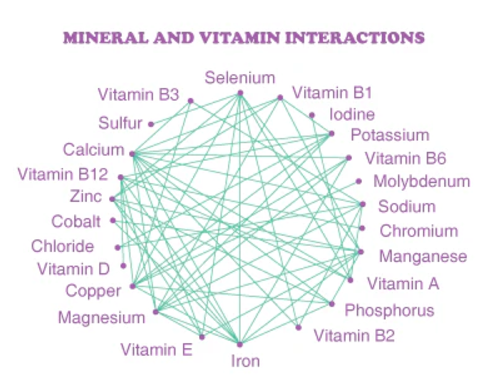
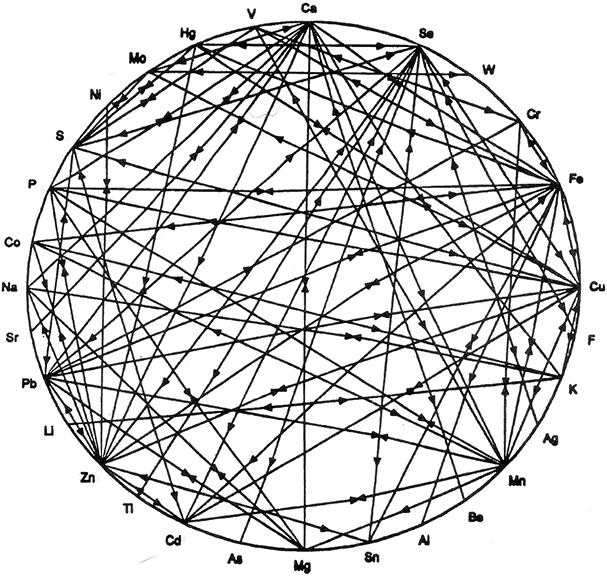
If these did not convince you, also keep in mind that all nutrients work synergistically.
For example:
-Selenium, sulfur, iodine, CoQ10, manganese, vitamin E, B2, iron
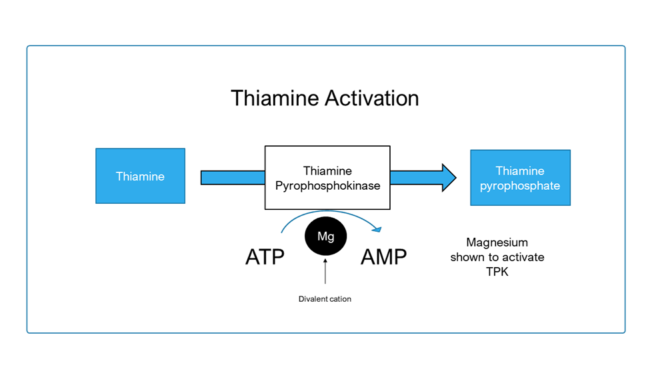
-Thiamine, manganese and magnesium.
-B6 and B2. -Zinc and copper.
-Retinol, DHA, E and B2.
-Vitamin K and retinol.
-Potassium and sodium.
-Choline and B9.
-B5 and K.
-Iron, B2, B12, B9 copper, D, retinol and C.
-Vitamin D, magnesium and retinol.
Etc
For example:
-Selenium, sulfur, iodine, CoQ10, manganese, vitamin E, B2, iron
-Thiamine, manganese and magnesium.
-B6 and B2. -Zinc and copper.
-Retinol, DHA, E and B2.
-Vitamin K and retinol.
-Potassium and sodium.
-Choline and B9.
-B5 and K.
-Iron, B2, B12, B9 copper, D, retinol and C.
-Vitamin D, magnesium and retinol.
Etc
Mistake number 4: Over-relying on supplements.
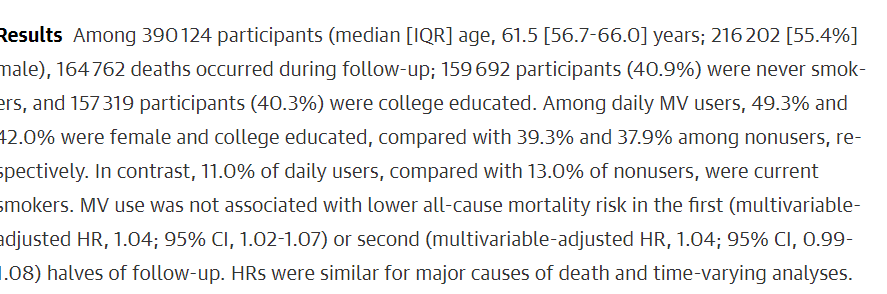
Supplements can be useful, but a lot of people rely too much on them.
Here's why this is a problem:
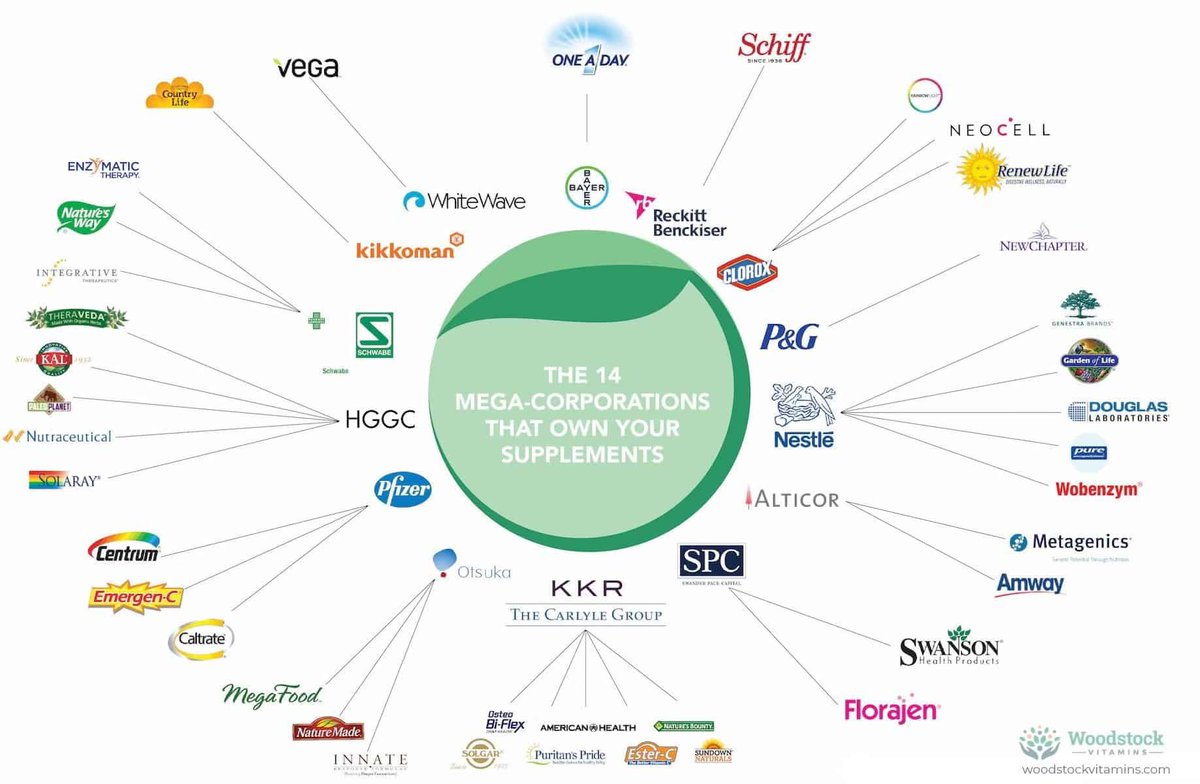
-The supplement industry is not that well regulated with even large amounts of heavy metals being inside a lot of supplements such as protein powders.
-The types of vitamins and minerals that are used in most aren't that great (think magnesium oxide, zinc oxide, pyridoxine etc)
-They treat certain vitamins such as one thing and not for the complexes that they are (think vitamin C and E for example).
-Due to white labeling and so on, the fillers are more than ever.
-A lot of the big brands have contaminants.
-Most people are totally unaware that the subspecies in probiotics play a HUGE role for example and end up buying probiotics that do not even work (this is not a joke, most probiotic supplements are flat out scams). Take bifidolongum for example, most people think that it's one thing and do not know the existence or differences between 1714 and SD-BB536-JP for example.
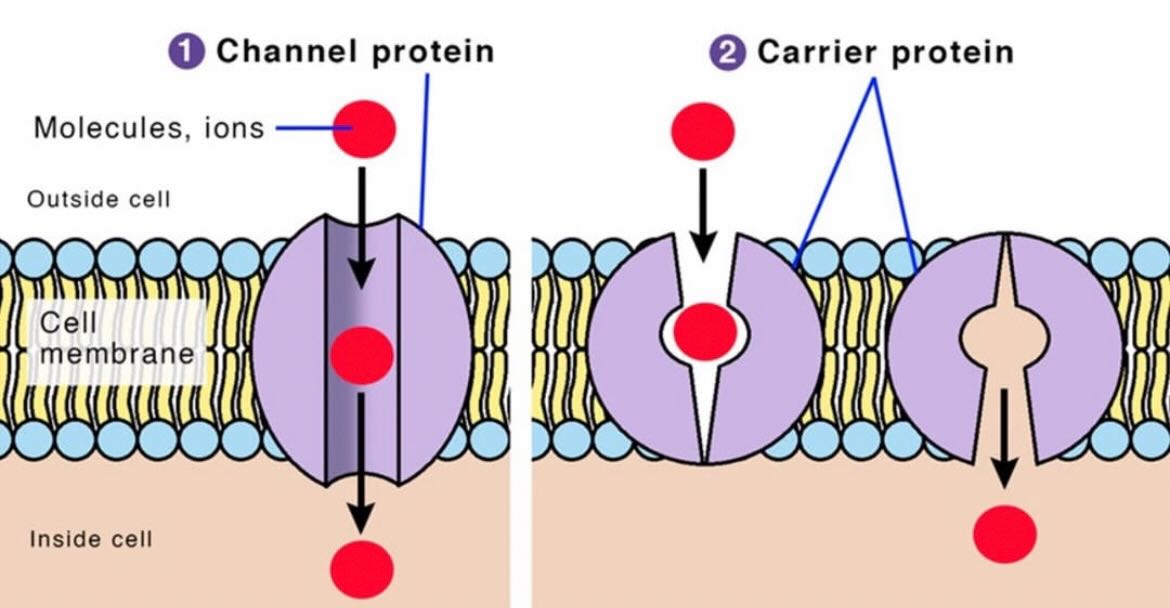
-They lack transport proteins.
Supplements can be useful, but a lot of people rely too much on them.
Here's why this is a problem:
-The supplement industry is not that well regulated with even large amounts of heavy metals being inside a lot of supplements such as protein powders.
-The types of vitamins and minerals that are used in most aren't that great (think magnesium oxide, zinc oxide, pyridoxine etc)
-They treat certain vitamins such as one thing and not for the complexes that they are (think vitamin C and E for example).
-Due to white labeling and so on, the fillers are more than ever.
-A lot of the big brands have contaminants.
-Most people are totally unaware that the subspecies in probiotics play a HUGE role for example and end up buying probiotics that do not even work (this is not a joke, most probiotic supplements are flat out scams). Take bifidolongum for example, most people think that it's one thing and do not know the existence or differences between 1714 and SD-BB536-JP for example.
-They lack transport proteins.
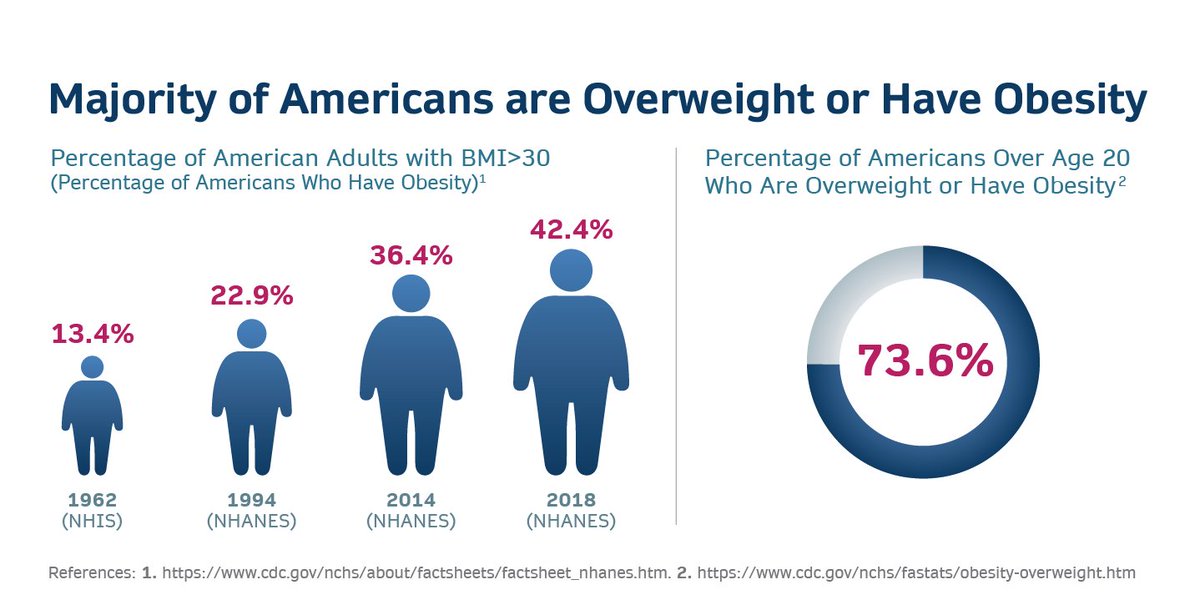
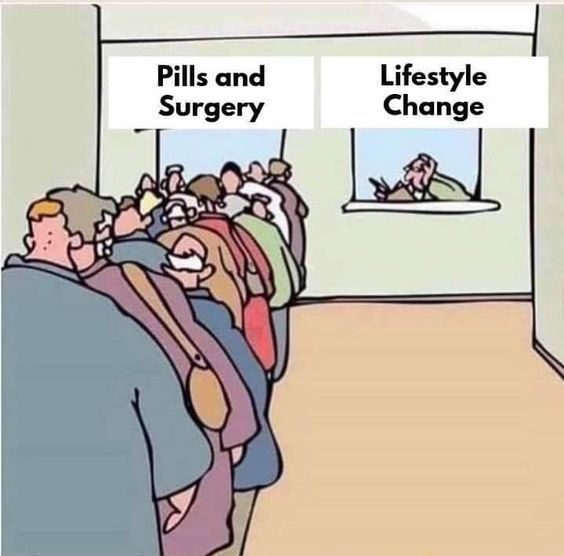
Mistake number 5: Consuming way too much food.
x.com/Helios_Movemen…
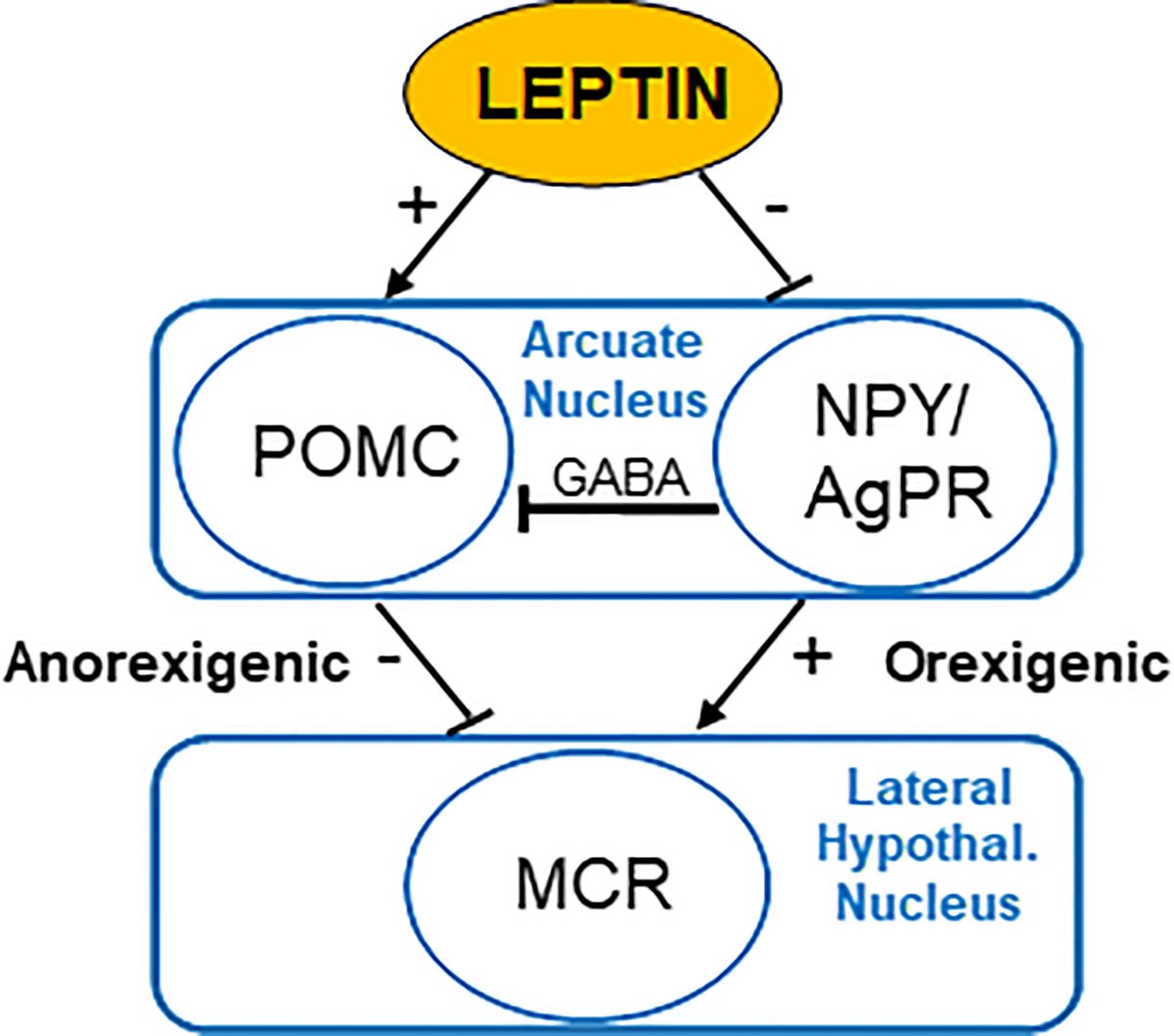
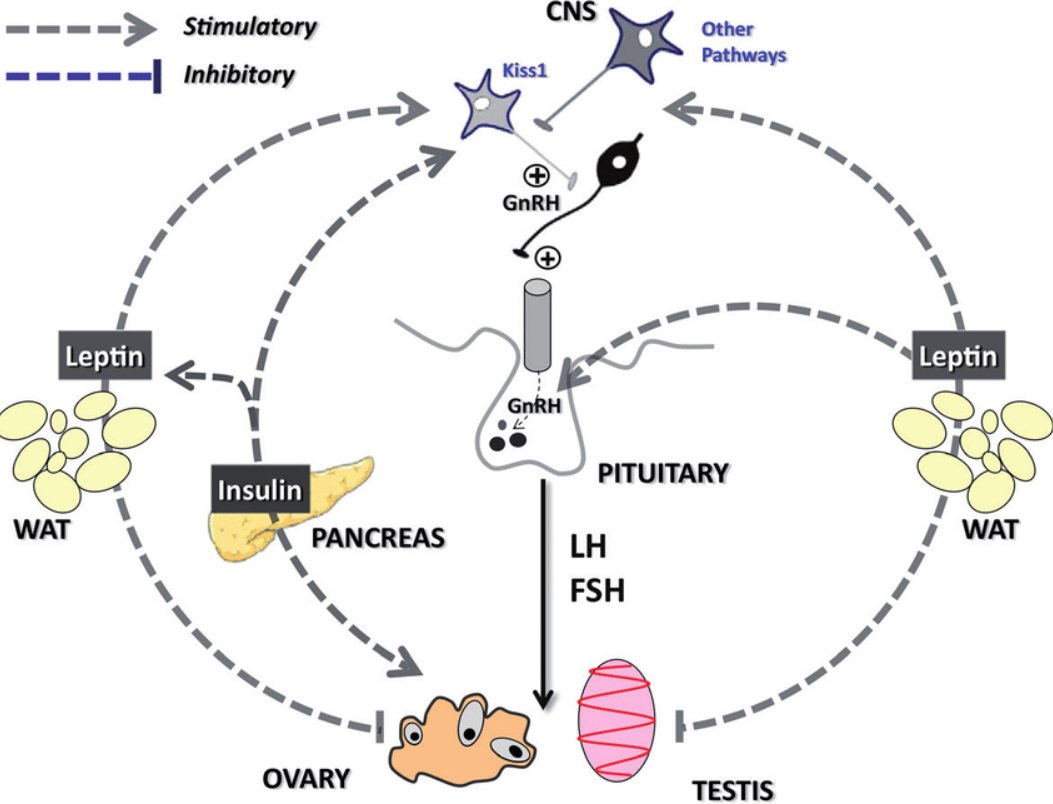
You can approach this from multiple angles but let's take a neglected one which is that we should never forget that fat cells play a key role in regulating hormones which is one of the reasons why so many problems are created both when someone is (very lean or) overweight.
Read this for more:
x.com/Helios_Movemen…
You can approach this from multiple angles but let's take a neglected one which is that we should never forget that fat cells play a key role in regulating hormones which is one of the reasons why so many problems are created both when someone is (very lean or) overweight.
Read this for more:
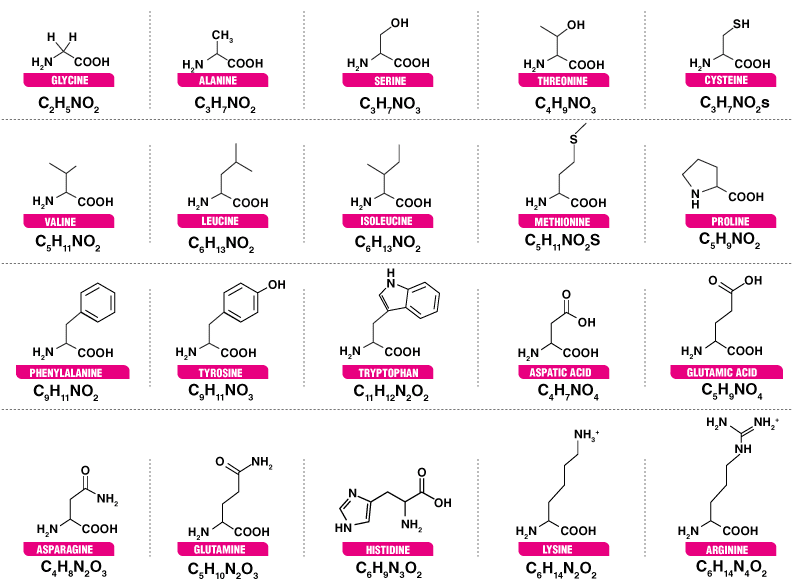
Mistake number 6: Not balancing the amino acid profile of one's diet.
A diet with an unbalanced amino acid profile could result in premature skin aging, fatigue, gut issues, cardiovascular issues, liver issues and anxiety.
Yes, this topic is that important and the easiest things you can do in order to balance out the amino acid profile of your diet include:
-Prioritizing bone in meats over fillets
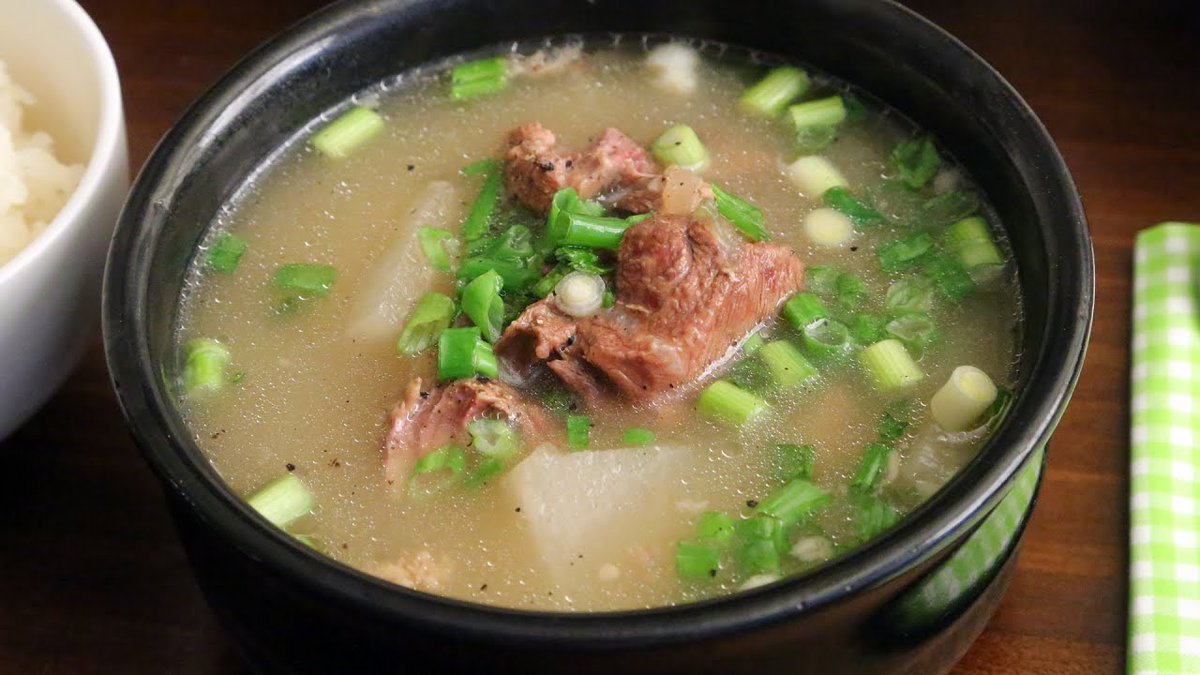
-Eating some stews/broths every week
-Avoiding glyphosate
-Consuming some grass fed beef gelatine or a glycine supplement
-Eating a variety of animal products (eggs, seafood, beef, lamb, dairy) instead of only eating chicken breast for example
A diet with an unbalanced amino acid profile could result in premature skin aging, fatigue, gut issues, cardiovascular issues, liver issues and anxiety.
Yes, this topic is that important and the easiest things you can do in order to balance out the amino acid profile of your diet include:
-Prioritizing bone in meats over fillets
-Eating some stews/broths every week
-Avoiding glyphosate
-Consuming some grass fed beef gelatine or a glycine supplement
-Eating a variety of animal products (eggs, seafood, beef, lamb, dairy) instead of only eating chicken breast for example
Mistake number 7: Eating huge meals late at night and under the influence of artificial blue light.
You can not always control this of course, but it's quite important.
When we eat, matters.
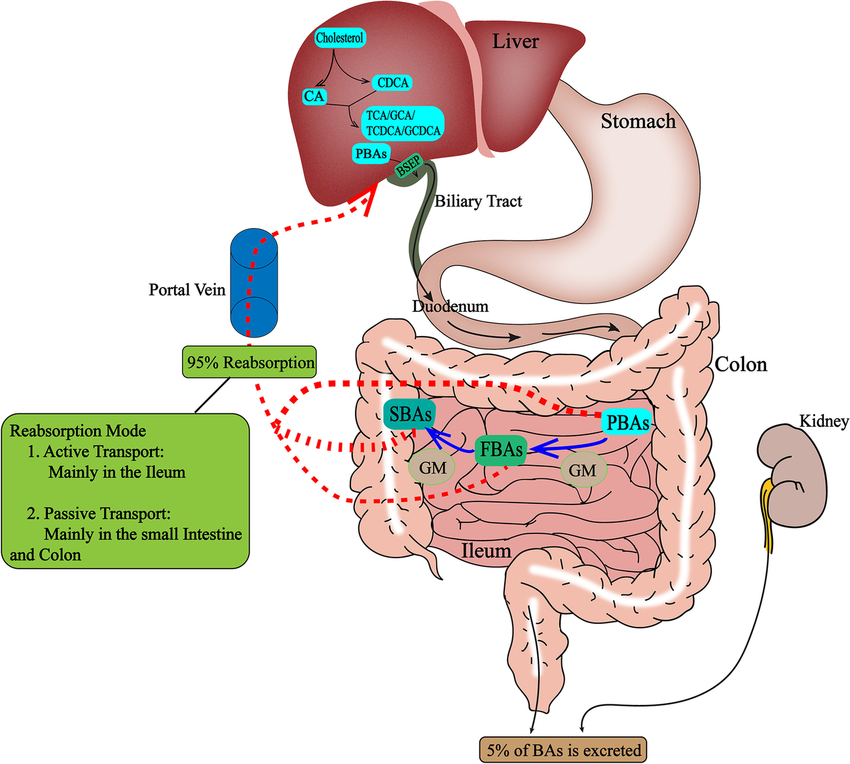
After all, the gastric acid secretion follows a circadian pattern and also, the esophageal valve should be closed at night.
pubmed.ncbi.nlm.nih.gov/25250617/
pubmed.ncbi.nlm.nih.gov/23512957/
pubmed.ncbi.nlm.nih.gov/25889354/
ncbi.nlm.nih.gov/pmc/articles/P… sciencedirect.com/science/articl…
frontiersin.org/journals/pharm……
sciencedirect.com/science/articl……
ncbi.nlm.nih.gov/pmc/articles/P…
cell.com/cell-reports/f……… cell.com/cell-metabolis………
mdpi.com/2072-6643/12/2……… ncbi.nlm.nih.gov/pmc/articles/P……
diabetesjournals.org/diabetes/artic……
frontiersin.org/journals/pharm…………
pubmed.ncbi.nlm.nih.gov/34030374/
pubmed.ncbi.nlm.nih.gov/21155623/
pubmed.ncbi.nlm.nih.gov/7709998/
pubmed.ncbi.nlm.nih.gov/23696577/
pubmed.ncbi.nlm.nih.gov/26227889/
You can not always control this of course, but it's quite important.
When we eat, matters.
After all, the gastric acid secretion follows a circadian pattern and also, the esophageal valve should be closed at night.
pubmed.ncbi.nlm.nih.gov/25250617/
pubmed.ncbi.nlm.nih.gov/23512957/
pubmed.ncbi.nlm.nih.gov/25889354/
ncbi.nlm.nih.gov/pmc/articles/P… sciencedirect.com/science/articl…
frontiersin.org/journals/pharm……
sciencedirect.com/science/articl……
ncbi.nlm.nih.gov/pmc/articles/P…
cell.com/cell-reports/f……… cell.com/cell-metabolis………
mdpi.com/2072-6643/12/2……… ncbi.nlm.nih.gov/pmc/articles/P……
diabetesjournals.org/diabetes/artic……
frontiersin.org/journals/pharm…………
pubmed.ncbi.nlm.nih.gov/34030374/
pubmed.ncbi.nlm.nih.gov/21155623/
pubmed.ncbi.nlm.nih.gov/7709998/
pubmed.ncbi.nlm.nih.gov/23696577/
pubmed.ncbi.nlm.nih.gov/26227889/
Mistake number 8: Neglecting the power of herbs.
https://x.com/Helios_Movement/status/1848343452284547392
Mistake number 9: Treating foods like numbers on a screen.
Macros matter, a lot.
But food is not numbers on a screen, food is the fuel that provides us with the raw materials that our body needs in order to rebuild itself and its preparation was treated as something completely sacred in multiple cultures.
When you view food as numbers on a screen, you don’t even appreciate it and there’s something completely unnatural with this viewpoint.
Not to mention that you don’t even care about how it was sourced, the hidden effects that can have in your biology and multiple other things.
Macros matter, a lot.
But food is not numbers on a screen, food is the fuel that provides us with the raw materials that our body needs in order to rebuild itself and its preparation was treated as something completely sacred in multiple cultures.
When you view food as numbers on a screen, you don’t even appreciate it and there’s something completely unnatural with this viewpoint.
Not to mention that you don’t even care about how it was sourced, the hidden effects that can have in your biology and multiple other things.
Mistake number 10: Regularly cooking with Teflon and so on.
The cookware you’re using can contribute to health issues such as thyroid disease, infertility, liver problems, kidney problems, insulin resistance and even cancer.
You might think that i was full of shit and to be completely honest with you i wish i was…
Over the last decades, you've probably noticed that things such as non-stick pans have become a standard in most people’s households.
This is a problem.
Non-stick pans are a health hazard.
Let’s take Teflon for example.
Note: Teflon = non-stick coating made of polytetrafluoroethylene (PTFE)
Teflon products up until 2013 (or 2015 depending on where you live), contained a compound known as C8 or PFOA perfluorooctanoic acid which was RUINING everyone's health (but C8 was linked to birth defects, cancer, infertility and in the United States 98% of people had PFOA in their bloodstream.
Also, non-stick cookware will inevitably be coated with PTFE and PFAS which when heated release perfluorooctanoic acid which is also linked to diseases such as: thyroid disease, liver disease, infertility, and a lot of reproductive problems.
Plus, most non-stick pans, literally have instructions that clearly state that "you should not heat these pans above medium heat" (mainly in order to not release toxic fumes), but almost no one i know does this.
The cookware you’re using can contribute to health issues such as thyroid disease, infertility, liver problems, kidney problems, insulin resistance and even cancer.
You might think that i was full of shit and to be completely honest with you i wish i was…
Over the last decades, you've probably noticed that things such as non-stick pans have become a standard in most people’s households.
This is a problem.
Non-stick pans are a health hazard.
Let’s take Teflon for example.
Note: Teflon = non-stick coating made of polytetrafluoroethylene (PTFE)
Teflon products up until 2013 (or 2015 depending on where you live), contained a compound known as C8 or PFOA perfluorooctanoic acid which was RUINING everyone's health (but C8 was linked to birth defects, cancer, infertility and in the United States 98% of people had PFOA in their bloodstream.
Also, non-stick cookware will inevitably be coated with PTFE and PFAS which when heated release perfluorooctanoic acid which is also linked to diseases such as: thyroid disease, liver disease, infertility, and a lot of reproductive problems.
Plus, most non-stick pans, literally have instructions that clearly state that "you should not heat these pans above medium heat" (mainly in order to not release toxic fumes), but almost no one i know does this.

Mistake number 11: Not being aware of what deplete us of nutrients and tweaking your needs/avoiding them.
Stimulants for example deplete electrolytes , B1, B2, B5 and Vitamin C.
Statins deplete CoQ10 and Vitamin D (maybe also vitamin A and E depending on the dosage)
Alcohol depletes B vitamins and electrolytes.
Long term, alcohol will deplete Vitamin K as well.
Antibiotics deplete B vitamins , Vitamin K and D.
Heavy metals deplete minerals.
Stimulants for example deplete electrolytes , B1, B2, B5 and Vitamin C.
Statins deplete CoQ10 and Vitamin D (maybe also vitamin A and E depending on the dosage)
Alcohol depletes B vitamins and electrolytes.
Long term, alcohol will deplete Vitamin K as well.
Antibiotics deplete B vitamins , Vitamin K and D.
Heavy metals deplete minerals.
Mistake number 12: Not knowing how to cover your micronutrient needs through food.
https://x.com/Helios_Movement/status/1878807145900392653
That was pretty much it.
I hope that you learned something from this thread.
If you did make sure to leave a like/RT.
For more on the topic of nutrition:
fitandball.gumroad.com/l/thesystem23
I hope that you learned something from this thread.
If you did make sure to leave a like/RT.
For more on the topic of nutrition:
fitandball.gumroad.com/l/thesystem23
• • •
Missing some Tweet in this thread? You can try to
force a refresh