Top 5 inversion fair value gap setups of the week + explanations + letter rating
I take 2 hours out of my week to make these for you guys when I don't even need to but I want you guys to make money so please be grateful
1.27.25 - 1.31.25 🧵
I take 2 hours out of my week to make these for you guys when I don't even need to but I want you guys to make money so please be grateful
1.27.25 - 1.31.25 🧵
Monday
A+
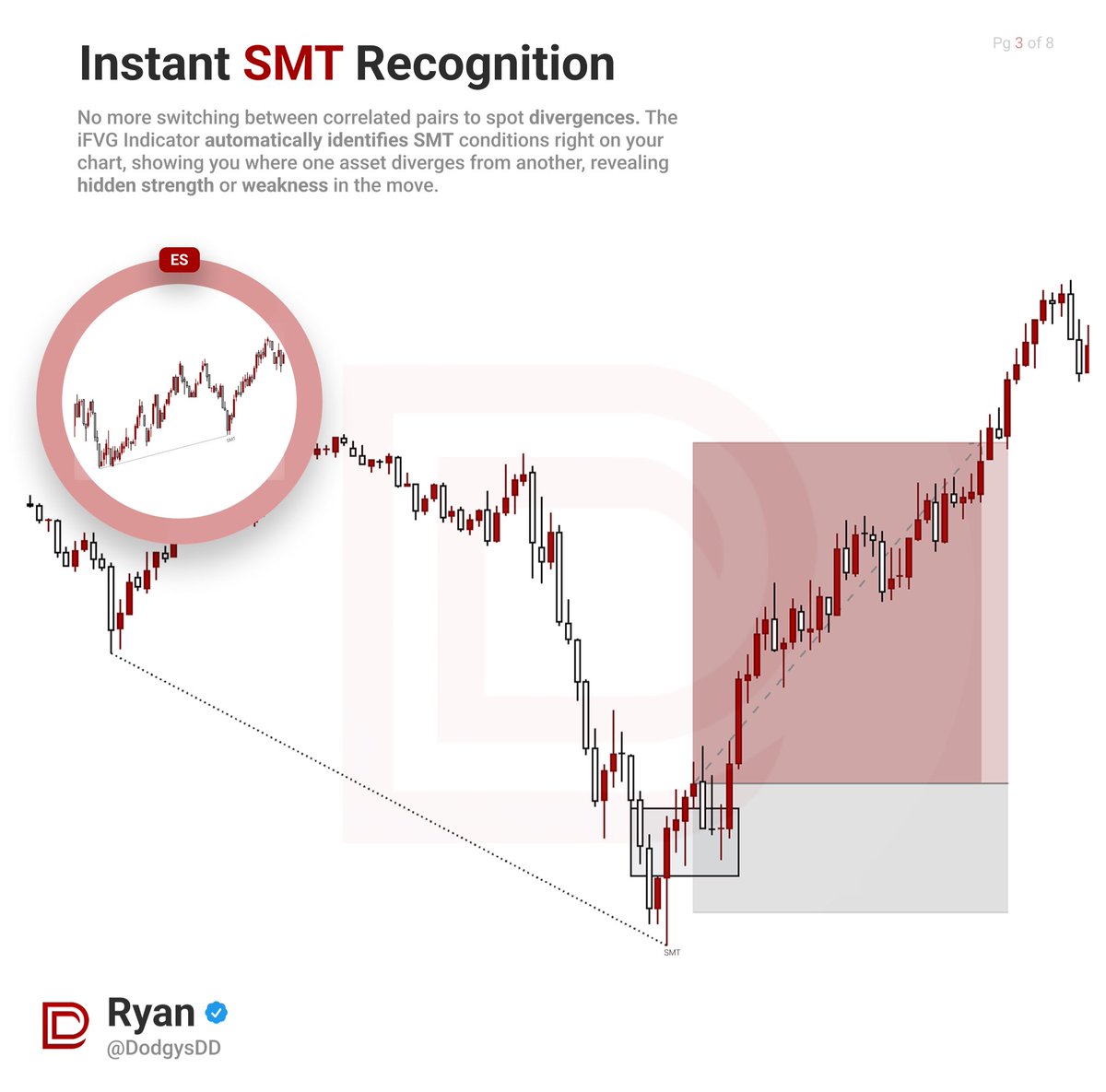
-SMT w / ES
-Singular FVG
-HTF 15 min iFVG
-Good momentum/vshape
-ES hit discount
-Mini LRLR above
A+
-SMT w / ES
-Singular FVG
-HTF 15 min iFVG
-Good momentum/vshape
-ES hit discount
-Mini LRLR above

Tuesday
A+
-Delivery from M30 FVG
-Swept HTF liquidity
-OB + iFVG
-9:30 High (good liquidity pool)
-HTF coming off 15 min iFVG
-HTF in discount
A+
-Delivery from M30 FVG
-Swept HTF liquidity
-OB + iFVG
-9:30 High (good liquidity pool)
-HTF coming off 15 min iFVG
-HTF in discount

Wednesday (FOMC)
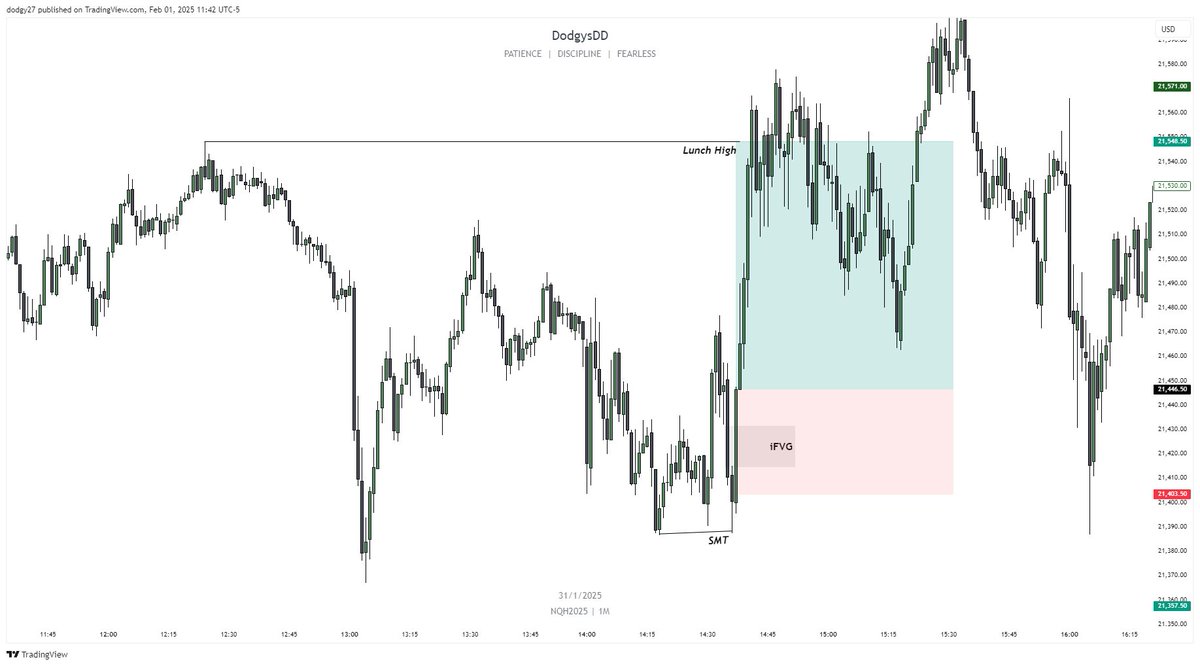
A+
-SMT w/ ES
-Lunch high buyside
-Vshape recovery
-HTF bullish
-In discount
-LRLR above
A+
-SMT w/ ES
-Lunch high buyside
-Vshape recovery
-HTF bullish
-In discount
-LRLR above
Thursday
A+
-In discount
-Manipulation leg
-Mini LRLR
-4 hour BPR
-Singular iFVG
-Inversed with momentum
-Big LRLR above
-ITH above
A+
-In discount
-Manipulation leg
-Mini LRLR
-4 hour BPR
-Singular iFVG
-Inversed with momentum
-Big LRLR above
-ITH above

Friday
A+
-One Setup for Life
-Delivery off 5 min FVG
-Swept HTF Liquidity
-Good momentum back up
-Data Highs
-In discount
A+
-One Setup for Life
-Delivery off 5 min FVG
-Swept HTF Liquidity
-Good momentum back up
-Data Highs
-In discount

If you have any questions, make sure to check out my discord (link in description)
Follow my other socials for more ICT tips
-Instagram @ dodgysddofficial
-tik tok @ dodgysdd
Follow my other socials for more ICT tips
-Instagram @ dodgysddofficial
-tik tok @ dodgysdd
• • •
Missing some Tweet in this thread? You can try to
force a refresh