President Trump has indicated he wants tariffs on a grand scale, and that the McKinley presidency is his model for doing so
Why’s that important?
McKinley saved America with his responsible attitude and protection-minded tariffs, and Trump could do the same
🧵👇
Why’s that important?
McKinley saved America with his responsible attitude and protection-minded tariffs, and Trump could do the same
🧵👇

The history of the McKinley tariffs is quite interesting. So far, my favorite book on his policies is In the Days of McKinley, but if you want a faster primer, @MTClassical has a superb show on the subject
In any case, the basic problem McKinley faced is this: decades of tight, gold standard monetary policy and relatively unprotective trade policies in the period between the War Between the States and 1890 meant significant deflation in goods prices, particularly commodities and those manufactured goods in which Europe had a head start
In any case, the basic problem McKinley faced is this: decades of tight, gold standard monetary policy and relatively unprotective trade policies in the period between the War Between the States and 1890 meant significant deflation in goods prices, particularly commodities and those manufactured goods in which Europe had a head start

That general economic situation meant, broadly, that though things were getting significantly cheaper, workers were missing out on those gains because their employers had to cut wages to stay afloat
Farmers, meanwhile, were seeing themselves fall ever more behind the large corporate farms as the commodity prices of their crops fell and the debt they, in turn, needed was extremely expensive in a deflationary world
Justin HW Brands describes the farming issue particularly well in his book “Colossus”
Farmers, meanwhile, were seeing themselves fall ever more behind the large corporate farms as the commodity prices of their crops fell and the debt they, in turn, needed was extremely expensive in a deflationary world
Justin HW Brands describes the farming issue particularly well in his book “Colossus”

So, overall, the big companies were in an ok position, as was the managerial class. The upper-middle professional class was in a great economic position: domestic labor and goods were cheap, so they benefited
But the bottom of the totem pole, the wage earning workers and yeomen farmers, was struggling. Low commodity prices hurt farmers and the cut wages that came with deflation hurt workers
But the bottom of the totem pole, the wage earning workers and yeomen farmers, was struggling. Low commodity prices hurt farmers and the cut wages that came with deflation hurt workers

Those issues, in turn, were creating political problems
Namely, deflation-harmed farmers were turned to the radical populist politics of William Jennings Bryan, the apostle of inflationary silver
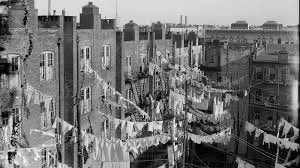
Meanwhile the tenement living, wages cut workers turned to the radical anarchist and socialist politics of the Central and Eastern European workers imported en masse by some of the industrialists to further depress wages
Namely, deflation-harmed farmers were turned to the radical populist politics of William Jennings Bryan, the apostle of inflationary silver
Meanwhile the tenement living, wages cut workers turned to the radical anarchist and socialist politics of the Central and Eastern European workers imported en masse by some of the industrialists to further depress wages
Capital responded with a vengeance to those radical politics
Hundreds of Pinkertons being sent to crush strikers is indicative of the mutually felt venom of the early Gilded Age period, as were incidents in which national guard troopers shot strikers, who in turn torched vast amounts of capital, such as railroad infrastructure
Hundreds of Pinkertons being sent to crush strikers is indicative of the mutually felt venom of the early Gilded Age period, as were incidents in which national guard troopers shot strikers, who in turn torched vast amounts of capital, such as railroad infrastructure

America, in short, was being torn apart at the seams as her farmers embraced radical politics while workers and capitalists shot each other down in the streets
It was McKinley who fixed that and got America on the right path so it could dodge the deadly bullet of anarchist/socialist radicalism
It was McKinley who fixed that and got America on the right path so it could dodge the deadly bullet of anarchist/socialist radicalism

The gold side of this was out of his hands, admittedly:
The silver boosters like WJB were obviated not by policy, but by the exploitation of South Africa’s Rand mines, from which a flood of gold poured, ending the tight monetary situation of the post-war period
The silver boosters like WJB were obviated not by policy, but by the exploitation of South Africa’s Rand mines, from which a flood of gold poured, ending the tight monetary situation of the post-war period

But McKinley did solve the wage and capital situation:
In imposing tariffs protective enough to give American industry breathing room on its profit margins, McKinley gave the industrialists the breathing room to raise wages, appeasing the American workers who had embraced radicalism out of necessity rather than inclination, and gave it up once wages were raised
As he did so, he acted with the same sort of respect for both sides that characterized his period as governor: by calling out both labor and capital when they went too far, he helped push the intransigent elements out of both and help the reasonable, good faith elements strike mutually beneficial compromises.
This is what he first did when the mine owners and workers almost went to war when he was governor, then did it nationally as president, fulfilling the hopes of those who nominated then elected him because of his responsible nature
In imposing tariffs protective enough to give American industry breathing room on its profit margins, McKinley gave the industrialists the breathing room to raise wages, appeasing the American workers who had embraced radicalism out of necessity rather than inclination, and gave it up once wages were raised
As he did so, he acted with the same sort of respect for both sides that characterized his period as governor: by calling out both labor and capital when they went too far, he helped push the intransigent elements out of both and help the reasonable, good faith elements strike mutually beneficial compromises.
This is what he first did when the mine owners and workers almost went to war when he was governor, then did it nationally as president, fulfilling the hopes of those who nominated then elected him because of his responsible nature

Admittedly, that caused short term pain, particularly the tariffs. Building domestic industry rather than importing what foreigners made was difficult, and caused temporary economic pain
But what the tariff haters miss is that, like with working out, the short term pain led to immense long term gain
Namely, protection created a virtuous long term cycle for the American economy: tariffs meant foreign goods were uncompetitive, so as American workers earning their newly raised wages spent that earned money, they did so on domestically produced goods. That spending on nationally produced goods meant capital owners had rising profits. They reinvested it in more production, raised wages, and paid dividends.
Everyone benefited, and so long as the protection was in place and insanity avoided at the political level, the cycle continued. It only really broke down when what would have been temporary conditions meant FDR the pinko was in charge
But what the tariff haters miss is that, like with working out, the short term pain led to immense long term gain
Namely, protection created a virtuous long term cycle for the American economy: tariffs meant foreign goods were uncompetitive, so as American workers earning their newly raised wages spent that earned money, they did so on domestically produced goods. That spending on nationally produced goods meant capital owners had rising profits. They reinvested it in more production, raised wages, and paid dividends.
Everyone benefited, and so long as the protection was in place and insanity avoided at the political level, the cycle continued. It only really broke down when what would have been temporary conditions meant FDR the pinko was in charge

The sort of industrialism represented by Henry Ford characterized this cycle
He produced inexpensive cars normal people could afford, and kept wages high so his workers could buy the sort of cars the produced. As more people bought his cars, he could take advantage of increasing economies of scale so more people could afford the cars, wages could be raised further, and so on
It was production for a purpose, that benefited the country, rather than just blind GDP chasing of the sort we now have or the sort of ruthless exploitation of workers characterized by the company stores of Frisk
He produced inexpensive cars normal people could afford, and kept wages high so his workers could buy the sort of cars the produced. As more people bought his cars, he could take advantage of increasing economies of scale so more people could afford the cars, wages could be raised further, and so on
It was production for a purpose, that benefited the country, rather than just blind GDP chasing of the sort we now have or the sort of ruthless exploitation of workers characterized by the company stores of Frisk

This stands quite in contrast to the free trade of England, which helped destroy the empire
Ending the Corn Laws, as I spoke about with @_jburden, eventually destroyed farmers and the traditional landed elite, putting plutocrats in political power
Their ideological devotion to free trade meant domestic factories were increasingly uncompetitive with the imports of America, which had a far master market to support its low prices, and gradually capital cut jobs and wages to make up for it, creating intense hatred amongst the working class and the opposite of the virtuous cycle present in America
In the end, this meant continued socialist government that further ravaged England, huge strikes that created conditions of class warfare, and the end of England as a major industrial power that could support an empire
All of that could have been avoided even into the first decades of the 1900s, as Leo Amery wrote about in his memoirs, but in taking the opposite path of McKinley, England destroyed itself
America avoided a General Strike, quite unlike England
Ending the Corn Laws, as I spoke about with @_jburden, eventually destroyed farmers and the traditional landed elite, putting plutocrats in political power
Their ideological devotion to free trade meant domestic factories were increasingly uncompetitive with the imports of America, which had a far master market to support its low prices, and gradually capital cut jobs and wages to make up for it, creating intense hatred amongst the working class and the opposite of the virtuous cycle present in America
In the end, this meant continued socialist government that further ravaged England, huge strikes that created conditions of class warfare, and the end of England as a major industrial power that could support an empire
All of that could have been avoided even into the first decades of the 1900s, as Leo Amery wrote about in his memoirs, but in taking the opposite path of McKinley, England destroyed itself
America avoided a General Strike, quite unlike England

Then there’s the matter of imported radicalism
Sadly, this killed McKinley: he was assassinated by a crazed anarchist “newcomer” from impoverished Eastern Europe
But his death was not in vain, for it and others like it amongst the wealthy meant a massive crackdown on immigration from those hellish anarchist spots, paired with deportations of radical immigrants
This also helped solve the issue of integrating those recent immigrants and ending the problem of imported labor depressing wages
Sadly, this killed McKinley: he was assassinated by a crazed anarchist “newcomer” from impoverished Eastern Europe
But his death was not in vain, for it and others like it amongst the wealthy meant a massive crackdown on immigration from those hellish anarchist spots, paired with deportations of radical immigrants
This also helped solve the issue of integrating those recent immigrants and ending the problem of imported labor depressing wages

This essentially worked
Before the Great Depression, socialism, communism, and anarchism were on track to be defeated by America, as I wrote about here:
Before the Great Depression, socialism, communism, and anarchism were on track to be defeated by America, as I wrote about here:
https://twitter.com/will_tanner_1/status/1854545981347418286
Trump has the potential to do the same thing as McKinley, as most of our issues now are similar to those faced by America in the late nineteenth century
Take industry: industrial jobs have evaporated and the wages for them become ever less generous because of our relatively free trade policies, particularly NAFTA and granting China most favored nation status. The end of those jobs has ravaged the Rust Belt and created not just suffering, but also significant political undercurrents of left leaning economic populism
That could be fixed with protection. Yes, it would be painful, as was initially the case with the McKinley tariffs. But those ended in glory because they were stuck with
America has much financial and human capital. We have all the resources we need. We could rebuild our domestic industry and recreate the virtuous economic cycle of McKinley. But it’ll take protection to achieve that
Take industry: industrial jobs have evaporated and the wages for them become ever less generous because of our relatively free trade policies, particularly NAFTA and granting China most favored nation status. The end of those jobs has ravaged the Rust Belt and created not just suffering, but also significant political undercurrents of left leaning economic populism
That could be fixed with protection. Yes, it would be painful, as was initially the case with the McKinley tariffs. But those ended in glory because they were stuck with
America has much financial and human capital. We have all the resources we need. We could rebuild our domestic industry and recreate the virtuous economic cycle of McKinley. But it’ll take protection to achieve that

Then there’s money
Admittedly, ours is too inflationary rather than too deflationary.
But McKinley was a staunch hard money man who fought inflationary silver
Trump must fight inflation, though there are different ways to do it, and I’ll leave that to those more knowledgeable than I, but we can keep the dollar strong against the Euro, Pound, and other currencies, as @NormanDodd_knew has spoken about, and use protection to benefit from it rather than see strong dollar caused export chaos
Admittedly, ours is too inflationary rather than too deflationary.
But McKinley was a staunch hard money man who fought inflationary silver
Trump must fight inflation, though there are different ways to do it, and I’ll leave that to those more knowledgeable than I, but we can keep the dollar strong against the Euro, Pound, and other currencies, as @NormanDodd_knew has spoken about, and use protection to benefit from it rather than see strong dollar caused export chaos

Finally, there’s the matter of imported dangers
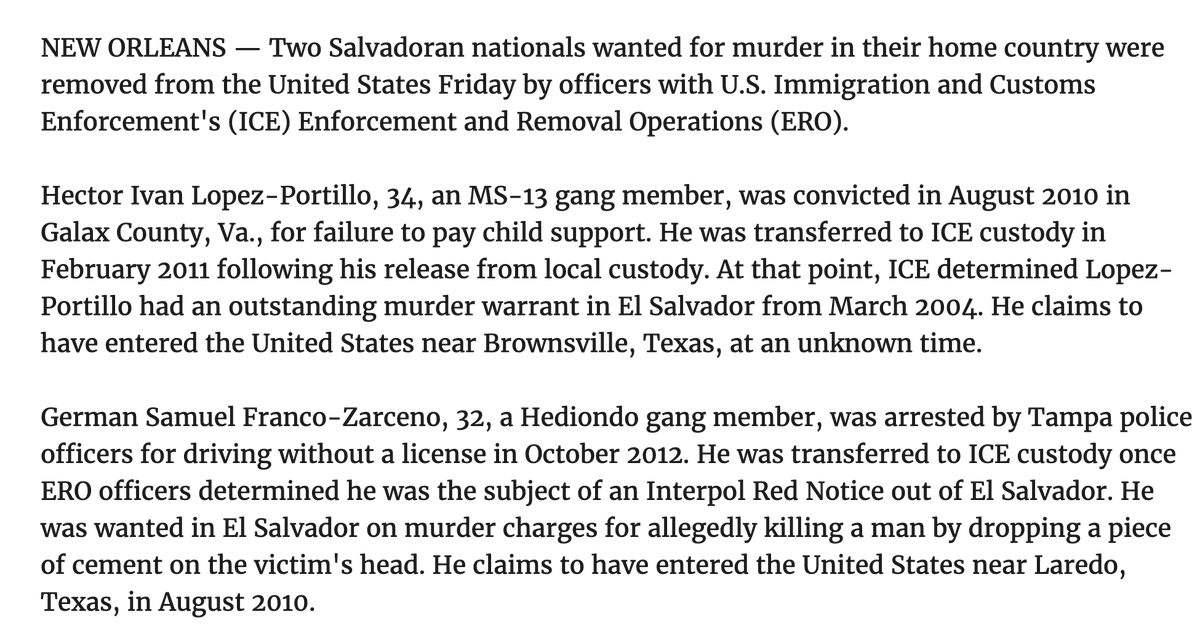
Tren de Aragua, MS-13, the cartels, and so on are here at our sufferance. Like the Reds, they must be deported
But also we need a strong border to solve the issue of domestic wage depression and non-assimilation. Trump could achieve that, and it’s much needed
Tren de Aragua, MS-13, the cartels, and so on are here at our sufferance. Like the Reds, they must be deported
But also we need a strong border to solve the issue of domestic wage depression and non-assimilation. Trump could achieve that, and it’s much needed

So, it’s very hopeful that Trump is referencing McKinley
McKinley saved America, and following in his footsteps could do the same thing in the 21st century
McKinley saved America, and following in his footsteps could do the same thing in the 21st century

This more or less sums up the reason for tariffs and why they worked for America thanks to McKinley
Great post
Great post
https://twitter.com/hardpass4/status/1885869976092823567
• • •
Missing some Tweet in this thread? You can try to
force a refresh