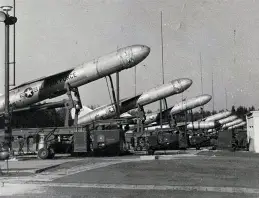
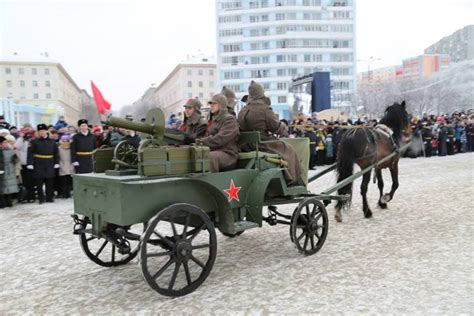
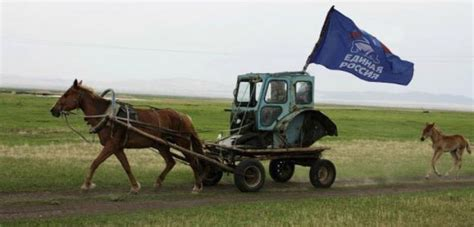
It appears the collapse of Russian Army motor transport is nearly complete and hippo train (mules & horses) are being pulled out of the 19th century for the "2nd strongest Army in the world."
This won't end well for Russia.
A Mule Logistics🧵
1/
This won't end well for Russia.
A Mule Logistics🧵
1/
https://twitter.com/bayraktar_1love/status/1887612499446411413
Being a WW2 historian of electronic warfare and logistics has it's advantages when it comes to looking up US Army standard operating procedures for horse & mule logistics.
See #1 thru #9 below and consider if a Mobik from a Russian city could do them.
2/
See #1 thru #9 below and consider if a Mobik from a Russian city could do them.
2/

Russian Mobiks have a hard enough time maintaining trucks, cars and tractors. How do you think they will care for a mule?
Again, from the US Army Wagoner S.O.P.:
"ROUTINE DUTIES OF THE WAGONER
It is a good plan to have a fixed time for every routine duty, as then there will be no chance of over looking anything. Certain duties should be attended to daily and others weekly. The following is suggested as a daily program to be followed:
3/
Again, from the US Army Wagoner S.O.P.:
"ROUTINE DUTIES OF THE WAGONER
It is a good plan to have a fixed time for every routine duty, as then there will be no chance of over looking anything. Certain duties should be attended to daily and others weekly. The following is suggested as a daily program to be followed:
3/
...Immediately after rising before or after reveille in the morning the Wagoner should feed grain to his team, brush off, harness them, and examine their feet. After the Wagoner has had breakfast the stalls of the animals should be policed just to make sure it has been cleaned and is fresh. The Wagoner should then make sure his team has been watered and if not he should water them. Make sure the water is clean and not contaminated. The Wagoner makes sure his wagon (all wagons are numbered and identified by markings) is parked in its designated space. Harnesses should be inspected for good order. If in need of repair contact the units saddler. Animals should be tied to a picket line or let out in the corral if not going to work. If assigned to work he will harness the team and hitch up his team to its wagon and go to its designated area for work. At the end of the day the Wagoner returns his team and wagon back to its designated parking area, unhitches his team returns them to the stables and unharnesses the animals and inspects his team. A special examination should be made to ascertain whether any abrasions or enlargements have developed. Their feet should be carefully cleaned and inspected noting any loose or missing shoes. Harnesses are inspected and hung on their proper hanging pegs and the sweat and dirt wiped off the collars, bellybands, and cruppers.
4/
4/
...Animals should then be groomed, their shoulders washed, harnesses should be adjusted for the next day's work so any pressure may be removed from any swollen parts which may have formed. The animals should be fed grain and hay. A thorough examination of the wagon as well as axle nuts on the wagon, minor repairs made immediately, and those requiring special attention reported to the specialist before the next day's work. The wagon should then be greased if necessary. After reporting animals requiring shoeing or veterinary attention the Wagoner should wash and get his meal."
5/
5/
There is no way on G-d's green earth that Russian mobiks are going to do any of that.
Mule based logistics, either as a draft animal or as part of a mule train is a skill set Russia has had decay to almost nothing because of agricultural mechanization.
6/
Mule based logistics, either as a draft animal or as part of a mule train is a skill set Russia has had decay to almost nothing because of agricultural mechanization.
6/
While some of Russia's rural regions have pockets of such hippo train skills.
Just where are they going to get the fodder, grain and especially water for the mules?
7/
Just where are they going to get the fodder, grain and especially water for the mules?
7/
https://x.com/PStyle0ne1/status/1886771211549429981
No one is farming within 20 km of the front lines on either side, because drones. The RuAF are complaining that Ukrainian locals are trying to kill them.
This means rural Ukrainians in occupied areas are victimized on the regular by Mobiks and are either killed or leave.
8/
This means rural Ukrainians in occupied areas are victimized on the regular by Mobiks and are either killed or leave.
8/
What the delusional RuAF staff officers imagine and what reality is are two different things.
This is the Russian "WW2 Exceptionalism" delusion again.
Since it is winter, there is nothing for the poor mules & horses to graze on.
9/
This is the Russian "WW2 Exceptionalism" delusion again.
Since it is winter, there is nothing for the poor mules & horses to graze on.
9/
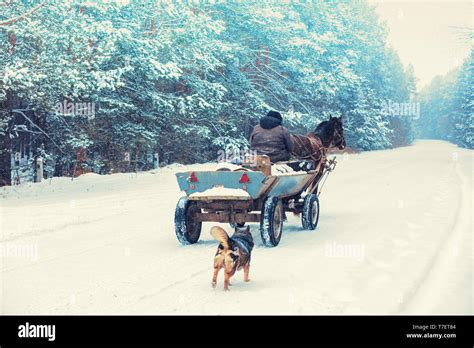
If they do attempt this on a major scale, the hippo train animals will soon die of exhaustion and malnutrition in winter, or exhaustion and thirst in the summer of 2025.
10/
10/
Even if the RuAF sends a lot of mules & horses, what hippo train can deliver & at what speed won't survive FPV drone interdiction.
Does anyone think a small mule drawn cart that moves a maximum of 7 mph for 3-to-4 hours can round trip the 20 km FPV "truck denied zone?"
11/
Does anyone think a small mule drawn cart that moves a maximum of 7 mph for 3-to-4 hours can round trip the 20 km FPV "truck denied zone?"
11/

A Russian staff officer with "Great Patriotic War" delusions will see 11 km/hr, two hours to get to the front at night and two hours back at night.
Reality is where mud, actual road distance to positions and animal exhaustion/abuse mean your speed of advance is 2-3 km/hr...
12/
Reality is where mud, actual road distance to positions and animal exhaustion/abuse mean your speed of advance is 2-3 km/hr...
12/
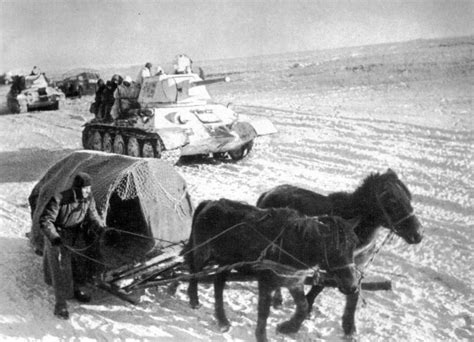
...for 4 hours.
US Army 1930's SOP's say draft teams doing heavy work have to be replaced by fresh draft teams every 15 miles (24km).
The Russo-Ukrainian War FPV drone "truck denied zone" is a 40 km round trip, minimum.
13/
US Army 1930's SOP's say draft teams doing heavy work have to be replaced by fresh draft teams every 15 miles (24km).
The Russo-Ukrainian War FPV drone "truck denied zone" is a 40 km round trip, minimum.
13/
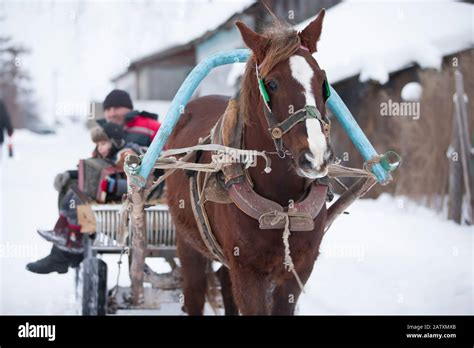
Hippo Train logistics requires careful care, deeding & especially _WATERING_ of the draft animals.
This is something a Russian Army that is sending wounded Mobiks on crutches into "meat wave assaults" is simply just incapable of doing.
14/14
This is something a Russian Army that is sending wounded Mobiks on crutches into "meat wave assaults" is simply just incapable of doing.
14/14

@threadreaderapp unroll please
Does anyone think Russia will deploy any "VETERINARY HOSPITALS" for it's new draft animals?
It's just not going to happen.
See the link below for the US Army hippo train SOP⬇️
THE DUTIES OF THE U.S. ARMY WAGONER
freepages.rootsweb.com/~gregkrenzelok…
It's just not going to happen.
See the link below for the US Army hippo train SOP⬇️
THE DUTIES OF THE U.S. ARMY WAGONER
freepages.rootsweb.com/~gregkrenzelok…
• • •
Missing some Tweet in this thread? You can try to
force a refresh