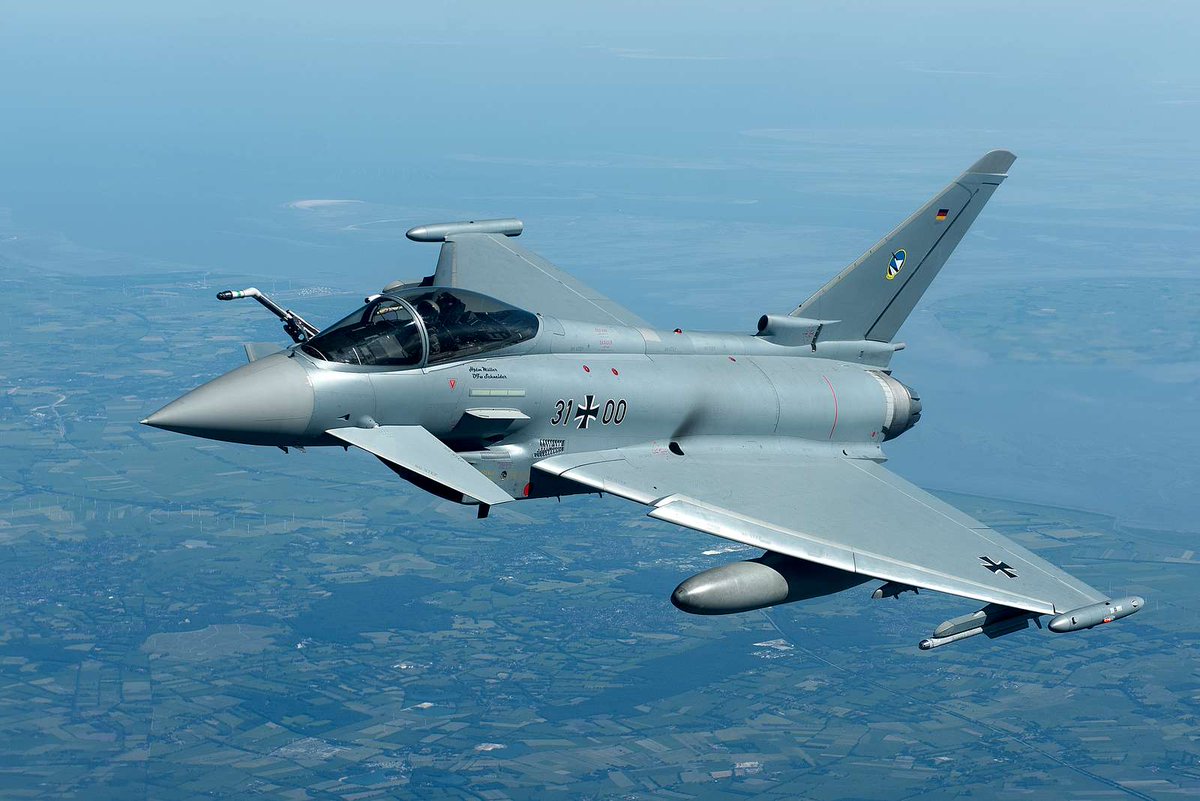
The Gripen E is least capable fighter produced in Europe. Both Rafale and Eurofighter are much more capable and those two are still less capable than the F-35A.
Even the F-15EX is more capable than the Gripen E. No Air Force with access to either F-35A, Rafale or Eurofighter
1/9
Even the F-15EX is more capable than the Gripen E. No Air Force with access to either F-35A, Rafale or Eurofighter
1/9



will buy the Gripen E. It's just not happening.
The Gripen E carries the least amount of weapons over the shortest distance.
And stop with "Gripen E is improved for arctic conditions": where do you think Eielson Air Force Base is?
2/n
The Gripen E carries the least amount of weapons over the shortest distance.
And stop with "Gripen E is improved for arctic conditions": where do you think Eielson Air Force Base is?
2/n

Besides, at 10,000m / 33,000ft the temperature is -50°C / -58°F. Much colder than "arctic conditions".
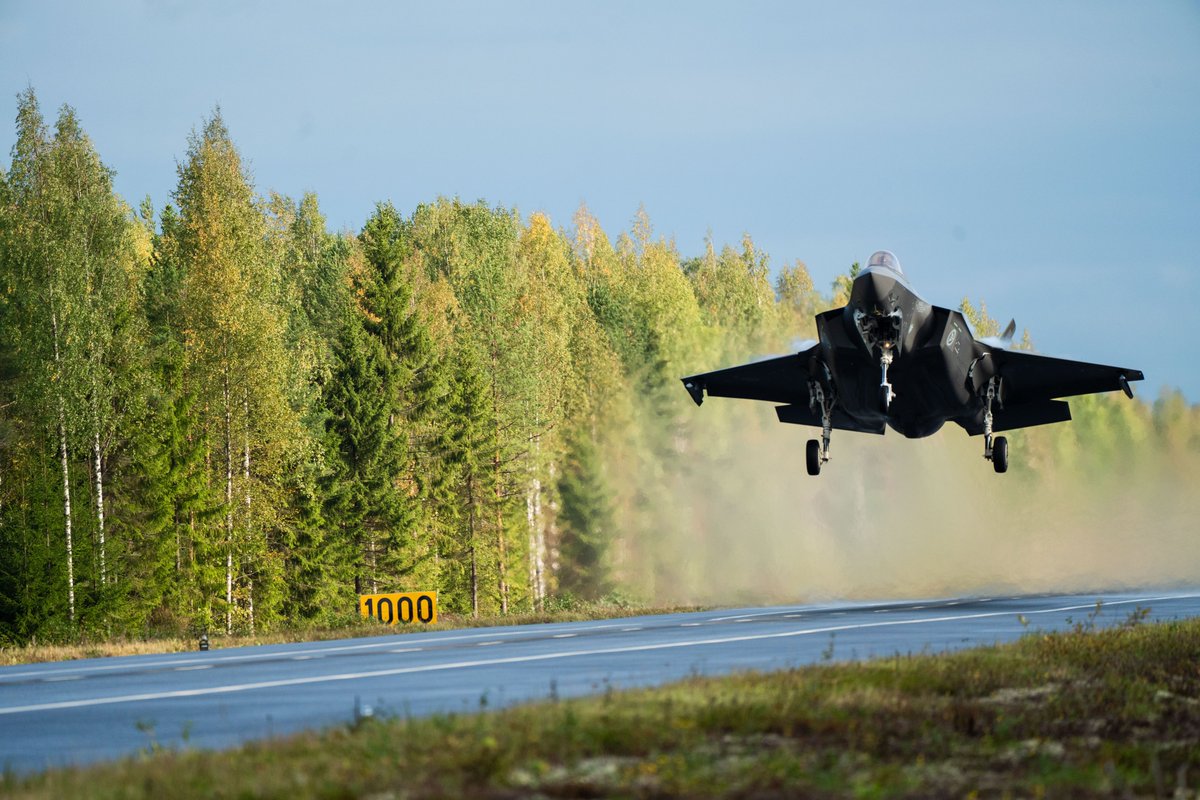
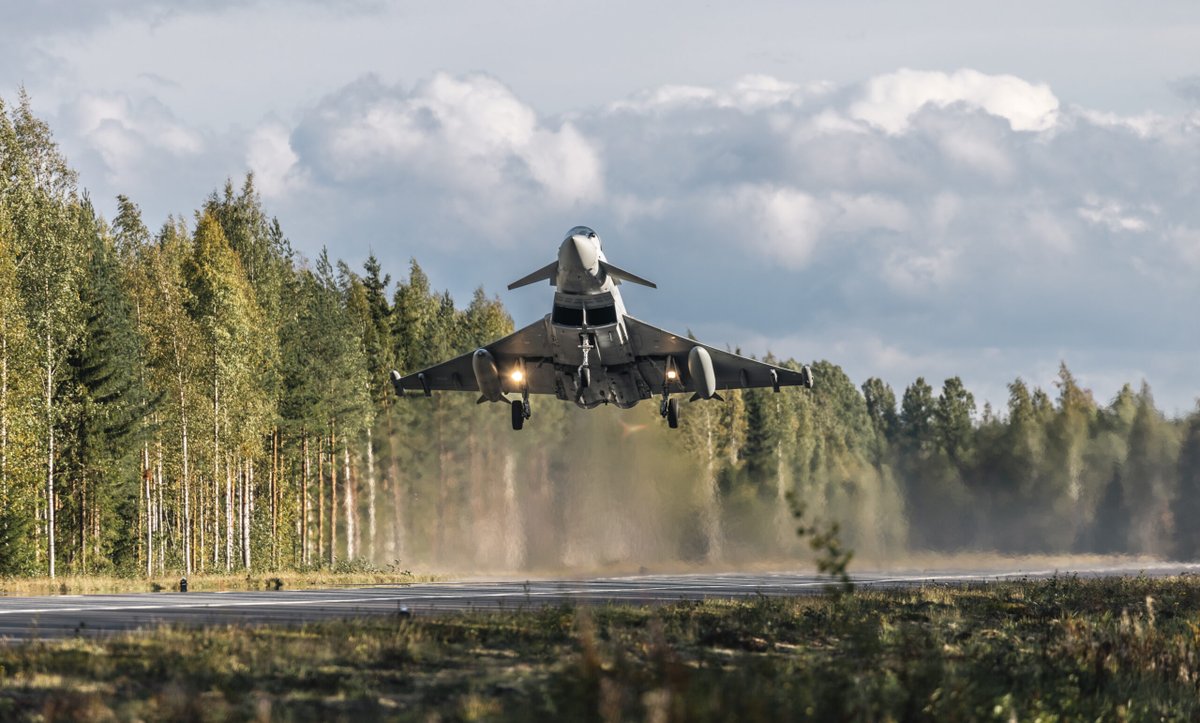
And the "Gripen E can take off from roads" / "only needs a short runway" arguments - roads: so can the F-35A, so can the Eurofighter, etc.
3/n
And the "Gripen E can take off from roads" / "only needs a short runway" arguments - roads: so can the F-35A, so can the Eurofighter, etc.
3/n
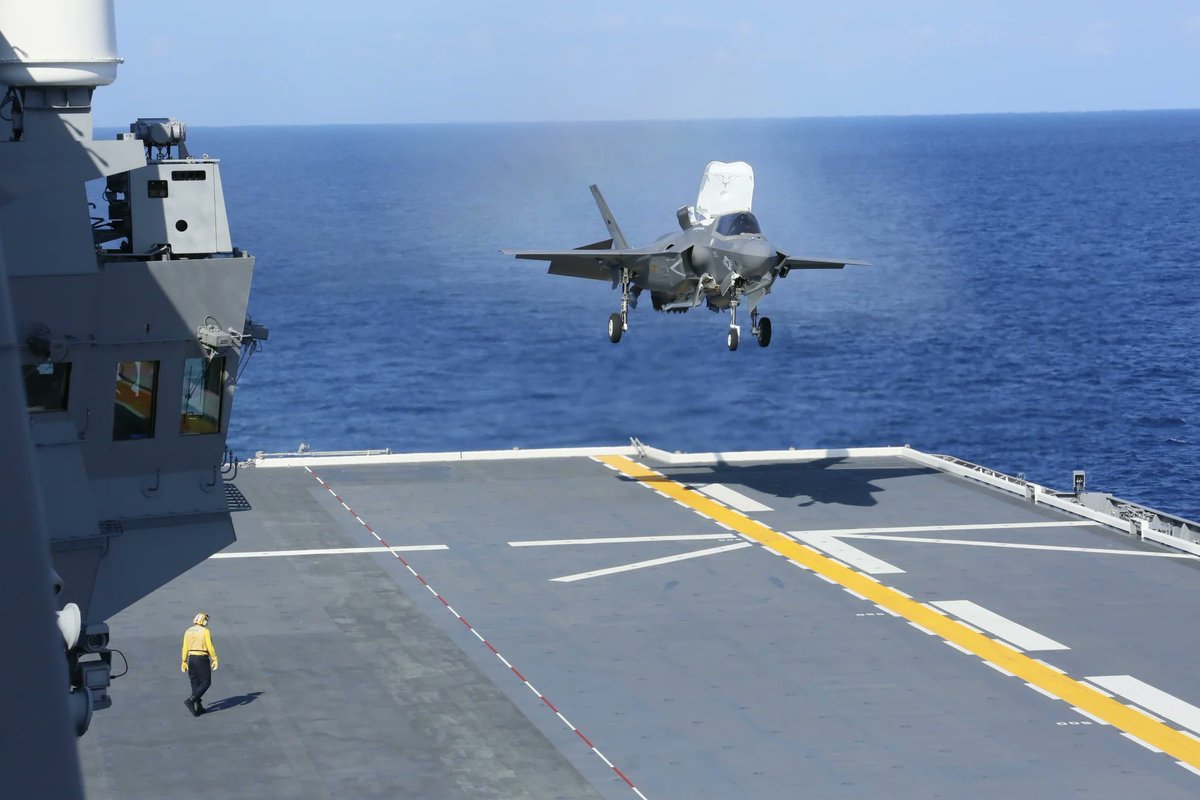
And if a very short runway is your main concern... nothing can compete with the shortness of F-35B runways.
Sure you sacrifice fuel and weapons load if you operate F-35B instead of F-35A, but even the F-35B carries more fuel and weapons than a Gripen E, because the
4/n
Sure you sacrifice fuel and weapons load if you operate F-35B instead of F-35A, but even the F-35B carries more fuel and weapons than a Gripen E, because the
4/n
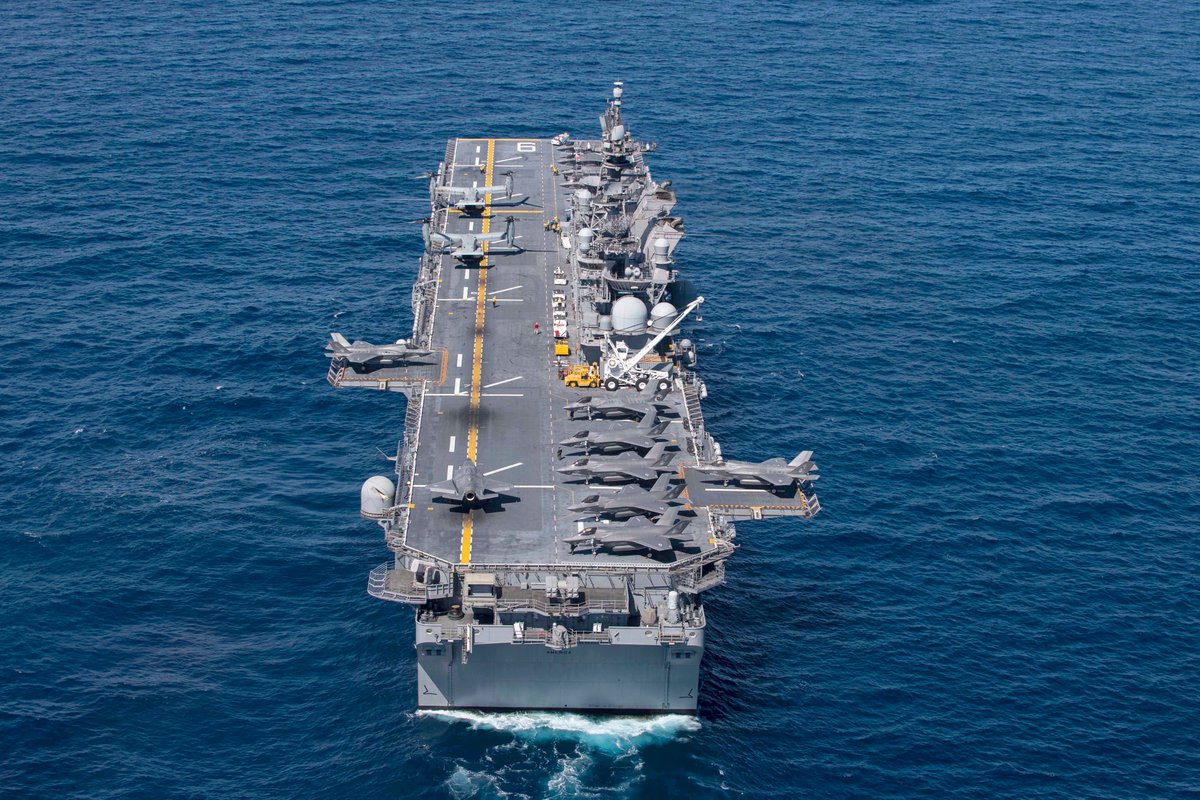
advertised Gripen E weapons load requires to cut back two thirds on the internal fuel, and the advertised Gripen E combat range requires external fuel tanks.
The Gripen E is a good fighter; surely better than anything the russians have, but it is a lightweight fighter, which
5/n
The Gripen E is a good fighter; surely better than anything the russians have, but it is a lightweight fighter, which
5/n
just can't compete with the West's best fighters: F-35A, Eurofighter, Rafale, F-15EX.
It's main competitor is actually the F-16... but the newest F-16 version, the F-16V Block 70/72 is also a better fighter than the Gripen E.
6/n
It's main competitor is actually the F-16... but the newest F-16 version, the F-16V Block 70/72 is also a better fighter than the Gripen E.
6/n
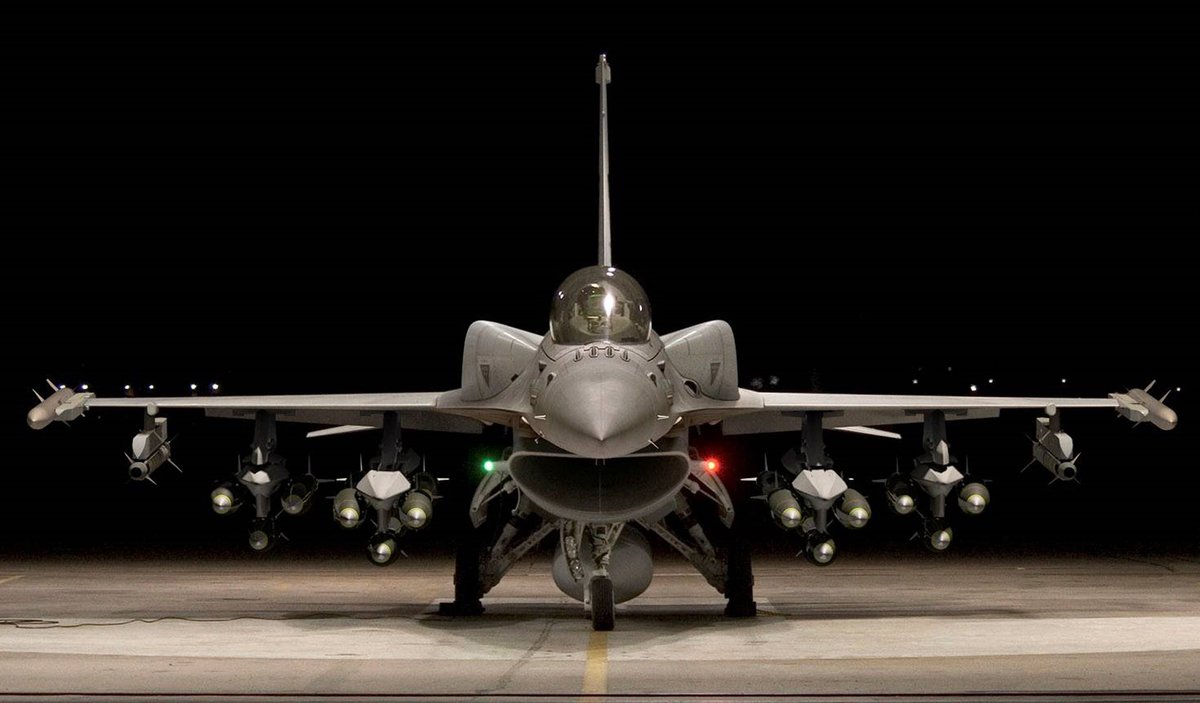
Of all the mentioned fighters, the F-35A is the cheapest. Big production run equals lower cost.
And unlike the Gripen E (the third generation of the Gripen after Gripen A/B and Gripen C/D) the F-35 will evolve: new variants and weapons will be added over the next 40+ years.
7/n
And unlike the Gripen E (the third generation of the Gripen after Gripen A/B and Gripen C/D) the F-35 will evolve: new variants and weapons will be added over the next 40+ years.
7/n
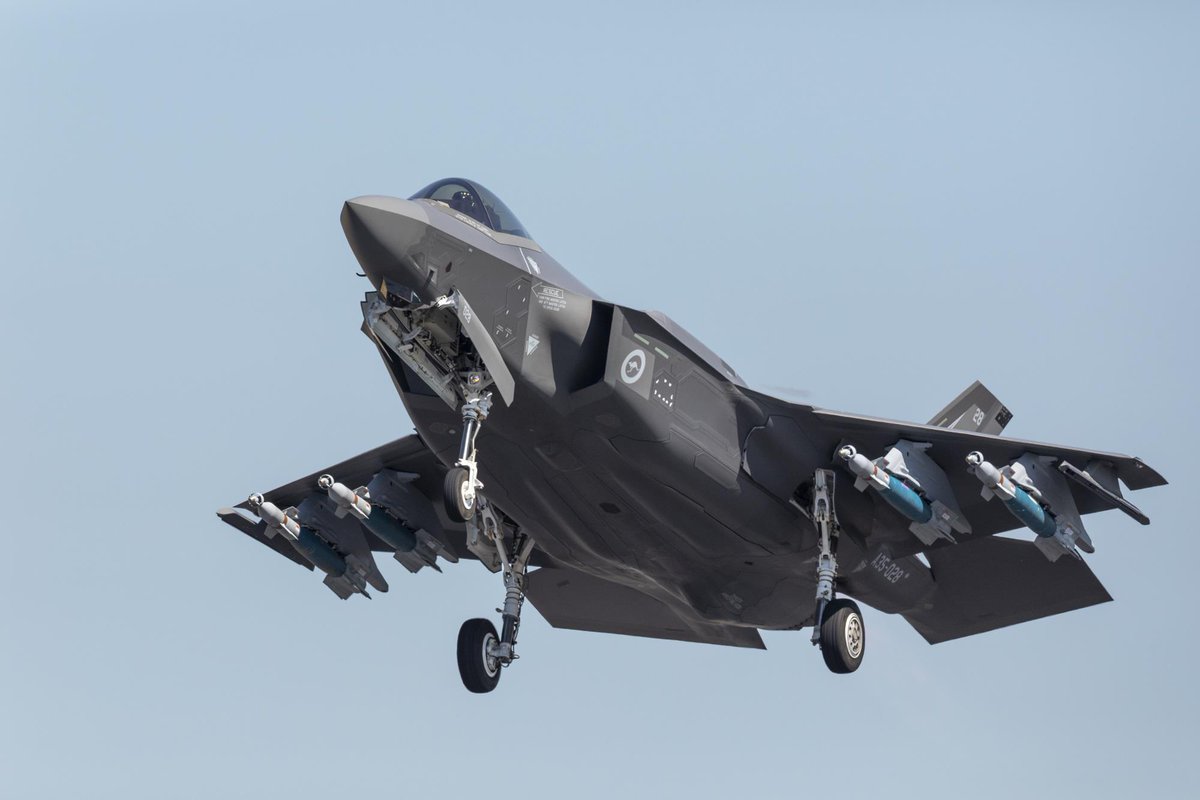
The F-35 also has by far the best radar and avionics, and that is the reason 🇦🇺🇧🇪🇨🇦🇨🇿🇩🇰🇫🇮🇩🇪🇬🇷🇮🇱🇮🇹🇯🇵🇳🇱🇳🇴🇵🇱🇷🇴🇸🇬🇰🇷🇨🇭🇬🇧 have chosen the F-35.
Only 🇧🇷 has chosen the Gripen E, which in the defence black hole South America are, and will be for decades, the most advanced fighters.
8/n
Only 🇧🇷 has chosen the Gripen E, which in the defence black hole South America are, and will be for decades, the most advanced fighters.
8/n
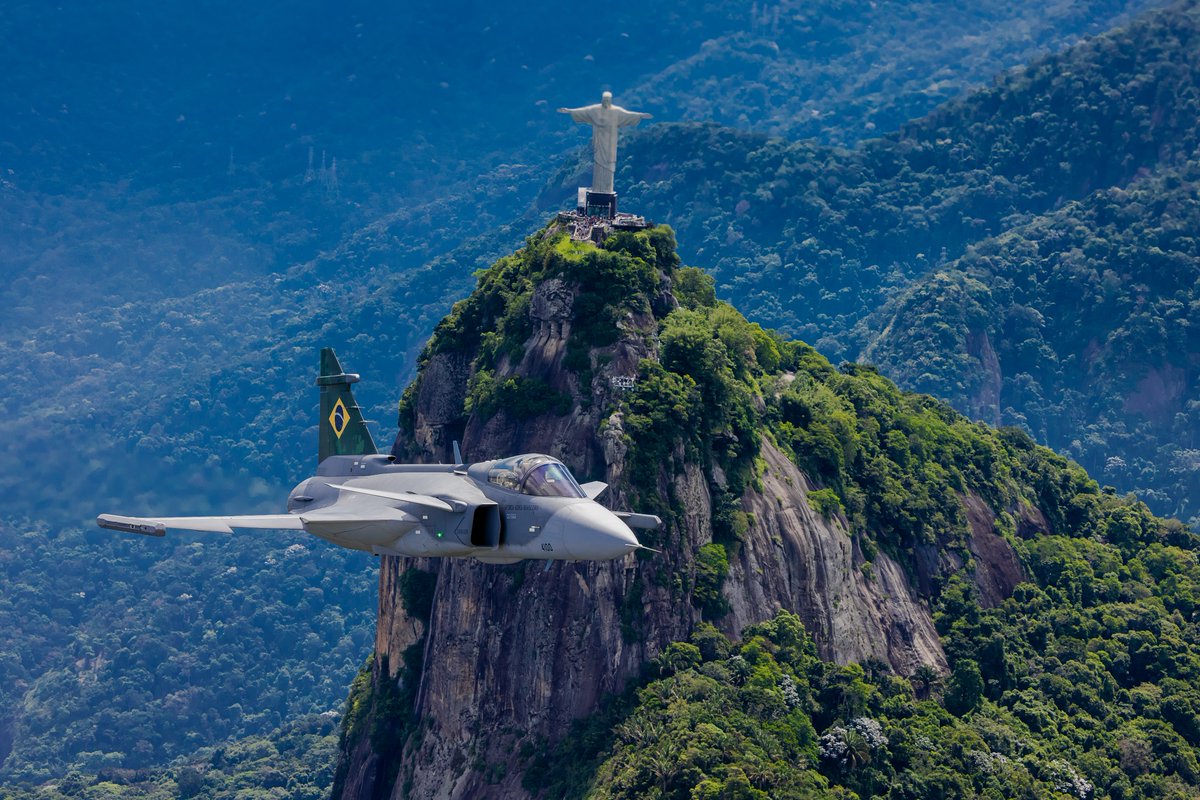
So for Brazil the Gripen E makes sense, also for i.e. Ireland, as they just need to patrol their airspace.
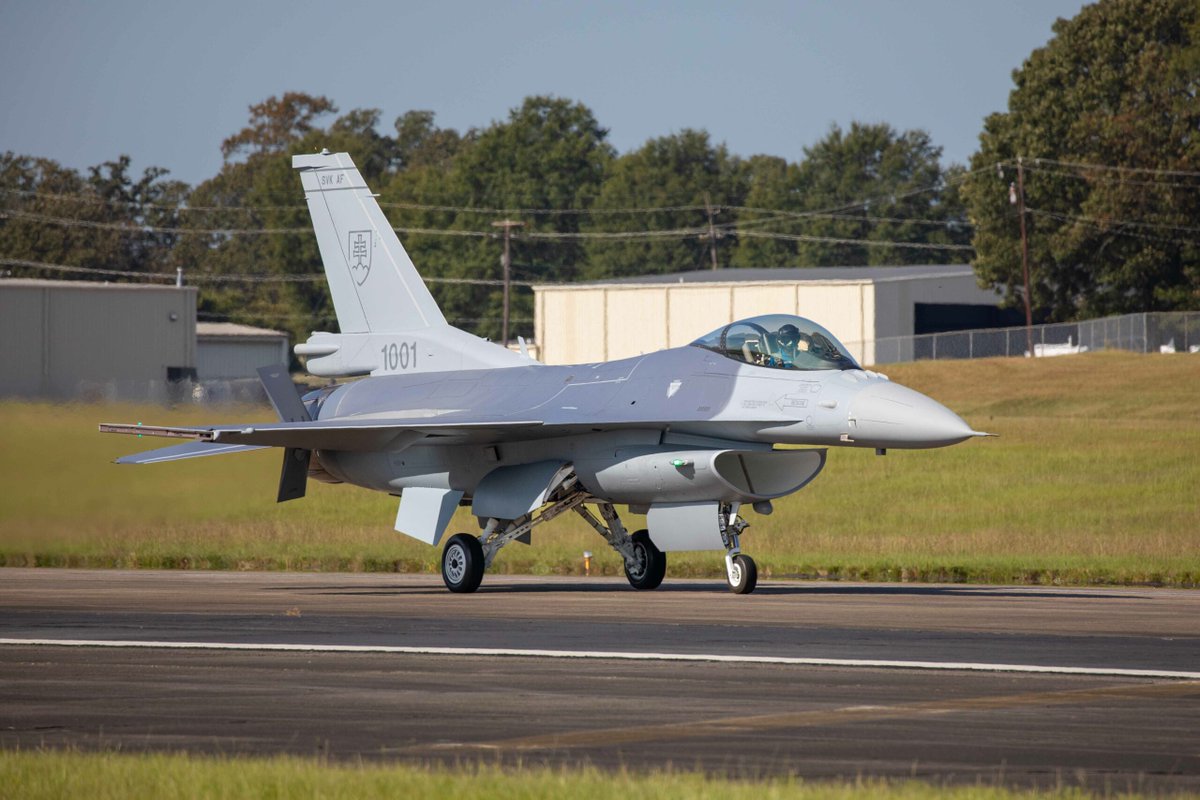
But for everyone else in Europe, the F-35A is a better choice, followed by the Eurofighter or the Rafale. If you can't get these three, buy F-16 Block 70 as 🇧🇬🇸🇰 did.
9/9
But for everyone else in Europe, the F-35A is a better choice, followed by the Eurofighter or the Rafale. If you can't get these three, buy F-16 Block 70 as 🇧🇬🇸🇰 did.
9/9
• • •
Missing some Tweet in this thread? You can try to
force a refresh