Brandon Luu, MD Profile picture
Feb 16 12 tweets 4 min read Read on X
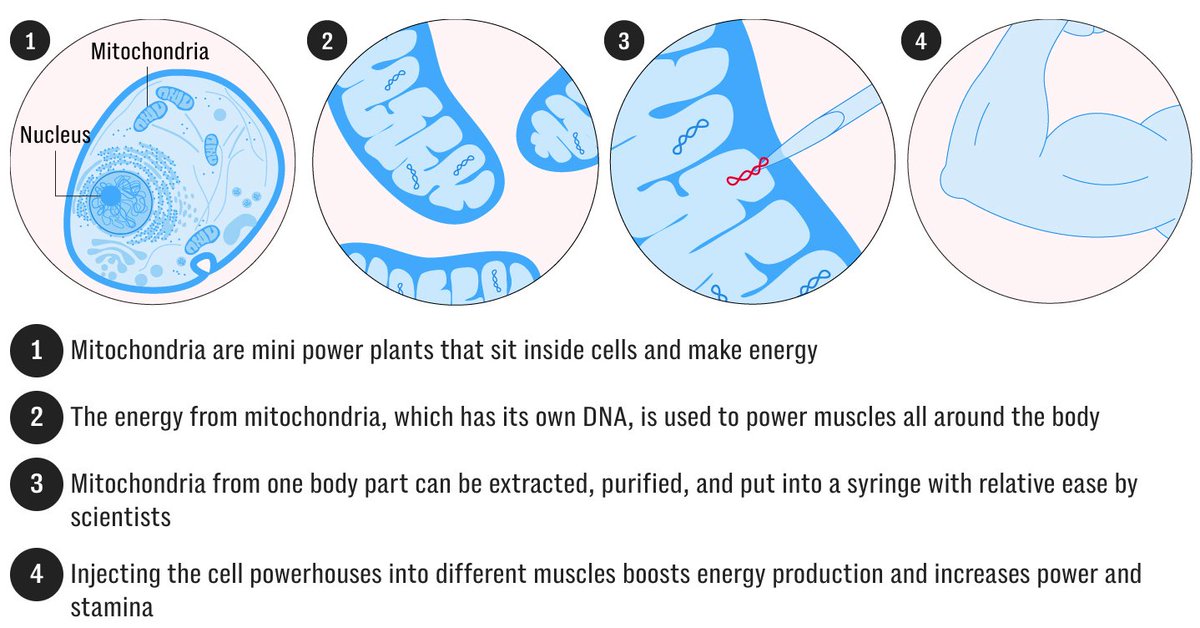
Mitochondrial transplantation could revolutionize aging and disease treatment.

In older rodents, transplantation enhances:
🏃‍♂️ Speed by 45% & endurance by 48%
⚡ATP by 51%
🏋️‍♂️Mitochondrial enzyme activity by up to 65%

Human trials are already underway 🧵1/12Image
As we age, our muscle mitochondria decline in function, leading to fatigue and reduced mobility. The question: Could injecting mitochondria directly into muscle offset these aging-driven deficits? A study tested that idea specifically in older rodents. /2 Image
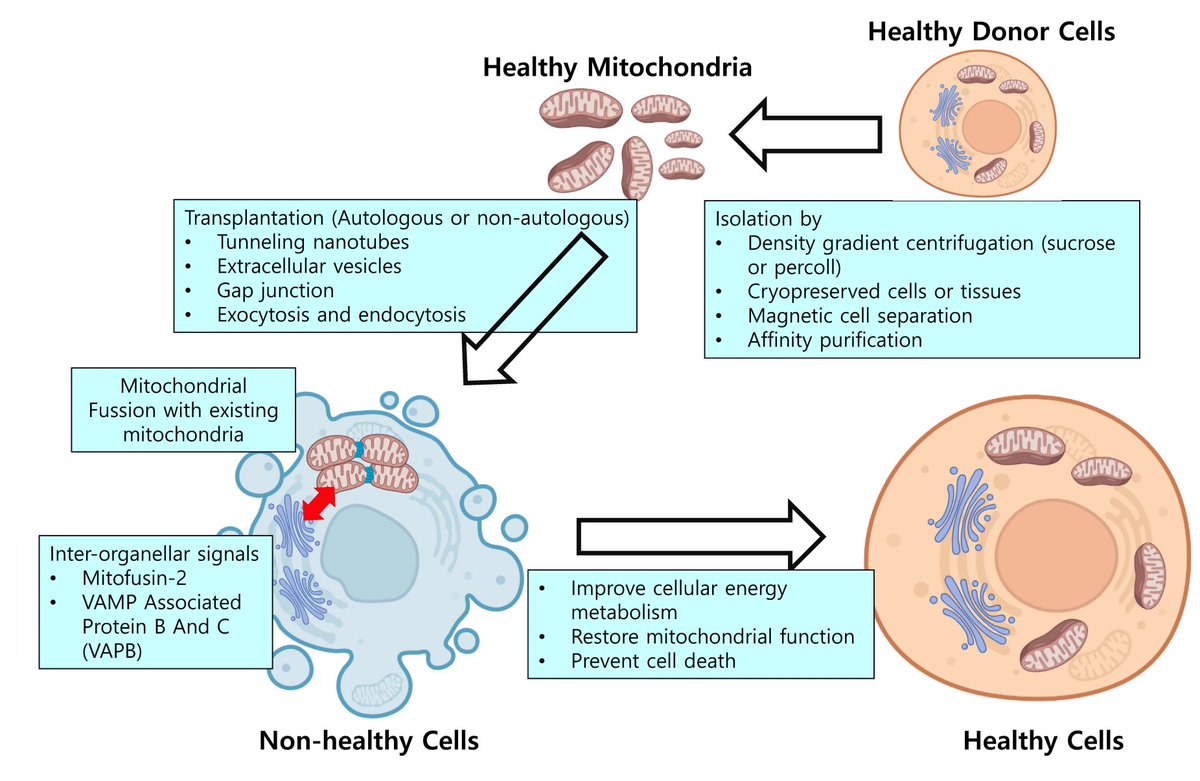
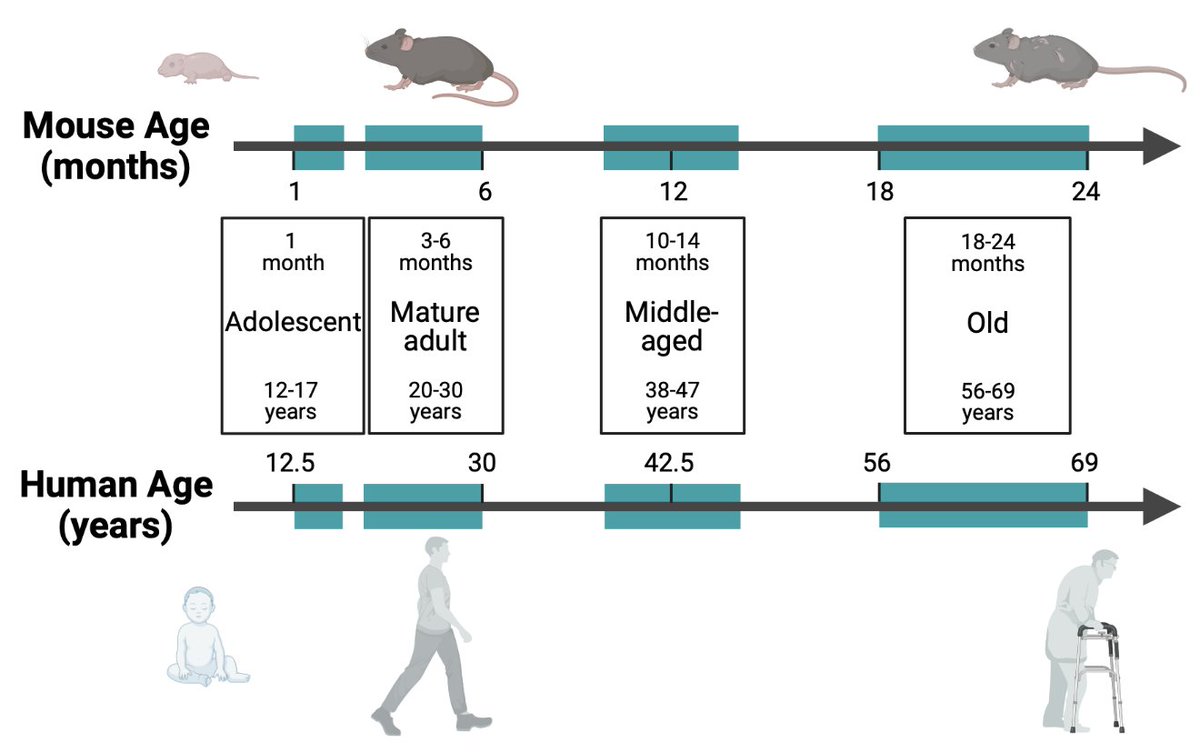
Researchers used 15 female mice (24 months old, equivalent to 70yo humans). They isolated mitochondria from two donor mice of the same age and strain, then injected these mitochondria into key hindlimb muscles (quadriceps, tibialis anterior, gastrocnemius). A separate group got a placebo injection. /3Image
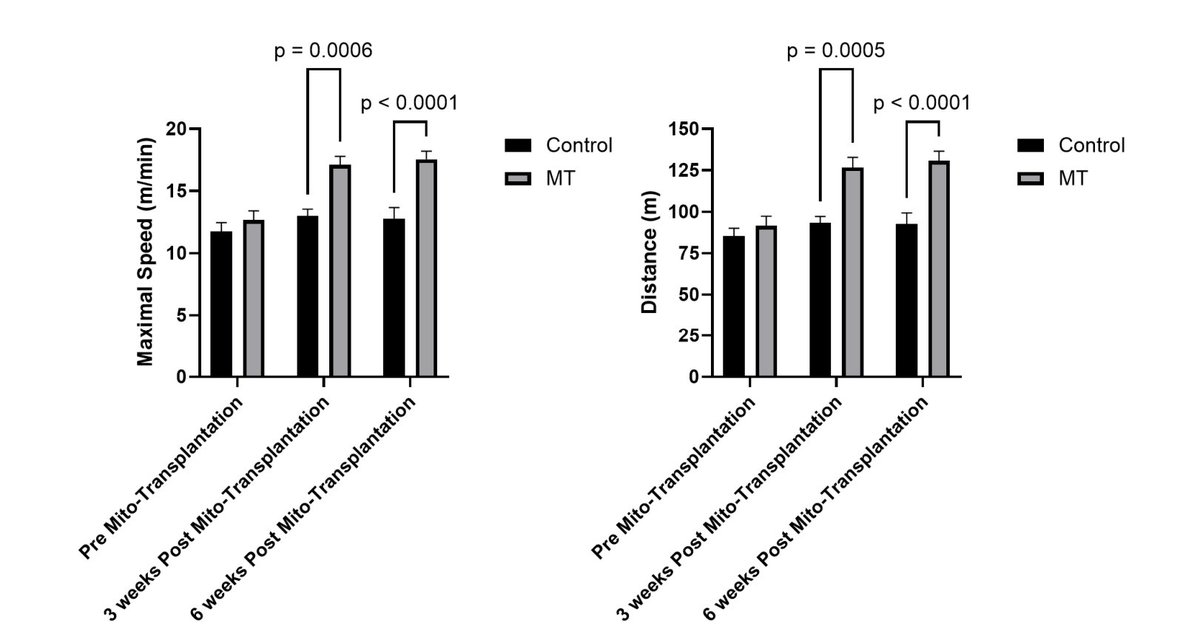
They tested endurance on a treadmill at baseline, 3 weeks, and 6 weeks post-injection. By 3 weeks, mice receiving mitochondrial transplants ran ~48% farther and ~45% faster than placebo controls. These gains persisted at the 6-week mark. /4 Image
Cytochrome c oxidase (CcO) activity rose up to ~65% in transplanted muscles (vs. placebo). CcO is crucial for the final steps of energy production.
ATP levels were ~51% higher in transplanted muscles—directly reflecting better energy output. /5
They also found a ~37% boost in citrate synthase activity, an important enzyme in the mitochondrial energy pathway. Plus, markers of mitochondrial quality control (Parkin, TFAM, BNIP3, Drp1) increased up to two-fold, indicating enhanced turnover and maintenance of healthy mitochondria. /6
Interestingly, donor mitochondria came from mice of the same age. You might think younger donors would help more, but this study suggests that even “age-matched” mitochondria can significantly bolster muscle bioenergetics—at least in this rodent model. /7
How long do the benefits last? This study only tracked improvements through week 6, and the performance gains remained. Whether these enhancements persist beyond 6 weeks—or whether booster injections help—remains to be determined. /8
Though promising, there are important limitations:
These results are in rodents, not humans.
No significant epigenetic changes were seen at 6 weeks.
The best donor age, optimal doses, safety, or frequencies for human therapy are still unknown. Yet the concept of mitochondrial transplantation is an intriguing new frontier, especially for those with mitochondrial disorders. /9
Concerns are growing over the potential use of this technology to gain an unfair edge in sports. Reports state that “human trials have already been conducted in Iran, China, and other countries worldwide”. /10
telegraph.co.uk/news/2025/02/1…Image
If successfully translated, mitochondrial transplantation could revolutionize disease treatment and enhance strength and endurance—especially for older adults. But it also raises ethical concerns about its use for enhancing already healthy individuals. /11 Image
• • •

Missing some Tweet in this thread? You can try to force a refresh

 

Keep Current with Brandon Luu, MD

Brandon Luu, MD Profile picture

Stay in touch and get notified when new unrolls are available from this author!

Read all threads

This Thread may be Removed Anytime!

PDF

Twitter may remove this content at anytime! Save it as PDF for later use!

Try unrolling a thread yourself!

how to unroll video
  1. Follow @ThreadReaderApp to mention us!

  2. From a Twitter thread mention us with a keyword "unroll"
@threadreaderapp unroll

Practice here first or read more on our help page!

More from @BrandonLuuMD

Feb 17
Just hearing a phone notification—without even checking it—disrupts focus.

A study found the effect was comparable to the cognitive impact of distracted driving.

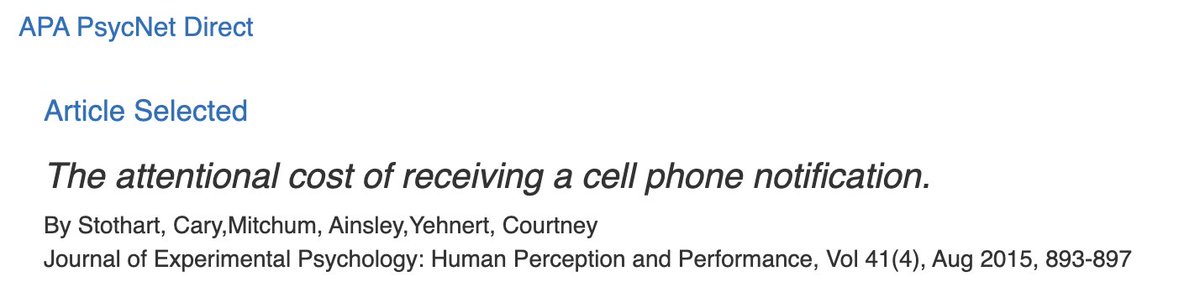
Want to stay sharp? Silence your phone and put it away 🧵 1/10Image
Researchers recruited 166 college students and divided them into three groups: 📞 Call notification, 📩 Text notification, and 🚫 No-notification (control). Participants completed a high-focus task to measure how phone notifications affected attention. /2 Image
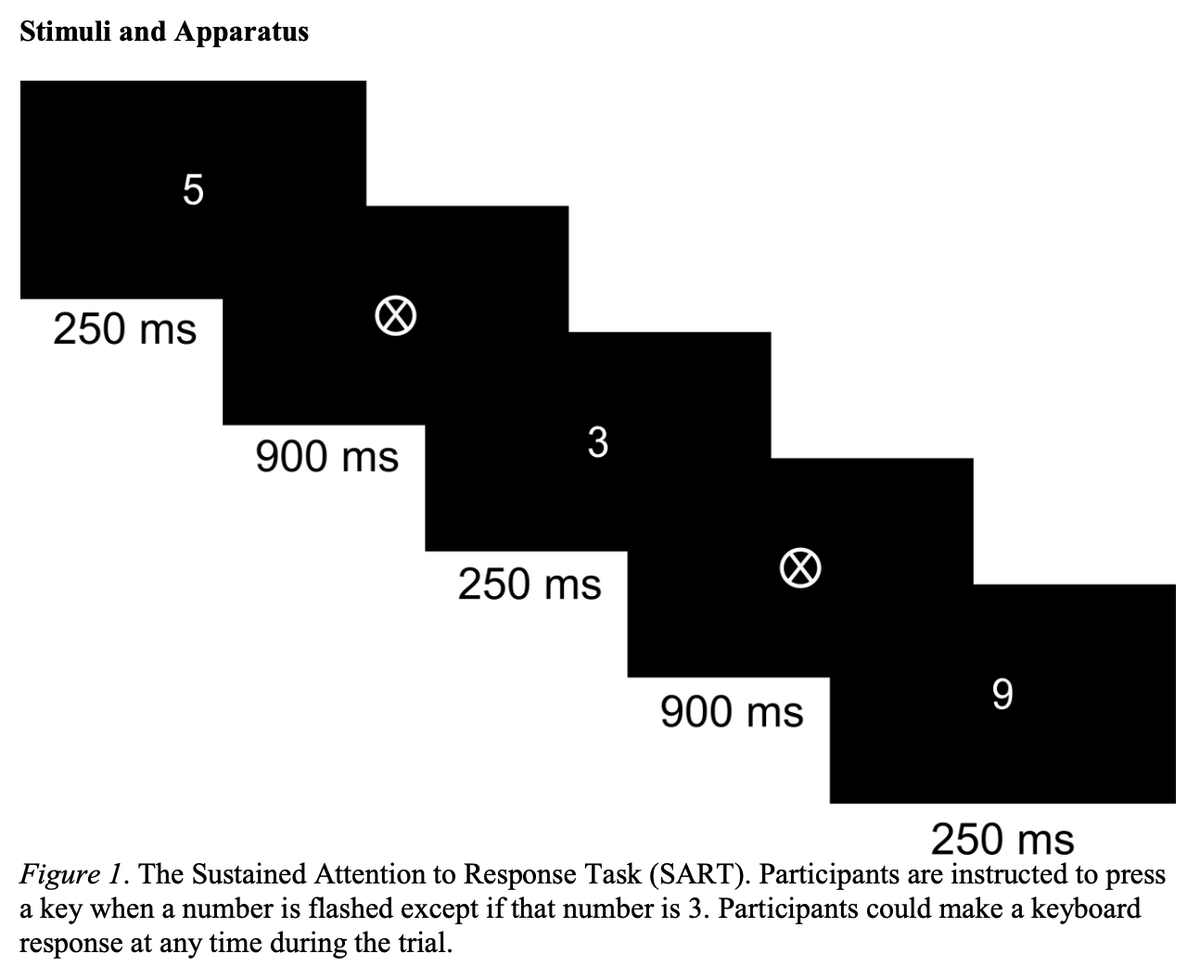
The task was the Sustained Attention to Response Task (SART). Numbers flashed on a screen, and participants had to press a key for every number except 3. This tested their ability to stay focused and avoid mistakes. The task lasted for hundreds of trials. /3 Image
Read 11 tweets
Feb 15
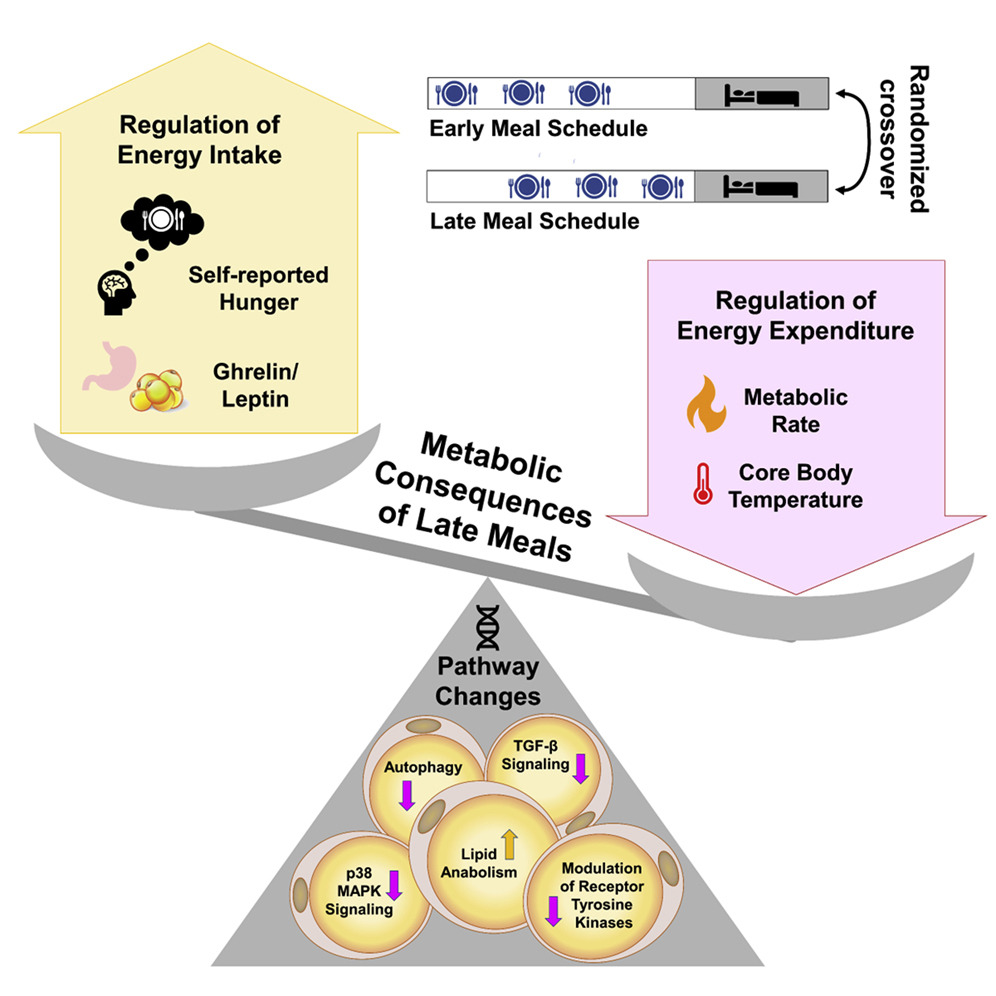
Even with exactly the same meals and calories, eating later in the day:
🔥 Doubles the odds of hunger
⚡ Slows metabolism—burning 5% fewer calories
🧬 Alters fat storage genes, increasing weight gain risk

Here’s how to optimize meal timing for metabolic health 🧵 1/8Image
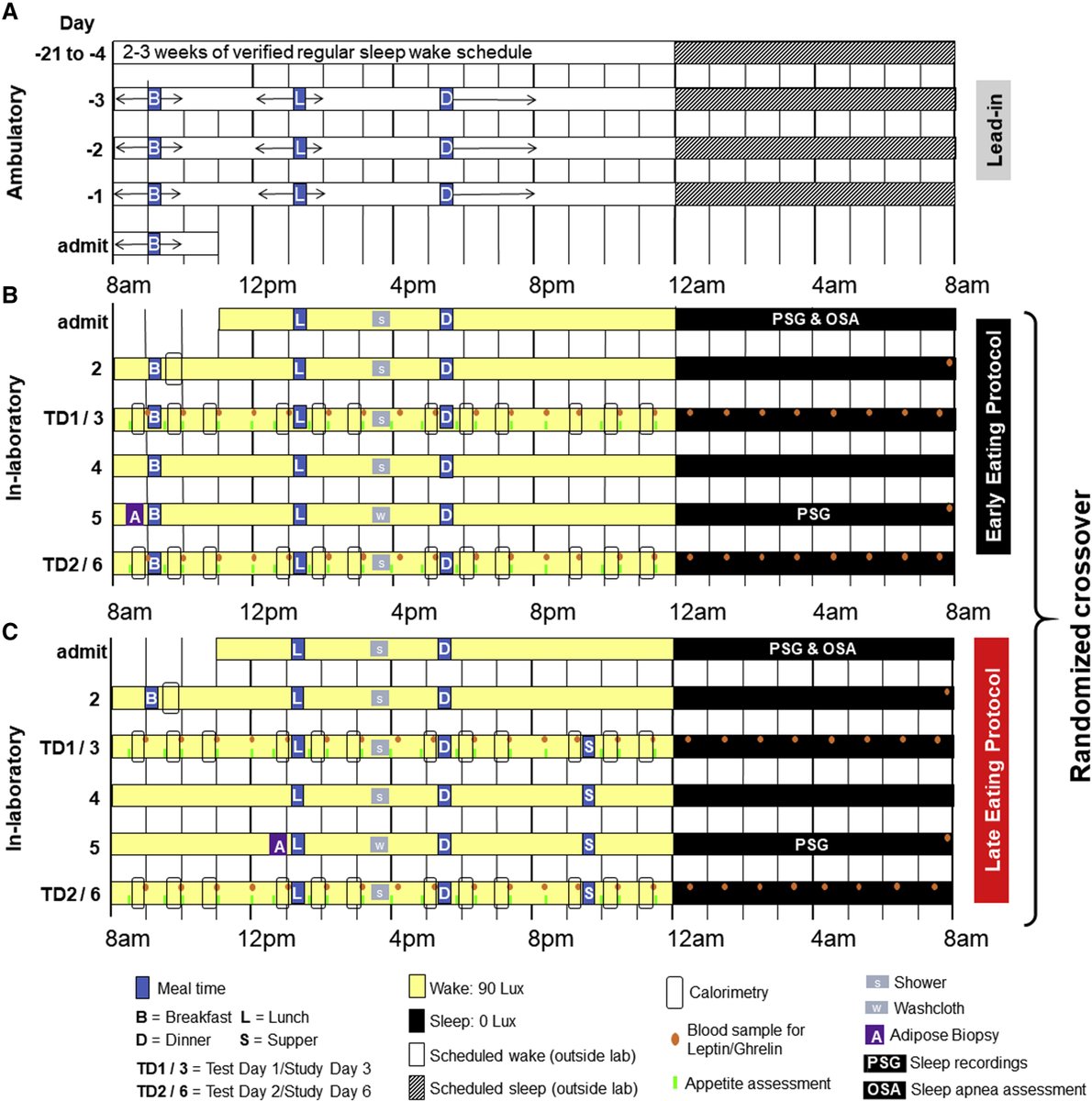
Researchers conducted a randomized crossover trial to test how meal timing affects hunger, energy expenditure, and fat storage. Participants followed two schedules:
🍽️ Early eating: 1h, 5h, and 9h20m after eating
🌙 Late eating: All meals delayed by 250 minutes.
Everything else—calories, sleep, light exposure—was controlled. /2Image
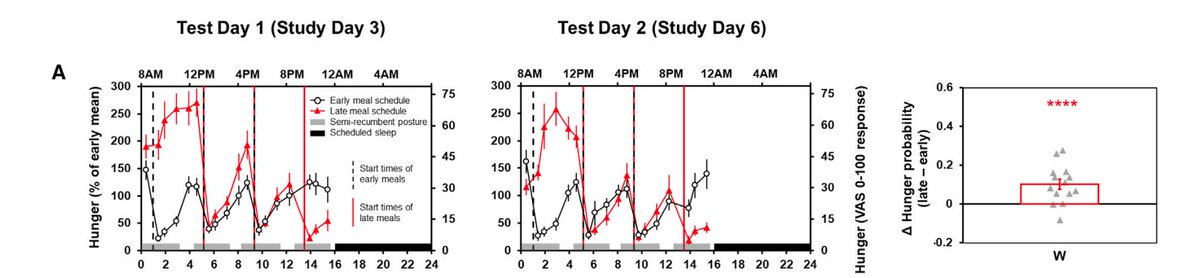
Late eating increases hunger.
🔥 Participants were twice as likely to feel hungry throughout the day.
📉 24-hour leptin (the satiety hormone) dropped by 6%, reducing fullness.
📈 The ghrelin-to-leptin ratio (linked to hunger) increased by 12%. /3 Image
Read 8 tweets
Feb 14
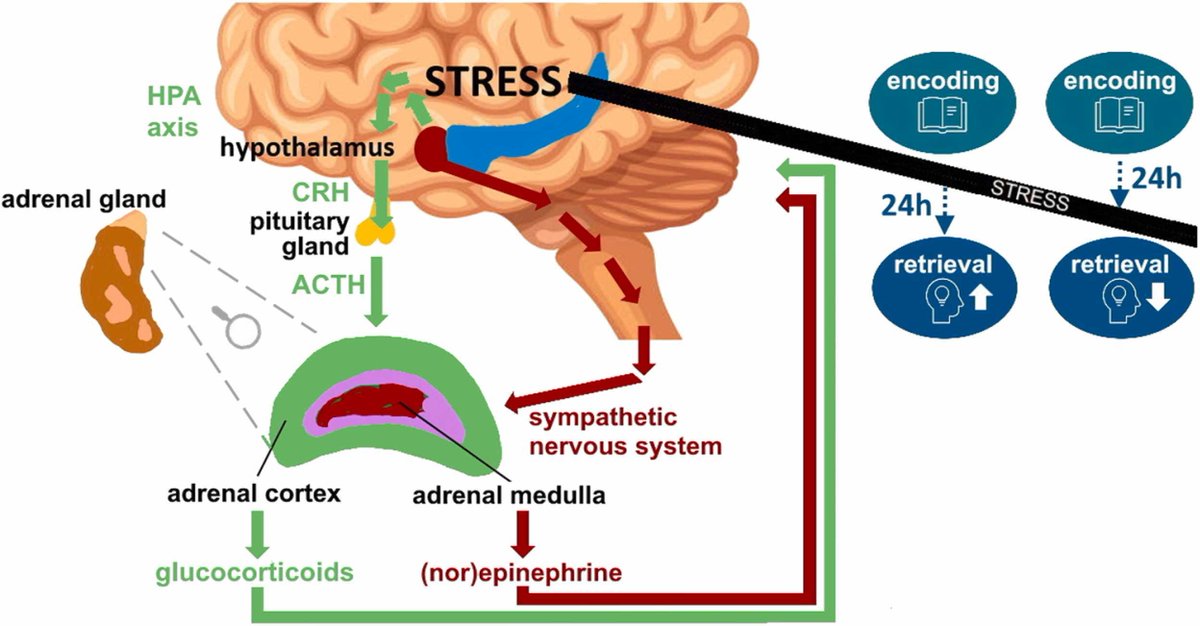
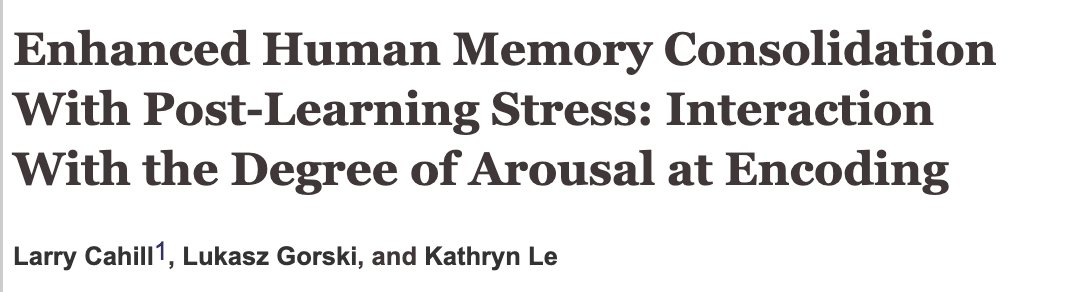
A stress response after learning can enhance long-term memory.

One study found a 16.5% improvement—but only for emotionally arousing events.

Here’s how I combine memorization techniques, cold exposure, and exercise to maximize retention 🧵 1/14Image
This study examined whether post-learning stress enhances long-term memory and whether this effect depends on how emotionally arousing the information is at the time of encoding. Researchers tested this by exposing participants to a cold pressor stress (CPS) procedure after viewing slides of varying emotional intensity. /2Image
A total of 59 participants viewed 21 slides, some emotionally arousing and others neutral. Immediately afterward, they either underwent CPS (immersing an arm in ice water) to induce stress or a warm water control. Memory for the slides was tested one week later. /3 Image
Read 14 tweets
Feb 13
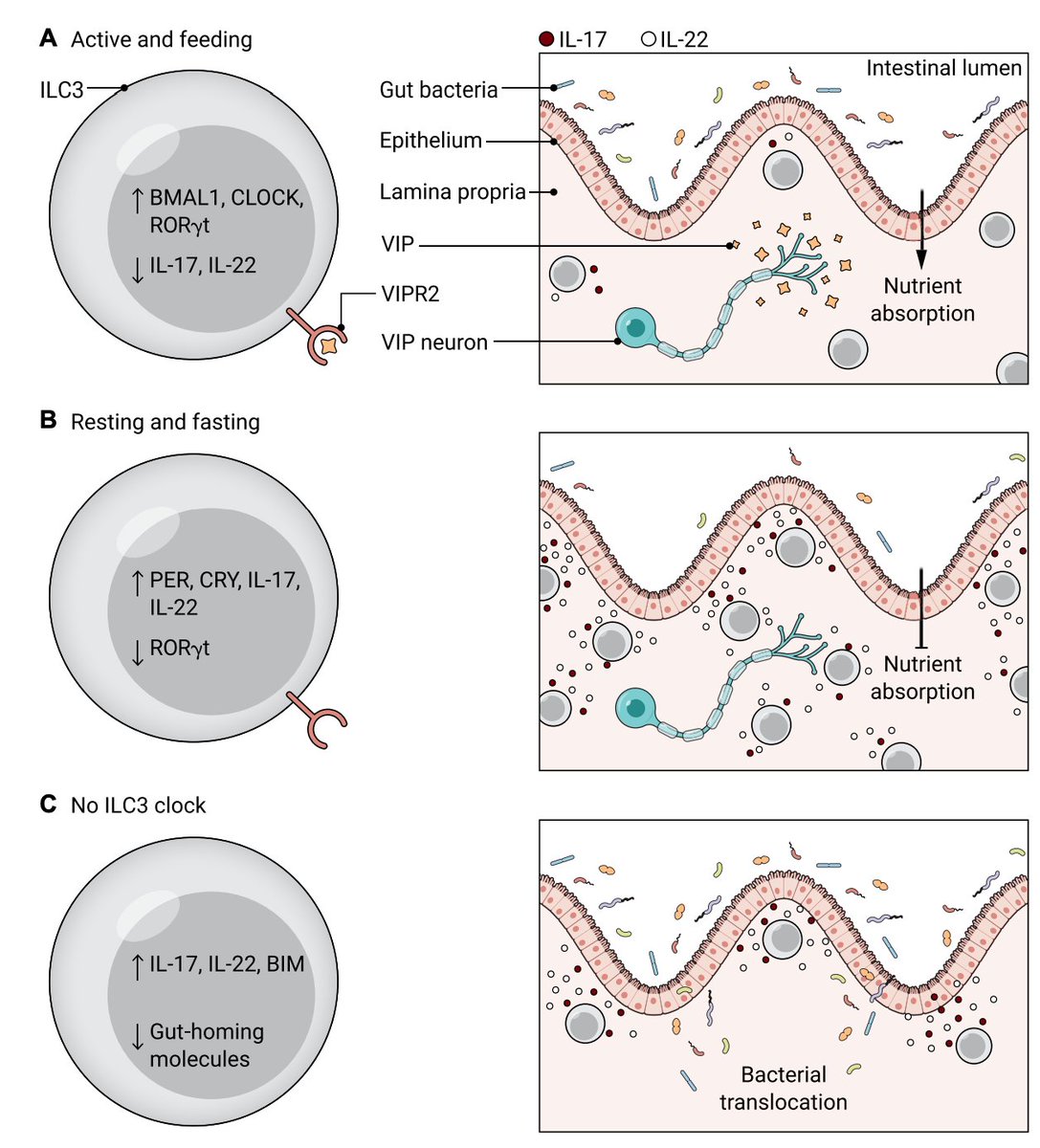
⏰ Morning vaccination is linked to a stronger immune response than in the afternoon/evening.

Here’s how your circadian immune system is key to immunity, inflammation, and disease risk. 🧵 1/9Image
The immune system follows a 24-hour cycle, with immune cell numbers fluctuating throughout the day. White blood cells peak in circulation during rest, and their ability to migrate across tissues varies by time. This built-in rhythm helps the body anticipate and respond to infections more effectively. /2Image
Inflammation is time-sensitive. Pro-inflammatory responses are stronger at certain times. Cortisol—a key anti-inflammatory hormone—peaks in the morning. Conditions like inflammatory arthritis follow daily patterns, which could impact future treatment strategies. /3
Read 9 tweets
Feb 12
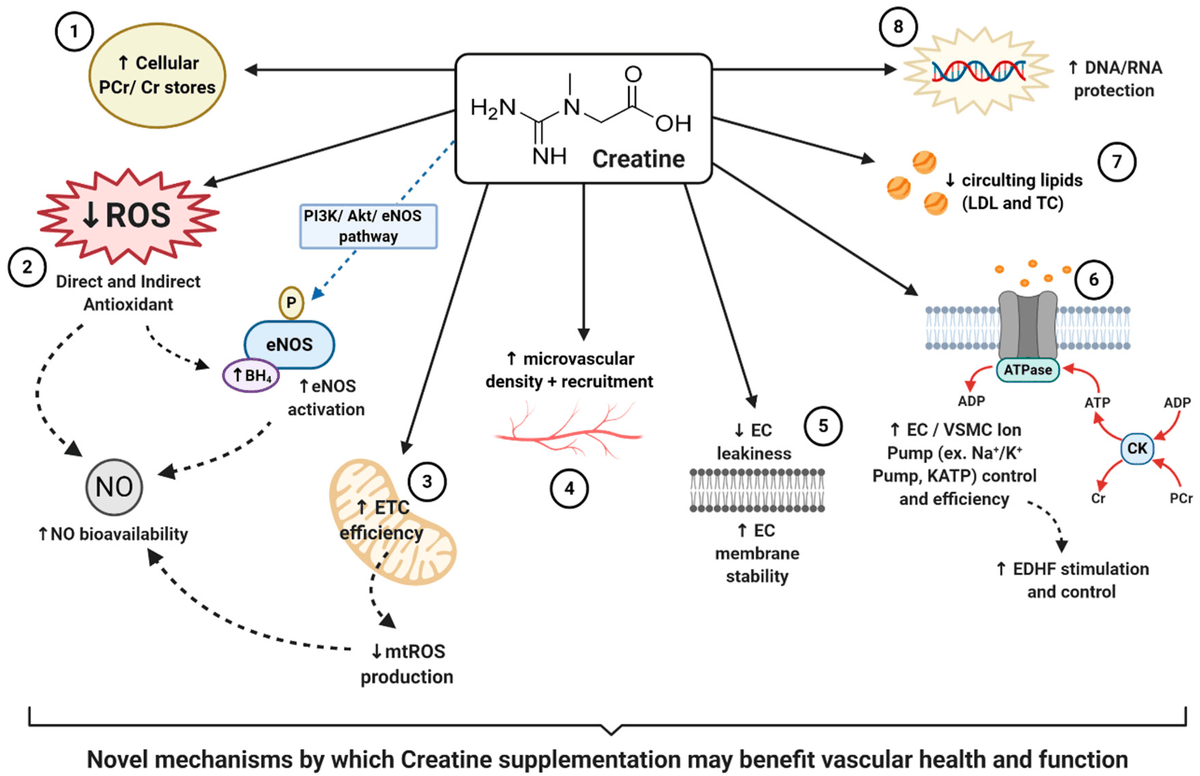
Creatine isn’t just for muscle and brain power.

In randomized trials, creatine has improved:
📉 Triglycerides by 26%
😴 Sleep quality
🩸 Blood sugar in diabetes
🦴 Bone density
🧠 Depression treatment

Let’s break down these lesser-known benefits. 🧵 1/14 Image
#1: Lowers Blood Lipids
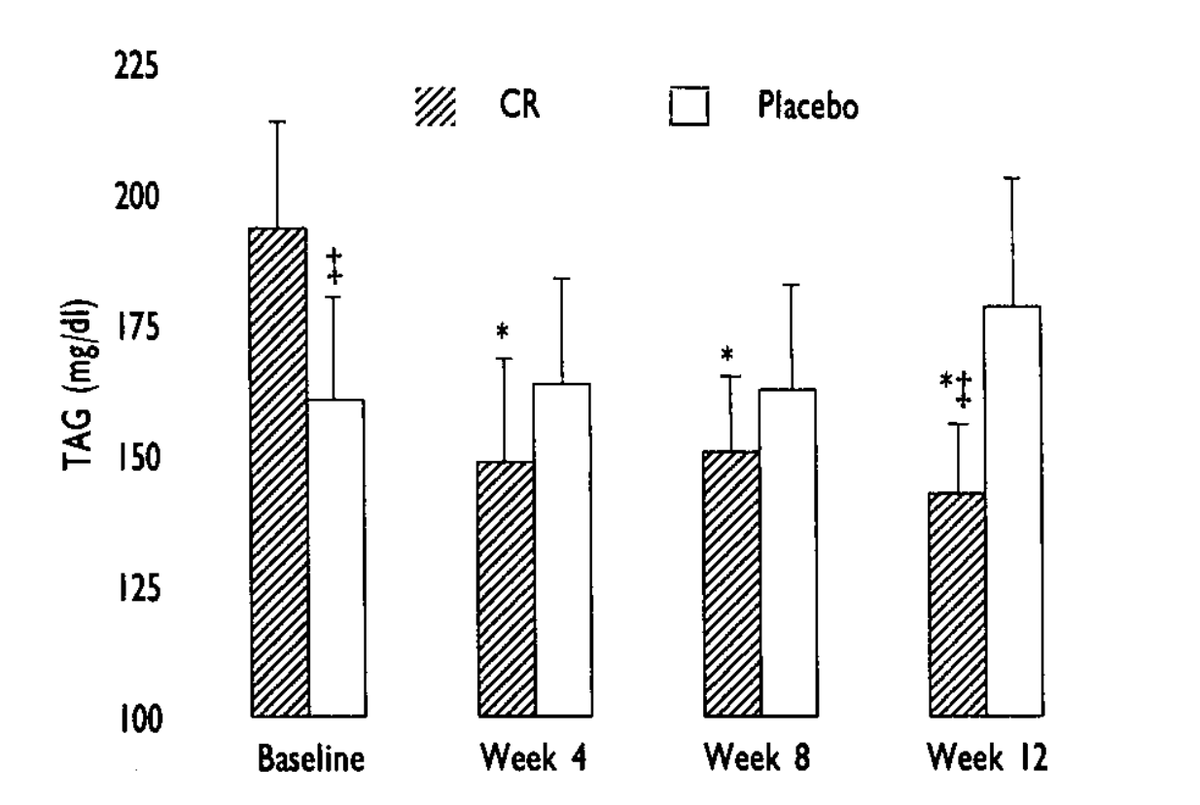
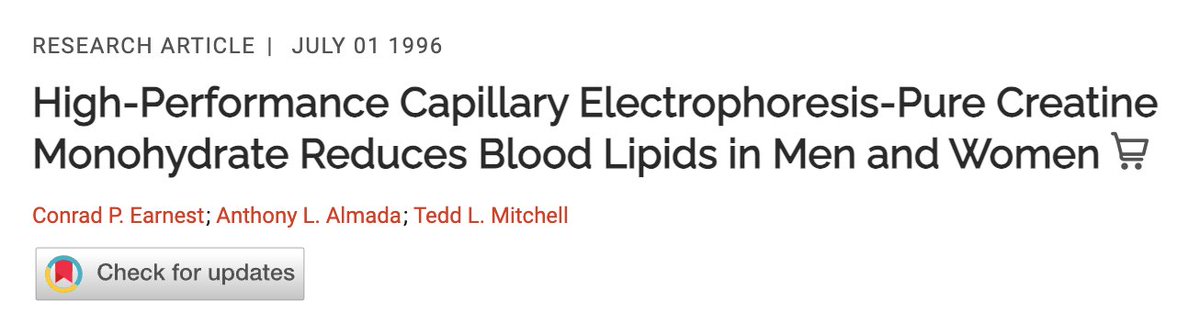
A randomized controlled trial on 34 adults (ages 32-70) with cholesterol above 200 mg/dL tested creatine’s effect on blood lipids.
Participants took 5g creatine + 1g glucose or a placebo 4x/day for 5 days, then 2x/day for 51 days. /2 Image
Total cholesterol dropped 6% at 4 weeks and 5% at 8 weeks before returning to baseline.
Triglycerides decreased 23% at 4 weeks, 22% at 8 weeks, and 26% at 12 weeks. Creatine may help reduce blood lipids, particularly triglycerides. /3 Image
Read 14 tweets
Feb 11
🌲 Our immune systems evolved in nature.

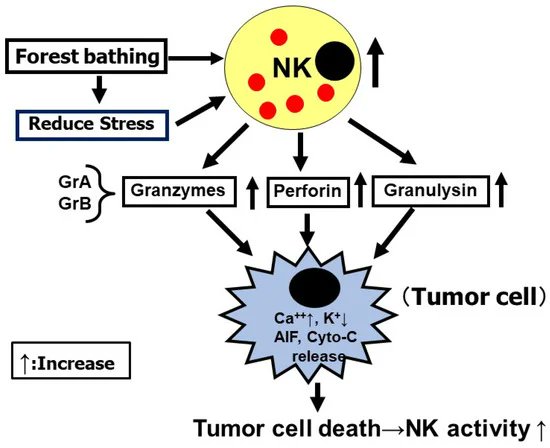
This might explain why 3 days in the forest boosts natural killer (NK) cell activity by up to 50% and increases the expression of anti-cancer proteins.

Phytoncides—compounds released by trees but absent in cities—may be the key. 🧵1/10Image
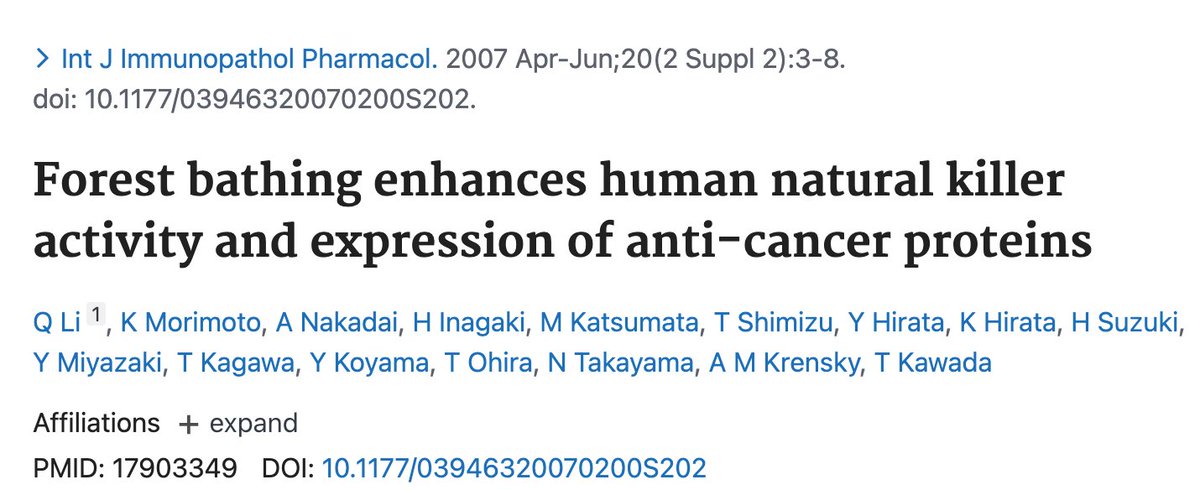
Researchers studied 12 healthy men (ages 37-55) on a 3-day forest bathing trip. Participants walked 2 hours daily in different forest locations, while blood samples were collected before, during, and after the trip to assess immune changes. /2 Image
After forest bathing:
✅ NK cell activity increased by ~50% in 11/12 subjects
✅ Increased levels of perforin, granzymes A/B, and granulysin, proteins that play a role in immune defense and may have anti-cancer properties /3
Read 11 tweets

Did Thread Reader help you today?

Support us! We are indie developers!


This site is made by just two indie developers on a laptop doing marketing, support and development! Read more about the story.

Become a Premium Member ($3/month or $30/year) and get exclusive features!

Become Premium

Don't want to be a Premium member but still want to support us?

Make a small donation by buying us coffee ($5) or help with server cost ($10)

Donate via Paypal

Or Donate anonymously using crypto!

Ethereum

0xfe58350B80634f60Fa6Dc149a72b4DFbc17D341E copy

Bitcoin

3ATGMxNzCUFzxpMCHL5sWSt4DVtS8UqXpi copy

Thank you for your support!

Follow Us!

:(