I injected the horse tranquilizer Ketamine and tracked my brain data for 15 days. It completely scrambled my brain.
In a world-first we answered the question ‘what happens to the brain before, during, and after ketamine treatment?’ We also discovered how long it took for my brain to return to ‘normal’.
The results surprised me. 🧵
0/ Before taking ketamine, my brain activity followed fixed, predictable patterns, as observed over 10 days of measurement. Imagine the brain as a global air traffic network, where each airport (or brain region) has consistent flight routes and traffic volumes—like the steady flow of planes between New York and London.
After ketamine, my brain’s activity patterns were completely scrambled. Instead of predictable routes between major hubs, traffic was rerouted to smaller, less-used airports across the U.S., Europe, and Asia.
This means brain activity that was once rigidly structured became more flexible and varied, potentially unlocking new connections and ways of thinking.
Top images: My absolute functional connectivity (brain traffic patterns) for minutes 5-15 after I received 57.75mg intramuscular injection of ketamine.
Bottom images: My relative functional connectivity (brain traffic patterns) changes after the ketamine took effect, starting at minutes 15-25.
1/ After three days, my previous patterns started to take hold again, closing what many refer to as the "therapeutic window” that opens post a ketamine or psychedelic administration.
Top images: Baseline measurements of my brain 5 days prior to receiving ketamine.
Bottom images: My brain activity for days 7-11 after having received ketamine.
2/ This image shows my functional connectivity (traffic patterns) was stable for days 1-5 prior to ketamine and showed large changes during the ketamine session. Post Ketamine, my functional connectivity decreases for days and then begins trending to normalize back to his baseline.
3/ Normally it would be hard and next to impossible to get this kind of high fidelity brain data, but it was made easy with Kernel Flow.
Flow is the non-invasive brain interface technology I dedicated seven years of my life building (and personally investing $64 million). The technology in Flow is similar to the device you’ve put on your finger to get your heart rate and blood oxygenation.
4/ I founded Kernel in 2015 because I thought it pairing the human mind with AI was going to be really important to the future.
Then, when becoming the most biologically measured person in history (Blueprint + Don’t Die), I discovered that getting high quality, functional brain biomarkers was expensive and nearly impossible. Yet critically important for measuring the effects of drugs and therapies, cognitive performance, disorders and decline.
fMRI could do it in some contexts, but the barriers made it practically infeasible. It was nearly impossible to get functional measurements of my brain.
Our inability to easily and cheaply measure our brains/minds is a big problem especially because we have a global mental wellness crisis.
So, an exceptionally talented team and I built Kernel Flow from scratch, including building a custom ASIC (Application-Specific Integrated Circuit), the entire electronics stack, signal processing and interpretation algorithms.
It's the world's first, high fidelity mass market brain interface that could be used at scale.
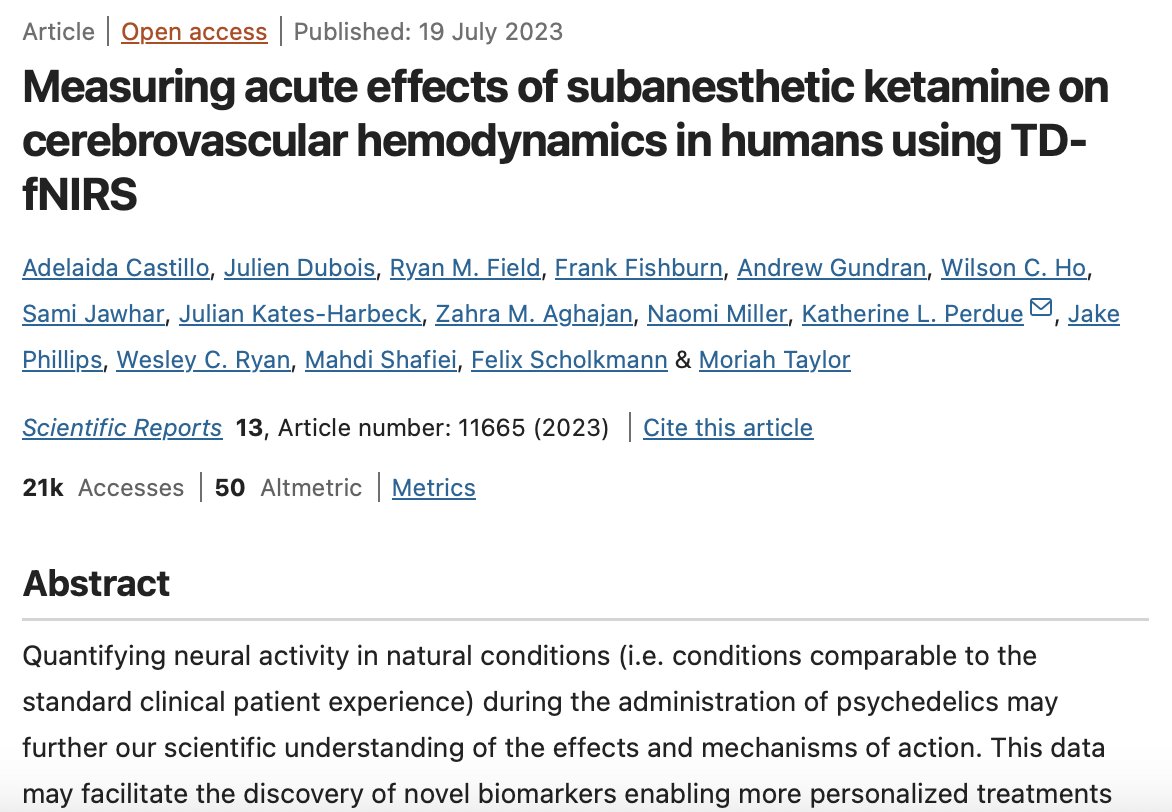
We did the heavy lifting of publishing several papers on its reliability and capabilities including demonstrating cognitive impairment from alcohol and the effects of ketamine (in which I participated).
5/ The early data is impressive.
Flow measurements of brain function in response to cognitive and emotional stimuli have been shown to predict with 90% accuracy if a patient will respond to treatment from depression before they have their first dose.
6/ If you're interested in brain health, you can now join one of two clinical trials:
1) Healthy aging - Kernel has distinguished normal cognitive changes from early disease signs using brain activity patterns.
Kernel Flow is a promising tool to detect mild cognitive impairment (MCI), and achieve high accuracy in distinguishing between MCI and healthy individuals. Healthy volunteers can participate and will also receive a free, detailed report of brain function at the study’s end.
Location: Culver City, CA.
Sign up at kernel dot com / life
7/ Sign up for the clinical study on Depression
Kernel has developed a new brain imaging technology with potential breakthroughs in treatment-resistant depression. While early, results have been shared with scientists and psychiatrists. They aim to secure regulatory approvals, expanding into neuropsychiatric disorders to transform psychiatric diagnosis, treatment, and monitoring for more precise patient care.
Cities where sites are currently located: California locations: Costa Mesa, La Jolla, Los Angeles, Sunnyvale. Other locations: Seattle, WA and Columbus, OH
Full clinic list with details is at kernel dot com / research
8/ Kernel papers
• • •
Missing some Tweet in this thread? You can try to
force a refresh

I'm exploring magic mushrooms as a longevity therapy.
Sunday was my first dose: 4.67 grams of dried Psilocybe cubensis (B+ strain), containing 24.98 mg of psilocybin.
Here is an overview of the current scientific evidence:
Longevity
Psilocybin extended lifespan in mice and preserved telomeres in human cells, first evidence linking psychedelics to longevity.
Inflammation
A single psilocybin dose reduced TNF-α, CRP, and IL-6. Systemic inflammation markers tied to aging.
Neuroplasticity
Psilocybin increases brain entropy, breaks rigid patterns, and boosts long term cognition and flexibility.
Clinical outcomes
Psilocybin activates 5-HT2A receptors to reduce neuroinflammation, protect neurons, and may slow neurodegeneration.
Gut-brain axis
Psilocybin may reshape the gut microbiome. Potentially influencing serotonin, immunity, and mood.
Sexual health
Two studies show psilocybin improved sexual satisfaction and communication in people with depression.
More detailed explanations are below.
1/ Evidence of psilocybin extending mammalian lifespan (mice) and cellular lifespan (human fibroblasts in cell culture).
Psilocin, the active metabolite of psilocybin, has been shown to preserve telomere length, prevent attrition, and increase replicative lifespan in human fibroblasts in cell culture. The same study reported that psilocybin reversed senescence markers and extended the remaining lifespan in old mice.
In human fibroblasts in culture: treated with 100µM psilocin (the active metabolite of psilocybin)
+ Increased Doubling Divisions: 29% and 51% increase in doubling divisions with 10µM and 100µM psilocin, respectively, with no signs of carcinogenicity (no immortalization; all cells eventually ceased dividing).
+ Telomere Length Restoration: Over 50% increase in telomere length compared to control in aged cells.
+ Reduced Senescence Markers: Over 40% reduction in the key senescence marker B-Gal in aged fibroblasts, along with cell-cycle arrest markers p16 and p21.
+ Upregulated Gene Expression: Upregulation of DNA repair and anti-oxidant gene expression (Sirt1, PCNA, Nrf2), and a dose-dependent decrease in reactive oxygen species (ROS).
While more evidence is needed as these markers for cellular longevity in human cells do not necessarily translate to in-vivo gains in humans, the authors also provided another compelling piece of evidence: lifespan extension in older mice.
In mice: monthly dose of 15mg/kg (equivalent to a human dose of 25mg, after multi-factor adjustment)
+ 30% Increase in Survival Odds to Very Old Age: Starting at 19 months (the mouse equivalent of 65 human years), a once-monthly oral dose of 15mg/kg (equivalent to a high human dose of 25mg) increased the odds of surviving up to 28 months (equivalent to 80+ years in humans) from 50% to 80%.
+ Healthspan Hints: Treated mice maintained sleeker coats and regrew fur with fewer white hairs. Hair regrowth and pigmentation are common proxies in longevity research, offering an early hint of a general increase in health and vitality alongside lifespan gains.
2/ Single-dose psilocybin acutely and persistently reduces systemic inflammation markers in humans, and in human intestine 3D organoids.
A clinical trial involving 60 healthy participants (30 psilocybin, 30 placebo) demonstrated that a single, relatively high dose (0.17mg/kg) of psilocybin led to immediate reductions in TNF-alpha, with further reductions in CRP and IL-6 observed seven days post-dosing.
In an intestinal 3D culture model, used for studying inflammatory bowel diseases, psilocybin treatments (10 and 20 µM) reduced the pro-inflammatory markers TNF-a, INF, IL-6, and IL-8.
Psychedelics including psilocybin, LSD, and DMT all mitigate neuroinflammation by activating the 5-HT2A receptors leading to a decrease in pro-inflammatory cytokines, microglial modulation and a shift from neurotoxic to neuroprotective metabolites.
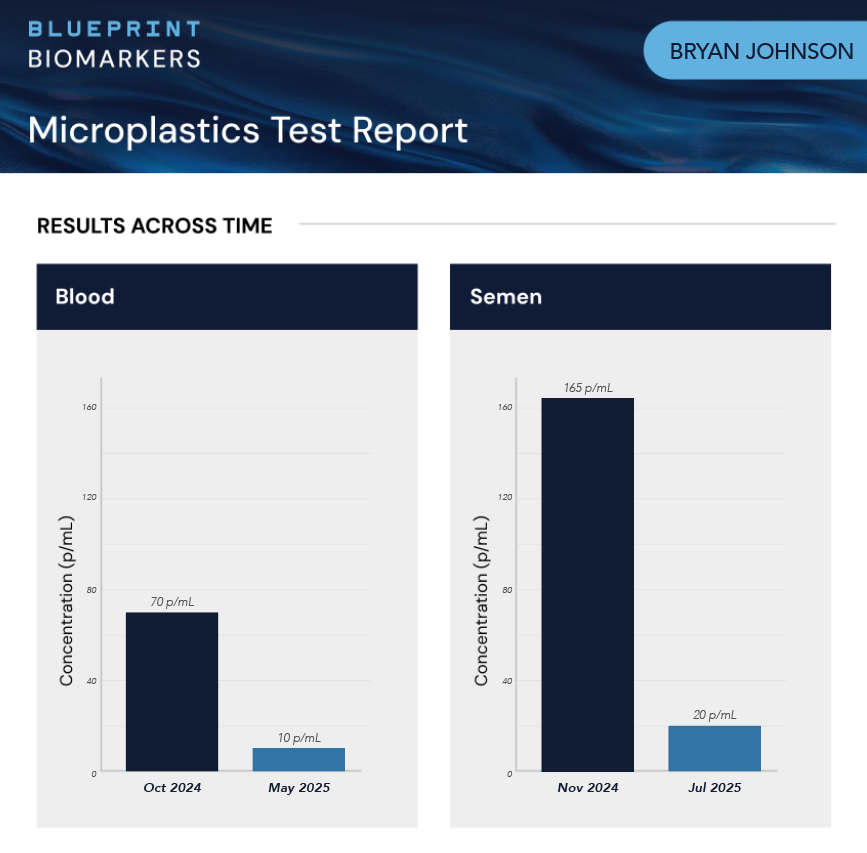
I eliminated 85% of microplastics from my ejaculate.
Nov 2024: 165 particles/mL
July 2025: 20 particles/mL
Nearly identical drop in my blood same time period:
Oct 2024: 70 particles/mL
May 2025: 10 particles/mL
Important as a meta-analysis of 36 studies reveals that microplastics induce oxidative stress in the male reproductive system, leading to testicular inflammation, cell death, and reduced testosterone levels, sperm production, and motility.
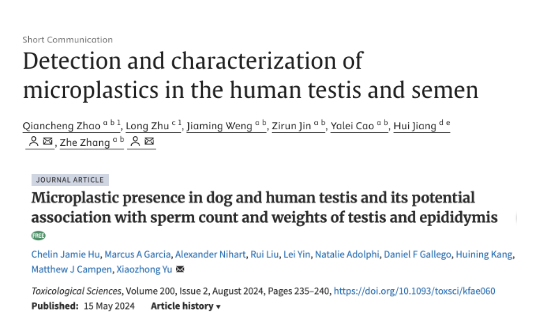
Two studies last year showed that microplastics were detected in every human testicular and semen samples tested.
The therapy we think most responsible for this reduction is sauna as it also eliminated most environmental toxins in my body, including those linked to various plastics (200 F, 20 min daily w/ ice on the boys). I also avoid the big no-no’s like microwaving in plastic, plastic cutting board, and having a reverse osmosis water system.
To our knowledge, this is the first report of any correlation (esp in the same person over two timepoints) between blood and semen microplastic levels, demonstrating successful microplastic detoxification in the semen following that in the blood.
1/ My results offer a new sense of hope for the detoxification of microplastics from the testis and semen, especially after the concerns raised by a study last year.
To our knowledge, this is the first report of any correlation (especially over two timepoints) between blood and semen microplastic levels, demonstrating successful microplastic detoxification in the semen following that in the blood.
This is encouraging news, as recent reports of microplastic accumulation in the testis have specifically raised concerns about microplastics accumulating in reproductive tissues, with the reversibility of such accumulation being uncertain.
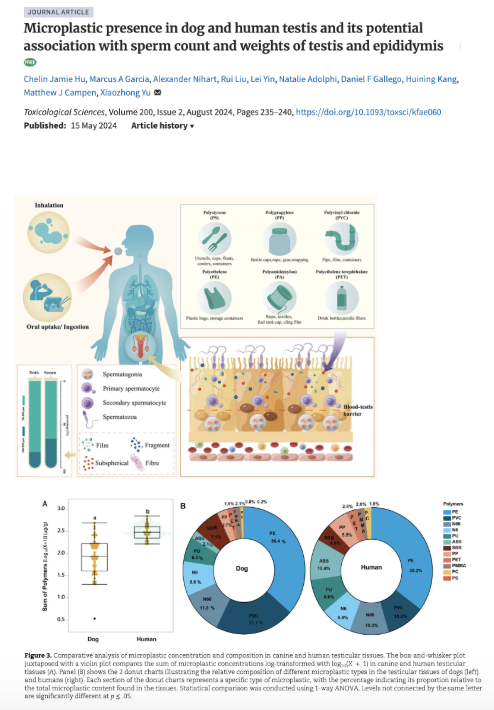
Earlier last year, a study made headlines by reporting high levels of microplastic particles in the testicles of deceased humans and dogs. Microplastics were positively detected in every tested sample at average concentrations of 328.44 µg/g and 122.63 µg/g, corresponding to approximately 5.9 x 10¹¹ and 2.2 x 10¹¹ micro- and nanoplastic particles per gram of testicular tissue (1µg ≈ 1.8 x 10⁹ particles).
It is important to note that this is a rough estimate, as this number converts all detected microplastic molecules to particles, while some plastic material might also exist in dissolved monomeric or oligomeric forms. These figures roughly correspond to 2.2 x 10¹¹ and 5.9 x 10¹¹ particles/g, depending on the size and type of the microplastic particles.
An earlier study reported a lower number of microplastic particles per gram of testicular tissue and 0.23 particles/mL of semen. However, this study likely underestimated the numbers due to a high cut-off size.
2/ Similar correlations have been observed for plastic leachables, but never for microplastics, and never longitudinally over time with effective mitigation interventions.
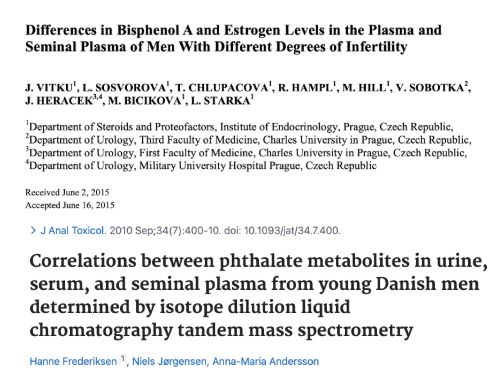
Earlier studies showed correlations between serum, blood, and urine for some plastic leachables, including BPA and some phthalate metabolites. However, these were single-time point studies with no longitudinal follow-up or mitigation interventions.
BPA levels in semen correlated with blood levels and lower semen motility. Microplastics in semen can also leach BPA and other chemicals, in addition to their direct mechanical disruption of testicular tissue, triggering a range of oxidative, inflammatory reactions, and hormonal and endocrine disruptions.
My 4+ hour daily routine resets my blood vessels to perform like they did in my teenage years. 🧵
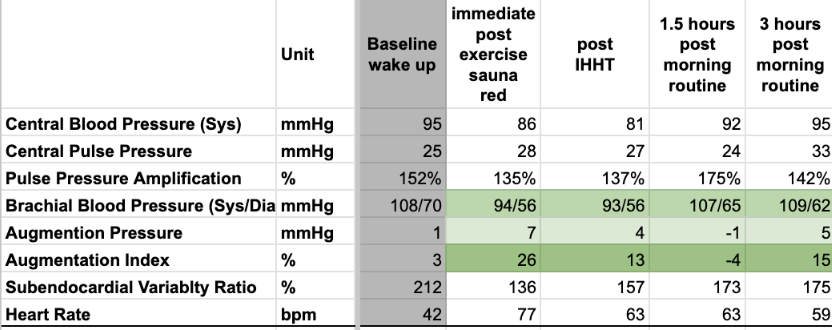
0/ Here is the level of vascular function reset and rejuvenation enabled by my morning routine, every single day
+ Central blood pressure: 86 mmHg (lower than 99% of males < 20)
+ Peripheral blood pressure: Systolic 94/ Diastolic 56 (lower than 99% of males < 20)
+ Vascular elasticity and compliance (softness):
a) Augmentation pressure: -1 mmHg (lower than 50% of males < 20)
b) Augmentation index: -4% (lower than 60% of males < 20)
1/ I previously shared that my sauna protocol has restored my vascular function and blood flow to levels typical of a healthy 20–25 year old. This effect has been observed consistently, whether the readings are taken upon waking or later in the day.
However, my morning routine, which combines exercise sauna, red/NIR light therapy, and HBOT or IHHT, takes this to the next level.
Daily, it guides my arteries and vascular system into a state of relaxation, akin to a soothing massage for your blood vessels.
This is big. OpenAI and Retro used a custom model to make cellular reprogramming into stem cells ~50× better, faster, and safer. Similar Wright brothers’ glider to a jet engine overnight.
We may be the first generation who won't die.
Let's take a look at what they did. 🧵
0/ AI Redesigns the Engines of Cellular Reprogramming
OpenAI and Retro Biosciences reported a landmark achievement: using a domain-specialized protein design model, GPT-4b micro, they created engineered reprogramming factors that deliver over 50× higher efficiency in generating induced pluripotent stem cells (iPSCs), with broad validation across donors and cell types. These AI-designed proteins not only accelerate reprogramming but also enhance DNA repair, overcoming DNA damage as one cellular hallmark of aging hinting at relevance for aging biology.
1/ 0/ From Yamanaka’s Discovery to Today
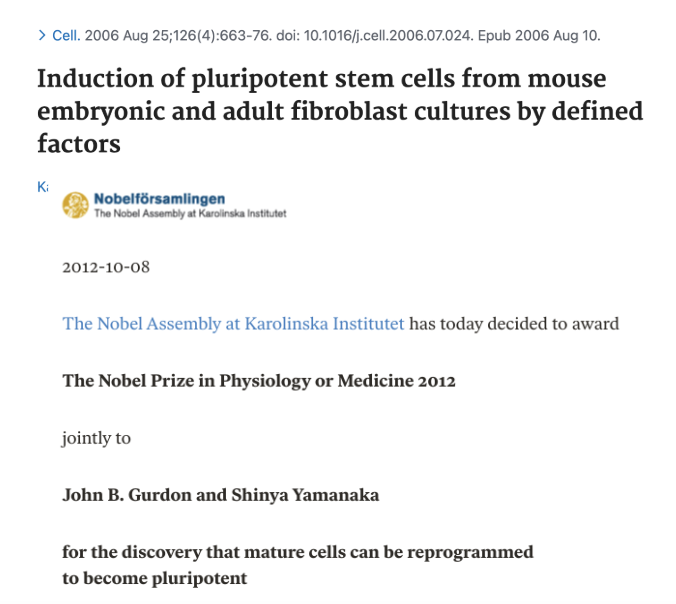
In 2006, Shinya Yamanaka identified four transcription factors; Oct4, Sox2, Klf4, and c-Myc (OSKM), capable of resetting differentiated adult cells into a pluripotent, embryonic-like state. This breakthrough opened two revolutionary doors in biology:
1) Full reprogramming: completely erasing cell memory, identity, to generate pluripotent stem cells (iPSCs) for regenerative medicine, tissue engineering, and disease modeling.
2) Partial reprogramming: transient expression to roll back cellular age without erasing cell identity.
This remarkable discovery won Yamaka the Nobel Prize for Physiology or Medicine in 2012.
Yet, in practice, OSKM are astonishingly inefficient (<0.1% conversion, requiring +3 wees of culture) and carry oncogenic risks, particularly from c-Myc. These limitations have long restricted their therapeutic potential. These limitations have limited the progress in regenerative medicine due to the difficulty of scaling the safe and reliable production induced pluripotent stem cells.
I sacrificed my fertility for this message:
ice your balls in the sauna
After icing improved my fertility markers,
I removed the ice to validate
The boys suffered. More than we initially thought.
Here’s my latest results explained. 🧵
0/ Results from sauna experiment
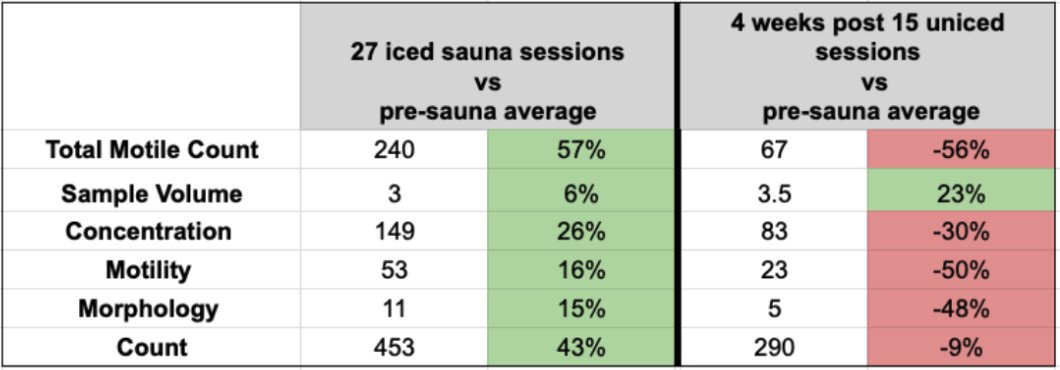
27 daily sauna sessions with ice on balls:
+ total motile count ↑ 57%
+ motility ↑ 16%,
+ total count ↑ 43%
2 weeks without icing (15 sauna sessions with full heat on balls)
my boys’ motility decreased, counts unaffected
total motile count ↓ 54%
motility ↓ 57%
total count ↑ 6%
direct hit to motility and total motile count due to mature sperms in storage (sperm is stored for a couple weeks between full maturation and ejaculation in the Epidimysis).
1/ One week post re-icing: misleading partial recovery (values compared to pre-sauna baseline)
total motile count ↓2%
motility ↓ 34%
total count ↑ 56%
4 weeks post re-icing: 2nd wave of heat effects: large drop in count, motility.
total motile count ↓ 56%
motility ↓ 50%
total count ↓ 9%
Latent hit to counts and motility:
heat damages early spermatogenesis (meiosis) and later sperm maturation (morphological changes, tail formation, and cytoplasmic loss) leading to a reduction in sperm count and motility.
The effect is latent because the "faulty batches" from heat exposure with fewer total and motile sperm are only apparent in test after being stored for a couple weeks in the epididymis.
It takes 23 mins on avg to regain focus after being distracted by your phone. Only allow text notifications from people who contact you in an emergency.
If you do need notifications, be strategic about which ones you allow:
2. Resist the urge to check Instagram and TikTok
Apps like One Sec or Opal let you add loading screens before accessing addictive apps.
They can force you to look at yourself in the camera for a few seconds, or make you spin your phone around 4 times before granting access.
If that doesn’t work:
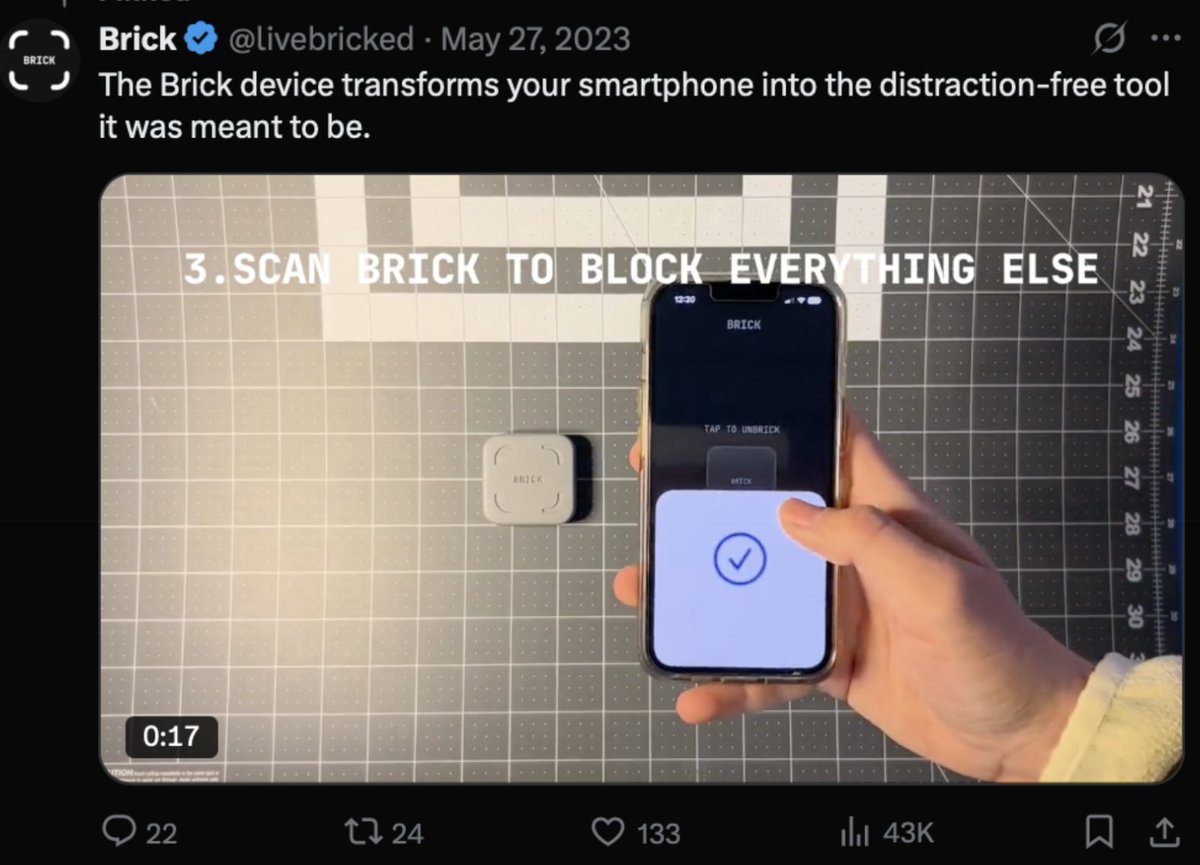
The app Brick comes with a physical “brick” to lock or unlock groups of apps on your phone.
+ Put the brick on your fridge
+ Tap your phone against it to block all non-work apps
+ Go to the kitchen to unlock if you need to check something or spend 15 mins on social media
You can also give someone else the Brick to keep you accountable.