Replacing US forces in Europe, implications for UK - a 🧵
Europe will need to increase defence spending by £225 per annum (to nearly 4% GDP) and add somewhere between 200-300K personnel overall.
UK will have decisions to make. telegraph.co.uk/world-news/202…
Europe will need to increase defence spending by £225 per annum (to nearly 4% GDP) and add somewhere between 200-300K personnel overall.
UK will have decisions to make. telegraph.co.uk/world-news/202…
1.) Nuclear deterrent. Both UK and France will need to expand their deterrents to provide for the alliance. The US-UK MDA was extended indefinately by Biden after the US elections, but UK may need to develop its own delivery systems in future. 100+ tactical nukes are needed. 
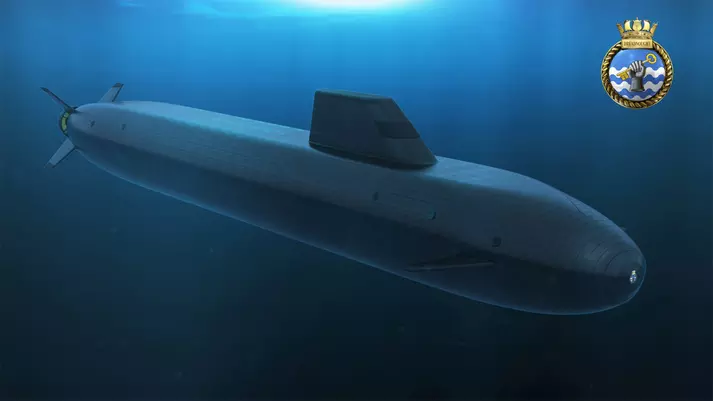
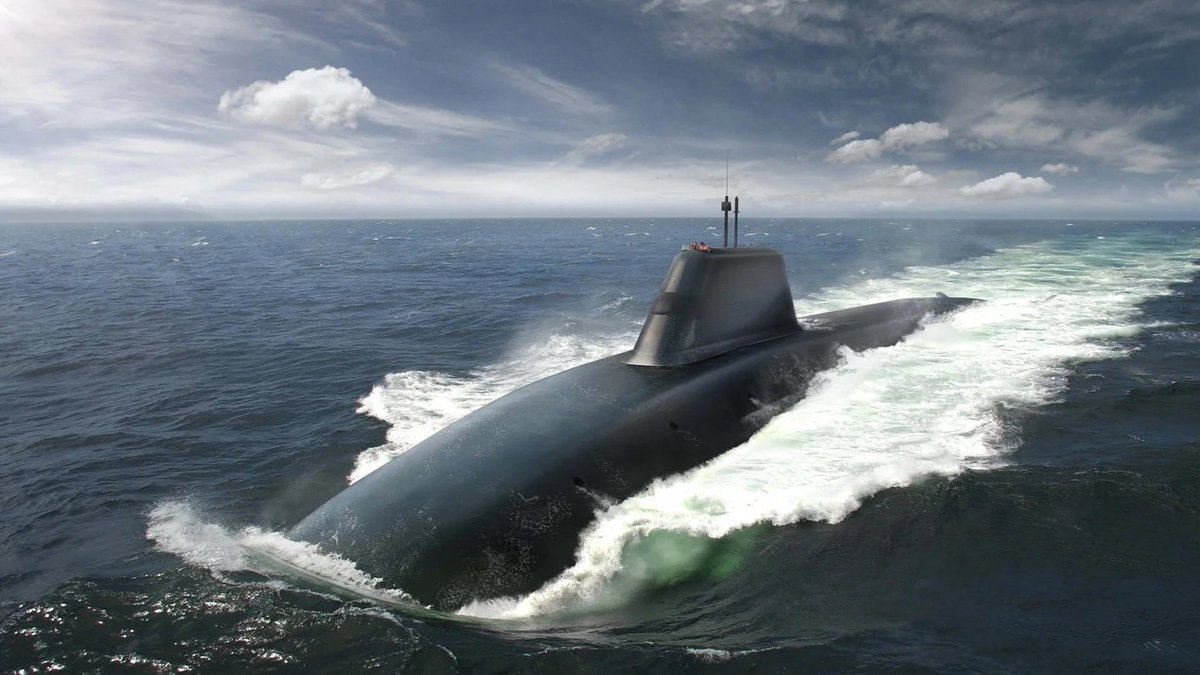
2.) Building on JEF, UK should lead on defence of North Atlantic / Arctic AOR for the new alliance. This will require Project CABOT accross the GIUK gap and more littoral expiedtionary land and air forces as part of JEF. More surface combatants, MPAs & SSNs required.
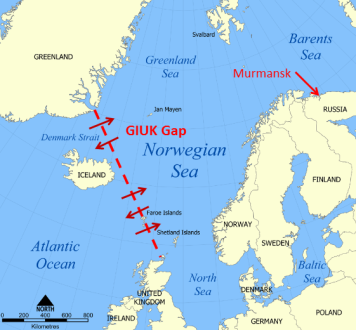
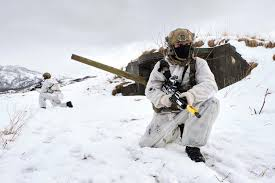
2.).. JEF will need to provide a littoral division to provide a 'main force' to follow on from the RM commando vanguard in the High North, and elements of the UK light division (1 Div) will needed for this role. UK's CVTFs will have to provide air/sea dominance in N. Atlantic.
3.) UK, France, Germany and Italy will need to lead on backfilling logistics and enablers. US provides 75% of these.
100 A400M, 20-30 MRTT tankers, 10-20 AEWC platforms and dozens of specialist EW types, trucking fleets and stockpiles of fuel, ammunition and supplies.
100 A400M, 20-30 MRTT tankers, 10-20 AEWC platforms and dozens of specialist EW types, trucking fleets and stockpiles of fuel, ammunition and supplies.
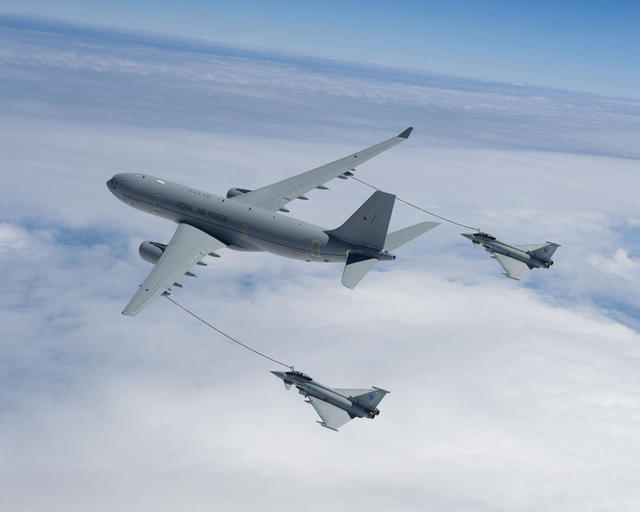
3.) cont...
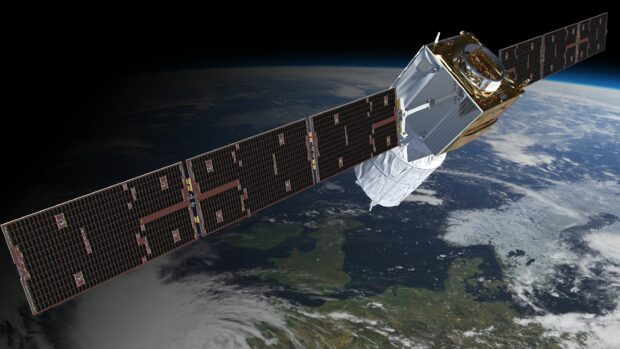
10-15 new surveillance sattelites will be needed urgently, and a fleet of 20+ auxilliary sealift and replenshment vessels.
Kits could be provided to repurpose commercial airliners for AAR, and merchant navy tankers and RO-ROs as naval auxiliaries on mobilistion.
10-15 new surveillance sattelites will be needed urgently, and a fleet of 20+ auxilliary sealift and replenshment vessels.
Kits could be provided to repurpose commercial airliners for AAR, and merchant navy tankers and RO-ROs as naval auxiliaries on mobilistion.
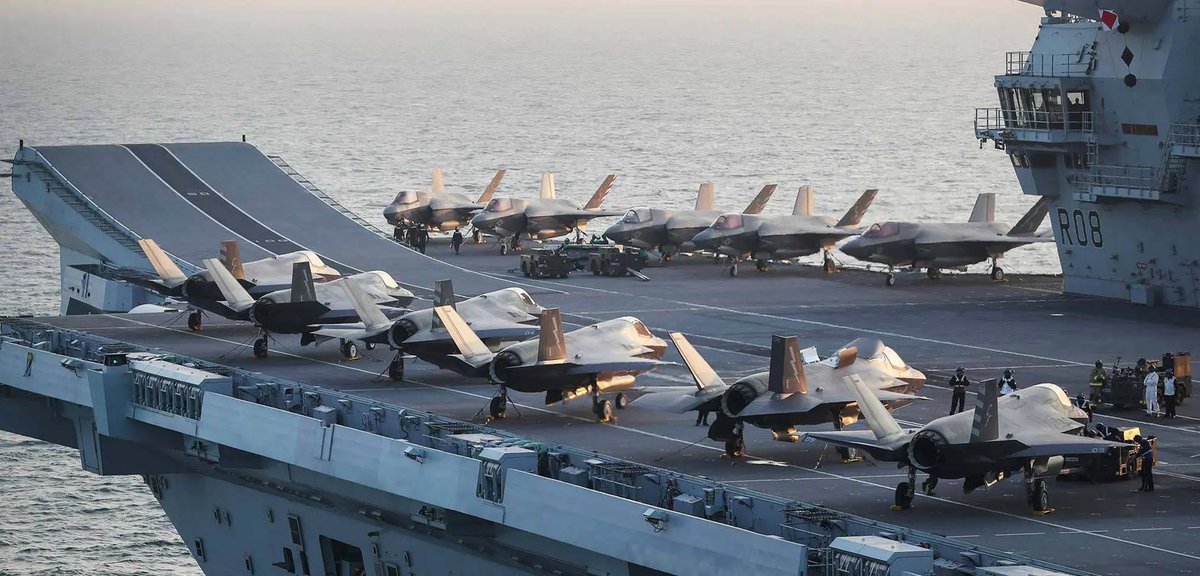
4.) Combat air will need to increase by 300-500 fast jets and thousands of drones (and possibly replace 200 F-35s in service or on order). For the UK the priority should be to bolster UK air defence and ability to conduct a punative deep strike against Russian air power.
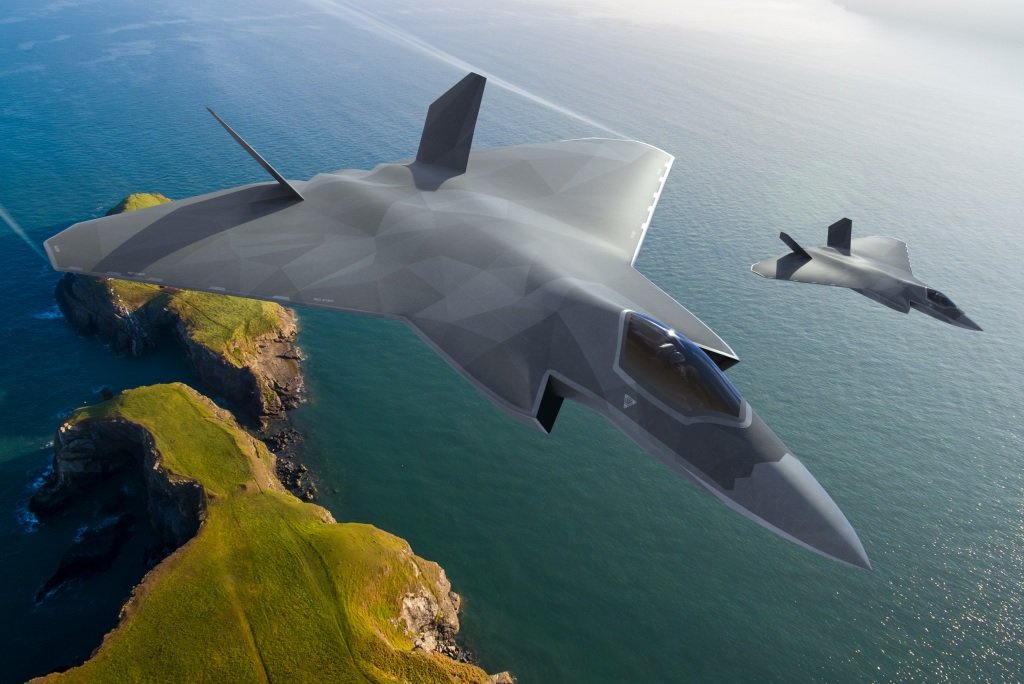
4. cont.. Around 75-100 increase in RAF combat air power (or equivalent if loyal wingman drones are part of package) as well as fully equipping the RN's two carrier air wings.
5.) While much of the heavy lifting on the Eastern flank can be picked up by 🇵🇱🇩🇪, the British Army will need to create a credible expeditionary strategic reserve to initially lead the stabilisation force in Ukraine. This is JEF+.
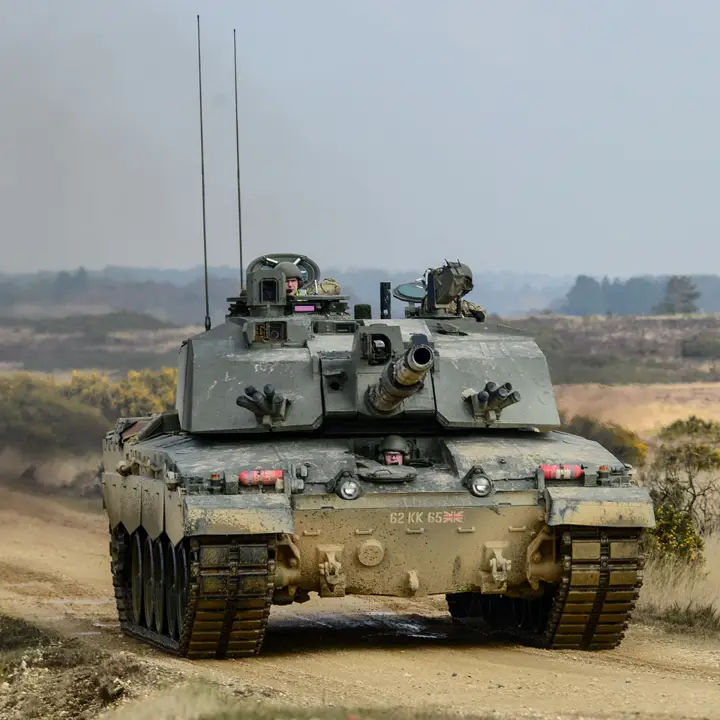
5.) continued.. the first priority is the toothless Royal Artillery which has no guns or missiles to speak of for air defence or close support. Beyond that Britain and France will need to the replace the US's ability to rapidly deploy 101 or 82 airborne to hot spots.
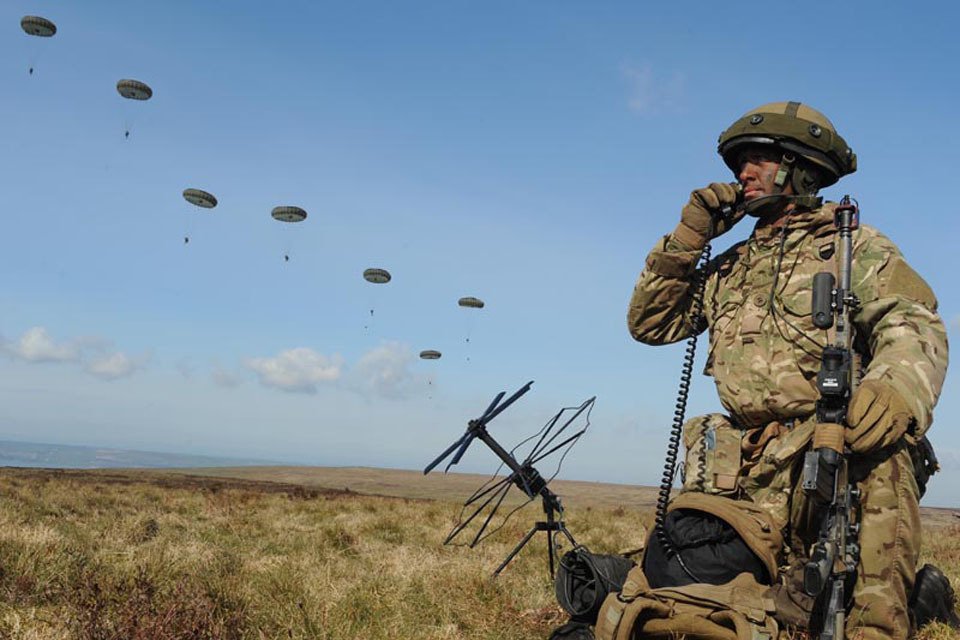
6.) Europe will need up to 300,000 more personnel. While aging population is a potential hazard, we should look to the Norwegian and Finnish models for creating and mobilising reserves. UK civillian bodies can be tapped as reserves too. UK will need 30-50K increase.

All of this will need to be achieved in the next 5-10 years, some faster than others. That means creating new alliance-wide funding mechanisms that ensure equitable burden sharing, deep reform to procurement and recruitment and re-building industrial capacity.
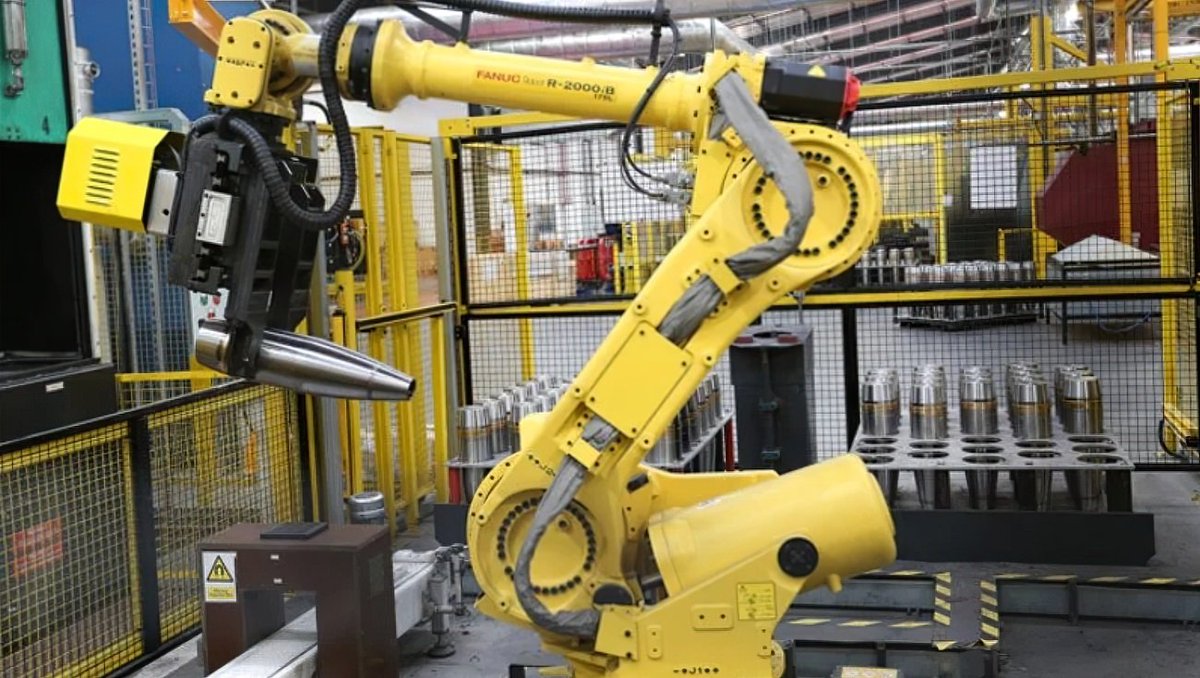
Significant streamlining of defence production is needed to focus down on making more of fewer and cheaper types of equipment - this needs a 'Lord Beaverbrook' to rationalise Europe and Canada's industry to produce the equipment and supplies the alliance needs.
Its an extremely difficult ask, but the alternatives may be either wishful thinking or surrender to the autocratic world order. And beyond Euope we may need to support Japan, Australia, Singapore, New Zealand and the other bastions of democracy in the Pacific.
Fin.
Fin.
@threadreaderapp unroll
• • •
Missing some Tweet in this thread? You can try to
force a refresh