Yes, I've seen this ad. It's full of bad information. The company didn't deliver good pants; they simply moved to stretch materials. This is common with a lot of tailoring nowadays. Will run through some of the points in this ad. 🧵
https://twitter.com/lashe00/status/1894737736323465315
First, and again, I have no malice to the person in this ad or anyone in this thread. I don't know who is the person in this ad, but assume they were paid to be in this commercial. I am only addressing the information in this ad, as well as the company's work.
Men with a prominent seat (tailor speak for "big butt") need certain trouser adjustments. But nearly every problem mentioned in this ad is a result of the person wearing clothes that are too tight. Such issues are only made worse by the company delivering tighter clothes.
For instance, the ad rightly notes that hockey players have big butts, big thighs, and small waists. But then they deliver these absurd pants. See how the side pockets are flaring out and the back pocket is gaping. This suggests the pants are too tight through the hips. 
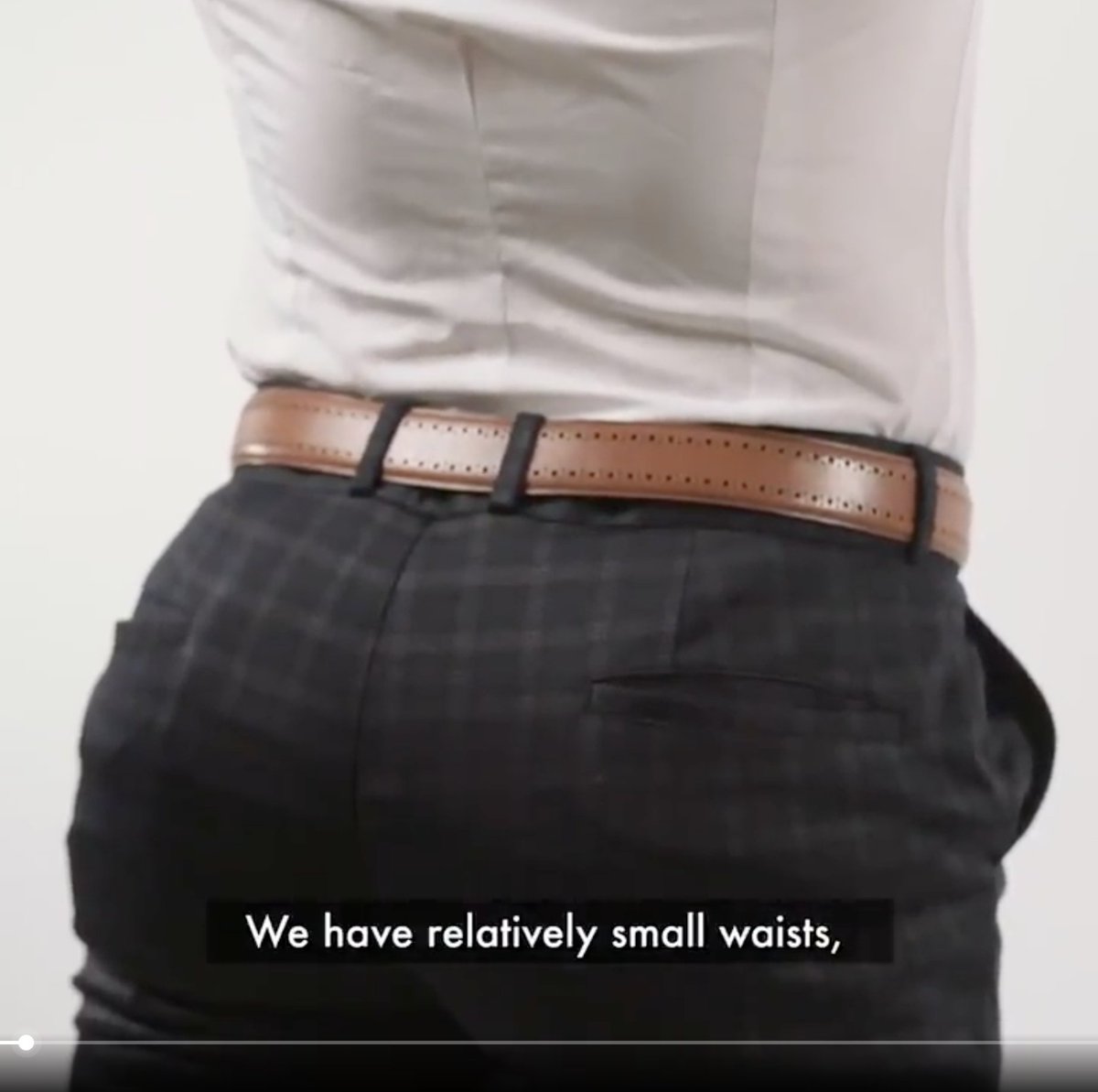
The irony is that the same ad shows the right image as an example of "pants that don't fit." But they actually fit better! The idea that you shouldn't be able to grab fabric is insane; you have "slim fit mind virus." The prob with those pants is excess material at waistband.
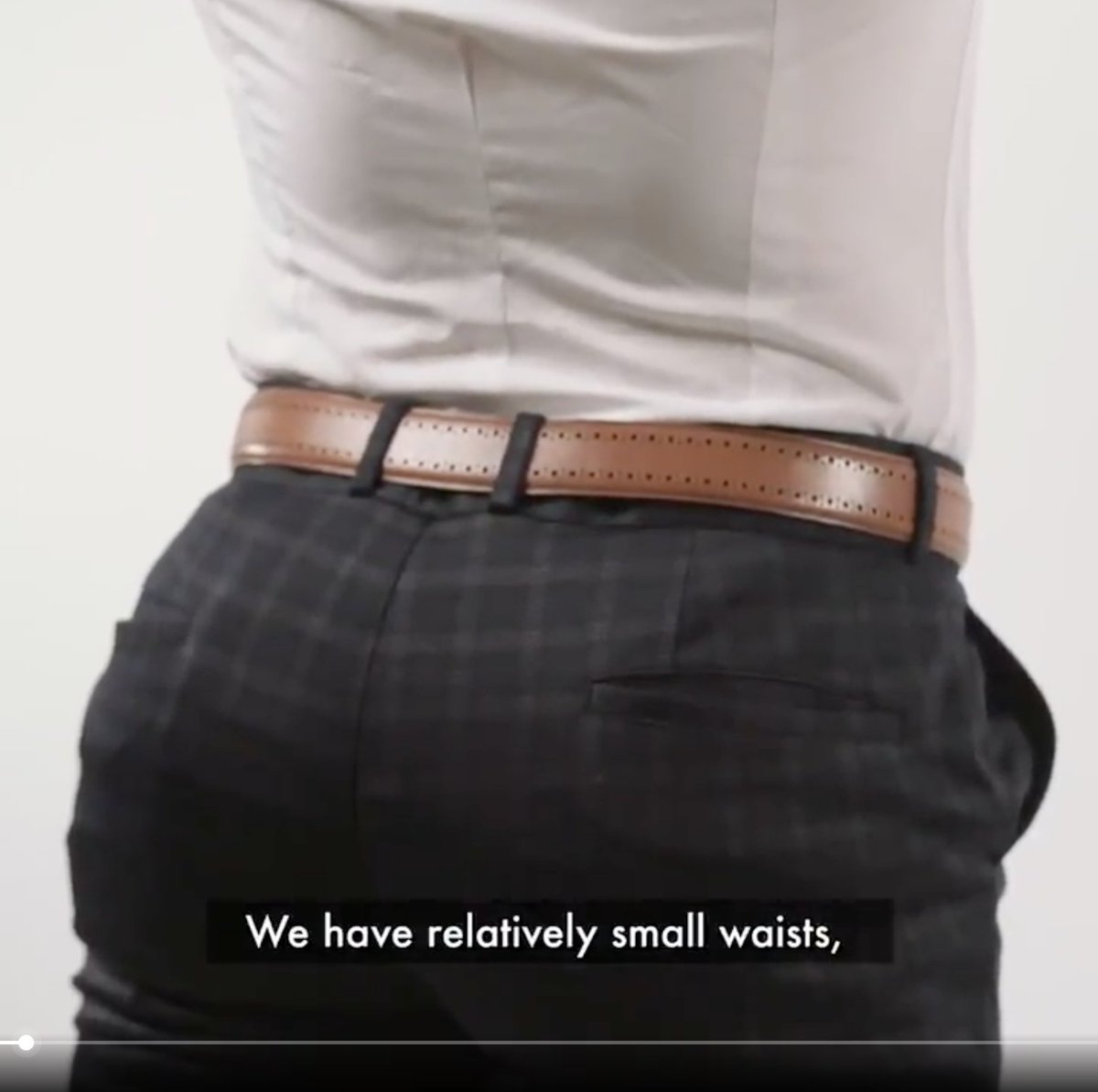
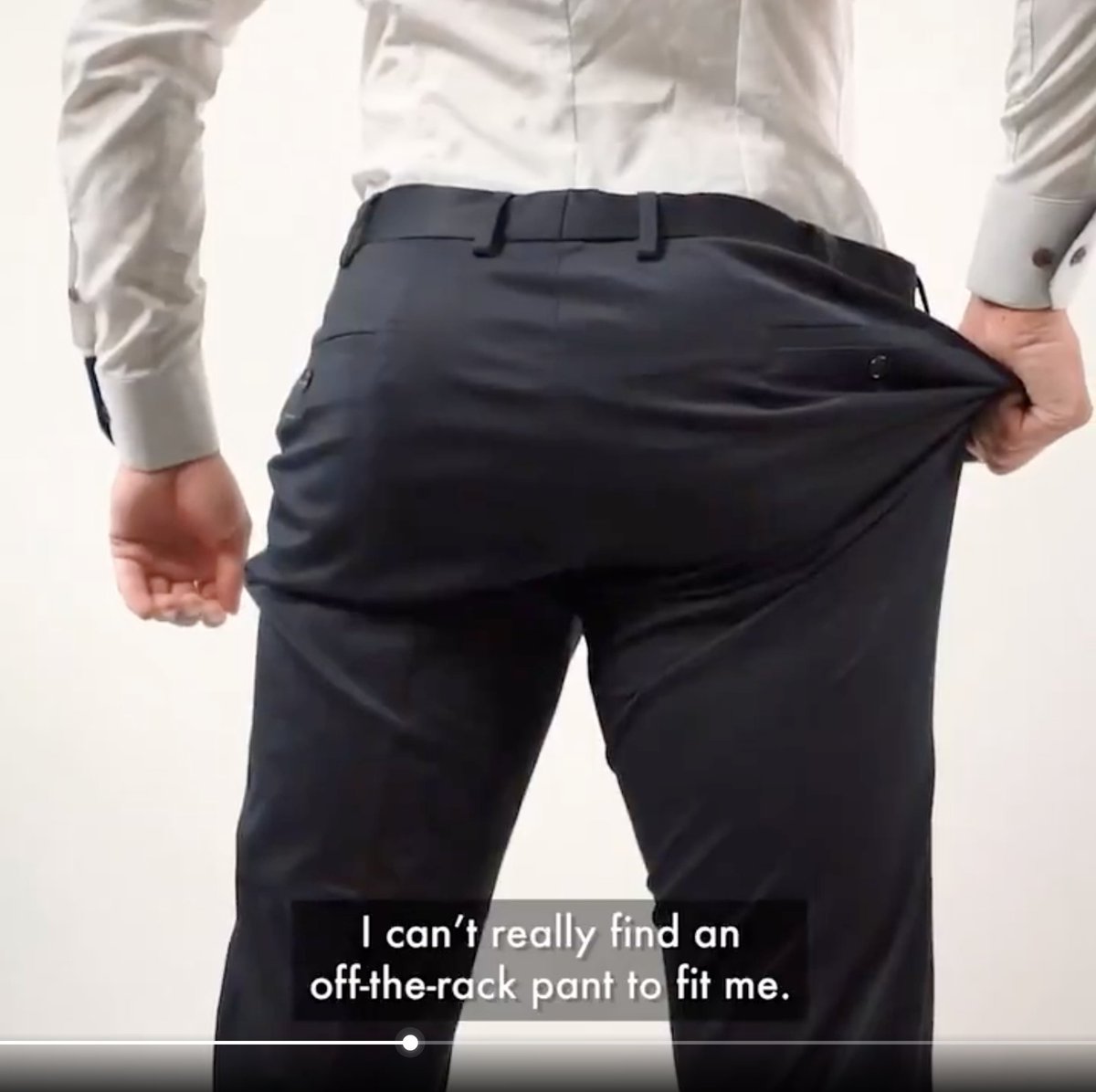
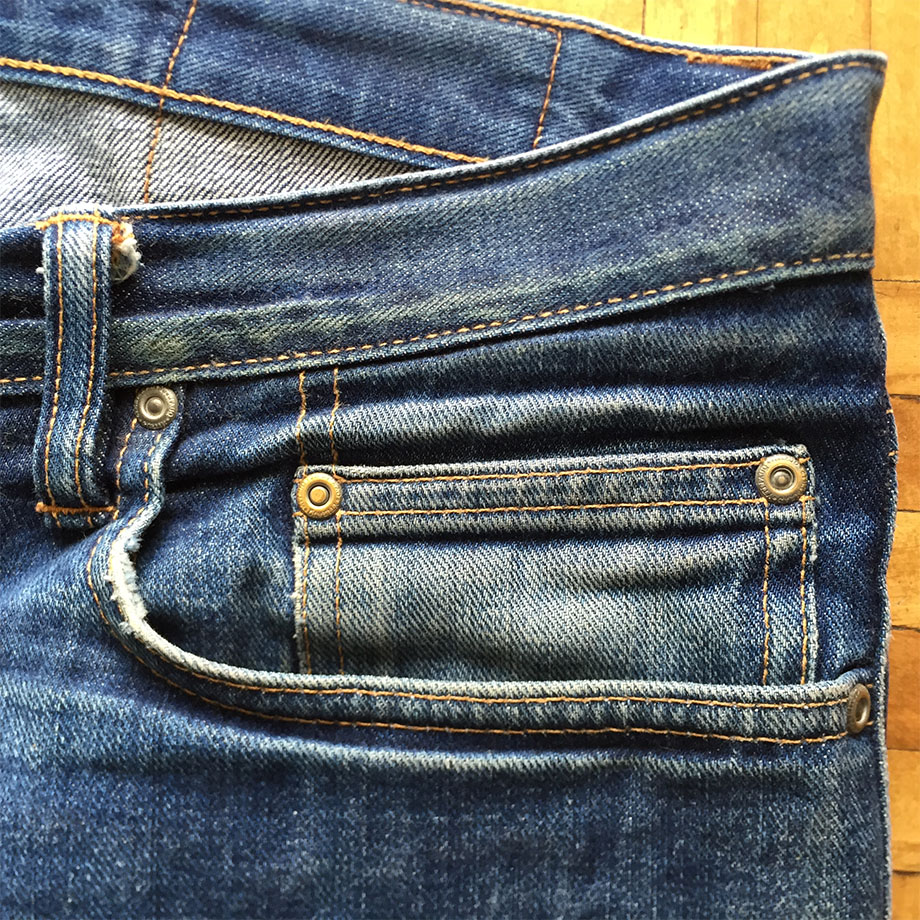
If there is too much fabric at the waist, it will bunch up in a bad way when you belt the trousers. One way to fix this is to remove the waistband and add two darts at the back, and then take in the waist. Here is an example of the technique done on jeans.
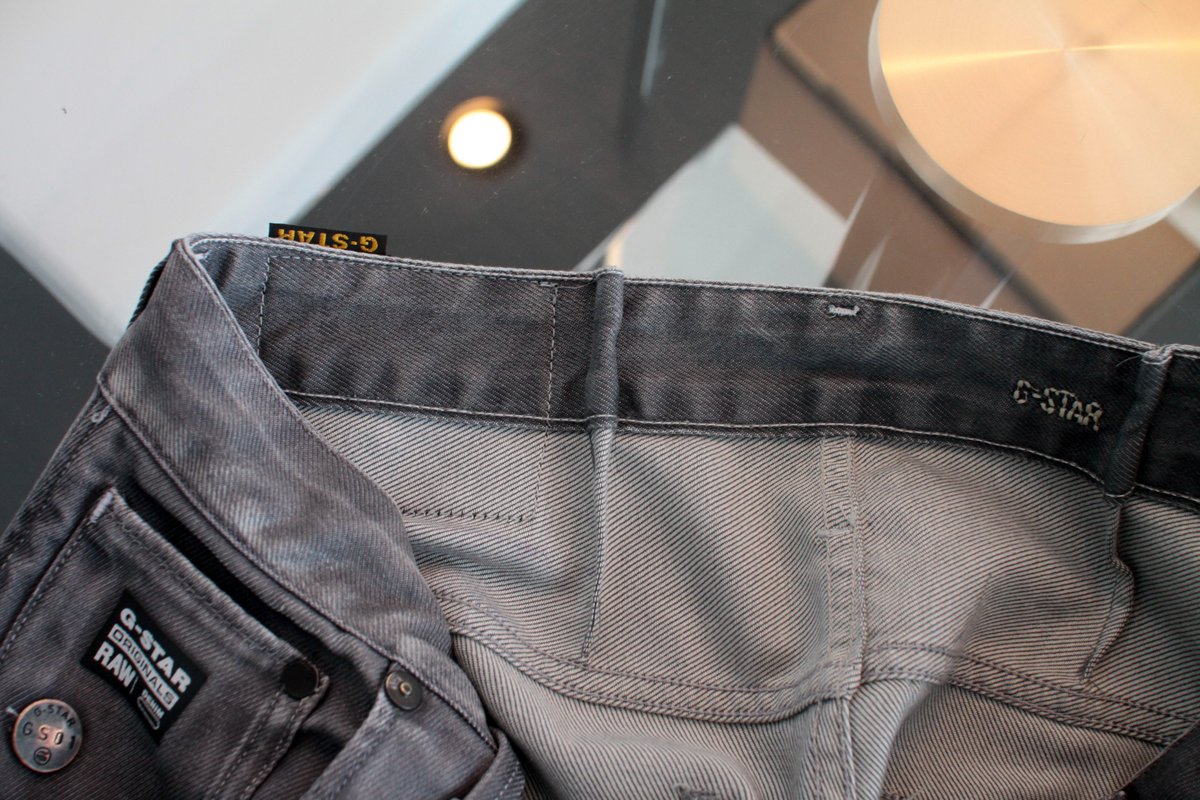
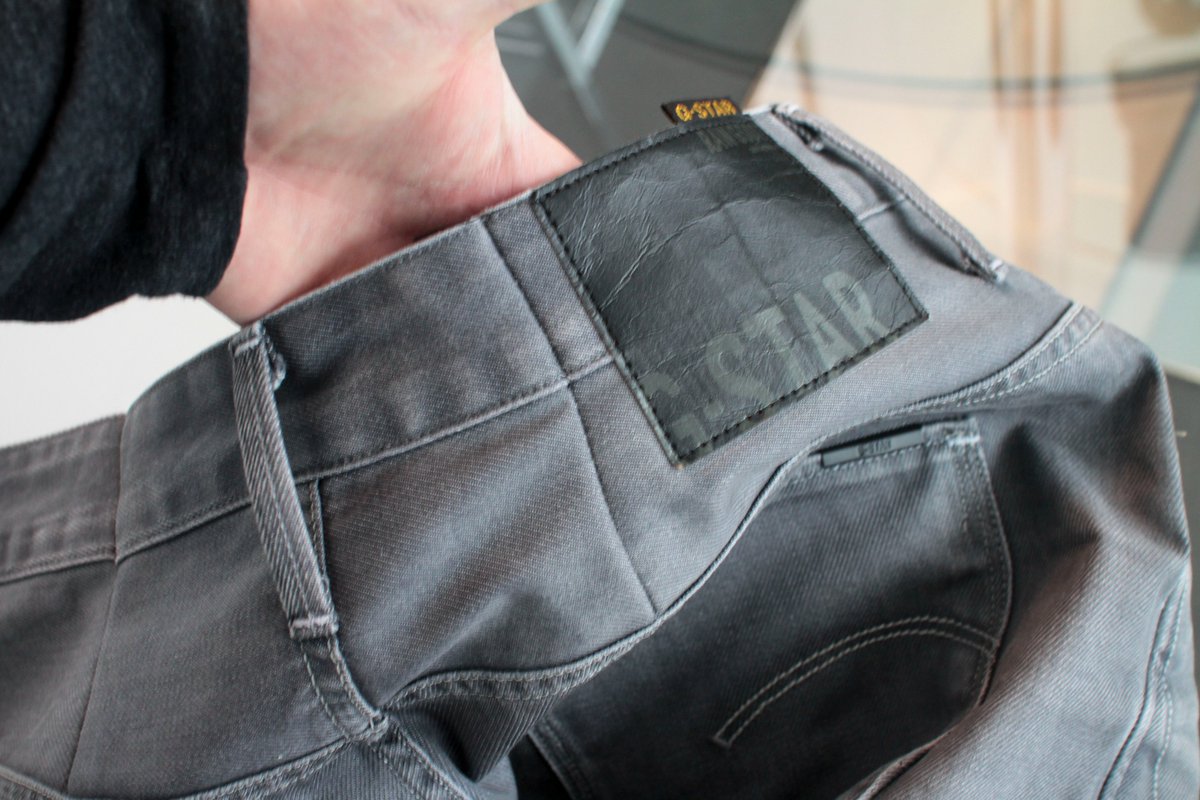
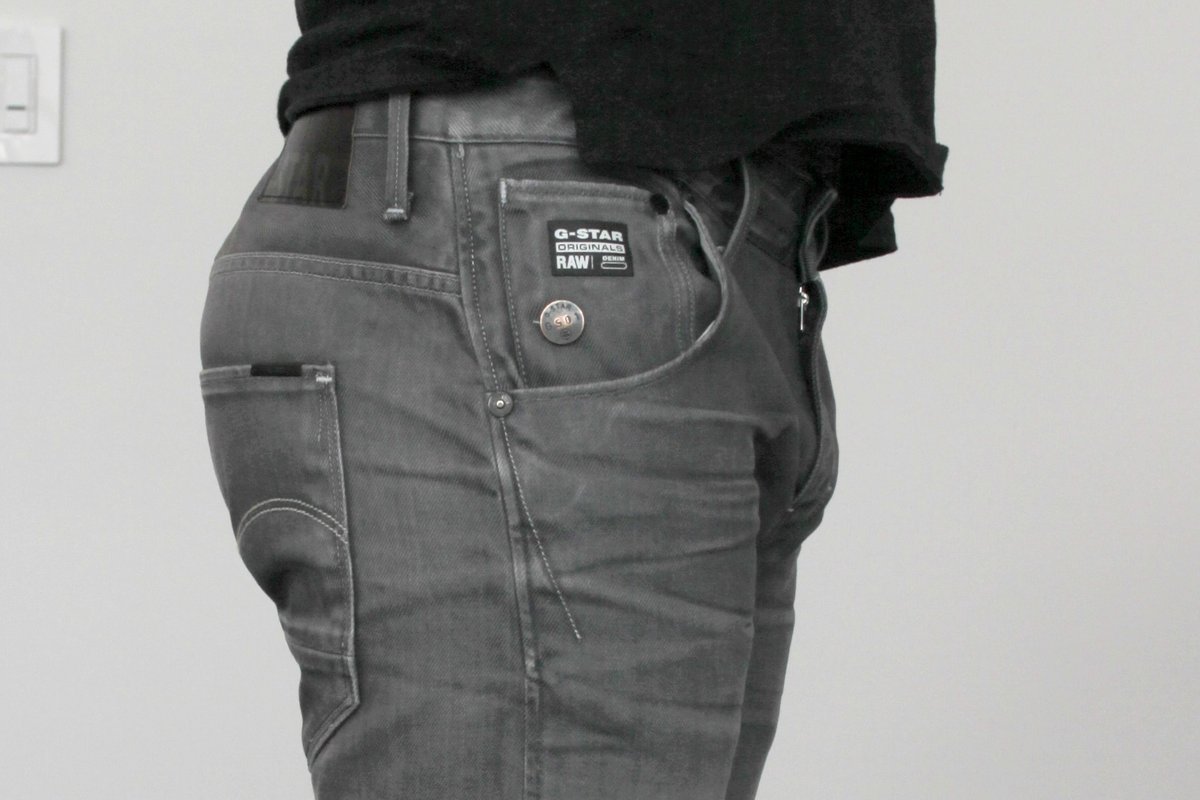
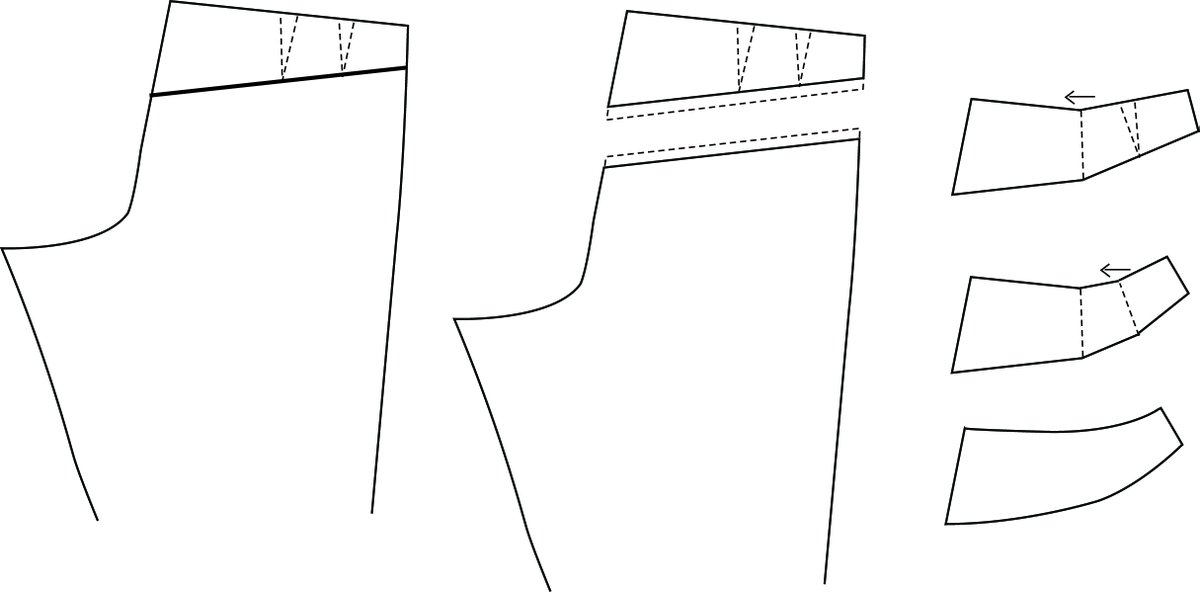
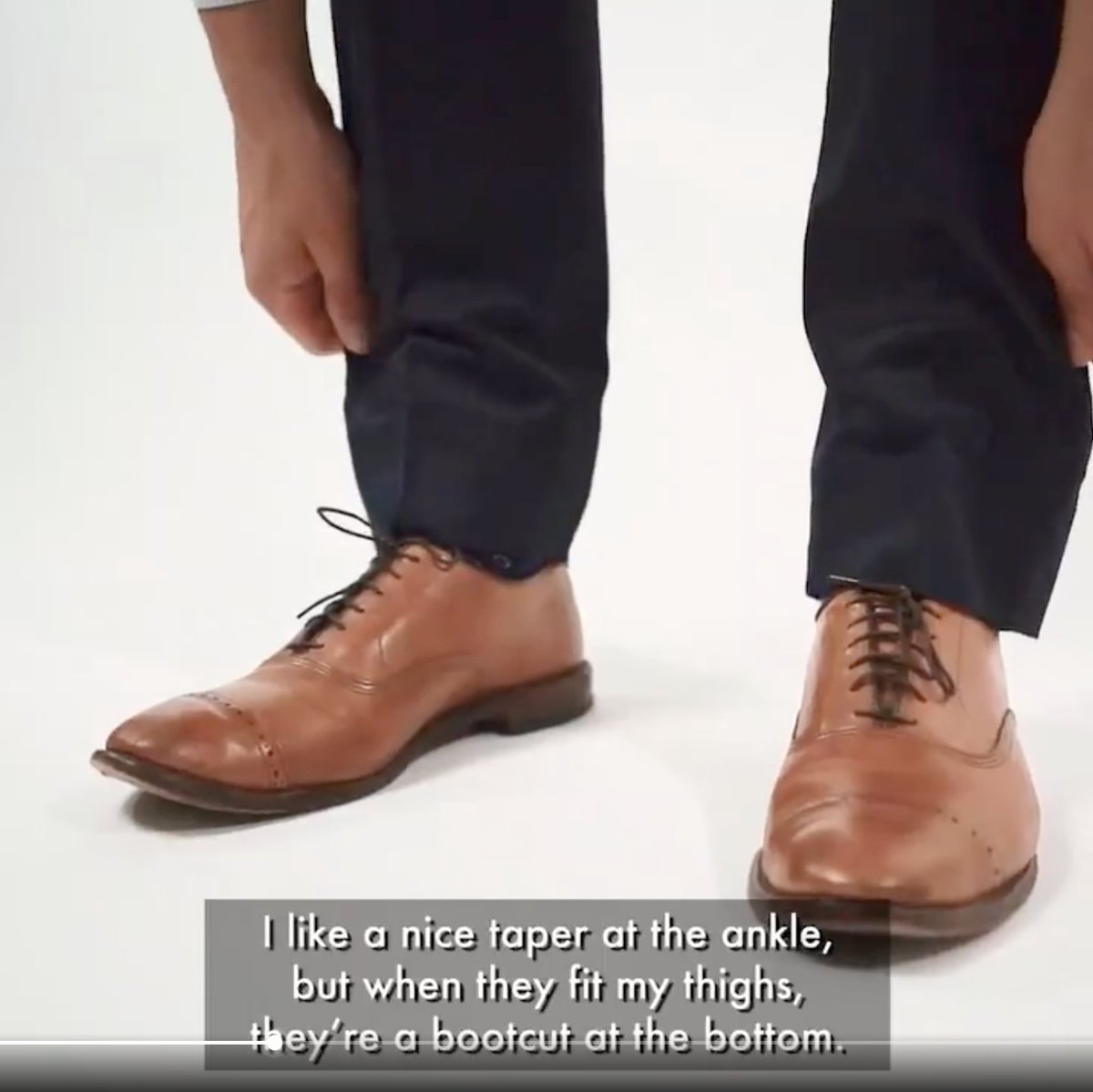
Back to the ad. The person says they like pants to taper, but then find the thighs are too tight. Again, this is a common issue for athletic men. But one problem is that the person simply likes pants that are too tight. These barely cover the opening of his shoes!
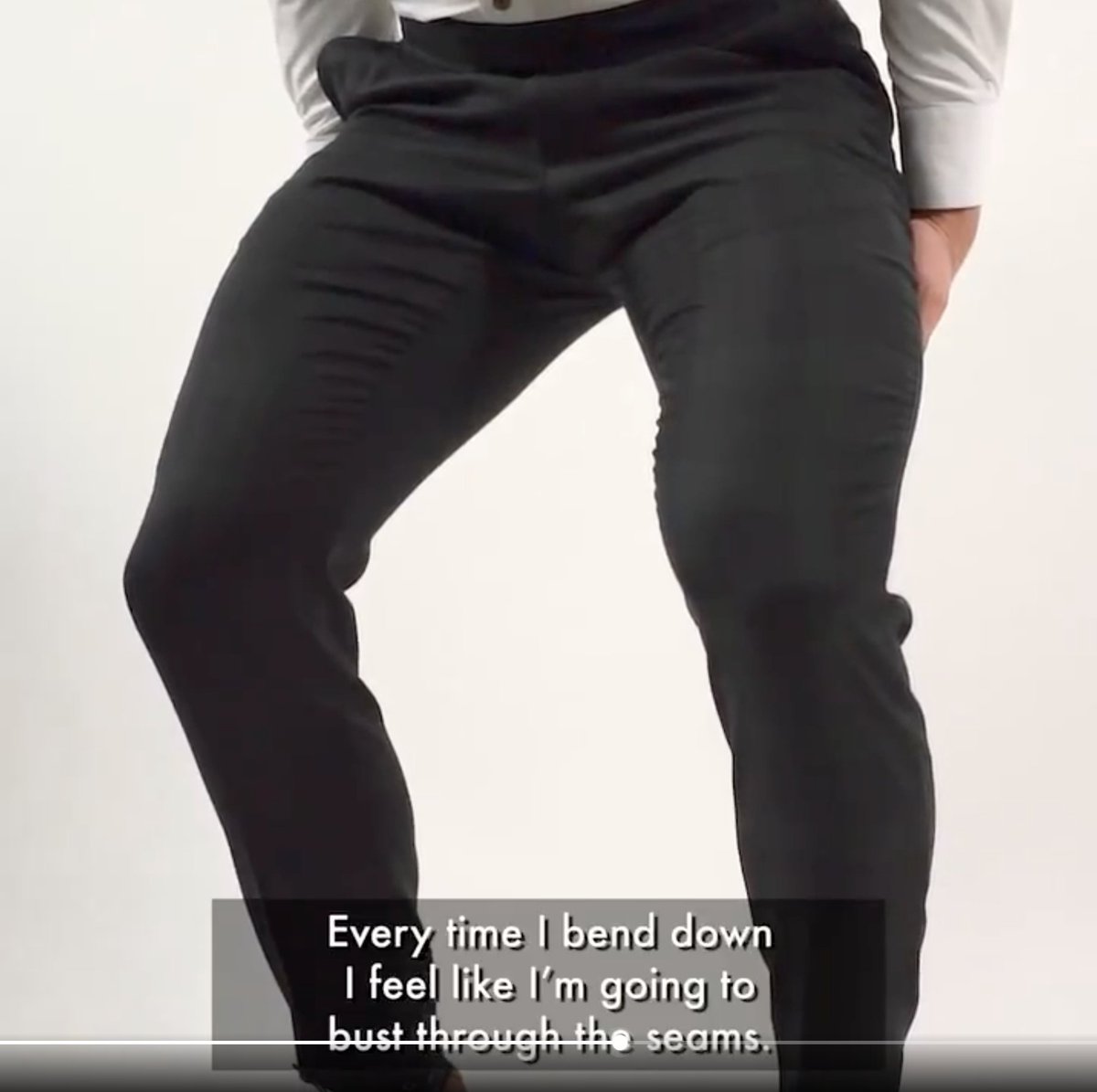
They say that when they bend down, they feel like they're about to bust through the seams. Yes, that's because you wear suction fit clothes! The company didn't deliver good pants for you; they simply moved to stretch materials. See how the side seams here are still stressed
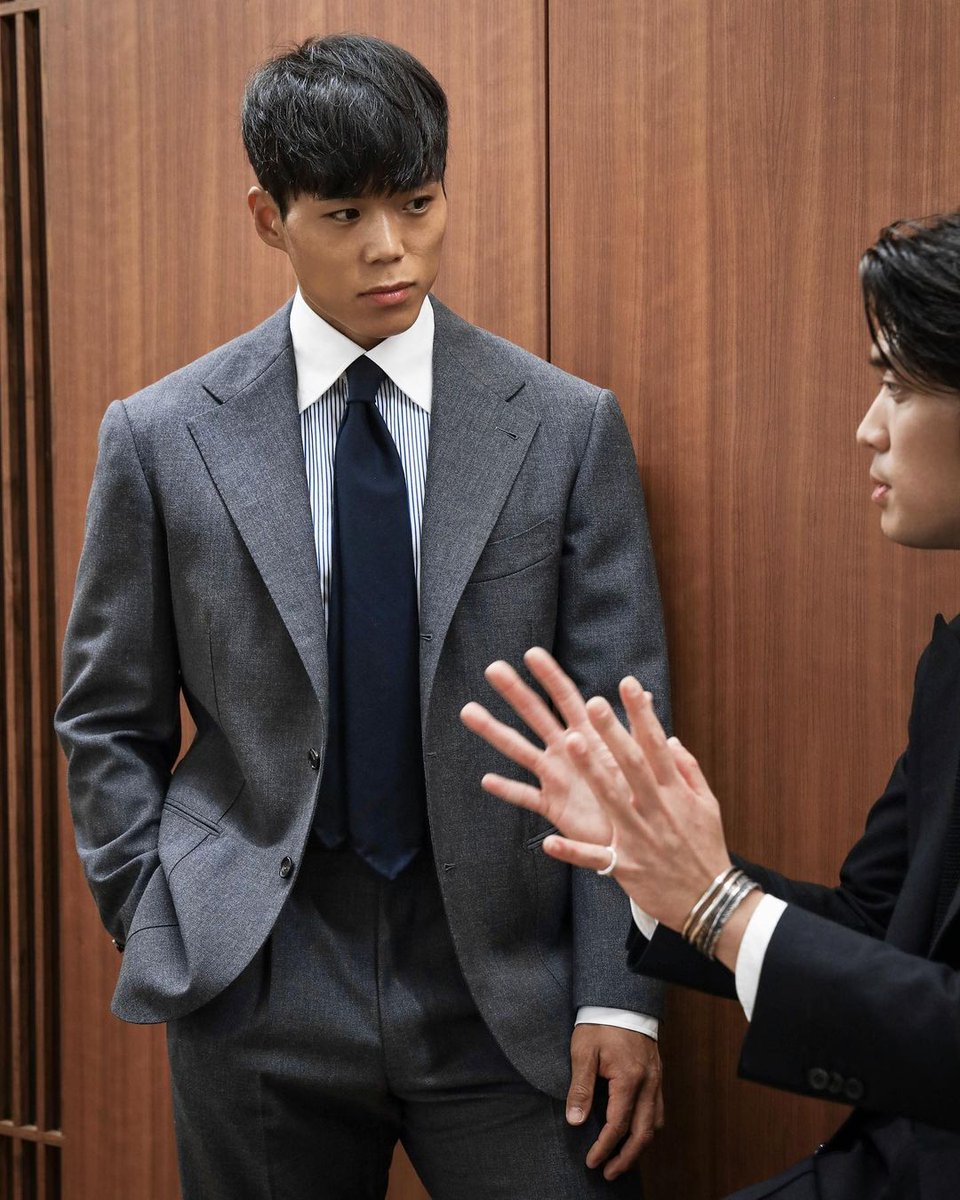
I don't have a photo of a hockey player in good tailoring. But here is an athletic build with a prominent seat. The waist fits cleanly around the person's body (no bunching); trousers also fall cleanly. They have enough room to bend down without stressing seams.
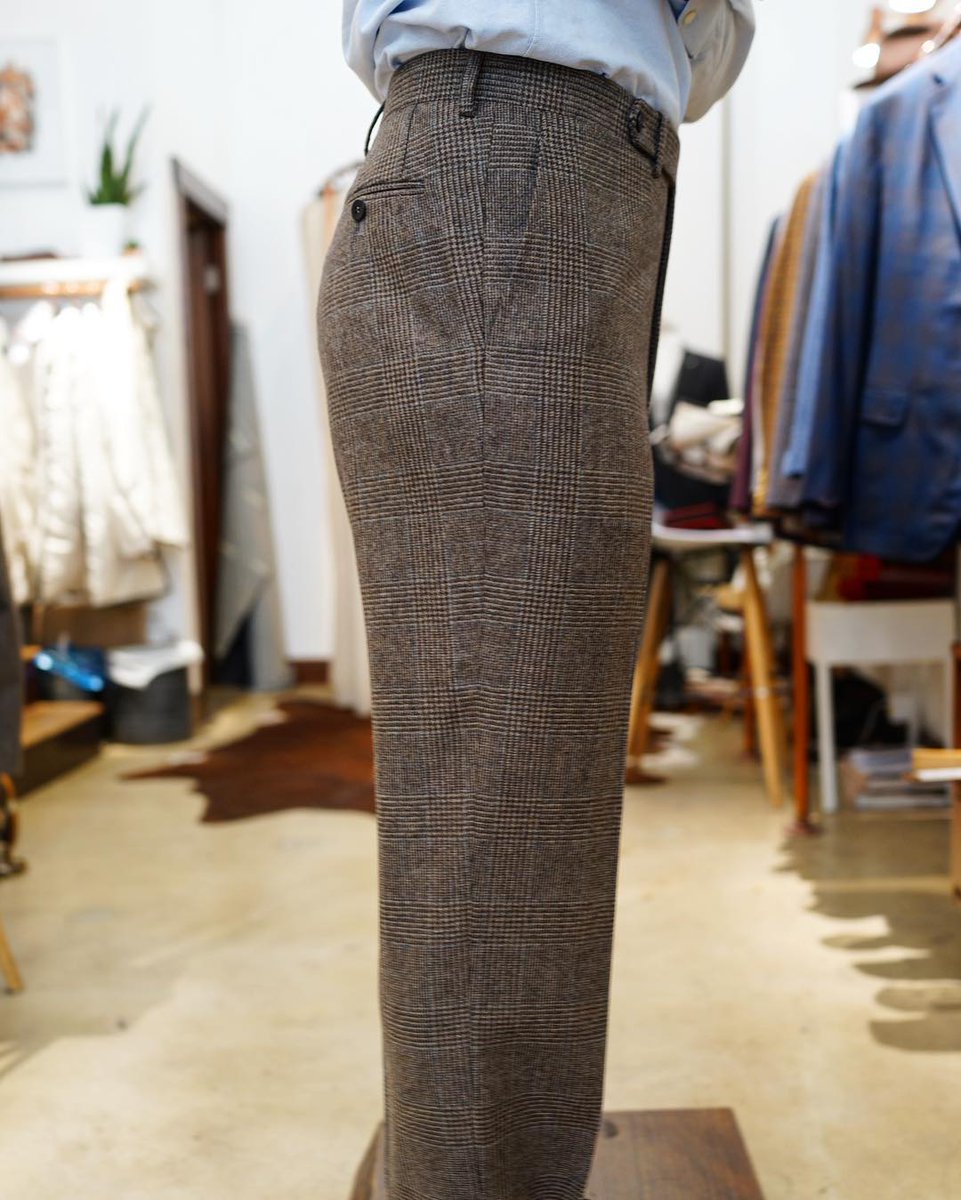
On their own, you may think the trousers feel old fashioned. But it's all about how you style them. With a suit jacket, the trousers have to be cut a certain way to work with the jacket's silhouette. With casualwear, you can also wear them with clothes in the right proportions.
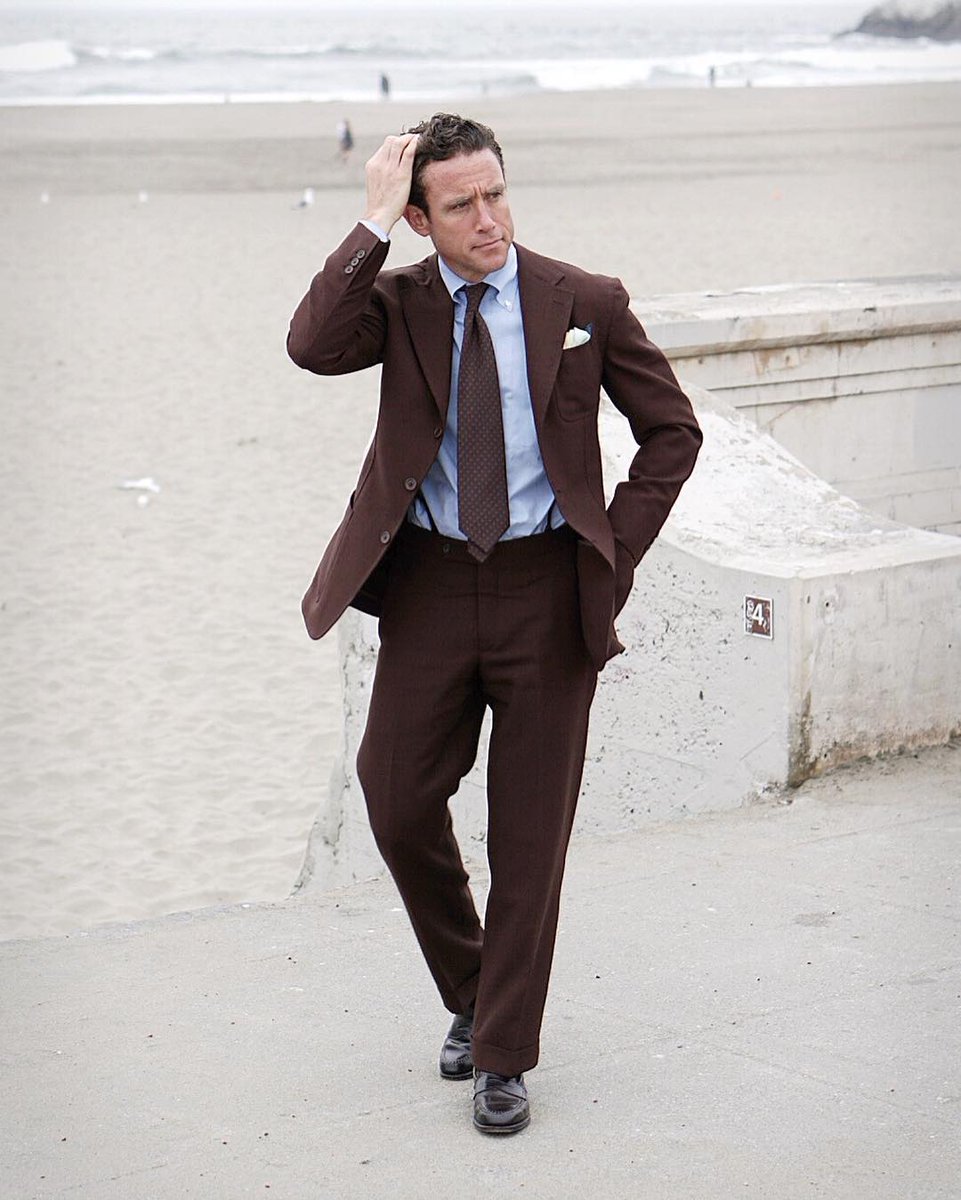
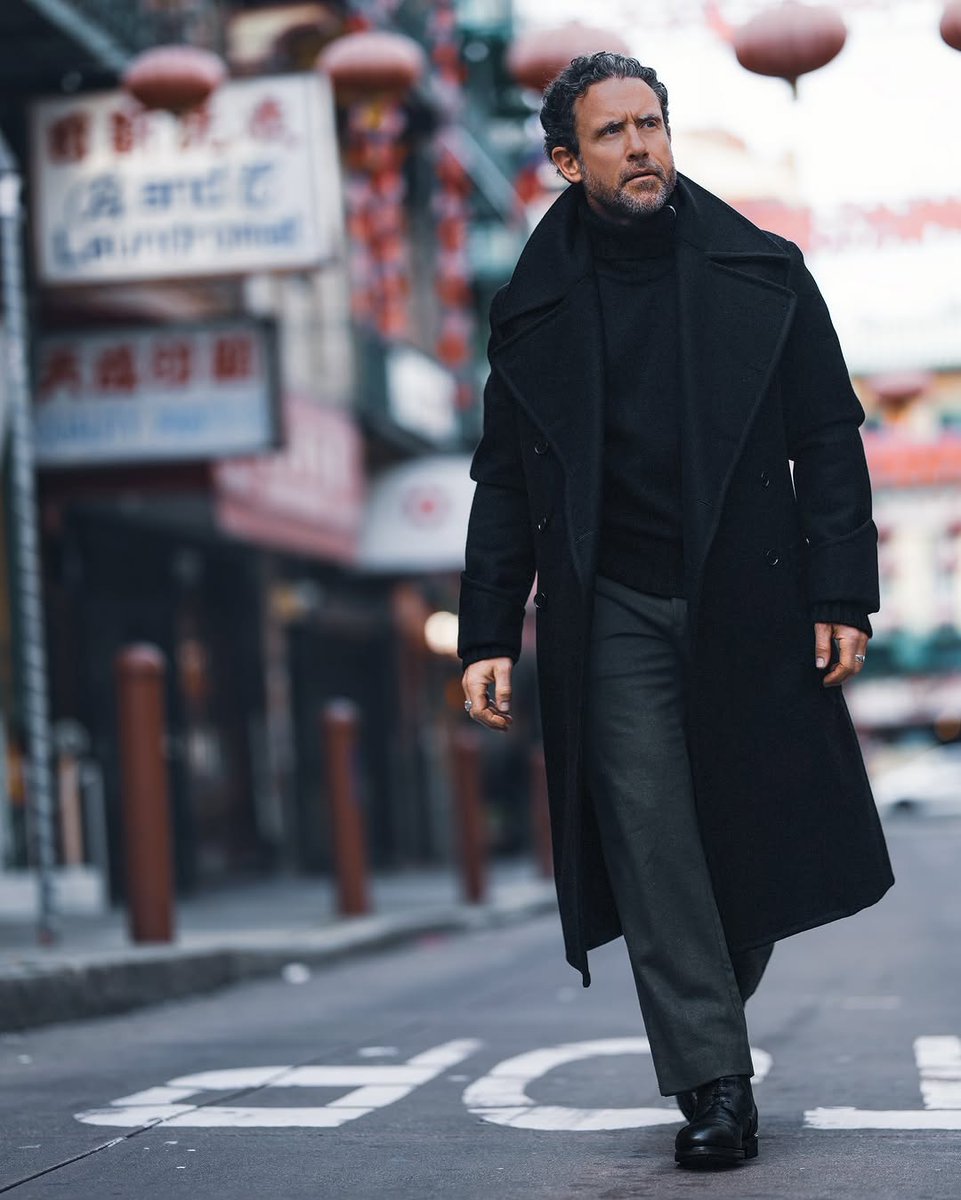
This company, State & Liberty, approaches every problem with "make it slimmer and use stretch fabric so seams don't bust." IMO, this does not look good. Outfits have no shape. Clothes still exhibit fit issues because of the poor tailoring.
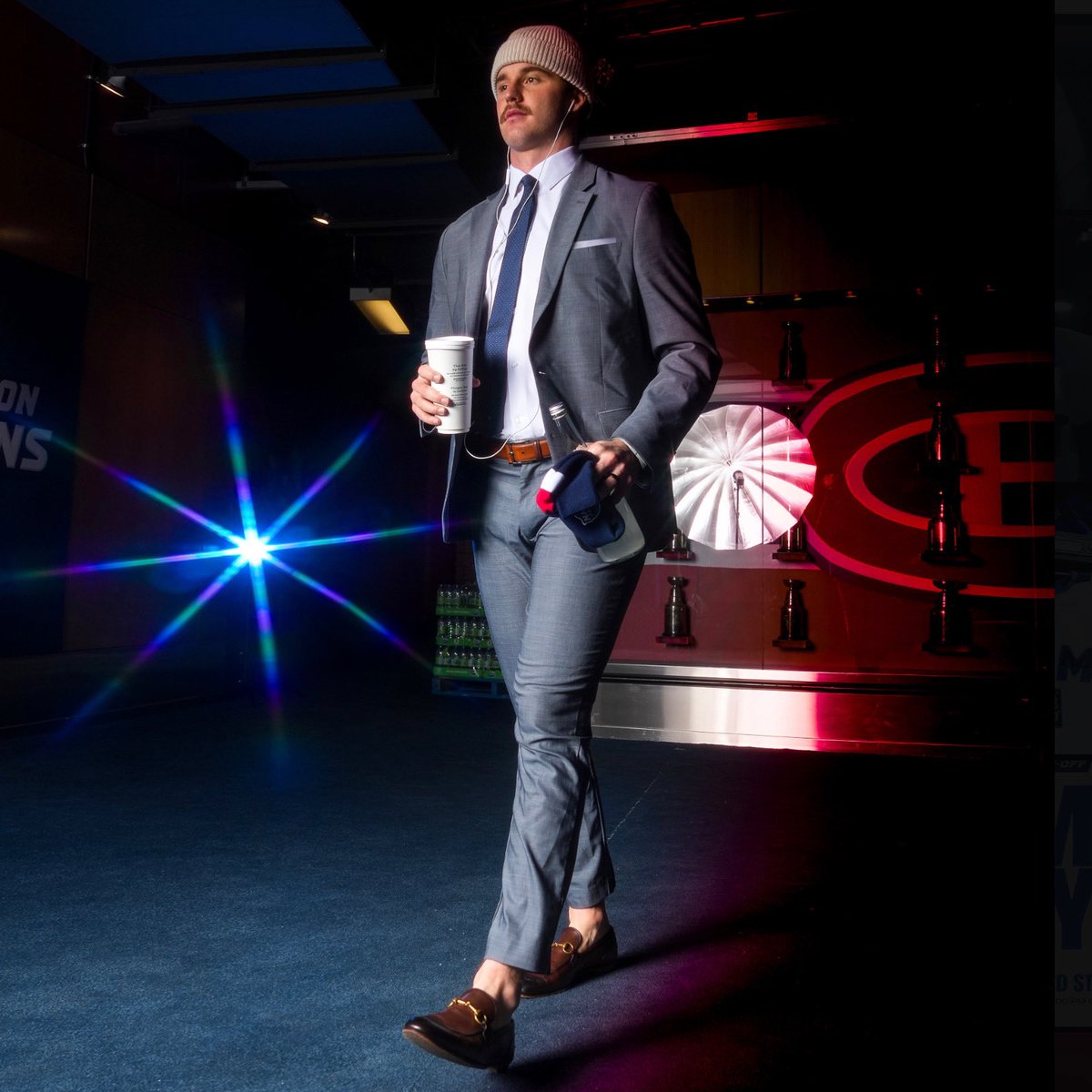
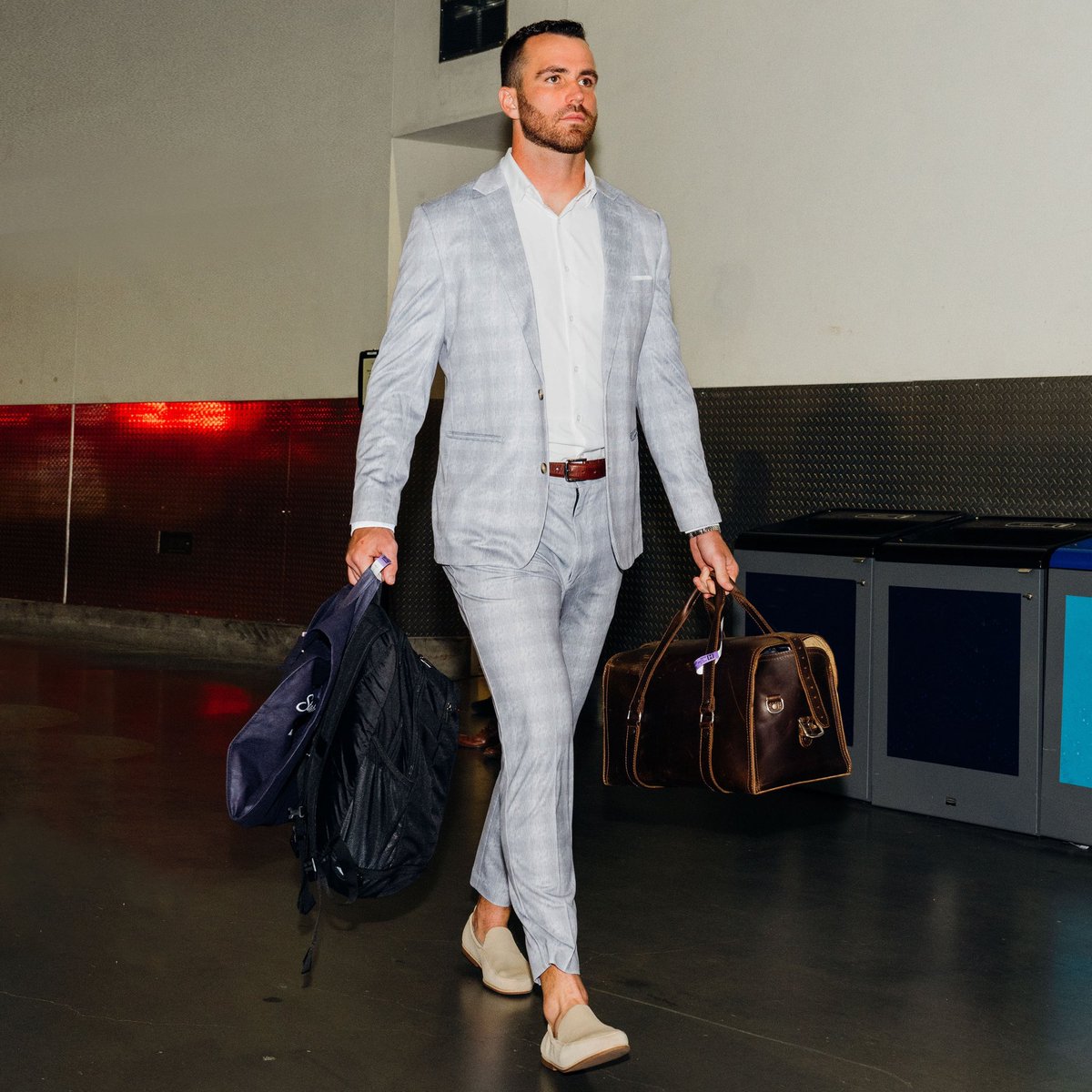


When you have an athletic build, you have unique fit challenges. One is getting the jacket to fit cleanly over the shoulders and arms. This company makes suction-fit stretch suits, so as soon as the person moves, a divot appears at the sleevehead.

IMO, would look better if they extended the shoulder line beyond the shoulder joint and allowed the sleeve the sleeve to fall cleanly. Similarly, the problems with this jacket reveal themselves once he tries to fasten it. Jacket is too small, so lapels buckle away from his chest.


Many companies nowadays are not run by real tailors. They are run by business people who draft up business plans to make money. Then they partner with factories abroad to create trendy blocks. The people who measure and fit you are salespeople, not tailors.
This is how you end up with all these clothes that don't fit very well. The move to stretch suits doesn't solve the issue, it simply lowers the chance of suction-fit clothes bursting at the seams.
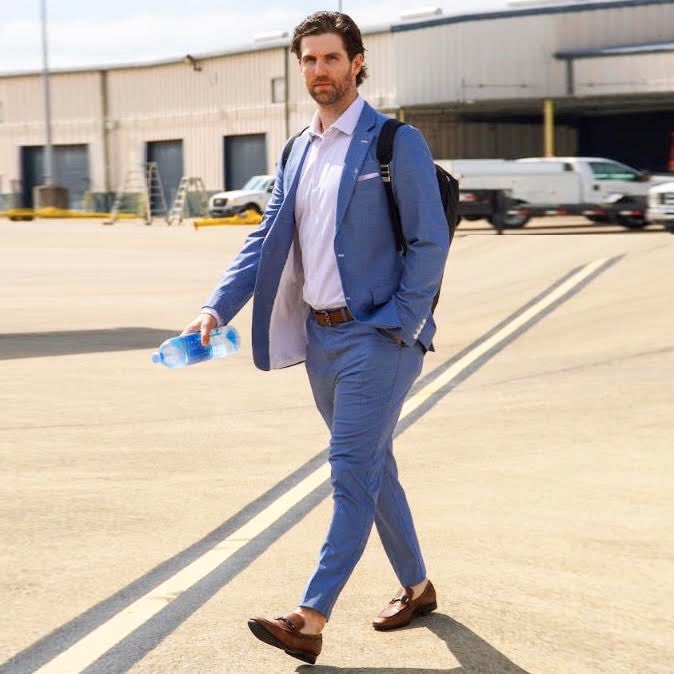
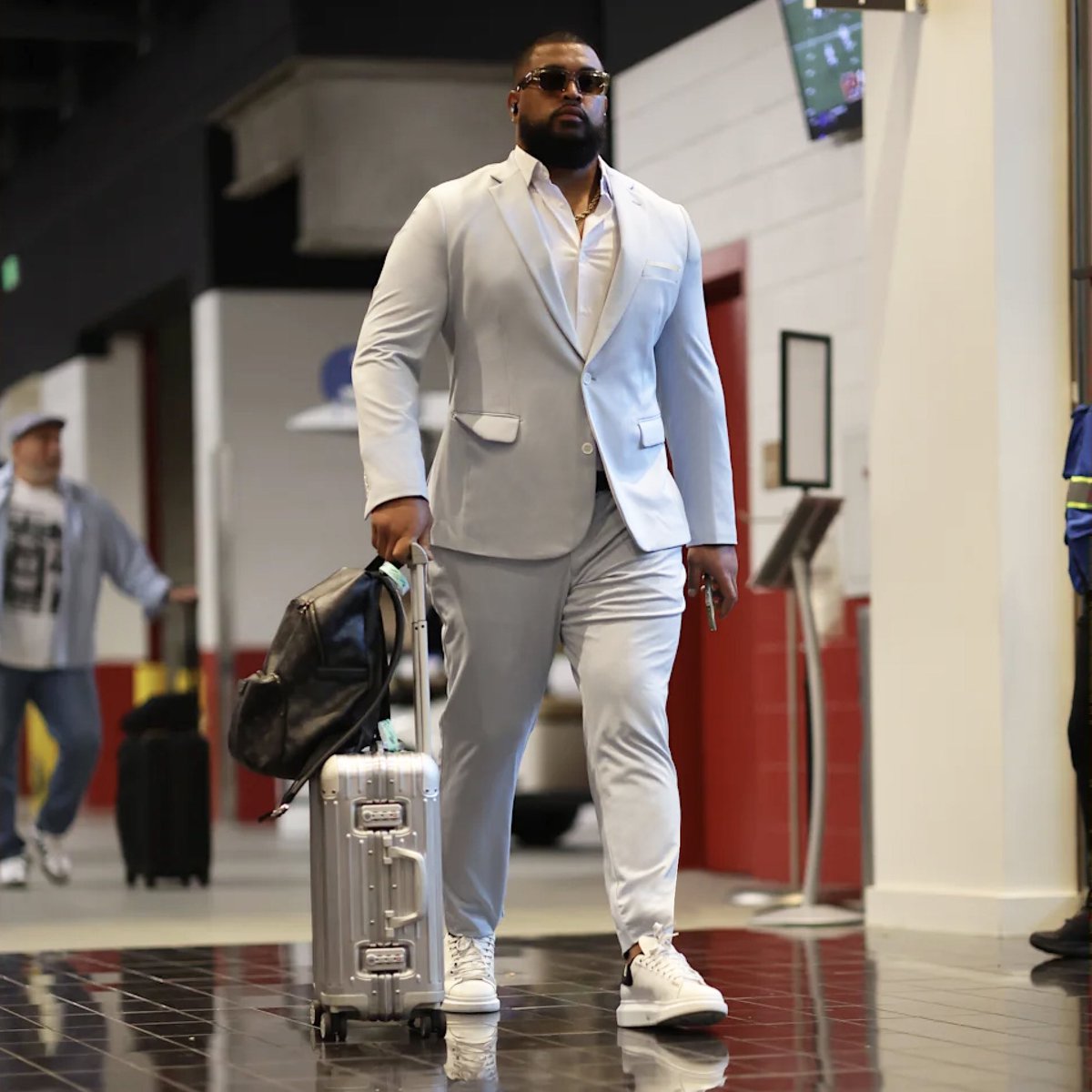
The ad is correct that athletic men face unique fit challenges. But the company doesn't deliver proper solutions. To solve this problem, you first have to get it out of your head that clothes are supposed to look like they've been put on with a vacuum seal.

• • •
Missing some Tweet in this thread? You can try to
force a refresh