Let's talk about American weapons and how Europe has to wean itself off them.
Part 1 of a long thread; this one looking at fighter jets.
First and foremost: Europe has to get all American made components out of all weapon systems produced in Europe. If Trump can shut down a
1/24
Part 1 of a long thread; this one looking at fighter jets.
First and foremost: Europe has to get all American made components out of all weapon systems produced in Europe. If Trump can shut down a
1/24

European production line by withholding a component, then that component has to replaced... and if that is impossible, then that weapon system has no future and production has to end.
As for the F-35... Europe has nothing even close in combat capability. Best course will be
2/n
As for the F-35... Europe has nothing even close in combat capability. Best course will be
2/n

to see the existing deals through and then focus on acquiring Eurofighters and Rafales, both of which are way more capable than whatever junk russia sends up in the air.
The main issue will be that the Rafale's production line is running already at full capacity, while the
3/n
The main issue will be that the Rafale's production line is running already at full capacity, while the
3/n

Eurofighter Eurofighter assembly lines in the UK, Italy, Germany and Spain should in theory be able to triple output to 60 fighters per year, but there are many uncertainties as the stinginess of European governments led to the Spanish & German lines being suspended in 2018.
4/n
4/n
At least the assembly line in Germany was restarted in 2023... at a very low rate.
As for the Gripen: it's dead. Sweden being stingy in 2012 and opting for US made GE F414-GE-39E engines instead of further developing the Swedish made RM12EF engine means that the Gripen E
5/n
As for the Gripen: it's dead. Sweden being stingy in 2012 and opting for US made GE F414-GE-39E engines instead of further developing the Swedish made RM12EF engine means that the Gripen E
5/n

either has to switch engine (costly) or production will end once the last Gripen E comes of the production line in Linköping... or when Trump suspends engine deliveries.
For the future: Europe needs to focus on getting the British/Japanese/Italian Global Combat Air Programme
6/n
For the future: Europe needs to focus on getting the British/Japanese/Italian Global Combat Air Programme
6/n

(GCAP) into service ASAP.
The competing French/German/Spanish Future Combat Air System (FCAS) will come years later... if at all.
As for fighter weapons: almost every European air force has its depots full of US made AIM-120 AMRAAM and AIM-9 Sidewinder air-to-air missiles...
7/n
The competing French/German/Spanish Future Combat Air System (FCAS) will come years later... if at all.
As for fighter weapons: almost every European air force has its depots full of US made AIM-120 AMRAAM and AIM-9 Sidewinder air-to-air missiles...
7/n
and i.e. Sweden and Germany are currently buying 1,219 AIM-120C-8 missiles for $3.5 billion... even though Europe produces the Meteor missile, which is better than the AIM-120C-8.
As said before: see the current deals through but then buy European missiles only.
8/n
As said before: see the current deals through but then buy European missiles only.
8/n


This means that European air forces have to buy Meteor (or the cheaper/less range French MICA NG RF) when they need a radar guided beyond-visual-range air-to-air missile; and buy the German IRIS-T, British ASRAAM or French MICA NG IR when they need an infrared homing missile.
9/n
9/n

As for anti-ship missiles:
🇫🇷 Exocet AM39 B2.2 (for Rafale)
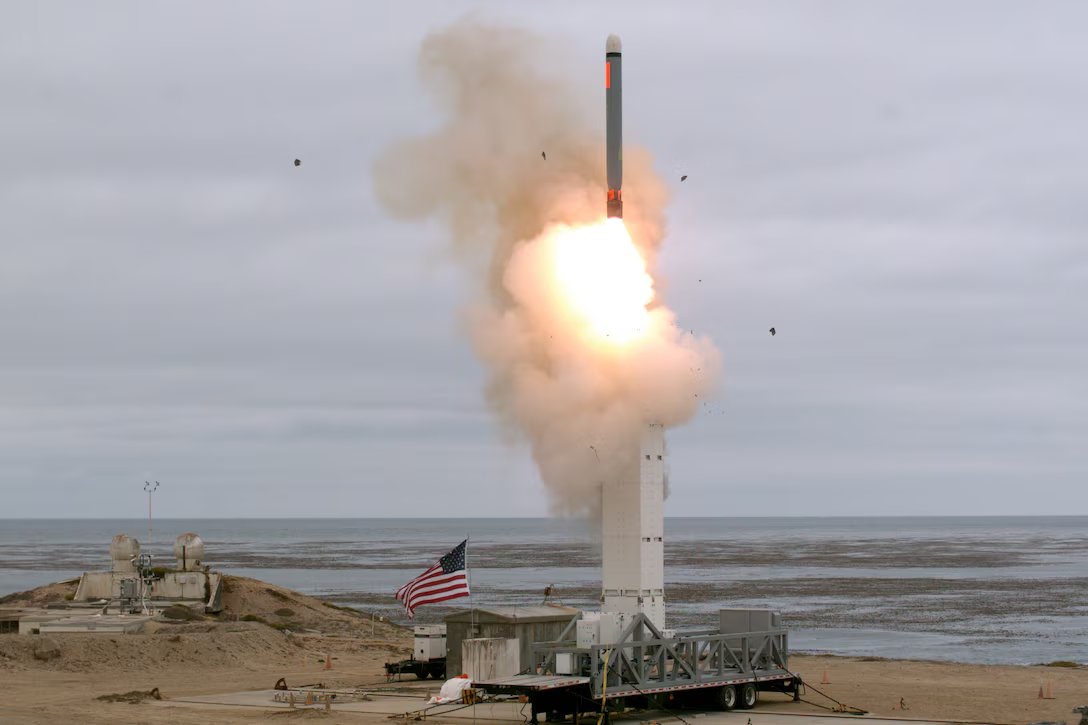
🇸🇪 RBS 15 Mk.4 Air (for Gripen; photo)
There are also other options... but they use an American engine:
🇮🇹 Marte ER (🇺🇸 Williams WR WJ-24-8G)
🇳🇴 Joint Strike Missile (🇺🇸 Williams F‐415)
In both cases it should be
10/n
🇫🇷 Exocet AM39 B2.2 (for Rafale)
🇸🇪 RBS 15 Mk.4 Air (for Gripen; photo)
There are also other options... but they use an American engine:
🇮🇹 Marte ER (🇺🇸 Williams WR WJ-24-8G)
🇳🇴 Joint Strike Missile (🇺🇸 Williams F‐415)
In both cases it should be
10/n

possible to replace the American engines with the French Microturbo TRI-40, which is used in the aforementioned Exocet and the Norwegian surface-launched Naval Strike Missile (which was the basis for the development of the air-launched Joint Strike Missile).
The RBS 15 uses
11/n
The RBS 15 uses
11/n
a French made Microturbo TRI 60 engine, which is also used in the British/French SCALP/Storm Shadow cruise missile.
The German Taurus uses a Williams P8300-15 engine... which means it needs to be redesigned.
As for air-to-surface missiles and bombs... it's not looking good.
12/n
The German Taurus uses a Williams P8300-15 engine... which means it needs to be redesigned.
As for air-to-surface missiles and bombs... it's not looking good.
12/n

The British Brimstone initially used an American made Orbital ATK rocket engine; AFAIK the newer Brimstone 2 uses a French made engine.
However the newest British air-to-surface missile, the SPEAR 3, uses an American Pratt & Whitney TJ-150 engine...
13/n
However the newest British air-to-surface missile, the SPEAR 3, uses an American Pratt & Whitney TJ-150 engine...
13/n

When it comes to guidance kits for bombs almost everyone in Europe uses the American made Paveway or JDAM kits.
Only European made option are the French AASM Hammer kits. But even the AASM uses the American controlled GPS.
Europe licence produces Paveway and JDAM kits, but
14/n
Only European made option are the French AASM Hammer kits. But even the AASM uses the American controlled GPS.
Europe licence produces Paveway and JDAM kits, but
14/n
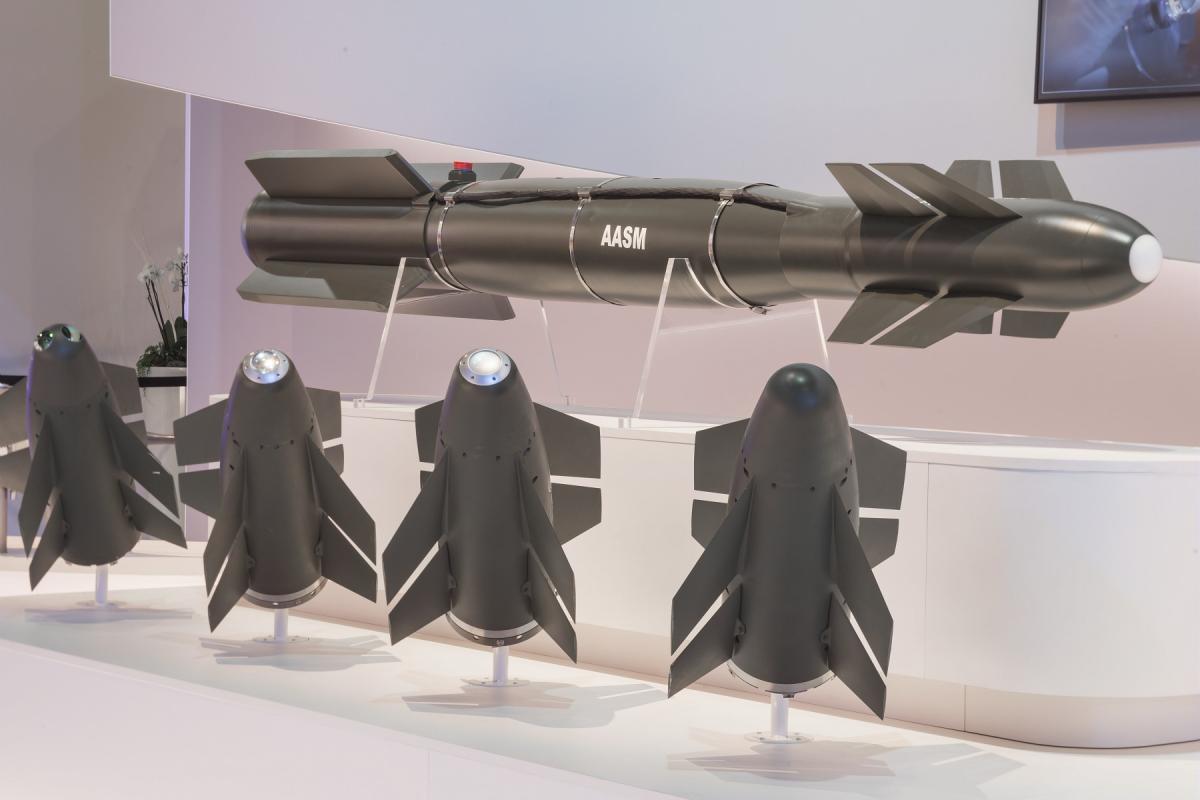
long term Europe has to only produce European guidance kits, which then also use Galileo PRS instead of GPS.
As for targeting pods: most European air forces bought the Israeli Litening, but again the French developed their own system: first the Damocles and now the TALIOS.
15/n
As for targeting pods: most European air forces bought the Israeli Litening, but again the French developed their own system: first the Damocles and now the TALIOS.
15/n

TALIOS is cutting edge and so far only compatible with the Rafale, but European air forces should consider adding it to the Eurofighter.
Where Europe has nothing to compete with the US are SEAD (Suppression of Enemy Air Defenses) systems.
The key weapon system for this
16/n
Where Europe has nothing to compete with the US are SEAD (Suppression of Enemy Air Defenses) systems.
The key weapon system for this
16/n
mission are anti-radiation missiles... the UK developed and produced such a missile, namely the ALARM, but in 2013 it was taken out of service.
Ukraine received older American AGM-88 HARM missiles, which were essential to push back russian ground based air defence systems.
17/n
Ukraine received older American AGM-88 HARM missiles, which were essential to push back russian ground based air defence systems.
17/n

Europe not only does not longer produce its own anti-radiation missiles, its most modern fighters can't even use them. (15 German Eurofighters will get the ability to use AGM-88E Advanced Anti-Radiation Guided Missile by 2030)
As russia deploys a massive number of ground
18/n
As russia deploys a massive number of ground
18/n
based air defence systems like the S-400, S-300, Buk, Pantsir, etc. Europe needs produce its own anti-radiation missile and mount it on more fighters, as currently 85% of NATO SEAD aircraft are provided by the US Air Force (Italy and Germany maintain 13 respectively 21
19/n
19/n

outdated Tornado ECR fighters for the SEAD mission; while the US Air Force has 200+ F-16CM/DM Block 50 fighters).
Yes, European air forces also plan to use the AGM-88G AARGM-ER with their F-35A... but that is an American missile on an American fighter; and having a locally
20/n
Yes, European air forces also plan to use the AGM-88G AARGM-ER with their F-35A... but that is an American missile on an American fighter; and having a locally
20/n

produced missile is better for Europe's defence capabilities, for Europe's industry, and for Europe's future.
I did not dive into avionik systems, as Europe can produce all of them... it's just a question of will to remove US systems. Overall Europe can defend itself against
21/n
I did not dive into avionik systems, as Europe can produce all of them... it's just a question of will to remove US systems. Overall Europe can defend itself against
21/n
russia, but that will require: no more US components to secure production lines in war time from American sabotage and investing a LOT more into developing, producing and buying European systems.
Europe can do it, if European politicians stop deluding themselves that the US
22/n
Europe can do it, if European politicians stop deluding themselves that the US
22/n
will be a trustworthy partner again once Trump is gone... a) he will die in office no matter what the term limits are and b) after him the regime will "vote" into power someone worse (Vance? Trump jr?).
So: be more French Europe and start developing/buying European only!
23/n
So: be more French Europe and start developing/buying European only!
23/n
Next up: aircraft (transport, tanker, etc.), then helicopters, then naval systems, land systems, etc. etc.
Lots of things to do, but Europe can do it!
24/24
Lots of things to do, but Europe can do it!
24/24

• • •
Missing some Tweet in this thread? You can try to
force a refresh