In 600 BCE, Babylonian engineers pulled off the greatest feat in ancient architectural history:
They built a lush, self-sustaining garden in the middle of a desert.
But what they created next nearly destroyed physics and archaeology forever.
Here’s the full story: 🧵
They built a lush, self-sustaining garden in the middle of a desert.
But what they created next nearly destroyed physics and archaeology forever.
Here’s the full story: 🧵
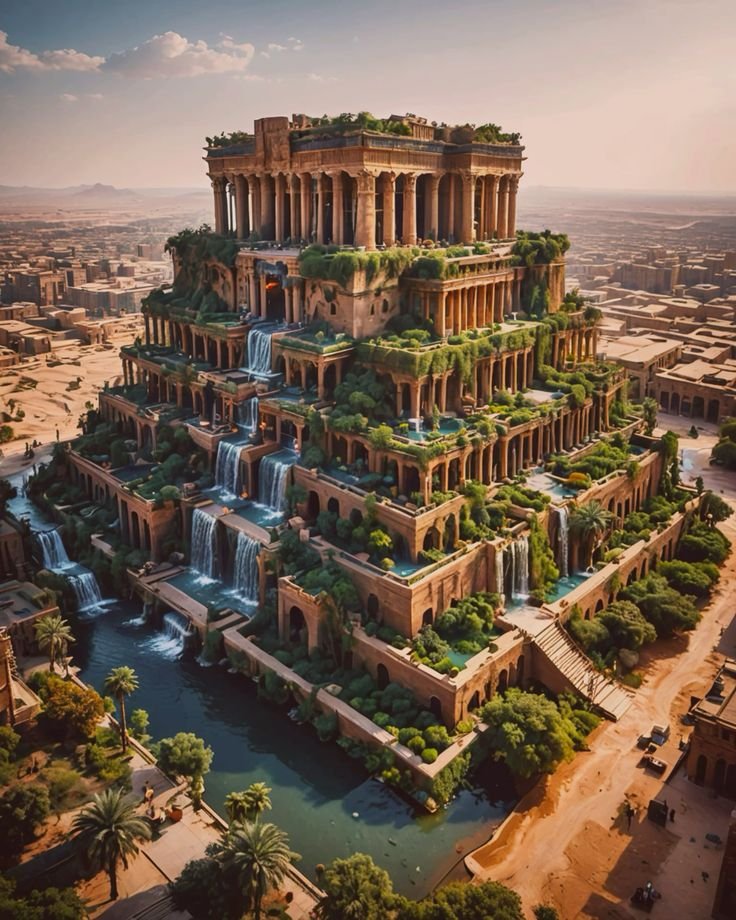
In the 6th century BCE, King Nebuchadnezzar II ruled Babylon, the most powerful empire of its time.
Babylon was a marvel: towering walls, majestic temples, and one of the ancient world’s most advanced societies.
Babylon was a marvel: towering walls, majestic temples, and one of the ancient world’s most advanced societies.
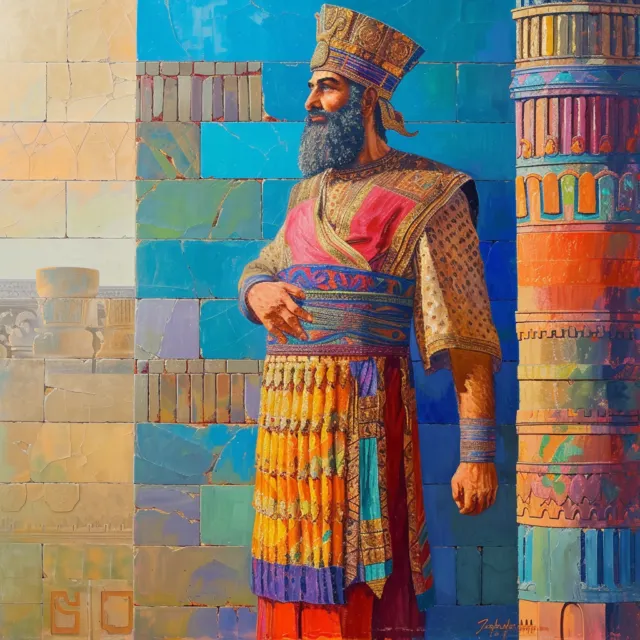
But the city’s most famous feature? The mysterious Hanging Gardens.
According to legend, Nebuchadnezzar built the gardens for his wife, Queen Amytis.
According to legend, Nebuchadnezzar built the gardens for his wife, Queen Amytis.
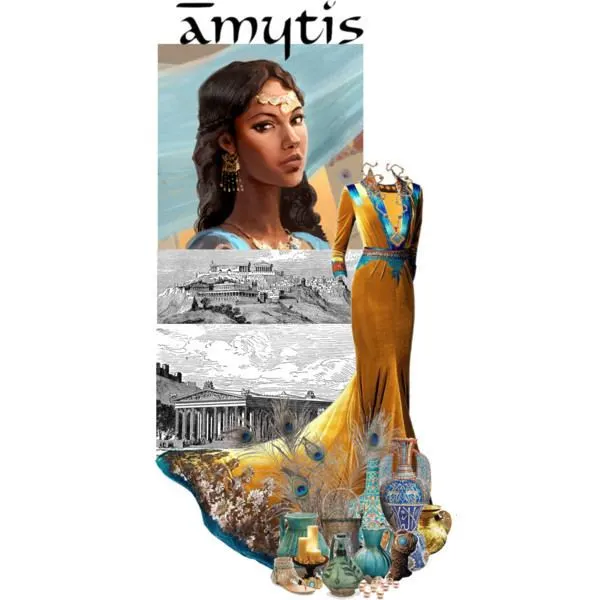

Amytis came from a lush, mountainous kingdom and longed for the green hills of her homeland.
To comfort her, Nebuchadnezzar promised to recreate her homeland in the heart of the desert.
To comfort her, Nebuchadnezzar promised to recreate her homeland in the heart of the desert.
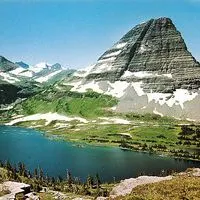
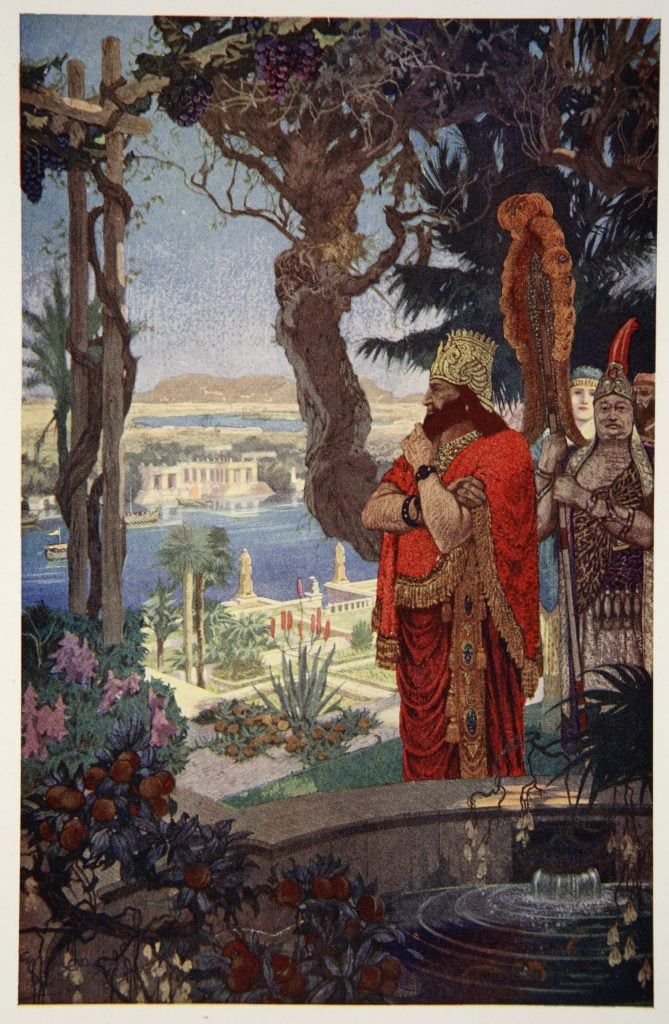
The Hanging Gardens weren’t “hanging” as we think of the word today.
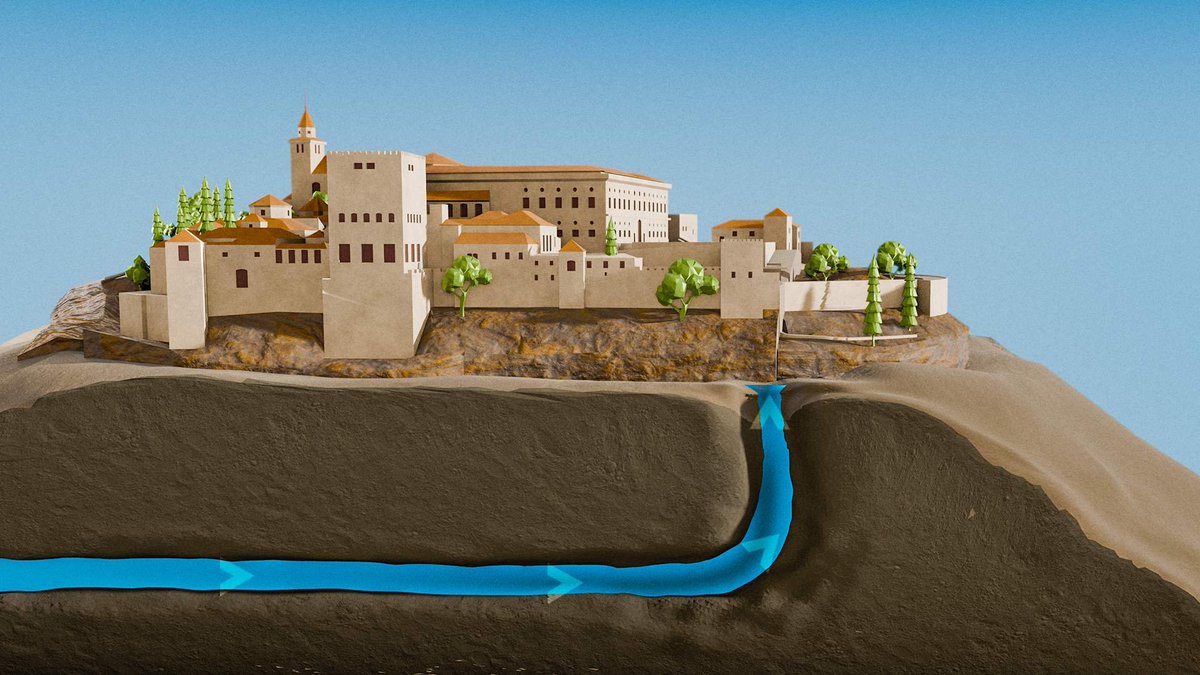
They were an engineering masterpiece—a series of tiered terraces resembling a mountain, covered in trees, flowers, and exotic plants.
Water flowed continuously through the gardens. But how?
They were an engineering masterpiece—a series of tiered terraces resembling a mountain, covered in trees, flowers, and exotic plants.
Water flowed continuously through the gardens. But how?
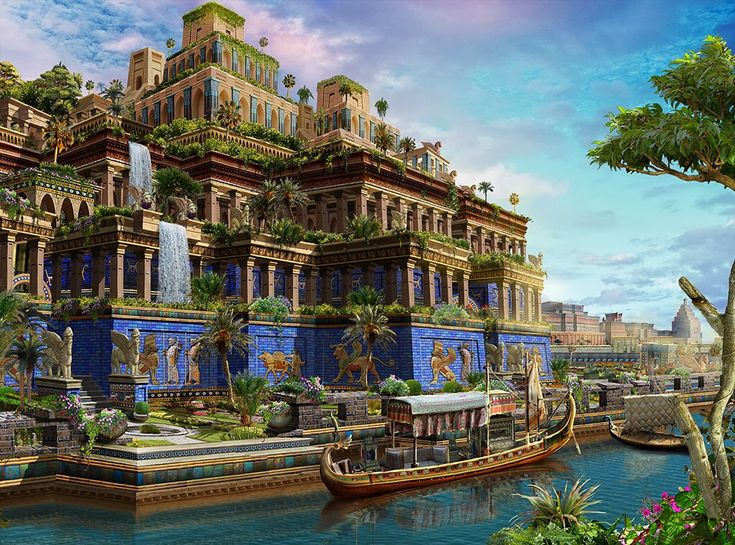
Ancient accounts describe an irrigation system so advanced it baffled historians for centuries.
Babylonian engineers reportedly drew water from the Euphrates River to the top of the gardens—possibly using an early form of the Archimedean screw.
This was 2,000 years before similar technologies emerged in Europe.
Babylonian engineers reportedly drew water from the Euphrates River to the top of the gardens—possibly using an early form of the Archimedean screw.
This was 2,000 years before similar technologies emerged in Europe.
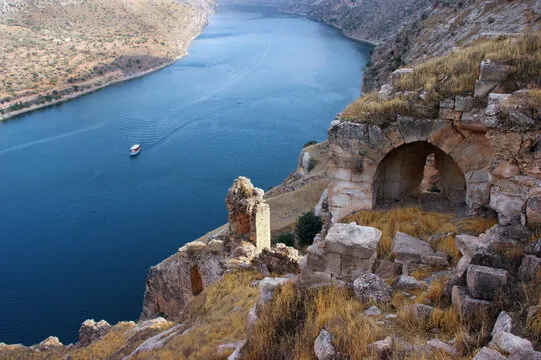

But here’s the twist: No physical evidence of the gardens has ever been found in Babylon.
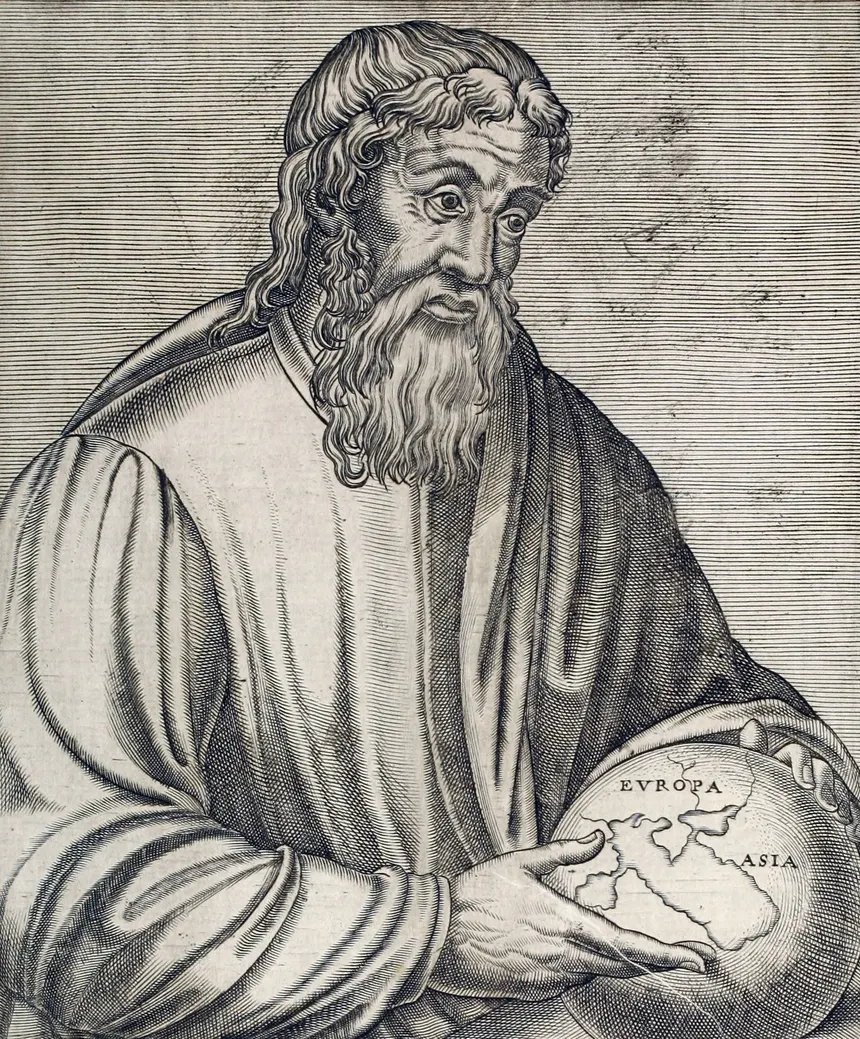
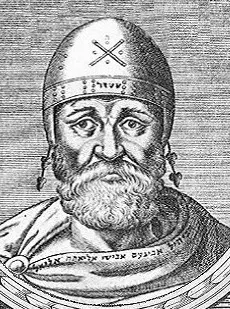
Greek historians like Strabo and Philo described the gardens, but their accounts were written centuries after Nebuchadnezzar’s time.
Were the gardens a myth? Or were we looking in the wrong place?
Greek historians like Strabo and Philo described the gardens, but their accounts were written centuries after Nebuchadnezzar’s time.
Were the gardens a myth? Or were we looking in the wrong place?
In 2013, a groundbreaking theory emerged.
Dr. Stephanie Dalley, an Oxford Assyriologist, suggested the gardens weren’t in Babylon at all—they were in Nineveh, the capital of the Assyrian Empire.
And the evidence she uncovered was astonishing.
Dr. Stephanie Dalley, an Oxford Assyriologist, suggested the gardens weren’t in Babylon at all—they were in Nineveh, the capital of the Assyrian Empire.
And the evidence she uncovered was astonishing.

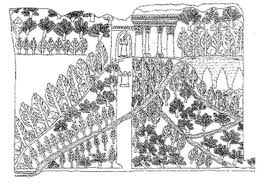
Unlike Babylon, Nineveh has clear archaeological evidence of advanced irrigation systems.
King Sennacherib of Assyria built an aqueduct system that stretched for 50 miles, complete with inscriptions boasting about "a palace without rival" and lush gardens.
King Sennacherib of Assyria built an aqueduct system that stretched for 50 miles, complete with inscriptions boasting about "a palace without rival" and lush gardens.
If true, the Hanging Gardens might not have been Nebuchadnezzar’s creation but Sennacherib’s.
This would mean historians have attributed one of humanity’s greatest engineering feats to the wrong civilization for millennia.
This would mean historians have attributed one of humanity’s greatest engineering feats to the wrong civilization for millennia.
Why was the story misattributed to Babylon?
Babylon’s cultural dominance may have played a role.
Later Greek writers like Herodotus and Ctesias romanticized Babylon, calling it the “jewel of the world.”
It’s possible they conflated the achievements of different empires.
Babylon’s cultural dominance may have played a role.
Later Greek writers like Herodotus and Ctesias romanticized Babylon, calling it the “jewel of the world.”
It’s possible they conflated the achievements of different empires.
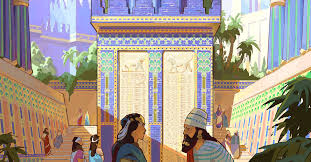
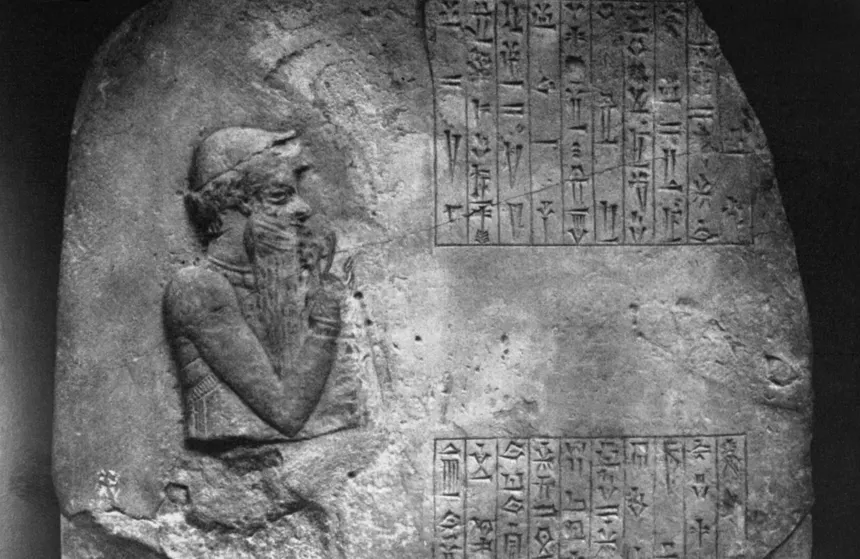
But Nineveh’s evidence is compelling: clay tablets describing lush gardens, canals, and water-lifting devices.
One tablet reads: “I made gardens by raising water. I forced the rivers into high places.”
It’s a description eerily similar to the Hanging Gardens.
One tablet reads: “I made gardens by raising water. I forced the rivers into high places.”
It’s a description eerily similar to the Hanging Gardens.
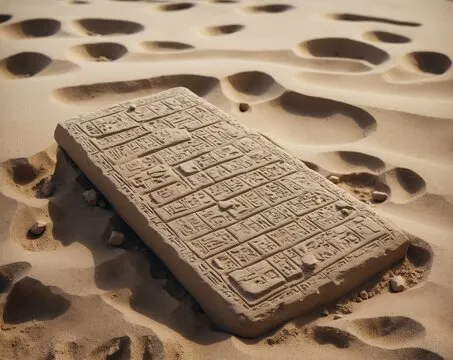
Imagine the scene: a desert transformed into a green oasis.
Palm trees, fig trees, and exotic flowers cascading from towering terraces. Birds chirping as water flowed through hidden channels.
It must have felt like stepping into paradise.
Palm trees, fig trees, and exotic flowers cascading from towering terraces. Birds chirping as water flowed through hidden channels.
It must have felt like stepping into paradise.
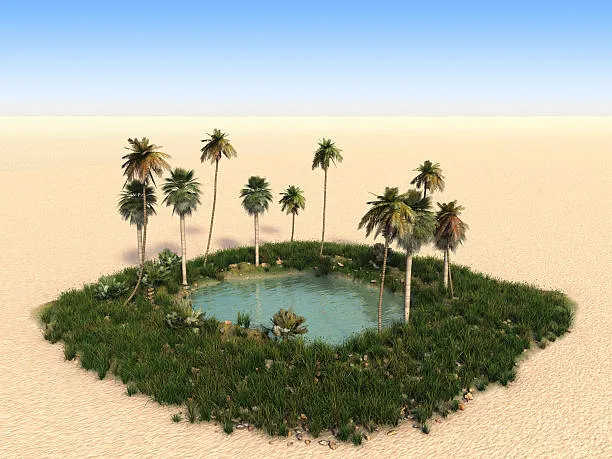
If the gardens existed in Nineveh, it redefines the engineering brilliance of the Assyrian Empire.
Sennacherib’s aqueducts, channels, and reservoirs represent a hydrological achievement unmatched in the ancient world.
Sennacherib’s aqueducts, channels, and reservoirs represent a hydrological achievement unmatched in the ancient world.
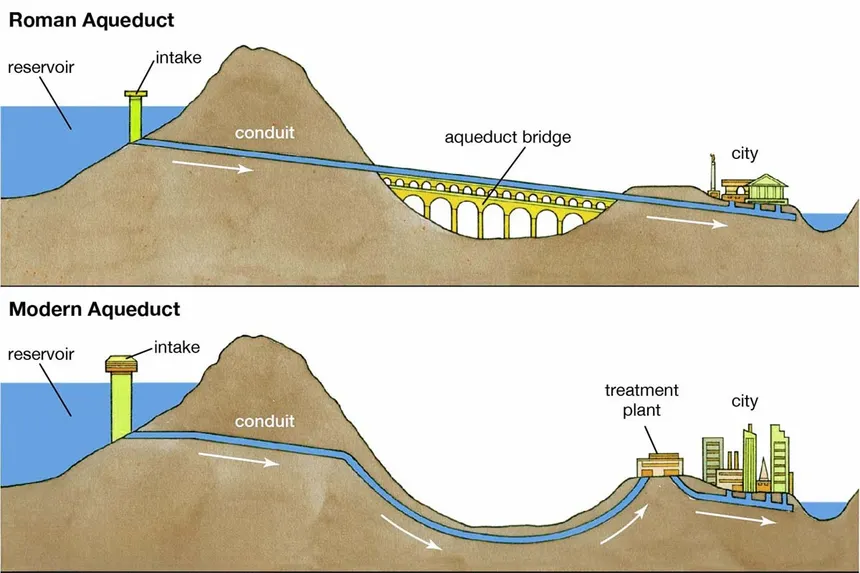
Still, the debate isn’t settled.
While Nineveh has strong evidence, Babylon’s lack of excavation leaves the door open.
Political instability has limited research in Iraq, meaning new discoveries could still emerge.
The Hanging Gardens remain a mystery.
While Nineveh has strong evidence, Babylon’s lack of excavation leaves the door open.
Political instability has limited research in Iraq, meaning new discoveries could still emerge.
The Hanging Gardens remain a mystery.
Thank you for reading this thread.
What’s your ONE big takeaway from this story?
Follow me @GeniusGTX for more threads about the hidden brilliance of ancient civilizations.
What’s your ONE big takeaway from this story?
Follow me @GeniusGTX for more threads about the hidden brilliance of ancient civilizations.
Creators, brands, and ghostwriters:
I'll show you how to craft viral threads like this.
So far, my threads have received +400M impressions and gained +300K followers.
Join my FREE program to become a prolific viral thread writer in just 5 days: writeviralthread.com
I'll show you how to craft viral threads like this.
So far, my threads have received +400M impressions and gained +300K followers.
Join my FREE program to become a prolific viral thread writer in just 5 days: writeviralthread.com
• • •
Missing some Tweet in this thread? You can try to
force a refresh