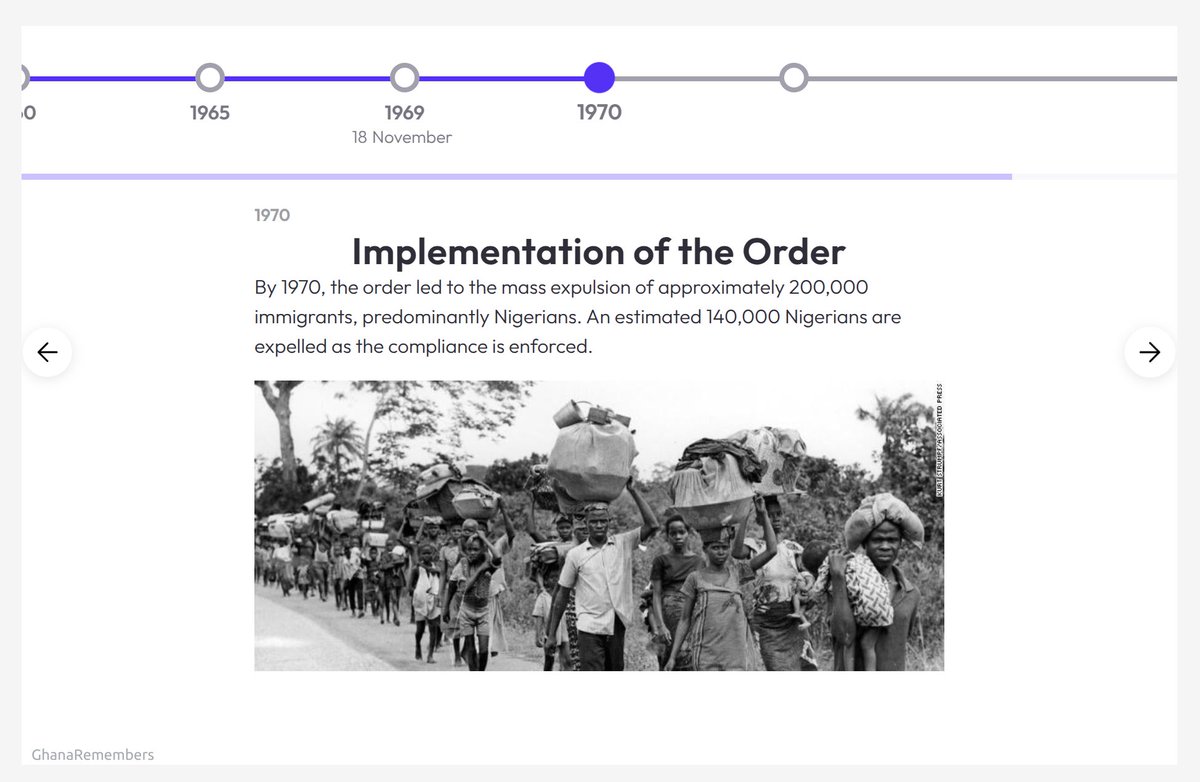
Can Europe learn from Ghana? Buried on Wikipedia is a 3 sentence part about how Ghana deported 20% of the population -- 3 million people -- all the non-Ghanans. And it only took 3 months. The "Ghana Aliens Compliance Order" (GACO)
This website provides the history. It begins, of course, with economic migration since Ghana was the gold coast. In fact, these migrants were going into a British colony, probably for the usual reasons of wanting to live under European domain: rule of lawand prosperity.
European rule eventually declined, and just after they left (1957), the economy goes bad. At least, so they say, but it doesn't look that way until 1970s by GDP stats.
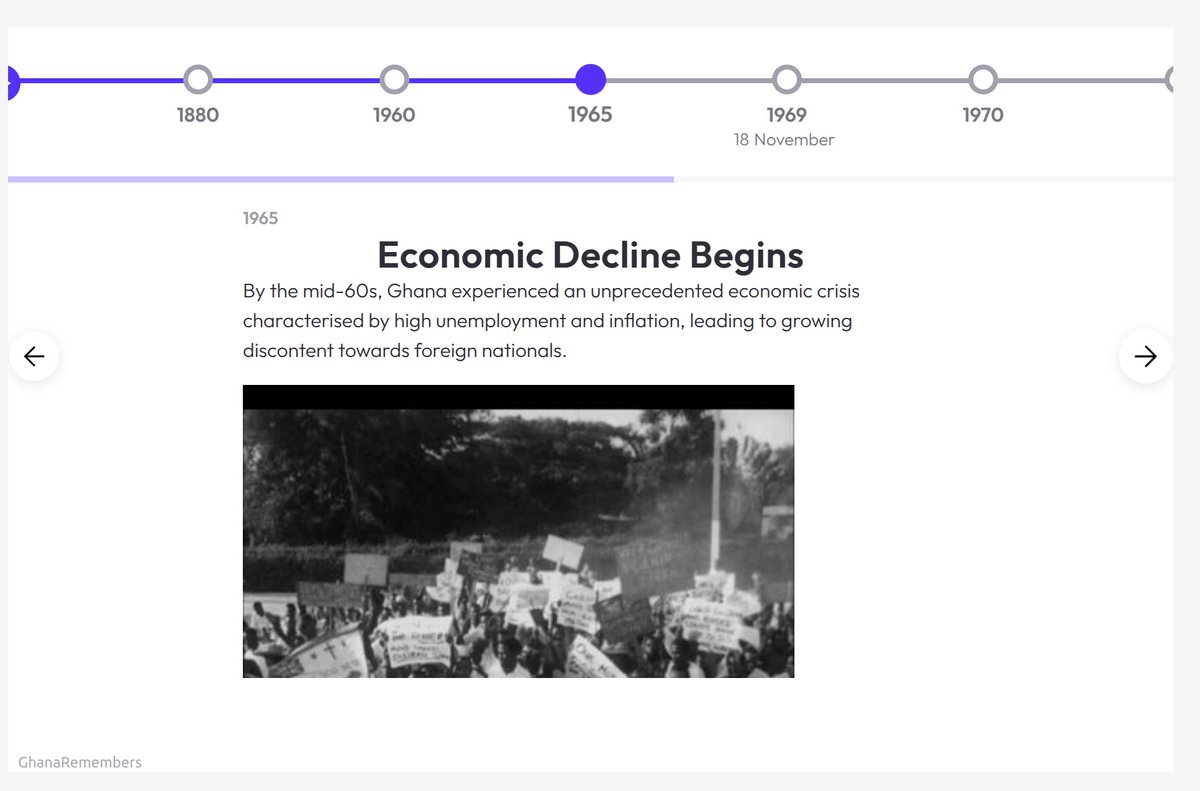
So the government decides to expel the foreigners, and it works out in 3 months despite being a staggering number of people. It the economy keeps failing for another 15 years, but then recovers and growth looks good since 1983.
Wikipedia seems to be wrong about the number. It's not 3 million people out of Ghana. It was some hundreds of thousands. Sources don't really know. But Ghana had 12% foreign born in 1960, similar to a typical western country.
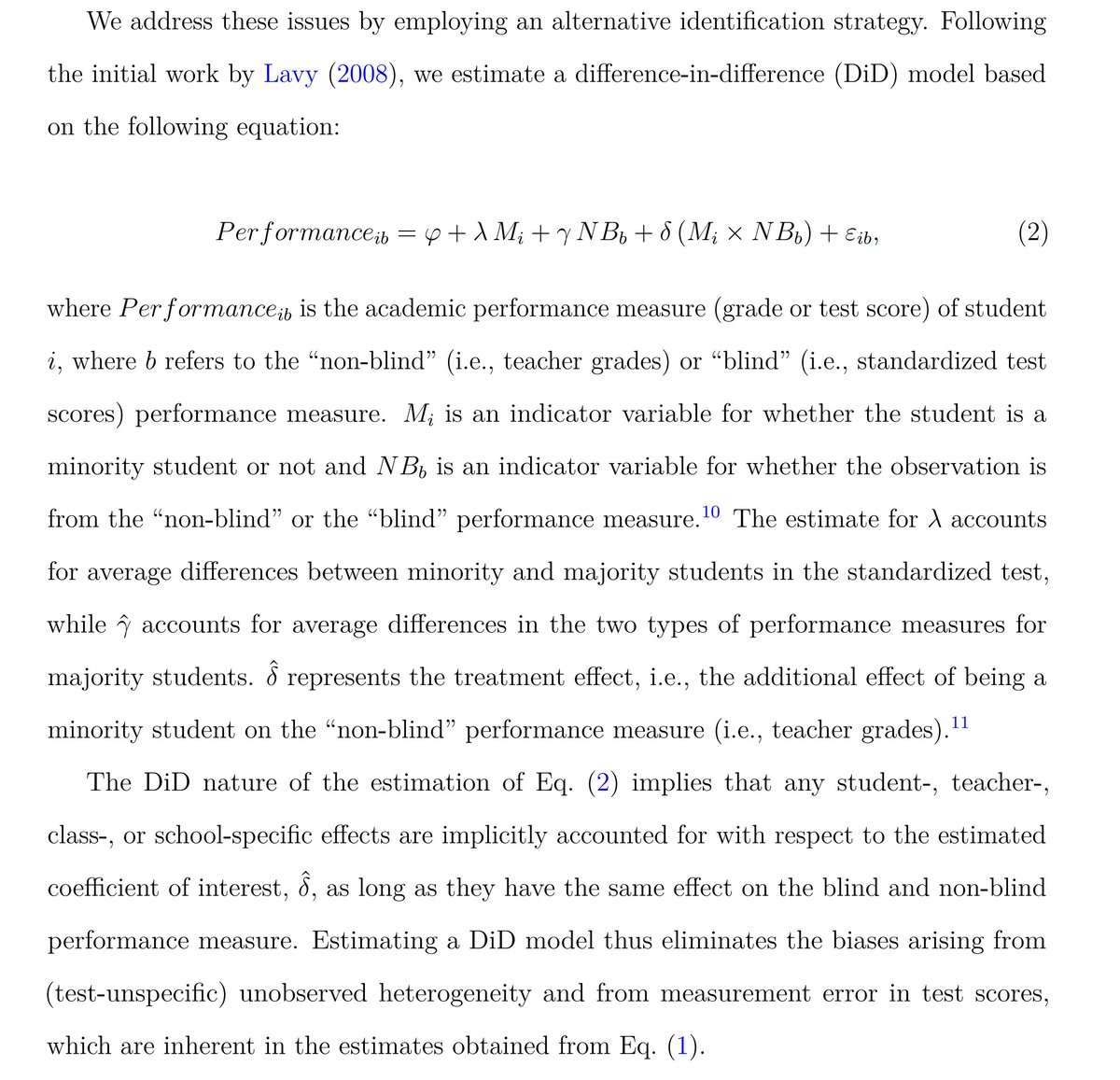
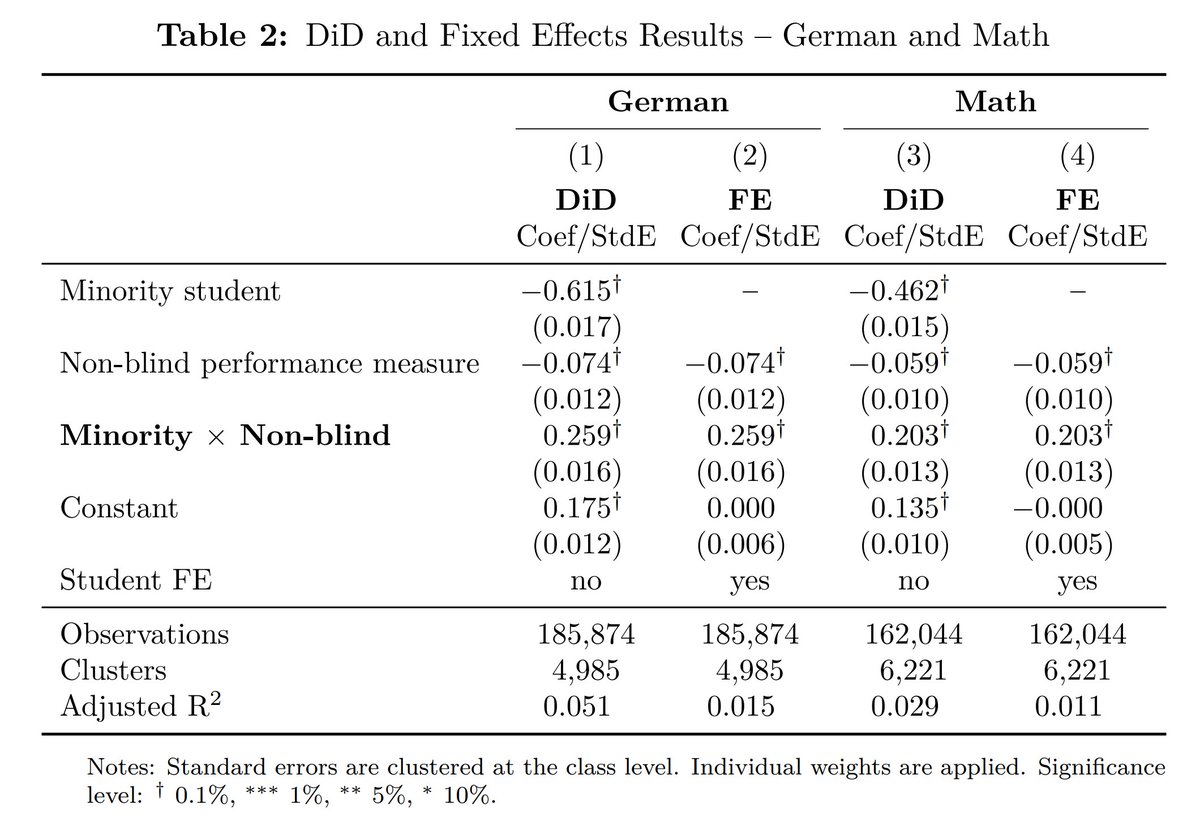
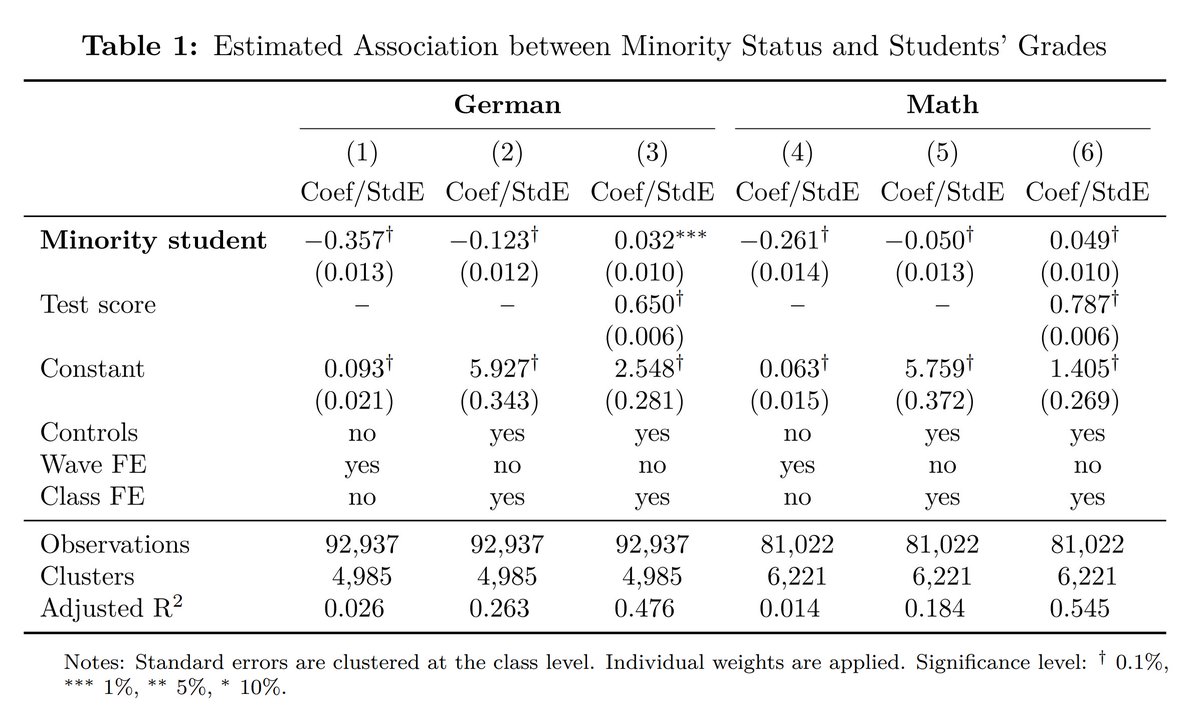
In Germany, non-German students (anyone with "migration background") get lower grades and test scores.
Due to their politics, teachers are expected to have some bias towards girls, minorities, low-SES etc. students. So do they? The authors find that, yes, they do.
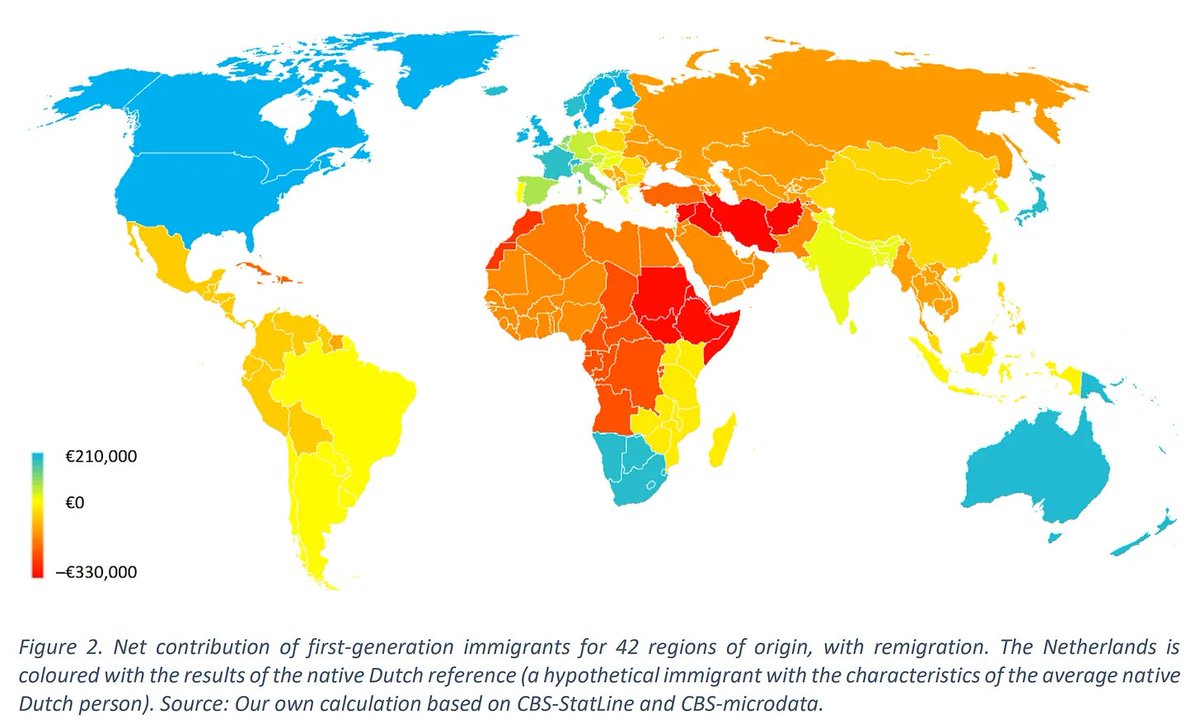
New Dutch results on immigration. Sobering as usual. There are 3.7 million foreigners in the Netherlands.
One can calculate a given person's contribution to the state budget by adding up all their contributions (revenue) and subtracting all of their costs. Doing so gives a net contribution metric. Dutch people are c. net 0, and the others groups net negatives.
There's a lot of variation though. Numbers for the first generation can be very positive or negative. It's easier to get very positive values because many people arrive after having finished their education, so begin working immediately. Many of them leave before pension too.
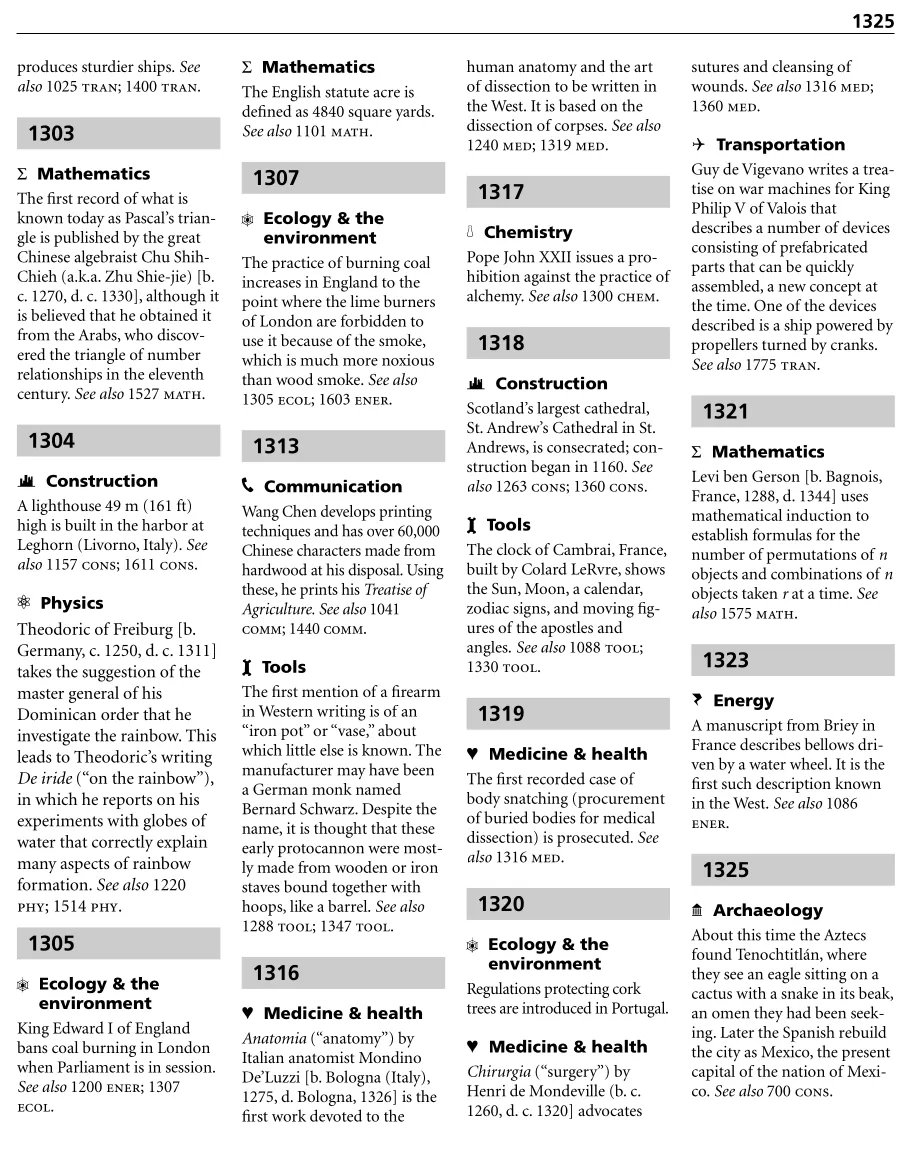
Many of you have seen this figure. A pessimist's favorite. A massive innovation decline starting from 1880 or so.
It fits suspiciously well with the onset of dysgenic fertility in NW Europe, or at least the UK.
However, does this really work this way? It's based on a 2004 book called The History of Science and Technology that recorded significant events from 3000 BC to 2003 or so. But what if the author missed newer stuff that wasn't recognized as important yet?
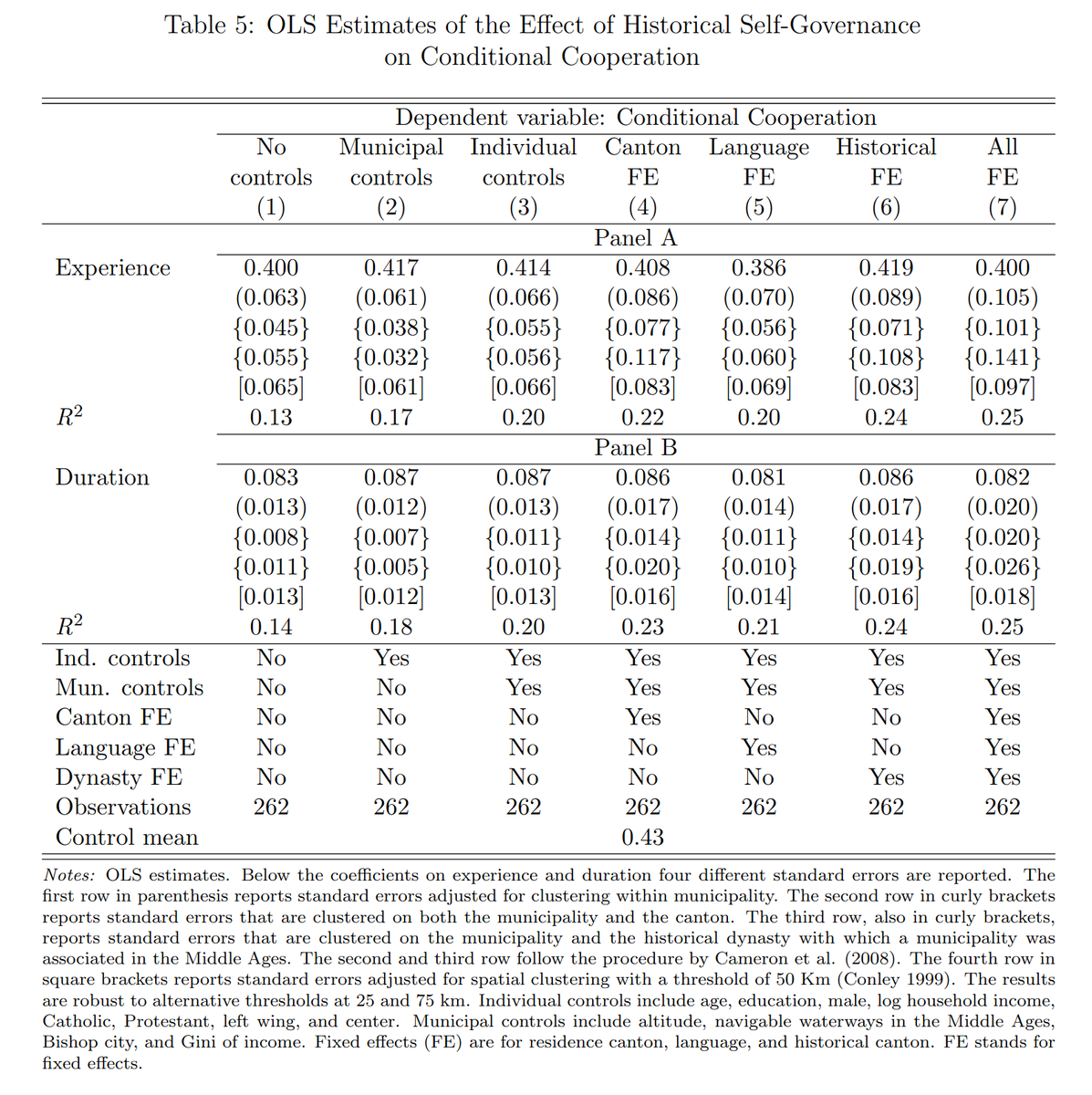
Does democracy or self-governance do something to your personality or values? Maybe yes says this clever study of Switzerland.
In ... 1218 the last ruler of Zähringen dies, leaving no heir, so the lands revert to imperial rule and gain some kind of self-governance.
It appears, these areas are still to this day higher in cooperative attitudes and voting turnout. It can't be explained in terms of crude sociological factors, and due to the geographical diversity, one can also employ fixed effects, none of which remove the pattern.
Even extreme luck from natural resources does not outweigh psychology in explaining variation in wealth. Take Nauru, the fattest country in the world, 95% are overweight and 70%+ are obese.
In the 1970s, they mined bird poo (guano) and sold it so that their country was the wealthiest in the world GDP per capita (population about 10k Polynesians). The plan was to put the money into a national trust fund, like Norway does. The interests from this massive wealth would enable them to basically finance a welfare state perpetually. However, it was not to be due to "mismanagement and corruption". Today they are about as poor as they were to begin with. Rags to riches to rags.