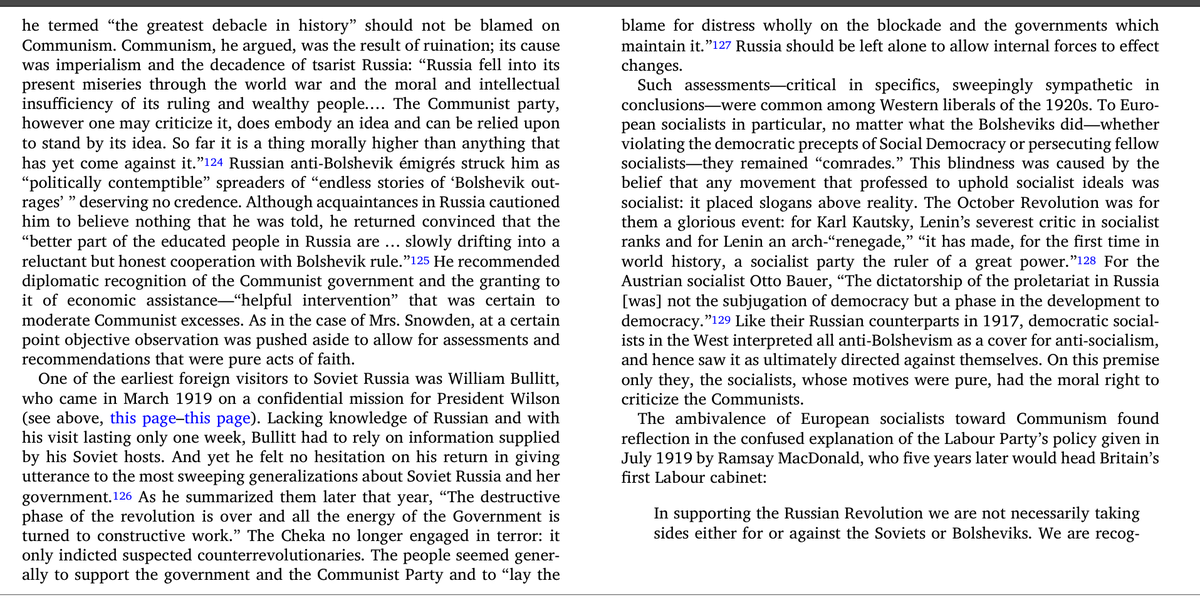
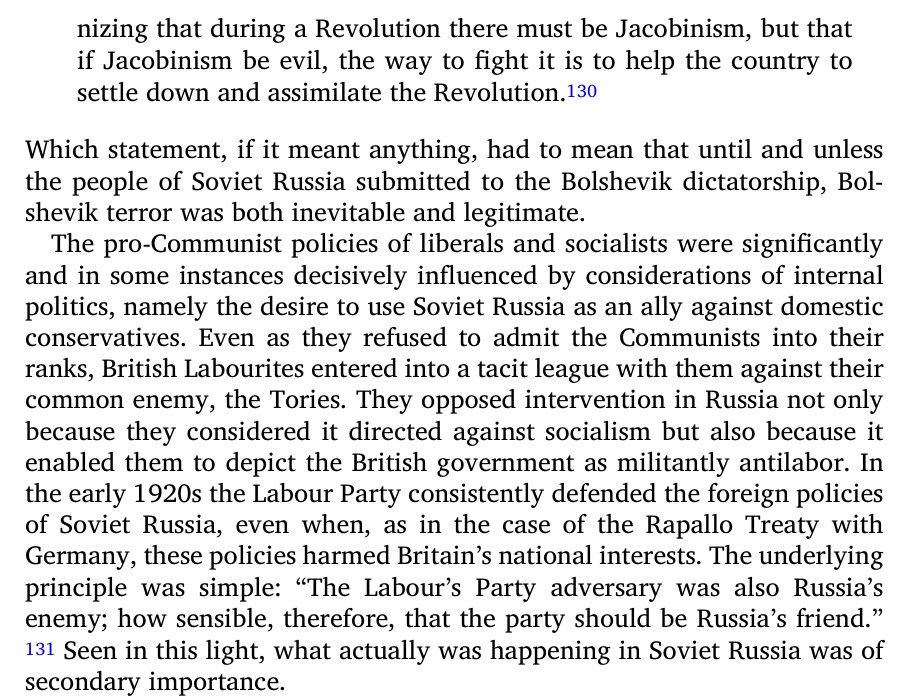
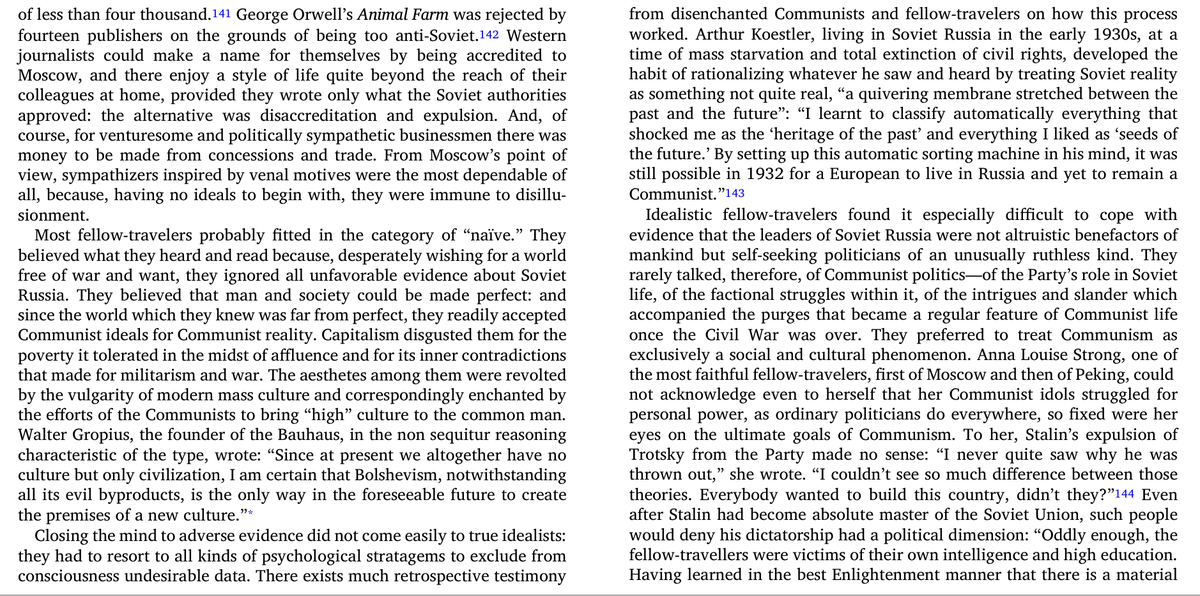
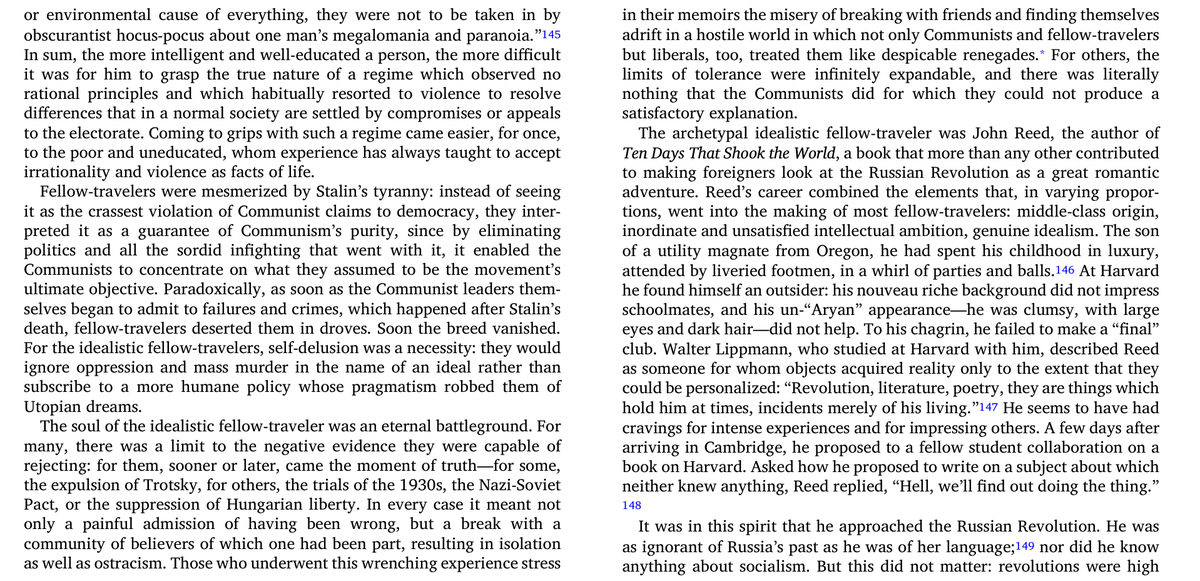
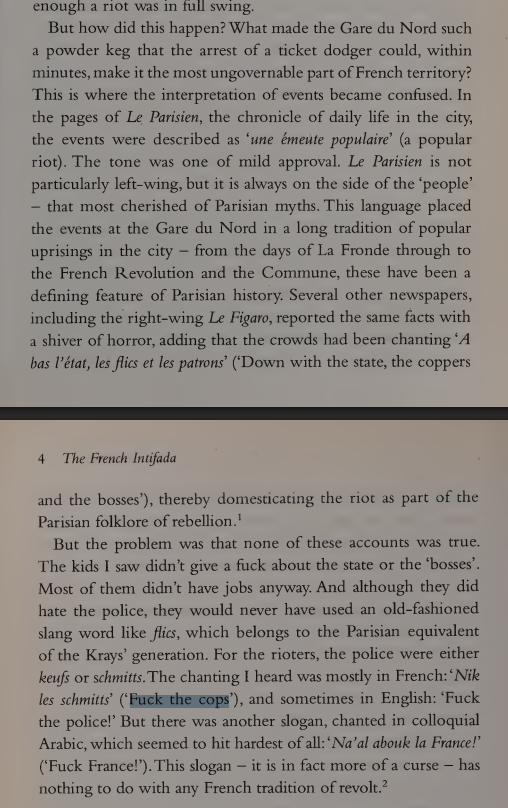
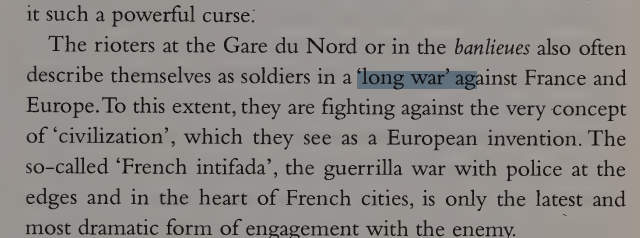
Some excerpts from Russia Under the Bolshevik Regime (Pipes). Key difference between Russia, where the Bolsheviks succeeded, and the rest of Europe, where they failed, is that the masses of the rest of Europe were at least a little bit patriotic.
Of the big Euro socialist parties, the Italians PSI joined the Comintern, but was expelled for not expelling the minority who didn't want to. The German and British Communists were unable to take over SPD/Labour, respectively. Only in France did the major socialist party join.
Communists being comparatively rare and treated with suspicion abroad, most Soviet support abroad came from liberals and fellow travelers.
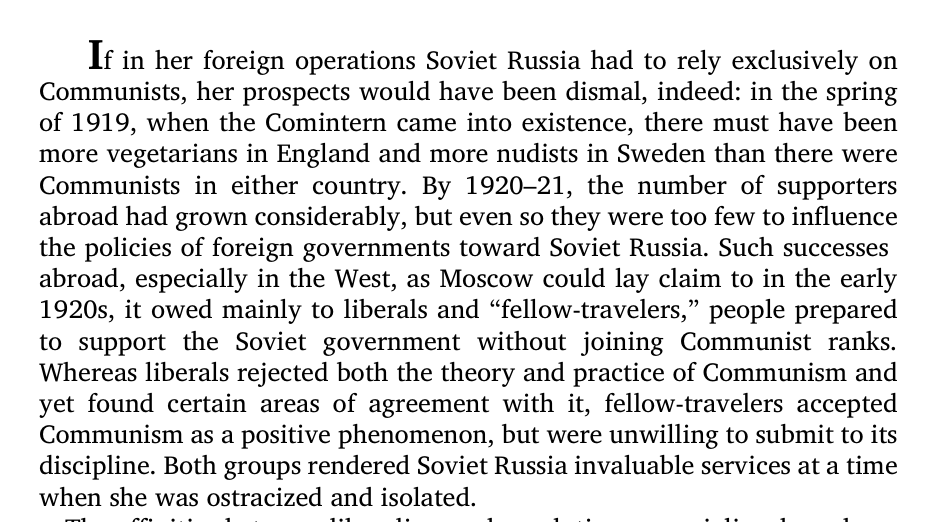
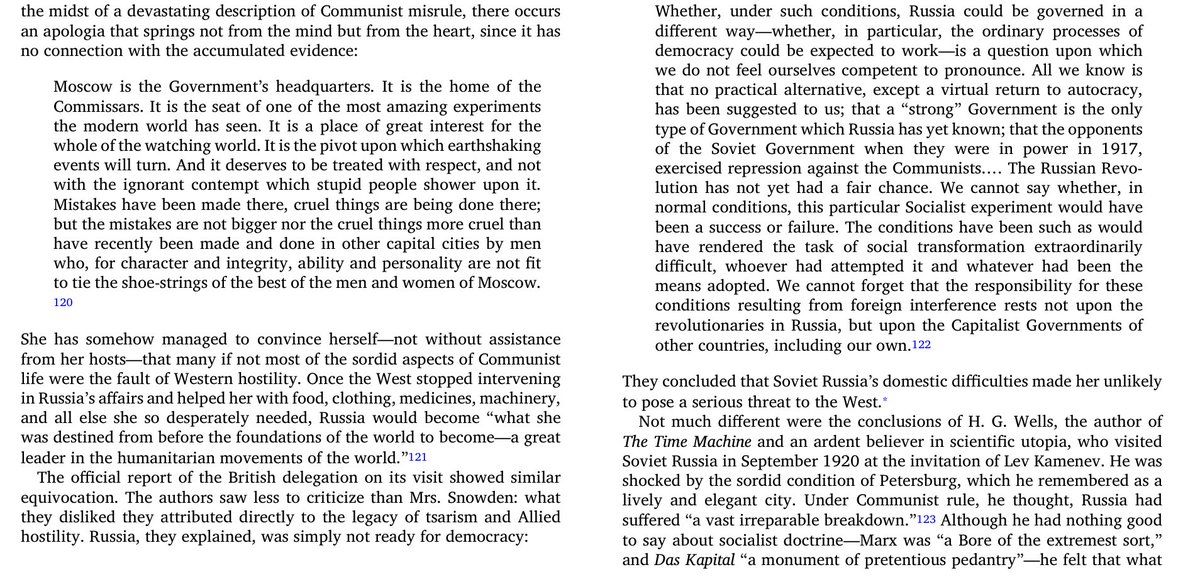
Liberals went out of their way to excuse, downplay, and minimize Soviet atrocities and express general support, if with criticism of specific details. The Labour Party in Britain took the same tack, saying "Jacobinism" was inevitable in a revolution and hence OK, if regrettable.
"Fellow travelers" were more credible than actual Communists because they did not appear to be beholden to the Soviets, but acted the same way. They took over a large swathe of Western publishing/media and suppressed anti-Soviet views (eg Orwell).
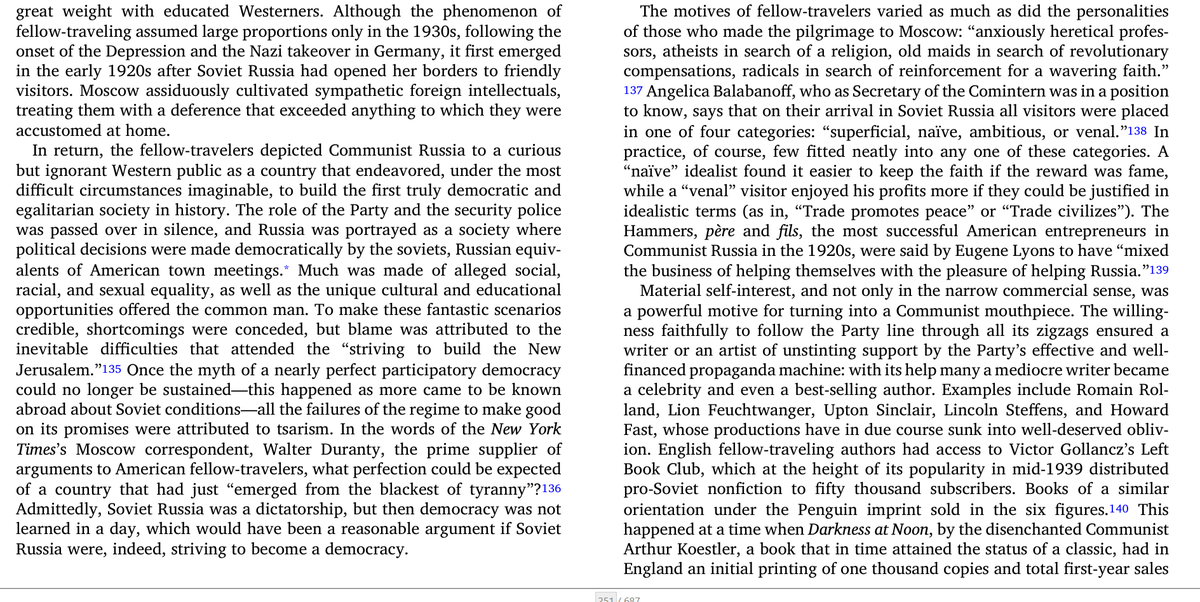
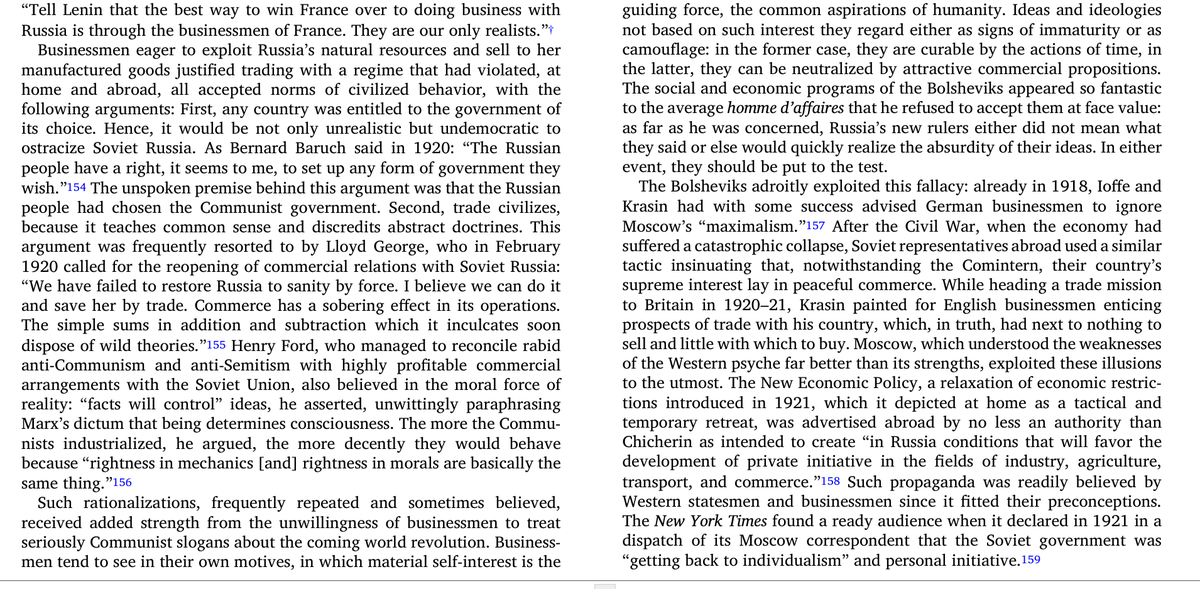
Many Western businessmen were also in favor of normalizing relations with the USSR to make money, and spread narratives that trade would civilize the Bolsheviks [sounds very familiar]. Lenin had a point about capitalists being happy to sell the rope with which to hang them.
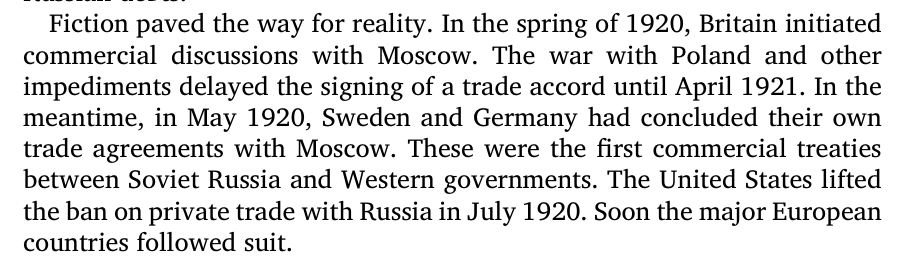
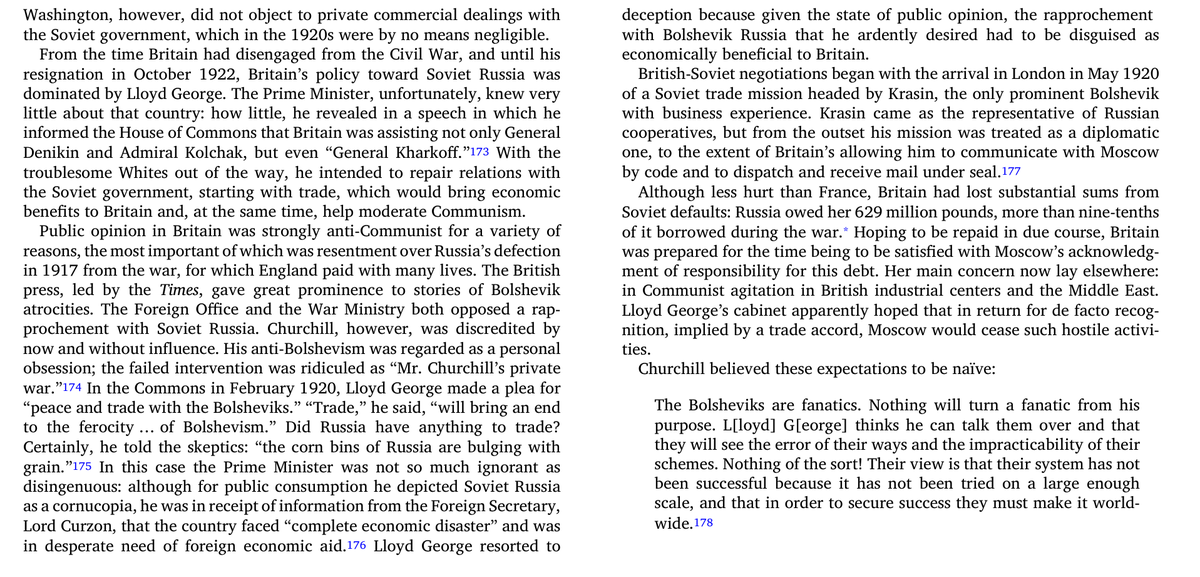
These commercial agreements paved the way for diplomatic recognition, mostly in 1920/21. France was the least compromising because a portion of French capital was in loans the Bolsheviks defaulted on.
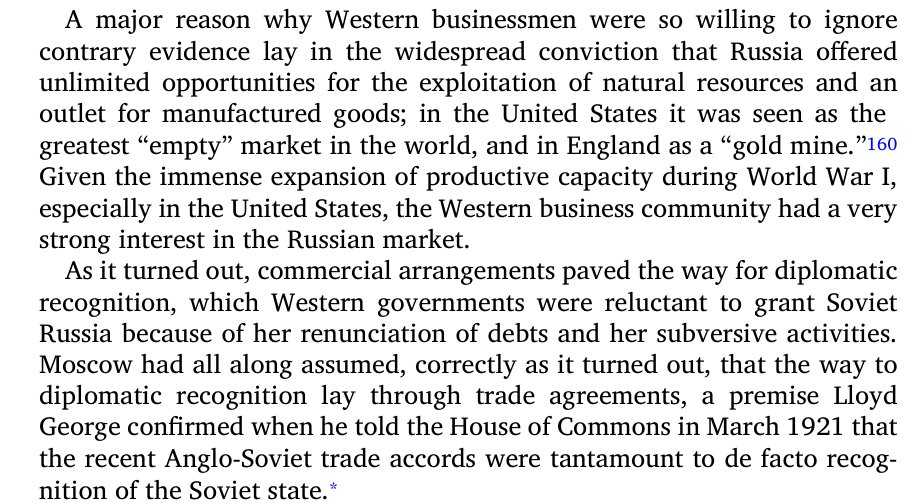
USG was hostile, but didn't care too much (this being right after WWI). Formal recognition would wait for FDR. Lloyd George (Britain) was pro-Soviet enough to want to set up commercial ties (the Soviets, correctly, saw him as a sucker).
Soviet collaboration with Weimar to overturn Versailles is well-known; worth pointing out that this was desired across the political spectrum and the SPD was actually unusually anti-Soviet (because the Bolsheviks condemned them as reformists).
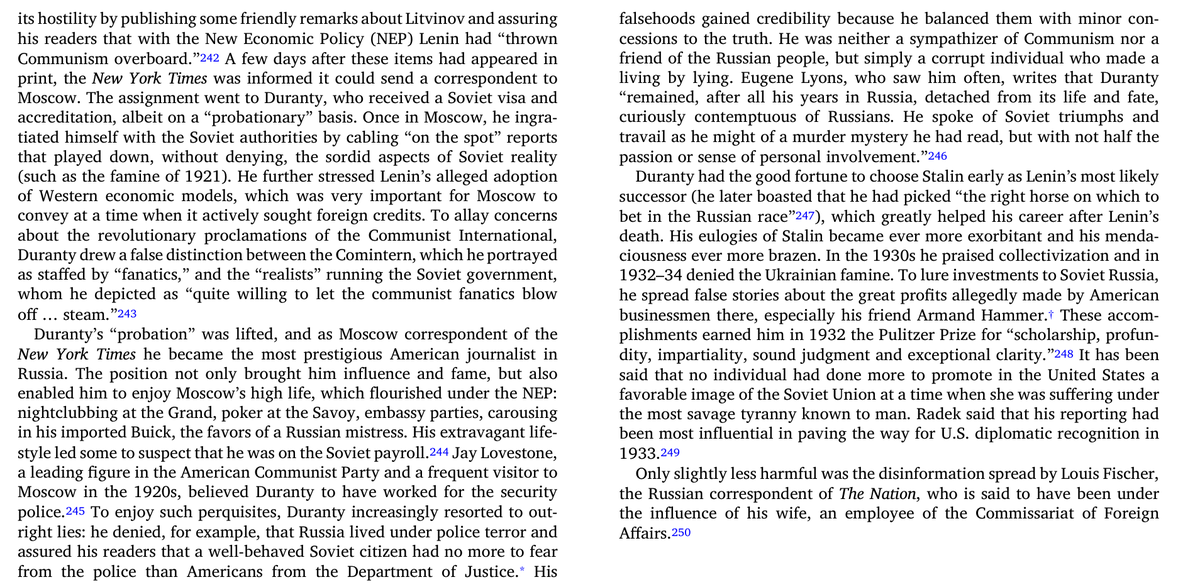
The Soviets controlled press reports of them through the very simple mechanism of not letting in unfriendly journos. Of the major newspapers, only the (British) Times failed to comply. NYT's infamous Walter Duranty was anti-Communist to begin with, but changed his tune for $$$.
• • •
Missing some Tweet in this thread? You can try to
force a refresh

"Fire and Blood: A History of Mexico" (TR Fehrenbach, 1973/1995) thread of threads. Mesoamerican civilization was horrifying and very backwards by Old World standards, but unique.
Excerpts from TR Fehrenbach's "Fire and Blood: A History of Mexico" (1995). The PRI had massively expanded higher education. These universities were entirely 'free'/self-governing and became locuses of left-wing organizing.
In 1968, security forces fired upon a massive student demonstration/riot against the Olympic Games.
By 1970 Mexico had made enormous progress; the national income increased sixfold while the death rate dropped by half. But Mexico was still struggling with foreign-exchange; the govt pursued import-substitution to improve balance-of-payments.
Thread with excerpts from the Partido Nacional Revolucionario (PNR) section of TR Fehrenbach's "Fire and Blood: A History of Mexico" (1995). Calles created the PNR in 1929 to institutionalize the govt and Revolution, creating a Mexican party-state.
The Calles/Obregon governments were corrupt, but never succumbed to paranoia; there was no equivalent to the Soviet or Chinese liquidations of class enemies, the press was free, and the average Mexican had nothing to fear from the govt (Red Terror against the Church aside).
Roughly 19M acres were redistributed through 1933; most land remained with latifundios. But the new latifundios were not like the old ones, they were commercial enterprises rather than social systems. The clerics, army, and latifundistas were all tamed by Calles/Obregon.
Thread with excerpts from TR Fehrenbach's "Fire and Blood: A History of Mexico" (1995), on post-Revolutionary Mexico. To justify land reform, the revolutionaries revived the principle that expropriation was justifiable if the national interests demanded it.
The Constitutionalists defeated the Villistas in battle and assassinated the leader of the last revolutionary faction, Zapata, by treachery.
Carranza, the erstwhile leader of the victorious Constitutionalists, dug his own grave by trying to promote someone other than Obregon to the presidency after him; he was forced to flee the capital, run down, and murdered.
Excerpts from TR Fehrenbach's "Fire and Blood: A History of Mexico" (1973). The Porfiriato gave Mexico a generation of stability and development for the first time since independence. This left Mexico overdue for another civil war: the Mexican Revolution.
One problem was that the Porfirian school system had created a large, literate middle structure (not class). These educated mestizos became dissatisfied due to lack of opportunity; growth was rapid but not rapid enough to absorb them all.
The Revolution kicked off in 1910, when Diaz announced he'd won reelection with 99% of the vote. This kicked off an insurgency in Chihuahua, in the mestizo, frontier north.
Thread with excerpts from the 'Porfiriato' section of TR Fehrenbach's "Fire and Blood: A History of Mexico" (1973). This was the first era of stability and economic growth in post-independence Mexico, summed up with the slogan "Order and Progress."
Independent Mexico's problem was that Mexicans were incapable of setting aside personalisms for truly national institutions; congress, for example, was a joke.
Benito Juarez greatly expanded secular education; but this turned out to be more of a curse than a boon, because the vast majority of people with schooling insisted on government or legal jobs; very few became doctors or engineers or technicians.