Kyoto researchers studied 216 adults aged 23 to 81 and found that lower levels of naïve CD8+ T cells before vaccination predicted weaker antibody responses to COVID-19 mRNA vaccines.
1/ I’ve been managing Long COVID for 5 years now. You learn a lot about chronic illness in months, but years make it familiar in a way you never asked for.
I got COVID in January 2021. It was moderate-severe (probably hospital-worthy), and I was never quite the same afterward.
2/ I live with extreme stress. A high-conflict marriage (now divorcing), a demanding tech job, two kids I care for, graduate school, NIH involvement, and all of it while sick.
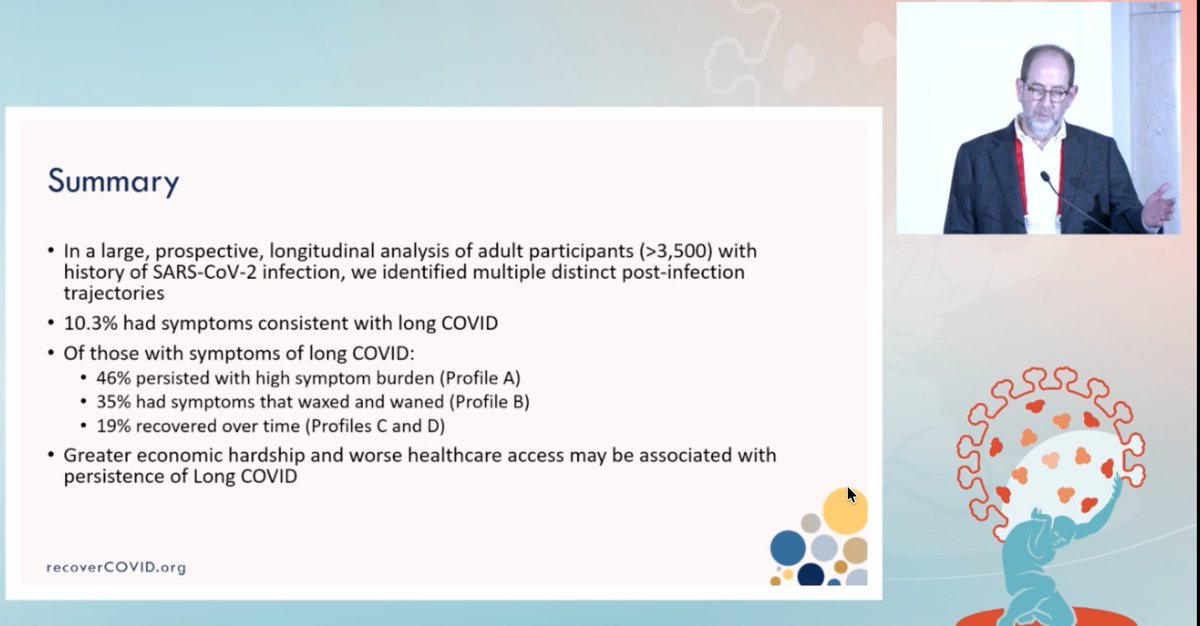
In a study of over 3,500 adults with past COVID, NIH researchers found 10.3% had long COVID symptoms.
Of those, 46% had lasting symptoms, 35% had ups and downs, and 19% recovered.
Economic hardship may raise the risk of symptoms persisting.
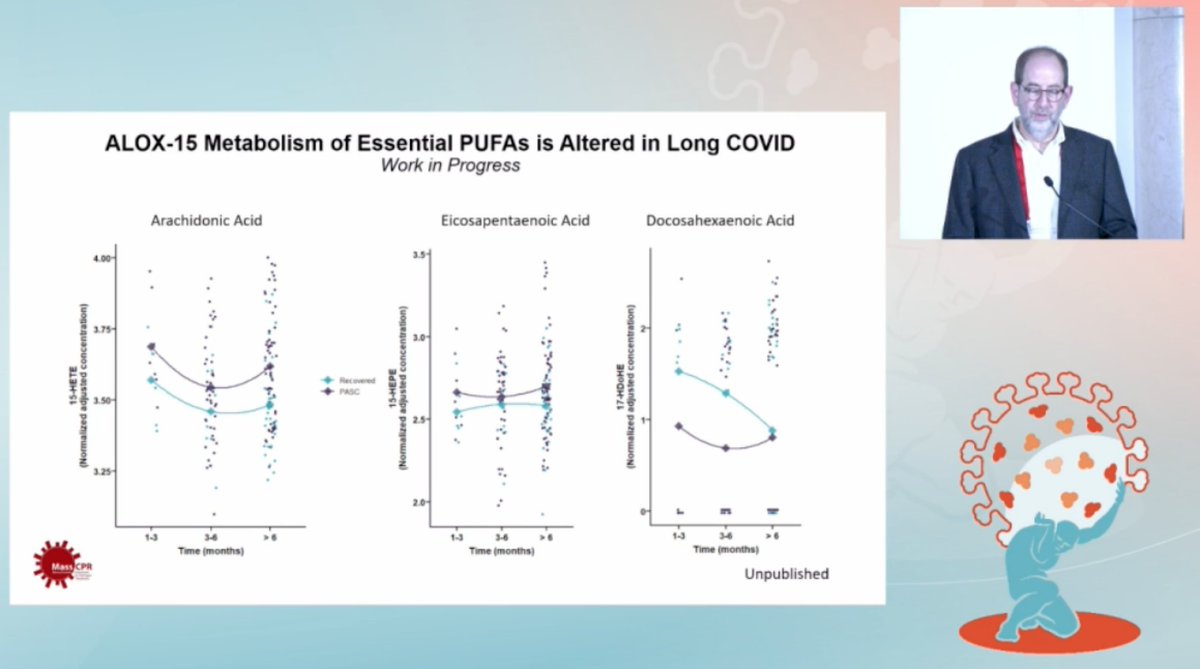
Researchers found that people with long COVID show disrupted metabolism of essential fatty acids for at least 6 months, including arachidonic acid and DHA.
These pathways help control inflammation and recovery.
UCSF scientists and collaborators suggest SARS-CoV-2 may mimic cancer by persisting in the body, evading immune detection, and disabling tumor suppressor genes like p53 and RB.
In long COVID patients, researchers observed chronic immune dysregulation, exhausted T cells, and reduced cytotoxic NK cells hallmarks also seen in viral-related cancers.