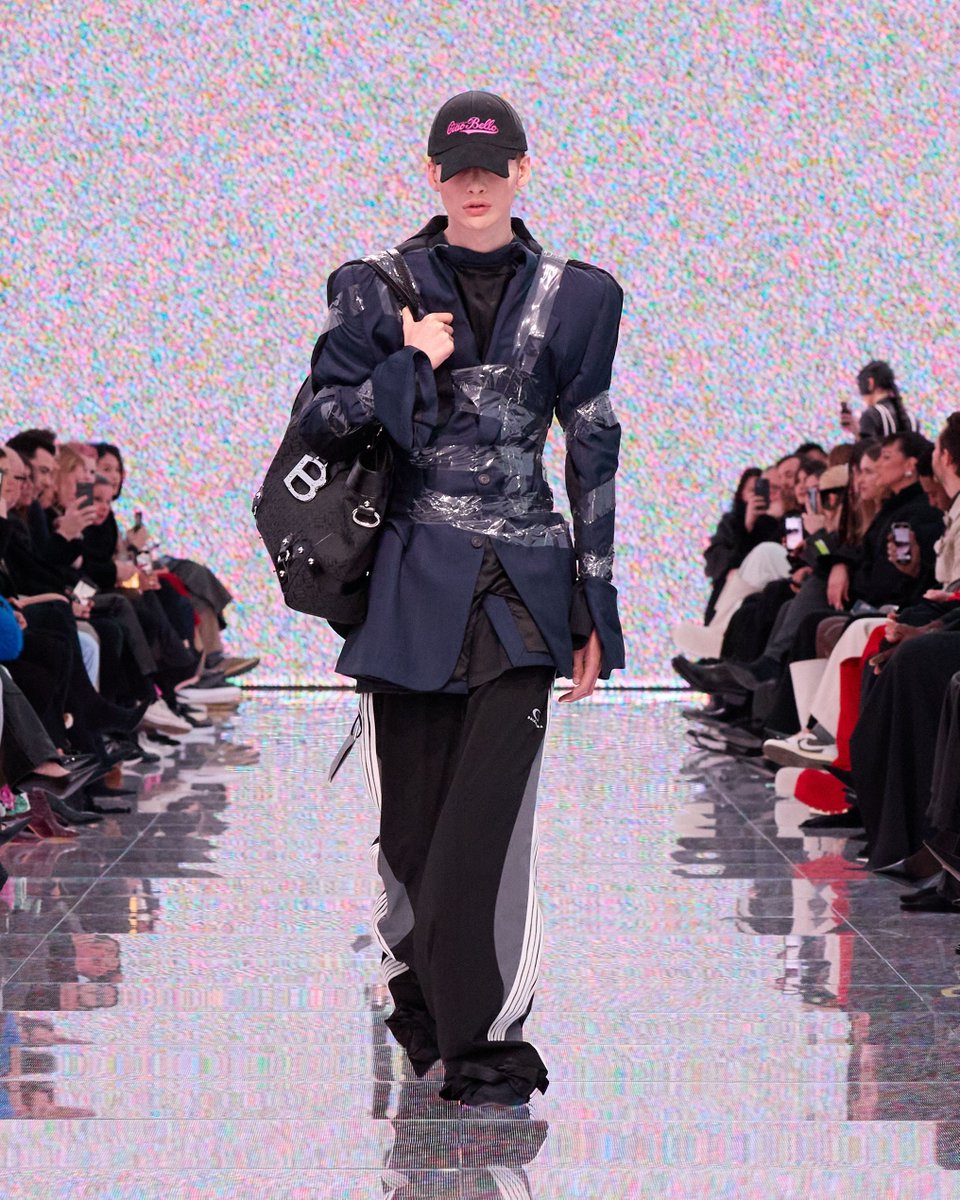
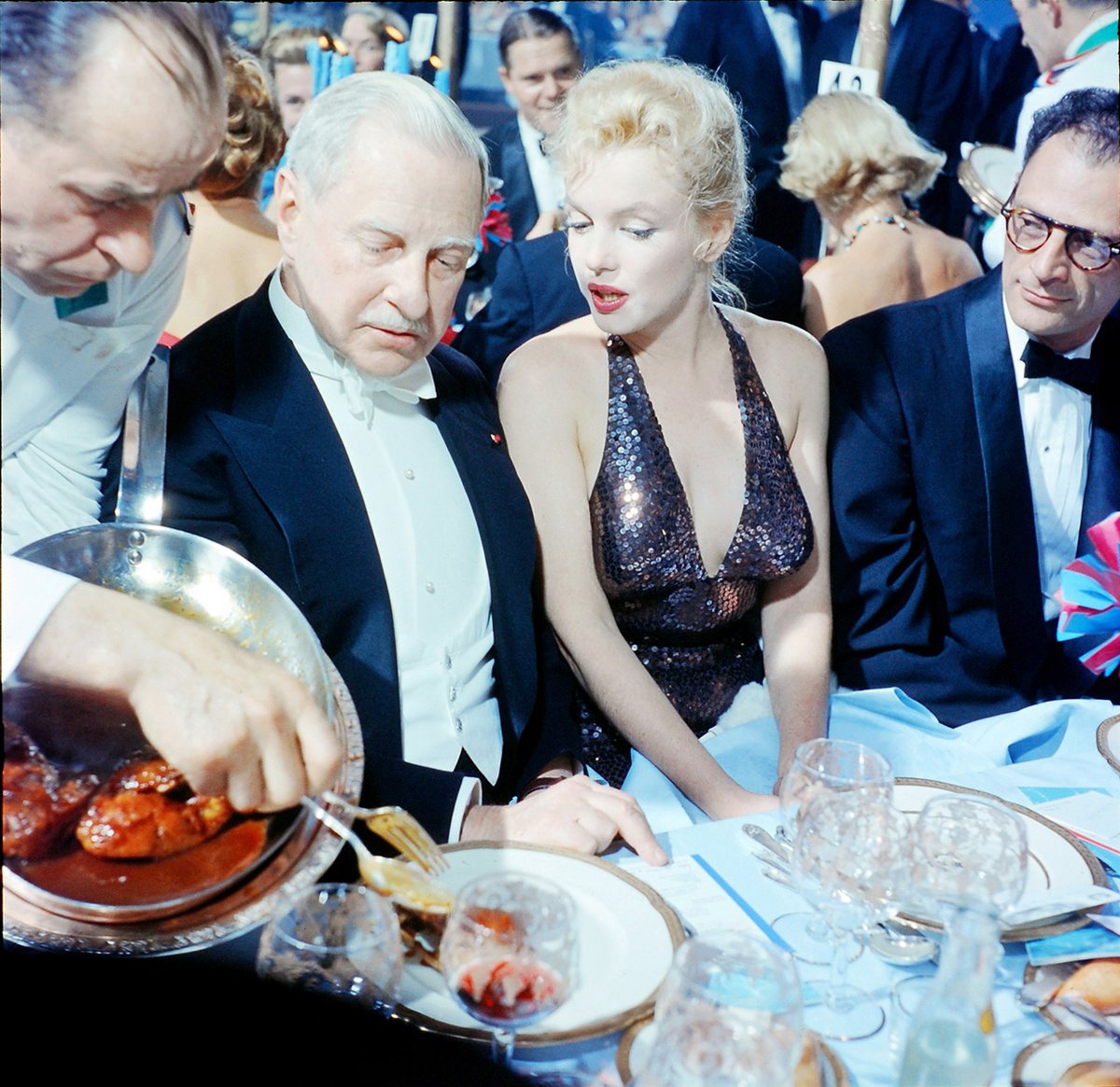
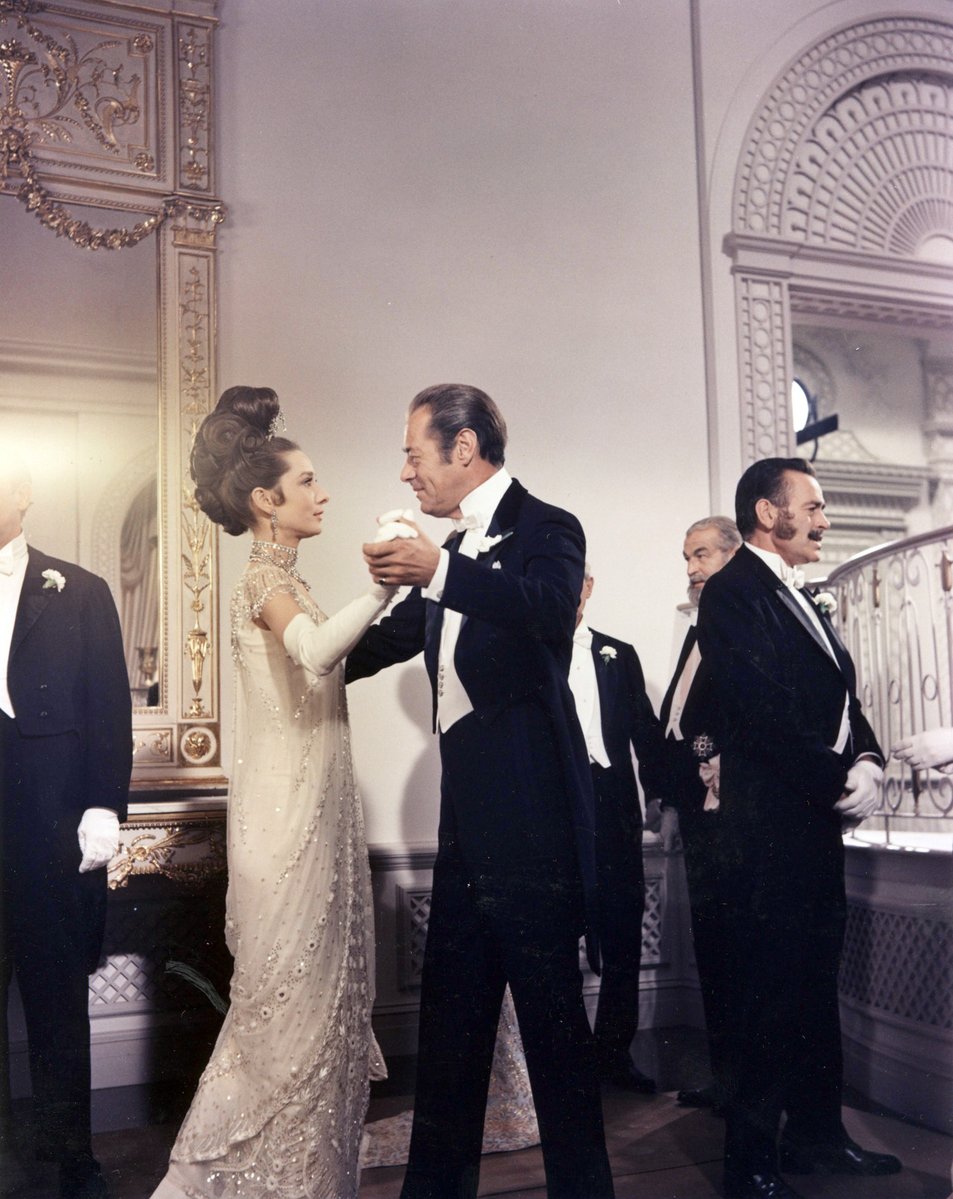
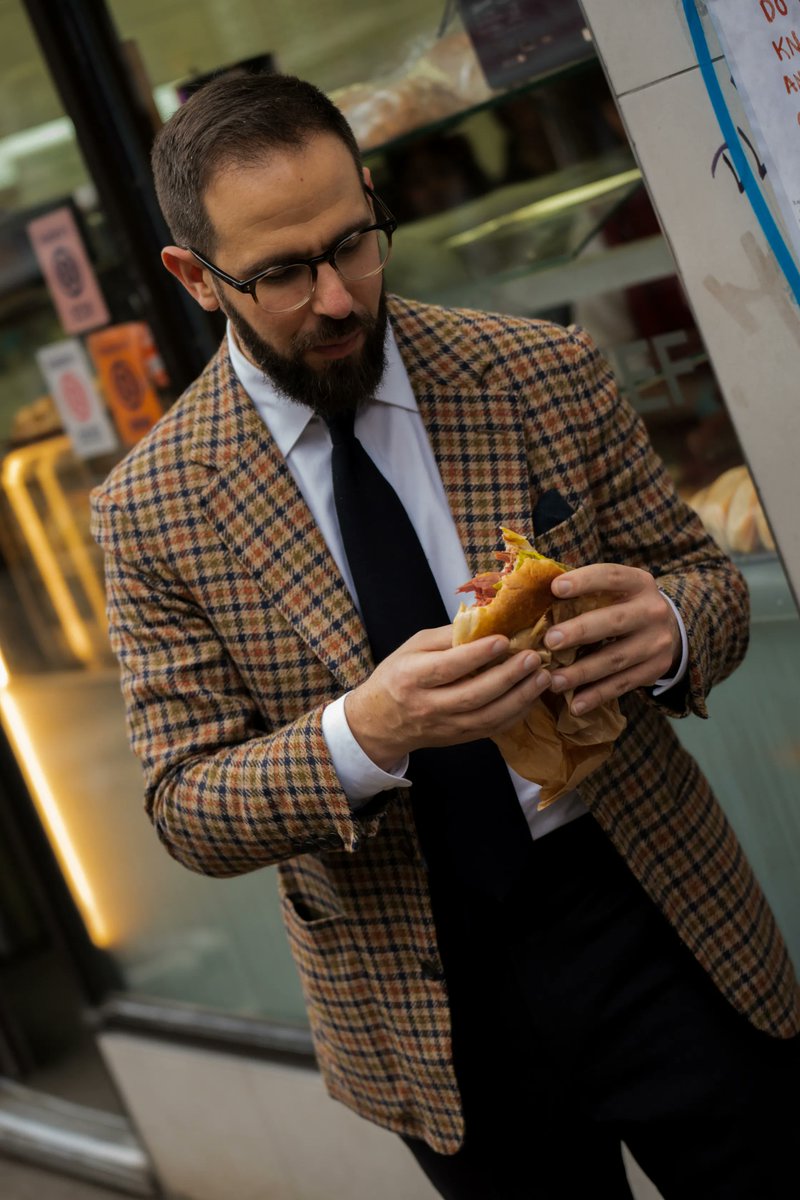
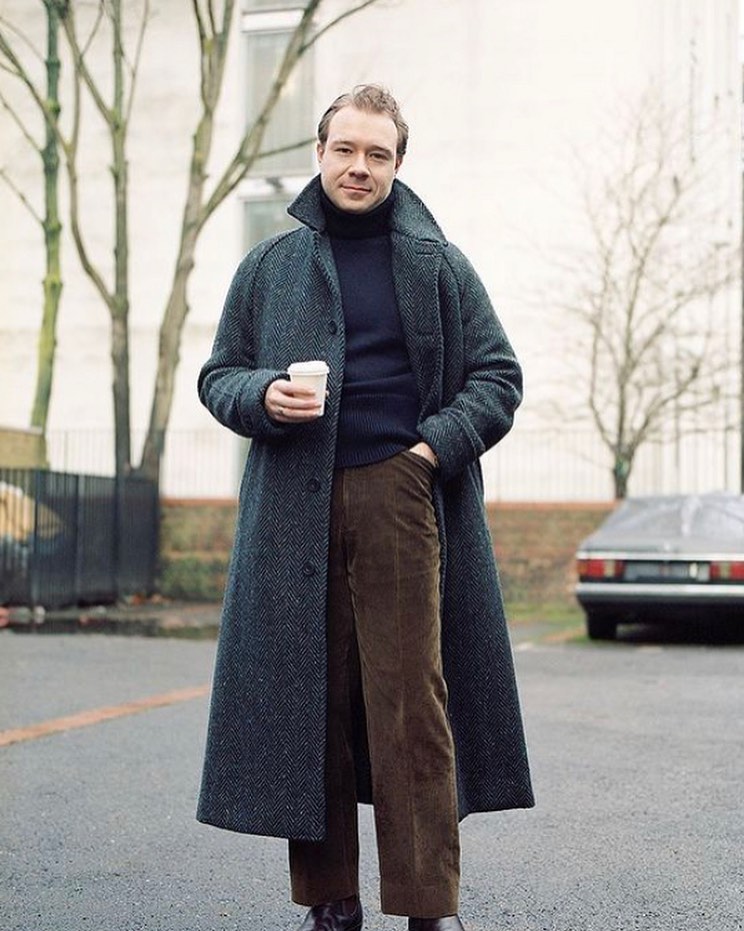
The most obvs reason is that luxury and streetwear have been merging for the last 20 years. Cristóbal Balenciaga was known for these incredible dresses (pic 1). But in more recent history, creative director Demna Gvasalia, who just left the company, borrows from streetwear.
I actually like streetwear, although I'm not crazy about the top-down, corporate-led version of it in recent years (more about that for another time). A lot of streetwear is heavily logo driven. Look up the history of Dapper Dan, who made these incredible couture creations.
That's the obvious reason why a lot of designer fashion now is in logo mania. But there's a deeper reason that has to do our legal system.
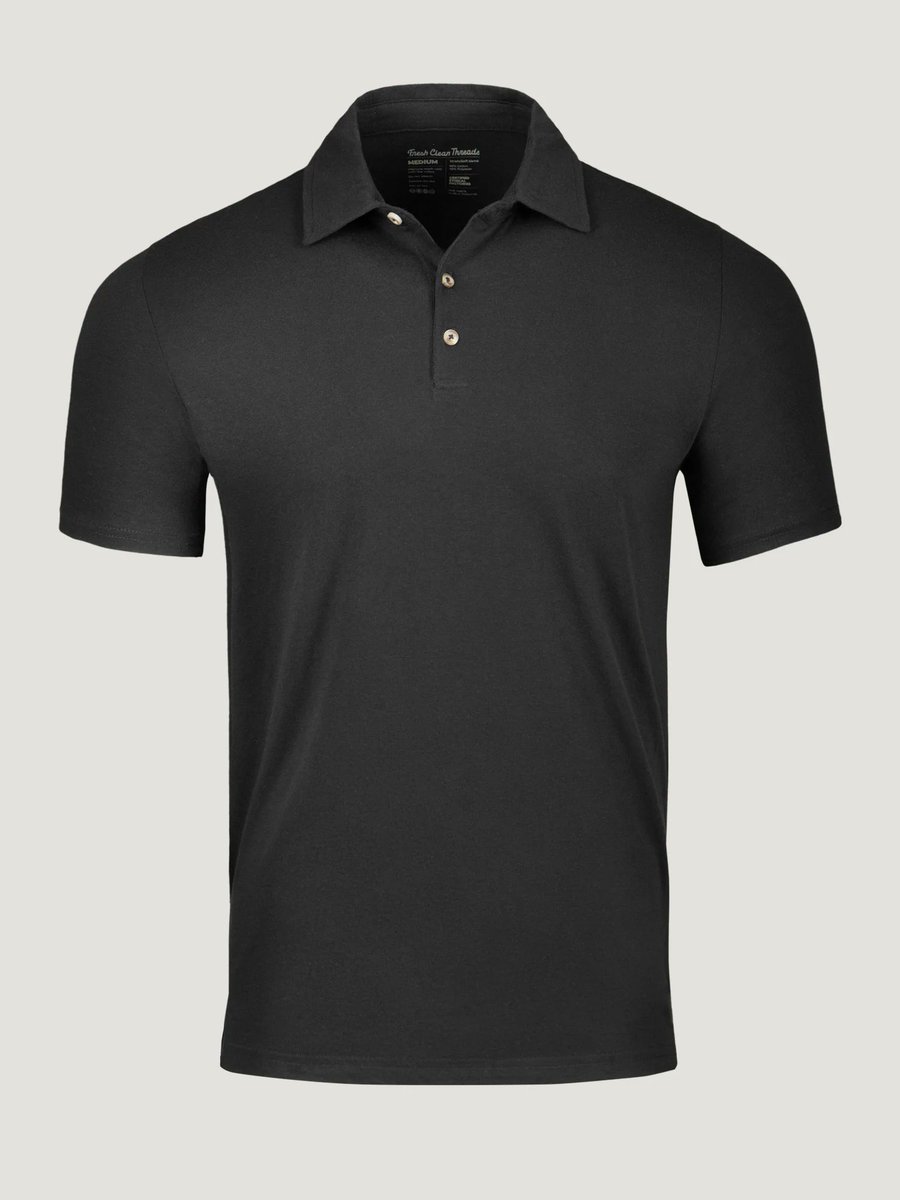
In the US, a lot of fashion isn't covered by copyright law bc clothes are considered useful items. You can't copyright polo shirts or jeans.
In fact, this is one of the tricks of the trade. Designers will sometimes send samples of another company's product and ask for some aspect to be copied, such as the fit and silhouette. So if a company likes how Levi's 501s fit, they can copy the cut.
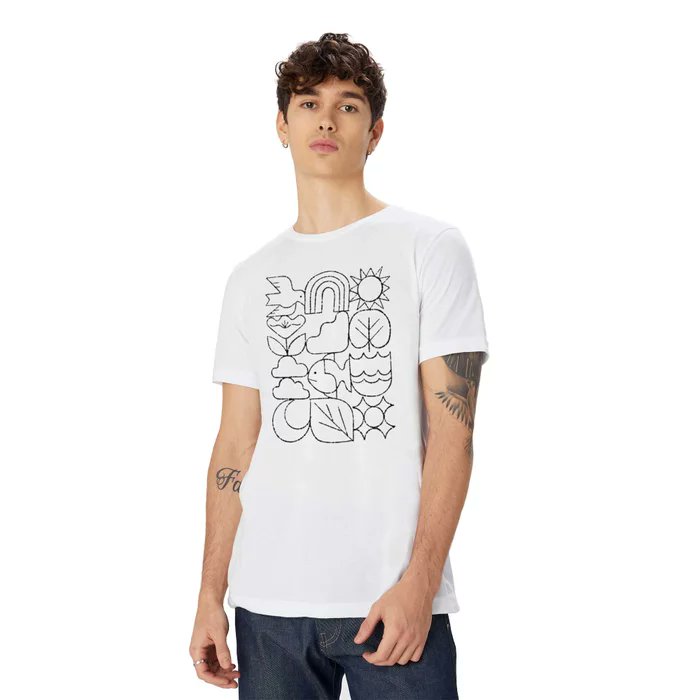
However, you can copyright certain things, such as a unique graphic that has been printed on a t-shirt. Or an embroidery. You can also legally protect trademarks. Back to the Levi's example, I can copy the cut of 501s, but I can't put the red tab on the jeans.
This is one of the reasons why, even before luxury brands started co-opting streetwear, they put logos all over their creations. You might be able to copy the exact shape of this purse and even use the same materials. But the minute you use this logo, you're in legal trouble.
This is why you see logos all over the place—the Balenciaga and Gucci logos on the hats, as well as the North Face logo on the parka. It allows companies to use the US legal system to go after copycats.
Of course, this doesn't stop all copycats. On NYC's Canal Street, you can find counterfeit versions of all sorts of luxury goods. And you know what? Some of them are actually quite good! It can be very hard to distinguish the real from the fake nowadays.
Years ago, I interviewed a luxury consignor, who told me that fakes nowadays are so hard to spot, he asks for receipts and credit card records to prove the owner actually bought the item from an Hermes store. Of course, those documents can be faked too. It's a hard business!
Why are luxury brands so protective? It's because many of them run on the *artificial scarcity.* It can take skilled labor to make an Hermes bag—who knows if they could increase their run of Birkens—but luxury t-shirts? Give me a break. They could pump out a million of these.
And what would happen if the market were suddenly flooded with Balenciaga t-shirts and the company couldn't go after the counterfeiters? What if in every store and on Amazon, you could order this same exact t-shirt? Well, Balenciaga could no longer charge their customers $675
This basic principle—designing clothes in a way that allows luxury brands to create artificial scarcity, enforced by the US legal system—is partly how they're able to extract the most from their customers, even if the clothes are essentially unimaginative, cheap crap.
It's a principle we see in many other areas of the market. I will let you decide where you see it crop up. Where do we see artificial scarcity that ends up creating inflated profits? And how can we change those laws to reduce prices for consumers?
• • •
Missing some Tweet in this thread? You can try to
force a refresh

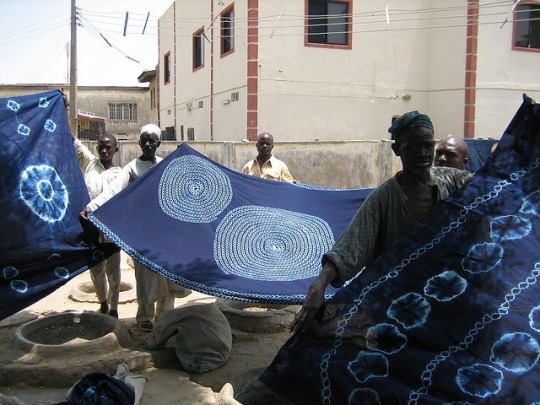
A lot of attention is paid to craft traditions in Western Europe and North America, such as handsewn Hermes leather goods and bespoke Savile Row suits. But the uneven focus leads some to believe that things made outside of these places are low quality.
This is not true. 🧵
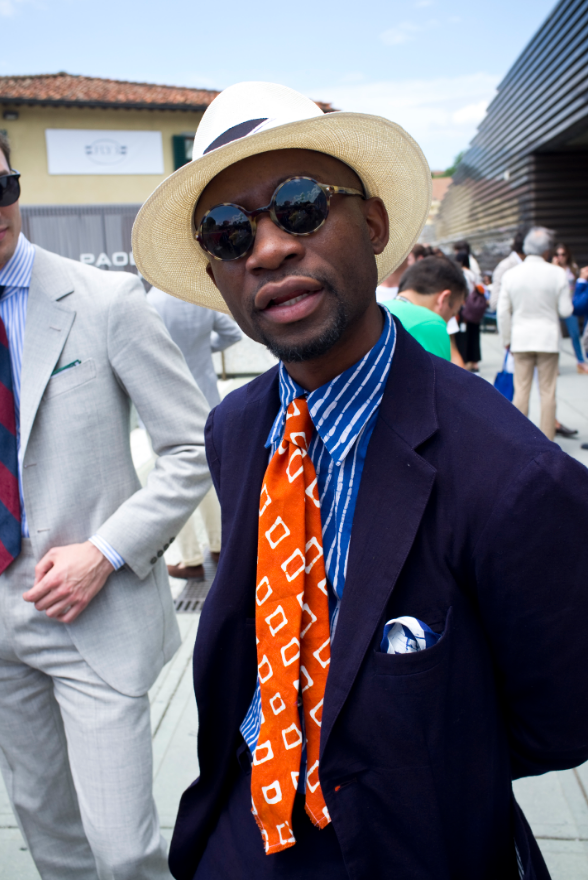
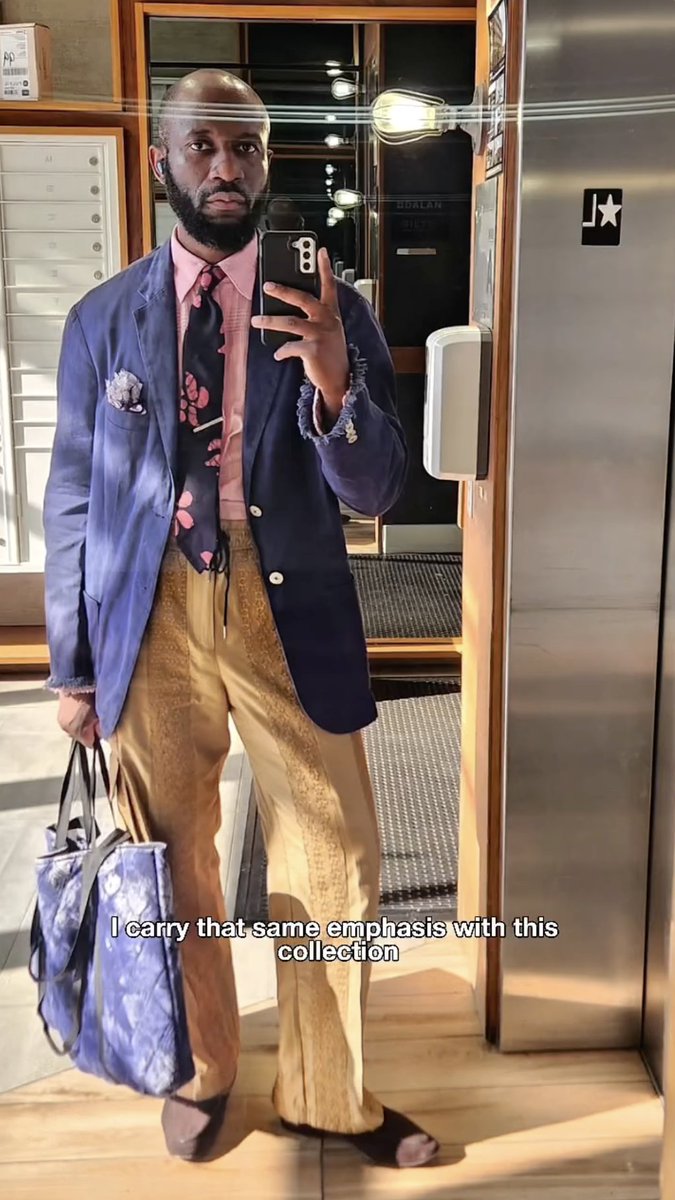
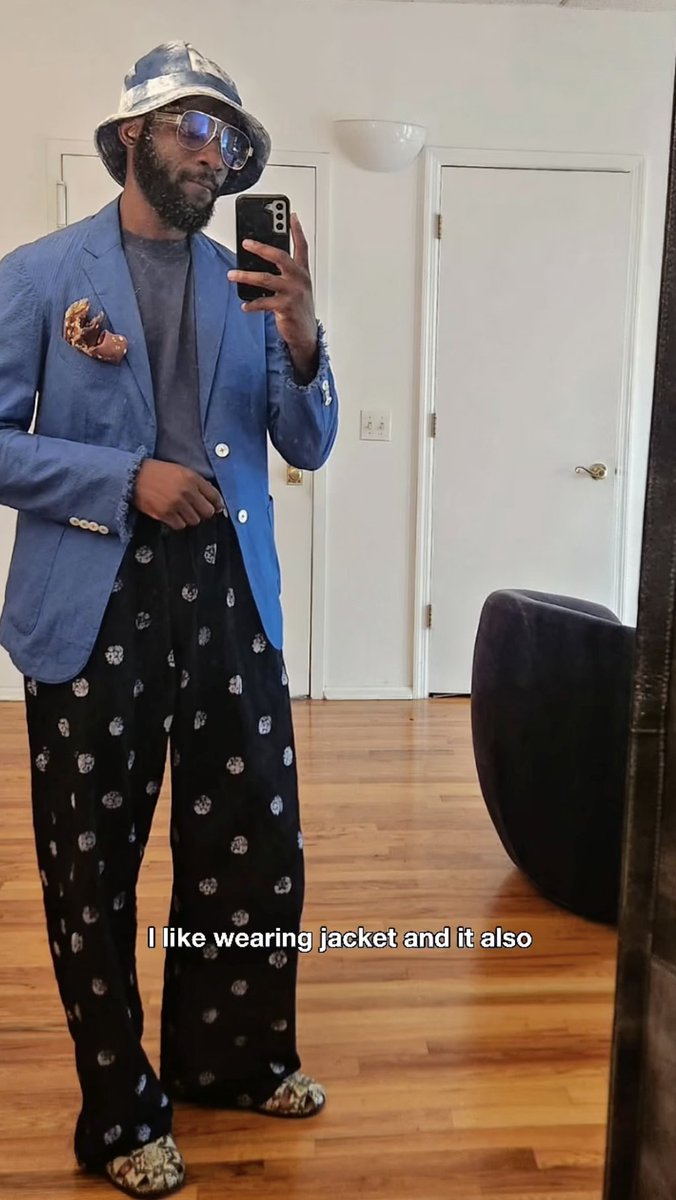
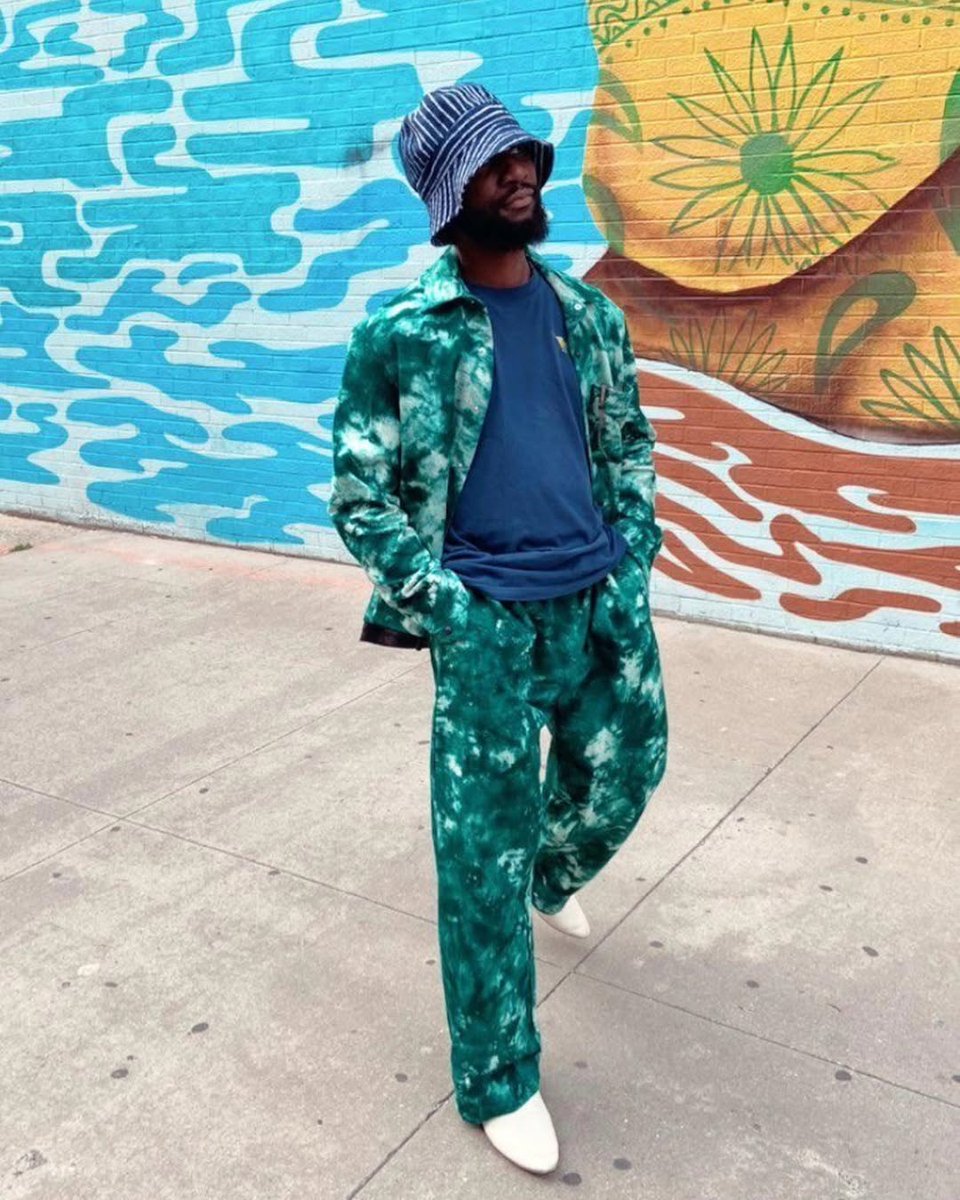
When I was on a menswear forum, there was a guy whose style I greatly admired. Like others on the forum, Niyi Okuboyejo loved men's tailoring. He had a technical understanding of how a jacket should hang from the shoulders. He also knew how to put things together in a classic way
At the same time, he also knew how to do things in his own voice and style, but in a way that looked good and not haphazard. Sometimes this was about adding a funky tie; other times, it was playing with materials and silhouette. All of these are still suits and sport coats!
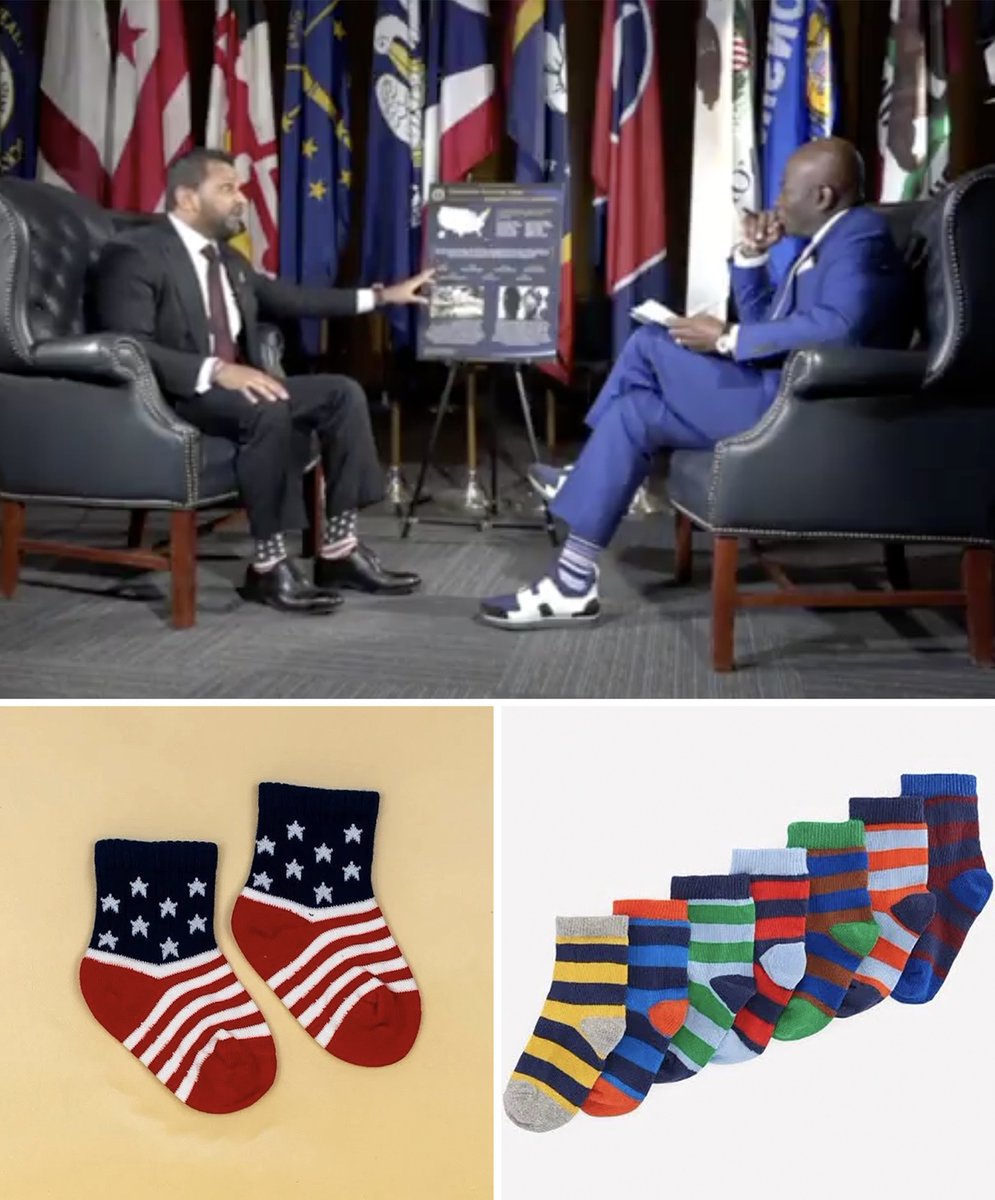
I think "fun socks" should be used judiciously, as a lot of what's worn today feels more childish than whimsical. IMO, most men should avoid them entirely.

But if you insist on wearing them, here are some suggestions on how to make them look less bad. 🧵
Any time this topic comes up, people invariably bring up George HW Bush, who was known to wear fun socks later in life. While I wasn't a fan of those socks, I agree that Bush was well-dressed. I also think when you reach a certain age, you have license to wear whatever you want
There are a few reasons why most outfits look bad with these sorts of socks. First, most men are not at that senior age where these socks become charming.
Second, most of these socks look like something you acquire by sending in a proof-of-purchase from a cereal box.
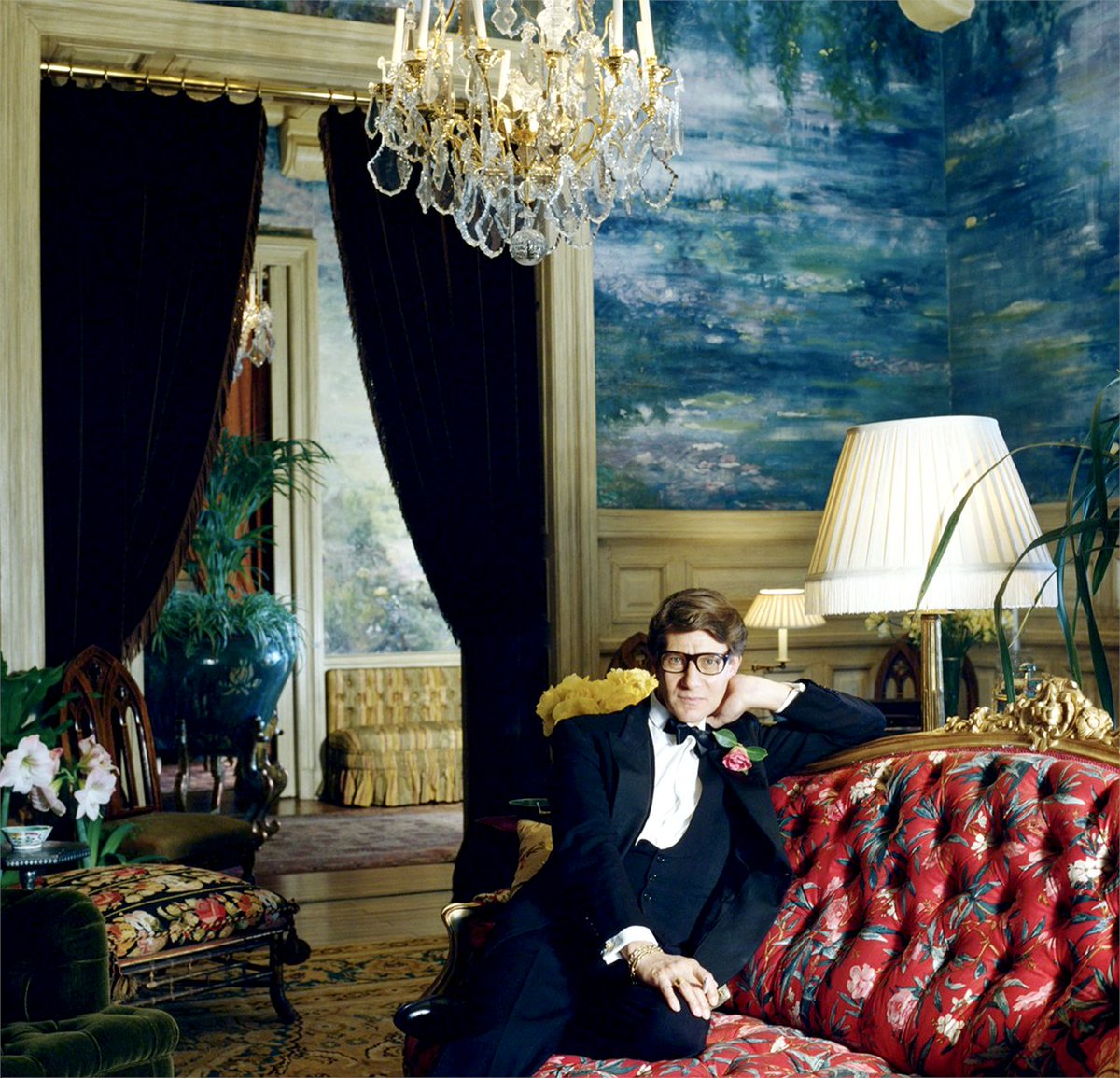
Most people think of black tie as the most formal kind of menswear, but technically speaking, it's semi-formal evening attire. Historically, men wore this kind of outfit to dinner or evening shows, such as going to the opera or ballet. Or celebrations such as NYE parties.
White tie is true formalwear. It differs from black tie primarily in how it requires a long tailcoat (black tie originated when men cut the tails off their coats to create a more casual garment for dinner). Also requires a white waistcoat, white tie, and wing collar.
If you're interested in bespoke tailoring and based in the United States, I have some trunk show announcements to share with you. Since Twitter recently changed their formatting options, I will be doing this as a thread. 🧵
Matthew Gonzalez
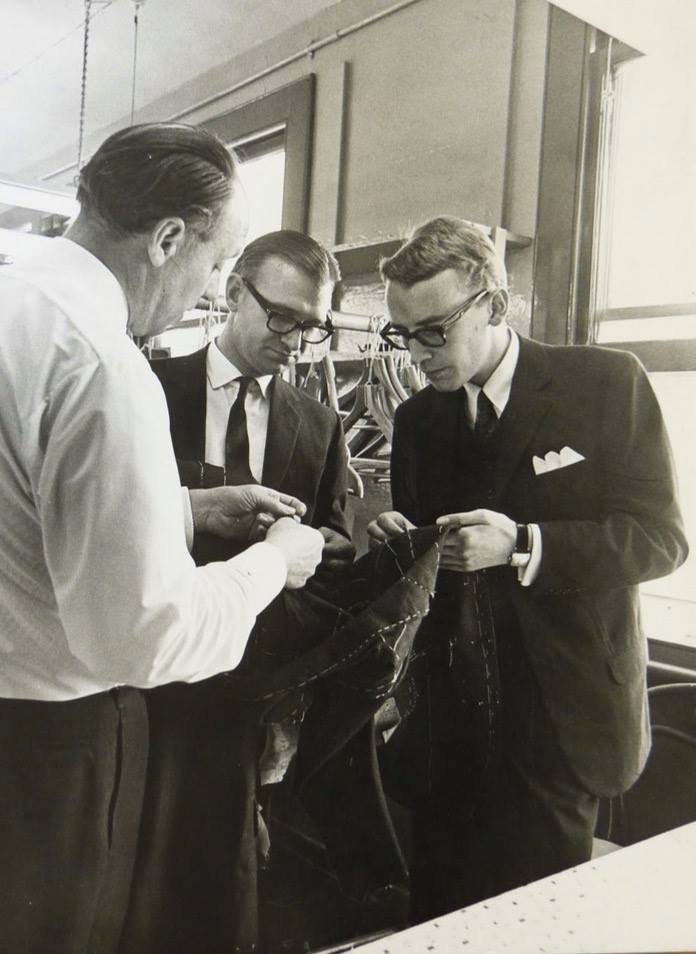
There's a long history of cross-border influence and immigration in tailoring, but as far as I know, Matthew Gonzalez is the first American to operate under his own banner on Savile Row. Born and raised in Southern California, he moved to London about twenty years ago to pursue a degree in bespoke tailoring from the London College of Fashion. Thereafter, he climbed the ranks — moving from undercutter at Thom Sweeney to cutter at Dunhill and eventually Huntsman, where he achieved his longtime goal of cutting on Savile Row.
Today, he runs his own firm, where he merges his California sensibility with his training in British bespoke craftsmanship. He recently told me he admires a photo of JFK staring out of a window. The President dressed in a dark worsted suit, white button-up shirt, and dark silk necktie, but everything about the photo looks very casual and relaxed. This, he told me, is what American style means to him.
Gonzalez cuts suits and sport coats inspired by that mid-century American tailoring, although he's adamant about not wanting the clothes to look like historical costumes. Thus, while the jackets have a soft, natural shoulder line, he sticks with front darts and prefers side vents (rather than the dartless front and hook vent characteristic of Ivy Style). The lapels have a moderate width and minimal belly (the curve sometimes distinguishing an older style of British tailoring). The garments are designed so they can be teamed with a dress shirt and tie, or something more casual such as a chambray button-up.
Given Gonzalez's penchant for slightly more relaxed, casual attire, it's no surprise that he also offers made-to-measure suede jackets, wool-cashmere shawl collar cardigans, and denim Western shirts (made without the contrast stitching, so they look more at home with tailoring). He's also one of the few bespoke tailors I've met who "gets it" when it comes to the polo coat, arguably the most iconic of American overcoat styles. Gonzalez tells me he thinks a polo coat should have letter box patch pockets, a half belt, gauntlet cuffs, an inverted back pleat, and a center button vent. But crucially, he also thinks the split-sleeves should be made with a lapped seam. To my eye, this makes the garment more casual and sporty—truer to its original roots—and allows the tailor to shape the sleevehead.
Consider Gonzalez if you share the same sensibilities: a love for classic American tailoring, but a suspicion of styles that are too anachronistic, and a bias towards clothes that feel more relaxed and casual. The point about Gonzalez using a split-sleeve with a lapped seam demonstrates that he takes care of details that may not occur to a client, but will be appreciated years down the road.
Taillour
In bespoke tailoring, there's a generally accepted rule that most clients would do well to observe: choose a company based on their house style and stay close to it. The term "house style" refers to the tailor's established methods, which combine to create clothes with a distinguishable fit and feel. Just as you wouldn't order burritos from a ramen chef, you shouldn't ask an English tailor for an Italian jacket (or vice versa).
Taillour is one of the few exceptions. Co-founder and head cutter Fred Nieddu has worked in the bespoke tailoring industry for decades, cutting for firms such as Thom Sweeney and even teaching pattern drafting courses at the London College of Fashion. A good percentage of his current workload involves making clothes for films and TV shows. In fact, you may have seen his creations. He made all the menswear for the Netflix series The Crown, the suits in the film The Phoenician Scheme, and one of the colorful costumes for Wonka. Given this experience, he's more flexible than most tailors regarding what he's willing and able to make.
Still, I think it's always a good idea to stay close to the house style. I think of Taillour's house style as very soft but architectural in its lines. Nieddu uses a full body canvas and only a bit of laptair near the wearer's collar bone to prevent the jacket from sinking. The shoulders are minimally padded, giving the garments a very light feel. While Neapolitan tailors are known for a similar construction, Taillour's jackets have a bit more room and shape. The shoulder line is very straight, and the chest is slightly full. When combined with those characteristically straight lapels and larger jacket collar, I find Taillour's jackets have an angular appearance reminiscent of Apparel Arts drawings.
Consider Nieddu if you want a tailor who's a bit more flexible in terms of what they're willing to make (although, again, I recommend tweaking at the margins, not bringing in a photo of something and asking for it to be copied). He has also made clothes for women, which will be useful if you're looking for someone who can make a women's suit, sport coat, or overcoat.
Summer is around the corner and soon you'll read a bunch of tweets about how every man should have a pair of loafers.
I don't think anyone needs anything, but if you're shopping for a pair, let me show you how to think about loafers. This applies to any wardrobe item. 🧵
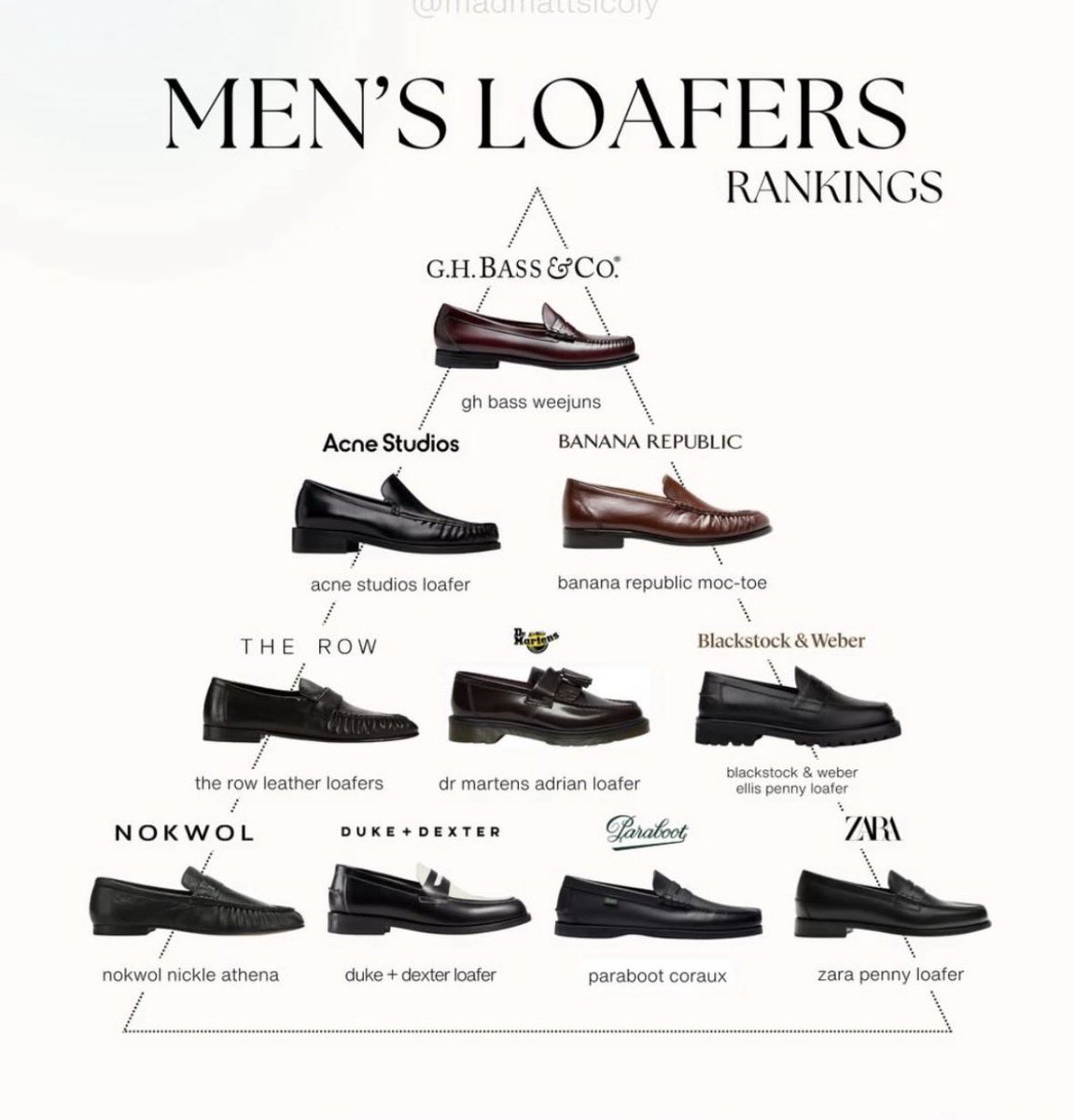
When it comes to choosing loafers, a simple answer will go something like this: "Such-and-such brand makes the best pairs." Or "Here's a hierarchy of loafers." IMO, such approaches are reductive and often devolve into trend or status pursuits.
Let me show you another approach.
As always, it's helpful to start at the beginning.
There are a few origin stories for loafers, but most lead back to Norway. If menswear lore is to be believed, then the penny loafer comes from a simple slip-on shoe known as the teser, which was once worn by Norwegian peasants.
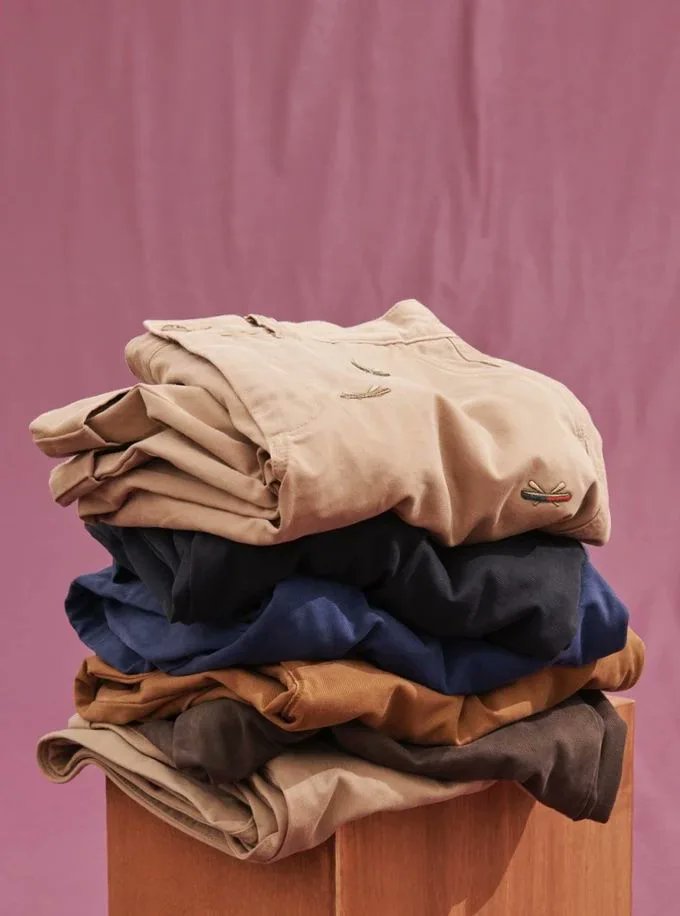
Someone asked if I could tell them where to buy a pair of good chinos. In this thread, I will tell you, but my answer is not simple. On the upside, I think this is a better approach when shopping for clothes and you can apply it to any kind of item. 🧵
A simple answer will go something like this: "Such-and-such makes the highest quality chinos." Or "this brand provides the best value." While potentially useful in some respects, I don't think this gives you the fullest picture.
Instead, let's start at the beginning.
During the 1898 Spanish-American War, US troops stationed in the Philippines wore sand-colored pants made from a heavy cotton twill woven in China. Since the Philippines had been under Spanish colonial rule at this time, the locals call these "pantalones chinos" (Chinese pants).