derek guy Profile picture
Mar 24 14 tweets 6 min read Read on X
Do you know why luxury brands put logos all over their clothes? I'll tell you. 🧵
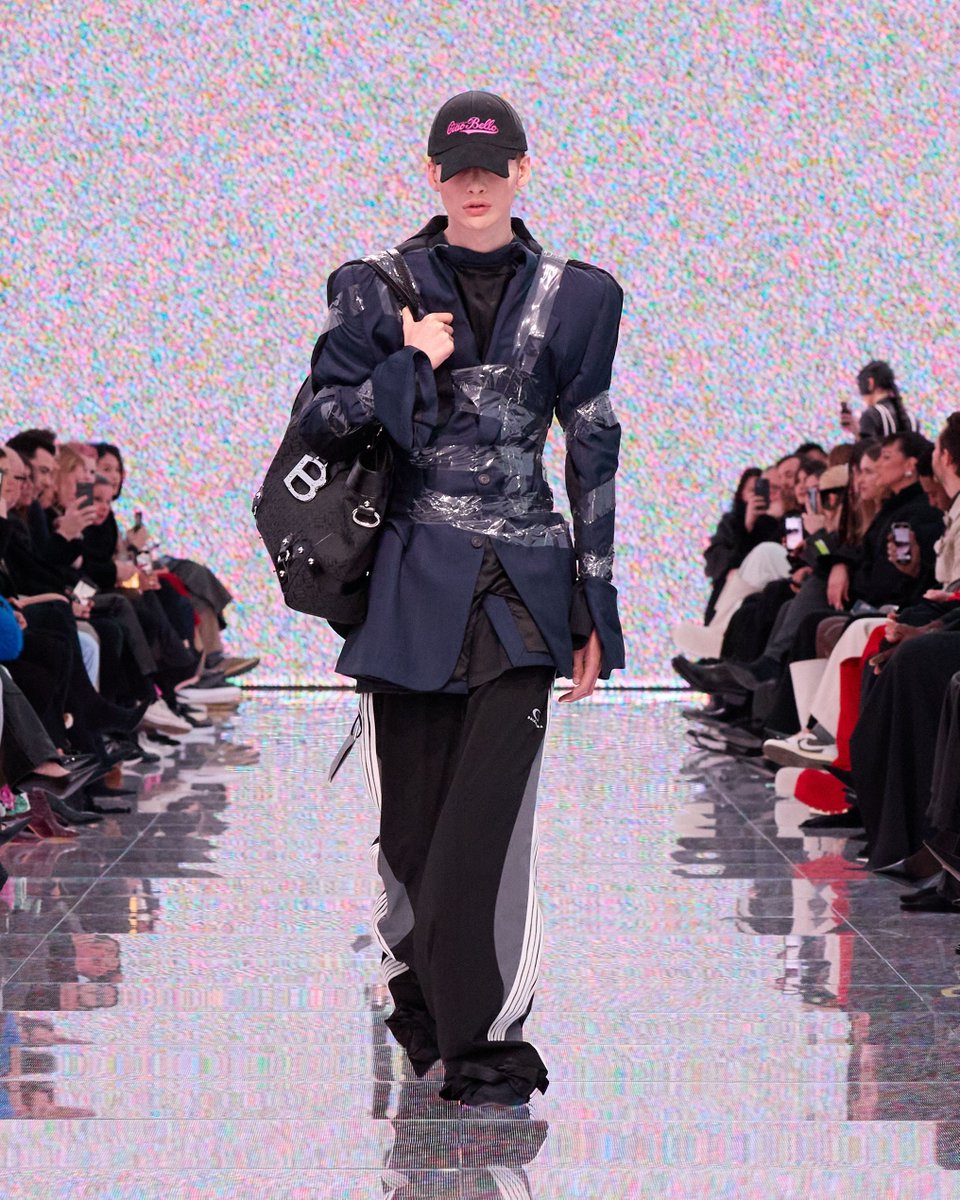
The most obvs reason is that luxury and streetwear have been merging for the last 20 years. Cristóbal Balenciaga was known for these incredible dresses (pic 1). But in more recent history, creative director Demna Gvasalia, who just left the company, borrows from streetwear. Image
Image
I actually like streetwear, although I'm not crazy about the top-down, corporate-led version of it in recent years (more about that for another time). A lot of streetwear is heavily logo driven. Look up the history of Dapper Dan, who made these incredible couture creations. Image
That's the obvious reason why a lot of designer fashion now is in logo mania. But there's a deeper reason that has to do our legal system.

In the US, a lot of fashion isn't covered by copyright law bc clothes are considered useful items. You can't copyright polo shirts or jeans. Image
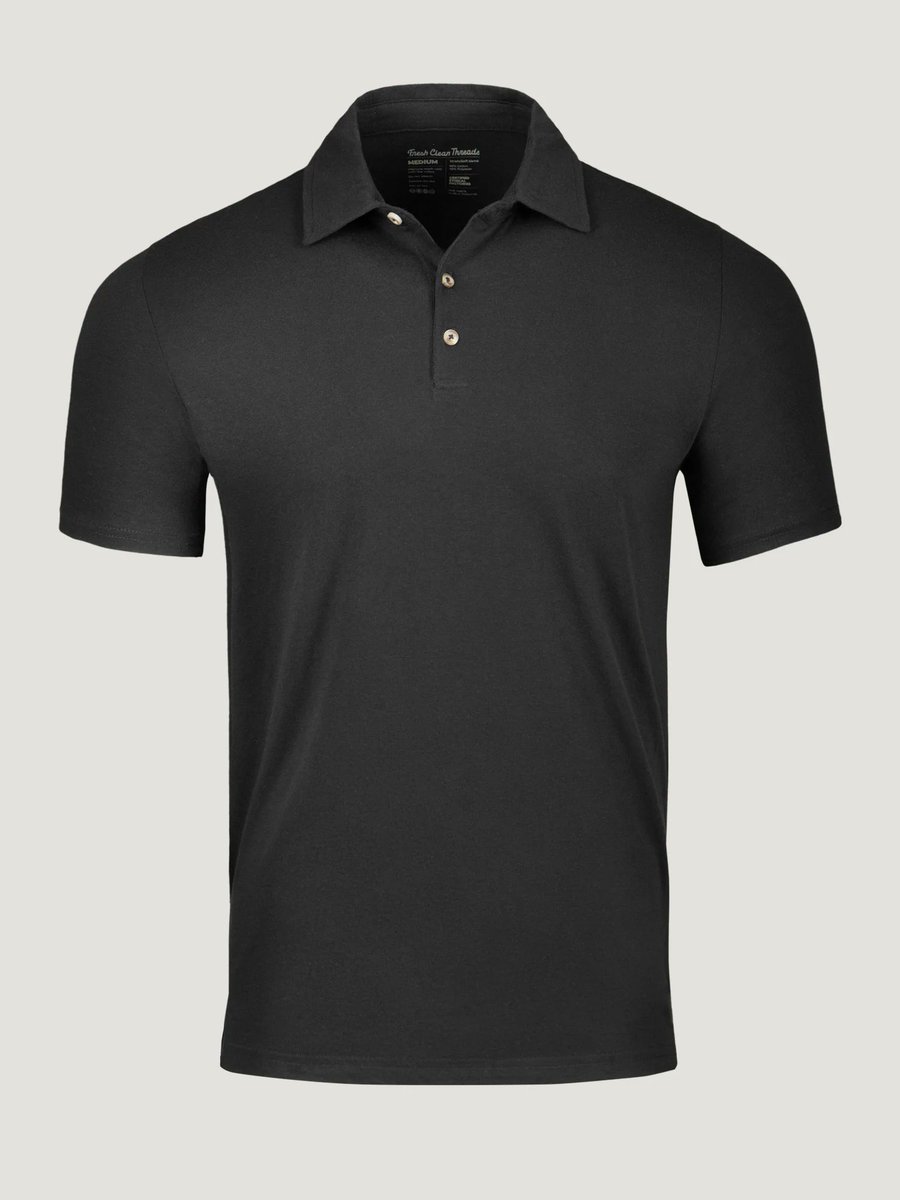
Image
In fact, this is one of the tricks of the trade. Designers will sometimes send samples of another company's product and ask for some aspect to be copied, such as the fit and silhouette. So if a company likes how Levi's 501s fit, they can copy the cut. Image
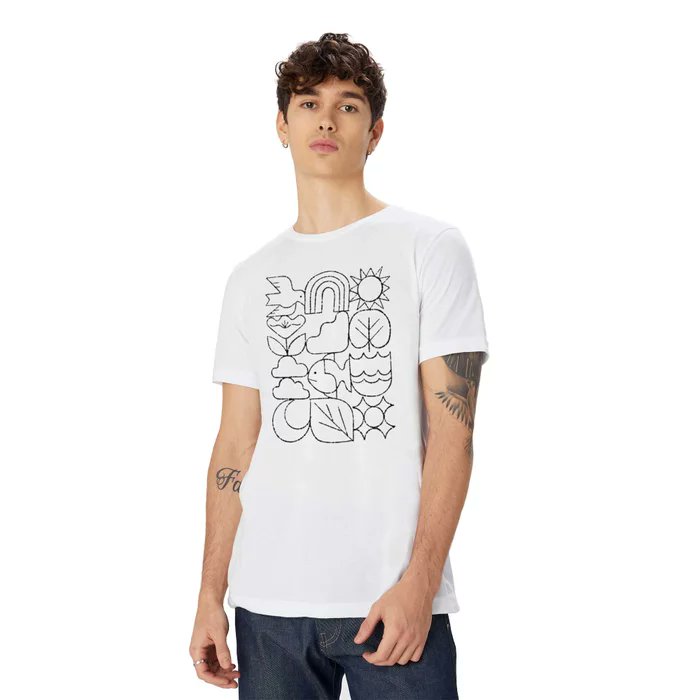
However, you can copyright certain things, such as a unique graphic that has been printed on a t-shirt. Or an embroidery. You can also legally protect trademarks. Back to the Levi's example, I can copy the cut of 501s, but I can't put the red tab on the jeans. Image
Image
This is one of the reasons why, even before luxury brands started co-opting streetwear, they put logos all over their creations. You might be able to copy the exact shape of this purse and even use the same materials. But the minute you use this logo, you're in legal trouble. Image
This is why you see logos all over the place—the Balenciaga and Gucci logos on the hats, as well as the North Face logo on the parka. It allows companies to use the US legal system to go after copycats. Image
Image
Of course, this doesn't stop all copycats. On NYC's Canal Street, you can find counterfeit versions of all sorts of luxury goods. And you know what? Some of them are actually quite good! It can be very hard to distinguish the real from the fake nowadays. Image
Years ago, I interviewed a luxury consignor, who told me that fakes nowadays are so hard to spot, he asks for receipts and credit card records to prove the owner actually bought the item from an Hermes store. Of course, those documents can be faked too. It's a hard business! Image
Why are luxury brands so protective? It's because many of them run on the *artificial scarcity.* It can take skilled labor to make an Hermes bag—who knows if they could increase their run of Birkens—but luxury t-shirts? Give me a break. They could pump out a million of these. Image
And what would happen if the market were suddenly flooded with Balenciaga t-shirts and the company couldn't go after the counterfeiters? What if in every store and on Amazon, you could order this same exact t-shirt? Well, Balenciaga could no longer charge their customers $675 Image
Image
This basic principle—designing clothes in a way that allows luxury brands to create artificial scarcity, enforced by the US legal system—is partly how they're able to extract the most from their customers, even if the clothes are essentially unimaginative, cheap crap.
It's a principle we see in many other areas of the market. I will let you decide where you see it crop up. Where do we see artificial scarcity that ends up creating inflated profits? And how can we change those laws to reduce prices for consumers? Image

• • •

Missing some Tweet in this thread? You can try to force a refresh

 

Keep Current with derek guy

derek guy Profile picture

Stay in touch and get notified when new unrolls are available from this author!

Read all threads

This Thread may be Removed Anytime!

PDF

Twitter may remove this content at anytime! Save it as PDF for later use!

Try unrolling a thread yourself!

how to unroll video
  1. Follow @ThreadReaderApp to mention us!

  2. From a Twitter thread mention us with a keyword "unroll"
@threadreaderapp unroll

Practice here first or read more on our help page!

More from @dieworkwear

Mar 22
People who have followed me for a while may already know the answer to this. But I will explain again why steam is ruinous for tailoring, and how you can pack a suit. 🧵 Image
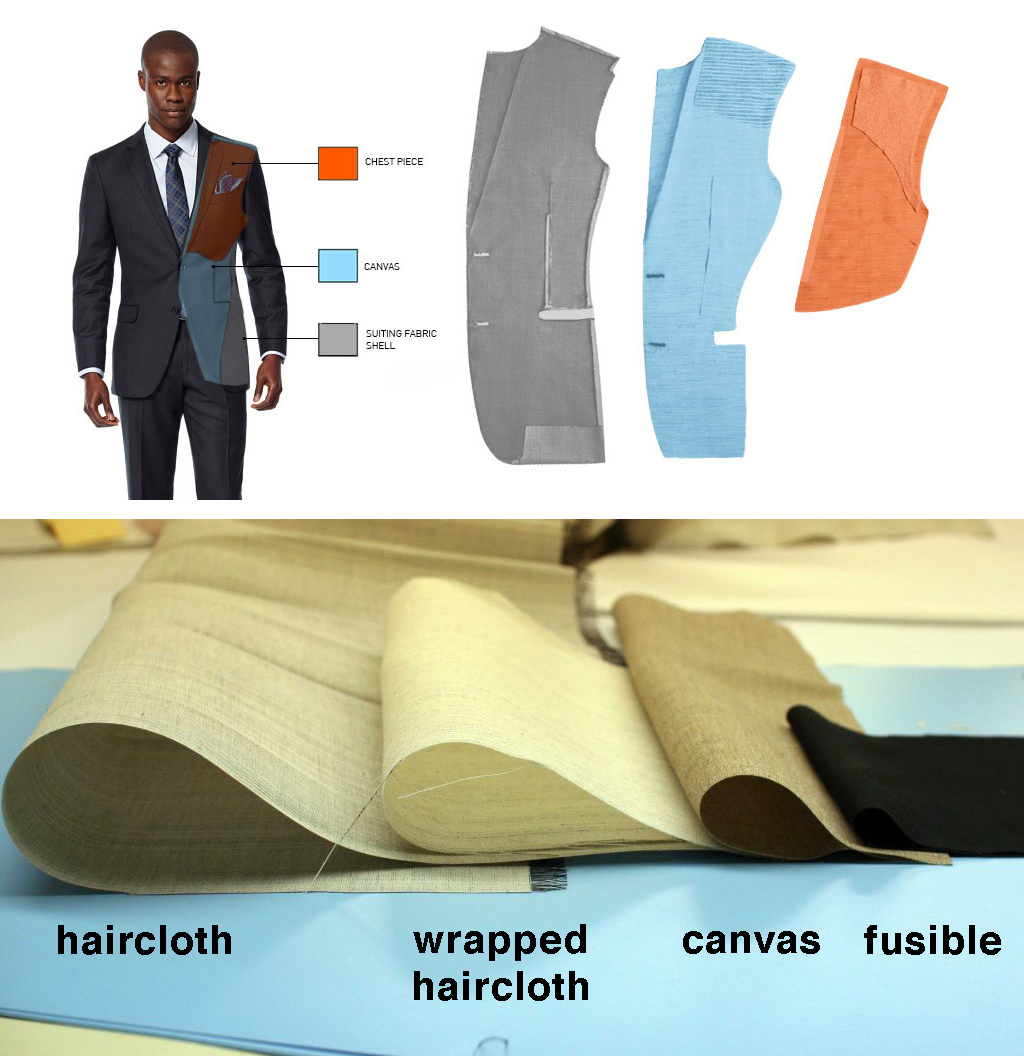
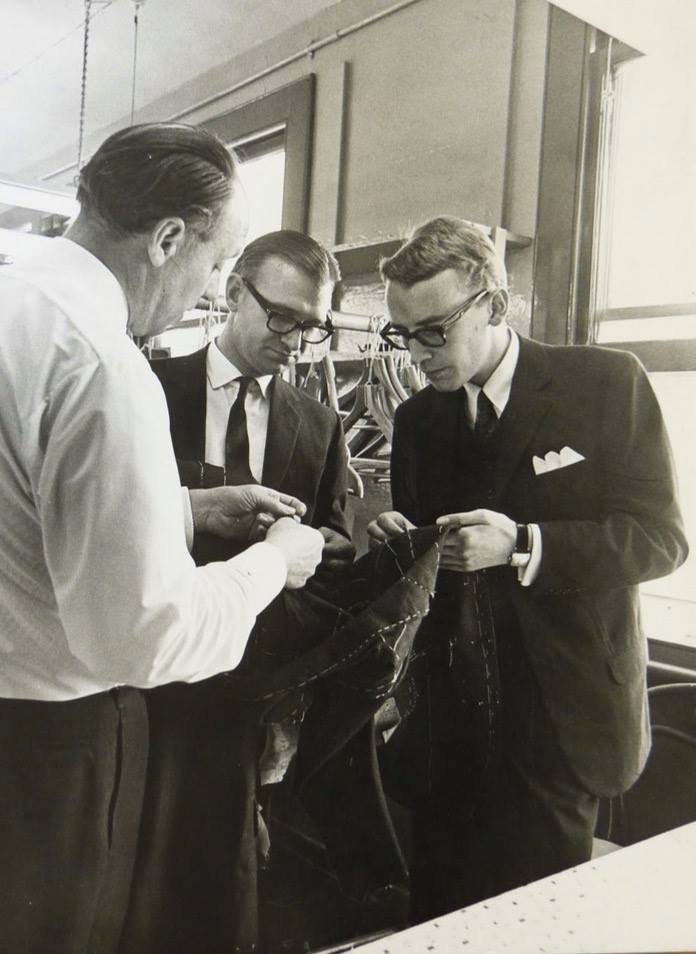
To understand why steam is ruinous for tailoring, you have to first understand that suits and sport coats are not like other things in your wardrobe. They are built from many layers of haircloth, canvas, and padding, and then shaped through pad stitching and ironwork. Image
Image
This is what makes tailoring so special: it's the unique ability to transform 2D cloth into 3D forms. You can read this thread about the difference between low- and high-end tailoring. Hopefully, you will walk away with an appreciation for *shape*

Read 19 tweets
Mar 12
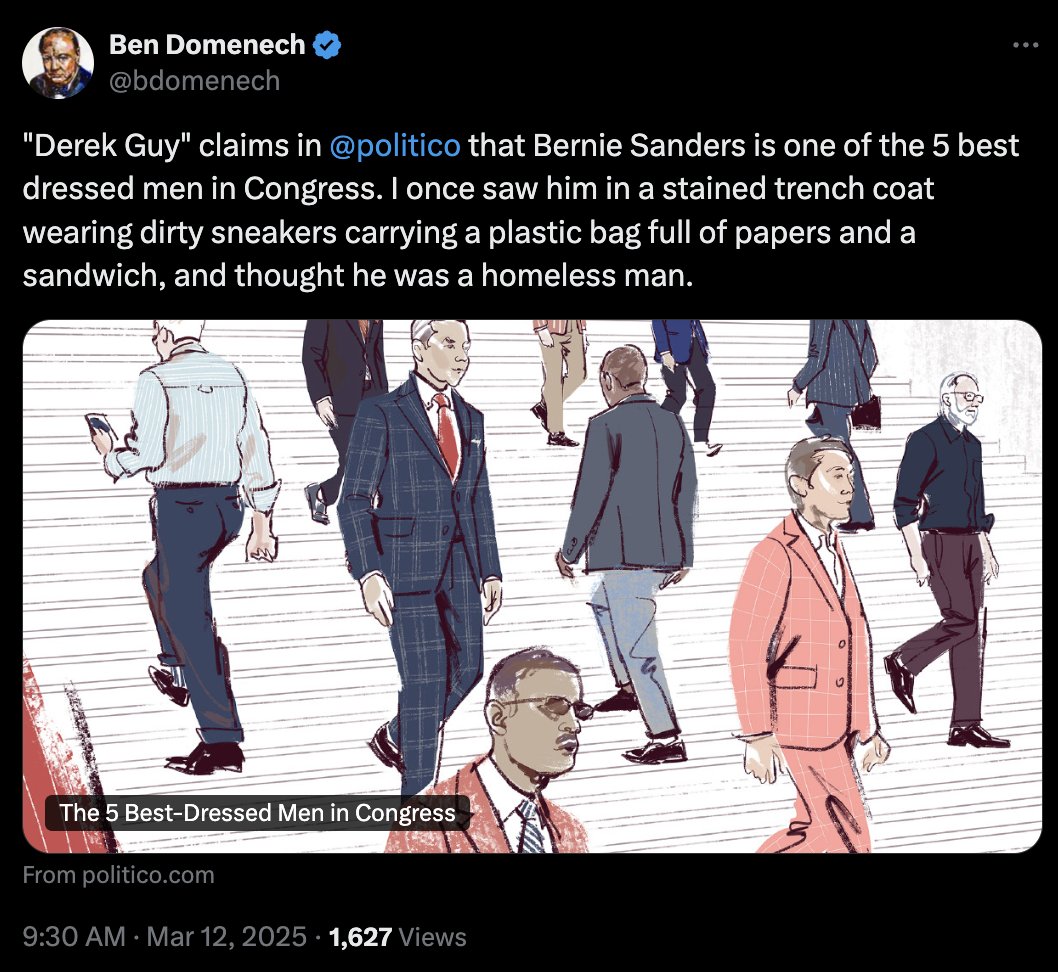
Meghan McCain's husband blocked me, so I can't retweet (also my mom got really excited once when I told her that Meghan McCain's husband tweeted about me). But this sort of attitude is why some people will never be stylish. Let's talk about Bernie Sanders's style. 🧵 Image
When most people think of Bernie Sanders, they think of images like this: a grumpy looking man with uncombed silver hair wearing a suit that looks like it might be a size too large. He looks like a fledgling that has somehow climbed into dark worsted suit. Image
Image
To them, it's absurd to suggest Bernie is stylish because they only think of style as the language of respectability: put together, middle class, successful, and so forth. As Ben put it, Bernie looks "homeless" (he does not, but the term is reveals Ben's myopia and ignorance). Image
Read 21 tweets
Mar 10
I'm not a historian, but I don't think the United States is based on European values. I think it's about American values. I will give my view on this video through the lens of ... [drum roll] ... menswear. 🧵
In 1893, a newly minted John Hopkins graduate named Frederick Jackson Turner presented "The Frontier in American History" to an audience at the Chicago World's Fair. He argued against the Germ Theory, an idea that political habits are innate racial characteristics. Image
Germ theorists believed that Americans formed their democratic institutions because they descended from Anglo Saxons, who came from ancient Teutons. Thus, the origins of US democracy can be genetically traced back to a Germanic forest, like Continental seeds blowing in the wind. Image
Read 23 tweets
Mar 8
Technically true, but this comment skates by a more complicated issue: how much does it cost to make something in the United States?

Let's run through a clothing example. 🧵 Image
Thomas buys t-shirts from Grunt Style, a veteran-owned company that sources blanks from abroad (also, thank you for your service 🫡). These t-shirts cost $30 for a one-color print (front + two sleeves).

The t-shirt is from Honduras. Image
Image
Image
Image
How much would it cost to make this same t-shirt in the US? As it happens, I recently did a podcast with Jacob, founder of American Trench, a company that produces real MiUSA clothes. We ran through this exact exercise, so I can breakdown the cost for you.

(podcast coming later)
Read 19 tweets
Mar 4
🇨🇦 CANADIAN SHOPPING GUIDE 🇨🇦

Want to support Canadian companies? Here are some Canadian businesses that sell high quality menswear. Some also carry womenswear. 🧵 Image
First, some caveats. What does it mean to "buy Canadian?" Does it mean buying things made in Canada? Or just from Canadian stores, which may carry imported goods? Something made in Canada will be more expensive, so price is a consideration. You decide what level is right for you. Image
Second, protectionism is bad bc it can hurt consumers. This is one of the probs with Trump's tariffs: consumers can end up paying *more* for *lower quality* goods. Just bc something is domestic doesn't mean it's quality.

As such, I'll focus on what I think are good companies. Image
Read 25 tweets
Mar 3
Not true. However, to understand the difference between Scottish and Italian cashmere, you have to know a little about how sweaters are made. Image
If you wanted a high-end cashmere sweater in the 1950s, you probably would have bought something made in Scotland. Dotted along the Scottish border were towns specializing in different parts of the textile and clothing trade—spinning, weaving, and, of course, knitting. Image
The town of Hawick specialized in the third: knitting. In the 1950s, there were about eighteen knitting mills here, each making cashmere sweaters of comparable quality. They bought the same yarns, used the same machines, and mostly paid the same wage, thanks to unions. Image
Read 25 tweets

Did Thread Reader help you today?

Support us! We are indie developers!


This site is made by just two indie developers on a laptop doing marketing, support and development! Read more about the story.

Become a Premium Member ($3/month or $30/year) and get exclusive features!

Become Premium

Don't want to be a Premium member but still want to support us?

Make a small donation by buying us coffee ($5) or help with server cost ($10)

Donate via Paypal

Or Donate anonymously using crypto!

Ethereum

0xfe58350B80634f60Fa6Dc149a72b4DFbc17D341E copy

Bitcoin

3ATGMxNzCUFzxpMCHL5sWSt4DVtS8UqXpi copy

Thank you for your support!

Follow Us!

:(