Singapore created the world's most efficient healthcare system from scratch in one generation.
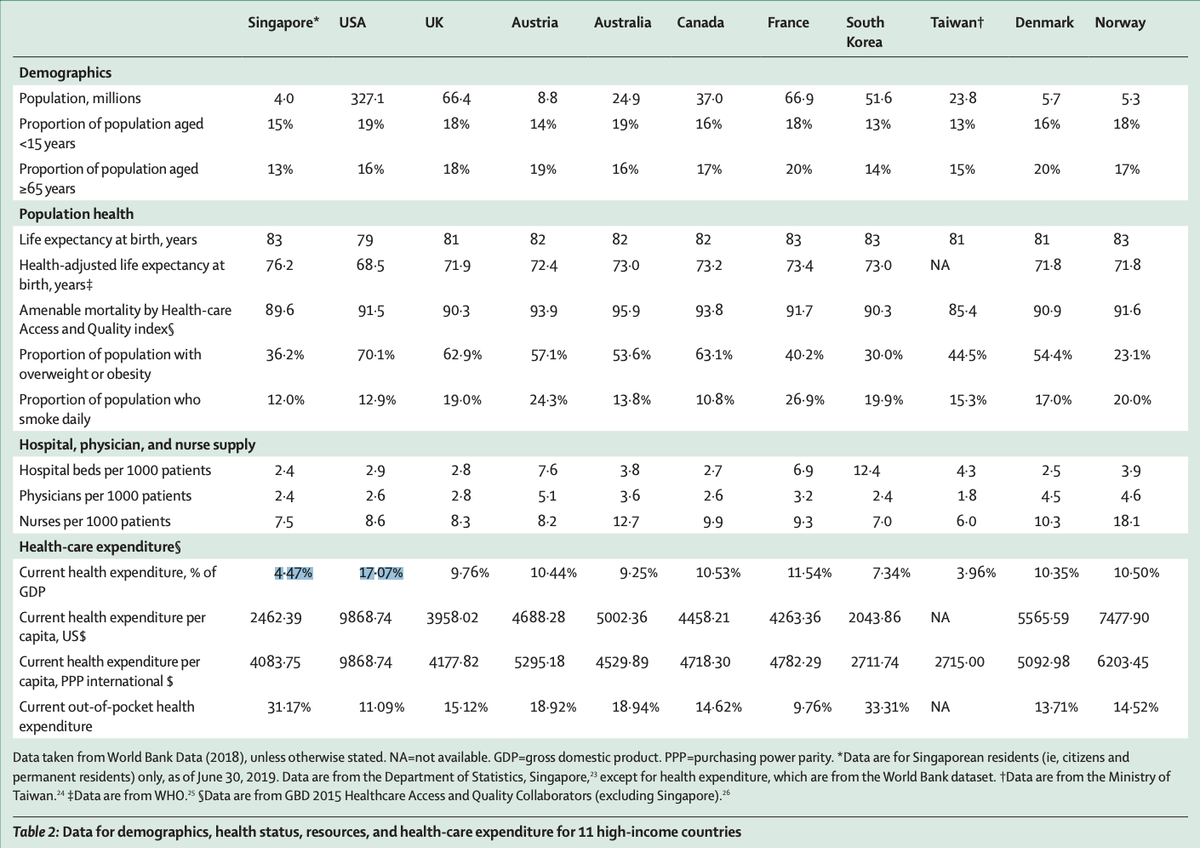
They spend $4,000 per person on healthcare. We spend $15,000.
Their secret?
The exact opposite of what American "experts" recommend: 🧵
They spend $4,000 per person on healthcare. We spend $15,000.
Their secret?
The exact opposite of what American "experts" recommend: 🧵


2/ First, the stats that matter for context:
• Pre-1960: Singapore had <50 medical specialists for 2M residents
• 1964: GDP of $0.89B
• 1983: GDP grew to $18B
• 2011: Nearly $279.4B
This economic foundation was crucial. Here's why:
• Pre-1960: Singapore had <50 medical specialists for 2M residents
• 1964: GDP of $0.89B
• 1983: GDP grew to $18B
• 2011: Nearly $279.4B
This economic foundation was crucial. Here's why:

3/ Lee Kuan Yew's key insight (from his Cambridge days studying Britain's NHS):
Free healthcare sounds civilized, until you understand human behavior and system incentives.
So, the government made a counterintuitive choice in 1960s:
Free healthcare sounds civilized, until you understand human behavior and system incentives.
So, the government made a counterintuitive choice in 1960s:
4/ They ranked healthcare 5th in priority, after:
• International recognition
• Defense capabilities
• Economic development
• Housing
Why? Building wealth creates resources for healthcare.
• International recognition
• Defense capabilities
• Economic development
• Housing
Why? Building wealth creates resources for healthcare.
5/ Here's their secret weapon most analysts miss:
The "outpatient dispensary" network.
They built satellite clinics (small healthcare facilities that are extensions of larger hospitals or healthcare centers) offering immunization, health screening, family planning, and psychiatric counseling.
All before investing in expensive hospitals.
The "outpatient dispensary" network.
They built satellite clinics (small healthcare facilities that are extensions of larger hospitals or healthcare centers) offering immunization, health screening, family planning, and psychiatric counseling.
All before investing in expensive hospitals.
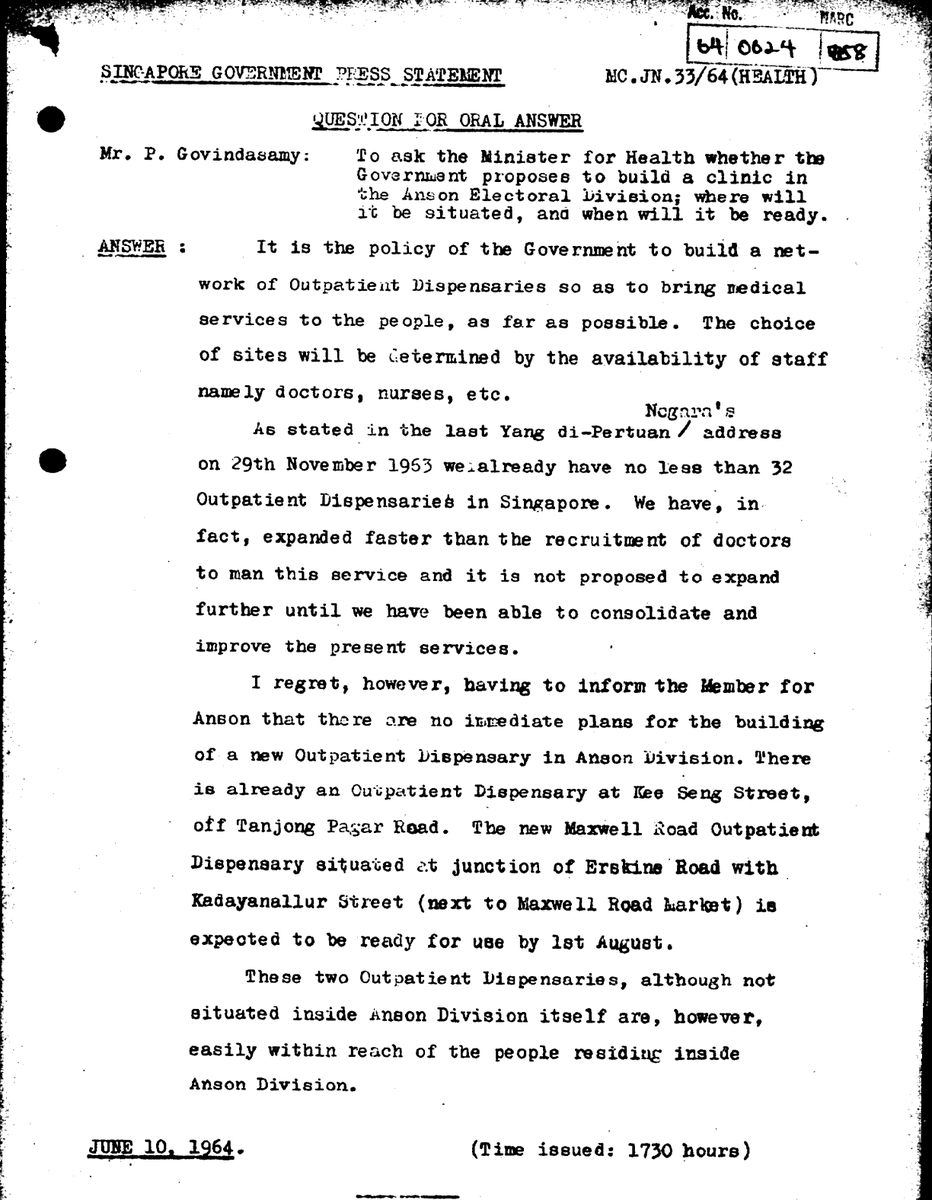
6/ The data proves this worked. Success metric?
They moved most primary care away from expensive hospitals to these clinics that former Health Minister Khaw Boon Wan called "low-hanging fruit."
High return on low investment.
They moved most primary care away from expensive hospitals to these clinics that former Health Minister Khaw Boon Wan called "low-hanging fruit."
High return on low investment.
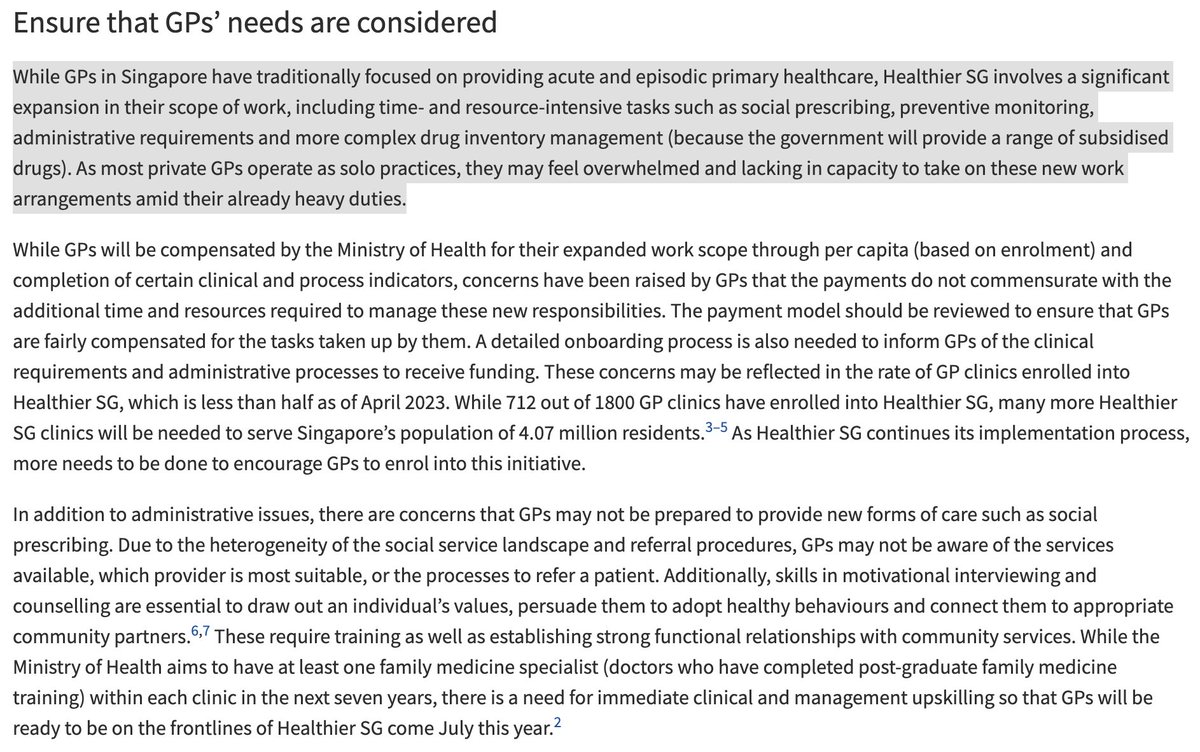
7/ 1983 was the inflection point. The first National Health Plan introduced Medisave.
Every employee contributes a portion of their monthly salary to a personal account.
After age 50, rates decrease. This creates individual responsibility without abandoning collective support.
Every employee contributes a portion of their monthly salary to a personal account.
After age 50, rates decrease. This creates individual responsibility without abandoning collective support.
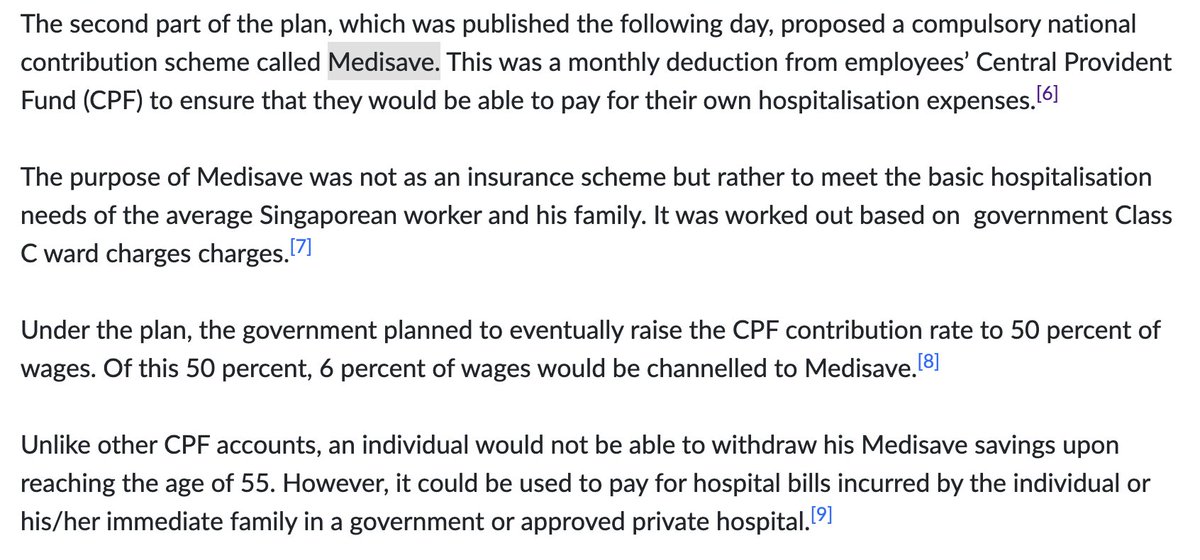
8/ What makes their hospital system unique?
Public hospitals have autonomy like private ones.
Their prices set a benchmark for private hospitals, and the government keeps control through MOH Holdings.
Result: Competition without chaos.
Public hospitals have autonomy like private ones.
Their prices set a benchmark for private hospitals, and the government keeps control through MOH Holdings.
Result: Competition without chaos.
9/ The price transparency experiment is fascinating:
All healthcare providers in Singapore must display their prices and outcomes so that buyers can assess the cost and quality.
Why? MOH published all hospital prices online.
Markets work when consumers have information.
All healthcare providers in Singapore must display their prices and outcomes so that buyers can assess the cost and quality.
Why? MOH published all hospital prices online.
Markets work when consumers have information.
10/ They solved the "free rider" problem with this solution:
• Basic clinic visit: 50 cents
• Doubled on holidays
(It's pricier now)
Small co-pays prevent abuse while maintaining access. When people paid for antibiotics, they finished the course instead of wasting them.
• Basic clinic visit: 50 cents
• Doubled on holidays
(It's pricier now)
Small co-pays prevent abuse while maintaining access. When people paid for antibiotics, they finished the course instead of wasting them.
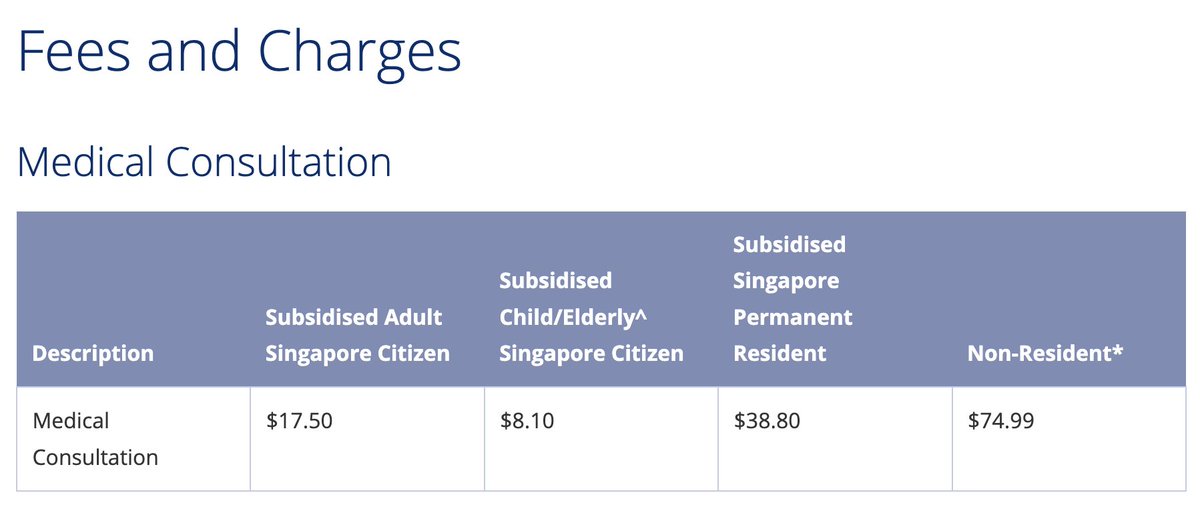
11/ Modern polyclinics are one-stop centers handling:
• Acute illnesses
• Chronic disease management
• Clinical laboratory services
• X-ray facilities
• Pharmaceutical services
All with coordinated care teams.
• Acute illnesses
• Chronic disease management
• Clinical laboratory services
• X-ray facilities
• Pharmaceutical services
All with coordinated care teams.
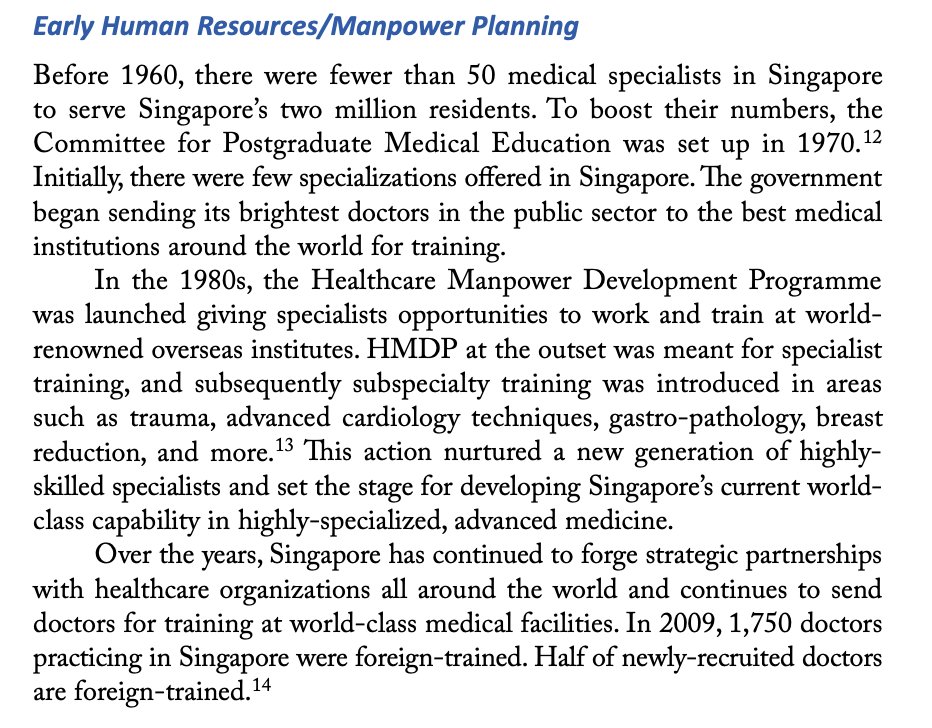
12/ They also solved workforce development systematically.
In 1970, they created Committee for Postgraduate Medical Education.
A decade later, they launched Healthcare Manpower Development Programme.
By 2009, they had 1,750 foreign-trained doctors integrated into system.
In 1970, they created Committee for Postgraduate Medical Education.
A decade later, they launched Healthcare Manpower Development Programme.
By 2009, they had 1,750 foreign-trained doctors integrated into system.
13/ Singapore's current system uses 3 layers of protection:
• Medisave (mandatory savings)
• MediShield (catastrophic insurance)
• Medifund (safety net for the poor)
Each layer has a specific role, preventing gaps while maintaining incentives.
• Medisave (mandatory savings)
• MediShield (catastrophic insurance)
• Medifund (safety net for the poor)
Each layer has a specific role, preventing gaps while maintaining incentives.
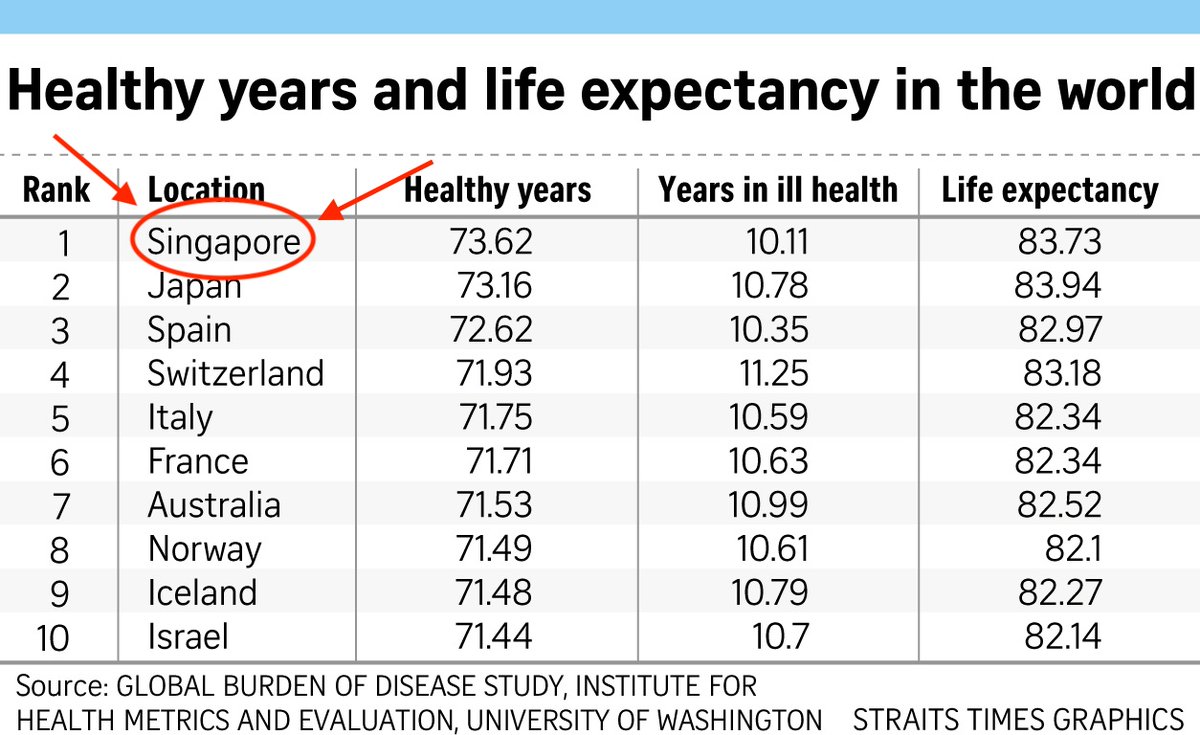
14/ The outcomes speak for themselves.
SGP has the world's highest healthy life expectancy (all while spending a fraction of GDP).
Not magic, but careful system design over 40+ years.
SGP has the world's highest healthy life expectancy (all while spending a fraction of GDP).
Not magic, but careful system design over 40+ years.
15/ So what would it take for the US to implement Singapore-style reforms?
We'd need to completely restructure incentives across the entire system.
Stay with me for just one more minute, and let me break it down 👇🏽
We'd need to completely restructure incentives across the entire system.
Stay with me for just one more minute, and let me break it down 👇🏽
16/ Mandatory health savings accounts that actually work.
Not the HSAs we have now (though those are great), but real accounts with:
• Higher caps
• Government matching for low-income workers
• Direct payment to providers
Not the HSAs we have now (though those are great), but real accounts with:
• Higher caps
• Government matching for low-income workers
• Direct payment to providers
17/ We need price transparency with teeth.
Singapore's MOH publishes every hospital's prices online and costs dropped immediately.
But they understood the key thing: you need both standardized coding and real-time price databases.
Half measures won't cut it.
Singapore's MOH publishes every hospital's prices online and costs dropped immediately.
But they understood the key thing: you need both standardized coding and real-time price databases.
Half measures won't cut it.
18/ The hard truth about insurance reform: First-dollar coverage must go.
Instead, we need:
• High-deductible catastrophic coverage for all
• Income-based co-pays
• Price caps on basic services
The insurance lobby will fight it, but Singapore proves it works.
Instead, we need:
• High-deductible catastrophic coverage for all
• Income-based co-pays
• Price caps on basic services
The insurance lobby will fight it, but Singapore proves it works.
19/ The most crucial piece: Government as system architect, not just payer.
This means regulating hospital expansion, managing doctor supply, controlling medical school seats, and setting price ceilings.
Not full control, but smart oversight.
This means regulating hospital expansion, managing doctor supply, controlling medical school seats, and setting price ceilings.
Not full control, but smart oversight.
20/ Critics will scream "socialism!" but they're missing the point.
Singapore's system is more capitalist than ours.
They just understood you need rules for markets to work.
Their healthcare costs 5% of GDP versus our 17%. That's not politics, that's math.
Singapore's system is more capitalist than ours.
They just understood you need rules for markets to work.
Their healthcare costs 5% of GDP versus our 17%. That's not politics, that's math.
fin/ Could the U.S. implement these reforms?
Politically, it would be incredibly difficult. But with healthcare bankrupting families and crippling businesses, we're running out of alternatives.
The Singapore model isn't perfect, but it's better than what we have now.
Politically, it would be incredibly difficult. But with healthcare bankrupting families and crippling businesses, we're running out of alternatives.
The Singapore model isn't perfect, but it's better than what we have now.
RT the thread if you found it valuable.
A bit about me:
I founded @truemedpayments, @kettleandfire, and @drinksurely. Follow me to read more about health and startups.
A bit about me:
I founded @truemedpayments, @kettleandfire, and @drinksurely. Follow me to read more about health and startups.
https://twitter.com/139193277/status/1907101412649234781
• • •
Missing some Tweet in this thread? You can try to
force a refresh