Alessandro Palombo Profile picture
Apr 10, 2025 18 tweets 6 min read Read on X
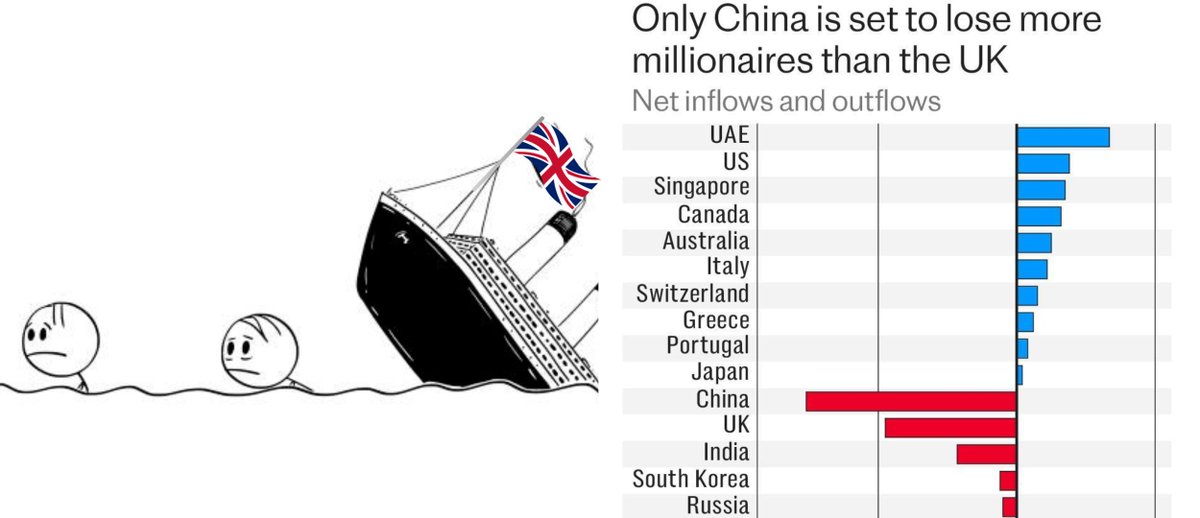
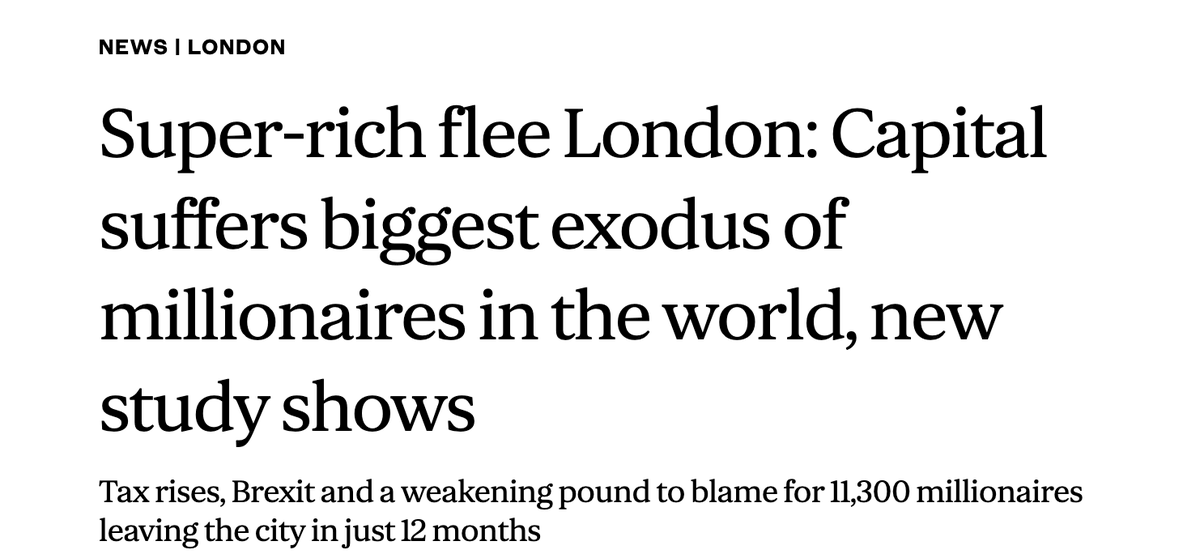
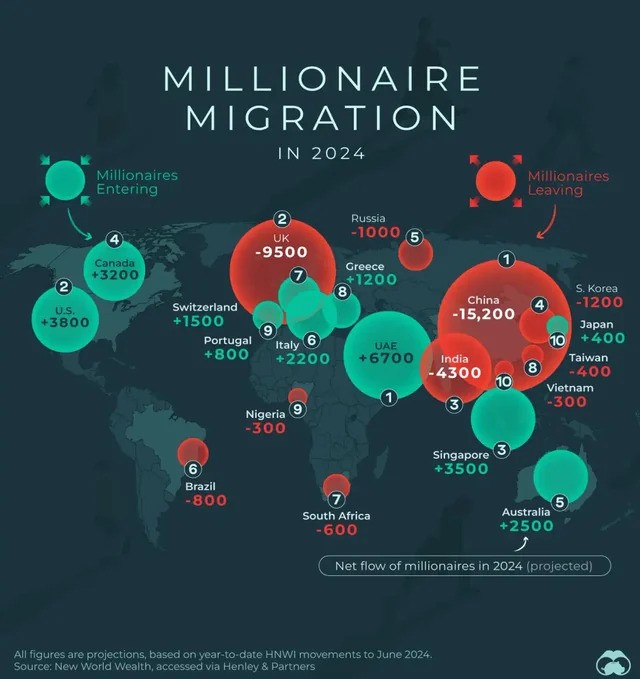
🚨 It's official: UK millionaires are fleeing in record numbers.

In 2024, the UK ranked second only to China in wealth exodus – ahead of even India.

But where exactly are these millionaires going and why?

Here's what the data shows (and what it means for the future of global wealth):🧵Image
The Henley Private Wealth Migration Report confirms it:

UK is hemorrhaging high-net-worth individuals at an accelerating rate – one of the largest outflows of high-net-worth individuals in the world.

And 2025 projections? Even worse.

This isn't slowing down anytime soon. Image
"I'm never going back to the UK."

That's what a Web3 founder told me in Lisbon last month.

The reason?

- Sky-high taxes
- Runaway living costs
- Growing safety concerns
- Collapsing public services

I hear this everywhere now. It's the new normal...
So where is all this wealth flowing?

Here are the top 5 destinations attracting millionaires in 2024:

1. 🇦🇪 UAE: 6,700
2. 🇺🇸 USA: 3,800
3. 🇸🇬 Singapore: 3,500
4. 🇨🇦 Canada: 3,200
5. 🇦🇺 Australia: 2,500

Each offers something unique. Let's break them down:
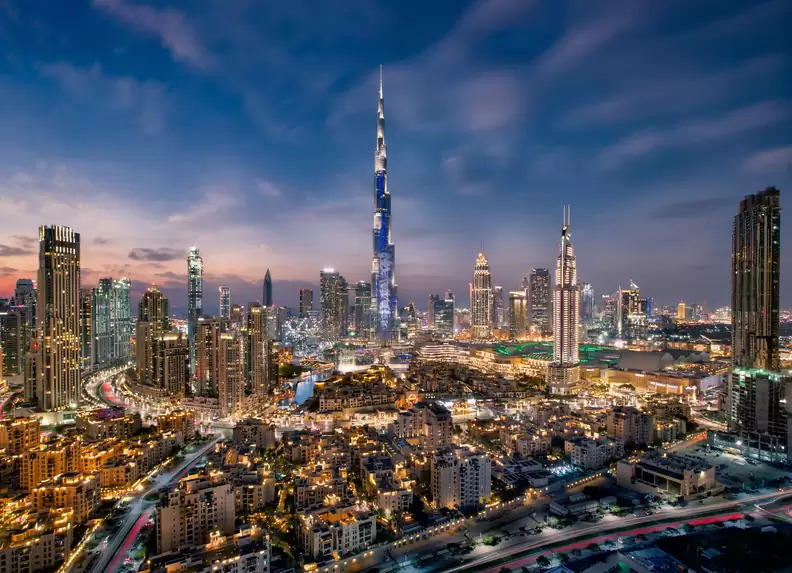
1. 🇦🇪 UAE: The Zero-Tax Haven

The clear winner with 6,700 millionaires expected to relocate there in 2024.

- Zero income tax (the big one)
- Golden Visa program
- Luxury lifestyle
- Strategic global location
- Sophisticated wealth management

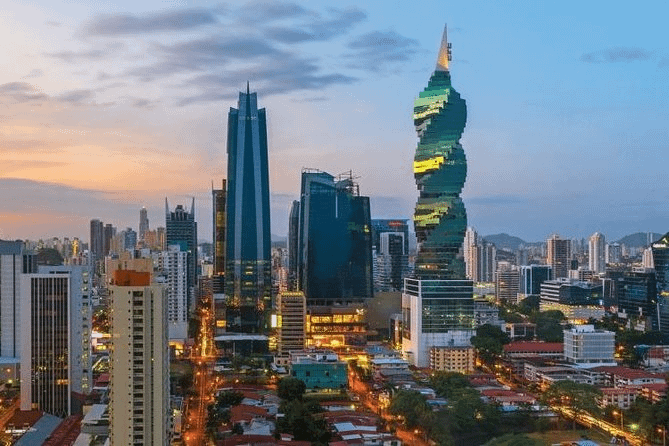
Tax efficiency at its finest. Image
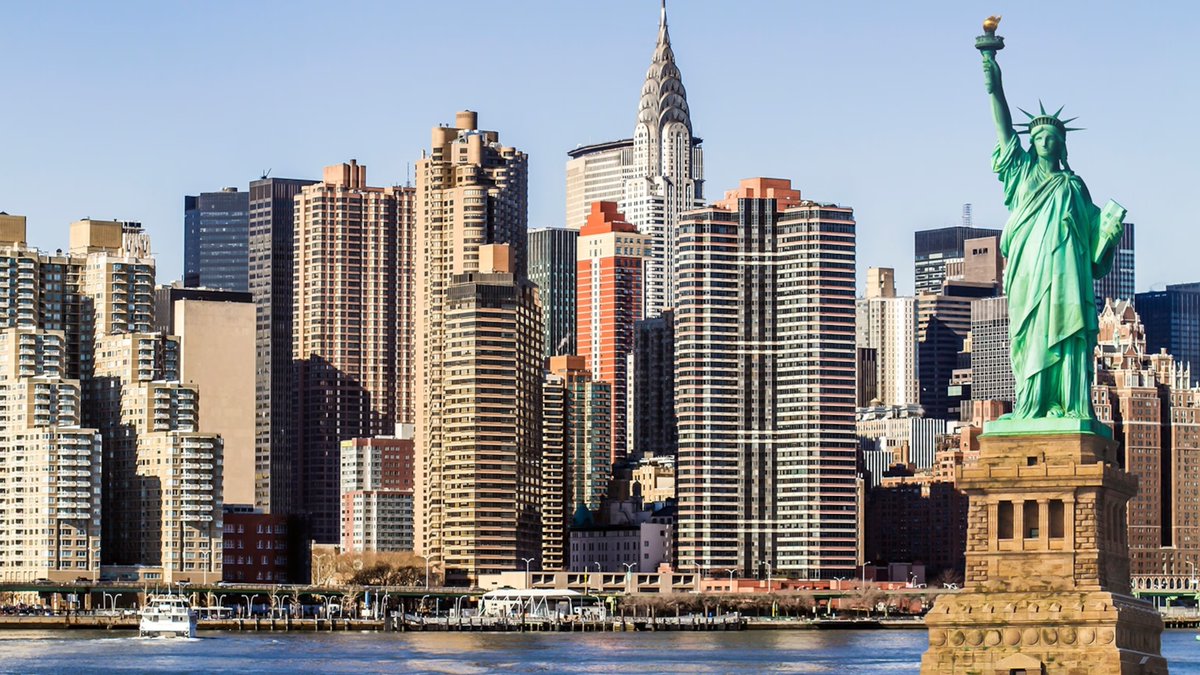
2. 🇺🇸 USA: Still the Land of Opportunity

Despite higher taxes, America draws 3,800 millionaires, due to:

- HNWI population growth: +62% over 10 years
- Unmatched economic scale
- Industry hubs (tech, finance, entertainment)
- Network effects of wealth concentration

Opportunity trumps tax efficiency here (for now...).Image
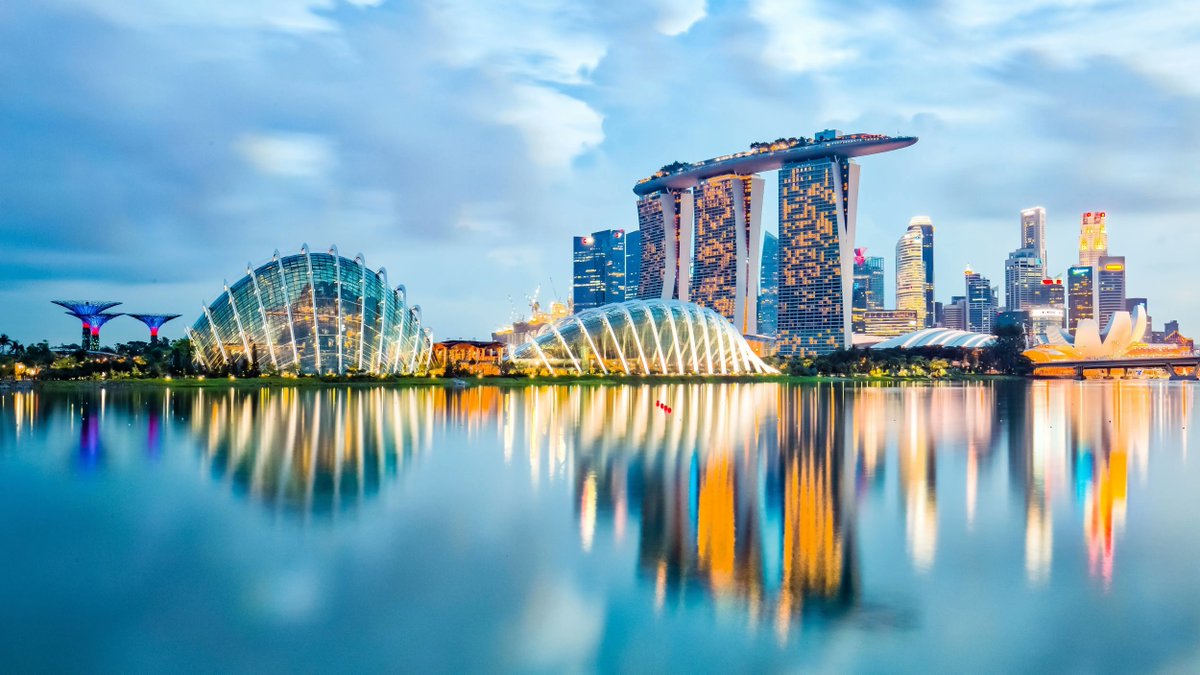
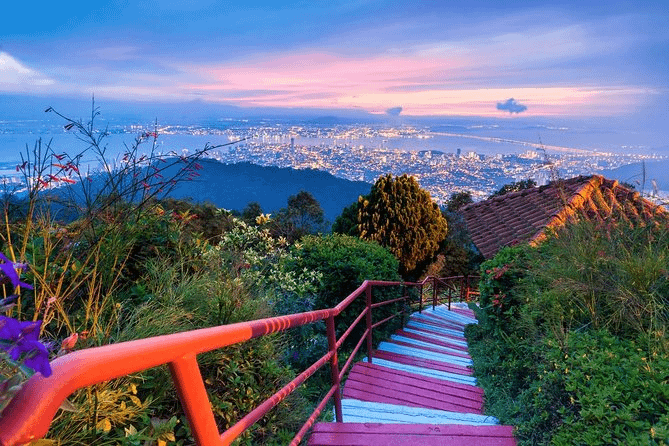
3. 🇸🇬 Singapore: Asia's Wealth Hub

Singapore has masterfully positioned itself as the financial center of Asia, attracting 3,500 millionaires with:

- Rock-solid financial stability
- Low personal income tax
- No capital gains tax
- Gateway to Asian markets

The Switzerland of Asia.Image
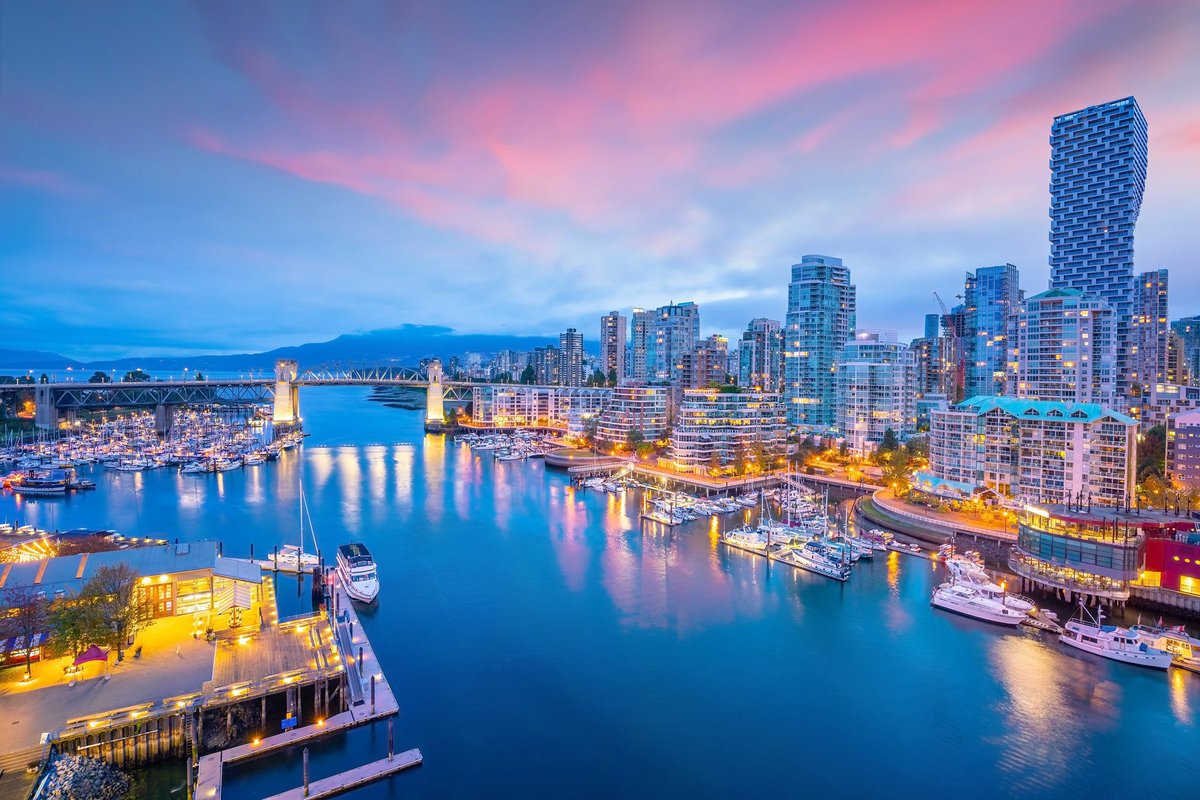
4. 🇨🇦 Canada: The Safety Play

Canada draws 3,200 millionaires seeking:

- Exceptional safety and security
- World-class healthcare and education
- Banking system stability
- HNWI growth: +29% over 10 years

Quality of life seems to compensate for higher taxes. Image
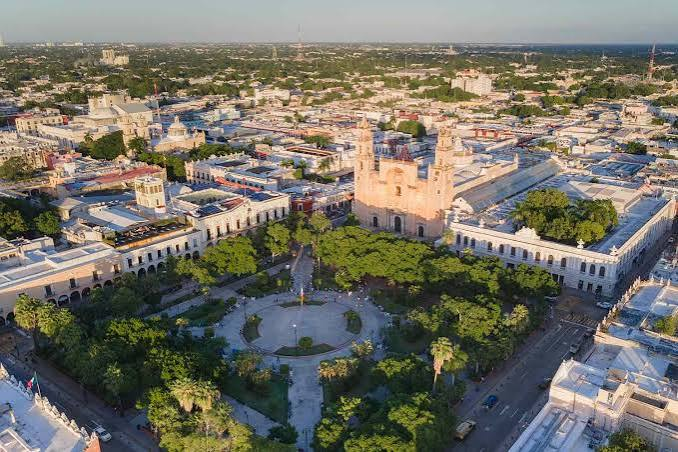
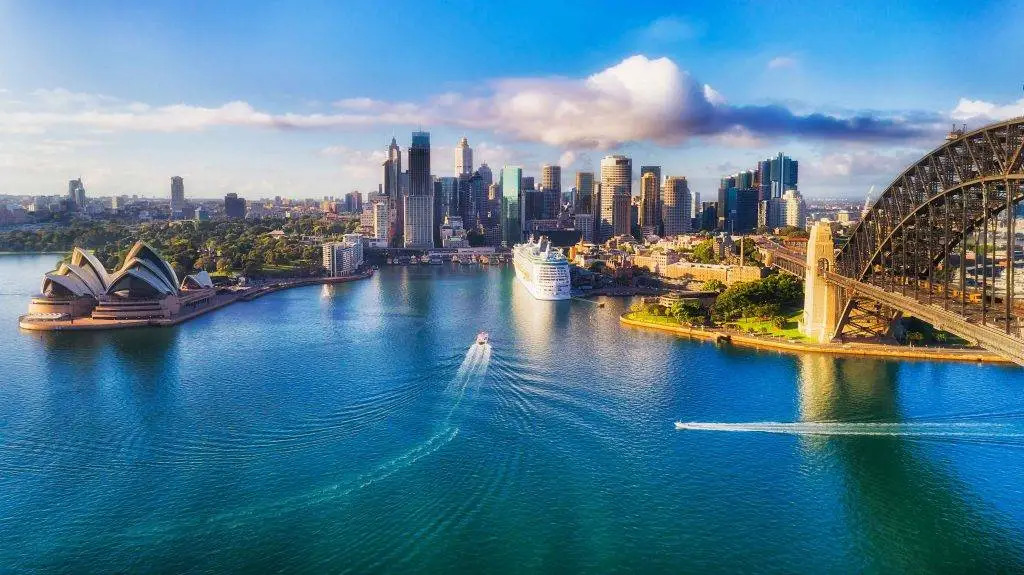
5. 🇦🇺 Australia: Lifestyle + Security

Australia rounds out the top five with 2,500 millionaires, attracted by:

- Climate and lifestyle benefits
- Safety and low crime
- Strong economy
- HNWI growth: +35% over 10 years

The ultimate lifestyle upgrade with a stable base. Image
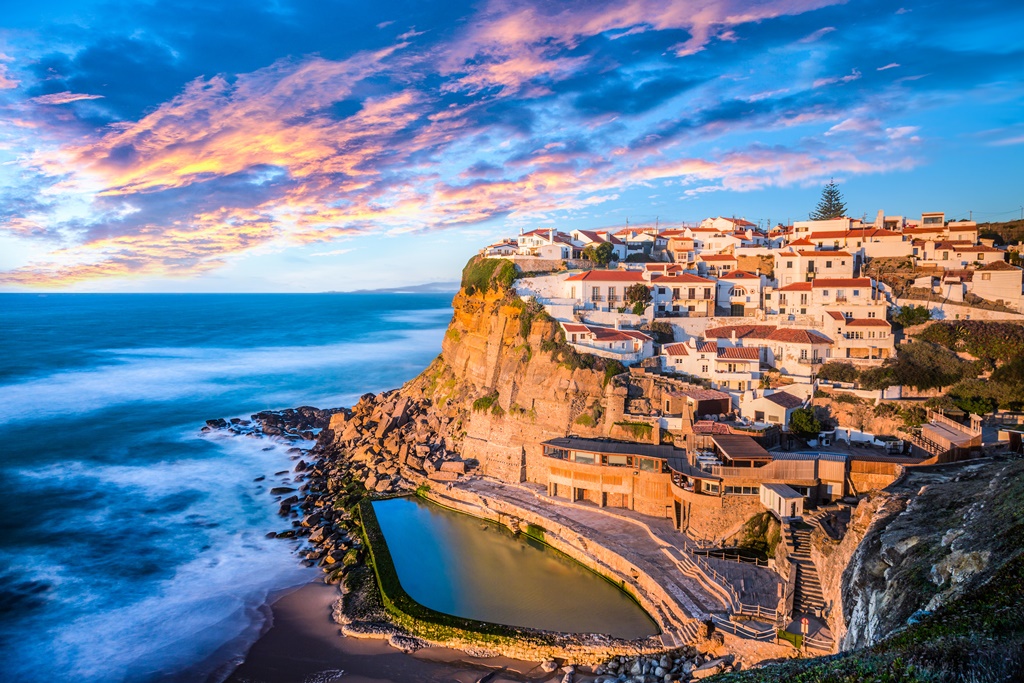
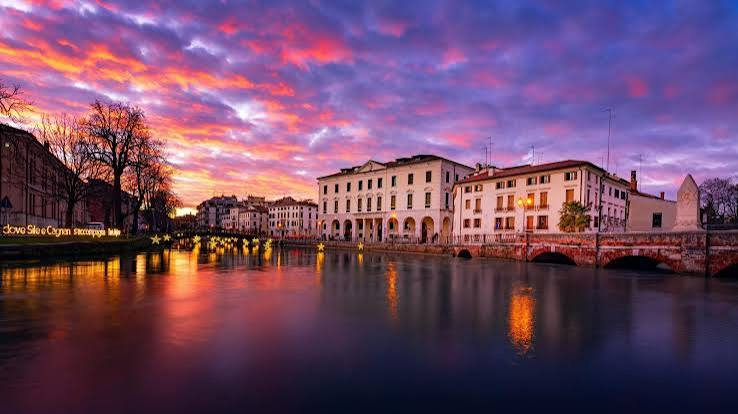
Europe still offers compelling alternatives for those not wanting extreme relocations:

🇵🇹 Portugal: Golden Visa + IFICI (NHR2.0) tax regime, European access

🇪🇸 Spain: Beckham Law tax incentives, Mediterranean lifestyle

🇪🇸 Canary Islands: Spanish jurisdiction with better climate and lower costsImage
"The UK is in a death spiral."

Not my words. A recent UK relocator I spoke to gave this blunt assessment.

Why?

- Taxes up, services down
- Political chaos, policy U-turns
- Investor-hostile tax changes
- Family quality of life crashing

Why endure this when alternatives exist? Image
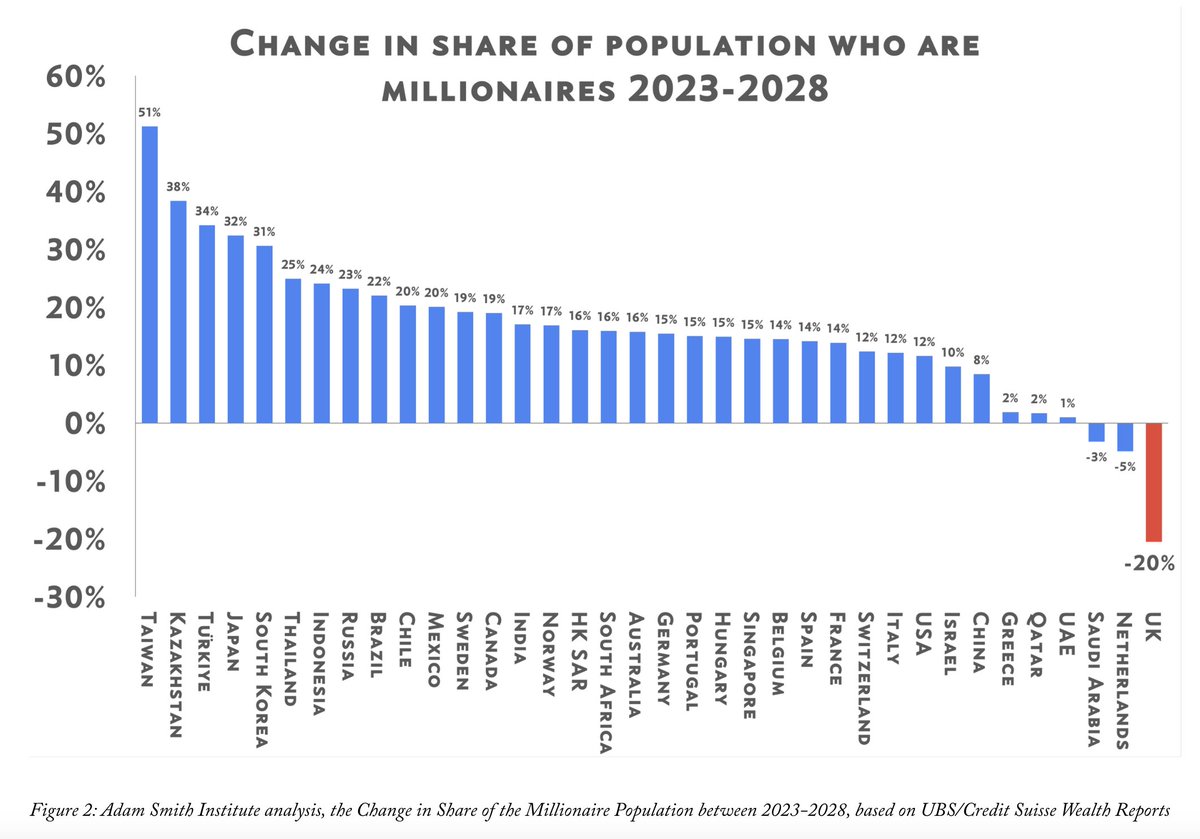
This isn't just about individual choices – it's about structural economic consequences:

When wealth leaves:

- Investment capital vanish
- Job creators leave
- Startup founders flee
- Global competitiveness erode

This has become an existential issue for the UK and Europe more broadly.Image
All indicators suggest this isn't a temporary blip but a structural shift.

HNWIs have new priorities:

- Tax matters, but isn't everything
- Quality of life now dominates decisions
- Political stability is non-negotiable
- Family prospects drive location choices

The game is changing drastically and the UK is already behind.Image
What does this mean for you?

Whether you're considering a move or just interested in where opportunity is flowing:

1. Options are expanding globally
2. The calculation goes beyond just tax now
3. Network effects matter – wealth attracts more wealth

The question isn't just where they're going, but why.
I'd love to hear your thoughts on this wealth migration trend.

Are you considering relocating? Have you already made the move?

What factors would be most important in your decision?

Let me know in the comments 👇
P.S. For weekly actionable tips on how to unlock financial freedom for you and your family, join my newsletter!

Join here:
palombo.substack.com
Thank you for reading!

For more posts and insights on the future of global citizenship, follow @thealepalombo

And repost this to share with your audience:
P.S. For weekly actionable tips on how to unlock financial freedom for you and your family, join my newsletter!

Join here:
alepalombo.com

• • •

Missing some Tweet in this thread? You can try to force a refresh

 

Keep Current with Alessandro Palombo

Alessandro Palombo Profile picture

Stay in touch and get notified when new unrolls are available from this author!

Read all threads

This Thread may be Removed Anytime!

PDF

Twitter may remove this content at anytime! Save it as PDF for later use!

Try unrolling a thread yourself!

how to unroll video
  1. Follow @ThreadReaderApp to mention us!

  2. From a Twitter thread mention us with a keyword "unroll"
@threadreaderapp unroll

Practice here first or read more on our help page!

More from @thealepalombo

Jul 4
Everyone who has stood on a Greek island in August has thought the same thing. I could live here.

You couldn't. Not that island, not the way it was that day.

The island you fall for in August is a different place in February. Half the tavernas shut, the fast ferry cancelled three days running, the nearest real hospital a helicopter ride away.

I'm Italian, and Greece has been my second country for years, summer and winter. So I asked the only question that matters if you want to move and not just visit: which Greek islands are real towns all year round?

8 islands where you can actually live all year. Work, raise kids, retire, and not feel trapped when the boats stop.

Parents always ask me one thing first: can any of them school the kids in English? That answer surprised me too.

Thread 🧵Image
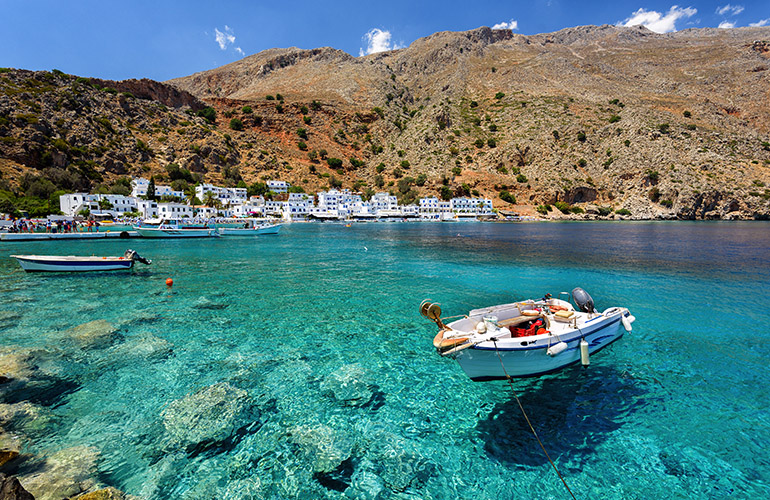
Turquoise waters hug rugged cliffs surrounding a secluded beach, dotted with boats under a clear sky, showcasing natural beauty.
A sunlit Greek island features white cliffs surrounding a turquoise bay, with people swimming and sunbathing along the shore.
A tranquil Greek island bay at sunset, featuring boats, sunbeds, and a rocky shoreline under a vibrant sky.
Full disclosure: I'm doing this for myself. My wife and I are comparing Spain, Italy, Greece and Portugal for a European base. Everyone I talk to wants the same thing now, a base, not a holiday, judged on what actually decides a life: real estate, geography, culture and tax. After rural Italy, this is Greece's turn, the islands first.

Starlink killed the bandwidth problem here in 2023. The island that ran on a trickle now runs on 150+ Mbps, so for the first time you can earn a mainland salary from a rock in the Aegean.

The tax helps too. Greece's 7% flat tax for foreign pensioners has no town cap and no island cap. Live on Crete or on an island of 8,000 people, the rate is the same: 7% on all foreign income for fifteen years. Italy caps its version at small southern towns. Greece lets you live anywhere.

But here is where the dream dies. People pick the island in August and pay for it in February: the ferry in a gale, the clinic that calls itself a hospital, the village that empties on October 15.

So I screened for winter, not summer.Image
Four tests. An island had to pass all four.

A link the weather cannot cut for days. A ferry you can trust in winter, or daily flights, ideally both.

A real hospital, not a health center with a brave name. Anything serious on a small island means an air evacuation to Athens, and the helicopter does not fly in the storm that hurt you.

An economy that isn't only August. Farming, shipping, a university, a regional government. If the only industry is the season, the island is dark for eight months.

A place you can actually inhabit in winter: a community that stays, and a house you can rent for twelve months, not five.

I tagged the obvious ones and the unknown ones. Family notes at the end, schools included, because that one genuinely surprised me. From the safest bet to the most remote.Image
Image
Read 27 tweets
Jun 18
Last weekend I mapped 12 rural areas of Italy where you can buy a house with land and still be an hour from a real city. One reply kept coming back: what about the coast?

This is part two. Same method, pointed at the sea.

My wife still sends me a single photo of a house in Italy, no caption. Same question every time: why don't we own one of these yet?

14 rural coastal towns where you can still buy near the water, still be 30 minutes from a real city, and still pay a price set by locals, not the second-home market.

Some you know. Some you don't. And seven now come with a tax rate so low it sounds made up.

🧵Image
Image
Image
Why this is the moment, in three points:

Starlink killed the bandwidth problem. Fishing villages that ran on 2 Mbps now run on 150+. The coast is no longer offline.

Autonomous driving will kill the distance problem. Thirty minutes you can work through is not a commute, it's an office with a beautiful sea view. Everything half an hour out from a real city will get repriced. The market hasn't done it yet.

And the third reason is specific to the South. In April 2026 Italy raised the cap on its 7% flat tax to towns under 30,000 residents across eight southern and island regions. A foreign retiree who moves there pays 7% on ALL foreign income for ten years. Seven of the fourteen towns on this list now qualify. The paper repricing happened this spring. The market repricing hasn't started.

Keep your business where it is. Or retire on the sea at a 7% rate. Or build from a harbor with Starlink. The pattern works in all three directions.Image
Image
Image
I screened the entire Italian coastline. Most of it failed.

Four hard rules, in order:

1. A real city within 30 to 45 minutes. Hospital, train, airport. Because the romance fades the first time you need an emergency room.
2. Real village character on the sea. A working harbor, an old town, a park behind it. Not a concrete resort strip poured in 1975, a Magnum P.I. wannabe.
3. Property still priced as a local transaction, not by international second-home money.
4. A coastal hinterland where you can actually find houses, casali, rustici if that's what you like.

One remark: the prettiest coastal towns are clifftop villages with pricey sea-view villas. That's not rural. If you want the rural experience, look 20 minutes inland, where the proper houses still are.

Every town is tagged: the obvious ones and the unknown ones. I flag the 7% tax where it applies, and I flag the kids angle at the end.

Here's the map.

P.S. This is the short version, and it's only 8 of the 14. The full list, with the deep breakdowns, what I'd pay, and the listings I found while researching, publishes on my Substack next week.

Subscribe to get it: palombo.substack.com

We start in Tuscany. On purpose.Image
Read 25 tweets
Jun 13
My wife and I keep having the same conversation.

It starts with one of us showing the other a stone farmhouse somewhere in rural Europe. It ends with the same question: why don't we own one yet?

Owning doesn't mean living there full-time. That's the part people get wrong. A base you use four months a year changes your life more than an apartment you use twelve.

So this time, instead of talking, I did the homework.

12 rural areas of Italy where you can buy a house with land, build a small farm, and still be an hour from a real city. Some are obvious names. Some you've never heard of. All of them are underpriced for what they are.

Real places, picked on my own taste, from someone who's actually Italian.

🧵Image
Image
Image
Image
First, why this is the moment:

- Starlink solved bandwidth. I own one, and being able to connect from anywhere is priceless.
- Autonomous driving will redefine what distance means. Still underrated: “one hour from a city” will mean something completely different in a few years. Dozens of places nobody looks at today suddenly open up. You’ll sip a coffee, work, or read while your car drives.
- It’s an economic shift, too. You can build from there on your own terms. And without leaning on UBI or anything like it, suffice it to say we’re no longer in the ancient Roman age when these places were just for summer relaxation.

Retirees, FIRE, remote workers, indie hackers: this thread is for you. But here's a bolder claim, admittedly unsubstantiated for now: some of the first one-person billion-dollar companies will be built from places exactly like these. AI gives the leverage, the network lives online, you fly when it matters.

High-performance teams no longer need an expensive zip code. They need focus. And if taste is becoming part of the moat, working from a beautiful place is an edge of its own.

That's how I think about it, at least.Image
Image
Image
Three hard rules, in order:

- A real city within 1 hour. Hospital, jobs, train, airport. This is what 80% of you will actually need, whether it's for kids or just for something to do. And don't underestimate cultural proximity.
- Real agrarian heritage. A product with a real market behind it: DOCG wine, DOP oil, truffles, saffron. To me this is the thing that makes an area feel alive instead of just pretty.
- Houses with land actually for sale, at prices that make sense.

One thing I learned: "underpriced" doesn't mean cheap compared to yesterday. It means the farm-with-land purchase is still a local transaction. Even in world-famous regions, the rural land an hour out still gets bought by locals, mostly farmers, almost never by the international market. That's the window we're looking for.

Each area is tagged: the obvious ones, the unknown ones. If you're moving with kids, I flag that at the end too.

Here's the map. Now let's go area by area, starting one hour from Rome.

P.S. This thread is the short version, and it's only 8 of the 12. The full list with the deep breakdowns publishes on my Substack next week.

Subscribe to get it:
palombo.substack.comImage
Image
Read 26 tweets
Jun 9
At least 180,000 Americans left the US in 2025. Most picked their European city from a YouTube video.

I'm Italian. I've watched this wave land for a decade, and I talk to all of you every week. Some are thriving. Many move back within 2 years, tens of thousands of dollars lighter.

What the video leaves out: there's no such thing as "the American abroad." A New Yorker often wants something different from a Californian. And a retiree, a founder , a tax-sensitive family, a remote worker each needs a different country. There's no best city in Europe, only the one that fits you.

The places everyone dreams about, Tuscany, Paris, are the ones where expats end up least happy. Visiting isn't living.

Here's the 2026 map. 10 unusual winners where Americans actually thrive, each tagged with who it's for, based on my own taste.

🧵Image
Image
Image
First, five things decide whether you thrive or wash out. None show up in the photos.

- The tax treaty. The US taxes you on citizenship, so the treaty you live under matters more than the rent. Some protect your Social Security, 401(k), even Roth. Some shred them.
- Where your money comes from. Dollars earned, euros spent: that's the pattern that thrives. Keep your US income and the options open up. Earn locally and the whole map changes.
- Not all visas are equal. Every country has its own quirks, so check how easy it really is, and how flexible. Some give you optionality (the Italian investor visa), others lock you in.
- The language. Not every language even shares your alphabet, which makes some far harder. And sure, in the Netherlands everyone speaks English. Try that in Sicily.
- The community. Some places open up day one. Some have a solid expat base to land in. Some cultures just take longer.

A retiree, a founder and an investor are solving different problems, so take this as directional, not a rulebook. Indeed, one rule sits above all of it.

Your own taste. The place where you actually enjoy life, trade-offs and all.

Let's go.Image
Image
Image
1/ Lyon, Toulouse, Montpellier 🇫🇷 France's second cities.

€800–1,200 a month for a 1BR across the three. The long-stay visitor visa is refreshingly simple: about €1,450/mo of income, no job required. Flights from LYS, TLS or MPL. The treaty below is the real reason to come.
Best for: retirees and asset-heavy Americans who want Europe's best tax treaty.

What almost nobody mentions: for Americans, the US-France tax treaty is the best one there is. Your Social Security, your 401(k) and IRA withdrawals, even your Roth, taxed by the US and left alone by France.

The Roth keeps its tax-free status, which almost nowhere else honors. You file in France, you pay in the US, done. France doesn't tax wealth held as savings or investments at all, only real estate over €1.3M, and even then new arrivals get a 5-year pass on property they own abroad. So you can sit in Lyon paying American tax rates, with French healthcare and a fast train to anywhere.

Here's the signal I'd watch. Even the French are moving back, especially to the south. I see it very often. You don't go there for culture or career, you go for the daily life, and down there the daily life is absurdly good.

Montpellier hands you one of Europe's largest car-free old towns with the Mediterranean fifteen minutes out. Lyon is the food capital of the country, the bouchons, the Paul Bocuse market. Toulouse does golden hour on the banks of the Garonne, a bottle of wine going round. Everyone I know who's made the move is happier for it. When the locals are choosing it on purpose, pay attention.

The catch is the French. You have to learn it, and outside the big international employers nobody switches to English for you. One more thing: from 2026, visitor-visa holders pay a new health contribution, roughly €300–600 a year before public cover kicks in (the decree isn't final yet). Paris I left off on purpose. More later.Image
Image
Image
Image
Read 17 tweets
Jun 4
What are the best cities to live in for the weather alone?

Sounds almost too trivial to ask. But I know more than a few people who make it their #1 filter, picking where to live around the climate, above taxes, cost, and even career. Call it "weathermaxing." I'll admit I may be one of them.

And funnily enough, someone once put hard numbers on it. Back in 1996, a study scored 600 cities on what humans genuinely find pleasant. Only one earned a perfect 100 out of 100, and it's a place most people never even think to consider.

What I looked for is the mid-warm sweet spot: mild winters, summers that never become a furnace, pleasant all 12 months.

I mapped the best ones, only to realize I have friends in almost all of them. In retrospect, not a coincidence.

A couple will surprise you. Let's start with that perfect-100 winner.

🧵Image
Image
Image
First, let's agree on what "mid-warm" actually means because this is where most "best weather" lists get vague.

The "weathermazing" target band:

- Daytime highs roughly 18-27°C almost every month. Not too cold, not too hot.
- Nights that rarely drop near freezing
- No grey, dark, sub-10°C winters
- No brutal 35-40°C summers either

There are two enemies to dodge, not one.

Enemy 1: the cold. Most of Europe, the US northeast, anywhere with a real winter. Personally, the thing I hate most.

Enemy 2: the furnace. Inland Spain, the Gulf, Cyprus, most of SE Asia at sea level. The kind of heat that sits at 40°C with high humidity for months, where you could fry an egg on the pavement.

A true mid-warm climate dodges BOTH. That's a narrow needle to thread, and shockingly few places on earth manage it.

Here are the ones that do.

Let’s go.Image
Image
Image
1/ Las Palmas de Gran Canaria 🇪🇸

The "perfect 100" city from that 1996 study.

- Winter days ~21-22°C. Summer days ~25-28°C. That's the entire annual range.
- ~2,800 hours of sunshine, one of the sunniest cities in Europe
- EU soil, Spanish digital nomad visa, English widely usable in nomad circles
- Solo budget: ~€1,300-1,800/month

The Canaries are literally nicknamed the "Islands of Eternal Spring." Sit on the Atlantic at the latitude of the Sahara, and the ocean keeps everything at a permanent gentle simmer.

I have a friend living there, and he says the same thing every time: it's like being in a perfect summer that never ends. He's genuinely, almost annoyingly happy about it.Image
Image
Image
Read 24 tweets
May 24
Where to live in Europe with family in 2026, tax-optimised?

12 picks for 12 distinct kinds of family. This is Part II: 6 cities + the framework.

What I'm filtering for:

- Taxes
- Safety
- International schools availability
- Healthcare
- An airport within 2 hours
- Stability

Affordable picks and expensive ones. The ones I'd actually move to are not the ones on most lists.

I'm Italian. Living in Portugal with my wife for a few years. I've run this spreadsheet across the continent many times.

🧵Image
Image
Image
First, a quick recap of Part I for those who landed here first.

1/ Istanbul, Turkey, 20-year zero on foreign-source income (Parliament just approved it).

2/ Lugano, Switzerland, the Italian-speaking Swiss entry. Structural 0% capital gains on private movable assets.

3/ Luxembourg City, one of the EU's best portfolio CG plays. 0% on shares held 6+ months.

4/ Limassol, Cyprus, structural 0% CG on securities (section 8(22)) + a 17-year non-dom regime stacked on top.

5/ Andorra la Vella, 10% flat income tax. Broad CG exemption for diversified portfolios.

6/ Milan, Italy, Impatriati 2024 reform: 50% income tax exemption for 5 years (60% with a minor child).

Full math, schools, neighborhoods, and the framework in Part I.

Now to Part II. Let's go.
7/ Portugal (Cascais area, Ericeira, Porto. Not Lisbon)

Still a great option, and contrary to what people think, it'll remain an option for many. The tax exemption regime is still viable. Plus 0% on crypto held over 365 days.

Before getting to lifestyle, important notes. There are nuances though.

NHR is gone for new arrivals. IFICI replaces it ("NHR 2.0"). 20% flat IRS on Portuguese-source income for 10 years, for "highly qualified" activities only: scientific R&D, certified tech startups, higher ed, specific professions in certified employers. Foreign-source income mostly exempt.

A typical remote-salary setup doesn't fit out of the box. IFICI needs proper structuring (a Portuguese company servicing foreign clients, or a certified employer in a qualifying activity).

Still, I personally know people validly running it in 2026, and they're happy with the math. The paradox: IFICI has become more optimised for higher-income earners and entrepreneurs with foreign companies or funds. Where NHR was broadly accessible, IFICI rewards proper structuring.Image
Image
Image
Read 20 tweets

Did Thread Reader help you today?

Support us! We are indie developers!


This site is made by just two indie developers on a laptop doing marketing, support and development! Read more about the story.

Become a Premium Member ($3/month or $30/year) and get exclusive features!

Become Premium

Don't want to be a Premium member but still want to support us?

Make a small donation by buying us coffee ($5) or help with server cost ($10)

Donate via Paypal

Or Donate anonymously using crypto!

Ethereum

0xfe58350B80634f60Fa6Dc149a72b4DFbc17D341E copy

Bitcoin

3ATGMxNzCUFzxpMCHL5sWSt4DVtS8UqXpi copy

Thank you for your support!

Follow Us!

:(