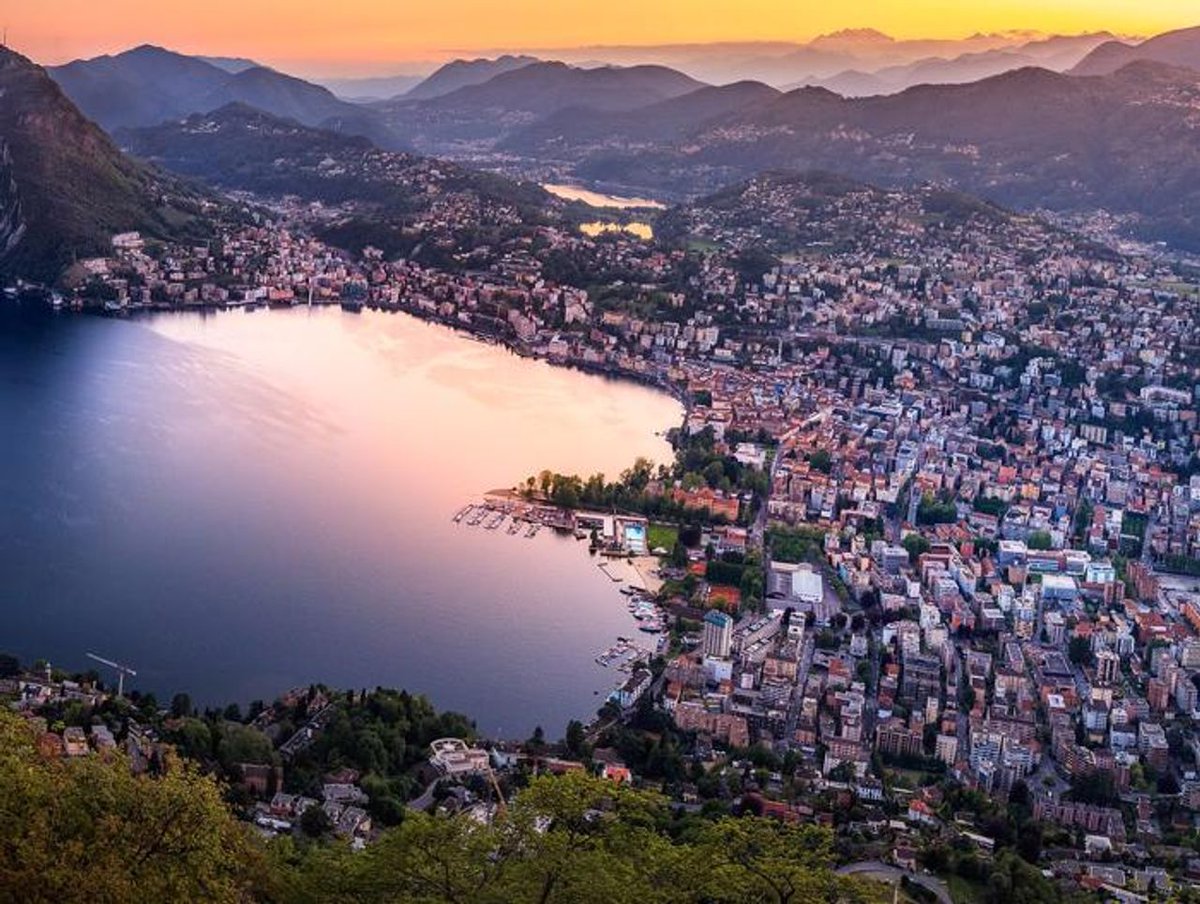
Alessandro Palombo Profile picture
The Citizenship Guy. Bitcoin citizenships & residencies 🇮🇹🇵🇹 @Bitizenship. 1× weekly frameworks for global living ↓
May 2 22 tweets 26 min read
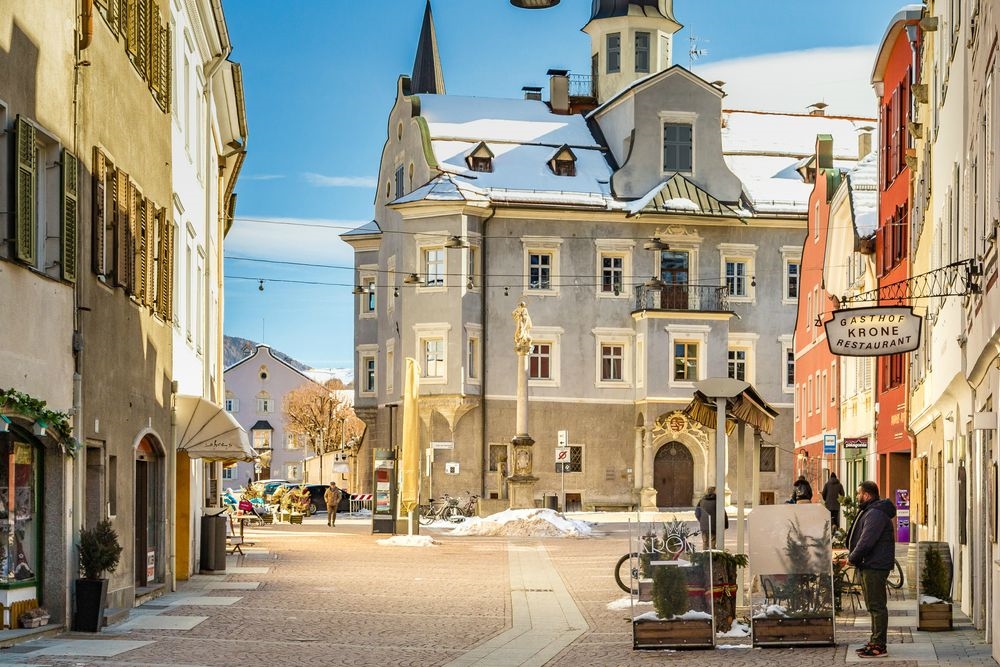
Everyone praises the Swiss Alps.

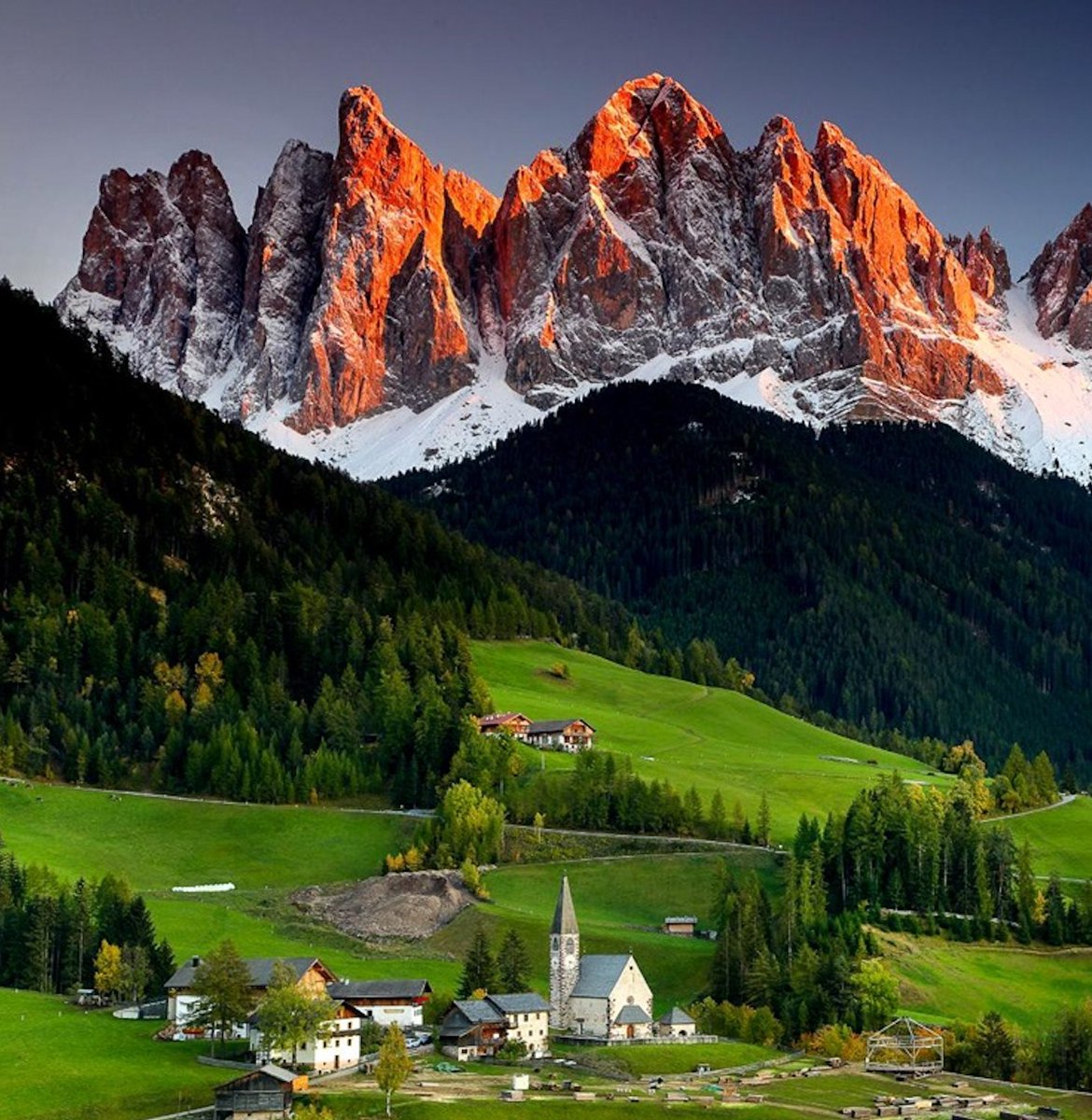
Almost nobody talks about the Italian ones. Which is strange. The Dolomites are on the Italian side.

Same Mont Blanc and Matterhorn views. Better food. Better wine. Top-tier healthcare. Real working towns where Italians actually live year-round.
And property at a third of the Swiss price.

One of the most underpriced retirement lifestyles in Europe.

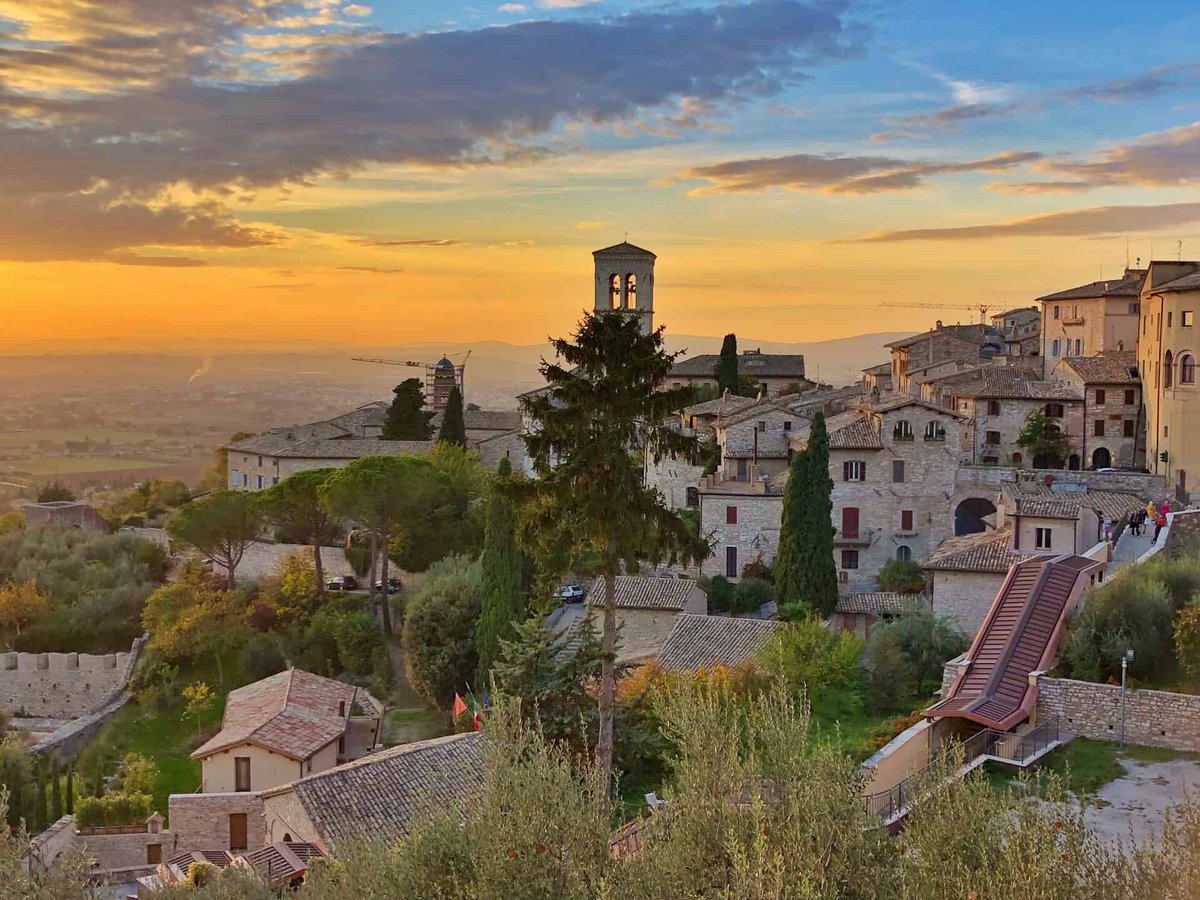
Here are 11 alpine towns to actually retire to.

6 in the Dolomites, 5 in the Western Alps.

🧵Image
Image
Image
First, why that? It's mostly a marketing story.
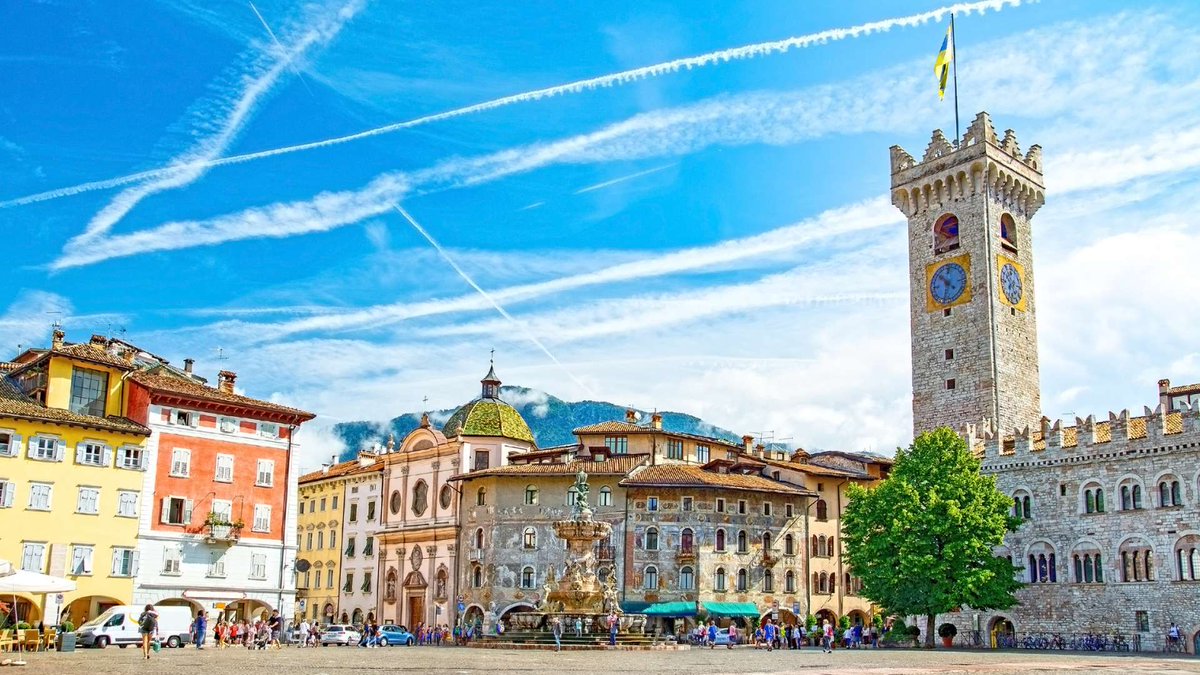
To be clear: the Swiss reputation is fully earned. World-class healthcare, infrastructure, public services, the Alps as national identity. They built something extraordinary, and they deserve every bit of it. The point isn't that Switzerland is overrated.

The point is that Italian alpine country sits at almost the same level on most lifestyle dimensions, and almost nobody outside Italy talks about it.
Switzerland and Austria spent the 20th century branding themselves as alpine destinations. Italy never did. Italians treat their mountains as a place to live, not a product to sell.

The asymmetry is striking. The Italian Dolomites (UNESCO heritage, 18 mountain groups, hundreds of peaks above 3,000m) see a fraction of the international attention of a single Swiss canton. Mont Blanc has two sides: the French (Chamonix) marketed globally for a century, the Italian (Aosta Valley, Courmayeur) quieter, cheaper, equivalent views.

For a retiree, that asymmetry is a gift. World-class alpine without world-class prices.

How I built this list: I called friends from the North for ground-truth on what daily life actually looks like (bakery hours in February, which hospitals work, where the locals send their parents). Merged with my own years in the Italian Alps and Dolomites. Cross-checked against the data: Sole 24 Ore Qualità della Vita rankings, ISTAT population, regional healthcare scores, real estate platforms.

11 towns. The output of those findings.Image
Image
Image
Apr 29 22 tweets 21 min read
I've been covering Italy's hidden cities for a while.

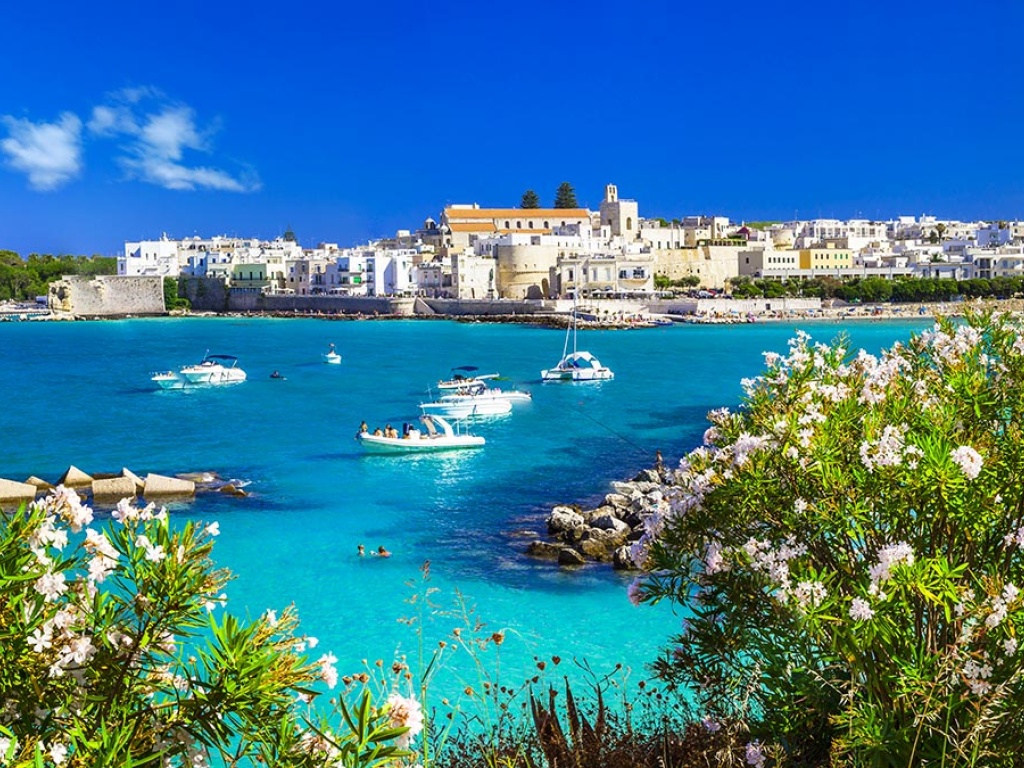
Recently a reader asked a question that made me think harder: where in Italy can you actually retire by the sea?

Not Capri. Not Portofino. The real version of that life.

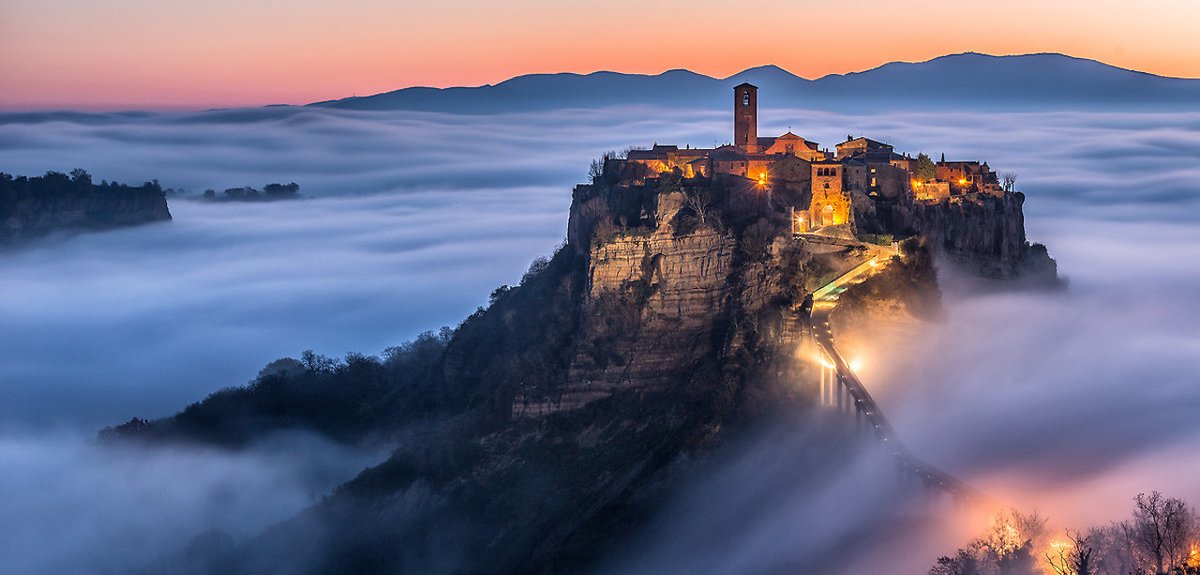
Then Italy raised the eligibility cap for the 7% flat tax reform from 20,000 to 30,000 residents. Roughly 70 new towns just qualified. Ostuni is the headline. Roseto degli Abruzzi is the surprise.

The question became more urgent.

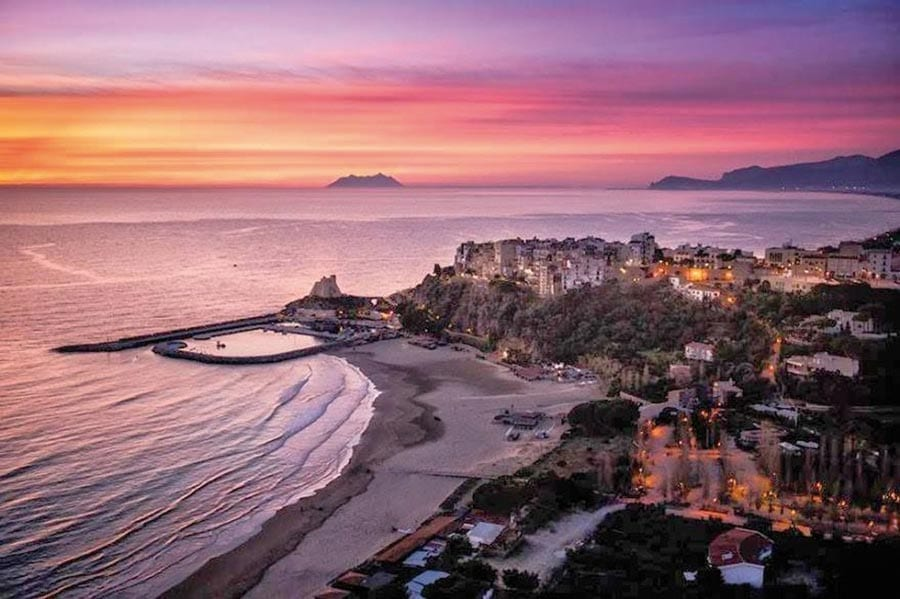
Here are 11 real coastal towns where Italians themselves retire.

6 qualify for the 7% flat tax. 5 don't, but earn their place anyway.

🧵Image
Image
Image
Italy's 7% flat tax on foreign income, for 10 years, is the best retirement deal in Europe right now.
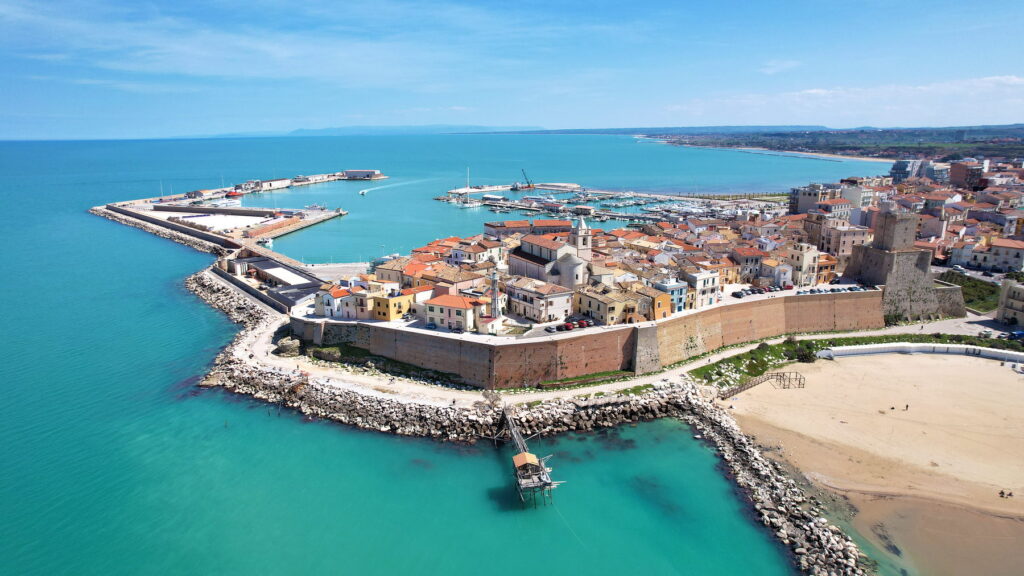
Eligibility: a foreign pension (state, occupational, private annuity, US Social Security) plus a Southern town under the population cap. Until April that cap was 20,000. The reform raised it to 30,000.

Six towns below qualify under the new cap. Two of those – Ostuni and Roseto degli Abruzzi – are newly eligible since April. Five don't qualify, but I'd recommend them to a parent or close friend who wanted to retire by the sea in Italy without the tax angle.

For each: property prices, nearest airport, hospital access, population, who it's for, and the honest downsides.

11 cities. Data on every single one. Starting with the 7%-eligible:Image
Image
Apr 25 26 tweets 20 min read
My post on Japan's 9 million abandoned houses blew up last week.

Right after, my Japanese friend called me.

"Now write about hidden locations where people are moving in Japan, like you did for Italy and France."

He pulled in his family and contacts across Kyushu, Kanto, and Okinawa. I ran the data: foreign resident growth, rental yields, Shinkansen times, the honest downsides.

27 cities made the initial research list.

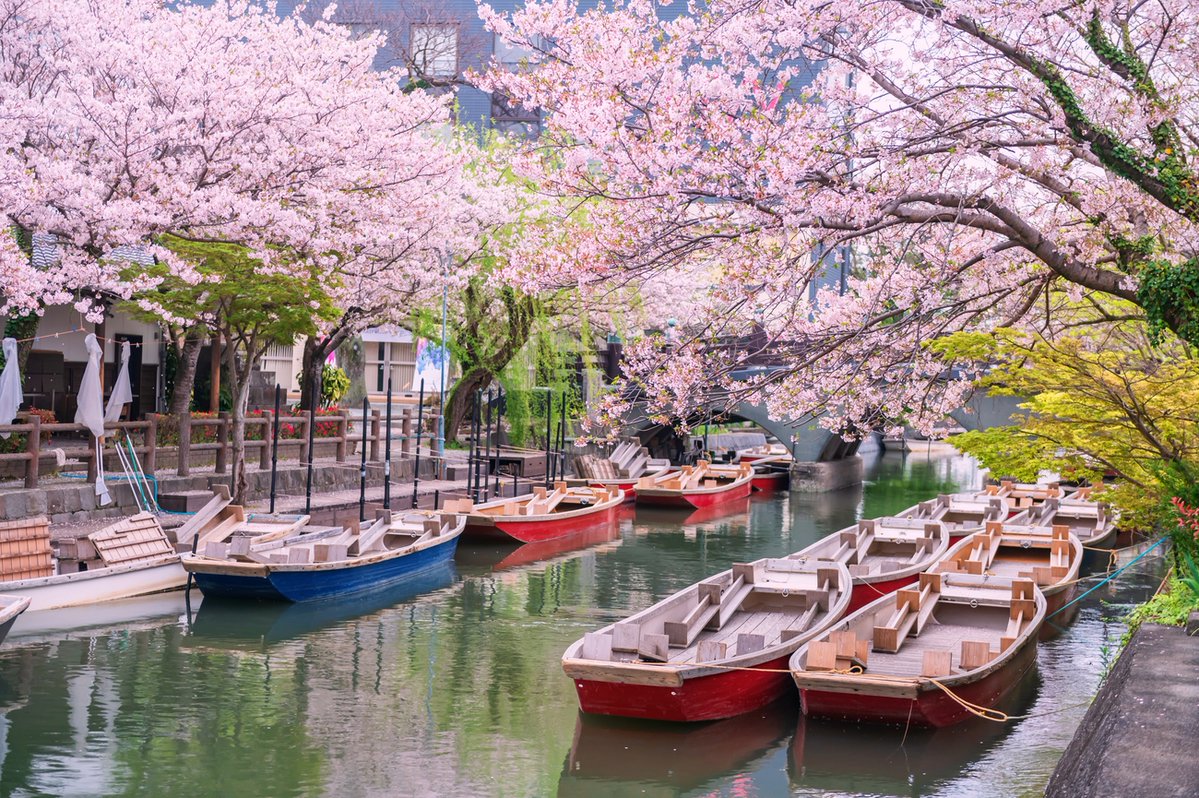
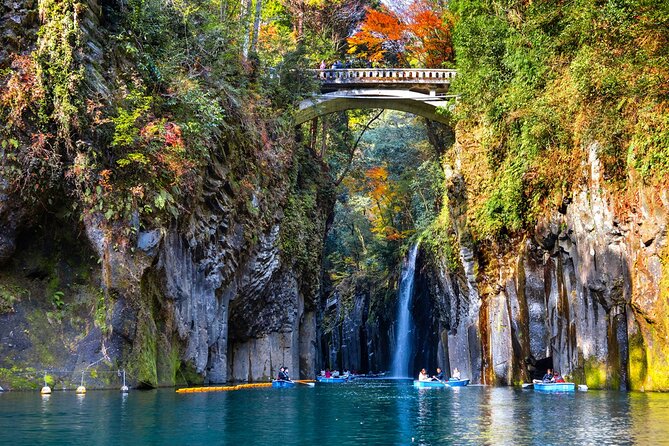
7 made the cut. Not Tokyo or Kyoto.

These are 7 Japanese cities where people are moving to but few talk about them outside Japan. 🧵Image
Image
Image
Most Japan relocation advice still points to the same four cities: Tokyo, Kyoto, Osaka, and maybe Sapporo.

But that's not where the Japanese are going at least.

Japanese professionals are relocating 70 Shinkansen minutes outside Tokyo. A Kyushu prefecture most people outside Japan can't place on a map has the fastest foreign resident growth in the region, and Kyushu itself is the fastest-growing region in Japan.

For each one: who's moving there right now, property dynamics, connectivity to a major hub, cost of living, and the honest trade-offs.

7 cities. Data on every single one:Image
Image
Image
Image
Apr 22 19 tweets 15 min read
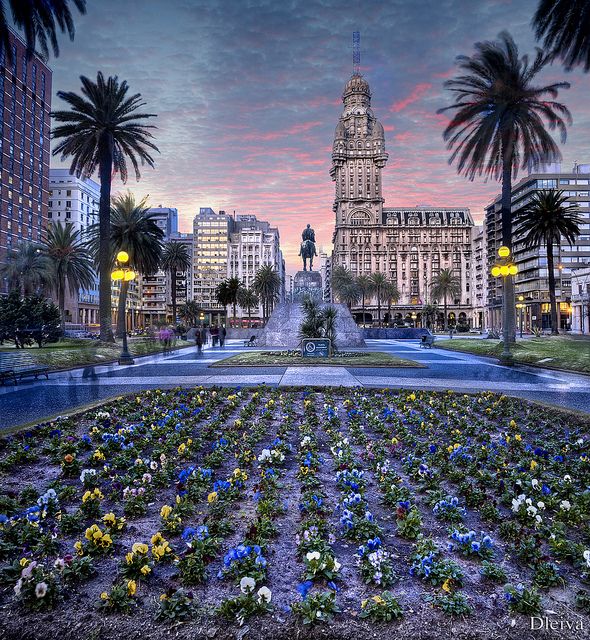
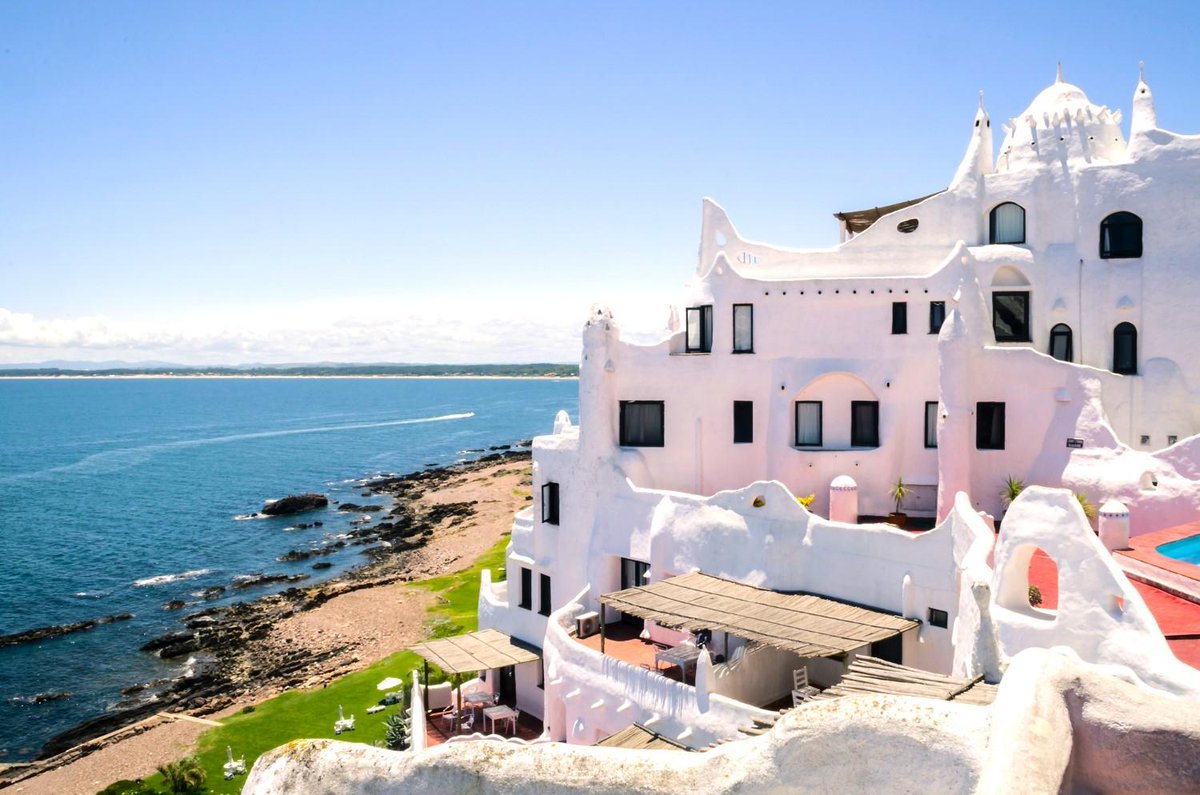
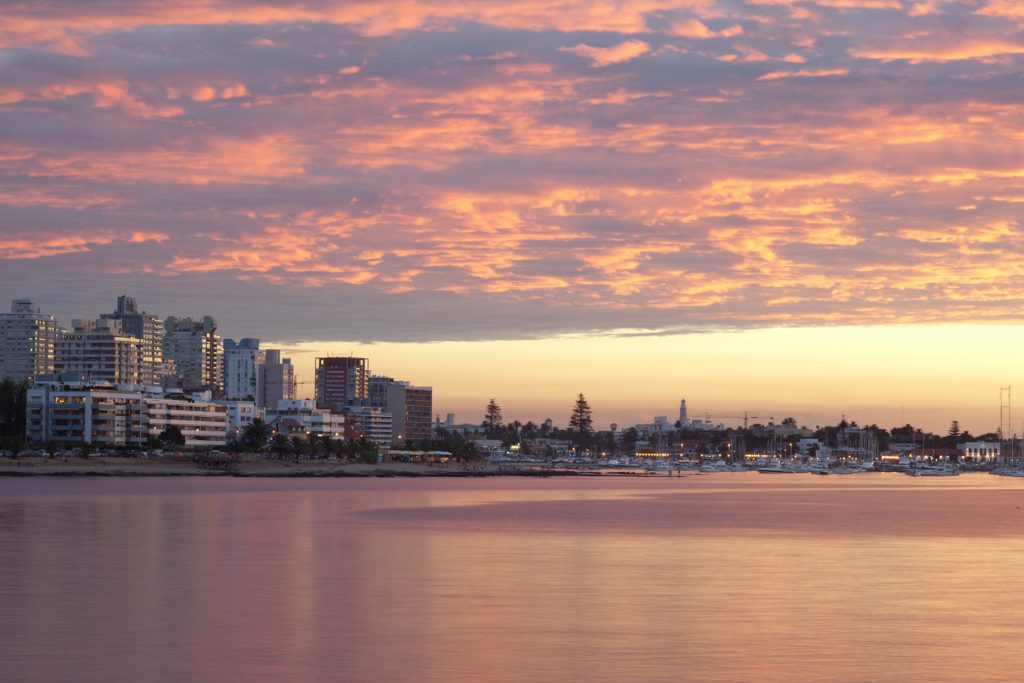
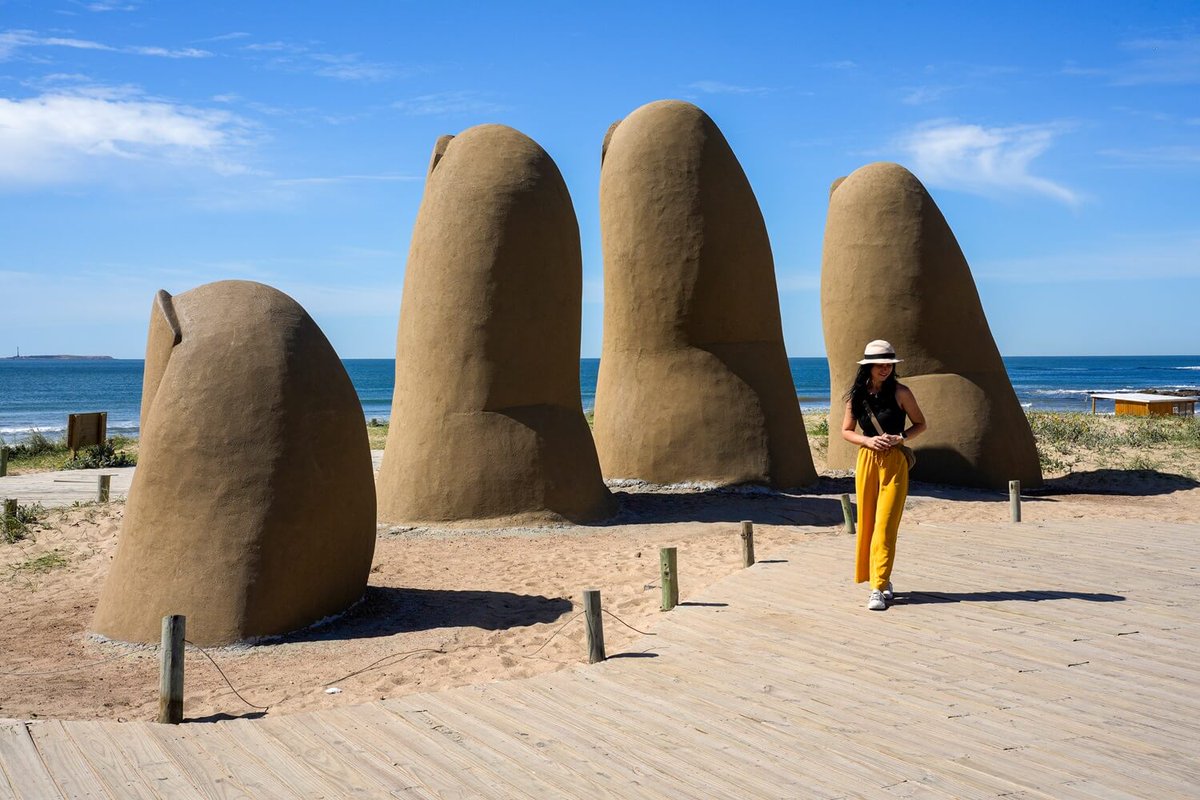
This is Uruguay 🇺🇾, the "Switzerland of South America":

- 0% tax on foreign income for 11 years
- Permanent residency in under a year
- Less corrupt than the US

It is the safest country in South America.

10 years ago almost nobody in my network was talking about it. Today every HNW family I know has it on the shortlist. And on January 1, 2026, the country priced that in.

Here are 11 reasons why it's still a hidden gem, updated for the 2026 rules.

🧵Image
Image
Image
First, let's set the scene.

Uruguay is South America's 2nd smallest country. Total population: ~3.4 million. I know, you always thought it was bigger.

Rich history though, spanning from the indigenous Charrúa peoples, Spanish conquests, independence from Brazil in 1825.

Since then, it has become a quietly thriving country. Now, explicitly built for serious wealth.

This tiny country is beating the US at its own game:

- Higher press freedom ranking
- Better income equality
- Ranked 'full democracy' by The Economist (US is 'flawed')

Super impressive. And still largely unknown.

Let's dive in.Image
Image
Image
Apr 18 14 tweets 12 min read
Eurosummer is getting closer and many asked: where in Italy is ideal for a true dolce vita summer.

I put together a list based on personal preference. 9 spots: 5 obvious, and 4 less obvious that Italians also often choose.

A post slightly different from the usual, because this week was my birthday and tomorrow I'm hosting friends for a legendary BBQ. Yesterday I bought an infinite supply of Aperol and 30 fresh burratas. I couldn't not think of dolce vita.

Mocassins, linen, positive vibes, "Pavarotti mode".

Here's the list of places that make you want to cruise top-down in a vintage 911 or Alfa Spider, pull over for an aperitivo and spaghetti alle vongole on the beach.

🧵Image
Image
Image
First, what is la dolce vita?

Fellini inadvertently consecrated it in 1960. A philosophy Italians had lived forever: sun on skin, long lunches, Spritz at 7.

It's less superficial than it seems. Its Latin ancestor is otium. Not laziness, but the serious business of doing nothing, where Cicero and Seneca did their best work.

Staying busy doing nothing. Which, according to some, is where the highest productivity actually lives.

One of the real flavors of Eurosummer. If you haven't felt it, you should.

Now, to the list. The obvious picks first: the places you immediately associate with white linen shirts and fresh cologne.Image
Image
Image
Apr 14 18 tweets 18 min read
I've lived in Switzerland. I've incorporated there. I've walked the lakeside in Zug at 8pm wondering where everyone went.

250 millionaires a month are moving to Switzerland. Most end up in Zurich or Geneva.

For many it works. But not for all.

I asked friends living there, compared it with the data and assembled this guide. I came to the conclusion there are two approaches to Switzerland for most of us.

A practical and unfiltered Swissmaxing thread 🇨🇭

🧵Image
Image
Image
Many love the stability, the family life, the capacity of working remotely while immersed in nature.

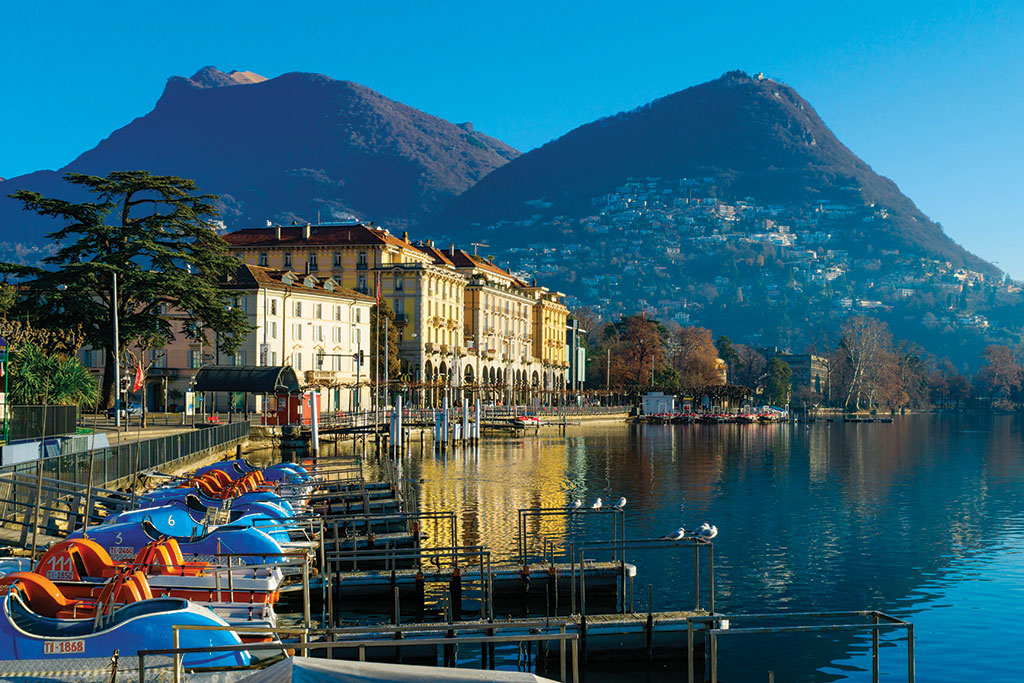
In the end we all want two things: low taxes and a place where your daughter can walk at night safely.

The baseline: Switzerland has 0% capital gains tax on private investments. Federal level. Every canton.

Everything below is about optimizing on top of that.

Then there's the lump-sum tax, which can also change the math if you're a HNWI. More on that later.

Let's dive into it:Image
Image
Image
Apr 8 27 tweets 26 min read
Part 1 blew up. The real gift was the DMs.

Dozens of parents wrote in with the cities I'd missed.

Almost none of them were Mediterranean. I'm Italian, I love the Med, that's why Part 1 leaned south. The parents pulled me north.

7 more European cities where families actually thrive. Cheaper than London. Better schools than your hometown.

And one of them might be the most surprising city on either list.

🧵Image
Image
Same method as Part 1. I called friends actually living in these places, asked the parents from the DMs to walk me through their daily life, then cross-checked everything against the data:

- Safety and walkability
- International schools (quality + real cost)
- Pediatric healthcare
- Monthly budget for a family of 4
- Parental leave and childcare
- Outdoor life, beach and mountain access
- The honest downsides nobody mentions

Same rule too: underrated only. Otherwise I'd just be telling you to move to Switzerland.

Less sunshine. More infrastructure...

Let's go.Image
Image
Image
Apr 5 24 tweets 20 min read
Easter lunch with the family got me thinking.

Most people default to London, Barcelona, or Amsterdam for their kids. Great cities. Also: €2,500/month for a 3BR in Amsterdam. £15K/year school fees in London. Per child.

A friend of mine, well-known author, just moved his family from Lisbon to Genoa. Nobody saw that coming. His reason: the food, the proximity to France, one of Europe's best pediatric hospitals.

That conversation sent me down a rabbit hole.

7 cities where your family will actually thrive, usually not that considered, that I'd opt in for myself.

🧵Image
Image
I took the cities my friends with families like the most and re-assessed with some criteria.

What I looked at for each:

- Safety and walkability
- International schools (quality + real cost)
- Pediatric healthcare
- Monthly budget for a family of 4
- Parental leave and childcare
- Outdoor life, beach and mountain access
- The honest downsides worth mentioning

The output is the below list: not just places to park your family. But places where kids can grow up well and you can actually enjoy life too.

Let's go.Image
Image
Image
Apr 1 31 tweets 24 min read
There are European countries that keep coming up in conversations but NEVER go mainstream.

A friend moved to Cluj, Romania 10 years ago. I didn't get it for a long time.

Italian friends recently moved to Albania to open ice cream shops. Crazy as that would have sounded 20 years ago.

I selected 7 underrated European countries, with specific cities to make it tangible, plus a bonus, that have a real chance of emerging in the coming years.

One will likely surprise you

🧵Image
Image
Image
I won't be covering Portugal or Spain or alike. Everyone knows about those.

These are the countries that offer real tax advantages, lower cost of living, strong infrastructure, and genuine quality of life.

Yet almost nobody talks about them.

Let's begin: Image
Image
Image
Mar 28 37 tweets 29 min read
Rural Europe is going to become a lifestyle destination for millions, not just Europeans.

Thousands of historic towns sitting half-empty. Stone houses for €30-80K. Solid houses built for generations, realistically yours for under €200K. Often with incredible tax regimes.

The two things that were missing: internet and services. Starlink fixed the first. And these aren't the rural areas of the 90s, many towns close to larger cities are now perfectly served. People are moving back.

This is my "Starlink guide" to rural Europe: 10 places I'm considering for living or investment myself.

🧵Image
Image
Image
Image
First, why Europe? Because nowhere else has 2,000 years of micro-cultures compressed into a continent the size of the US.

800-1,200 year-old communities, each with its own dialect, cuisine, architecture.

I moved to the beach outside Lisbon and proved it to myself.

You build your own fortress, everything changes.

I mapped 10 places I'd consider myself.

Here's what I found.Image
Image
Image
Mar 24 29 tweets 25 min read
I'm Italian. After my thread on Italy's hidden cities blew up, a close French friend called me.

"You did Italy. Now do France. But don't embarrass yourself, let me 'elp."

We spent a weekend going back and forth. He'd suggest a city, I'd research it. I'd push back, he'd prove me wrong. By Sunday night, we had a list.

7 hidden cities in France that most people, including most French, will never think to visit, let alone move to.

No crowds. No tourist markup. Insane quality of life.

🧵Image
Image
France has 34,875 communes. Tourists visit maybe 20.

The cities on this list are genuinely incredible. Where wealthy French people peacefully live their best lives, completely off the radar.

For each one, I broke down property prices, nearest airport, population, who it's actually for, and the honest downsides you should be aware of.

7 cities I'd personally relocate to. Data on every single one:Image
Image
Image
Image
Mar 14 9 tweets 8 min read
I'm Italian. I wrote about 7 hidden cities in Italy. Since then, one thought has been haunting me. I missed one.

A city my trusted CLO is from. We've worked together for over a decade. In all that time, I don't think he's ever used a word more than strictly necessary. Centered, sober, elegantly precise.

The opposite of what you naturally associate to Italian cities.

Turin.

This is why it's the most underrated big city in Italy

🧵Image
Image
First, the historical context.

Turin was Italy's first capital from 1861 to 1865. Before Rome. Before Florence. The House of Savoy built it like a European capital, not an Italian town.

Grand boulevards. Baroque palaces. 18km of arcaded porticos. The Alps visible from your window on a clear day.

As a Roman, I felt it every time I went there. People speak quietly. Restaurants don't shout at you from the street. Nobody's performing.

Everything is measured.Image
Image
Mar 11 27 tweets 16 min read
I'm Italian. I just got back from Rome.

Over dinner, old friends and I started arguing about the same thing we always argue about: which cities in Italy are genuinely incredible but nobody ever talks about?

We went back and forth for hours. By the end of the night, we had a list.

7 hidden cities that most people, including most Italians, will never think to visit, let alone move to.

No crowds. No tourist markup. Insane quality of life.

Thread 🧵Image
Image
Italy has 7,904 municipalities. Tourists visit maybe 15.

These aren't "cheap places to test it out." They're cities where wealthy Italians live their best lives, completely off the radar.

For each one, I broke down property prices, nearest airport, population, who it's actually for, and the honest downsides you should be aware of.

7 cities I'd personally relocate to. Data on every single one:Image
Image
Feb 11 28 tweets 14 min read
I analyzed every coastal town in Italy on a €1M budget.

Taxes. Airports. What €1M actually buys you in each location.

I cross-checked every detail with two friends on the ground for accuracy and hidden alphas.

10 towns. The definitive guide for FIRE and wealthy nomads eyeing Italy.

Thread 🧵Image
Image
First, why €1M changes the game.

At €200-300K, you optimize for value. Hidden gems. Undiscovered towns.

At €1M, the game changes completely: you unlock some of Italy's most iconic coastal locations.

And here's what nobody tells you: most of them STILL qualify for the 7% flat tax for retirees.

8 of my 10 picks do.Image
Image
Feb 8 22 tweets 10 min read
I've analyzed every affordable, strategically located coastal town in Italy for a €200-300K budget.

Taxes, airports, cost of living, remote work infrastructure. I've called a couple of friends to confirm the data.

10 towns. The definitive guide for FIRE and Digital Nomads in Italy.

Thread 🧵Image
Image
First, why Italy in 2026?

Three reasons:

• 7% flat tax for 10 years on ALL foreign income for retirees in small towns (pensions, dividends, capital gains), 50% tax exemption for remote workers

• Property at half the price of Portugal and Croatia

• Ryanair is opening bases and routes across the South at record pace

Italy is becoming THE game.
Feb 6 21 tweets 9 min read
This is Puglia, Italy.

7% flat tax for retirees (small towns only). 50% income exemption for workers. Flat-tax for HNW.

Magical region. Mediterranean coast. Authentic culture.

But most foreigners choose the wrong town and overpay by 30-40%.

I've lived across 5 continents and visited every corner of Puglia.

Here are the 7 best places - and the traps to avoid 🧵Image
Image
First, LECCE - "The Florence of the South"

The obvious choice (that's actually right).

Lecce is where serious expats land when they've done their homework.

It's a proper city (95k people) with everything functional - hospitals,
universities, year-round economy not dependent on tourists.

The baroque center is legitimately stunning, not Disney-fied.

Here's what nobody tells you about Lecce...Image
Image
Dec 16, 2025 18 tweets 6 min read
This is Lugano:

- 0% capital gains tax
- 1 hour from Milan
- Swiss lifestyle with palm trees

This combination shouldn't exist. But it does.

Here’s why Switzerland's best-kept secret should be on your radar: Image Lugano is a paradox. And most miss it completely.

It sits in Ticino, Switzerland's Italian-speaking canton.

Officially it’s Switzerland – but it doesn't feel like Switzerland. Mediterranean climate, palm trees by the lake, Italian spoken everywhere. Swiss quality underneath, but none of the coldness.

And here's what's interesting…
Dec 5, 2025 7 tweets 4 min read
Retiring in Italy with the 7% flat tax.

Here’s the full map: I had to build it manually because it simply didn’t exist anywhere online.

Green regions: automatically eligible. Any village under 20k residents qualifies (Abruzzo included). Plenty of great options.

Yellow regions (Lazio, Umbria, Marche): only specific villages in the official earthquake-area lists qualify. Very niche, almost unknown, harder to navigate, but absolutely possible.

For context: my grandfather’s village in Lazio hosted a Canadian family 50 years ago. They came every summer, built a villa, loved it, and everyone knew them. It was the only modern house in the whole valley. Nobody understood why they chose that place, but when you’re 15 minutes from a real town, have your own home, and want a quiet, culturally rich, food-driven lifestyle… it makes perfect sense. In retrospect, they were basically early adopters.

With that in mind, here’s a shortlist of the 5 most beautiful, American-friendly, high-amenity 7% towns in the yellow regions, close to real cities, fully on the eligible lists, and offering a charming, scenic, safe, year-round lifestyle.

*Important: this list ISN'T for everyone. In most cases, the lifestyle means owning a house there and spending plenty of time in the nearby larger city. Many of these villages are so small and niche that even most Italians haven’t heard of them.

The green regions include well-known, warmer, tourist destinations like Taormina.Image 1. Sarnano (Marche)
•Spa town + ski slopes nearby
•45 min to Macerata
•Excellent digital infrastructure
•Extremely charming and well kept Image
Image
Dec 1, 2025 18 tweets 7 min read
I'm Italian.

Everyone asks me about moving to Italy. But Italy isn't for everyone.

I've isolated 4 specific profiles. For these, it might be the best decision you ever make.

Here's who should actually consider it (and who shouldn't): Image First, let me be clear.

I left Italy a decade ago when it was considered a sinking ship. Brain drain, bureaucracy, stagnation.

But over the years, something has quietly shifted.

Italy is back. And it has built one of Europe's top arbitrage + lifestyle opportunities.

But not everyone…Image
Oct 16, 2025 17 tweets 6 min read
Italy is back.

For years, I dismissed my own country as a sinking ship.

But I’ve discovered recently that Southern Italy is one of the best arbitrage opportunities in Europe.

And arguably in the world.

Here's everything you need to know to take advantage of this opportunity: Image First, let me be open.

As an Italian, you have no idea how happy it makes me to write...

Italy is back.

Rome is finally cleaning up. Milan is the new London. Over 100,000+ repatriates moved back with tax incentives (mainly Milan). 4,000+ applied for the €200K/year flat tax in the first half of 2024 alone.

But the real story is what's happening in the South that nobody's paying attention to…Image
Sep 1, 2025 17 tweets 7 min read
This is Italy:

- 7% tax for foreign pensioners
- €200k flat tax on unlimited global income
- 60 UNESCO World Heritage Sites (most in world)

Now secretly one of Europe's strategic havens…ITALY IS BACK!

Here are 8 reasons why Italy should be on your radar: Image First, Italy’s history is totally unique:

- Ancient Roman Empire foundations
- Renaissance cultural revolution
- Post-WWII economic miracle
- 2024 strategic tax overhaul targeting global talent

As Mr History shares, even the origins of Italy are absolutely fascinating: