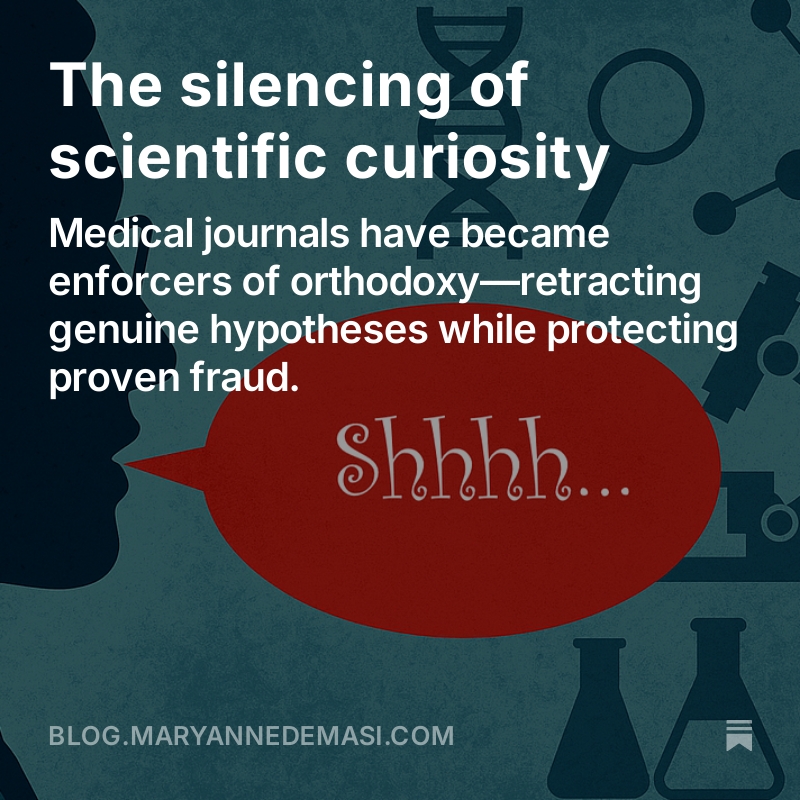
📢The silencing of scientific curiosity
Medical journals have became enforcers of orthodoxy—retracting genuine hypotheses while protecting proven fraud.
As a scientific writer and researcher, I’ve witnessed the decline of medical journals firsthand. I interviews Rita Redberg, ex-EIC of @JAMAInternalMed, Richard Smith ex EIC of @bmj_latest and John Ioannidis, the most cited scientist in the world blog.maryannedemasi.com/p/are-medical-…
Never have I seen a more absurd example of this decay than the retraction of a hypothesis paper—yes, a hypothesis—authored by @SabinehazanMD in Frontiers in Microbiology.
In May 2023—more than a year after the article was peer-reviewed and published—the journal retracted the paper following a series of complaints on PubPeer, offering only a vague explanation about “scientific soundness.”
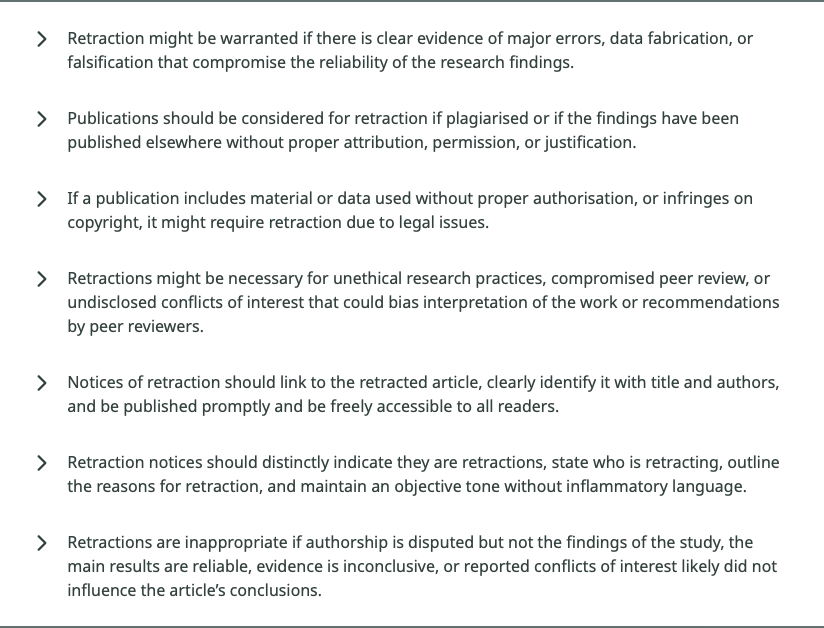
Retraction is historically reserved for cases of fraud or clear misconduct.
But in the case of @SabinehazanMD, the journal simply erased the paper on her "hypothesis" offering no transparent justification, no engagement with the scientific process, and no accountability.
Why was @SabinehazanMD attacked for proposing a hypothesis?
Is there professional jealousy in the microbiome space? Are pharmaceutical companies, threatened by low-cost alternatives like ivermectin, pressuring journals to kill competing narratives?
If so, the Securities and Exchange Commission (@SECGov) should investigate. Suppressing research that could affect investor decisions—by inflating the perceived value of antivirals or vaccines—could amount to securities fraud.
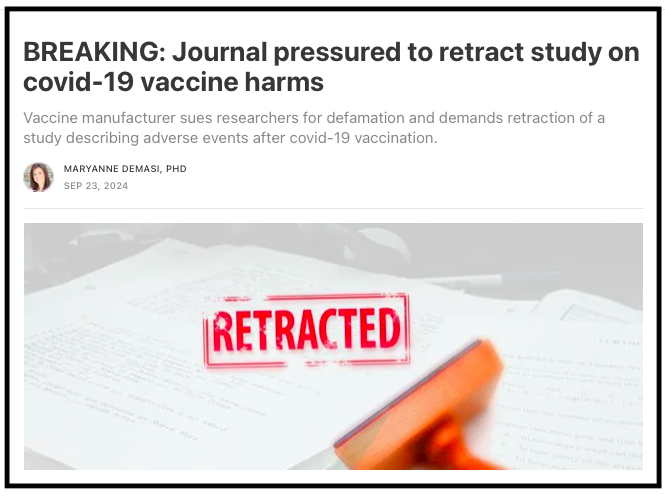
Journals may quickly cave to pressure. In July 2024, @BharatBiotech sued 11 authors—six of them students—and the editor of Drug Safety, Nitin Joshi, over a peer-reviewed article questioning the safety of their Covaxin vaccine.
In other cases, journals protects industry sponsored studies that are clearly fraudulent. Whistleblower Dr. Peter Wilmshurst has spent years trying to get the MIST trial retracted—published in @CircAHA. It’s riddled with false claims, undeclared conflicts, and unreported adverse events, yet the journal continues to protect it.
There’s a growing list of researchers penalised—not for bad science, but for exploring uncomfortable truths.
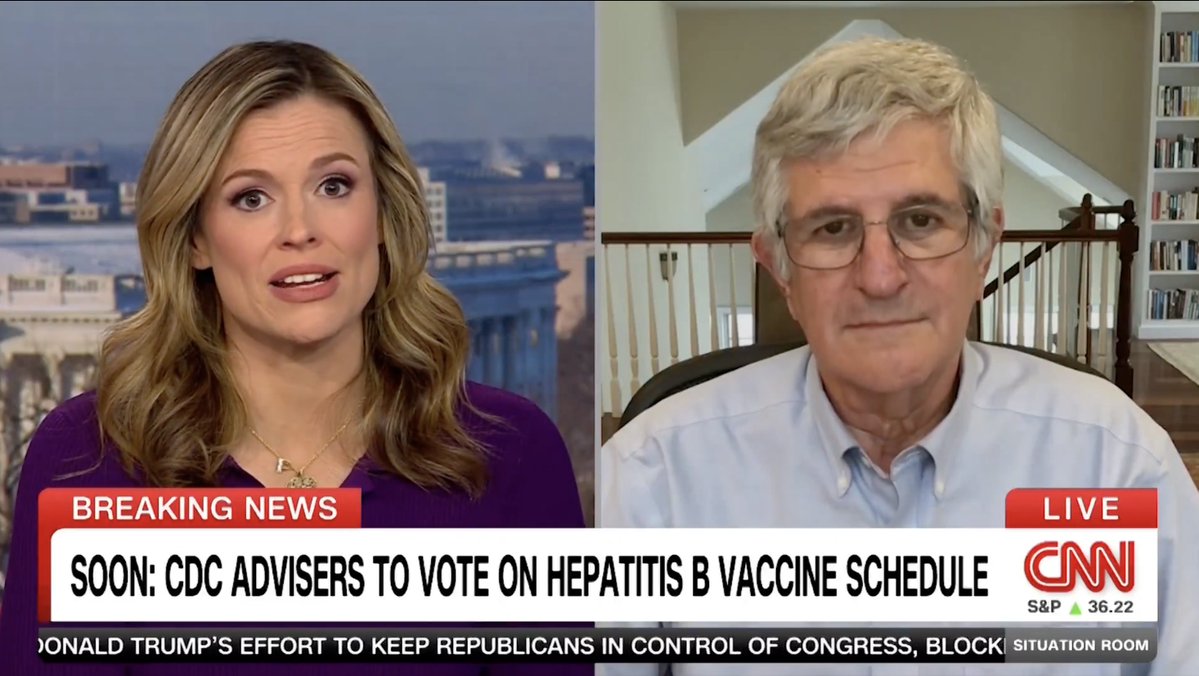
đź’ĄEXCLUSIVE: Internal documents show Paul Offit made false claims on CNN
Newly obtained emails contradict key claims made by the high-profile vaccine commentator @DrPaulOffit
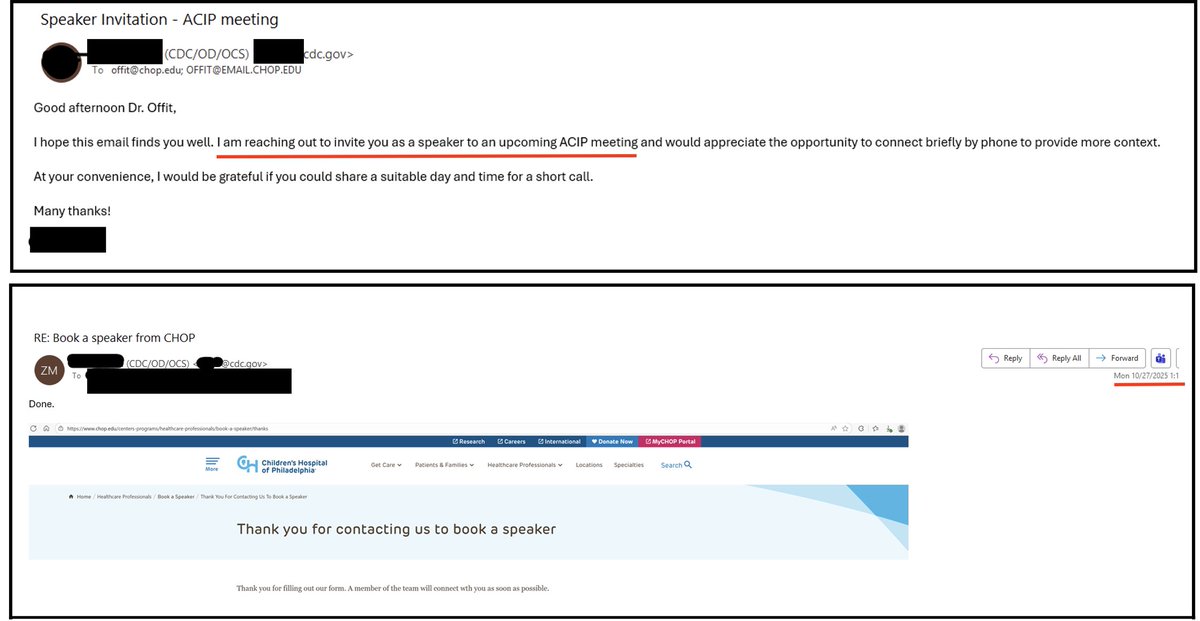
.@DrPaulOffit told viewers he had not been invited to speak at the ACIP meeting that was unfolding in Atlanta at that very day. That claim was false.
I obtained exclusive records that show CDC officials had contacted him repeatedly — via emails, phone calls and a speaker-request form — inviting him to present at the upcoming meeting.
@HHS_Jim @HHSResponse
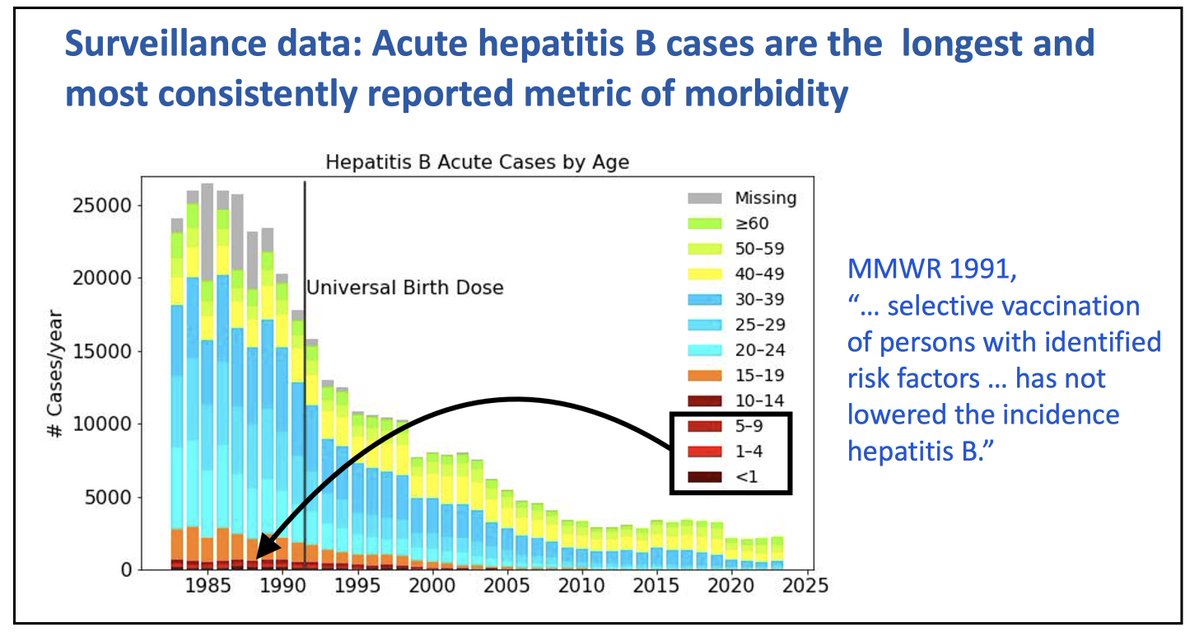
.@DrPaulOffit that before the universal birth dose, “30,000 children under the age of 10” contracted hepatitis B each year. But no such epidemic ever occurred. His figure likely stems from flawed modelling. Actual surveillance data show acute hep B cases in children under 10 were extremely low — around 400 per year — before the universal birth dose was introduced.
@HHSGov
🚨Major journal under fire for omitting Pfizer’s failed flu data in seniors
Pfizer’s mRNA flu shot failed in the over-65s, but the @NEJM never published the data — prompting calls for accountability.
STORY LINK 👇👇
@RobertKennedyJr @RetsefL
@newstart_2024 @maryhollandnyc
This week, I reported that @pfizer's mRNA flu shot offered almost no clinical benefit in adults aged 18–64 compared to a traditional flu shot. blog.maryannedemasi.com/p/pfizers-mrna…
But that was not the full story. @NEJM did not publish any data from over-65s in the same trial — the very population most at risk from influenza and the main reason these vaccines exist.
When @RetsefL discovered the missing data, he was stunned. “It seems like the reason for omitting the older participants was because the results were not favourable for the studied mRNA vaccine.”
Levi said omitting this data was “unacceptable, especially since the over-65s are among the high-risk populations that influenza vaccines aim to protect.”
Dr Eric Rubin presided over the @NEJM decision to publish a Pfizer trial that omitted vital data, allowing a reputed journal to become complicit in the same selective reporting practices that have long undermined scientific publishing.
He also sits on the FDA’s Vaccines and Related Biological Products Advisory Committee (VRBPAC) — the same committee that may one day review Pfizer’s biological licence application for this very product.
ANALYSIS: Pfizer’s mRNA flu shot was supposed to revive confidence in the platform. Instead, its own trial results reinforce the view that mRNA is still nowhere near ready for prime time.
FULL STORY 👇👇
@RobertKennedyJr @VPrasadMDMPH
@newstart_2024 @RobSchneider
A major new trial of @pfizer's mRNA flu shot has landed — and despite flattering headlines, it is nowhere near the breakthrough the company hoped for.
The phase 3 study, published in the @NEJM
-57 cases of influenza-like illness in the mRNA group versus 87 in the comparator group (traditional flu shot, not saline placebo), producing a relative efficacy of 35%.
The absolute difference was tiny: 0.63% of the mRNA group developed symptoms compared with 0.95% of those who received the traditional vaccine.
(0.32% abs difference)
NNV: >300 people would need to be vaccinated to prevent a single mild, self-limiting illness
The trial’s primary efficacy claim came mostly from cases adjudicated by @pfizer's own central laboratory using Pfizer’s own lab assay — the same structure used in the company’s early Covid trials.
Put simply, it's a manufacturer-funded trial, written largely by Pfizer employees & finds its best efficacy in the endpoint that requires all samples to be shipped to a Pfizer-run central lab for adjudication.
@IamBrookJackson @Jikkyleaks
🚨Prozac’s dark legacy: regulators ignored early warnings of sexual harm
Internal documents show Eli Lilly and regulators buried evidence that Prozac could permanently alter sexual development.
FULL STORY 👇👇
@maryhollandnyc @ACE_CoalitionEd @Honest_Medicine
EARLY WARNINGS
A 2005 assessment by the Dutch Medicines Evaluation Board described a disturbing pattern in Eli Lilly’s own animal studies.
It found that juvenile rats exposed to fluoxetine showed delayed sexual maturation, degeneration of testicular tissue, and hormonal disruption.
They recommended against approval, concluding the benefit–risk balance was negative.
PROMISES MADE, PROMISES BROKEN
Despite significant safety concerns, in 2006, Prozac was approved for paediatric use across Europe on the condition that @EliLillyandCo use European registries to participate in long-term studies on sexual maturation.
This was to be the TADS-Jr study. But within a few years, the study was abandoned due to lack of funding.
The UK’s @MHRAgovuk accepted that “any clinical study to investigate the effects of fluoxetine on sexual maturation would be forbiddingly hard to conduct and difficult to interpret.”
When @US_FDA announced it was removing the black box warning from hormone replacement therapy (HRT), the media response was nothing short of euphoric.
Morning shows ran breathless coverage, and one female host even admitted she became “teary” after hearing the news. But is it a long-overdue correction or another swing of the pendulum from one extreme to the other?
We can’t fight bad science with worse science.
The 2002 WHI study is blamed for the collapse in HRT use. It was stopped early after investigators found a higher risk of breast cancer in women taking combined oestrogen–progestin therapy.
The study was not perfect — but you can’t counter its limitations with weaker evidence.
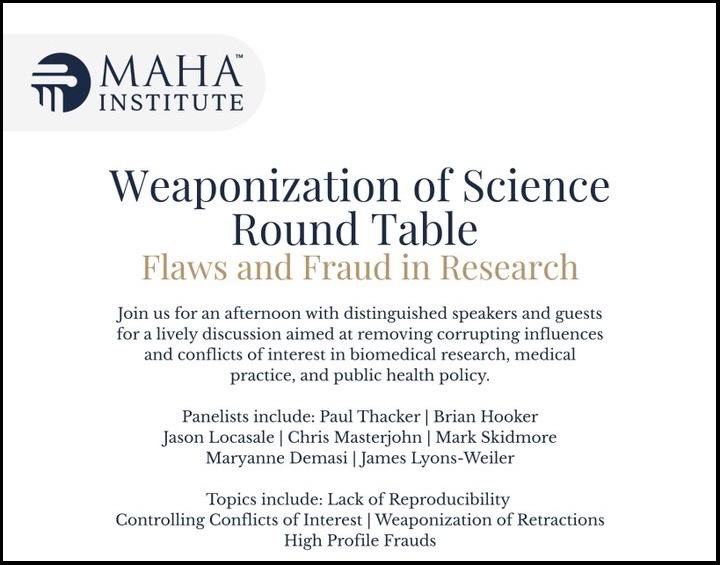
đź§µThe Weaponisation of Science
"The scientific process has been hollowed out by financial incentives, regulatory capture, and institutional cowardice."
LINK 👇👇
@MAHA_Action @Holden_Culotta @SecKennedy
CENSORSHIP
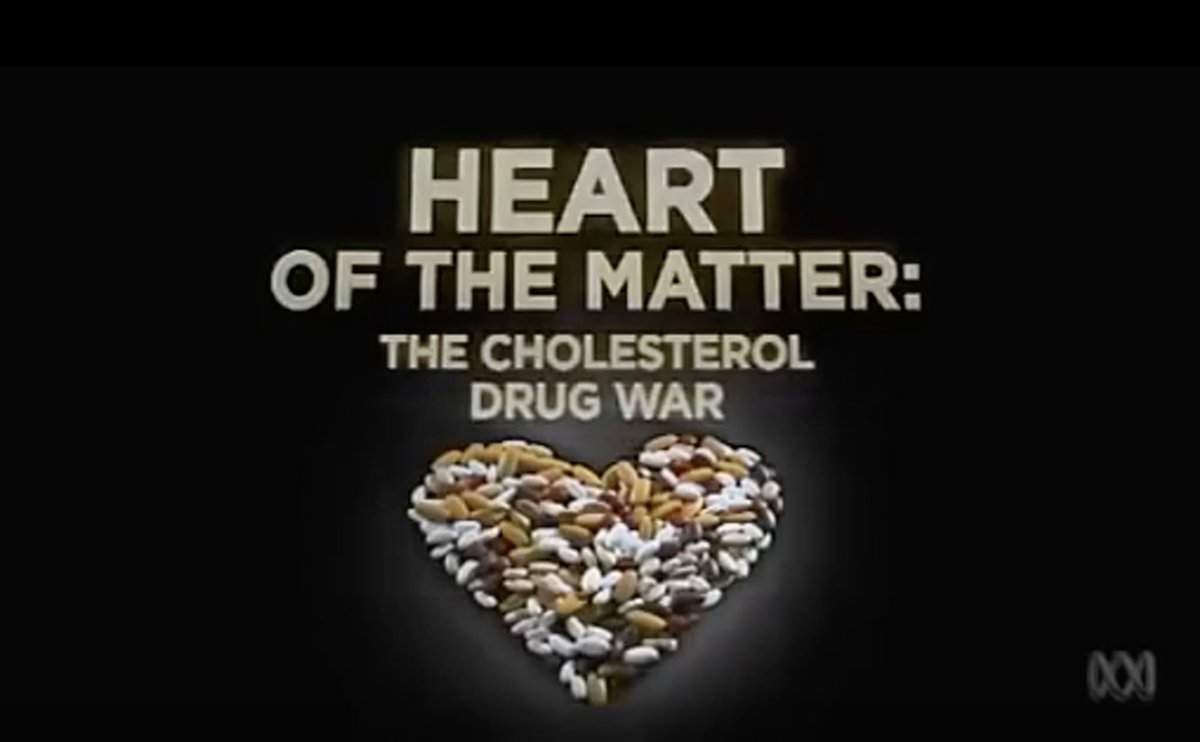
I first saw this clearly in 2013 while investigating statins. My ABC documentary questioned whether statins were being overprescribed, and it unleashed a media firestorm.
The episode was pulled after industry outrage, and I was publicly attacked. None of the critics engaged with the evidence — they simply sought to silence it. blog.maryannedemasi.com/p/heart-of-the…
LACK OF TRANSPARENCY
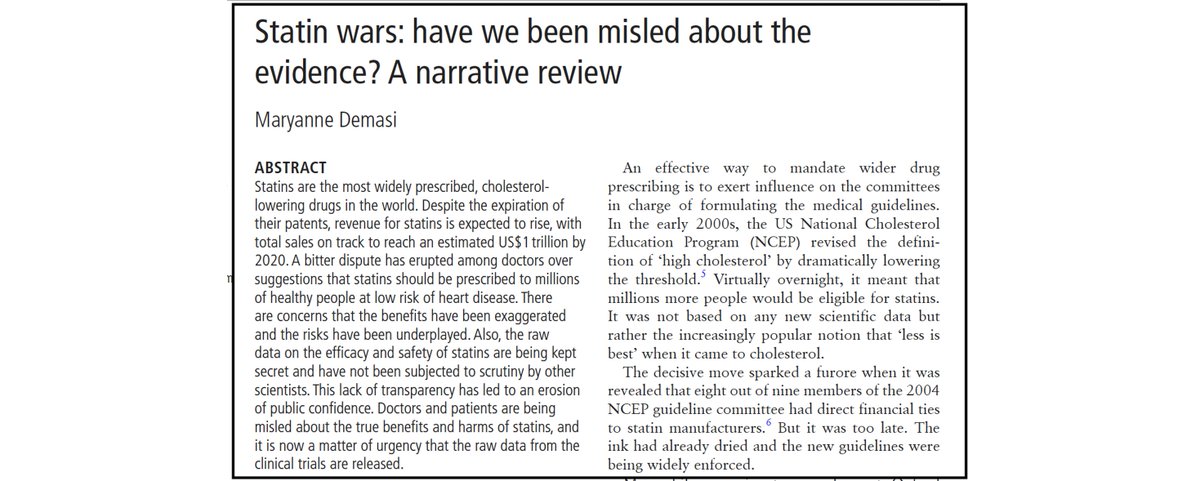
The raw data underpinning statin trials are held exclusively by the Oxford-based Cholesterol Treatment Trialists (CTT) & have been released because of a legally binding agreement to block third-party access.
Hence despite millions of people taking statins daily, there has never been an independent verification of the statin trials. pubmed.ncbi.nlm.nih.gov/29353811/