Fr Joseph Hudson Profile picture
Apr 15 9 tweets 4 min read Read on X
🧵 Do you know the difference between Judas & Peter?

Both betrayed Jesus. Both were disciples.

But only one became the Rock.

The other… became a warning.

Let’s talk about Judas and Peter—and the choices that changed everything.
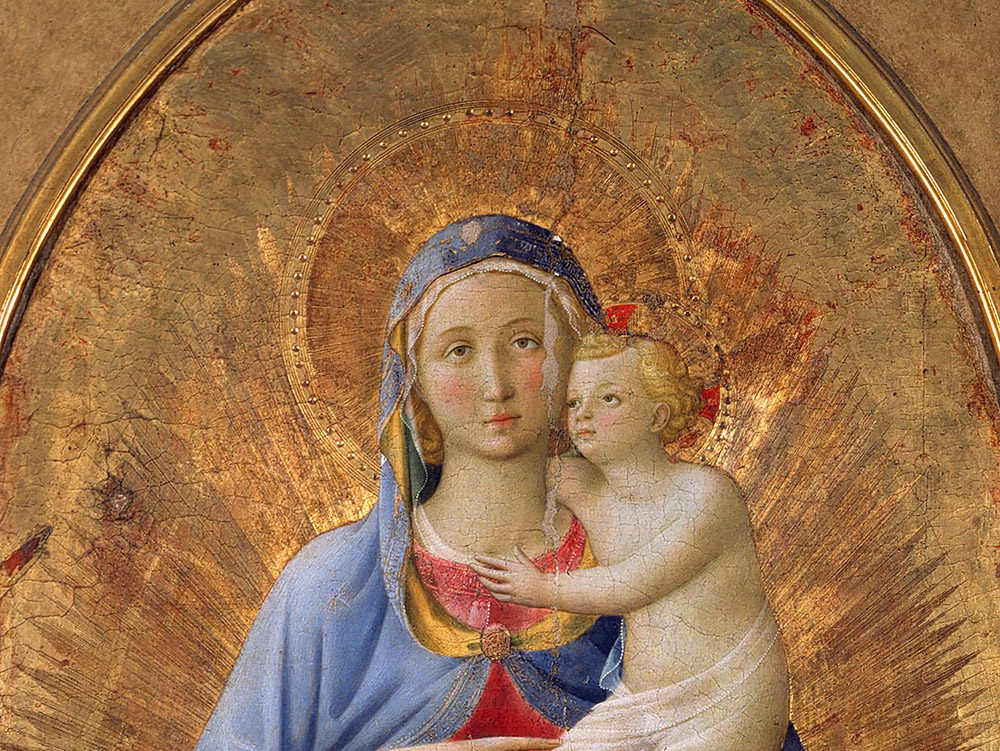
👇 Image
Image
1/ Simon Peter was introduced to Jesus by his brother Andrew:

“We have found the Messiah.” (Jn 1:41)

After the miraculous catch of fish,
Peter fell at Jesus’ knees:

“Depart from me, Lord, for I am a sinful man.” (Lk 5:8)

Already, we see his heart.
2/ Judas was different.
Quiet, calculating, practical.
He handled the money bag (John 12:6).
He didn’t speak often—but when he did, it was sharp.
“Why this waste? It could have been sold for the poor.”
He betrayed his master with a kiss.
3/ Peter was impulsive, intense, fiercely loyal.
He cut off the servant’s ear in Gethsemane.
He swore he’d die with Christ.
But he was also overwhelmed by the arrest of Jesus.
And when the moment came, he cracked.
4/ Peter wept.
He ran out into the night and sobbed bitterly (Lk 22:62).
But he didn't disappear.
He stayed near the disciples.
And eventually—Christ found him again.
5/ Judas also regrets his sin.

“I have sinned in betraying innocent blood.” (Matt 27:4)
He tries to give the money back.
But he doesn’t turn toward Christ—he turns inward.
His remorse becomes despair.
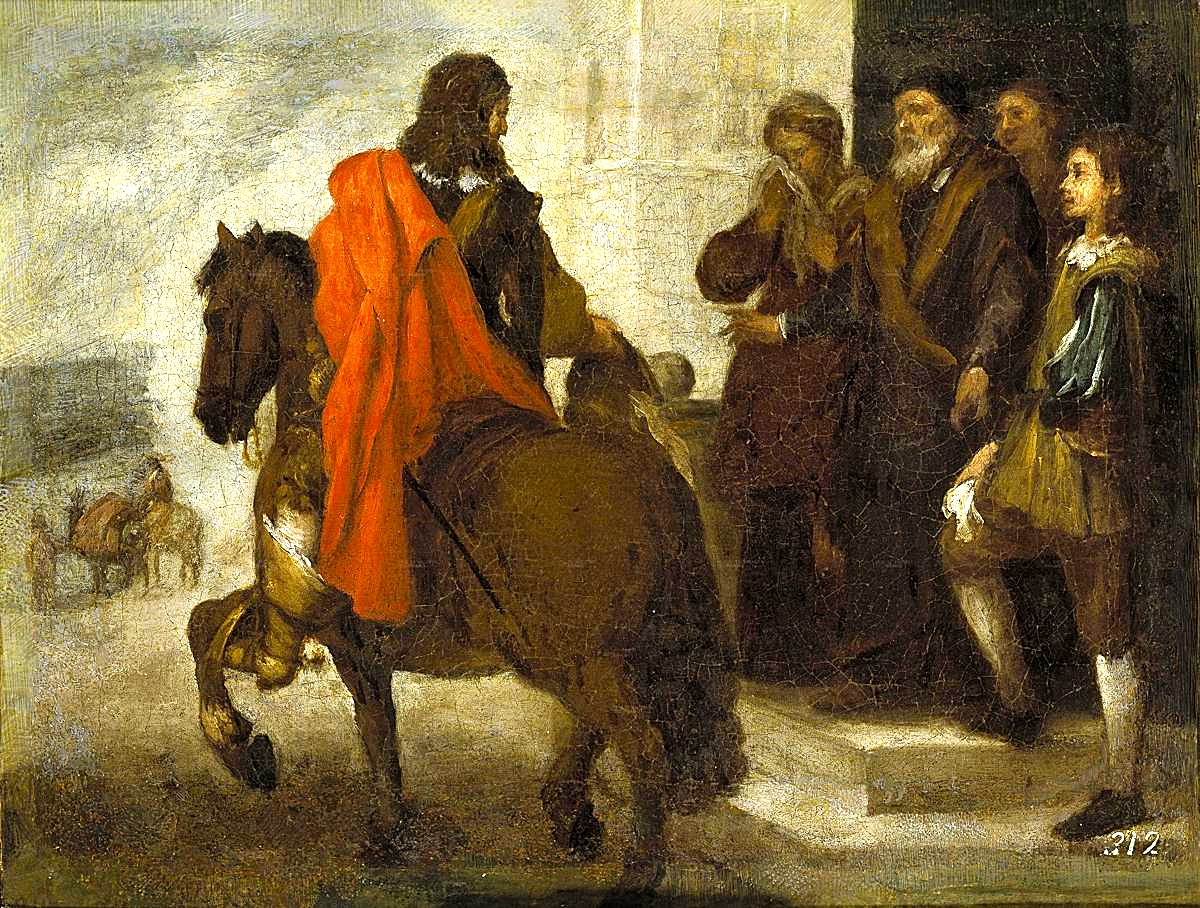
And despair becomes death. Image
6/ Judas believed his sin was too great for mercy.
Peter believed Jesus was greater than his sin.
That’s the key.
Both fell.
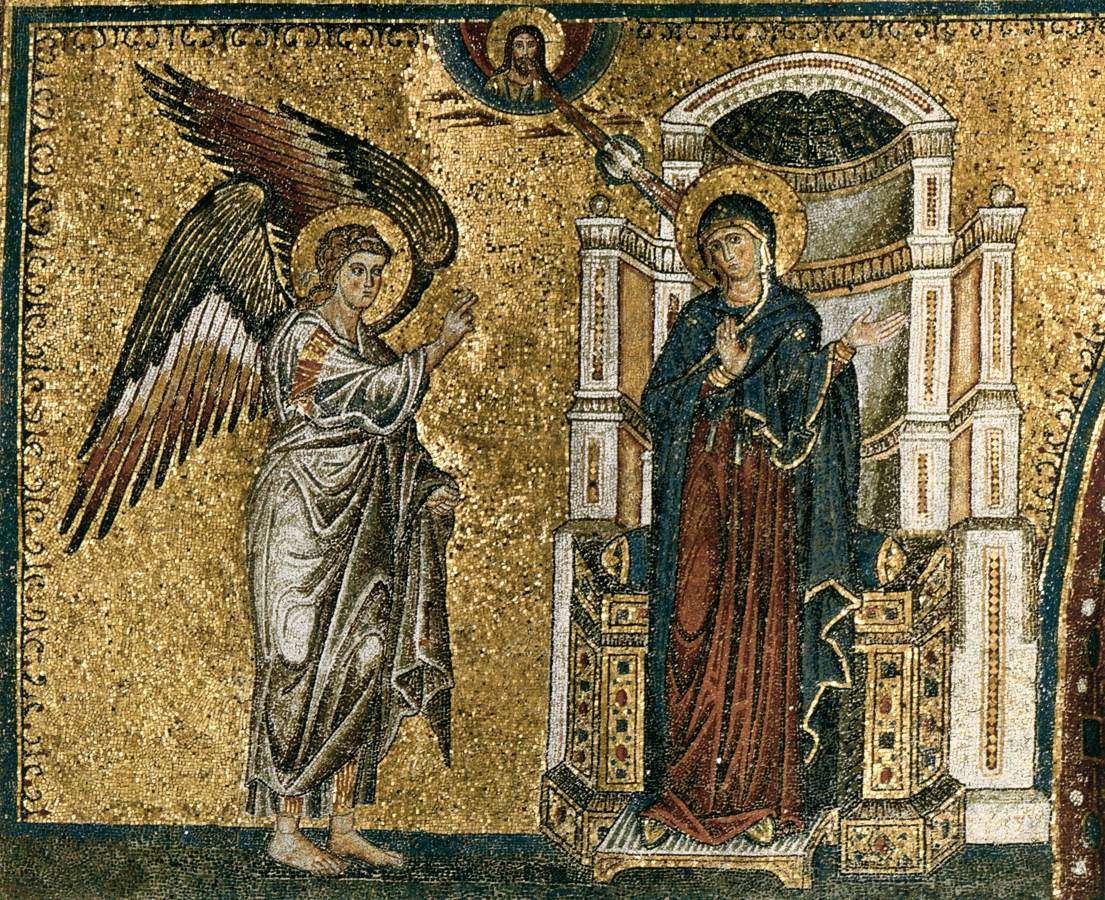
Only one got up. Image
7/ Judas reminds us:
you can be close to Christ—see miracles, hear truth, even receive the Eucharist—
and still be lost, if you won’t let yourself be loved.
Peter shows us:
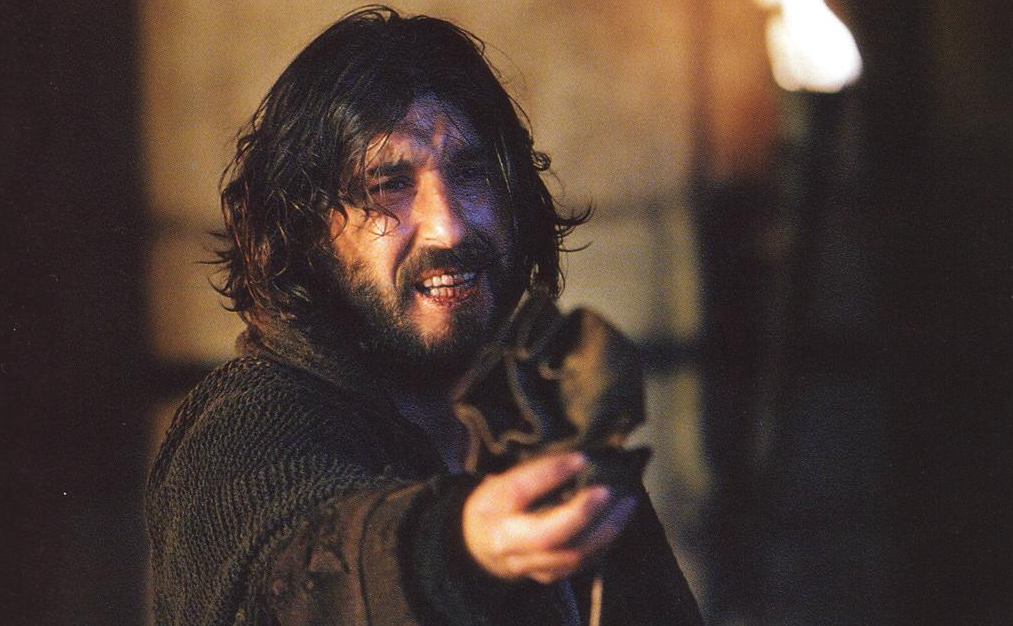
Even your worst failure can become the place where Christ builds something new. Image
8/ So the question isn’t: Have I sinned?
We all have.
The question is:
Do I believe Christ still wants me—still loves me—still calls me?

Peter did.
Will you? Image

• • •

Missing some Tweet in this thread? You can try to force a refresh

 

Keep Current with Fr Joseph Hudson

Fr Joseph Hudson Profile picture

Stay in touch and get notified when new unrolls are available from this author!

Read all threads

This Thread may be Removed Anytime!

PDF

Twitter may remove this content at anytime! Save it as PDF for later use!

Try unrolling a thread yourself!

how to unroll video
  1. Follow @ThreadReaderApp to mention us!

  2. From a Twitter thread mention us with a keyword "unroll"
@threadreaderapp unroll

Practice here first or read more on our help page!

More from @acloudofsaints

Apr 9
Do you know the 4 dogmas about Mary that Catholics are obliged to believe? Image
1/ Mary, Mother of God (Theotokos)

Proclaimed at the Council of Ephesus (431 A.D.).

Mary is truly the Mother of God because she bore Jesus Christ, who is both fully God and fully man.

This protects the full truth of the Incarnation. Image
2/ Perpetual Virginity
The Church teaches Mary was a virgin before, during, and after Christ's birth.

This wasn't just pious poetry—it was hotly debated. Here's the backstory.

As early as the 2nd century, Christians defended Mary's virginity:
• St. Irenaeus called her the “New Eve.”
• The Protoevangelium of James described her as consecrated and untouched.
• St. Jerome (4th c.) wrote against Helvidius, defending her lifelong virginity.

The Second Council of Constantinople (553) called her "Ever-Virgin."

Later, the Lateran Council (649) clarified that she remained a virgin even in childbirth—a miracle, not biology.

Why? Because her body bore God Incarnate. Her womb was a sacred temple.Image
Read 6 tweets
Apr 8
1/🧵I used to hear “offer it up” and roll my eyes.
It sounded like a throwaway line—one more way to silence pain, rather than face it.

But what if those words held a deeper invitation? Image
2/ In the Christian tradition, suffering isn’t meaningless.

Offered in love, it becomes a participation in the Cross:
“Now I rejoice in my sufferings… filling up what is lacking in the afflictions of Christ.” (Col 1:24)
But to offer it, you have to see it first. And feel it. Image
3/ Here’s the thing:

Much of what we call “suffering” is really coping.

Rage. Workaholism. Addictions. People-pleasing.
They’re survival strategies.

Not sins to shame, but signals of wounds we’ve tried to outrun. Image
Read 8 tweets
Mar 30
5 things you probably didn't know about the story of the prodigal son. 🧵👇 Image
✦ 1. The Father Running – A Cultural Scandal
In ancient Jewish society, dignified men never ran—especially not patriarchs. Running meant hiking up one's robes and exposing bare legs, which was considered deeply shameful and humiliating.

➡️ So when Jesus says “his father saw him and ran to him…” (Luke 15:20), He’s showing us a father who chooses humiliation over dignity, a dramatic reversal of social norms. This would have shocked Jesus’ original audience. The father takes on the shame of the son—echoing what St. Paul says: “God made the sinless one to be sin…” (2 Cor 5:21).Image
✦ 2. Inheritance Before Death – An Act of Rebellion
In Jewish law (cf. Deuteronomy 21:17), the younger son would be entitled to one-third of the estate, but only after the father’s death. To request it early is, in effect, to say:

"I wish you were dead."

This would’ve been seen not just as selfish but as profoundly dishonoring. The father's willingness to grant the request is an act of incredible restraint and love—he allows the son the freedom to choose, even to rebel.Image
Read 7 tweets
Mar 26
🧵What is the Church?

The New Testament speaks of her as ekklesia, the assembly called together by God.

But what kind of assembly is this?
Not merely institutional. Not only historical.

This thread explores the Church’s many names—each one a key to her mystery.👇 Image
1️⃣ Koinōnia (κοινωνία) – Communion

"That you may have fellowship (κοινωνίαν) with us… and our fellowship (κοινωνία) is with the Father and His Son" (1 Jn 1:3).

Communion is not of our making.
It is a gift of the Spirit, born from the Cross and Resurrection.
It unites us vertically with God, and horizontally with each other.Image
2️⃣ The Body of Christ

“The bread we break… is it not a sharing in the body of Christ?” (1 Cor 10:16)

The Eucharist is not only a sign of communion.
It is its source. Its center.
By partaking of the one Bread, we become one Body.
To receive the Eucharist is to be drawn into Christ—and into one another.Image
Read 12 tweets
Mar 25
🧵Today is the feast of the Annunciation

Rome has been painting this moment for centuries.

Take a walk with me through the Eternal City’s most stunning depictions of the Annunciation. 👇 Image
1. Santa Maria in Trastevere – Pietro Cavallini (1296–1300)

Look at the angel—he isn’t drifting down from heaven on a puff of cloud. He strides. He has a message to deliver.

Mary doesn’t faint, doesn’t flee. She leans back just slightly, but she holds his gaze. She is ready, though she does not yet understand.

And behind her—Cavallini gives us a throne, a great architectural structure. Mary is not simply a humble maiden now—she is already the Queen, the Throne of Wisdom.Image
2. Santa Maria Maggiore – Jacopo Torriti (1270-1300)

A different form of beauty. Torriti’s version is not full of motion and urgency like Cavallini’s. Here there is serenity, a kind of cosmic stillness.

The figures are more formal, more Byzantine in feeling. The angel stands—not striding, but presenting—with that gentle, timeless dignity. Mary does not shrink back. She receives the message with poised composure, already assuming the role of the Theotokos, the God-bearer.

This is not a scene rooted in the dust and drama of the world—it is lifted slightly above, timeless, like an icon. You don’t observe this mosaic; you enter into it. It draws you up, invites you into contemplation.

Cavallini gives us history—the Incarnation as event.
Torriti gives us eternity—the Incarnation as mystery.Image
Read 11 tweets
Mar 19
🧵 Civilization is measured by its cathedrals.

The Basilica of Notre-Dame de Fourvière stands like a celestial citadel over Lyon, a triumph of Marian piety. But beneath it, almost hidden, lies something profound: the Crypt of St. Joseph. (1/) Image
Lyon is no ordinary city. It is a place where Christianity put down its roots early, watered by the blood of the martyrs. Here, in the 2nd century, St. Pothinus and St. Blandina perished in the amphitheater, their courage securing for Lyon the title primatial see of Gaul. (2/) Image
But it was in 1870, when the guns of the Prussians loomed near, that the greatest vow was made: to build a basilica in honor of Our Lady, should Lyon be spared. The city was delivered, and the result was this extraordinary structure—a hymn of stone, gold, and light. (3/) Image
Read 9 tweets

Did Thread Reader help you today?

Support us! We are indie developers!


This site is made by just two indie developers on a laptop doing marketing, support and development! Read more about the story.

Become a Premium Member ($3/month or $30/year) and get exclusive features!

Become Premium

Don't want to be a Premium member but still want to support us?

Make a small donation by buying us coffee ($5) or help with server cost ($10)

Donate via Paypal

Or Donate anonymously using crypto!

Ethereum

0xfe58350B80634f60Fa6Dc149a72b4DFbc17D341E copy

Bitcoin

3ATGMxNzCUFzxpMCHL5sWSt4DVtS8UqXpi copy

Thank you for your support!

Follow Us!

:(