This Man's model for Consciousness used by the CIA believed that consciousness and physical reality are deeply connected through vibration. His main idea was that everything in the universe—from atoms to humans to the entire cosmos—is vibrating, and these vibrations are what create and shape reality.
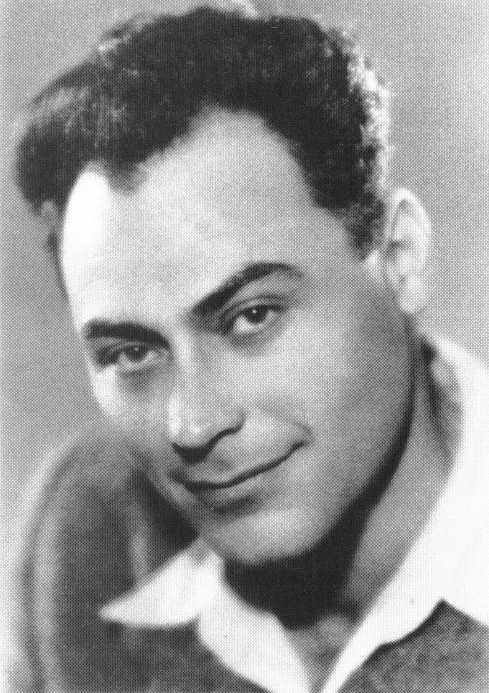
Dr Itzhak Bentov was born in Czechoslovakia during World War II. He lost his parents and siblings in a Nazi concentration camp. After escaping to Israel, he joined the army’s scientific division and helped invent their first rocket—despite not having formal science training. Later, he moved to the U.S. and invented a steerable medical catheter. He was considered a brilliant mind.
His idea of consciousness starts with the smallest particles: atoms. He believed everything in the universe is vibrating or resonating. From atoms to molecules to human beings, everything vibrates. Even things like sound waves, light waves, and gravity waves all follow patterns of harmony (called coherence) and disharmony (decoherence). Reality, according to Bentov, is made up of these vibrations.
He believed that for a tiny moment, when vibrations cancel out to zero (a node), our reality "switches" into a different, higher-frequency state. Most of the time, we experience normal reality, but in those tiny moments, we may be connected to a deeper, more refined level of existence.
Dr Itzhak Bentov was born in Czechoslovakia during World War II. He lost his parents and siblings in a Nazi concentration camp. After escaping to Israel, he joined the army’s scientific division and helped invent their first rocket—despite not having formal science training. Later, he moved to the U.S. and invented a steerable medical catheter. He was considered a brilliant mind.
His idea of consciousness starts with the smallest particles: atoms. He believed everything in the universe is vibrating or resonating. From atoms to molecules to human beings, everything vibrates. Even things like sound waves, light waves, and gravity waves all follow patterns of harmony (called coherence) and disharmony (decoherence). Reality, according to Bentov, is made up of these vibrations.
He believed that for a tiny moment, when vibrations cancel out to zero (a node), our reality "switches" into a different, higher-frequency state. Most of the time, we experience normal reality, but in those tiny moments, we may be connected to a deeper, more refined level of existence.

Itzhak Bentov’s work played a crucial role in shaping the theoretical foundation of the CIA’s Gateway Process. Bentov, known not only for his inventions like a remote-controlled cardiac catheter and diet spaghetti, also wrote extensively about human consciousness.
His biomedical and metaphysical models were central to Lt. Col. Wayne M. McDonnell’s 1983 report for the U.S. Army, which explored methods for transcending spacetime using the mind.
McDonnell’s report pulled ideas from various sources, but Bentov’s theories provided the scientific scaffolding that helped explain how altered states of consciousness—induced through techniques like meditation, biofeedback, hypnosis, and Kundalini yoga—could lead to powerful transformations in perception.
Specifically, Bentov’s ideas helped support the notion that the human body and mind can be tuned like instruments, with vibrational coherence playing a key role in achieving states of deep awareness or even out-of-body experiences. His influence helped lend credibility and structure to the more abstract or esoteric elements of the Gateway Process.
[en-academic.com/dic.nsf/enwiki…]
His biomedical and metaphysical models were central to Lt. Col. Wayne M. McDonnell’s 1983 report for the U.S. Army, which explored methods for transcending spacetime using the mind.
McDonnell’s report pulled ideas from various sources, but Bentov’s theories provided the scientific scaffolding that helped explain how altered states of consciousness—induced through techniques like meditation, biofeedback, hypnosis, and Kundalini yoga—could lead to powerful transformations in perception.
Specifically, Bentov’s ideas helped support the notion that the human body and mind can be tuned like instruments, with vibrational coherence playing a key role in achieving states of deep awareness or even out-of-body experiences. His influence helped lend credibility and structure to the more abstract or esoteric elements of the Gateway Process.
[en-academic.com/dic.nsf/enwiki…]
🚀 For more fascinating information and thought-provoking content, head over to our YouTube channel:
Hit that subscribe button and join the journey! youtube.com/@JesseMichels
Hit that subscribe button and join the journey! youtube.com/@JesseMichels
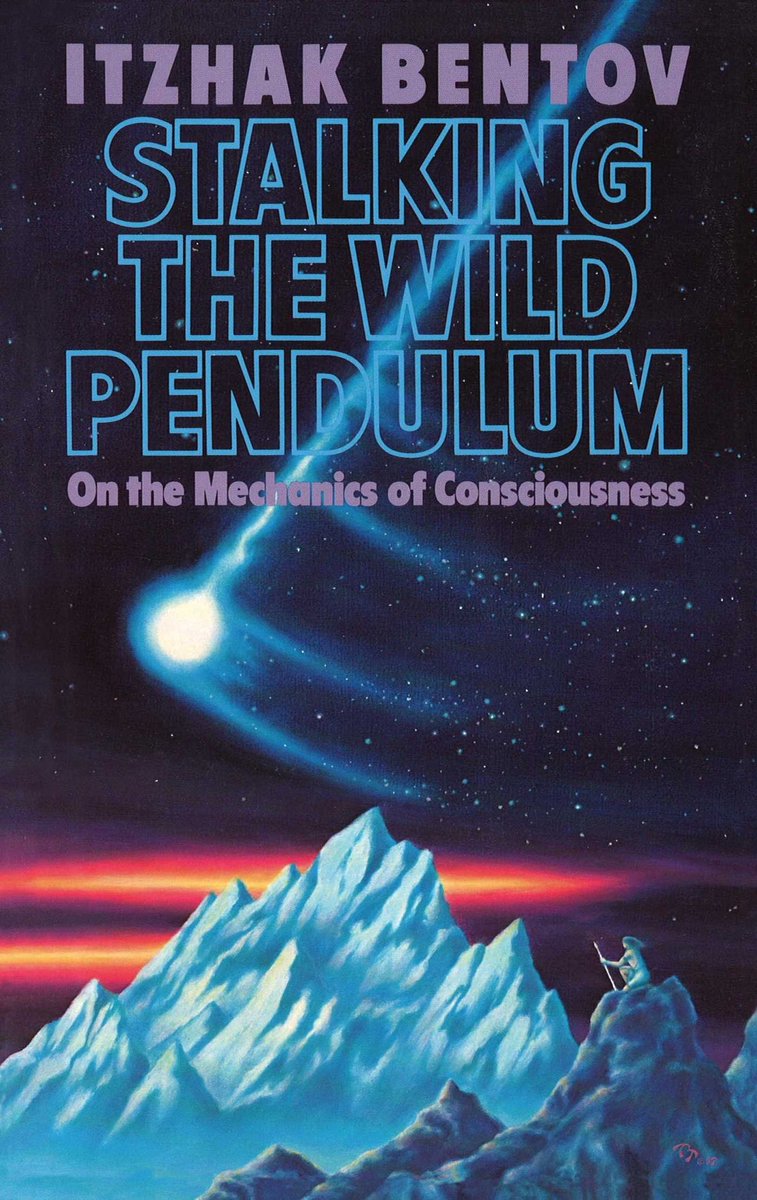
Bentov wasn’t just interested in engineering or medical inventions. His deep curiosity led him to explore something much bigger—consciousness and how it connects to the physical world. This journey led to his most famous book, Stalking the Wild Pendulum: On the Mechanics of Consciousness.
In the book, Bentov shares a bold idea: consciousness isn’t just something created by the brain. Instead, it’s a basic part of the universe—just as real and fundamental as matter or energy. His work combines modern science with ancient spiritual wisdom to create a unique model of reality.
-He believed that each part of the universe contains the whole, like how a hologram works. This means every part of reality reflects everything else. It's an idea supported by both some modern physics and old spiritual beliefs.
-Rather than thinking of the brain as the source of consciousness, Bentov thought it acts more like a radio. It doesn’t create consciousness—it tunes in to it, like tuning into a broadcast that’s already out there.
-He believed consciousness is linked to vibrations. Our thoughts, feelings, and meditative states are all connected to certain frequencies—both in the brain and in the environment around us.
In the book, Bentov shares a bold idea: consciousness isn’t just something created by the brain. Instead, it’s a basic part of the universe—just as real and fundamental as matter or energy. His work combines modern science with ancient spiritual wisdom to create a unique model of reality.
-He believed that each part of the universe contains the whole, like how a hologram works. This means every part of reality reflects everything else. It's an idea supported by both some modern physics and old spiritual beliefs.
-Rather than thinking of the brain as the source of consciousness, Bentov thought it acts more like a radio. It doesn’t create consciousness—it tunes in to it, like tuning into a broadcast that’s already out there.
-He believed consciousness is linked to vibrations. Our thoughts, feelings, and meditative states are all connected to certain frequencies—both in the brain and in the environment around us.
The Nervous System as a Link
Bentov believed that the nervous system is the key connection point between the physical world and the non-physical or spiritual realms. Through practices like meditation, he thought people could tune their nervous systems to universal frequencies—sort of like tuning a radio to a clear signal. This would allow someone to reach deeper levels of awareness and experience expanded consciousness.
He also studied what actually happens in the body during meditation. Bentov invented a special device that could measure tiny movements caused by the heartbeat and blood flow—kind of like a scientific seismograph for the body.
Through this research, he found something interesting: normally, the vibrations in the aorta (a big blood vessel) are slightly out of sync with the heartbeat. But during deep meditation, those vibrations become perfectly in sync—what he called phase-locked. This means the heart and aorta are working together more efficiently, using less energy.
This discovery suggested that meditation doesn’t just change your mind—it actually creates a powerful shift in how your body works, making everything run more smoothly and with less effort.
Bentov believed that the nervous system is the key connection point between the physical world and the non-physical or spiritual realms. Through practices like meditation, he thought people could tune their nervous systems to universal frequencies—sort of like tuning a radio to a clear signal. This would allow someone to reach deeper levels of awareness and experience expanded consciousness.
He also studied what actually happens in the body during meditation. Bentov invented a special device that could measure tiny movements caused by the heartbeat and blood flow—kind of like a scientific seismograph for the body.
Through this research, he found something interesting: normally, the vibrations in the aorta (a big blood vessel) are slightly out of sync with the heartbeat. But during deep meditation, those vibrations become perfectly in sync—what he called phase-locked. This means the heart and aorta are working together more efficiently, using less energy.
This discovery suggested that meditation doesn’t just change your mind—it actually creates a powerful shift in how your body works, making everything run more smoothly and with less effort.
Bentov says that it’s our nervous system—our brain, nerves, and senses—that allows us to experience reality. The body, made of bones, muscles, and tissue, supports this system, but it’s the nervous system that gives us the picture of the world we see. Everything we perceive—flowers, chairs, teacups—comes to us through our senses.
But our senses are limited. We can’t see beyond ultraviolet or infrared light. We only hear a certain range of sounds. That means we’re only perceiving a small portion of what actually exists. We’re looking through a narrow slit at reality.
As we evolve, this slit starts to open. We begin to perceive more of the full picture. It’s not that we’re seeing different realities—it’s just that our view of the one big reality becomes wider. The eyes, ears, and other senses are simply extensions of the nervous system, which itself is an extension of the brain.
Some people learn to expand this perception through spiritual practices. Yogis, for example, have developed ways to push the nervous system into a more advanced state. But sometimes these shifts happen naturally, without any training.
When it comes to the soul, Bentov says most people treat it like a vague, spiritual concept—something they think about at church and then forget about. But in his view, it’s the other way around. We don’t have a soul. The soul has us. The soul is the eternal part; the body is temporary, like a car you drive until it breaks down, then replace. The soul gathers everything we learn in a lifetime and carries it forward.
On the physical level, people seem completely separate. You sit there, I sit here. But if you look at a higher level—the level of the soul—our souls begin to touch, to overlap. Go even higher, to what he calls the Higher Self, and the overlap increases. At the highest level, the spiritual level, everything overlaps. There’s no separation anymore. Everything and everyone exists everywhere, all at once. That’s the state of a perfected being, or a god.
We already exist on all of these levels at the same time, but we just don’t realize it. Like it or not, we are all evolving toward becoming more aware—toward godhood. But this takes ages, so there’s no need to rush. What’s interesting, Bentov says, is that the universe actually wants us to learn. The whole system is built to teach us about itself. And what it wants is for us to become all-knowing and everywhere—because the system itself is intelligent, gathering information and sharing it freely.
youtu.be/pM_nCFugdkw
But our senses are limited. We can’t see beyond ultraviolet or infrared light. We only hear a certain range of sounds. That means we’re only perceiving a small portion of what actually exists. We’re looking through a narrow slit at reality.
As we evolve, this slit starts to open. We begin to perceive more of the full picture. It’s not that we’re seeing different realities—it’s just that our view of the one big reality becomes wider. The eyes, ears, and other senses are simply extensions of the nervous system, which itself is an extension of the brain.
Some people learn to expand this perception through spiritual practices. Yogis, for example, have developed ways to push the nervous system into a more advanced state. But sometimes these shifts happen naturally, without any training.
When it comes to the soul, Bentov says most people treat it like a vague, spiritual concept—something they think about at church and then forget about. But in his view, it’s the other way around. We don’t have a soul. The soul has us. The soul is the eternal part; the body is temporary, like a car you drive until it breaks down, then replace. The soul gathers everything we learn in a lifetime and carries it forward.
On the physical level, people seem completely separate. You sit there, I sit here. But if you look at a higher level—the level of the soul—our souls begin to touch, to overlap. Go even higher, to what he calls the Higher Self, and the overlap increases. At the highest level, the spiritual level, everything overlaps. There’s no separation anymore. Everything and everyone exists everywhere, all at once. That’s the state of a perfected being, or a god.
We already exist on all of these levels at the same time, but we just don’t realize it. Like it or not, we are all evolving toward becoming more aware—toward godhood. But this takes ages, so there’s no need to rush. What’s interesting, Bentov says, is that the universe actually wants us to learn. The whole system is built to teach us about itself. And what it wants is for us to become all-knowing and everywhere—because the system itself is intelligent, gathering information and sharing it freely.
youtu.be/pM_nCFugdkw
Bentov also challenged the idea of entropy. Normally, we think the universe gets more chaotic over time. But he believed that as the universe becomes more conscious, living things also become more aware. He said even atoms have a tiny bit of consciousness. As life evolves into more complex forms—like humans—our awareness grows too, though we still only perceive a small part of reality. For example, we can only hear certain sound frequencies and see a limited range of light.
He mentioned how infrasound (very low sound) and ultrasound (very high sound) can affect us even if we don’t consciously hear them. Infrasound has even been linked to supernatural experiences. One interesting concept he talked about is the Schumann Resonance, a natural frequency around 7.5 Hz caused by electromagnetic waves moving through the Earth’s atmosphere. That frequency is close to the brainwave states linked to meditation and remote viewing.
He mentioned how infrasound (very low sound) and ultrasound (very high sound) can affect us even if we don’t consciously hear them. Infrasound has even been linked to supernatural experiences. One interesting concept he talked about is the Schumann Resonance, a natural frequency around 7.5 Hz caused by electromagnetic waves moving through the Earth’s atmosphere. That frequency is close to the brainwave states linked to meditation and remote viewing.
Bentov believed that the human body is like a musical instrument. This idea comes from an ancient Greek philosopher named Pythagoras. According to Bentov, each part of the body can be thought of as playing a different musical chord or note. This way of thinking helps explain how vibrations might affect our health—physically, emotionally, and mentally.
He studied how the brain works, especially during meditation. He noticed that people who meditate a lot sometimes hear high-pitched sounds. He believed these sounds came from different parts of the brain and that the brain uses these frequencies to send messages within itself.
He also thought that two small glands in the brain—the pineal and pituitary glands—could "talk" to each other using vibrations. These vibrations travel through a small fluid-filled space in the center of the brain, called the third ventricle. This idea supports the theory that our brain communicates using energy and frequencies, not just chemicals.
Bentov studied how the brain works, especially during meditation. He noticed that people who meditate a lot sometimes hear high-pitched sounds. He believed these sounds came from different parts of the brain and that the brain uses these frequencies to send messages within itself.
He also thought that two small glands in the brain—the pineal and pituitary glands—could "talk" to each other using vibrations. These vibrations travel through a small fluid-filled space in the center of the brain, called the third ventricle. This idea supports the theory that our brain communicates using energy and frequencies, not just chemicals.
He studied how the brain works, especially during meditation. He noticed that people who meditate a lot sometimes hear high-pitched sounds. He believed these sounds came from different parts of the brain and that the brain uses these frequencies to send messages within itself.
He also thought that two small glands in the brain—the pineal and pituitary glands—could "talk" to each other using vibrations. These vibrations travel through a small fluid-filled space in the center of the brain, called the third ventricle. This idea supports the theory that our brain communicates using energy and frequencies, not just chemicals.
Bentov studied how the brain works, especially during meditation. He noticed that people who meditate a lot sometimes hear high-pitched sounds. He believed these sounds came from different parts of the brain and that the brain uses these frequencies to send messages within itself.
He also thought that two small glands in the brain—the pineal and pituitary glands—could "talk" to each other using vibrations. These vibrations travel through a small fluid-filled space in the center of the brain, called the third ventricle. This idea supports the theory that our brain communicates using energy and frequencies, not just chemicals.
Physio-Kundalini Reflex
He described a group of symptoms that sometimes happen during intense spiritual practices. He called this the "Physio-Kundalini Syndrome." People experiencing this could have both body and mind changes. Some of the mental effects seemed similar to schizophrenia, a mental health condition. This means that spiritual practices can deeply affect the mind, and people should be careful and have proper guidance.
Bentov had a theory to explain strange body sensations that people sometimes feel during deep meditation or spiritual practice. These are often called "kundalini experiences." More and more people around the world are reporting these kinds of experiences—especially when they practice meditation or energy work without proper guidance.
He believed these sensations are caused by standing waves—vibrations that stay in place—inside the fluid-filled areas of the brain (called ventricles). These waves can gently "massage" or stimulate a nearby part of the brain called the sensory cortex. That area controls how we feel touch and movement in our bodies.
This stimulation sends a sort of electric signal in a loop around the brain. People feel this as a tingling or sometimes painful energy that starts at the toes, moves up through the legs, spine, and head, and then comes down the front of the body—over the face, throat, and stomach—before starting over again. This follows the brain’s map of the body.
He described a group of symptoms that sometimes happen during intense spiritual practices. He called this the "Physio-Kundalini Syndrome." People experiencing this could have both body and mind changes. Some of the mental effects seemed similar to schizophrenia, a mental health condition. This means that spiritual practices can deeply affect the mind, and people should be careful and have proper guidance.
Bentov had a theory to explain strange body sensations that people sometimes feel during deep meditation or spiritual practice. These are often called "kundalini experiences." More and more people around the world are reporting these kinds of experiences—especially when they practice meditation or energy work without proper guidance.
He believed these sensations are caused by standing waves—vibrations that stay in place—inside the fluid-filled areas of the brain (called ventricles). These waves can gently "massage" or stimulate a nearby part of the brain called the sensory cortex. That area controls how we feel touch and movement in our bodies.
This stimulation sends a sort of electric signal in a loop around the brain. People feel this as a tingling or sometimes painful energy that starts at the toes, moves up through the legs, spine, and head, and then comes down the front of the body—over the face, throat, and stomach—before starting over again. This follows the brain’s map of the body.
Bentov named this process the physio-kundalini reflex, and he linked it to ancient ideas of "kundalini awakening"—a concept from yoga and meditation traditions. In those traditions, kundalini is described as a powerful energy that rises through the spine during deep spiritual awakening.
According to Bentov, when this loop of brain stimulation overlaps with a part of the brain that gives feelings of pleasure, the person may feel incredible happiness, peace, or even bliss—something called samadhi in meditation.
Bentov said that reaching this state of bliss usually takes years of regular meditation. But in some rare cases, it can happen suddenly without warning. It can also be triggered when someone is near a highly advanced meditation teacher or spiritual master (called a guru), who somehow helps the student reach this deep state.
According to Bentov, when this loop of brain stimulation overlaps with a part of the brain that gives feelings of pleasure, the person may feel incredible happiness, peace, or even bliss—something called samadhi in meditation.
Bentov said that reaching this state of bliss usually takes years of regular meditation. But in some rare cases, it can happen suddenly without warning. It can also be triggered when someone is near a highly advanced meditation teacher or spiritual master (called a guru), who somehow helps the student reach this deep state.
One of Bentov’s most fascinating ideas was about enlightened or cosmic consciousness—a state of expanded awareness and deep connection to the universe.
He believed that during very deep meditation, the brain builds up an electric current in the sensory cortex (the area that processes body sensations). This current creates two magnetic fields around the meditator’s head, each with opposite polarity (like the north and south poles of a magnet). These magnetic fields pulse in harmony with the body’s other rhythms, especially at 7 cycles per second (7 Hz), a frequency often seen in meditation.
Bentov and others actually measured these fields around the heads of meditators. He proposed that at this point, the meditator’s head acts like an antenna, tuned into both the Earth’s magnetic field and even the energies from the sun and stars.
Our planet’s environment is filled with constantly changing electromagnetic fields. Bentov believed that a person in deep meditation can receive and respond to these changes, because their brain becomes “tuned in” like a radio station. The head antenna both sends and receives energy and information.
He believed that during very deep meditation, the brain builds up an electric current in the sensory cortex (the area that processes body sensations). This current creates two magnetic fields around the meditator’s head, each with opposite polarity (like the north and south poles of a magnet). These magnetic fields pulse in harmony with the body’s other rhythms, especially at 7 cycles per second (7 Hz), a frequency often seen in meditation.
Bentov and others actually measured these fields around the heads of meditators. He proposed that at this point, the meditator’s head acts like an antenna, tuned into both the Earth’s magnetic field and even the energies from the sun and stars.
Our planet’s environment is filled with constantly changing electromagnetic fields. Bentov believed that a person in deep meditation can receive and respond to these changes, because their brain becomes “tuned in” like a radio station. The head antenna both sends and receives energy and information.
As the Earth and universe shift, those changes affect the brain’s resonating frequency during meditation. The brain translates this energy into new levels of awareness, giving the meditator a deeper sense of connection with life and the cosmos.
This could explain why some advanced yogis seem to live in perfect harmony with the world—staying healthy, calm, and resilient through all of life’s ups and downs. Bentov believed that this “super-conscious” state is a form of natural alignment—magnetic and bioelectric harmony with the universe.
Interestingly, Bentov wasn’t alone. At the First International Conference on Psychotronic Research in 1973, eight scientific papers shared this same basic idea: that we can integrate with a universal energy field. These researchers suggested that psychic abilities—like telepathy, clairvoyance, and intuition—come from tuning into this universal field.
In yoga, these abilities are called siddhis, and they often show up naturally as someone goes deeper into meditation. But true yogis don’t focus on gaining powers—they aim for full self-realization: complete awareness of who they are and their place in the universe.
This could explain why some advanced yogis seem to live in perfect harmony with the world—staying healthy, calm, and resilient through all of life’s ups and downs. Bentov believed that this “super-conscious” state is a form of natural alignment—magnetic and bioelectric harmony with the universe.
Interestingly, Bentov wasn’t alone. At the First International Conference on Psychotronic Research in 1973, eight scientific papers shared this same basic idea: that we can integrate with a universal energy field. These researchers suggested that psychic abilities—like telepathy, clairvoyance, and intuition—come from tuning into this universal field.
In yoga, these abilities are called siddhis, and they often show up naturally as someone goes deeper into meditation. But true yogis don’t focus on gaining powers—they aim for full self-realization: complete awareness of who they are and their place in the universe.
Tragically, Itzhak Bentov died in 1979. He was among the passengers on American Airlines Flight 191, which crashed shortly after takeoff from Chicago O’Hare Airport.
The disaster claimed the lives of all on board and remains the deadliest non-terrorism-related aviation accident in U.S. history.
Despite his early death, Bentov left behind a profound legacy—his pioneering work continues to influence thinkers, spiritual seekers, and consciousness researchers around the world.
The disaster claimed the lives of all on board and remains the deadliest non-terrorism-related aviation accident in U.S. history.
Despite his early death, Bentov left behind a profound legacy—his pioneering work continues to influence thinkers, spiritual seekers, and consciousness researchers around the world.
• • •
Missing some Tweet in this thread? You can try to
force a refresh