Lots of US military officers like to believe Ukraine is identical in most ways to Saddam's Iraq & some are foolish enough to say so publicly.
It'd just not true in terms of Ukrainian IADS leadership, equipment, organization, training and doctrine.
1/
It'd just not true in terms of Ukrainian IADS leadership, equipment, organization, training and doctrine.
1/
https://twitter.com/RealCynicalFox/status/1911963224615821499
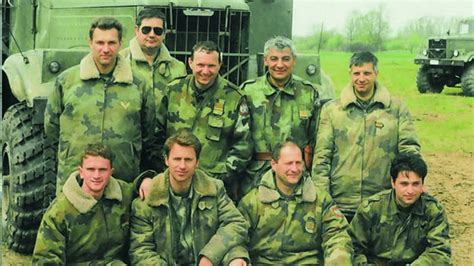
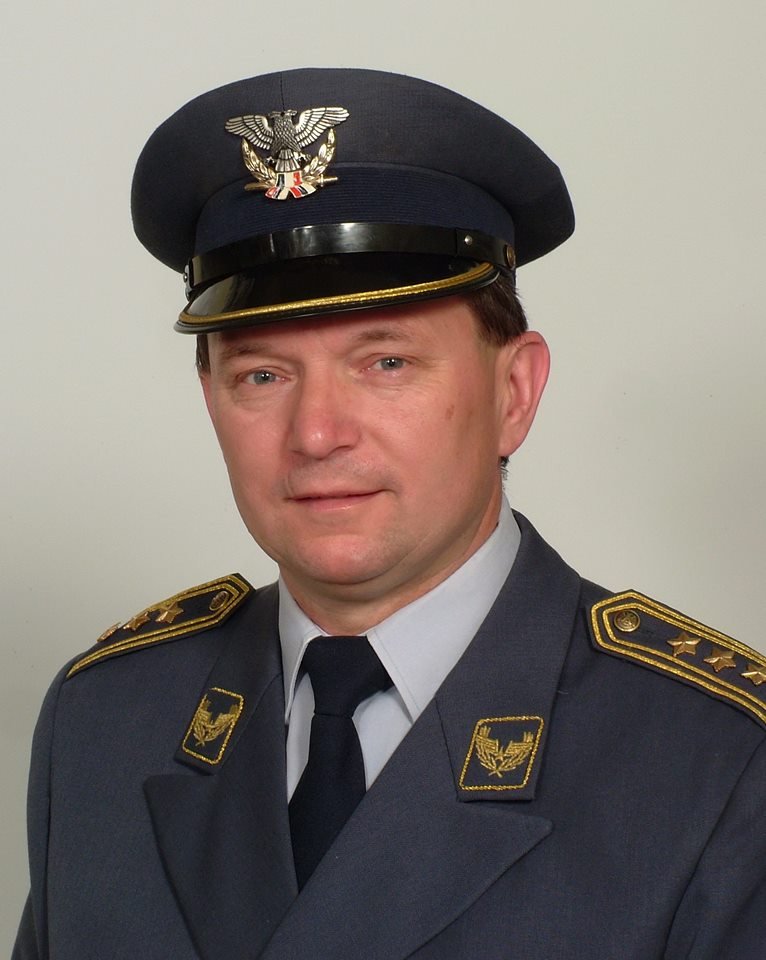
The #2 of PSU in Feb 2022 had been imbedded in Serbian air defense in 1999 during Operation Allied Force.
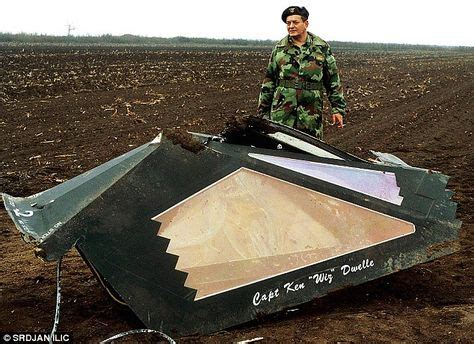
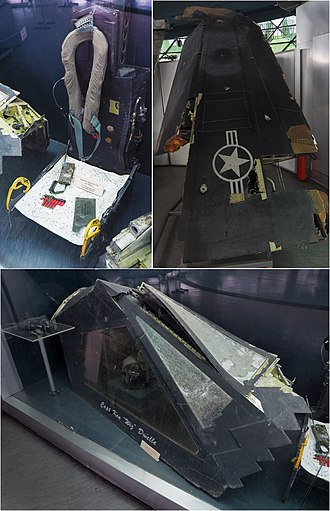
Where Col Zoltan Dani SA-3 Goa unit not only defeated USAF SEAD doctrine from 24 Mar to 10 June 1999 with good training & tactics.
Zoltan also bagged an F-117.
2/
Where Col Zoltan Dani SA-3 Goa unit not only defeated USAF SEAD doctrine from 24 Mar to 10 June 1999 with good training & tactics.
Zoltan also bagged an F-117.
2/
Ukraine spent 23 years duplicating Zoltani's emissions control and mobility doctrine for it's IADS.
Additionally in 2014-2015, the PSU IADS operated under the Russian long range MLRS/TBM park directed by UAV's that were cued by EW-Sigint for a year.
Minimally the Ukrainians
3/
Additionally in 2014-2015, the PSU IADS operated under the Russian long range MLRS/TBM park directed by UAV's that were cued by EW-Sigint for a year.
Minimally the Ukrainians
3/
...in February 2022 were are as good as the Serbs were in 1999 at foxing high altitude PGM attacks with deception and EW/visual decoys.
Then there is the issue of equipment.🙄
4/
Then there is the issue of equipment.🙄
4/
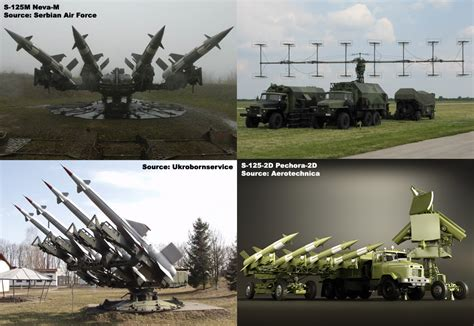
Equipment wise, S-300P, S-300PS & S-300PT (SA-10A Grumble A & B) were not in Iraq's 1991 or 2003 inventories.
Nor were S-300V1 SA-12 GLADIATOR, the SA-11 GADFLY, and every other bit of late Soviet era kit.
5/
Nor were S-300V1 SA-12 GLADIATOR, the SA-11 GADFLY, and every other bit of late Soviet era kit.
5/
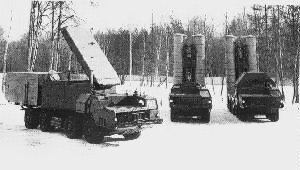
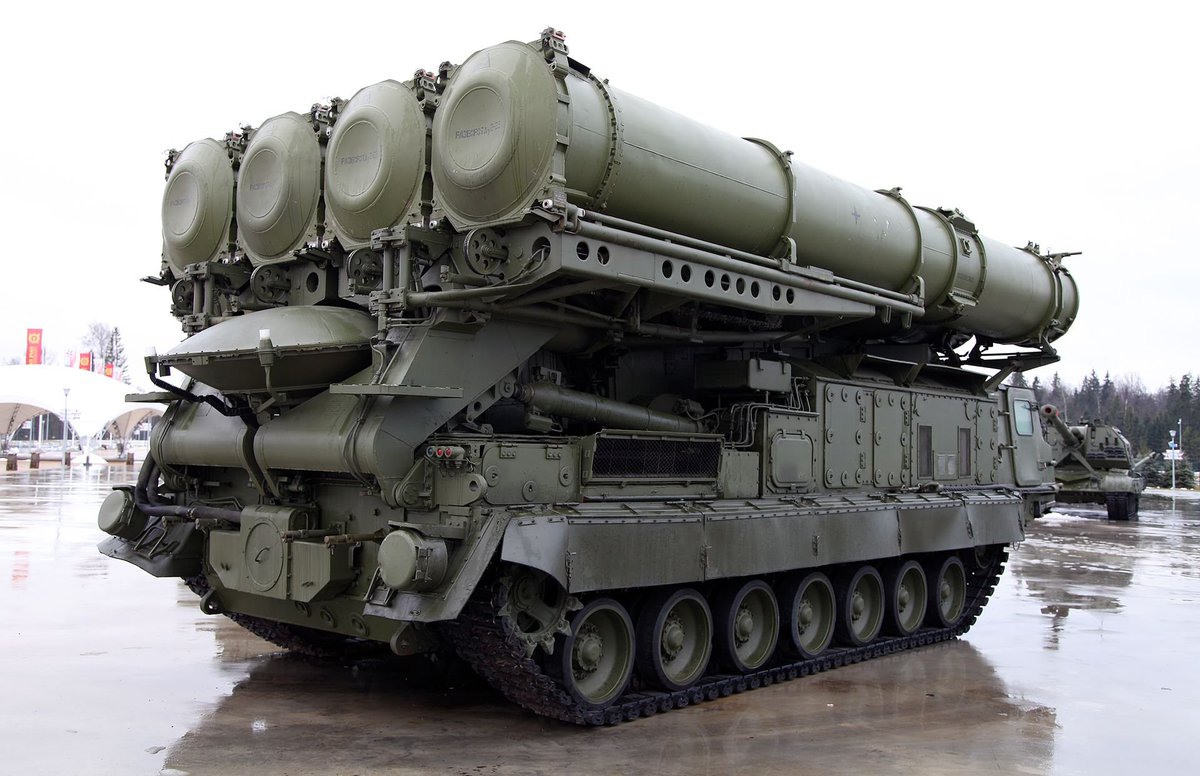
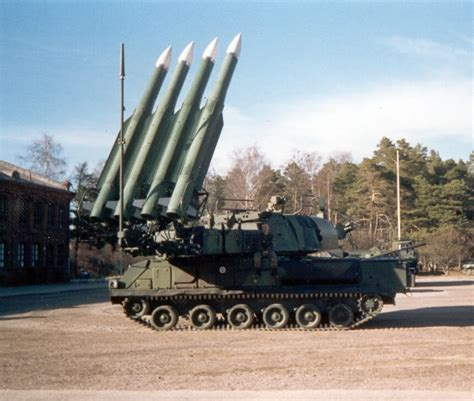
Finding out about the PDU's GBAD equipment set isn't something that is particularly hard to do, as the first Google search return I got for "Ukrainian national ground based air defense" was this link:
6/
geimint.blogspot.com/2009/07/ukrain…
6/
geimint.blogspot.com/2009/07/ukrain…
Information on Ex-Soviet air defense organizations reactions to Operation Allied Force are very easy to find.
The concentration of PSU ADA upgrades on "shoot and scoot" SAM's is one of major lessons learned from Operation Allied Force.
See:
rand.org/pubs/monograph…
press.armywarcollege.edu/parameters/vol…
web.archive.org/web/2009031911…
press.armywarcollege.edu/parameters/vol…
6/
The concentration of PSU ADA upgrades on "shoot and scoot" SAM's is one of major lessons learned from Operation Allied Force.
See:
rand.org/pubs/monograph…
press.armywarcollege.edu/parameters/vol…
web.archive.org/web/2009031911…
press.armywarcollege.edu/parameters/vol…
6/
The Air Power Australia website had, IMO, the best summary of Ex-Soviet air defense reaction to the NATO air campaign against the Serbs, which I've clipped from below:
Air Power Australia Analysis 2009-04
14th June, 2009
A Paper by Martin Andrew, BA(hons), MA, PhD, RAAF(Retd)
Text © 2009 Martin Andrew
The Russian military certainly took notice of Operation Allied Force and this is reflected in fundamental doctrinal and technological changes in their approach to operating and designing air defence systems.
There is much new equipment, primarily of Russian and Chinese origin, but also from Belarus and the Ukraine, now available on the open market as building blocks, for any country with enough money and the motivation, to create a highly survivable Integrated Air Defence System[27].
This equipment includes both passive and active, and soft and hard kill measures as part of the air defence network, including transportable GPS/GLONASS jammers, decoy radar emitters, active defensive countermeasures for radars, ISR radar and airborne communications jammers, and point defence missile systems designed to intercept anti-radiation missiles such as the HARM and ALARM, and Precision Guided Munitions such as the JDAM and JASSM.
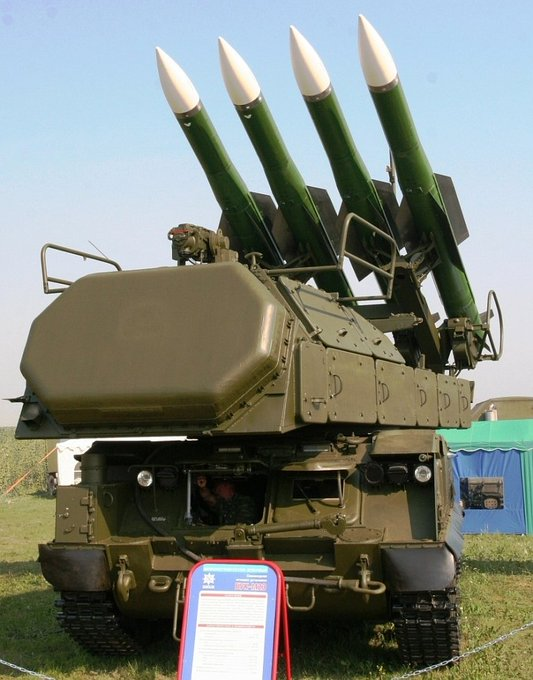
However, the biggest lesson learnt by Russian strategists was the need to be able to ‘shoot and scoot’ like self-propelled artillery.
Stealth, reduced sensor-to-shooter times and GPS guided munitions were already making the older fixed air defence systems obsolete prior to Allied Force and the Russians realised many of their systems were vulnerable.
Operation Allied Force showed mobility was the key element to survivability, as the fourth part of the paper shows.
Mobility - The Most Important Lesson of Operation Allied Force
Following OAF, Russian industry launched a campaign to provide high mobility capabilities to all new build, and many legacy SAM systems
and radars.
< / snip >
7/
Air Power Australia Analysis 2009-04
14th June, 2009
A Paper by Martin Andrew, BA(hons), MA, PhD, RAAF(Retd)
Text © 2009 Martin Andrew
The Russian military certainly took notice of Operation Allied Force and this is reflected in fundamental doctrinal and technological changes in their approach to operating and designing air defence systems.
There is much new equipment, primarily of Russian and Chinese origin, but also from Belarus and the Ukraine, now available on the open market as building blocks, for any country with enough money and the motivation, to create a highly survivable Integrated Air Defence System[27].
This equipment includes both passive and active, and soft and hard kill measures as part of the air defence network, including transportable GPS/GLONASS jammers, decoy radar emitters, active defensive countermeasures for radars, ISR radar and airborne communications jammers, and point defence missile systems designed to intercept anti-radiation missiles such as the HARM and ALARM, and Precision Guided Munitions such as the JDAM and JASSM.
However, the biggest lesson learnt by Russian strategists was the need to be able to ‘shoot and scoot’ like self-propelled artillery.
Stealth, reduced sensor-to-shooter times and GPS guided munitions were already making the older fixed air defence systems obsolete prior to Allied Force and the Russians realised many of their systems were vulnerable.
Operation Allied Force showed mobility was the key element to survivability, as the fourth part of the paper shows.
Mobility - The Most Important Lesson of Operation Allied Force
Following OAF, Russian industry launched a campaign to provide high mobility capabilities to all new build, and many legacy SAM systems
and radars.
< / snip >
7/
The PSU's initial Feb. 2022 IADS was no longer Soviet as they had tweaked almost everything and had their own C3I and radars.
US military air services would have had a hell of a bad time against the 2022 PSU's IADS,
8/
US military air services would have had a hell of a bad time against the 2022 PSU's IADS,
8/
...even using the USAF's and USN's best SEAD assets.
Ukraine's IADS is mobile, dense, redundant, resilient, gun dense and very well trained.
It is and remains - with Ukrainian innovation & Western air defense aid like Patriot, NASAM & SAMP/T - the IADS from hell.
9/9 End
Ukraine's IADS is mobile, dense, redundant, resilient, gun dense and very well trained.
It is and remains - with Ukrainian innovation & Western air defense aid like Patriot, NASAM & SAMP/T - the IADS from hell.
9/9 End
@threadreaderapp unroll please
• • •
Missing some Tweet in this thread? You can try to
force a refresh