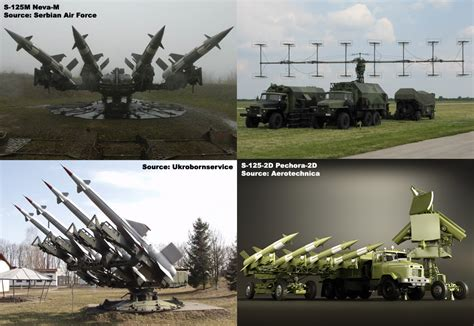
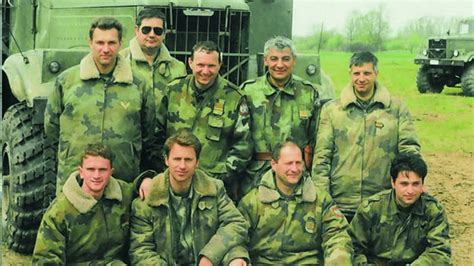
The CO of the top scoring Buk [Nato designation SA-11 Gadfly] battery in the PSU did an interview ~2 years ago (early 2023).
He said they used their own Mavic drones to check that their camouflage and
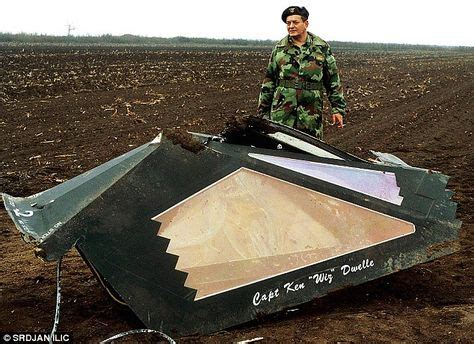
Zoltan Dani & A2/AD doctrine🧵
1/
He said they used their own Mavic drones to check that their camouflage and
Zoltan Dani & A2/AD doctrine🧵
1/
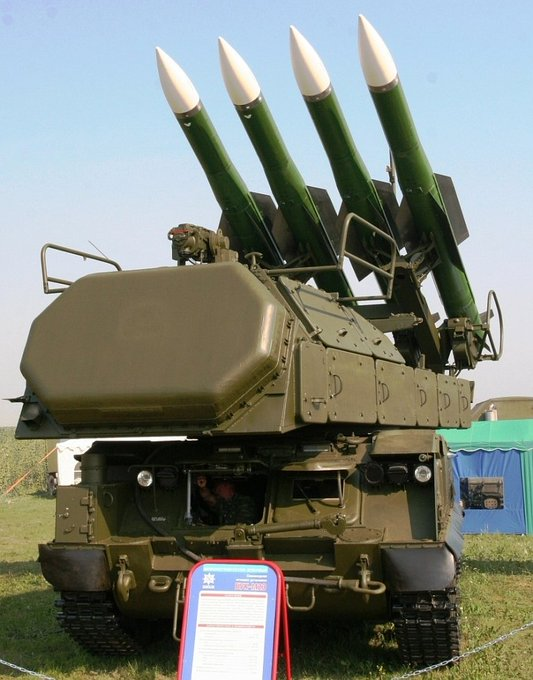
...that their battery concealment was good enough to fool Russian drones.
So, the PSU does a drone quality assurance check on its camo during the "hide" phase of the hide-shoot-scoot cycle, AKA you have to survive in order to have the opportunity to shoot enough to become the highest scoring SAM battery.
2/
So, the PSU does a drone quality assurance check on its camo during the "hide" phase of the hide-shoot-scoot cycle, AKA you have to survive in order to have the opportunity to shoot enough to become the highest scoring SAM battery.
2/
https://x.com/AKamyshin/status/1855993441580142932
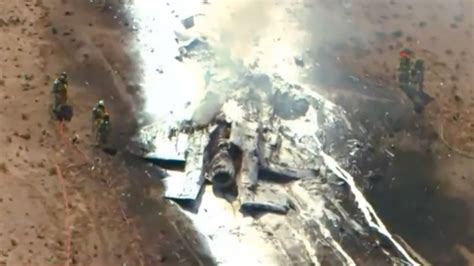
In contrast, the Russian VKS parks their missile TELARs in the middle of a field to get maximum obstacle clearance and range. Then they are shocked when hit by deep strike assault drone or GMLRS rocket.
3/
3/
https://x.com/ManiacMagic1/status/1697906124056322548
This is the difference that good leadership and doctrine makes in A2/AD combat.
The #1 mission of air defense it to prevent enemy airpower from achieving its mission on an attritional basis, not killing enemy aircraft.
Killing planes is just the bonus.
4/
The #1 mission of air defense it to prevent enemy airpower from achieving its mission on an attritional basis, not killing enemy aircraft.
Killing planes is just the bonus.
4/
https://x.com/Jeff21461/status/1901982395219239424
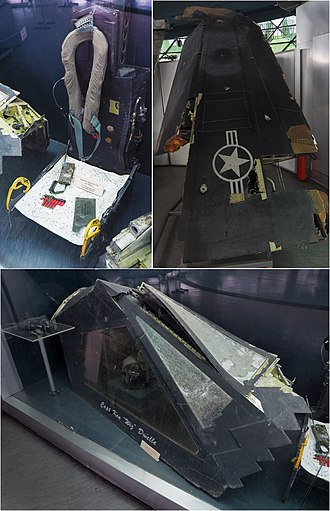
During Operation Allied Force, Col. Zoltan Dani's SA-3 Battery's survival forced _EVERY_ NATO air mission to require a SEAD package, fly high degrading dumb bomb accuracy, and trade bomb payload for ECM pods and addition fuel tanks to try and fly around suspected SAM sites.
5/
5/
https://x.com/TrentTelenko/status/1912364108139163659
Making air power limit itself to high altitudes in strike packages scaled to available SEAD assets (Jamming planes and radar hunting sensor equipped HARM missile shooters) or to "platinum bullet" standoff munitions that can be defeated by electronic warfare, decoys and multispectral smoke, denies airpower the ability to achieve local air superiority, let alone uncontested air supremacy.
6/
6/
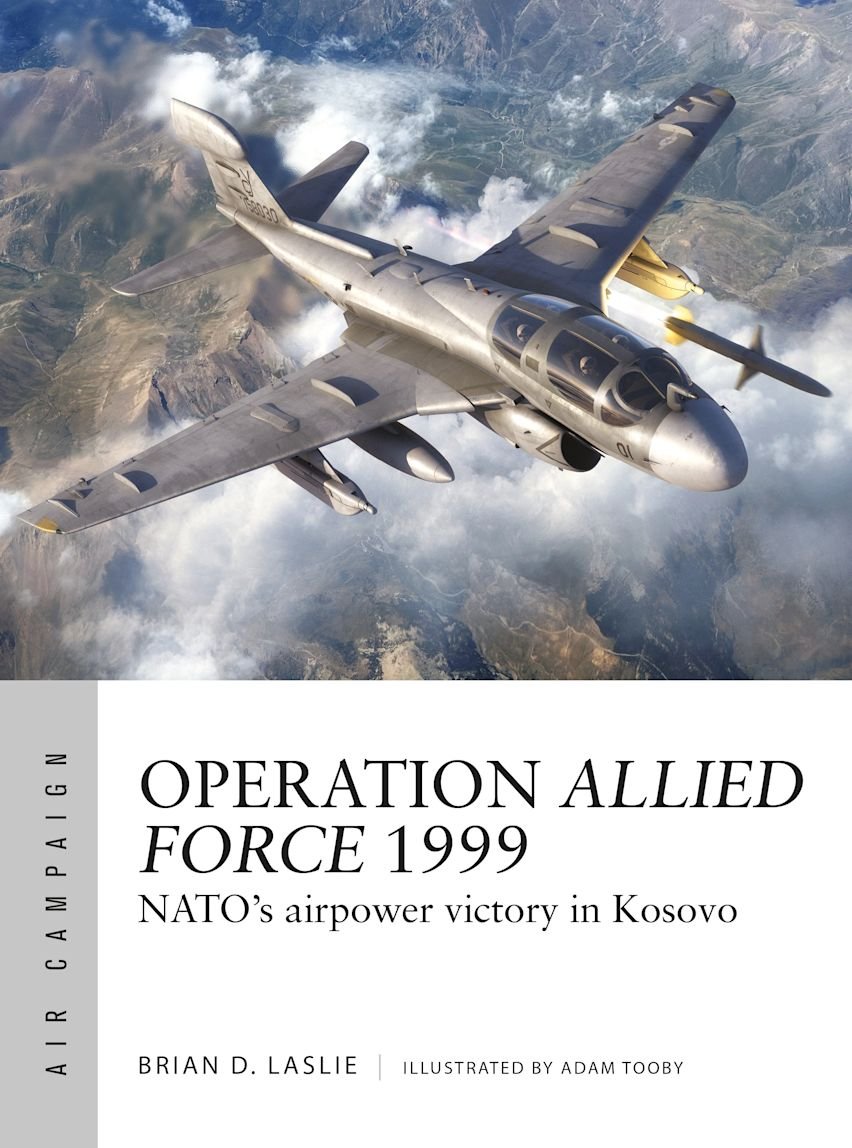
Ukraine's PSU - remembering Serb Col. Zoltan Dani's 1999 tactics - knows air defense survival is the first step accomplishing its mission of preventing Russian air power from doing its mission.
Air Defense survival is the real heart of Anti-Area Access denial (A2/AD) doctrine used by Russia, China and Ukraine.
7/
Air Defense survival is the real heart of Anti-Area Access denial (A2/AD) doctrine used by Russia, China and Ukraine.
7/
https://x.com/TrentTelenko/status/1912254539488719338
[We know Ukrainian doctrine, we can infer PLA doctrine, Russian A2/AD doctrine, as executed in Ukraine, seems non-existent in practice or ad hoc at best via local ADA leadership.
Soviet Cold War A2/AD doctrine is the ancestor of all three A2/AD doctrines in any case.]
8/
Soviet Cold War A2/AD doctrine is the ancestor of all three A2/AD doctrines in any case.]
8/
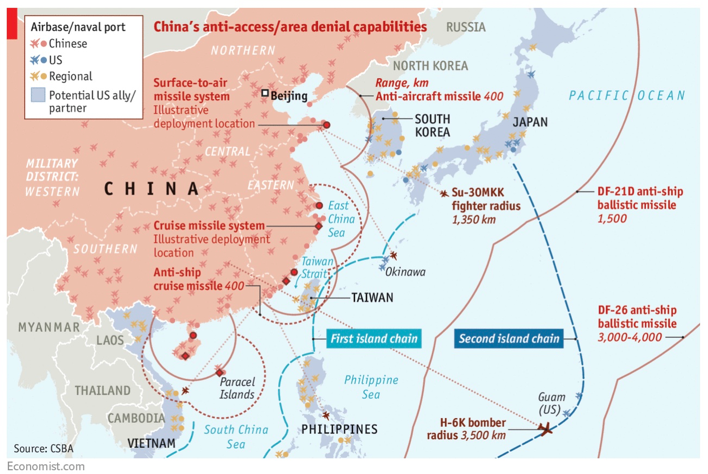

A2/AD is about denying the enemy the use of a volume of airspace, preferably on a persistent basis.
This is done by convincing enemy AF leaders that the risk of entering that airspace is "too high" and that losses of several percent are inevitable.
9/
This is done by convincing enemy AF leaders that the risk of entering that airspace is "too high" and that losses of several percent are inevitable.
9/
NB, what is the 'half life' of your strike jet fleet if you are taking daily 1%, 2%, 5% or even 10% losses on average per sortie?
USAF leaders have refused to publicly use exponential decay loss curve graphs for strike jet fleets since the end of the Cold War.🤢🤮
10/
USAF leaders have refused to publicly use exponential decay loss curve graphs for strike jet fleets since the end of the Cold War.🤢🤮
10/
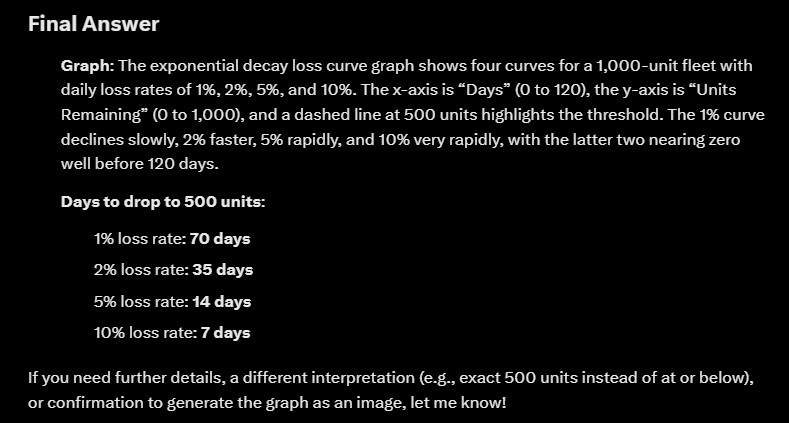
This of course applies both ways - if your US$500M SAM/ABM battery is lost due to incompetence, how long will your IADS last?"
When you concentrate on killing planes like the VKS does, you die.
11/
When you concentrate on killing planes like the VKS does, you die.
11/
https://x.com/Osinttechnical/status/1793630311516975148
Lanchester's attrition warfare equations cut both ways in air wars and Russia's catastrophic losses in IADS components from SHORADS up to S-300V4s, S-350s, S-400s, and even S-500s are proof of this.
12/
12/
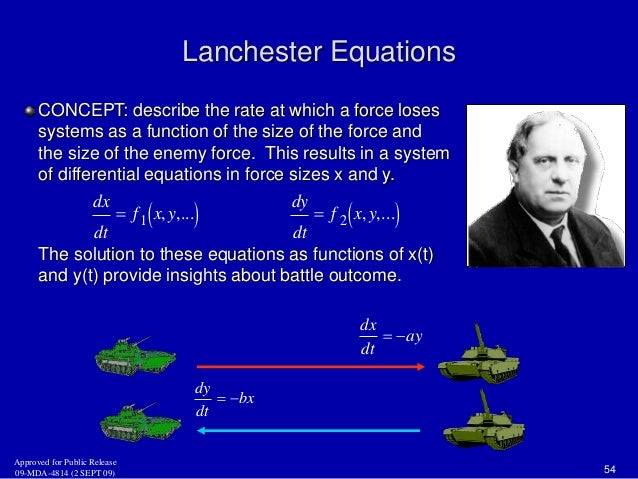
The AFU has hunted these assets with the full range of tools available from drones, AGM-88s, through Neptun GLCMs, Storm Shadow ALCMs, and ATACMS.
Conversely PSU IADS losses have been remarkably low due to concealment, decoys, movements, and disciplined EMCON."
13/
Conversely PSU IADS losses have been remarkably low due to concealment, decoys, movements, and disciplined EMCON."
13/
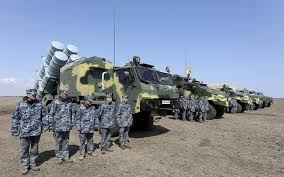
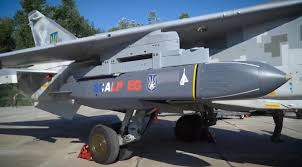
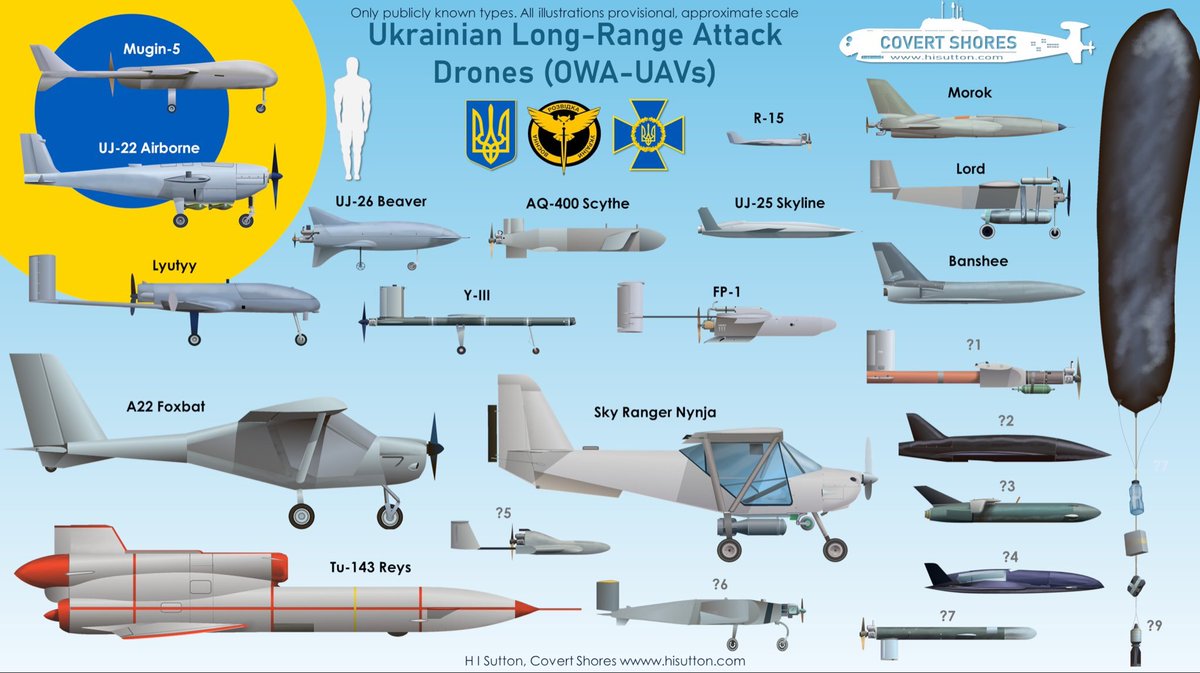
Ukraine took the Soviet era IADS doctrine that the Col Zoltan Dani used so well, and supercharged it with technique, tactics and technological improvements.
14/
14/
https://x.com/Osinttechnical/status/1558591936050642949
Conversely Putin's VKS mostly threw-out the Soviet IADS manual, believing that their SAMs were invincible and therefore invulnerable because, Putin era "Russian exceptionalism."
15/
15/
https://x.com/IAPonomarenko/status/1797588979157533031
It is a measure of the institutional and professional decay of the US military air services leadership that, while they talk a good show about "A2/AD," they studiously ignore that Col. Zolton Dani's missile battery "hide-shoot-scoot with emissions control cycle" is at the heart of it.
16/
16/
A 1% daily attrition rate of the F-35 fleet in a peer to peer conflict will see a year's production (150) lost in about a month.
However, spending money on reconnaissance & SEAD drones to take losses, and not F-35's, is bad for US flag rank post retirement employment.
17/17 End
However, spending money on reconnaissance & SEAD drones to take losses, and not F-35's, is bad for US flag rank post retirement employment.
17/17 End
@threadreaderapp unroll please
• • •
Missing some Tweet in this thread? You can try to
force a refresh