I try to live by the rule that what may be obvious to one person may not be obvious to another, as people are getting into hobbies at different points. So for those who are just starting to build a better wardrobe, here's how to shop for clothes online. 🧵
https://twitter.com/mikerafilawyer/status/1913778084244766983
Go to your closet and pull out your best fitting clothes—best button-up shirt, best sweater, best pair of tailored trousers, and best pair of jeans. Lay these flat on a hard surface and measure them with a flexible measuring tape (available online or local craft stores) 


For button-up shirts and sweaters, you'll want to take four basic measurements:
— Chest: measure across the front from armpit to armpit. Make sure shirt is buttoned
— Shoulder: measure across the back from shoulder joint to shoulder joint. Use the shoulder seam to guide you.
— Chest: measure across the front from armpit to armpit. Make sure shirt is buttoned
— Shoulder: measure across the back from shoulder joint to shoulder joint. Use the shoulder seam to guide you.


— Length: Measure across the back from bottom of the collar to the hem. Make sure you don't include the actual collar.
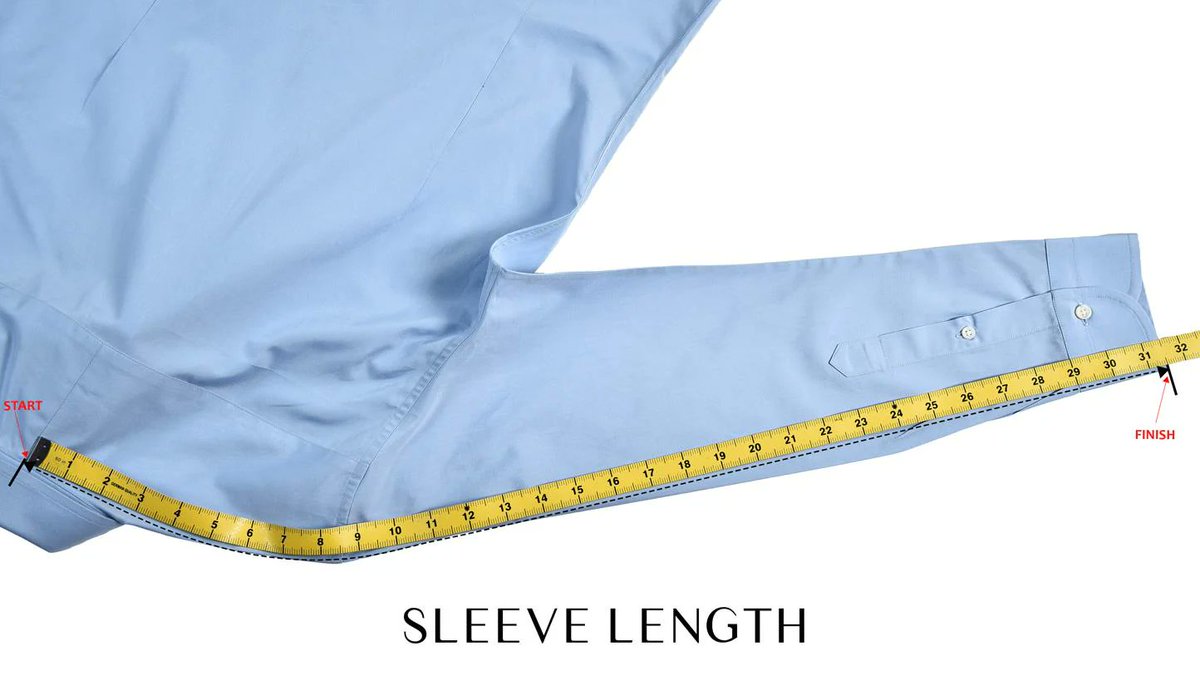
— Sleeve: Measure from center of the collar seam to the sleeve cuff. Then again from shoulder joint to sleeve cuff. Keep both numbers on hand.
— Sleeve: Measure from center of the collar seam to the sleeve cuff. Then again from shoulder joint to sleeve cuff. Keep both numbers on hand.

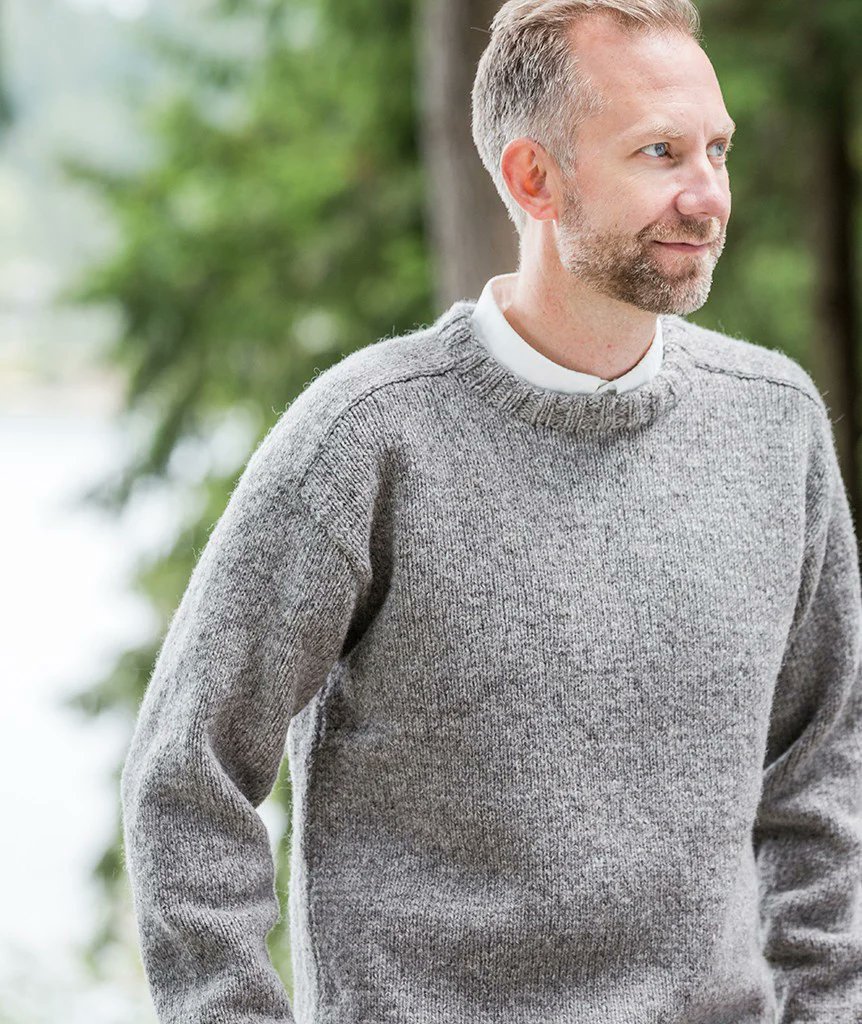
Note, to do this, your garment has to have a definable shoulder seam (like where the shoulder meets the sleeve). The saddle shoulder construction you see in pic 1 won't work. You need something like pic 2, where there's a vertical seam around the armhole.

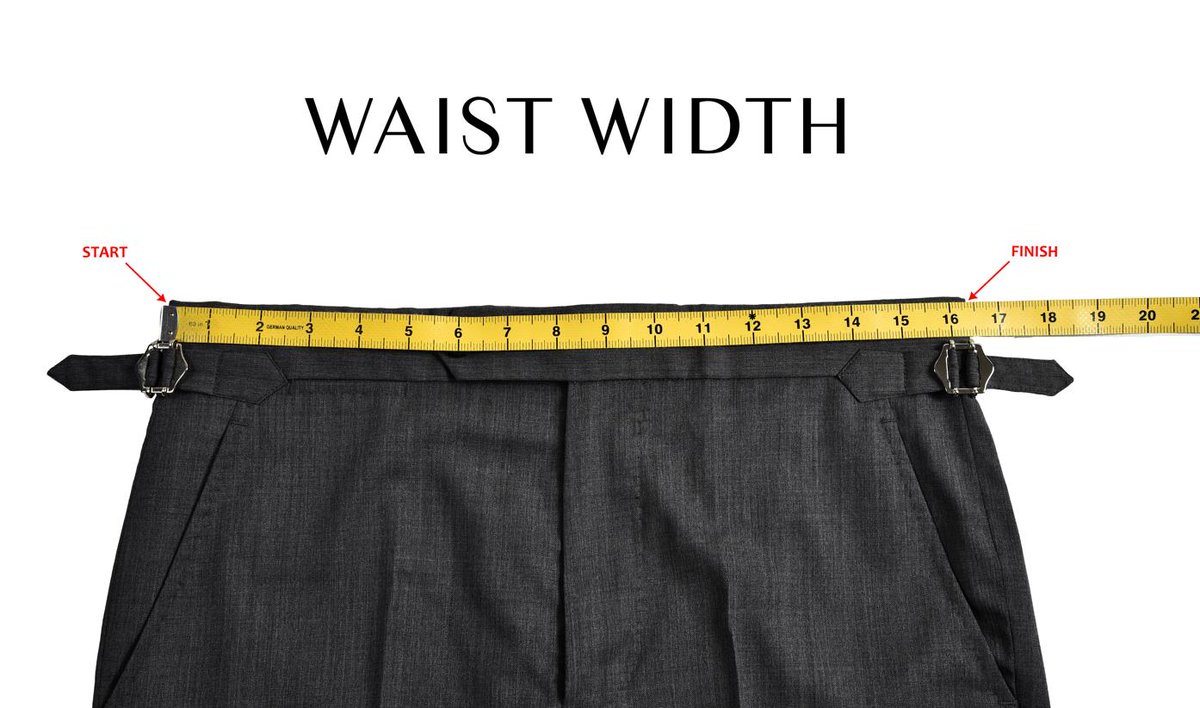
Next, take four measurements of your pants.
— Waist: End to end across the front.
— Front rise: Top of waistband to crotch seam across the front.
— Inseam: Crotch seam to hem.
— Leg opening: Diameter across the hem.
— Waist: End to end across the front.
— Front rise: Top of waistband to crotch seam across the front.
— Inseam: Crotch seam to hem.
— Leg opening: Diameter across the hem.
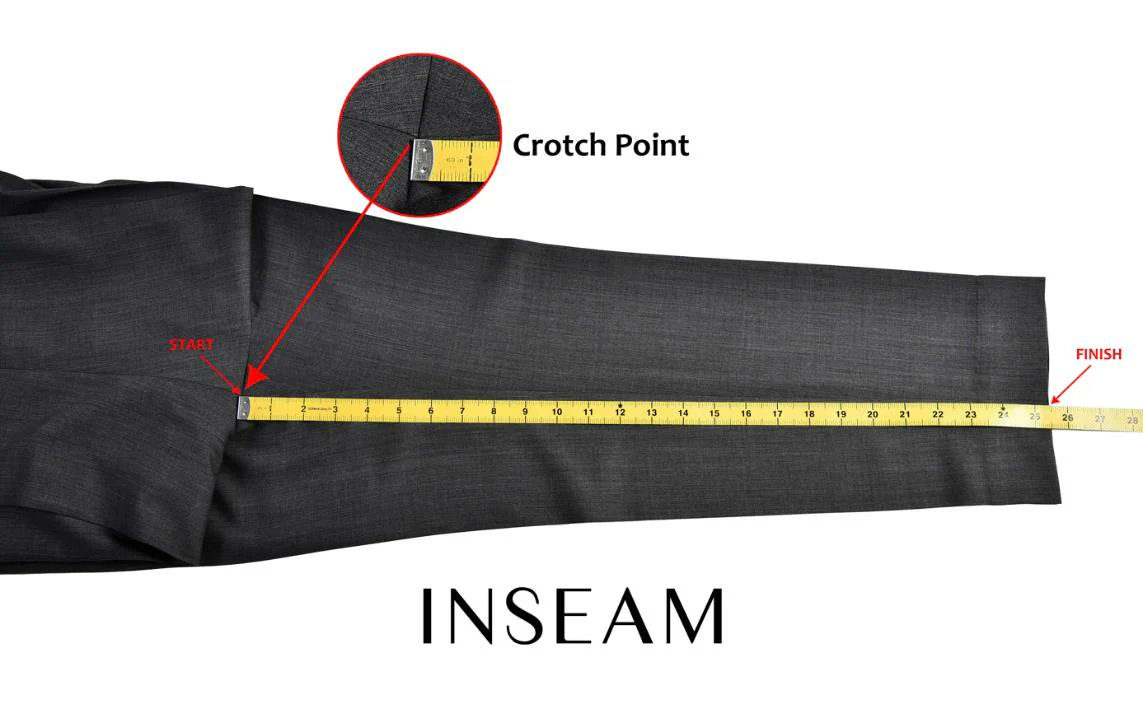
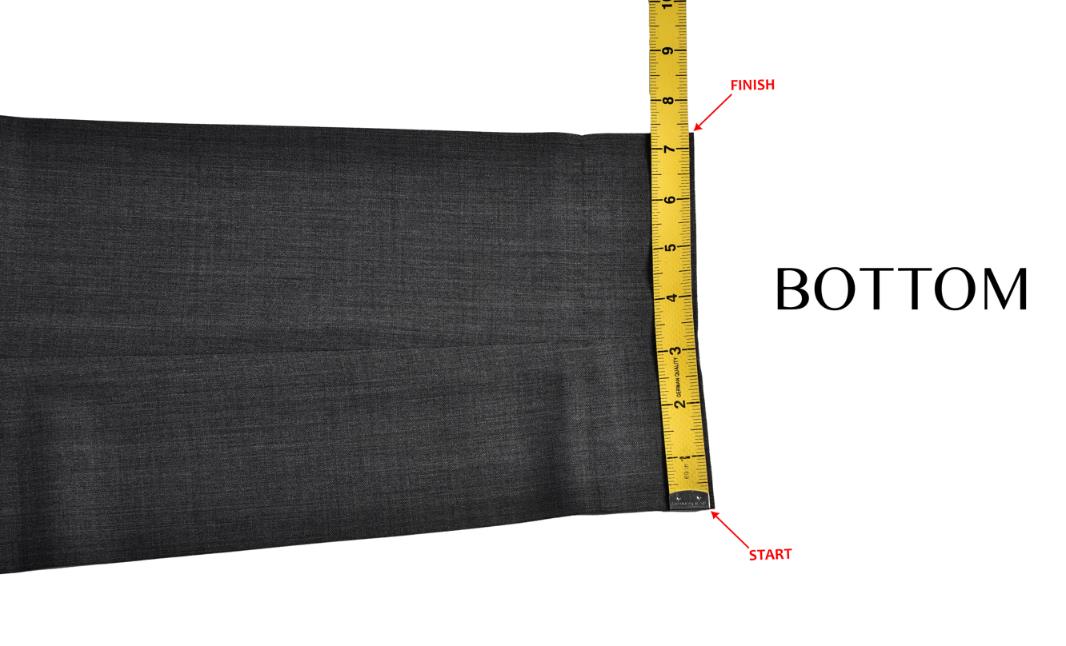
Keep these numbers written in a notebook and compare them to a store's measurements when shopping. However, when doing so, exercise some common sense.
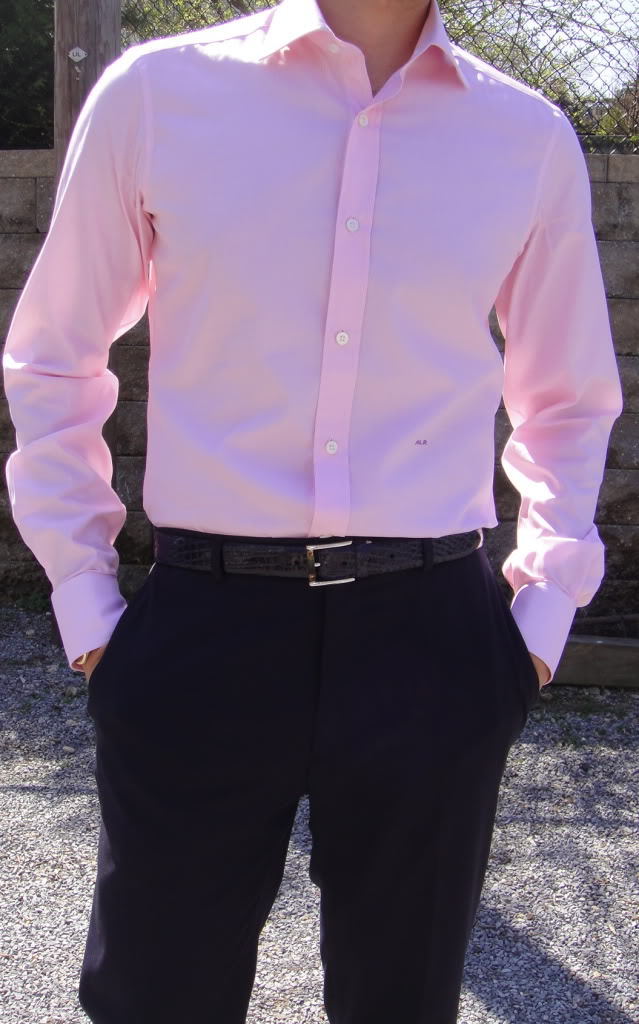
For instance, this G. Inglese dress shirt at No Man Walks Alone measures 21" across the chest for a size 39 (about a small).
For instance, this G. Inglese dress shirt at No Man Walks Alone measures 21" across the chest for a size 39 (about a small).
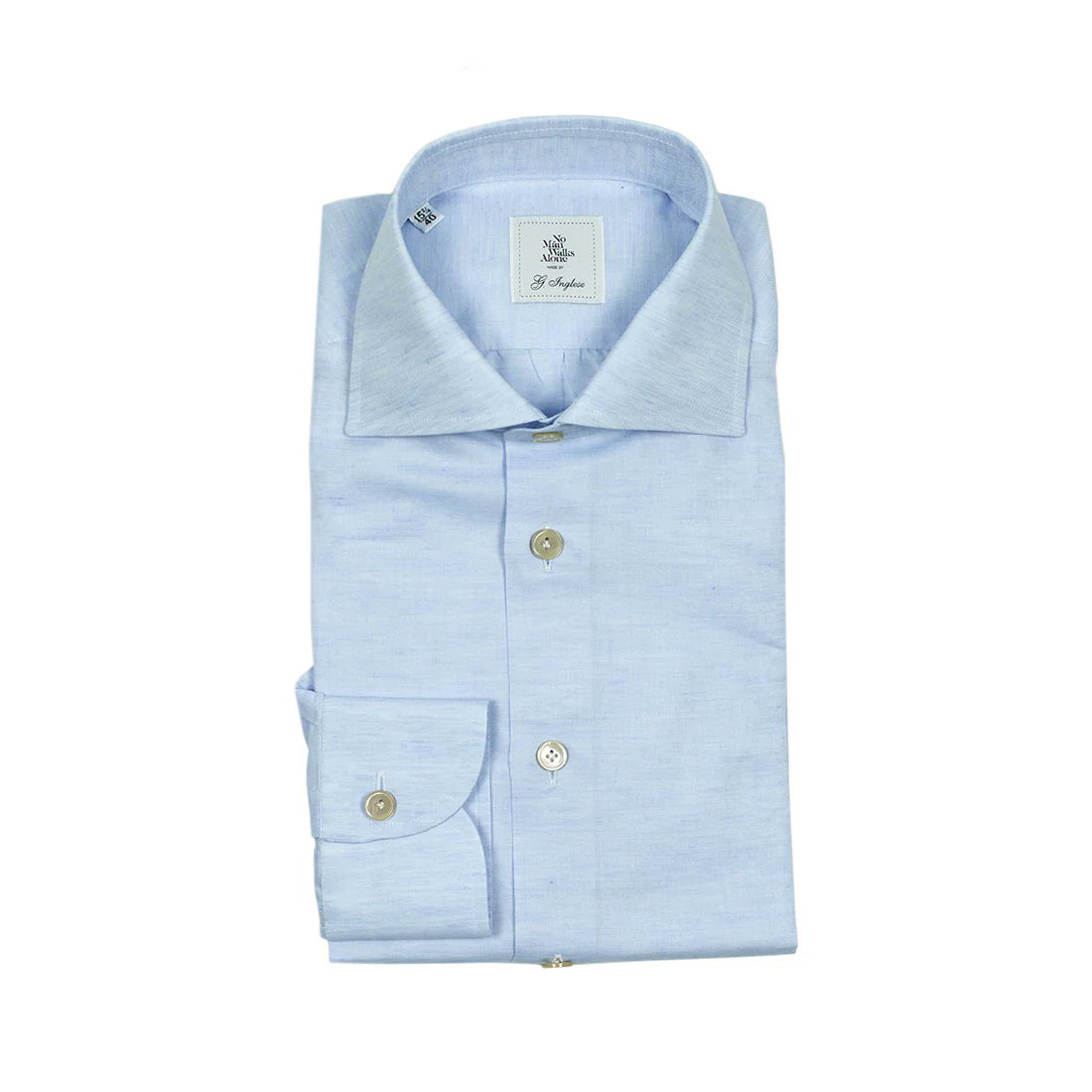
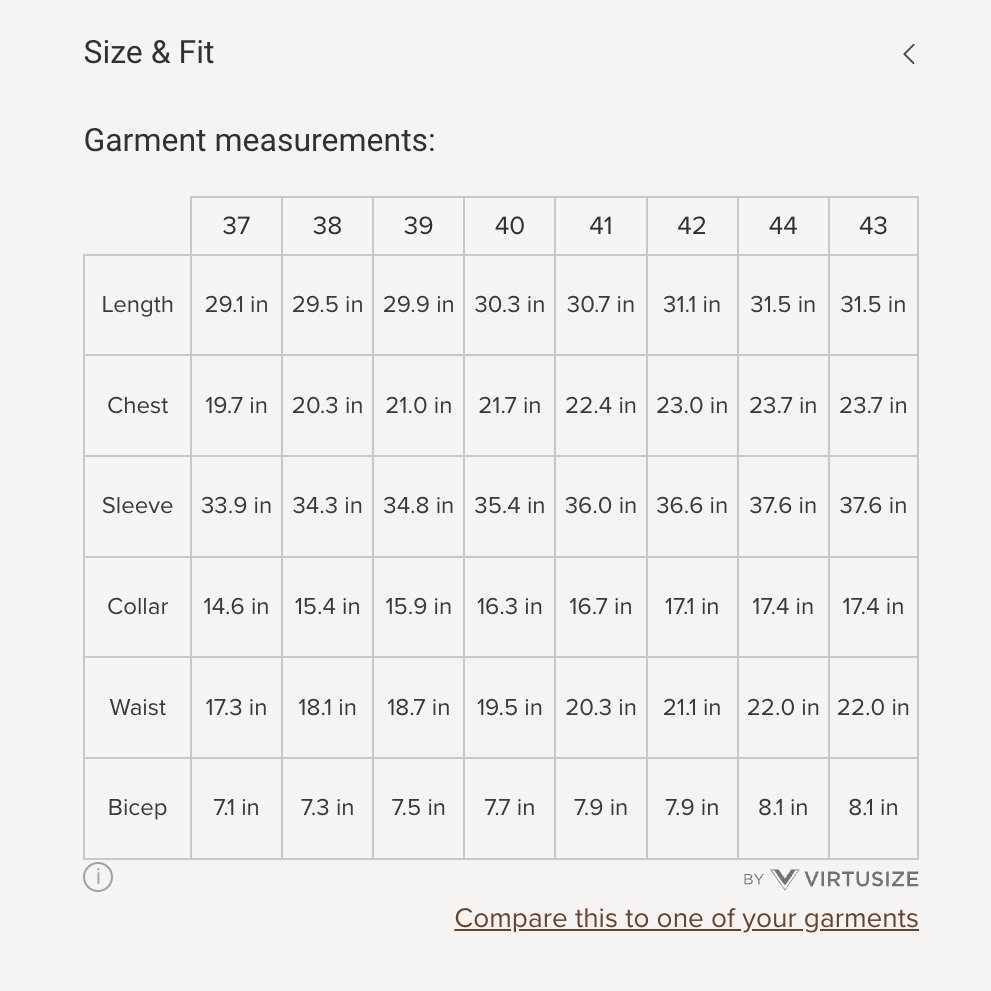
On the other hand, this Doppiaa camp collar shirt at No Man Walks Alone measures 23.6" across the chest for the same size. This is a 2.6" difference, which is 5.2" all around. That's a big difference!
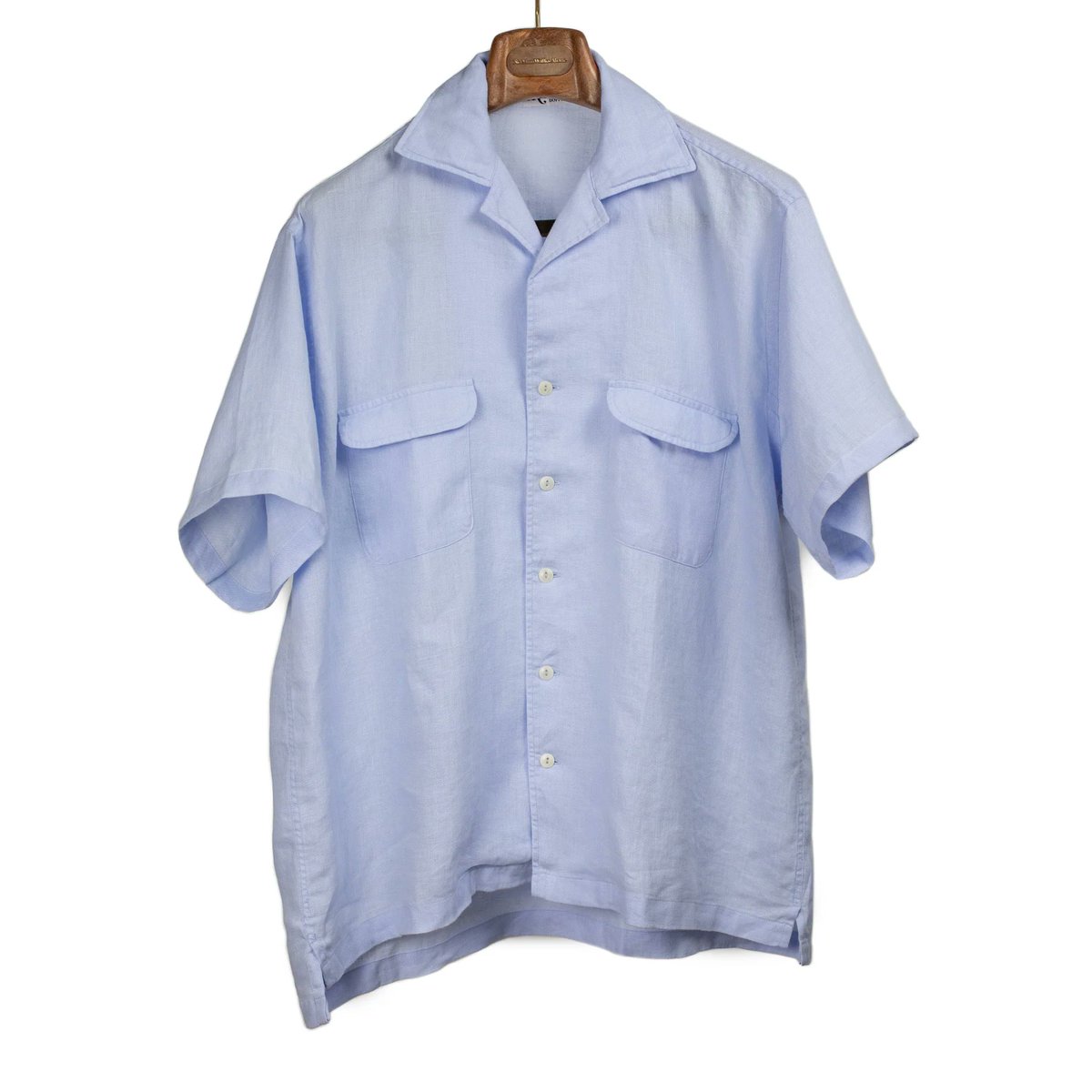
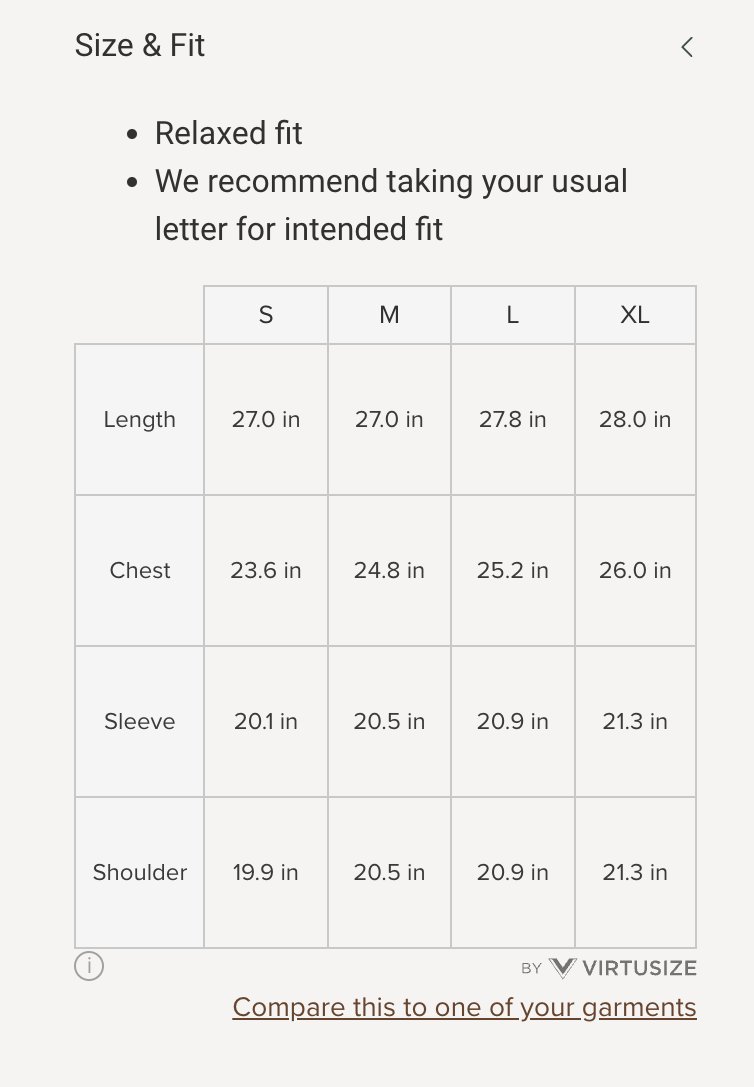
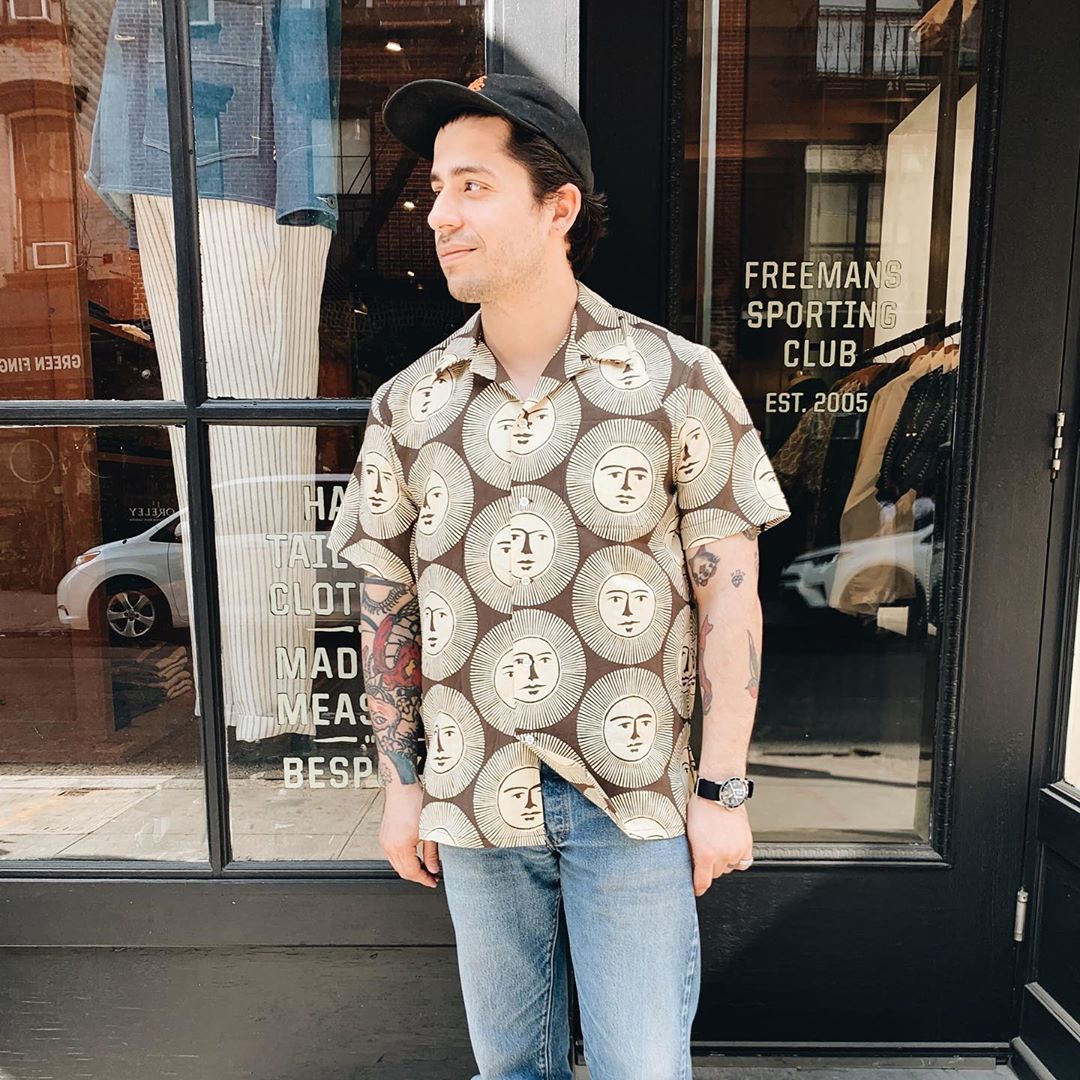
However, dress shirts and camp collar summer shirts aren't meant to fit the same. A dress shirt fits closer to the body; a camp collar shirt is often shorter and wider for a boxier silhouette. You have to have an open mind about how clothes should fit.
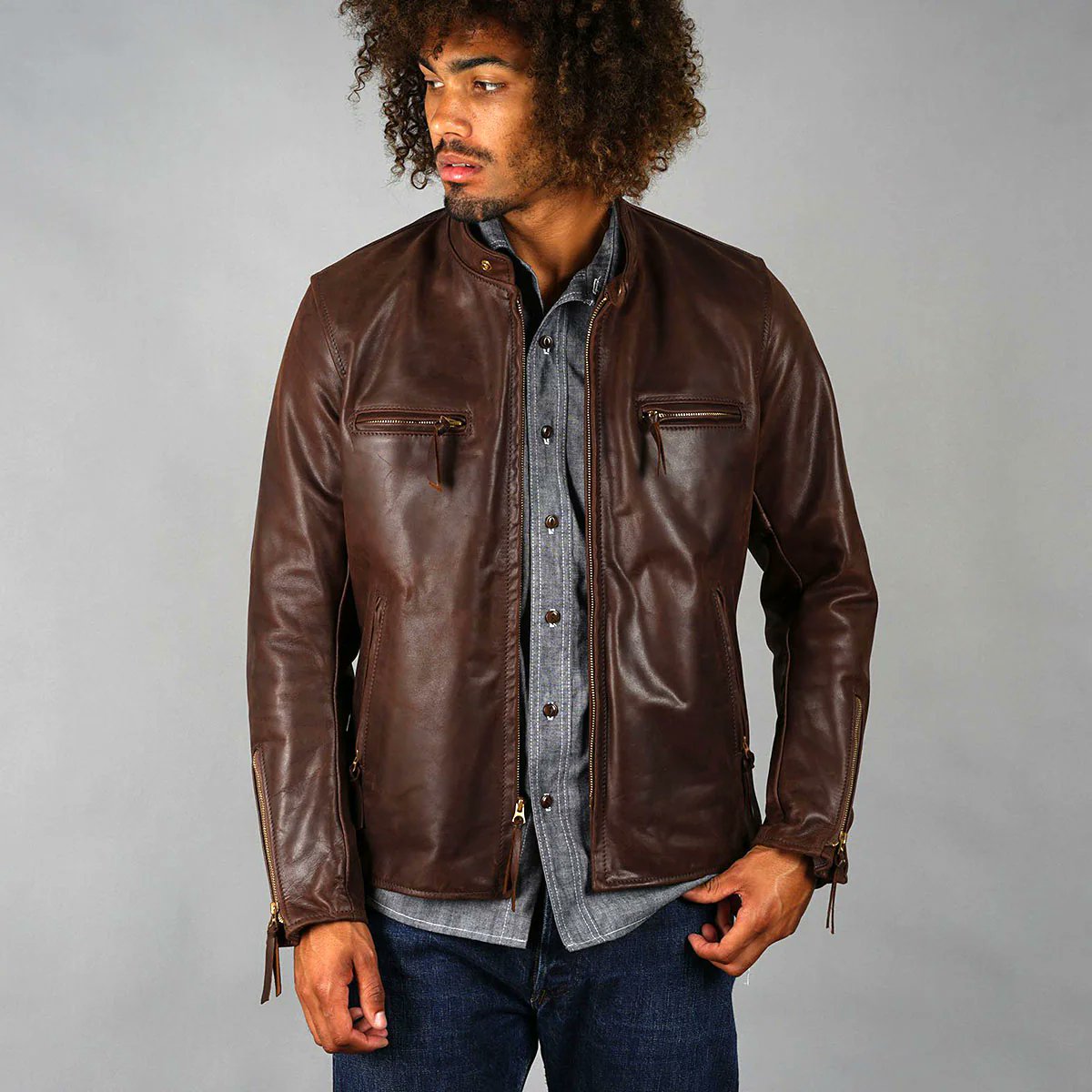
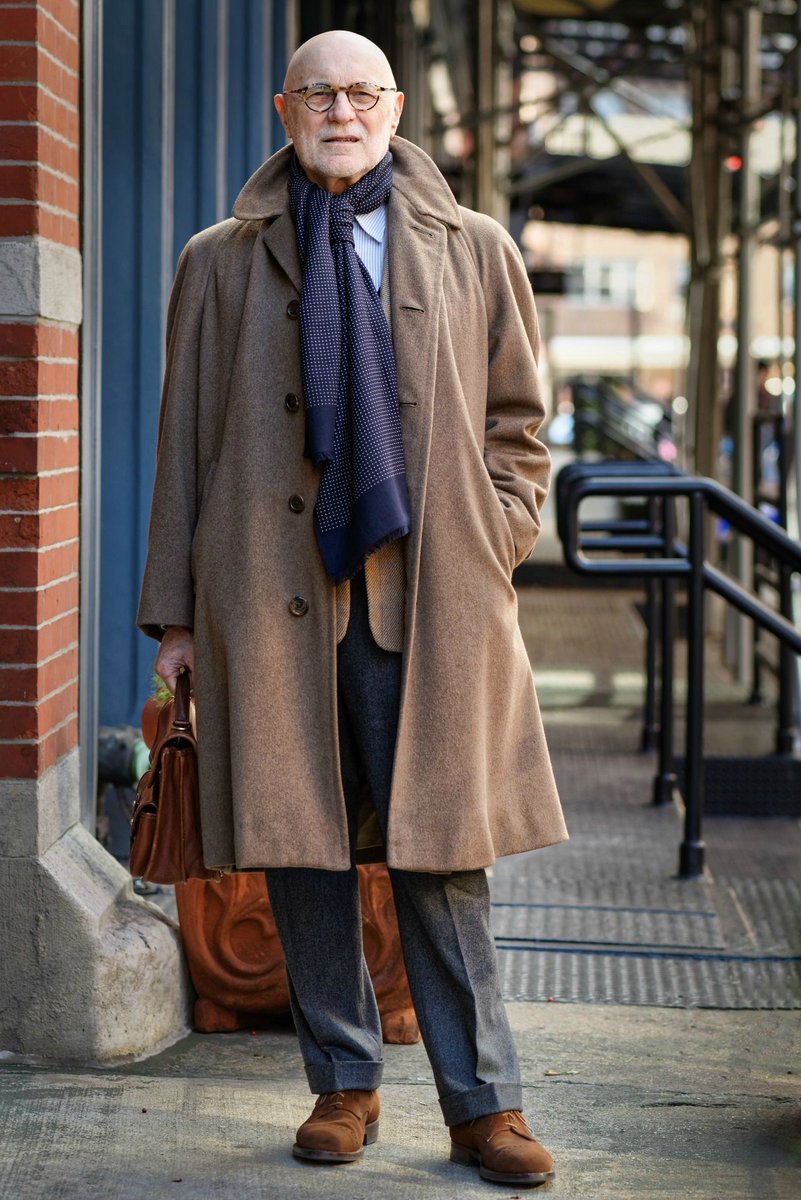
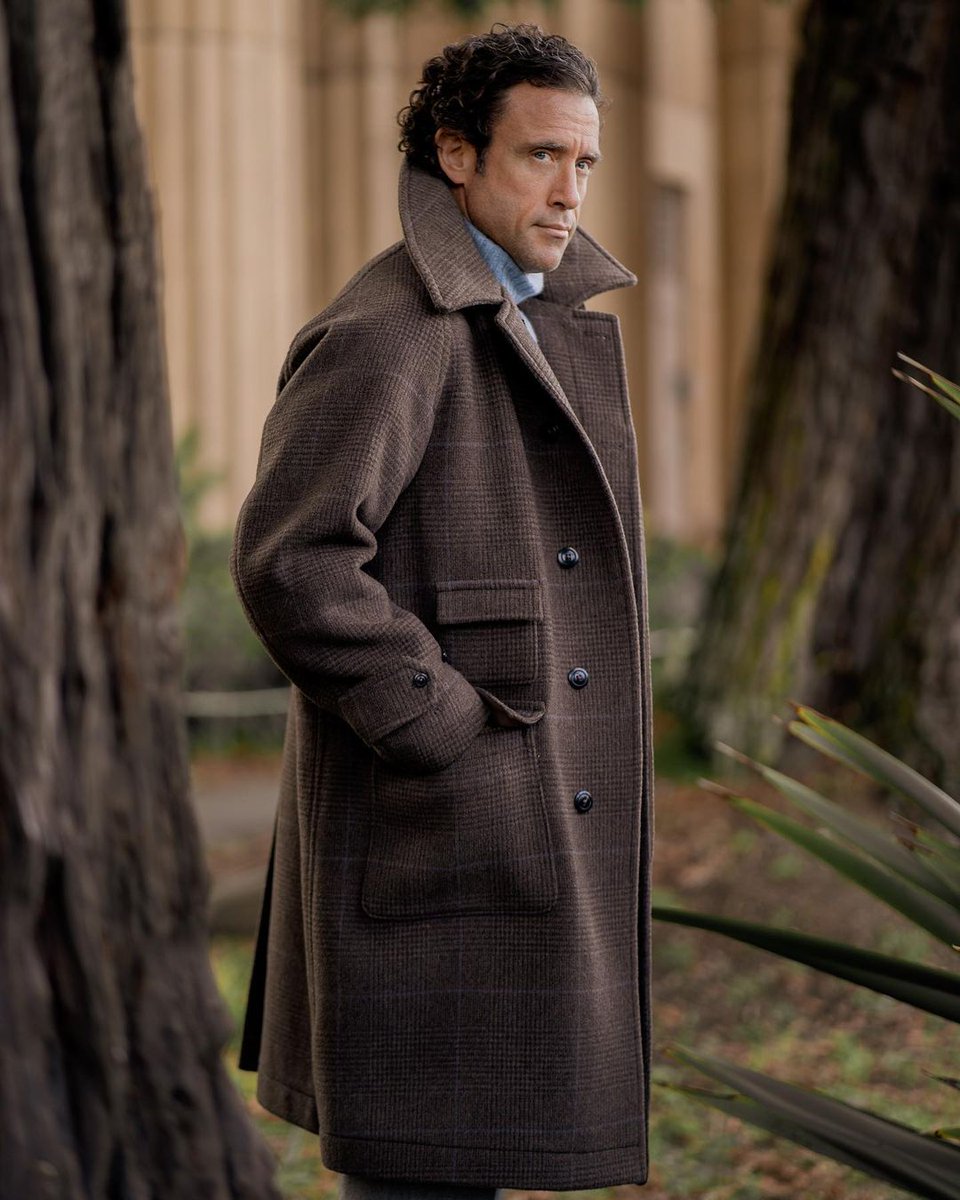
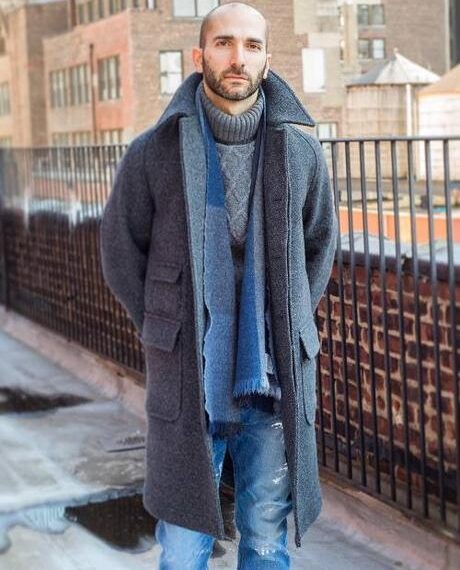
Another example: a cafe racer is a tight fitting leather jacket that motorcycle riders once wear for protection. A balmacaan overcoat, however, is a raglan sleeve coat, often made from tweed, that was worn in the Scottish countryside.
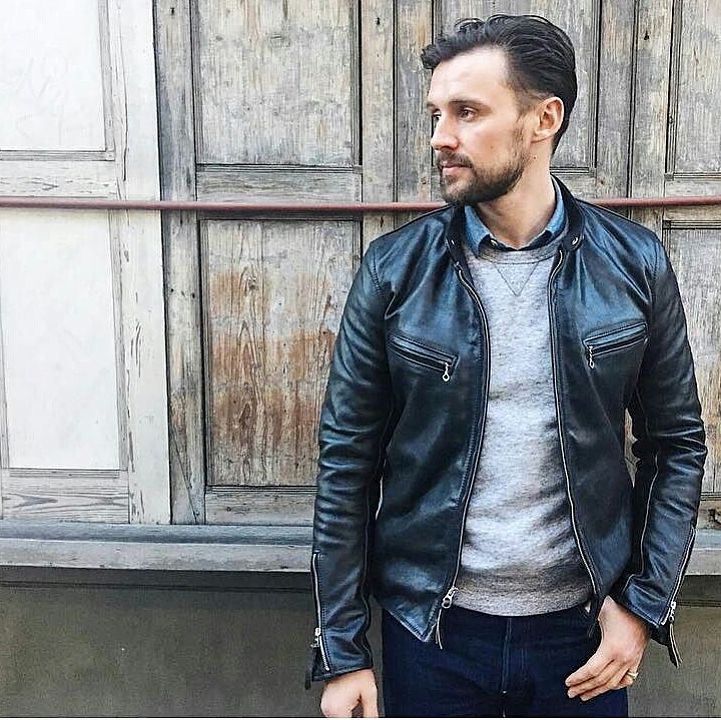
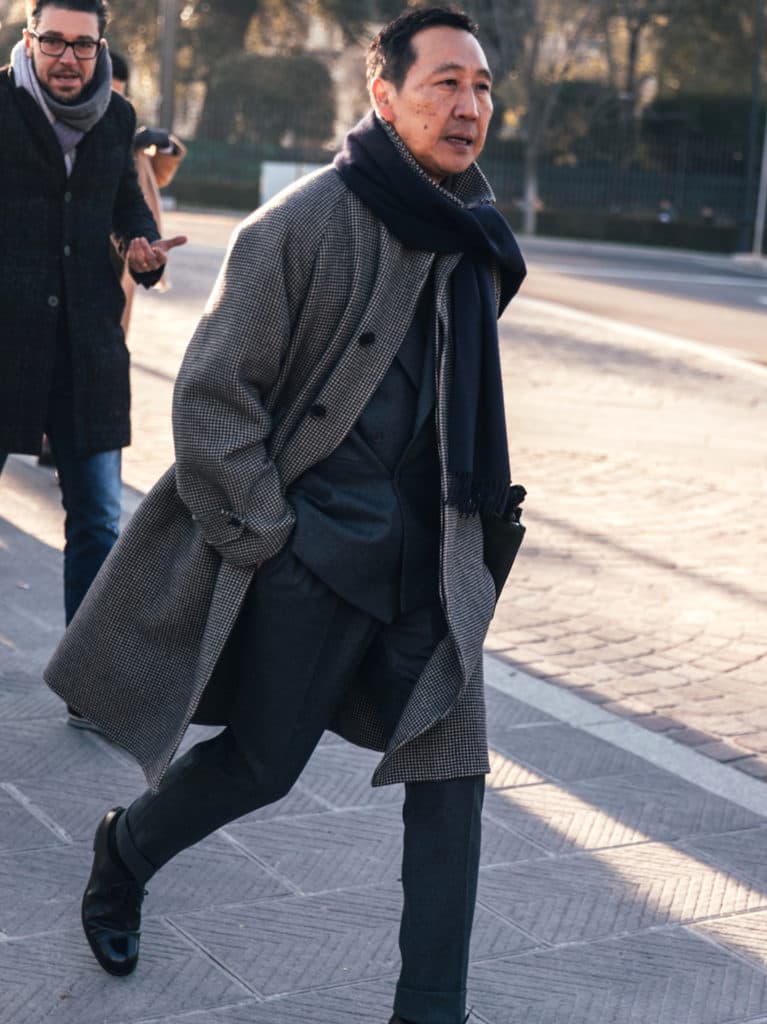
These are two completely different types of garments meant to be worn in different ways. The overcoat is supposed to be roomy so it can be layered over suits and heavy Aran knits. You can't be too clinical in how you approach these numbers—just use them as a baseline.
When shopping online, check the return policy. Do they offer free returns and full refunds? What is the time window? Are you shopping from an overseas shop? As Trump ramps up his trade war, you want to be cognizant of possible tariffs, which you'll still have to pay.

Returning things to an overseas shop is not always easy, so double check the process. Finally, when trying things on at-home, wear the item with things you'll typically wear with the garment. A big overcoat may feel too big, but come into its own once you layer in a heavy knit.
If you have questions, email the store. You can also check with various online menswear communities, such as StyleForum. Depending on the brand you're buying from, people there may have sizing advice. The two main parts of the site are circled in red.

Sorry two more things: for more in-depth measuring guides, check Luxire and Proper Cloth. They're online MTM companies, so they deal with this stuff often.
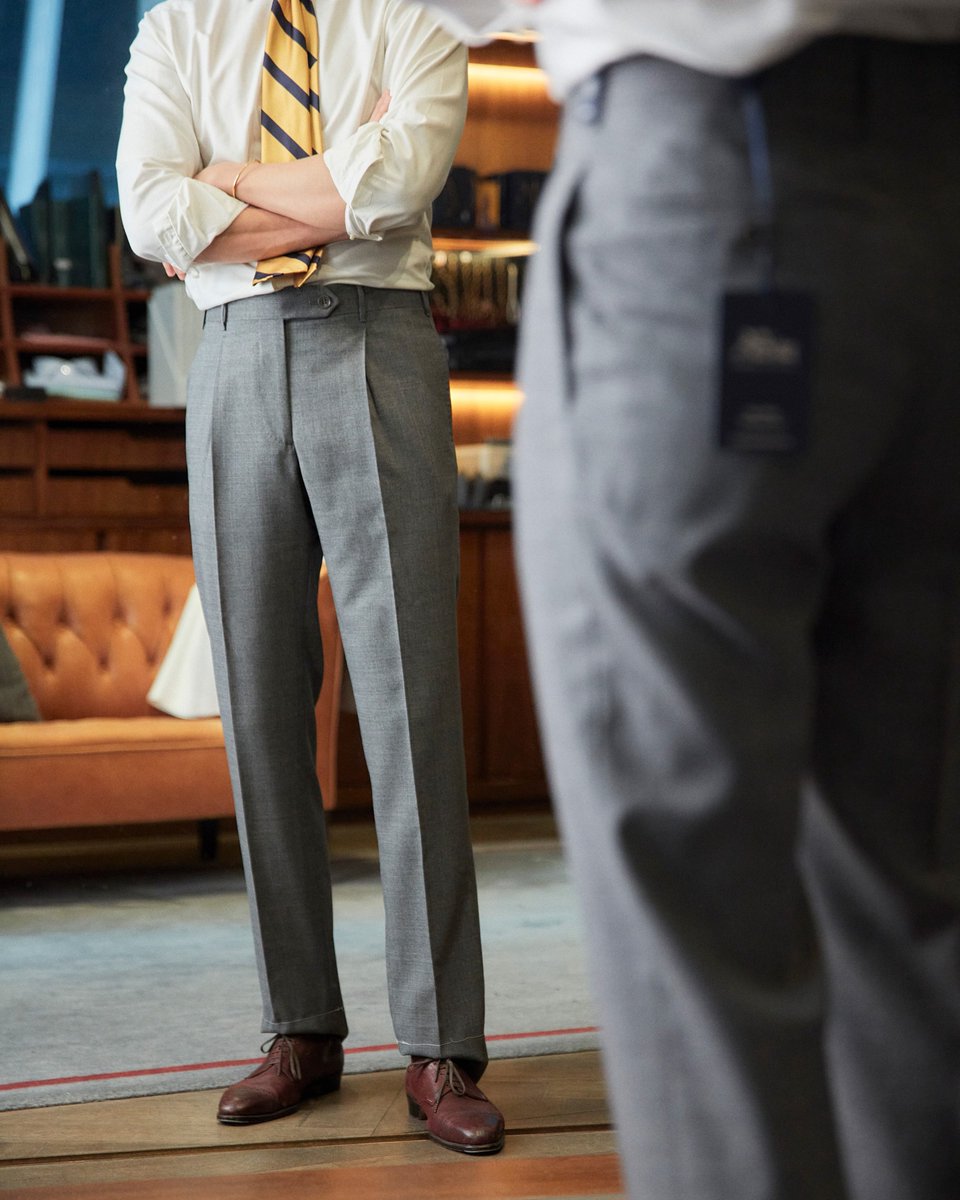
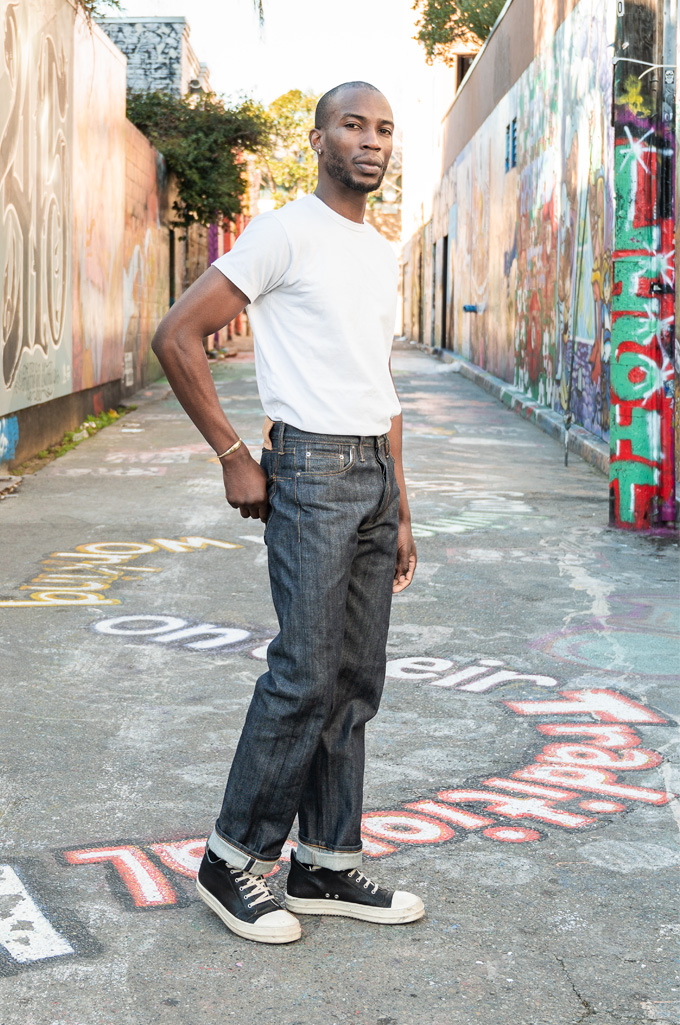
For pants, make sure you take separate measurements for both jeans and tailored trousers. They fit differently.
For pants, make sure you take separate measurements for both jeans and tailored trousers. They fit differently.
• • •
Missing some Tweet in this thread? You can try to
force a refresh