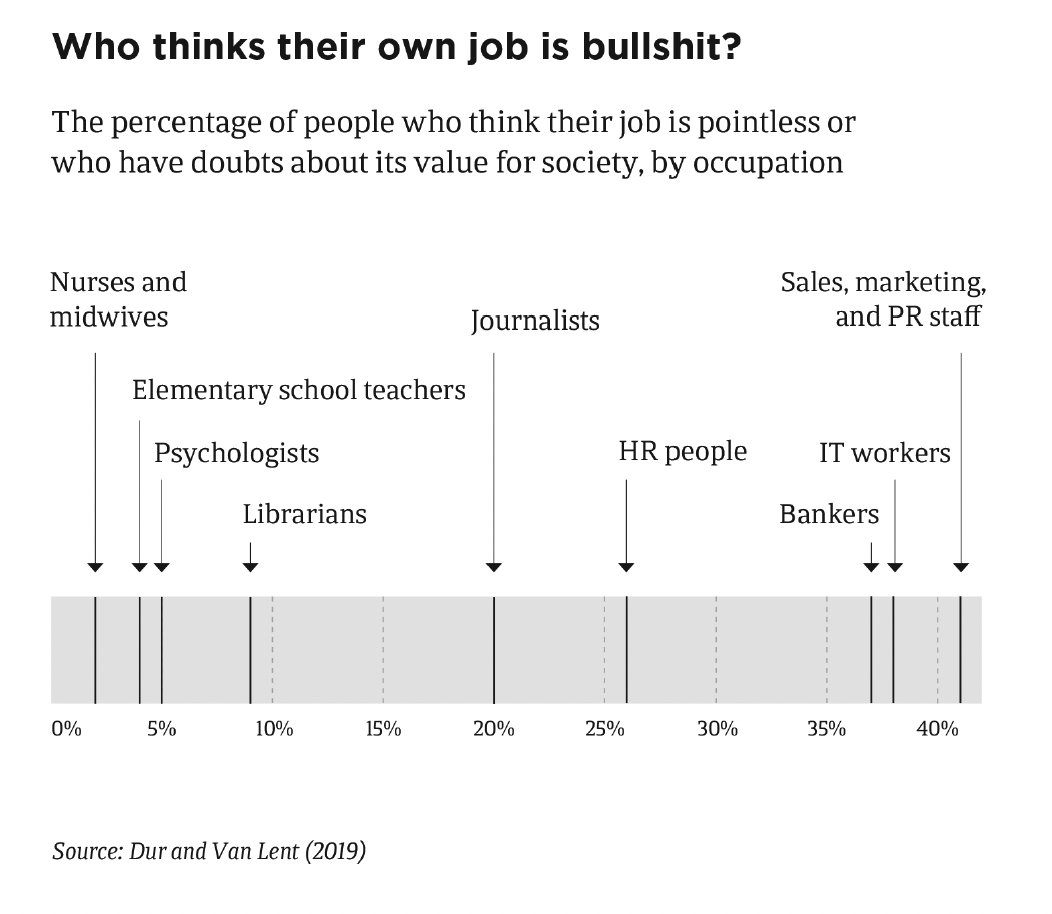
I’m coming to Harvard University on April 29 with an unfiltered message 😄
Every year, thousands of teenagers write passionate application essays about the global problems they aspire to solve—hunger, poverty, pandemics, you name it.
But a few years later...
Every year, thousands of teenagers write passionate application essays about the global problems they aspire to solve—hunger, poverty, pandemics, you name it.
But a few years later...

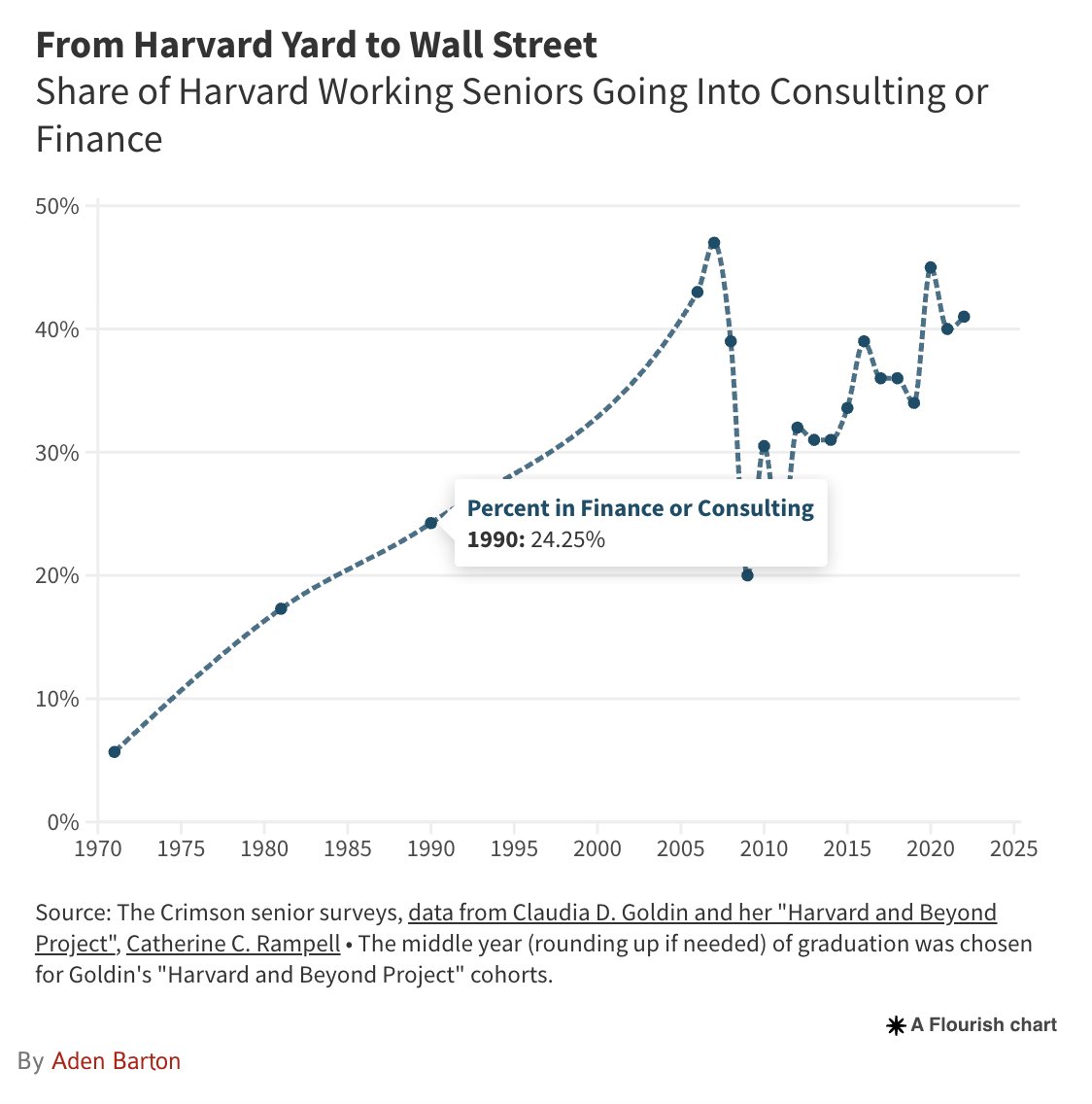
... nearly half work for corporations like McKinsey, Goldman Sachs, or Kirkland & Ellis.
My friend @s_vanteutem, Oxford-graduate, calls it the ‘Bermuda Triangle of Talent’: consultancy, finance, and corporate law – a black hole that devours many promising young minds.
My friend @s_vanteutem, Oxford-graduate, calls it the ‘Bermuda Triangle of Talent’: consultancy, finance, and corporate law – a black hole that devours many promising young minds.

This isn’t just a waste of time. It’s a waste of potential on a historic scale.
It’s like the Great Pacific Garbage Patch, but instead of plastic polluting the ocean, it’s human potential clogging up in cubicles.
It’s like the Great Pacific Garbage Patch, but instead of plastic polluting the ocean, it’s human potential clogging up in cubicles.
Call it the paradox of ambition. We celebrate, cherish and cultivate it...
We admire the startup founder who works 80-hour weeks, the young consultant with a six-figure salary, the banker who pulls all-nighters...
We admire the startup founder who works 80-hour weeks, the young consultant with a six-figure salary, the banker who pulls all-nighters...
... but ambition, on its own, is just fuel—it can power anything, from a rocket headed for Mars to a bulldozer razing a rainforest.
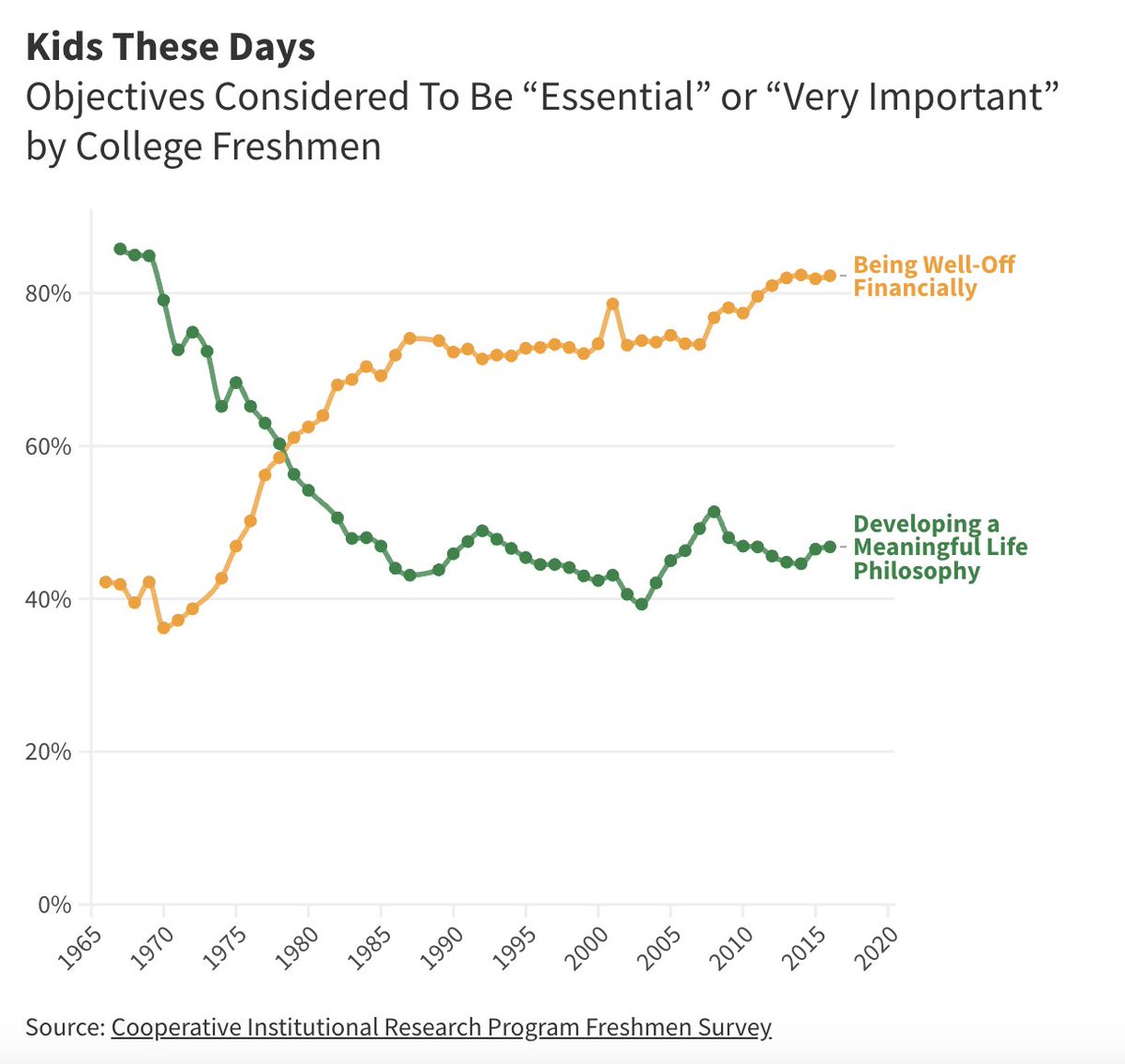
As the novelist Allen Raine once wrote:
“People may spend their whole lives climbing the ladder of success only to find, once they reach the top, that the ladder is leaning against the wrong wall.”
“People may spend their whole lives climbing the ladder of success only to find, once they reach the top, that the ladder is leaning against the wrong wall.”

What the world needs today is not just idealism or ambition – it’s both.
I’ve come to call it moral ambition.
Moral ambition is the will to make the world a wildly better place.
I’ve come to call it moral ambition.
Moral ambition is the will to make the world a wildly better place.
It’s the desire to devote your career to the most pressing issues of our time—saving democracy, preventing the next pandemic, you name it.
Morally ambitious people don’t just ‘check their privilege’—they *use* it to make a massive difference.
Morally ambitious people don’t just ‘check their privilege’—they *use* it to make a massive difference.
They don’t ask: ‘What’s my passion?’
They ask: ‘What does the world need from me?’
They ask: ‘What does the world need from me?’
Throughout history, societal renewal has often begun with a redefinition of success. And now seems like a particularly good time to be morally ambitious.

The US is currently ruled by its least moral leaders—those who shield predators, profit from corruption, bully the vulnerable, and thrive on impunity.
The antidote isn’t just ambition. It’s moral ambition.
The antidote isn’t just ambition. It’s moral ambition.
So, are you studying at Harvard? I’d love to see you there on April 29!
Let’s talk about how to resist the siren call of McKinsey’s of this world, and build a legacy that actually matters.
Reserve your spot now: lu.ma/2fvltxpd
Let’s talk about how to resist the siren call of McKinsey’s of this world, and build a legacy that actually matters.
Reserve your spot now: lu.ma/2fvltxpd
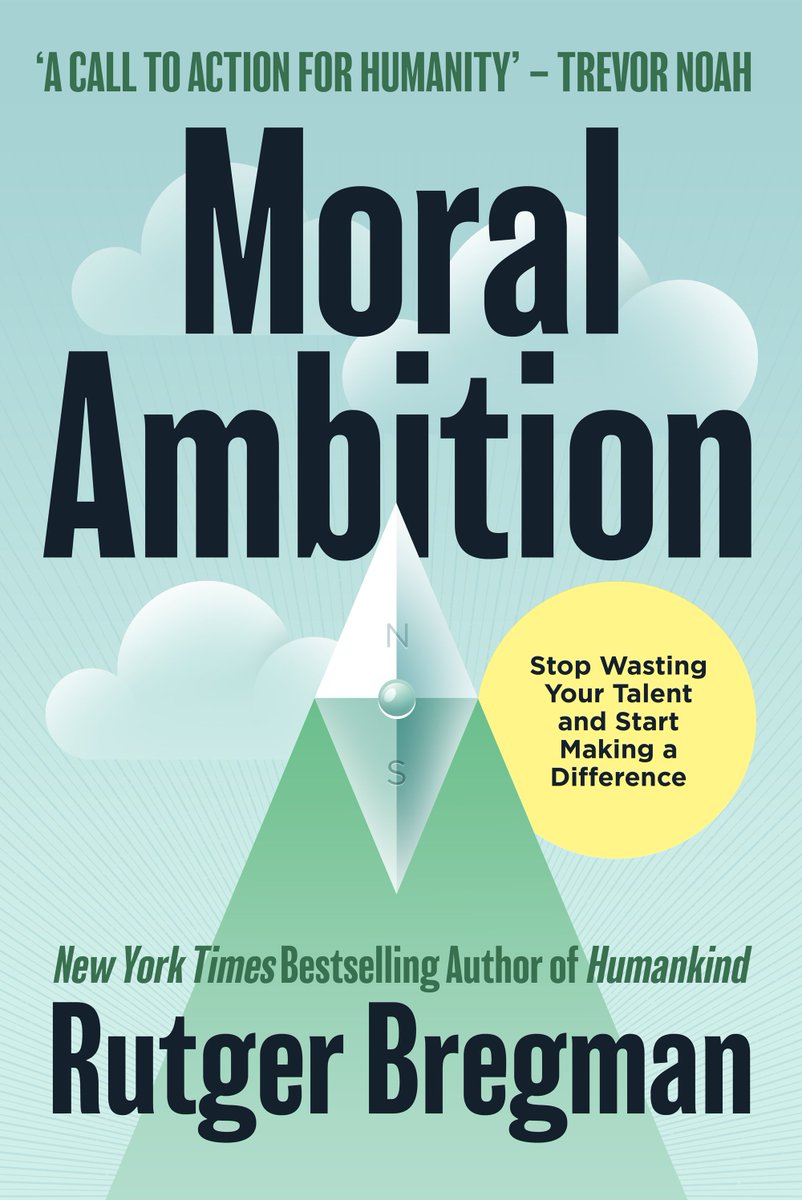
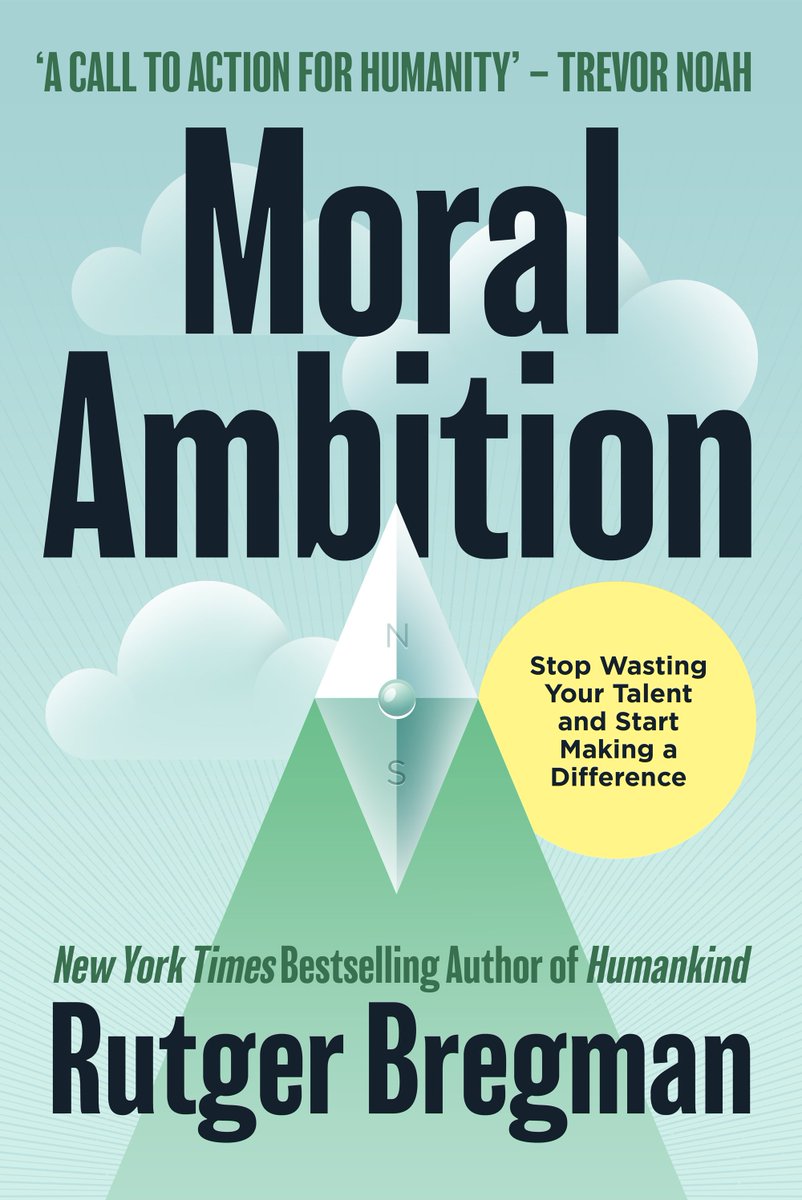
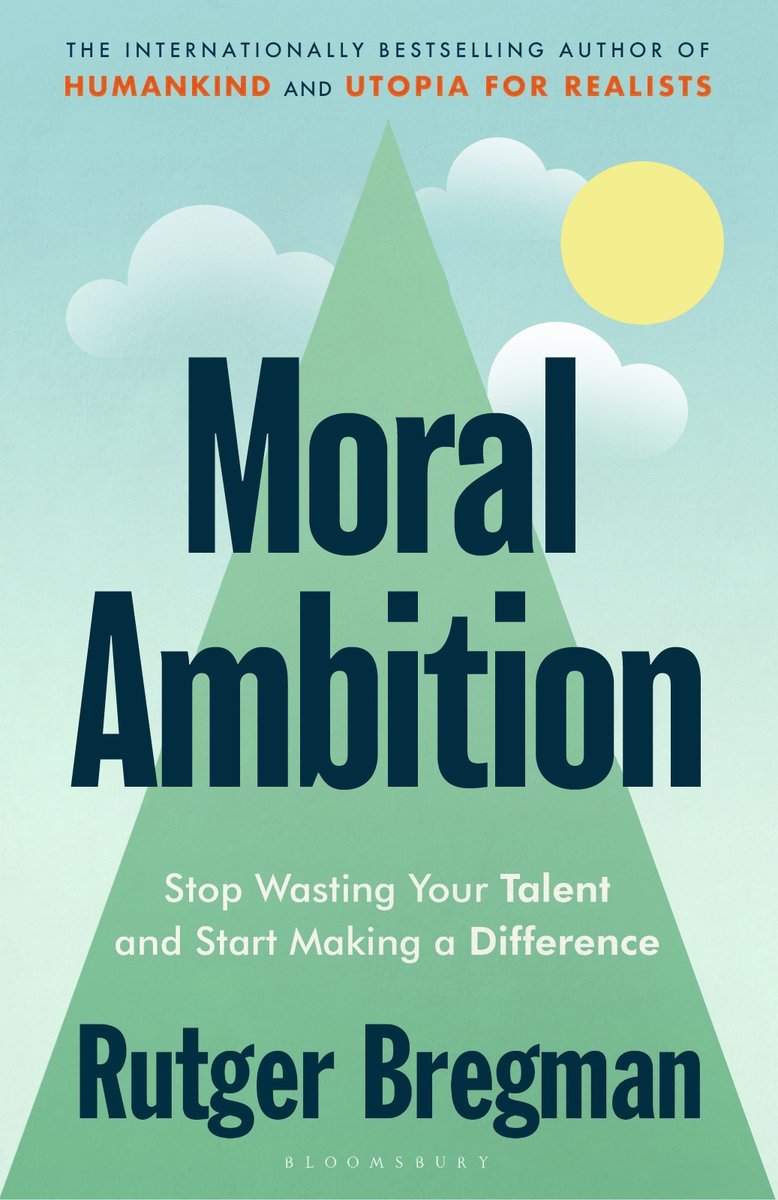
And order my new book, Moral Ambition, here: rutgerbregman.com/books/moral-am…
All royalties go to The School for Moral Ambition, a nonprofit I co-founded that helps talented people to pivot their careers: moralambition.org
All royalties go to The School for Moral Ambition, a nonprofit I co-founded that helps talented people to pivot their careers: moralambition.org
• • •
Missing some Tweet in this thread? You can try to
force a refresh