Marketing Nerd Profile picture
Apr 27 9 tweets 4 min read Read on X
In 2012, Adidas paid $150M to sponsor the London Olympics.

Nike wasn’t even an official sponsor.

But they still stole the spotlight with a strategy no one saw coming.

Here’s how Nike outsmarted Adidas on the world’s biggest stage: Image
The 2012 London Olympics were a marketing battleground.

Adidas paid $150 million to be the official sponsor.

Their logo was everywhere: stadiums, jerseys, official broadcasts.

They thought the Olympics would belong to them.

But they were wrong...
Nike couldn’t use the Olympic rings.

They couldn’t sponsor athletes officially.

They couldn’t even mention the word "Olympics" in their ads.

Most brands would back down.

But Nike found an opportunity. Image
Image
Instead of focusing on the Games, Nike focused on the athletes and the audience.

They launched a campaign called "Find Your Greatness."

It didn’t show superstar athletes in stadiums.

It showed ordinary people chasing greatness in cities named London around the world.
They filmed runners in London, Ohio; swimmers in London, Nigeria; and cyclists in Little London, Jamaica.

No Olympic trademarks or any official venues.

But the same powerful emotion.

The message was simple:

Greatness isn’t reserved for the elite. It’s for everyone.
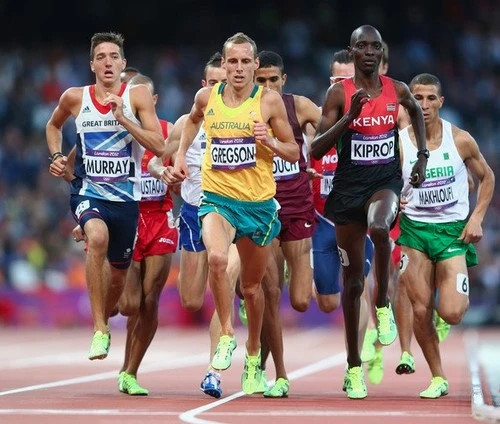
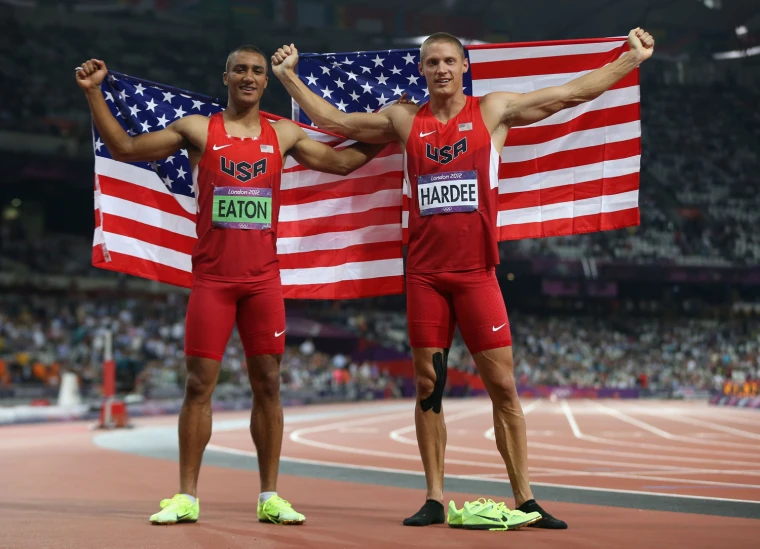
Nike also quietly outfitted hundreds of athletes at the Olympics even without official sponsorship.

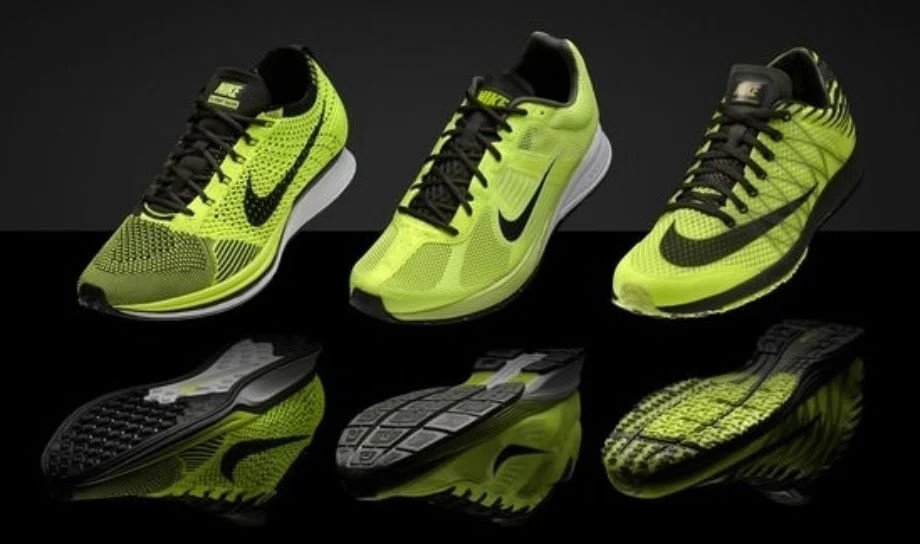
They gave athletes bright Volt Yellow shoes that stood out on every TV broadcast.

By the end of the Games, viewers associated the color and the energy with Nike.

Not Adidas. Image
Image
The results?

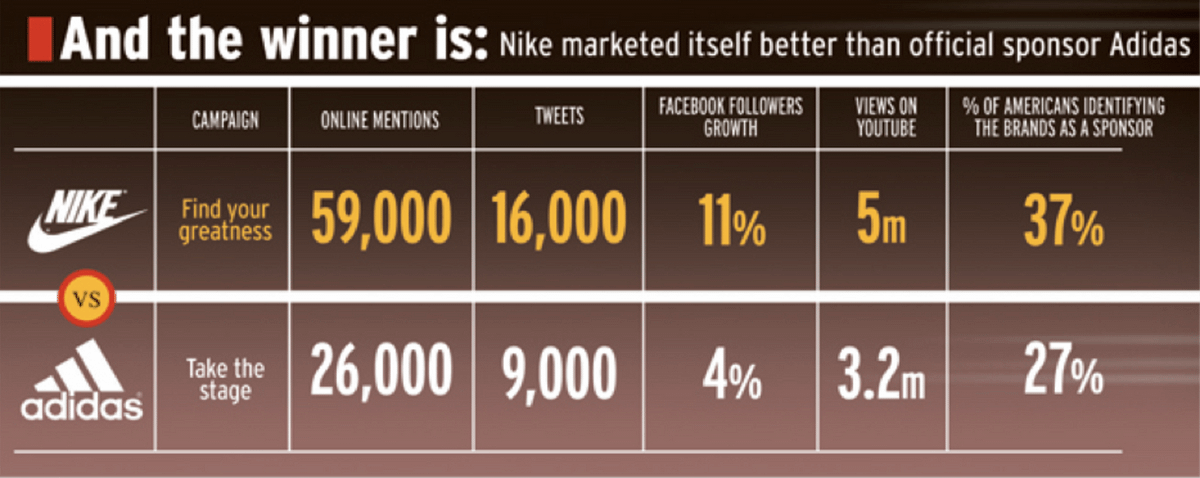
1. Nike generated more online buzz than Adidas during the Olympics

2. Nike's "Find Your Greatness" videos got millions of views

3. Surveys showed Nike, not Adidas, was the brand most associated with the Olympics in the public's mind

Despite Adidas being the official sponsor, Nike won the brand war.Image
Nike’s 2012 masterclass shows a timeless truth:

"You don’t always need the biggest check. You just need the smartest story."

In a world obsessed with official titles, Nike proved again: Perception beats position.

And they did it on the world’s biggest stage. Image
If you love marketing, ads & psychology, subscribe to 1-2-3 Marketing:

1-2-3marketing.beehiiv.com

• • •

Missing some Tweet in this thread? You can try to force a refresh

 

Keep Current with Marketing Nerd

Marketing Nerd Profile picture

Stay in touch and get notified when new unrolls are available from this author!

Read all threads

This Thread may be Removed Anytime!

PDF

Twitter may remove this content at anytime! Save it as PDF for later use!

Try unrolling a thread yourself!

how to unroll video
  1. Follow @ThreadReaderApp to mention us!

  2. From a Twitter thread mention us with a keyword "unroll"
@threadreaderapp unroll

Practice here first or read more on our help page!

More from @Marketing_Nerd_

Apr 28
In 2018, Burger King pulled off the greatest fast-food heist ever.

They turned McDonald’s stores into weapons.

Hijacked millions of their customers.

And drove 1.5M app downloads in just 9 days.

Here’s the insane story of how they outplayed McDonald’s on their own turf: Image
In 2018, Burger King had a problem:

McDonald's was dominating them everywhere.

More locations. More market share. More revenue.

Burger King couldn’t outspend them.

So they decided to outsmart them.
They launched a campaign called the Whopper Detour.

Here’s how it worked:

1. Open the Burger King app.

2. Get within 600 feet of any McDonald's.

3. Unlock a deal to buy a Whopper for just 1 cent.

You had to go near McDonald's but buy Burger King.
Read 8 tweets
Apr 26
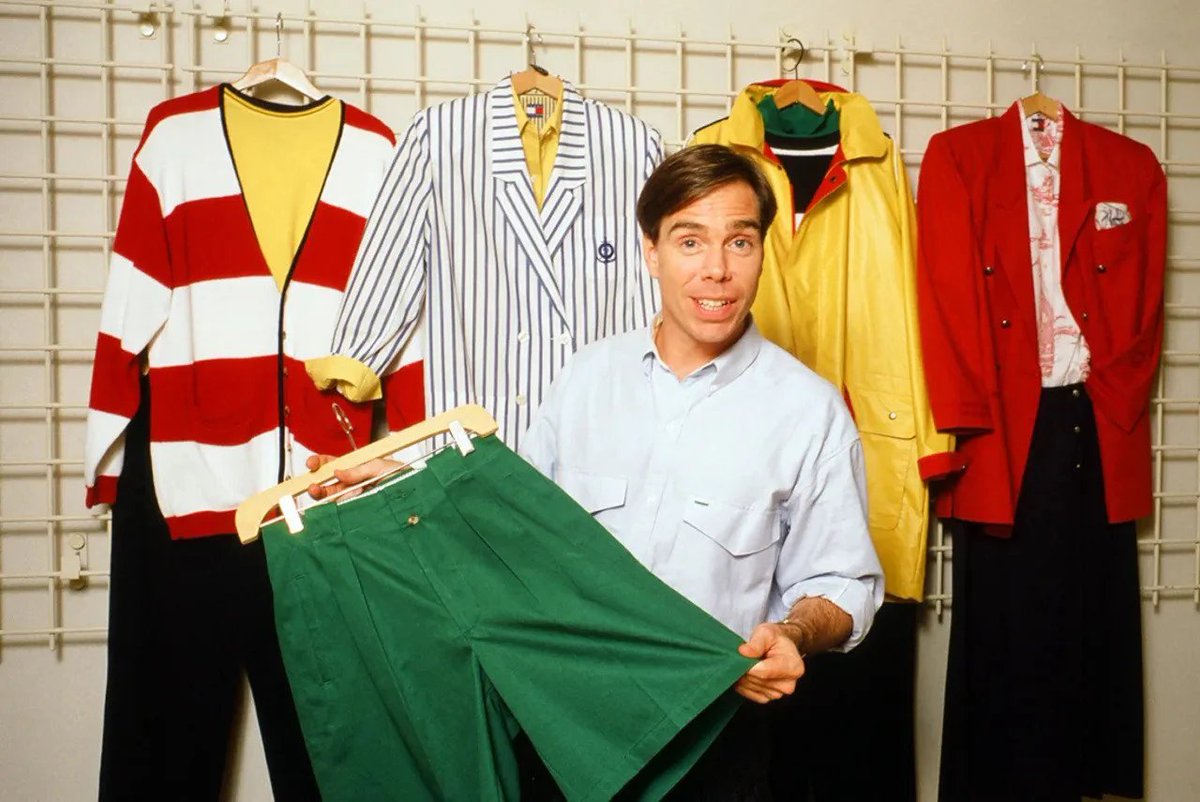
This is Tommy Hilfiger.

He didn’t build a clothing brand, he built an illusion and the world bought it.

Before anyone knew his designs, he made himself a household name with one genius marketing stunt.

Here’s how he tricked the world into believing he was already famous: Image
Image
In 1985, Tommy Hilfiger was unknown.

He wasn’t a fashion giant. He wasn’t a household name.

He was just a young designer launching his first men’s clothing line.

But he didn’t want to wait years to "earn" fame.

He wanted to create it. Image
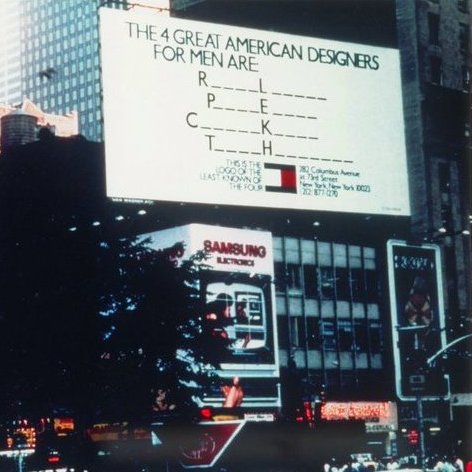
Hilfiger and his marketing partner, George Lois (a legendary ad man), came up with a radical plan:

They would make the world believe Tommy Hilfiger was already one of the top designers before he had even proven it.

How?

A single billboard.
Read 10 tweets
Apr 26
In the 1970s, Japan hated coffee.

Nestlé spent millions on ads, discounts, and promotions BUT failed.

Then they hired a child psychologist.

What happened next turned Japan into the 4th largest coffee importer in the world: Image
Image
After World War II, Nestlé entered Japan, hoping to create a new market for coffee.

But no matter how much they advertised, coffee sales remained abysmal.

The reason?

Coffee had zero cultural significance in Japan and had no childhood nostalgia or emotional connection.
Nestlé had perfected their product:

1. Great taste
2. Affordable pricing
3. Attractive packaging

But none of that mattered if no one cared about coffee.

So, instead of throwing more money at ads, Nestlé hired a psychoanalyst to crack the code. Image
Read 8 tweets
Apr 24
The $600B ad industry is being disrupted by a $19/month AI tool.

• Built by a YC founder
• Backed by Peter Thiel
• Used by $100M brands like Ridge

It writes, edits, voices, and runs ads while you sleep.

This is Icon: the world’s first AI CMO: Image
Ad-making used to be hard:

• Brainstorm 100 concepts
• Write 100 scripts
• Match each line to 20 shots
• Manually edit 100 unique videos

• Test, iterate, track winners

Now? One tool does it all overnight.
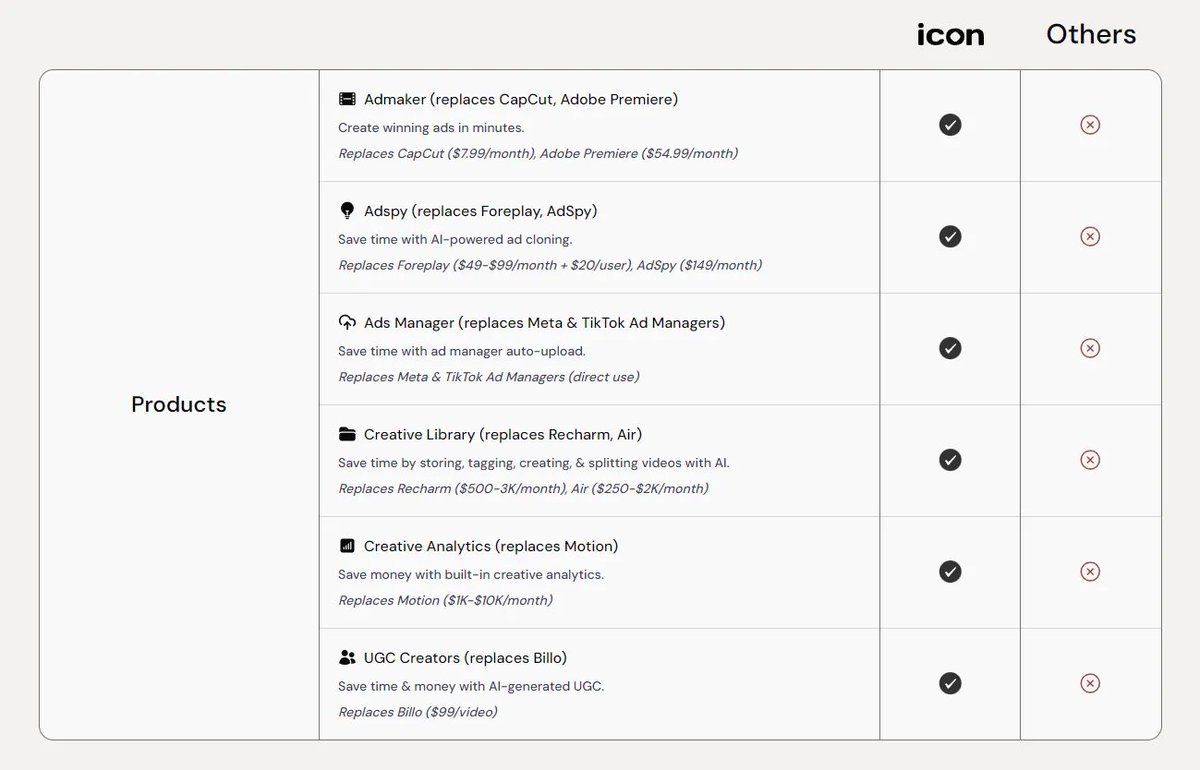
Introducing Icon: an AI-powered AdMaker that replaces the entire CMO stack.

It combines the power of:

CapCut, Premiere Pro, Motion, Meta & TikTok Ad Manager, Recharm, AdSpy and Air.

All for just $19/month. Image
Read 11 tweets
Apr 12
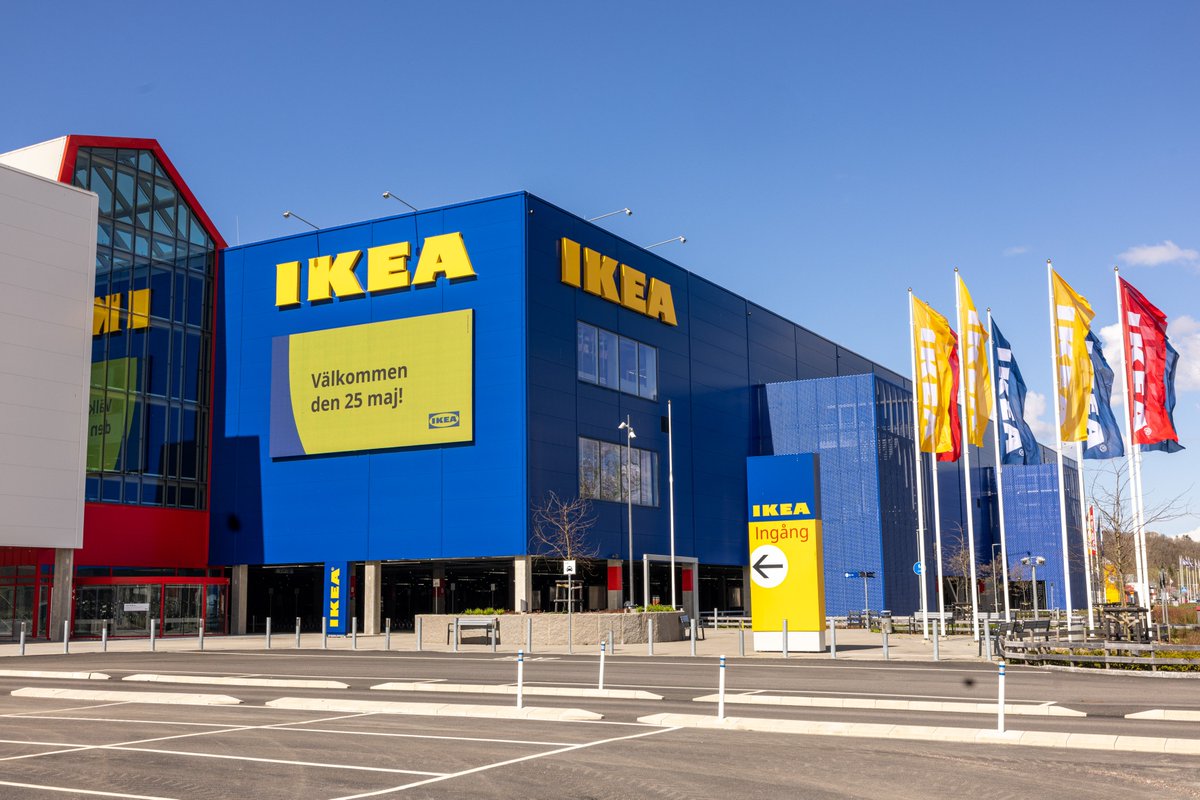
You walk into IKEA for a simple shelf.

Two hours later, you’re leaving with a cart full of things you never planned to buy.

This isn’t an accident—it’s a $50 billion psychological trap.

Here’s how IKEA mastered human psychology to make you spend more: Image
Image
IKEA’s story starts with Ingvar Kamprad, a dyslexic farm boy who built one of the most successful retail empires in history.

But IKEA didn’t succeed just because of great designs.

It succeeded because Kamprad reinvented how people buy furniture.
His strategy? Low prices, self-service, and an addictive shopping experience.

Walk into an IKEA store, and you’re not just shopping—you’re entering a carefully designed psychological trap.

Here’s how it works: Image
Read 10 tweets
Apr 9
In 2018, Wendy’s launched the most savage marketing campaign ever.

No ads. No budget. Just ruthless tweets.

The result? Millions in free publicity—and they humiliated McDonald’s in the process.

Here’s how Wendy’s turned roasting into revenue: Image
On January 2, 2018, a Twitter user asked Wendy’s a simple question:

"How much does a Big Mac cost?"

Wendy’s responded with: "Your dignity." Image
That single tweet blew up, generating hundreds of thousands of likes, retweets, and media mentions.

This moment defined Wendy’s new tone—sharp, witty, and unapologetically savage.
Read 10 tweets

Did Thread Reader help you today?

Support us! We are indie developers!


This site is made by just two indie developers on a laptop doing marketing, support and development! Read more about the story.

Become a Premium Member ($3/month or $30/year) and get exclusive features!

Become Premium

Don't want to be a Premium member but still want to support us?

Make a small donation by buying us coffee ($5) or help with server cost ($10)

Donate via Paypal

Or Donate anonymously using crypto!

Ethereum

0xfe58350B80634f60Fa6Dc149a72b4DFbc17D341E copy

Bitcoin

3ATGMxNzCUFzxpMCHL5sWSt4DVtS8UqXpi copy

Thank you for your support!

Follow Us!

:(