Marketing Nerd Profile picture
Marketing nuggets from the smartest minds. If you love marketing, subscribe → https://t.co/Y9vxabRM0W
4 subscribers
Dec 21, 2025 8 tweets 4 min read
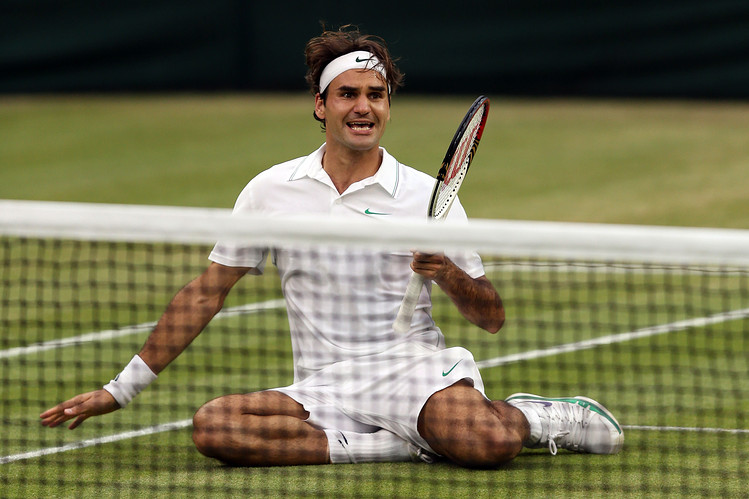
In 2018, Roger Federer walked away from a $100M Nike deal.

Not for Adidas. Not for Reebok.

He bet on a no-name Swiss startup making shoes out of garden hoses.

Everyone thought he was crazy, but that move made him a billionaire.

Here’s the wildest sports-business bet ever: Image
Image
Federer had been with Nike since 1994.

His iconic “RF” logo was everywhere on hats, jackets, and shoes.

He had a 10-year, $100M Nike contract that expired in 2018.

Nike passed on renewing. They didn’t want to pay more.

So Federer walked away.
Sep 30, 2025 9 tweets 3 min read
In 2007, iPhone killed Nokia.

In 2012, Netflix killed Blockbuster.

In 2025, AI catalog ads will kill UGC ads.

$10M was raised to do it by a company called Marpipe.

Here's what Marpipe figured out: 🧵 Image The shift is already happening:

70% of Meta’s e-com spend goes to catalog ads.

But creative testing was impossible.

Millions of SKUs. Endless variations.

No way to brand or experiment at scale.

Billions spent blind. Image
Aug 14, 2025 8 tweets 3 min read
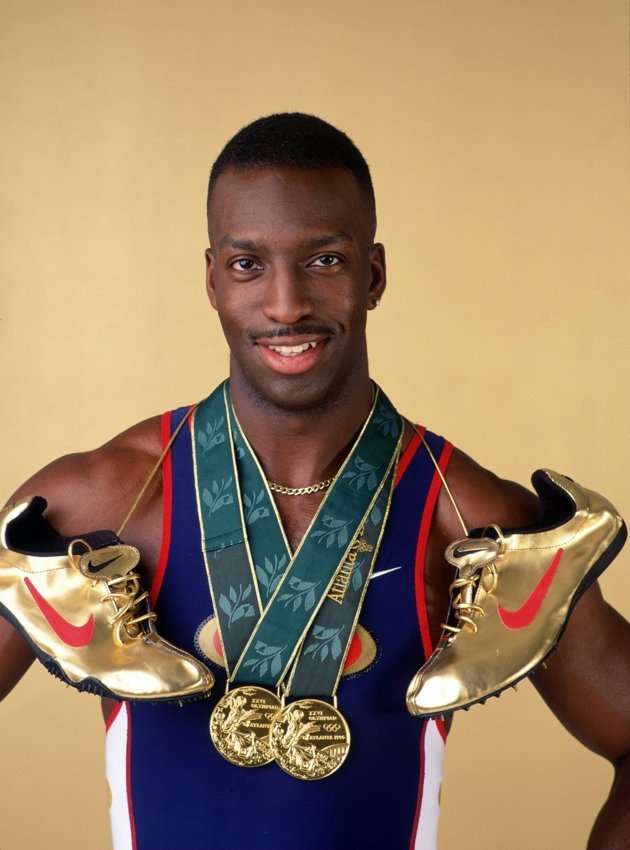
In 1996, Reebok paid $50M to sponsor the U.S. Olympic team.

Logos. Uniforms. TV rights.

But Nike, not even an Olympic sponsor, stole the spotlight.

Here’s the guerrilla play Nike used to humiliate Reebok at the Atlanta Games: Image
Image
The 1996 Olympics were Reebok’s biggest bet ever.
They paid $50M to be the exclusive sponsor of Team USA.

They had full brand presence at events. And the Games were on American soil: Atlanta.

This was supposed to be Reebok’s ultimate victory.

But Nike had other plans.
Aug 7, 2025 9 tweets 4 min read
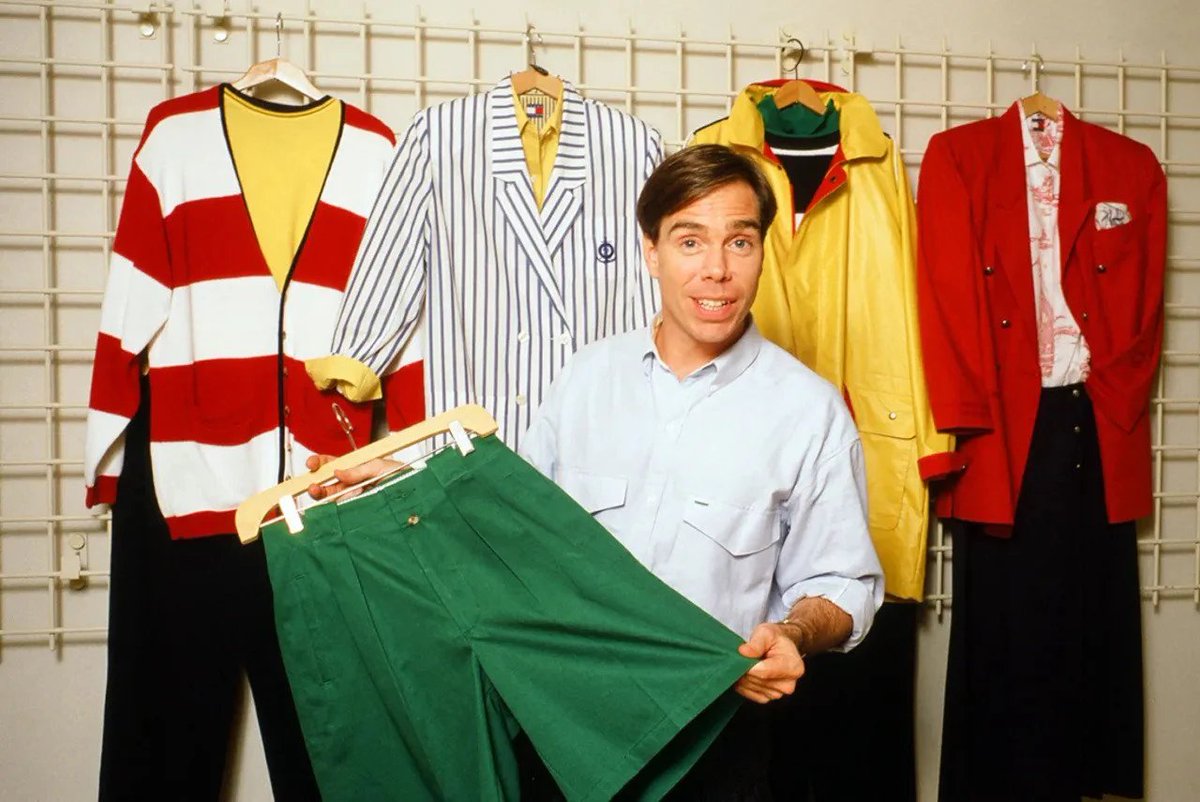
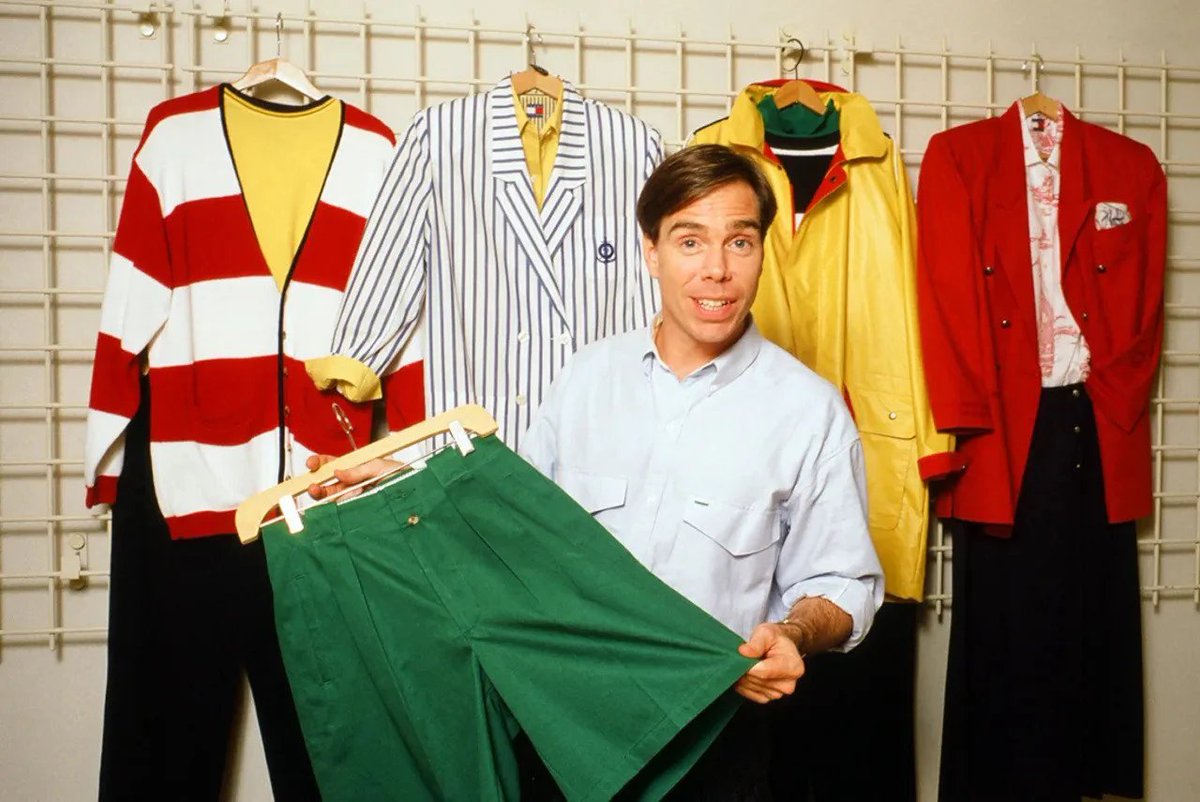
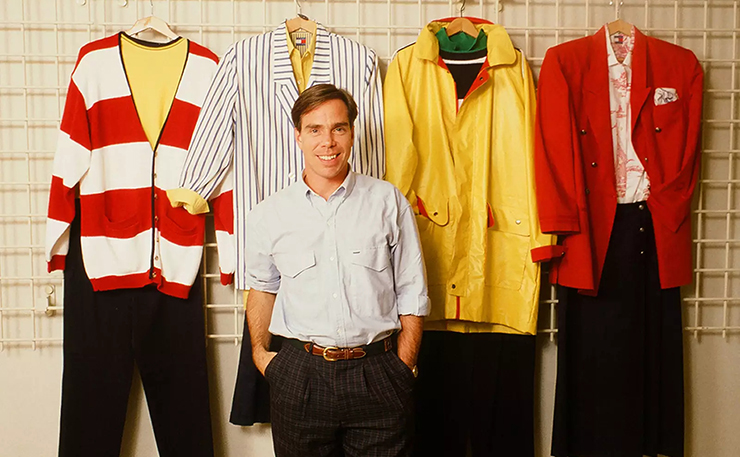
This is Tommy Hilfiger.

He didn’t build a clothing brand, he built an illusion.

And the world bought it.

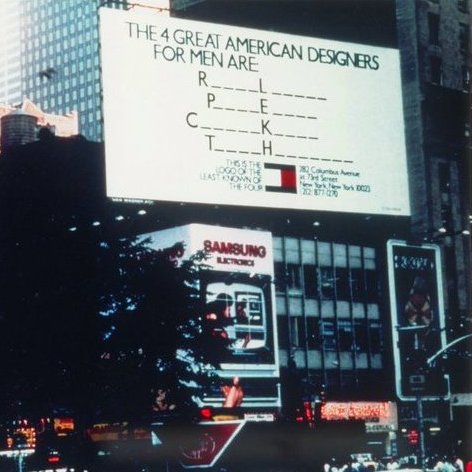
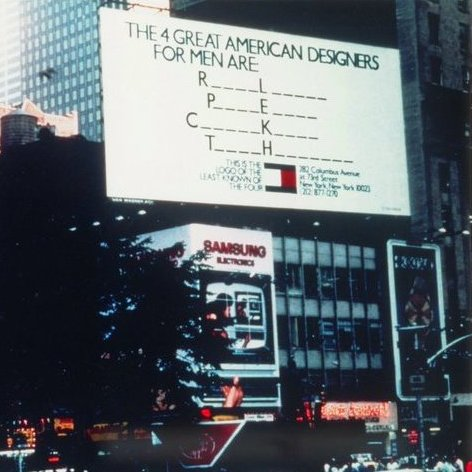
Before anyone knew his designs, he made himself a household name with one genius marketing stunt.

Here’s how he tricked the world into believing he was already famous: Image
Image
In 1985, Tommy Hilfiger was unknown.

He wasn’t a fashion giant. He wasn’t a household name.

He was just a young designer launching his first men’s clothing line.

But he didn’t want to wait years to "earn" fame.

He wanted to create it. Image
Jul 29, 2025 14 tweets 5 min read
Why does $9.99 feel way cheaper than $10?

One cent difference. Billions in profit.

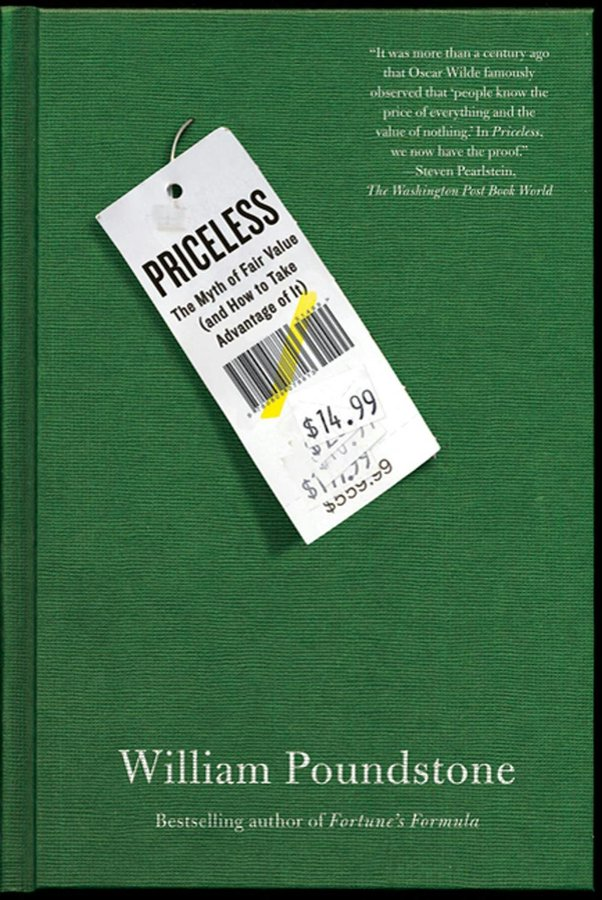
William Poundstone uncovered the psychological tricks that make you spend more without realizing it.

Here’s how brands use pricing to control your decisions: Image
Image
1. Anchoring

Anchoring is the psychological principle that people rely too heavily on the first piece of information they see.

When you see a luxury watch priced at $5,000 next to one priced at $1,000, the $1,000 option feels like a bargain even if it’s still expensive.
Jul 27, 2025 11 tweets 4 min read
Big budgets don’t win marketing wars. Guerrilla tactics do.

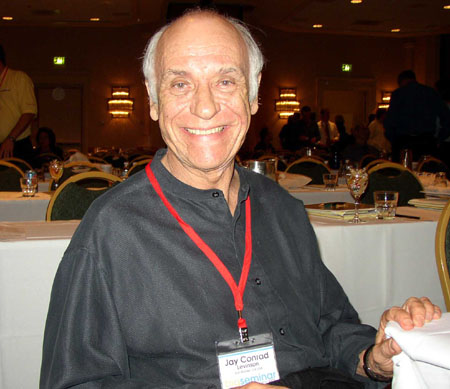
In 1984, Jay Conrad Levinson revealed how small brands could outsmart giants without spending millions.

Here’s the playbook that changed advertising forever: Image
Image
Guerrilla marketing is all about using low-cost, high-impact strategies to capture attention.
Instead of relying on big budgets, the approach emphasizes creativity, innovation, and boldness.
Jul 15, 2025 13 tweets 5 min read
In 1975, Pepsi launched the most dangerous marketing stunt ever:

The Pepsi Challenge.

Blind taste tests showed Americans preferred Pepsi over Coke.

Coca-Cola panicked.

What they did next became the biggest branding disaster in history.

Here’s the full story: Image
Image
For most of the 20th century, Coca-Cola was untouchable.
• It was the most iconic brand in the world.
• It outsold Pepsi 5 to 1.
• It was called “The Real Thing.”
• It was America in a bottle.

But by the 1970s, Pepsi had a bold plan to flip the script.
Jun 4, 2025 9 tweets 4 min read
This man cracked the psychology of shopping.

Retailers like Walmart & Costco redesigned their entire stores around his findings.

Here’s how Paco Underhill learned to control what you buy without you even knowing it: Image
Image
In the 1980s, Paco Underhill noticed something that would spark a revolution in retail.

Shoppers’ behavior inside stores was filled with patterns, small, often unnoticed actions that determined whether they’d make a purchase or walk away empty-handed.
May 28, 2025 9 tweets 3 min read
The 8 Greatest Ads of All Time & Why They Worked:

1. Volvo (Jean-Claude Van Damme)

Cost: $4M
Results: 48M views in 9 days, $170M in revenue.

Why it worked: Stunning visuals + clear product demonstration. 2. Apple’s “1984” Super Bowl Ad

Apple’s 1984 ad, inspired by George Orwell, positioned Macintosh as the rebel against conformity.

Cost: $900K
Results: 46% sales boost in 100 days.

Why it worked: Bold storytelling + a clear, disruptive message.
May 3, 2025 9 tweets 4 min read
Red Bull doesn’t run ads.

It runs cliff dives, F1 teams, and space jumps.

While Coca-Cola bought TV spots, Red Bull became the TV show.

Here’s how they turned adrenaline into a media empire and sold 11 billion cans doing it: Image
Image
Image
Image
Founded in 1987 by Dietrich Mateschitz, Red Bull wasn’t just a new beverage, it was a new category.

But competing in the beverage industry (dominated by Coke & Pepsi) was nearly impossible.

So they built a brand that made people feel something.

Something extreme...
May 1, 2025 9 tweets 4 min read
Casinos aren’t designed for gambling.

They’re labs and you’re the experiment.

No clocks. No windows. No clear exits.

Every sound, light, and “almost win” is engineered to hijack your brain.

Here’s how they trap you and make sure you leave broke: Image 1. No Clocks or Windows

Casinos disrupt your perception of time by removing external cues.

No windows mean you can’t see whether it’s day or night.

No clocks ensure you never feel the pressure to leave.

The goal? Keep you in a gambling trance for as long as possible.
Apr 28, 2025 8 tweets 3 min read
In 2018, Burger King pulled off the greatest fast-food heist ever.

They turned McDonald’s stores into weapons.

Hijacked millions of their customers.

And drove 1.5M app downloads in just 9 days.

Here’s the insane story of how they outplayed McDonald’s on their own turf: Image In 2018, Burger King had a problem:

McDonald's was dominating them everywhere.

More locations. More market share. More revenue.

Burger King couldn’t outspend them.

So they decided to outsmart them.
Apr 27, 2025 9 tweets 4 min read
In 2012, Adidas paid $150M to sponsor the London Olympics.

Nike wasn’t even an official sponsor.

But they still stole the spotlight with a strategy no one saw coming.

Here’s how Nike outsmarted Adidas on the world’s biggest stage: Image The 2012 London Olympics were a marketing battleground.

Adidas paid $150 million to be the official sponsor.

Their logo was everywhere: stadiums, jerseys, official broadcasts.

They thought the Olympics would belong to them.

But they were wrong...
Apr 26, 2025 10 tweets 4 min read
This is Tommy Hilfiger.

He didn’t build a clothing brand, he built an illusion and the world bought it.

Before anyone knew his designs, he made himself a household name with one genius marketing stunt.

Here’s how he tricked the world into believing he was already famous: Image
Image
In 1985, Tommy Hilfiger was unknown.

He wasn’t a fashion giant. He wasn’t a household name.

He was just a young designer launching his first men’s clothing line.

But he didn’t want to wait years to "earn" fame.

He wanted to create it. Image
Apr 26, 2025 8 tweets 3 min read
In the 1970s, Japan hated coffee.

Nestlé spent millions on ads, discounts, and promotions BUT failed.

Then they hired a child psychologist.

What happened next turned Japan into the 4th largest coffee importer in the world: Image
Image
After World War II, Nestlé entered Japan, hoping to create a new market for coffee.

But no matter how much they advertised, coffee sales remained abysmal.

The reason?

Coffee had zero cultural significance in Japan and had no childhood nostalgia or emotional connection.
Apr 24, 2025 11 tweets 3 min read
The $600B ad industry is being disrupted by a $19/month AI tool.

• Built by a YC founder
• Backed by Peter Thiel
• Used by $100M brands like Ridge

It writes, edits, voices, and runs ads while you sleep.

This is Icon: the world’s first AI CMO: Image Ad-making used to be hard:

• Brainstorm 100 concepts
• Write 100 scripts
• Match each line to 20 shots
• Manually edit 100 unique videos

• Test, iterate, track winners

Now? One tool does it all overnight.
Apr 12, 2025 10 tweets 4 min read
You walk into IKEA for a simple shelf.

Two hours later, you’re leaving with a cart full of things you never planned to buy.

This isn’t an accident—it’s a $50 billion psychological trap.

Here’s how IKEA mastered human psychology to make you spend more: Image
Image
IKEA’s story starts with Ingvar Kamprad, a dyslexic farm boy who built one of the most successful retail empires in history.

But IKEA didn’t succeed just because of great designs.

It succeeded because Kamprad reinvented how people buy furniture.
Apr 9, 2025 10 tweets 3 min read
In 2018, Wendy’s launched the most savage marketing campaign ever.

No ads. No budget. Just ruthless tweets.

The result? Millions in free publicity—and they humiliated McDonald’s in the process.

Here’s how Wendy’s turned roasting into revenue: Image On January 2, 2018, a Twitter user asked Wendy’s a simple question:

"How much does a Big Mac cost?"

Wendy’s responded with: "Your dignity." Image
Apr 8, 2025 9 tweets 3 min read
The 8 Greatest Ads & Why They Worked:

1. Volvo

Cost: $4M
Results: 48M views in 9 days, $170M in revenue.

Why it worked: Stunning visuals + clear product demonstration. 2. Apple’s “1984” Super Bowl Ad

Apple’s 1984 ad, inspired by George Orwell, positioned Macintosh as the rebel against conformity.

Cost: $900K
Results: 46% sales boost in 100 days.

Why it worked: Bold storytelling + a clear, disruptive message.
Feb 19, 2025 10 tweets 4 min read
You don’t shop the way you think you do.

Paco Underhill cracked the code on why you buy.

And retail giants like Walmart & Costco use his secrets to control your every move.

Here’s how tiny design tweaks make you spend more (without realizing it): Image
Image
In the 1980s, Paco Underhill noticed something that would spark a revolution in retail.

Shoppers’ behavior inside stores was filled with patterns—small, often unnoticed actions that determined whether they’d make a purchase or walk away empty-handed.
Feb 12, 2025 11 tweets 4 min read
In 2018, Burger King stole millions of McDonald’s customers using one sneaky trick.

They pulled off a $6 billion heist—using McDonald’s own restaurants against them.

The result? 1.5 million app downloads in 9 days.

And McDonald’s couldn’t do a thing about it.

Here’s the story:Image By 2018, McDonald’s had a dominant presence in fast food, but Burger King saw an opportunity.

Mobile ordering was on the rise, and both brands were pushing their apps.

McDonald’s had more stores, more customers, and a bigger marketing budget.