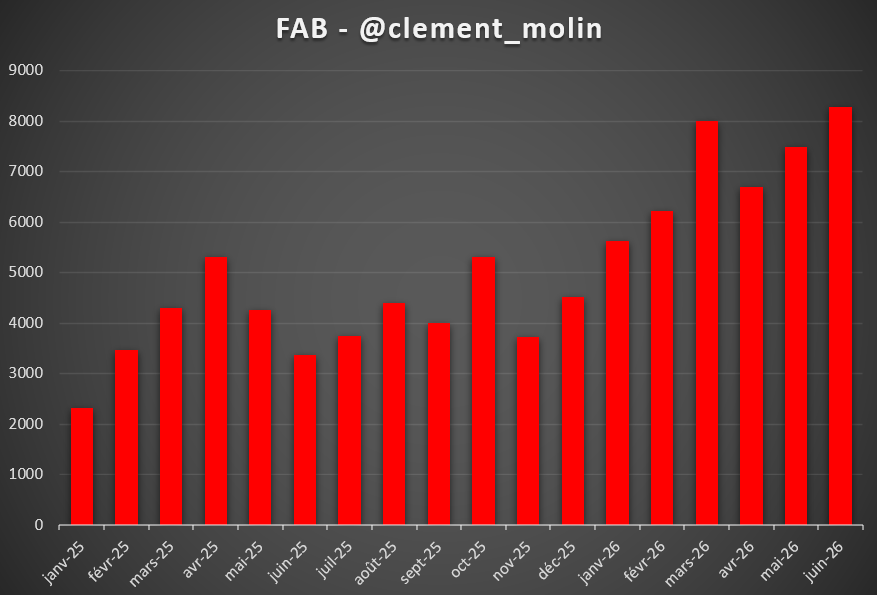
The war 🇺🇦/🇷🇺 of 2025 has nothing to do anymore with the war of 2022.
The tactics used in 2022 and 2023 are now completely obsolete on the Ukrainian front and new lessons have been learnt.
🧵THREAD🧵1/20 ⬇️
The tactics used in 2022 and 2023 are now completely obsolete on the Ukrainian front and new lessons have been learnt.
🧵THREAD🧵1/20 ⬇️
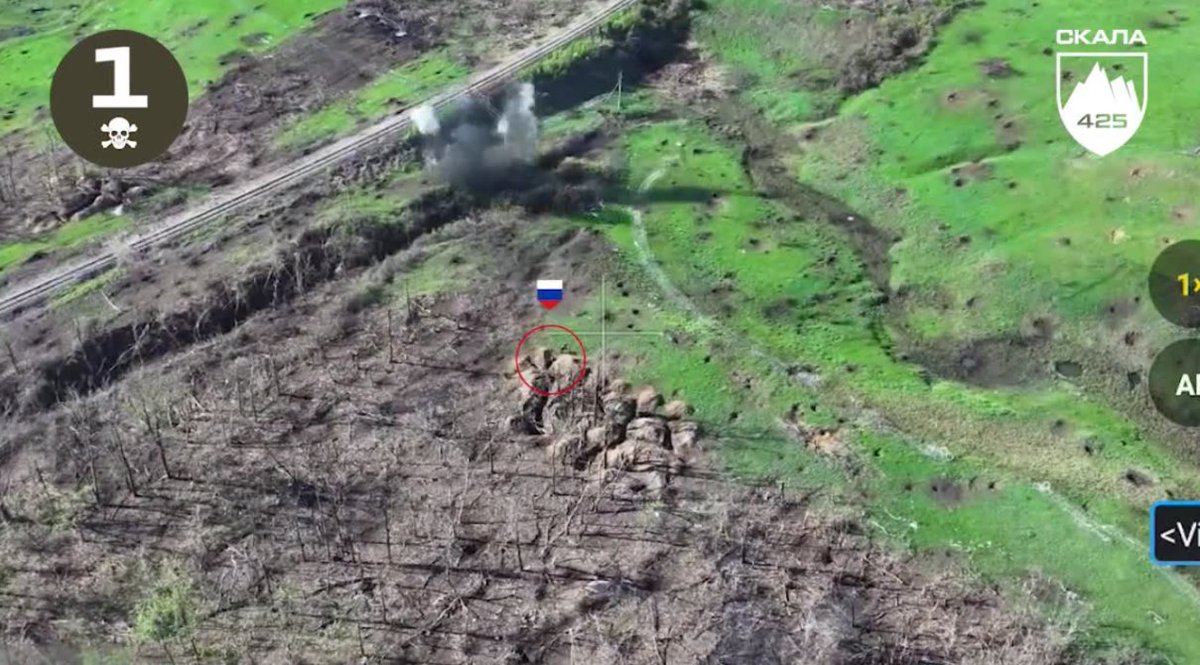
2022 have been the year of large mechanized assaults on big cities, on roads or in the countryside.
After that, the strategy changed to large infantry or mechanized assaults on big trench networks, especially in 2023.
After that, the strategy changed to large infantry or mechanized assaults on big trench networks, especially in 2023.

But today, this entire strategy is obsolete. Major defensive systems are being abandoned one after the other.
The immense trench networks have become untenable if they are not properly equipped with covered trenches and dugouts.
The immense trench networks have become untenable if they are not properly equipped with covered trenches and dugouts.

The war of 2025 is first a drone war. Without drones, a unit is blind, ineffective, and unable to hold the front.
The drone replaces soldiers in many cases. It is primarily used for two tasks: reconnaissance (which avoids sending soldiers) and multi-level air strikes.
The drone replaces soldiers in many cases. It is primarily used for two tasks: reconnaissance (which avoids sending soldiers) and multi-level air strikes.

Thus, the drone is a short- and medium-range bomber or a kamikaze, sometimes capable of flying thousands of kilometers, replacing missiles.
Drone production by both armies is immense; we are talking about millions of FPV (kamikaze) drones, with as much munitions used.
Drone production by both armies is immense; we are talking about millions of FPV (kamikaze) drones, with as much munitions used.

It should be noted that to hit a target, several drones are generally required due to electronic jamming.
Each drone is equipped with an RPG-type munition, which is abundant in Eastern Europe. The aerial drone (there are also naval and land versions) has become key on the battlefield.
Each drone is equipped with an RPG-type munition, which is abundant in Eastern Europe. The aerial drone (there are also naval and land versions) has become key on the battlefield.
Now, drones are used individually, to hit every soldier, making them a deadly weapon (more than half, if not more, of WIA/KIA), replacing artillery.
Drones can therefore support or halt an offensive. Any man who isn't hidden is a target.
Drones can therefore support or halt an offensive. Any man who isn't hidden is a target.
As we have seen, drones can land on the side of a road and wait for their target, or penetrate confined spaces or houses.
Soldiers must now hide in the foliage or in the basements of houses. Any large enough group of soldiers is quickly spotted, as is a concentration of armored vehicles.
Soldiers must now hide in the foliage or in the basements of houses. Any large enough group of soldiers is quickly spotted, as is a concentration of armored vehicles.
The Russian army has thus switched to 'maximum attrition' mode, recruiting more soldiers and sending small waves of scattered troops to attack Ukrainian positions, often on motorcycles (a form of modern cavalry).
Here between Pokrovsk and Kostiantynivka (local breakthrough).
Here between Pokrovsk and Kostiantynivka (local breakthrough).
The Ukrainians cannot hold the large defensive works of 2022-2024 and are now building small trenches, more numerous, better camouflaged, and offering a more attractive strategy.
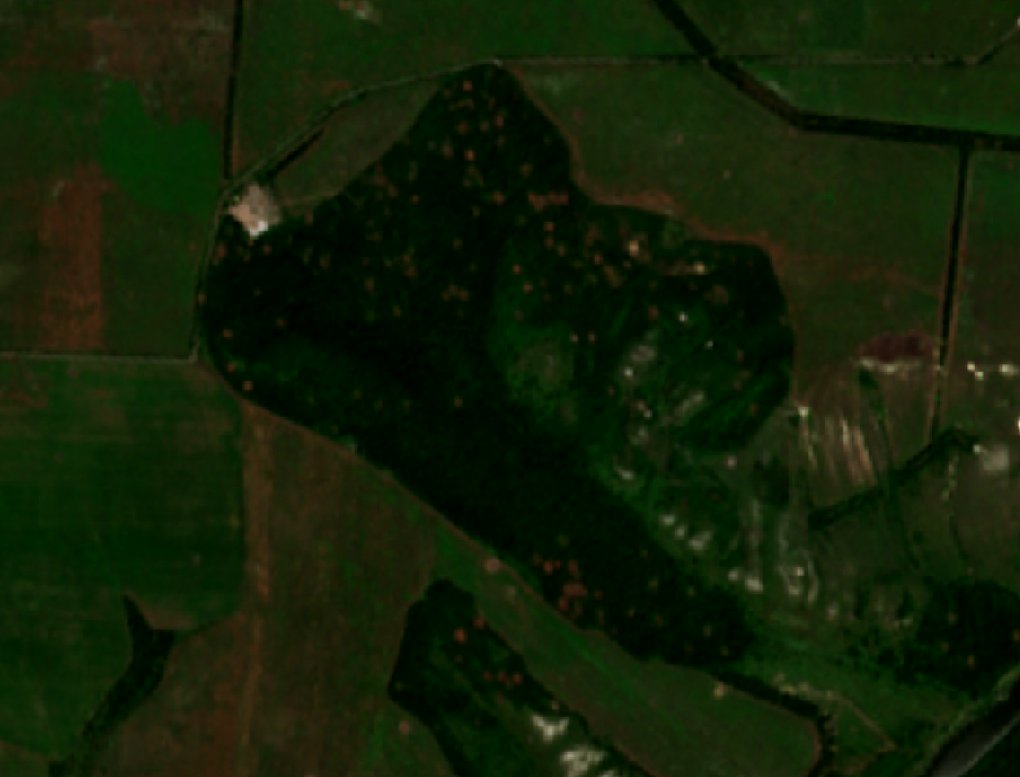
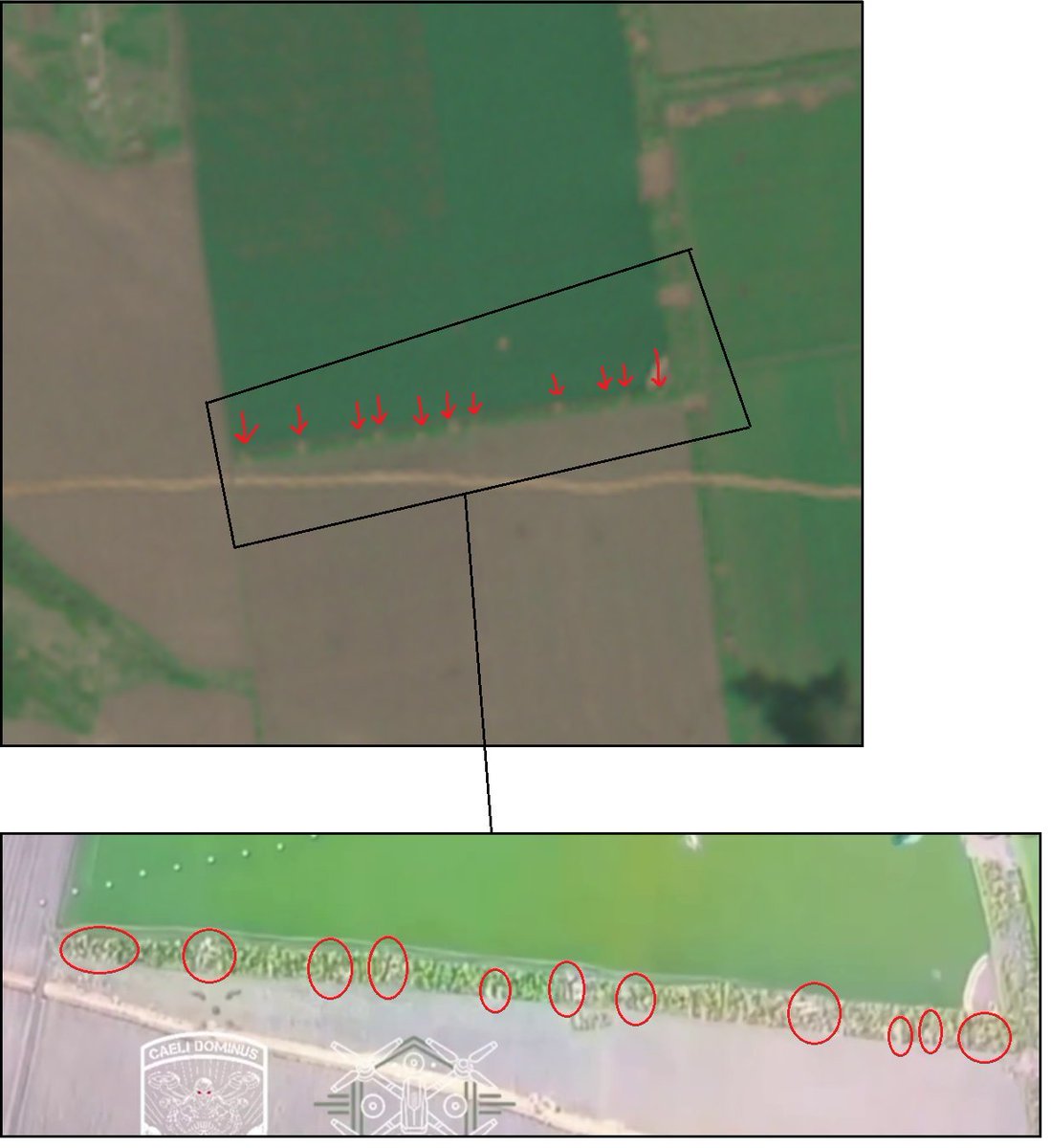
Here is a 2024 trench, 800 meters long and large, no covered positions, no hidden trench in the trees...
Literally useless (it was abandonned).
Literally useless (it was abandonned).

Compared to 2023, a similar trench was useful because artillery was the main threat and was largely imprecise.
(well known trench near Bakhmut, known for the most difficult battles between Wagner and ukrainian troups).
(well known trench near Bakhmut, known for the most difficult battles between Wagner and ukrainian troups).

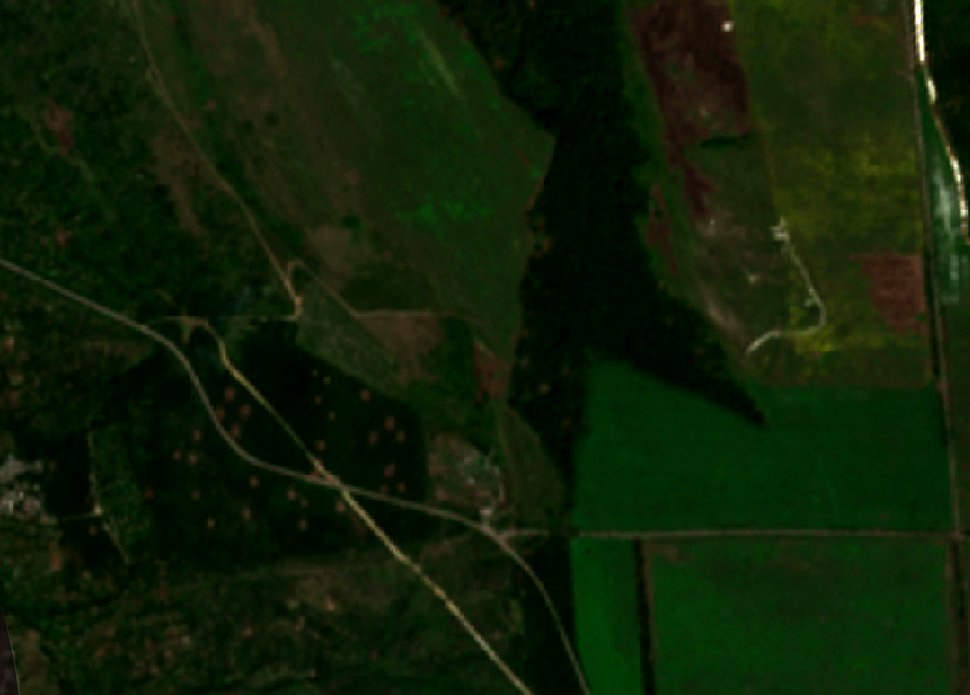
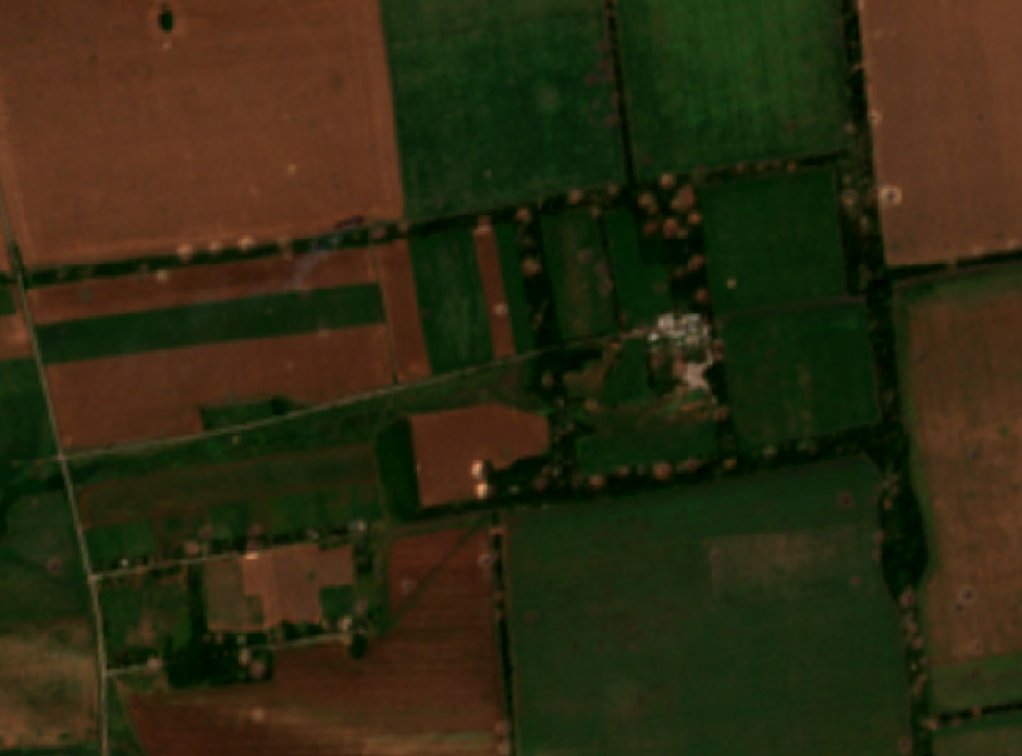
The priority now is to dig small concealed positions in forest strips : thus, the Russian army will have to clear them all and with the summer folliage, they are hidden.
Only few soldiers can hide inside each, making it more difficult to spot and destroy them.
Only few soldiers can hide inside each, making it more difficult to spot and destroy them.

Here is the new type of fortifications : those trenches will be invisible in few months.

@Playfra0 managed to find some screenshots of those new positions.
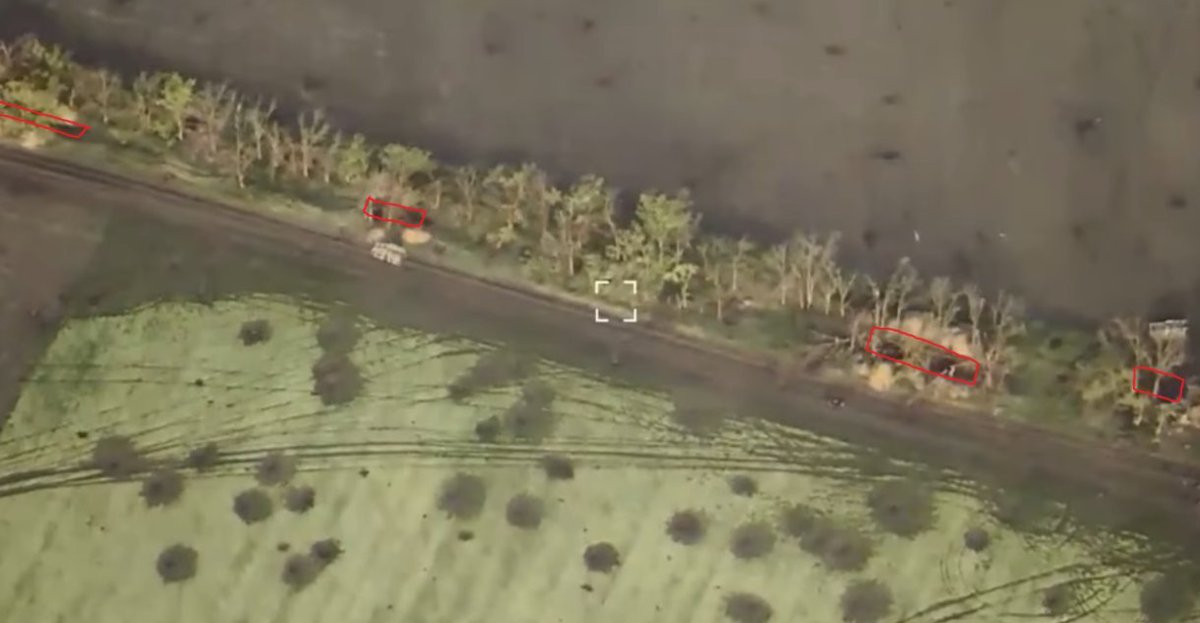
Let's analyse each side new strategy :
Russia 🇷🇺 :
-Large mechanized/motorized/civilian vehicle assaults on strongpoints.
-Fast attack layers (bike...)
-More and more attacks, more and more men used.
-Large airstrikes on cities, artillery and drone barrage on positions.
-Less use of armoured vehicles and tanks.
-Fixed artillery position hidden in folliage.
Fast, numerous, supported by bombings
Russia 🇷🇺 :
-Large mechanized/motorized/civilian vehicle assaults on strongpoints.
-Fast attack layers (bike...)
-More and more attacks, more and more men used.
-Large airstrikes on cities, artillery and drone barrage on positions.
-Less use of armoured vehicles and tanks.
-Fixed artillery position hidden in folliage.
Fast, numerous, supported by bombings
Ukraine 🇺🇦 :
-Massive drone strikes against ennemy
-Artillery and air-strikes in support
-New defensive organisations
-More anti-vehicle obstacles, ditches barbed wire...
-Smaller and more numerous positions
-Small scale counter-attacks
-Massive drone strikes against ennemy
-Artillery and air-strikes in support
-New defensive organisations
-More anti-vehicle obstacles, ditches barbed wire...
-Smaller and more numerous positions
-Small scale counter-attacks

Thus the war of 2025 require new tactics that were not used in 2022. Large mechanized assaults during the day would be unthinkable today (even if it was already the case in 2022-2023).
Both sides changed, and we can see the difference.
Both sides changed, and we can see the difference.
Russian forces managed to breakthrough ukrainian positions between Pokrovsk and Kostiantynivka, advancing in the undefended territory with bikes and entering the main defensive line.
This could be an important blow if they manage to consolidate their positions.
This could be an important blow if they manage to consolidate their positions.

Thanks for following, i will continue to map ukrainian trench work which is very interesting to understand frontline dynamics and strategies.

• • •
Missing some Tweet in this thread? You can try to
force a refresh