New Study Finds Higher Death Rate Among Pfizer Vaccine Recipients
Health officials said COVID shots were safe.
Interchangeable. Nothing to worry about.
But a new study from Florida’s Surgeon General found something troubling: Pfizer recipients were more likely to die than Moderna vaccine recipients.
Pfizer recipients were also more likely to face several other elevated risks. We’ll break down the data in this thread. 🧵
Health officials said COVID shots were safe.
Interchangeable. Nothing to worry about.
But a new study from Florida’s Surgeon General found something troubling: Pfizer recipients were more likely to die than Moderna vaccine recipients.
Pfizer recipients were also more likely to face several other elevated risks. We’ll break down the data in this thread. 🧵
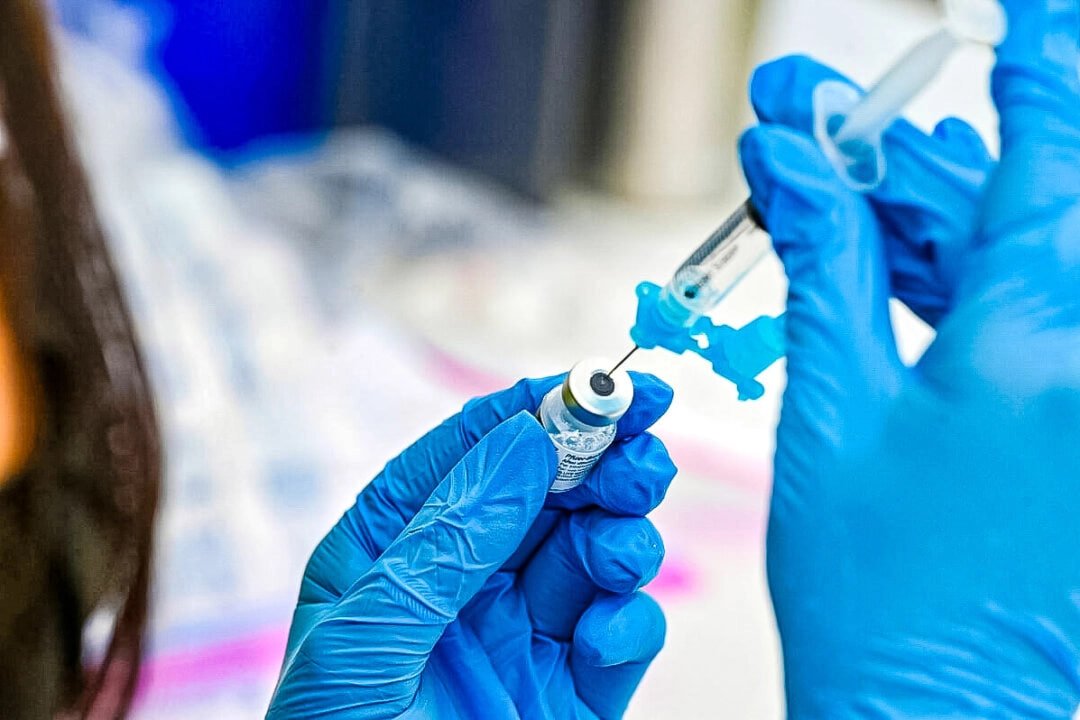
Florida adults who received Pfizer’s COVID-19 vaccine were more likely to die following vaccination than Moderna COVID-19 recipients, according to a new preprint study that was co-authored by Florida’s top health official.
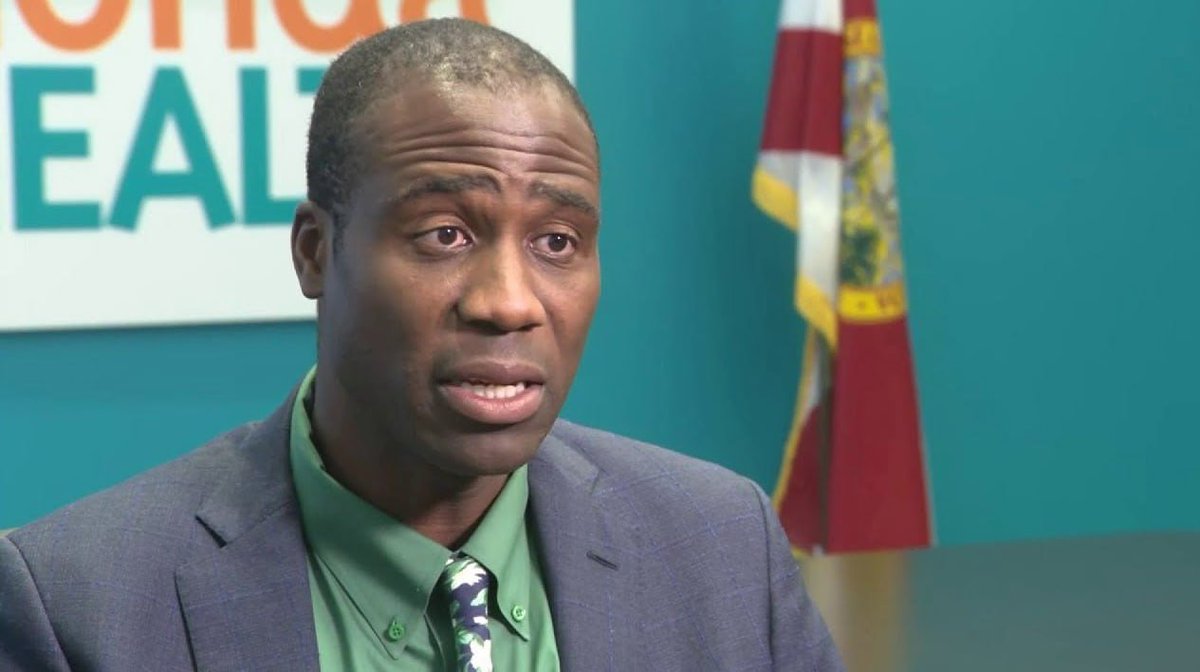
Dr. Joseph Ladapo, Florida’s surgeon general, and other researchers identified nearly 9.2 million Florida adults not living in institutions who received at least two doses of the Pfizer or Moderna vaccine less than six weeks apart between Dec. 18, 2020, and Aug. 31, 2021.
Dr. Joseph Ladapo, Florida’s surgeon general, and other researchers identified nearly 9.2 million Florida adults not living in institutions who received at least two doses of the Pfizer or Moderna vaccine less than six weeks apart between Dec. 18, 2020, and Aug. 31, 2021.
They narrowed the group to nearly 1.5 million, half who received Pfizer’s vaccine and half who received Moderna’s vaccine, by matching them based on criteria such as age and sex.
They then analyzed the records to see which group had the higher risk for all-cause mortality, or death from any cause, in the 12 months following vaccination.
They then analyzed the records to see which group had the higher risk for all-cause mortality, or death from any cause, in the 12 months following vaccination.

That analysis found that more Pfizer recipients died, with 847 deaths per 100,000 recipients, compared to 618 deaths per 100,000 for Moderna recipients. Pfizer recipients were also more likely to suffer heart-related deaths and COVID-19 deaths.
Pfizer and Moderna did not respond to requests for comment.
The study was published as a preprint, which means it has not been peer reviewed, on the medRxiv server on April 29.
Pfizer and Moderna did not respond to requests for comment.
The study was published as a preprint, which means it has not been peer reviewed, on the medRxiv server on April 29.

“Did your doctor tell you that you might be more likely to die if you took Pfizer instead of Moderna? That’s what we found in Florida, and other studies have shown similar results,” Ladapo wrote on social media platform X.
Two other employees of the Florida Department of Health are listed as co-authors for the new study.
Two other employees of the Florida Department of Health are listed as co-authors for the new study.

Both Ladapo and Retsef Levi, a professor at the Massachusetts Institute of Technology and the fourth author, have called previously for the suspension of the Pfizer and Moderna COVID-19 vaccines over what they’ve described as alarming findings in various studies.
Limitations of the paper included the matching process reducing the size of the studied population and not including co-morbidities, according to the researchers.
Limitations of the paper included the matching process reducing the size of the studied population and not including co-morbidities, according to the researchers.

A little about us: We’re a team of journalists and researchers on a mission to give you REAL and honest information about your health.
Side effects of reading our posts may include: critical thinking.
Follow us for more daily threads—backed by hard data.
—> @EpochHealth
Side effects of reading our posts may include: critical thinking.
Follow us for more daily threads—backed by hard data.
—> @EpochHealth

The study adds to a body of research that looks at non-specific effects, or the potential impact of vaccines on all-cause mortality and other measures not directly related to the target of the vaccines.
theepochtimes.com/health/vaccine…
theepochtimes.com/health/vaccine…
A previous analysis, published in 2023 and drawn from clinical trial data, concluded that neither the Pfizer nor the Moderna COVID-19 vaccines impacted all-cause mortality.
Researchers found that the vaccines protected against deaths from COVID-19 but that vaccinated trial participants were more likely to die from heart issues, which offset the effect. A third vaccine, from Johnson & Johnson, performed better, researchers said.
Ladapo and the others in the new paper noted that three previous studies used U.S. Department of Veterans Affairs data to compare Pfizer recipients to Moderna recipients. One study found that Pfizer recipients were at a higher risk of COVID-19 hospitalization and death.
Researchers found that the vaccines protected against deaths from COVID-19 but that vaccinated trial participants were more likely to die from heart issues, which offset the effect. A third vaccine, from Johnson & Johnson, performed better, researchers said.
Ladapo and the others in the new paper noted that three previous studies used U.S. Department of Veterans Affairs data to compare Pfizer recipients to Moderna recipients. One study found that Pfizer recipients were at a higher risk of COVID-19 hospitalization and death.

Another study determined that Pfizer recipients were at higher risk of heart attack and stroke.
They said their study is different in part because the size of the population studied is bigger and the matching is more precise.
theepochtimes.com/health/recipie…
They said their study is different in part because the size of the population studied is bigger and the matching is more precise.
theepochtimes.com/health/recipie…
Critics of the study questioned why it did not also compare the vaccinated to the unvaccinated.
“Why did you not include this comparison in your paper?” Jeffrey Morris, George S. Pepper professor of public health and preventive medicine at the University of Pennsylvania’s Perelman School of Medicine, said on X.
“One of the common methodologies in pharmacovigilance is to compare between different vaccines,” Levi wrote on X.
“The advantage of this approach is that it controls for many of the unobserved confounding differences [that] typically exist between vaccinated and unvaccinated.”
“Why did you not include this comparison in your paper?” Jeffrey Morris, George S. Pepper professor of public health and preventive medicine at the University of Pennsylvania’s Perelman School of Medicine, said on X.
“One of the common methodologies in pharmacovigilance is to compare between different vaccines,” Levi wrote on X.
“The advantage of this approach is that it controls for many of the unobserved confounding differences [that] typically exist between vaccinated and unvaccinated.”

Thanks for reading! If you found this valuable, here's a special deal:
Unlock our ENTIRE library of @EpochHealth articles for just $1/week—plus unlimited access to @EpochTV and everything else on our site.
Claim it here: subscribe.theepochtimes.com/p/?page=digita…
Unlock our ENTIRE library of @EpochHealth articles for just $1/week—plus unlimited access to @EpochTV and everything else on our site.
Claim it here: subscribe.theepochtimes.com/p/?page=digita…

• • •
Missing some Tweet in this thread? You can try to
force a refresh