Epoch Health Profile picture
May 5 12 tweets 6 min read Read on X
New Study Finds Higher Death Rate Among Pfizer Vaccine Recipients

Health officials said COVID shots were safe.
Interchangeable. Nothing to worry about.

But a new study from Florida’s Surgeon General found something troubling: Pfizer recipients were more likely to die than Moderna vaccine recipients.

Pfizer recipients were also more likely to face several other elevated risks. We’ll break down the data in this thread. 🧵Image
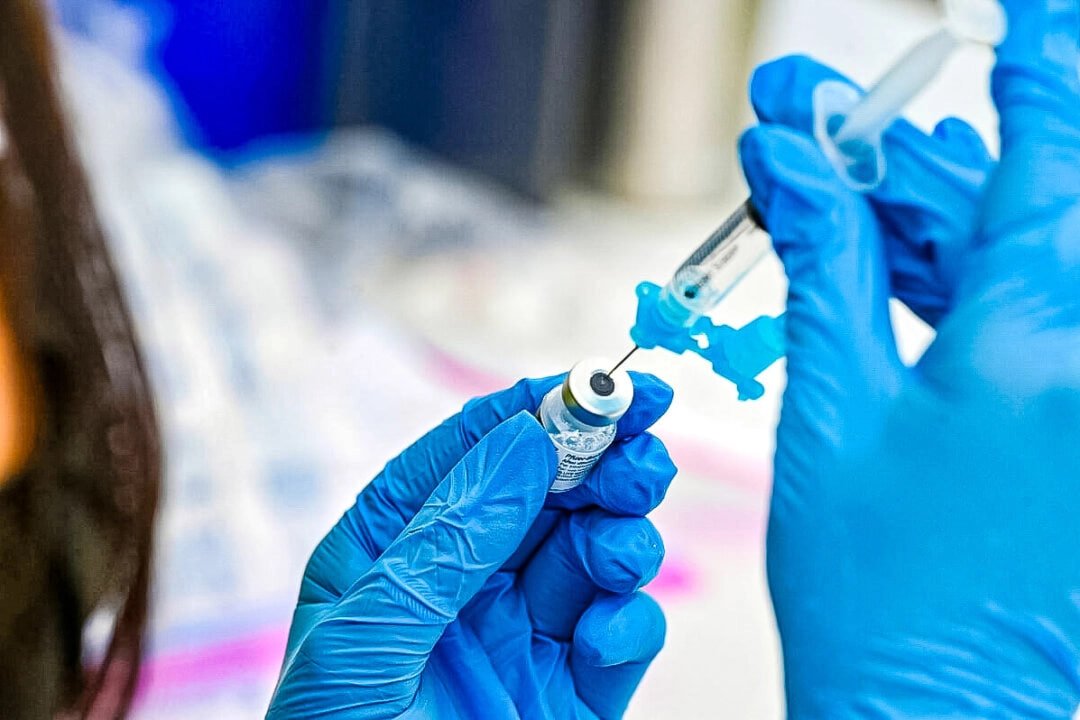
Florida adults who received Pfizer’s COVID-19 vaccine were more likely to die following vaccination than Moderna COVID-19 recipients, according to a new preprint study that was co-authored by Florida’s top health official.

Dr. Joseph Ladapo, Florida’s surgeon general, and other researchers identified nearly 9.2 million Florida adults not living in institutions who received at least two doses of the Pfizer or Moderna vaccine less than six weeks apart between Dec. 18, 2020, and Aug. 31, 2021.Image
They narrowed the group to nearly 1.5 million, half who received Pfizer’s vaccine and half who received Moderna’s vaccine, by matching them based on criteria such as age and sex.

They then analyzed the records to see which group had the higher risk for all-cause mortality, or death from any cause, in the 12 months following vaccination.Image
That analysis found that more Pfizer recipients died, with 847 deaths per 100,000 recipients, compared to 618 deaths per 100,000 for Moderna recipients. Pfizer recipients were also more likely to suffer heart-related deaths and COVID-19 deaths.

Pfizer and Moderna did not respond to requests for comment.

The study was published as a preprint, which means it has not been peer reviewed, on the medRxiv server on April 29.Image
“Did your doctor tell you that you might be more likely to die if you took Pfizer instead of Moderna? That’s what we found in Florida, and other studies have shown similar results,” Ladapo wrote on social media platform X.

Two other employees of the Florida Department of Health are listed as co-authors for the new study.Image
Both Ladapo and Retsef Levi, a professor at the Massachusetts Institute of Technology and the fourth author, have called previously for the suspension of the Pfizer and Moderna COVID-19 vaccines over what they’ve described as alarming findings in various studies.

Limitations of the paper included the matching process reducing the size of the studied population and not including co-morbidities, according to the researchers.Image
A little about us: We’re a team of journalists and researchers on a mission to give you REAL and honest information about your health.

Side effects of reading our posts may include: critical thinking.

Follow us for more daily threads—backed by hard data.

—> @EpochHealth Image
The study adds to a body of research that looks at non-specific effects, or the potential impact of vaccines on all-cause mortality and other measures not directly related to the target of the vaccines.

theepochtimes.com/health/vaccine…
A previous analysis, published in 2023 and drawn from clinical trial data, concluded that neither the Pfizer nor the Moderna COVID-19 vaccines impacted all-cause mortality.

Researchers found that the vaccines protected against deaths from COVID-19 but that vaccinated trial participants were more likely to die from heart issues, which offset the effect. A third vaccine, from Johnson & Johnson, performed better, researchers said.

Ladapo and the others in the new paper noted that three previous studies used U.S. Department of Veterans Affairs data to compare Pfizer recipients to Moderna recipients. One study found that Pfizer recipients were at a higher risk of COVID-19 hospitalization and death.Image
Another study determined that Pfizer recipients were at higher risk of heart attack and stroke.

They said their study is different in part because the size of the population studied is bigger and the matching is more precise.

theepochtimes.com/health/recipie…
Critics of the study questioned why it did not also compare the vaccinated to the unvaccinated.

“Why did you not include this comparison in your paper?” Jeffrey Morris, George S. Pepper professor of public health and preventive medicine at the University of Pennsylvania’s Perelman School of Medicine, said on X.

“One of the common methodologies in pharmacovigilance is to compare between different vaccines,” Levi wrote on X.

“The advantage of this approach is that it controls for many of the unobserved confounding differences [that] typically exist between vaccinated and unvaccinated.”Image
Thanks for reading! If you found this valuable, here's a special deal:

Unlock our ENTIRE library of @EpochHealth articles for just $1/week—plus unlimited access to @EpochTV and everything else on our site.

Claim it here: subscribe.theepochtimes.com/p/?page=digita…Image

• • •

Missing some Tweet in this thread? You can try to force a refresh

 

Keep Current with Epoch Health

Epoch Health Profile picture

Stay in touch and get notified when new unrolls are available from this author!

Read all threads

This Thread may be Removed Anytime!

PDF

Twitter may remove this content at anytime! Save it as PDF for later use!

Try unrolling a thread yourself!

how to unroll video
  1. Follow @ThreadReaderApp to mention us!

  2. From a Twitter thread mention us with a keyword "unroll"
@threadreaderapp unroll

Practice here first or read more on our help page!

More from @epochhealth

May 6
5 Easy Office Exercises to Undo the Harm of Sitting All Day

You might want to stand up for this one.

Seriously.

If you sit for more than 6 hours a day, scientists say you could be silently shaving years off your life.

These 5 simple movements boost circulation, relieve pain, and could help reverse the hidden damage of sitting too long.

One of them takes less than 30 seconds.

🧵 THREADImage
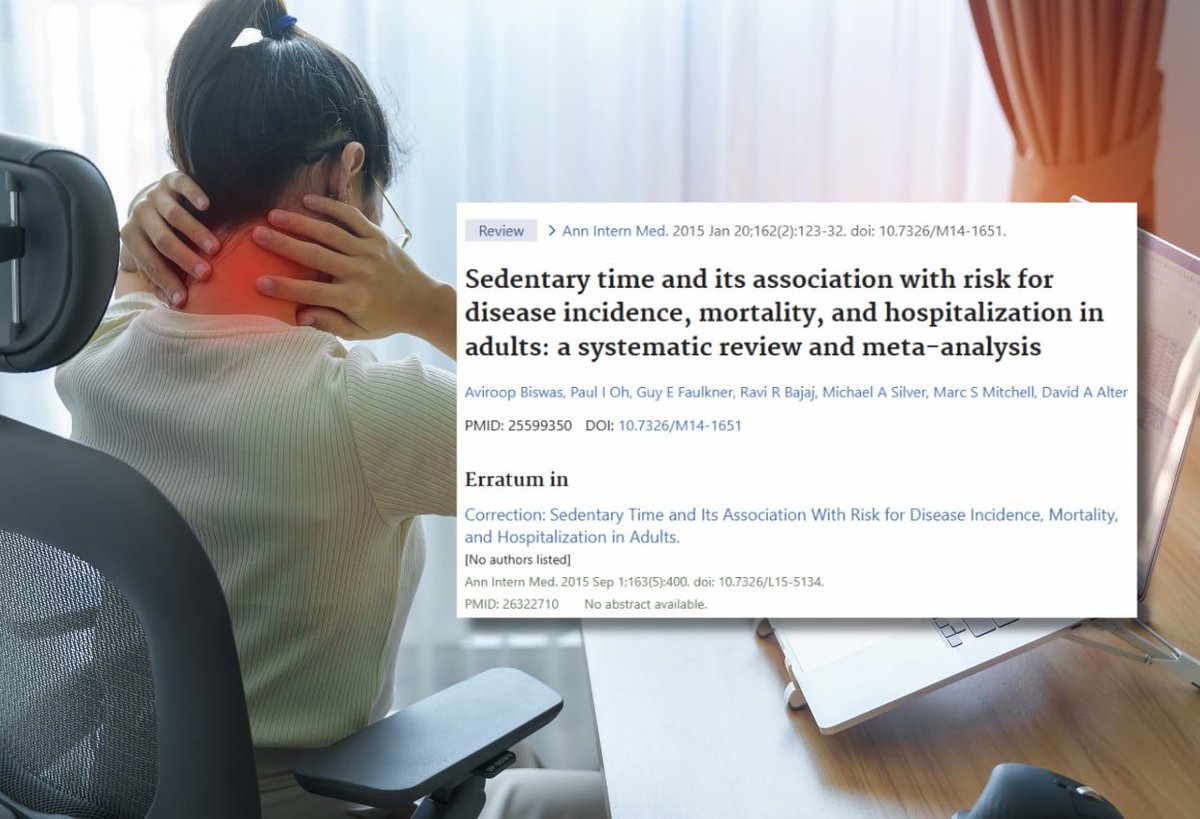
Sitting for extended periods can not only cause poor blood circulation in the lower limbs but may also cause pain further up in the shoulders, upper back, and neck.

This article introduces five exercises that could relieve the harm of sitting for a long time, and they can be executed even in a small office space.Image
A review of several studies has shown that long-term sitting significantly increases the risk of cardiovascular disease, cancer, and Type 2 diabetes, as well as all-cause mortality. Image
Read 14 tweets
May 5
Study Exposes Hidden Risks of Chewing Gum

What you chew to freshen your breath is leaking plastic into your saliva—and possibly your bloodstream.

Scientists ran a real-world test. What they found was unsettling.

Let’s just say: it’ll leave a bad taste in your mouth.

🧵THREAD Image
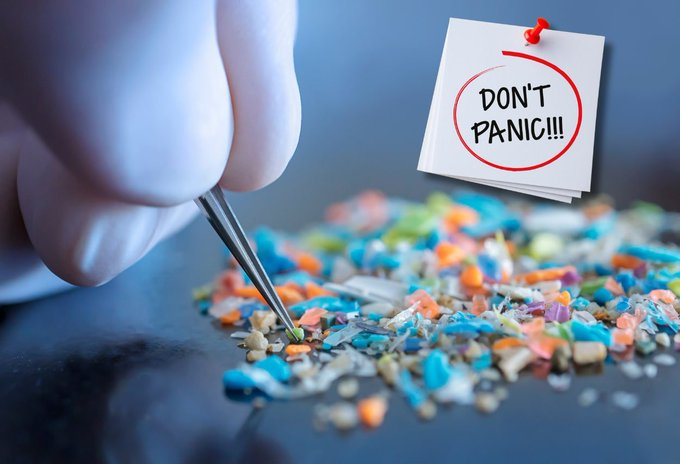
Chewing a single piece of gum releases hundreds or thousands of microplastics into the saliva, with the average gum-chewer at risk of ingesting 30,000 microplastics in a year, according to a new pilot study.

Researchers of the study “wanted to identify how many microplastics a person could potentially ingest from chewing natural and synthetic gums,” the American Chemical Society said in a March 25 statement.

While natural products use plant-based polymers to achieve a chewy texture, other gums “use synthetic rubber bases from petroleum-based polymers.”Image
“Our goal is not to alarm anybody,” Sanjay Mohanty, the project’s principal investigator and an engineering professor at the University of California, Los Angeles, said.

“Scientists don’t know if microplastics are unsafe to us or not. There are no human trials. But we know we are exposed to plastics in everyday life, and that’s what we wanted to examine here.”Image
Read 12 tweets
May 2
How to Remove Fluoride From Your Water at Home

You’ve done the research. You’ve seen the studies. You know something’s not right.

But awareness isn’t enough—here’s how to get fluoride out of your water for good.

🧵 THREAD Image
Since 1945, fluoride has been added to public drinking water supplies, but research has shown it may pose risks to our health.

When Grand Rapids, Michigan, became the first city to add fluoride to its water supply in 1945, the decision was hailed as a major public health innovation aimed at preventing cavities.

Many other cities quickly followed suit, and water fluoridation became a widespread practice nationwide.Image
Today, with fluoride easily accessible in toothpaste and mouthwash, its added value in drinking water has been called into question.

A review from the Cochrane Database of Systematic Reviews found that fluoridated water reduces tooth decay by only a tiny amount—about a quarter of a tooth surface—raising doubts about its effectiveness.

For decades, fluoride has quietly flowed through our taps, touted as a safeguard for dental health. But what if this commonly accepted chemical—long promoted for its benefits to teeth—is something you’d prefer to avoid?

Growing evidence suggests fluoride may pose risks beyond our teeth, affecting thyroid health, cognitive development, and more. This concern has led many to seek ways to eliminate fluoride from their lives. Whether you’re wary of long-term exposure or simply want cleaner water for your family, there are solutions.

From advanced filtration systems to simple DIY methods, keep scrolling to learn how to remove fluoride from your water—and your life.Image
Read 14 tweets
May 1
The Surprising Anti-Inflammatory Power of One Cultural Diet You’re Probably Not Eating

We all know food impacts our health.

But a new study just uncovered something that stunned researchers:

You can begin reversing inflammation-related diseases in as little as 14 days—using food alone.

The key involves a powerful dietary shift most people have never considered.

🧵 THREADImage
It’s common knowledge that the Western diet is linked to inflammation associated with chronic disease. What is less clear is how long it takes to see positive effects when switching from an inflammatory diet to a healthy one.

According to a new clinical trial published in Nature Medicine, significant anti-inflammatory benefits can appear quickly after switching from a Western to an African diet.

With implications for chronic disease, a healthy diet can act like medicine. But changing from a Western diet can seem daunting. Nutritionists offer tips on how to make and sustain the change.Image
Results of 2-Week Dietary Switch

In Africa, traditional diets are increasingly being replaced by Western diets because of various factors, such as urbanization and higher access to processed foods. There has also been a surge in noninfectious diseases, such as cardiovascular disease, Type 2 diabetes, and chronic inflammatory conditions. Could there be a connection between the two trends? The clinical trial sought to determine the effects of dietary change on health.

Researchers divided 77 healthy men from Tanzania into four groups. Some participants who usually ate a traditional African diet switched to the Western diet for two weeks, while others who usually followed a Western diet switched to the African diet. A third group drank a fermented beverage daily for one week that contained bananas and millet and a control group continued with its usual eating plans.

The Western diet in the trial included large amounts of meat, as well as pizza, pasta, white rice, fries, pancakes, white bread, and eggs. It also contained low amounts of fruits and vegetables.

In contrast, the traditional African diet consisted of green vegetables, plantains, legumes such as beans and peas, whole grains such as millet and sorghum, and root and tuber vegetables such as taro and cassava. The menu in the clinical trial followed the traditional diet of the Kilimanjaro region of Tanzania, featuring large amounts of fruits and vegetables along with brown rice, beans, fermented products, grains of millet and sorghum, and limited meat.

Researchers looked at blood inflammation markers, immune system function, and metabolic processes at baseline, after the two-week experiment, and again four weeks later.

Participants who switched to a Western diet showed higher levels of inflammatory proteins in their blood and increased activation of biological processes linked to noninfectious diseases such as heart disease and diabetes. Their immune cells also became less effective at responding to infection-causing microbes.

Conversely, participants who switched to the African diet or drank the fermented beverage largely experienced anti-inflammatory effects. Some of the benefits continued to manifest four weeks later, suggesting that short-term dietary changes can produce long-lasting results.

“Previous research has focused on other traditional diets, such as the Japanese or Mediterranean diet,” researcher Dr. Quirijn de Mast, an internal medicine physician from Radboud University Medical Center, said in a press statement.

“However, there is just as much to learn from traditional African diets, especially now, as lifestyles in many African regions are rapidly changing and lifestyle diseases are increasing. Africa’s rich diversity in traditional diets offers unique opportunities to gain valuable insights into how food influences health.”Image
Read 10 tweets
May 1
HHS to Require Placebo-Controlled Trials for New Vaccines

Most people think vaccines are tested against placebos.

They’re not.
And they never were.

Now RFK Jr. is rewriting the rules—doing what no U.S. health official ever dared to do.

What happens next could change everything.

🧵 THREADImage
Health Secretary Robert F. Kennedy Jr. is requiring all new vaccines to be tested against placebos before being licensed, officials said on April 30.

The requirement is “a radical departure from past practices,” a spokesperson for the Department of Health and Human Services (HHS) told The Epoch Times in an email.

“Except for the COVID vaccine, none of the vaccines on the CDC’s childhood recommended schedule was tested against an inert placebo, meaning we know very little about the actual risk profiles of these products,” the HHS spokesperson said.Image
A placebo is a substance that “has no effect on living beings,” according to the Centers for Disease Control and Prevention.

The Food and Drug Administration (FDA) defines it as an “inactive preparation.”

Neither agency responded to requests for comment. Image
Read 16 tweets
Apr 30
A Key Antioxidant for Longevity Is Fading From Our Food Supply

Most people have never heard of ergothioneine.

But this powerful compound may be essential to brain health and long-term vitality—and it’s quietly disappearing from our modern diet.

Here’s why that matters and what you can do about it.

🧵 THREADImage
Ergothioneine (ERGO), a potent antioxidant made by fungi and soil microbes, is making waves in the world of nutrition. However, many may wonder what it actually is.

Research shows ERGO is important for brain health. When animals are deprived of ERGO, it harms both brain cell growth and cognitive function. People with dementia also tend to have lower levels of ERGO in their blood compared with healthy people of the same age.

Fungi that typically grow in the rich, healthy soil of forests are a vital source of ERGO.

However, as farming practices deplete the soil, we lose its vitality and the nutrients that nourish our food—leaving us reliant on forest-grown mushrooms and improved soil care to help restore healthy ERGO levels.Image
‘Longevity Vitamin’

ERGO is primarily produced by soil-borne microbes and fungi. Humans cannot produce it, so it must be obtained through diet. Researchers discovered that mammals have a specific transporter protein for ERGO, enabling its absorption from food into red blood cells.

These cells then distribute it to tissues throughout the body, where it has powerful anti-inflammatory and antioxidant effects—emphasizing its biological importance.

In 2018, Bruce Ames, a renowned biochemist, proposed that ERGO could be classified as a longevity vitamin. These vitamins are essential for the function of longevity proteins that support long-term health and aging. Ames suggested that a deficiency in ERGO could harm long-term health.

Robert Beelman, a professor of food science and director of the Center for Plant and Mushroom Foods for Health at Penn State University, has advanced the understanding of ERGO.

“ERGO is actually an amino acid, but not one that’s found in proteins,” Beelman told The Epoch Times. Unlike other amino acids that build proteins, ERGO acts as an antioxidant with special benefits for brain and organ health. This is one reason why ERGO is linked to aging and cognitive health, and why it stands apart from other amino acids.

“It appears to mitigate many of the chronic diseases associated with aging,” he said.Image
Read 9 tweets

Did Thread Reader help you today?

Support us! We are indie developers!


This site is made by just two indie developers on a laptop doing marketing, support and development! Read more about the story.

Become a Premium Member ($3/month or $30/year) and get exclusive features!

Become Premium

Don't want to be a Premium member but still want to support us?

Make a small donation by buying us coffee ($5) or help with server cost ($10)

Donate via Paypal

Or Donate anonymously using crypto!

Ethereum

0xfe58350B80634f60Fa6Dc149a72b4DFbc17D341E copy

Bitcoin

3ATGMxNzCUFzxpMCHL5sWSt4DVtS8UqXpi copy

Thank you for your support!

Follow Us!

:(