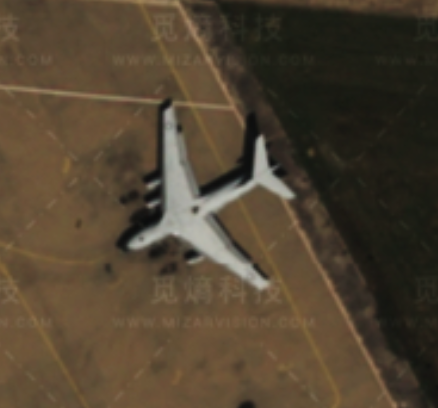
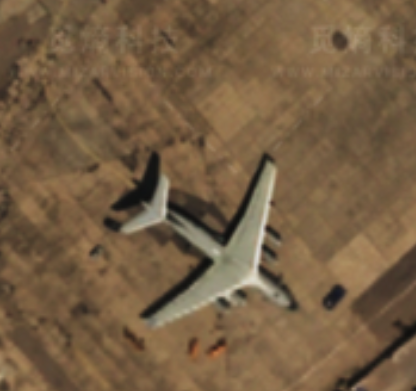
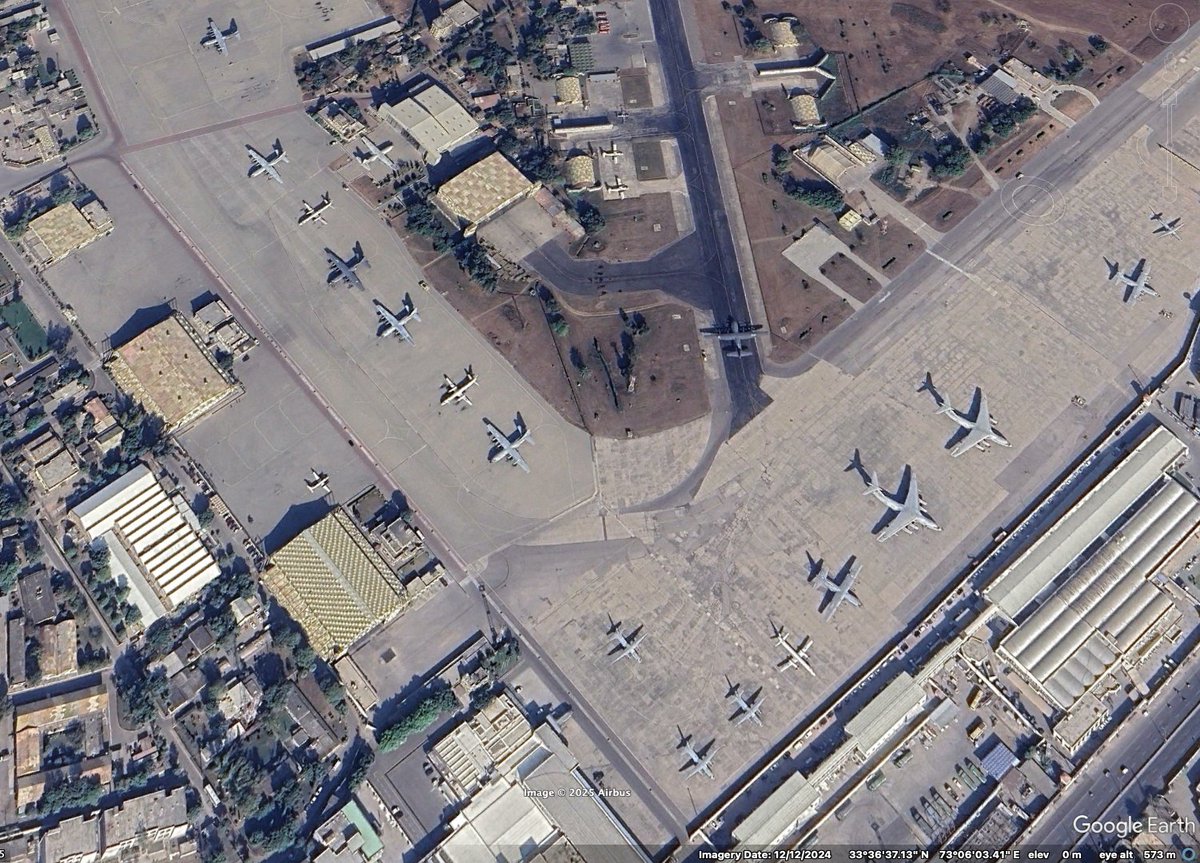
1 | About 9 hours ago, a Chinese commercial satellite imagery provider, MizarVision published a fairly clear image of the PAF Nur Khan air base after strike showing minor damages without clear evidence of airframe loss.
From the image, there seems to be 2 locations showing different level of damages.
2 | The first location is a small courtyard near the apron where PAF's transportation aircraft are parked.
There are visible signs of burning and destruction of vehicles, possibly fuel trucks, which corroborates with the intense fire we saw during the night of the attack.
3 | The second location is the roof of a warehouse. It is less whether this is indeed damages done to the roof or just shadow of piled construction materials.
The construction materials are visible in the image taken on Dec. 12th, 2024. There could be some minor fire damage to the roof but it would be inconsequential.
4 | Here is the full image without my annotations.
Base infrastructure seems largely unharmed. We can see 2 IL-78/76 aircraft left on the apron. These aircraft show signs of overhaul or maintenance.
The apron seems to be much emptier compared to Dec. 2024, indicating possible evacuation effort before the Indian strike.
• • •
Missing some Tweet in this thread? You can try to
force a refresh

1 | Intercepting Brahmos: a limited discussion on missile defence capabilities worldwide that (possibly) can intercept this missile.
Brahmos is a very potent anti-ship / land attack missile. In the anti-ship role, its Mach 3 speed coupled with sea skimming profile at the terminal stage make it a very challenging target.
2 | Throughout the years since its first test launch in 2001, Brahmos has seen a range increase from MTCR-constraint 290km to sub 500km then to alleged 8-900km achieved in the latest test.
3 | To simplify the matter a bit, there are generally 2 types of flight profiles for the missile.
->Sea skimming all the way with supersonic speed at the expense of range.
->Climb high to 14,000m, cruise, dive down and then start its terminal phase sea skimming.
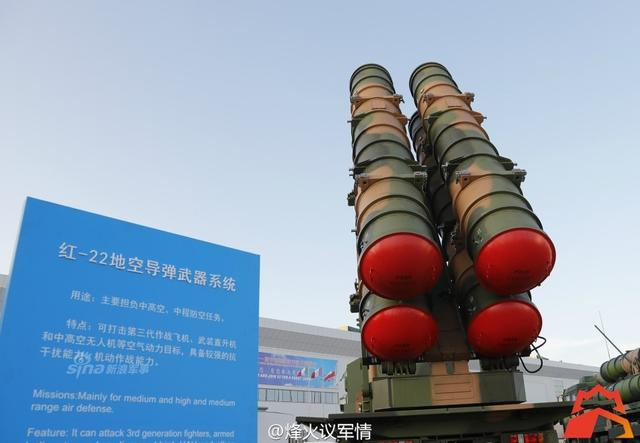
The HQ-22 is a medium-to-long range air defence system operated by the PLAAF.
-The battalion level (equivalent to a Patriot battery) is its basic firing unit.
-HQ-22 directly replaces the old HQ-2 & HQ-12 SAM systems.
-Retaining their 6 launchers per battalion setup.
-Each battalion operates 2 radars, an engagement radar and a target acquisition/early -warning radar.
-Other command, communication, and logistic equipment are also included.
2 | Here a SAM battalion in Xinjiang replaced its HQ-2 with HQ-22 around 2015/2016, a significant capability boost for the unit.
-HQ-2 is an improved version of the Soviet SA-2 (1957) with a main liquid fuel rocket engine, radio-command guidance all the way.
-HQ-22 brings 4 missiles per launcher compared to 1 for the SA-2.
-HQ-22 has significantly higher mobility on-road and with some limited off-road mobility.
-HQ-22 employs midcourse radio-command guidance and SARH terminal guidance.
3 | The HQ-22 is a lower-tier system in PLAAF’s arsenal.
In PLAAF’s own words HQ-22 is tasked with mid-range (although its 100 km+ range would be considered long-ranged in many other countries), high & medium altitude AD against aerodynamic targets. This means the system:
-Cannot defend against ballistic missiles.
-Is not optimized to defend against cruise missiles.
1 | The best open source information about PLAN carrier operation comes from the Japanese MoD.
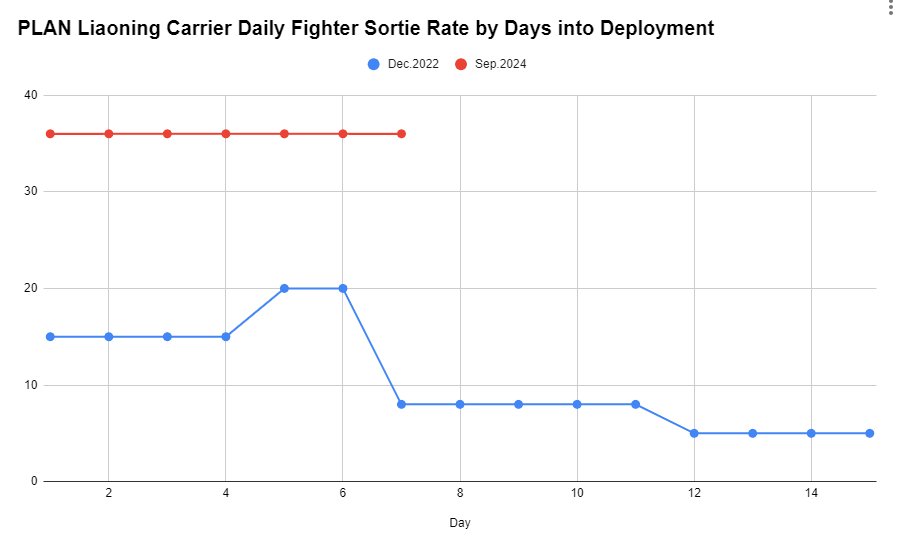
From data published by 🇯🇵's Joint Staff Office we can establish some baselines for PLAN carriers' sortie rate.
Note: daily sortie rate is averaged across observation window.
2 | By just looking at the data, it seems PLAN's carrier sortie rate has seen gradual improvement.
When Liaoning was deployed in Dec.2022, its daily fighter sortie rate peaked at 20 per day and can be as low as 5 per day at the end of the deployment.
3 | After a year-long refit, Liaoning's sortie rate has seen a significant increase during the current deployment in Sep.2024.
Fighter sortie rate is at 37 per day averaged in 7 days. At the busiest day it could have reached 48 per day (2 per day per airframe).
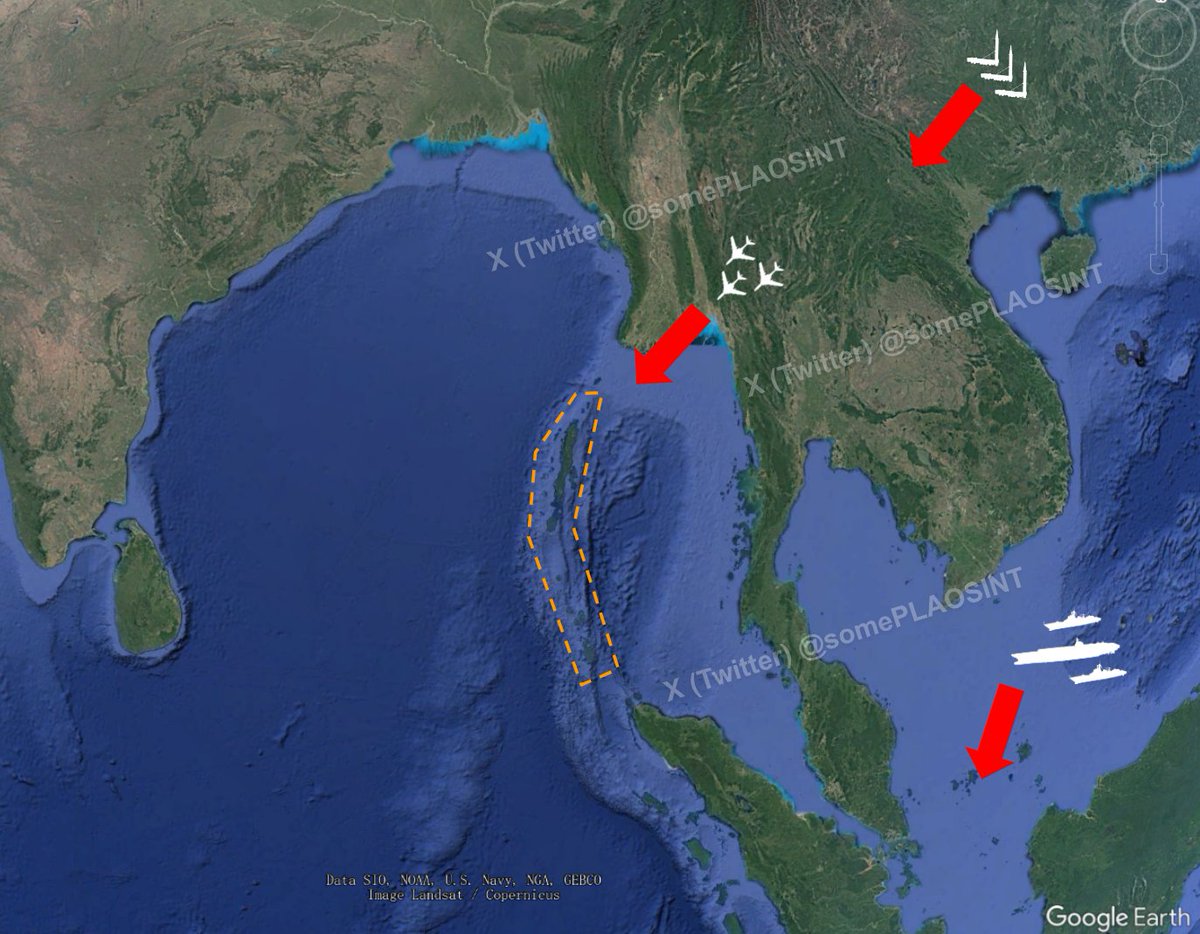
1 | Blockading the Malacca Strait is thought to be the trump card India holds against China by many.
My 2 cents about the theoretical maximum strength the IN and IAF can commit to sustain a blockade & defend against China’s attempt to break through (assumptions, caveats apply).
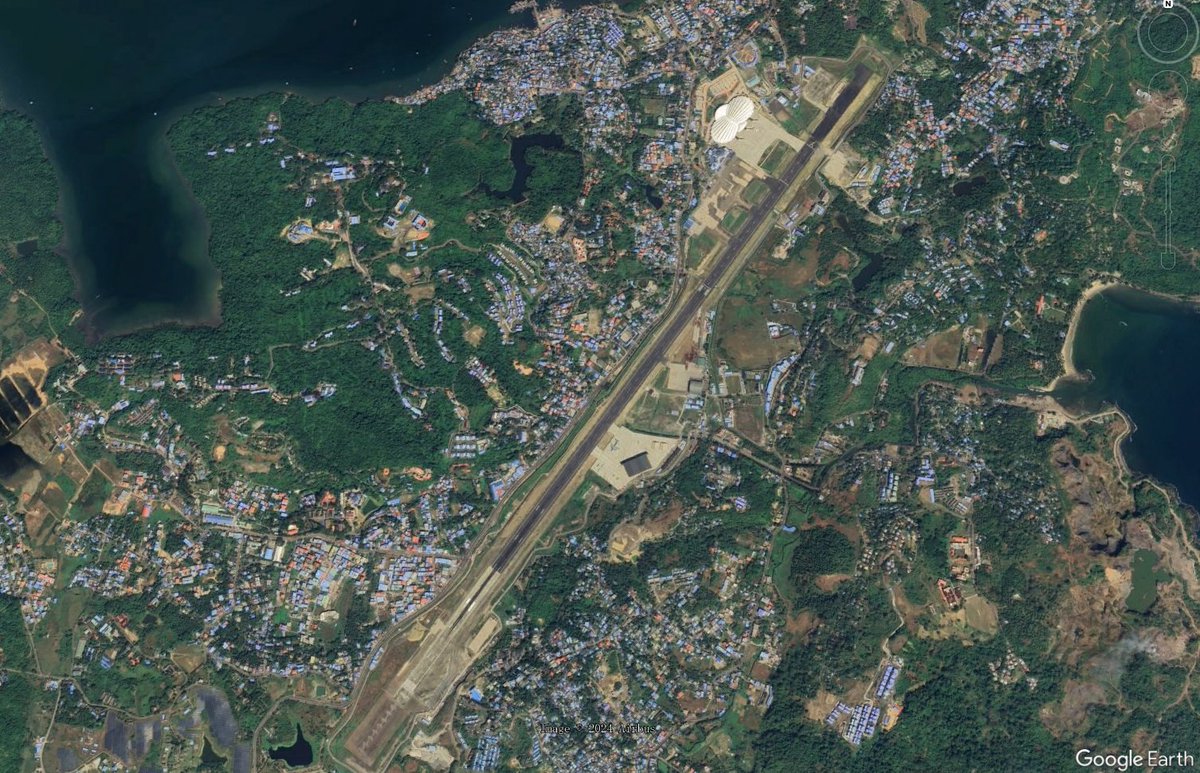
2 | The main objective for the Indian Deployment is to protect 2 major air bases:
->Veer Savarkar International Airport
->Car Nicobar AFS
So IAF Su-30MKI with Brahmos & IN P8I can continuously project air power & carry out sea denial operations against PLAN.
3 | The threat to India’s blockade force are likely from 3 directions: 1. PLAAF bomber force passing through Myanmar airspace with long-range ALCM & ALBM 2. PLARF DF-26 IRBM, DF-17 HGV 3. PLAN counter force approaching from SCS (with SSNs)
1 & 2 would be the major concern.
1 | 🇨🇳Flankers vs 🇮🇳Flankers
Beyond geopolitical tensions, the rivalry can also be traced to the roots of their lineage.
->🇨🇳Flankers originated from KnAAPO on the Amur River.
->🇮🇳Flankers started from IRKUTSK by Lake Baikal.
2 | Both countries adopted a from import to license production strategy.
->India started later
->Its Su-30MKI enjoyed tech superiority for almost a decade with PESA radar, TVC, French/Israeli avionics & weapons
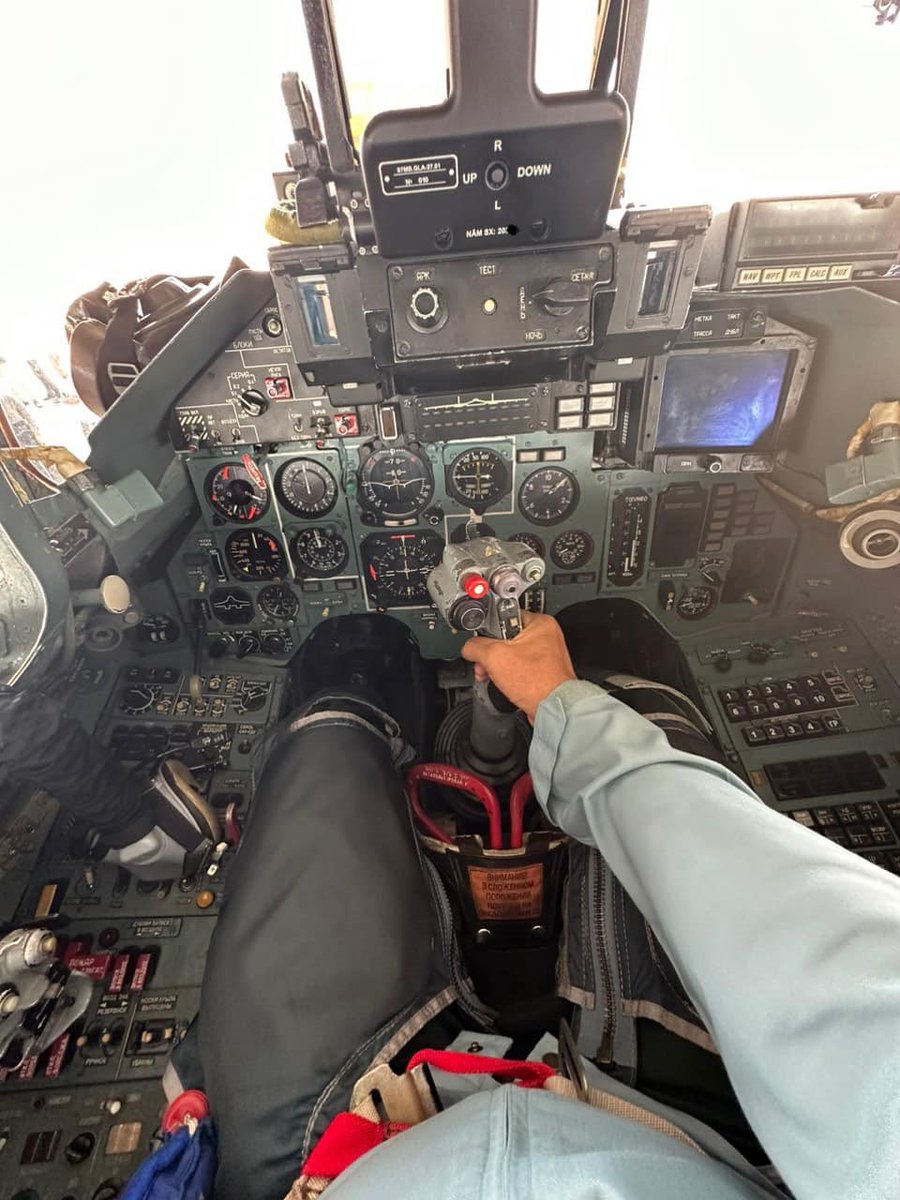
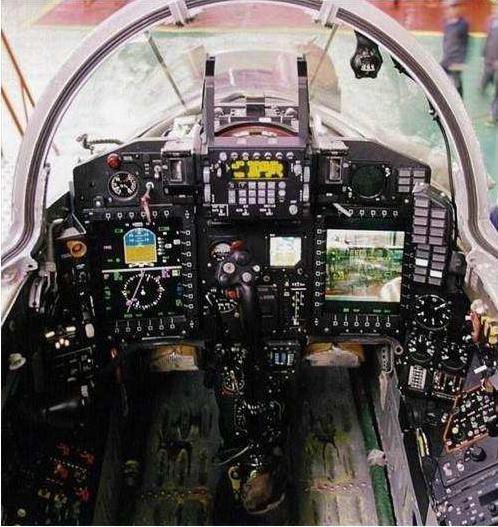
Left Su-30MKI cockpit vs Su-27SK/J-11 cockpit
3 | Su-30MKI’s advantage started to run out as China developed its own major upgrade as J-11B with 100% indigenization. While India was trying hard to increase domestic content in Su-30MKI but still heavily reliant on international suppliers.