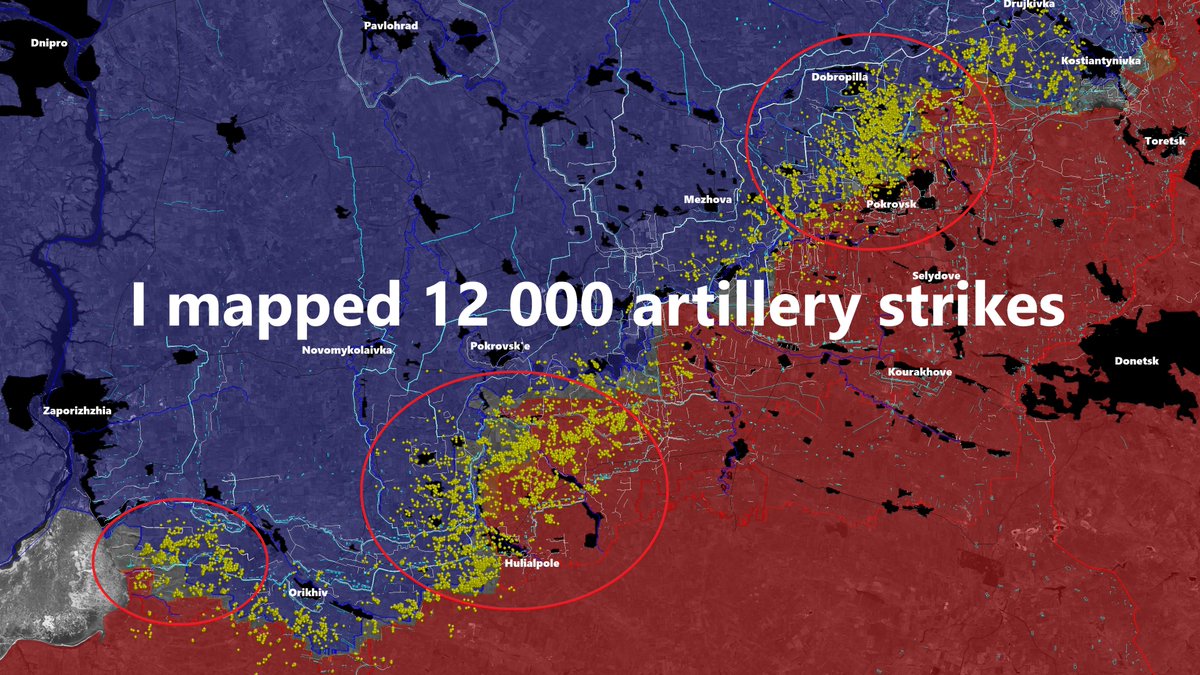
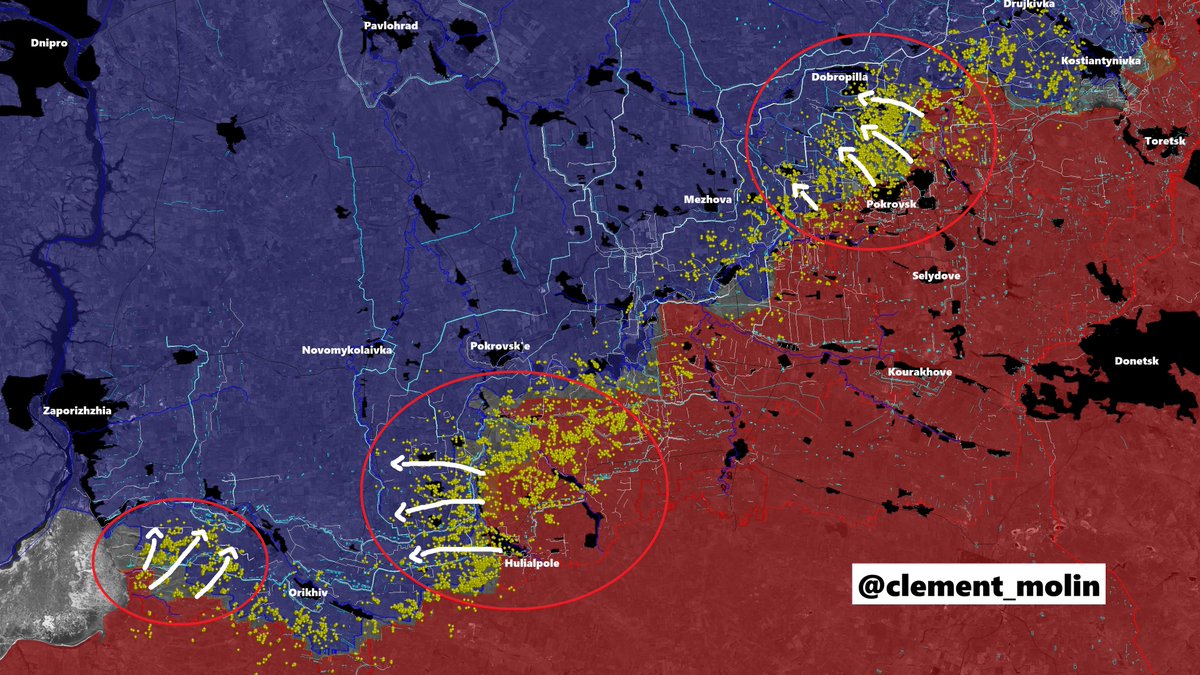
« It is normal that russian 🇷🇺 forces are not making big progress, they focus on destroying the Ukrainian 🇺🇦 army »
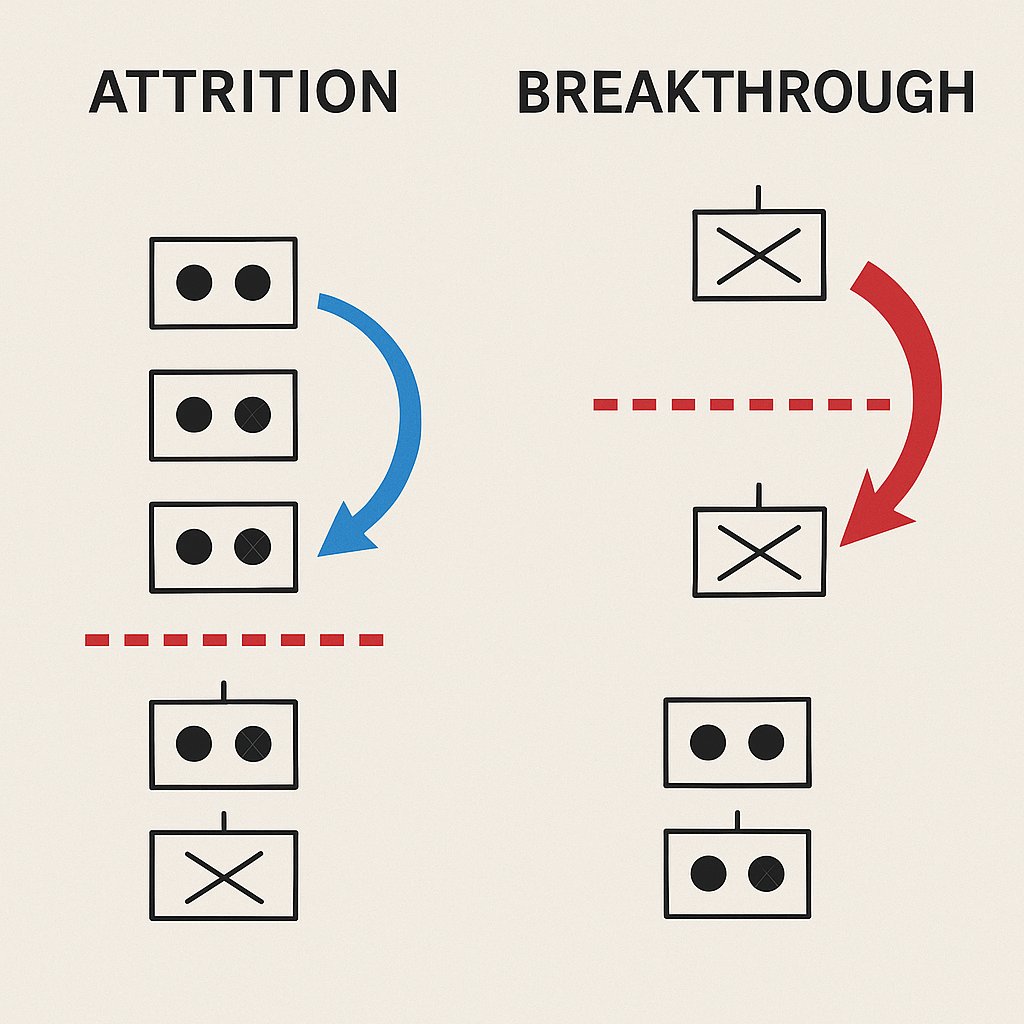
I disagree with this narrative. The Russian strategy is neither attrition nor an attempt at a breakthrough; it is a mixture of both.
🧵THREAD🧵1/25 ⬇️
I disagree with this narrative. The Russian strategy is neither attrition nor an attempt at a breakthrough; it is a mixture of both.
🧵THREAD🧵1/25 ⬇️

When failing to explain why an army isn't advancing, we try to look away, talking about a battle of attrition where the objective would be to destroy the opponent.
However, since 3 years, Russia has failed to destroy the ukrainian army.
However, since 3 years, Russia has failed to destroy the ukrainian army.

To explain the failure of the Ukrainian counter-offensive in 2023, many have argued that the goal would be to undermine the Russian army by destroying its assets before attempting a breakthrough.
Of course it was false, the offensive just failed with russian army doing attrition
Of course it was false, the offensive just failed with russian army doing attrition

The same argument is used by the pro-Russian side to justify the failures (remember, the Russian army has only captured a few small towns in Donbass since 2022: Bakhmut, Avdiivka, Kurakhove, and Selydove) in Donbass offensive.
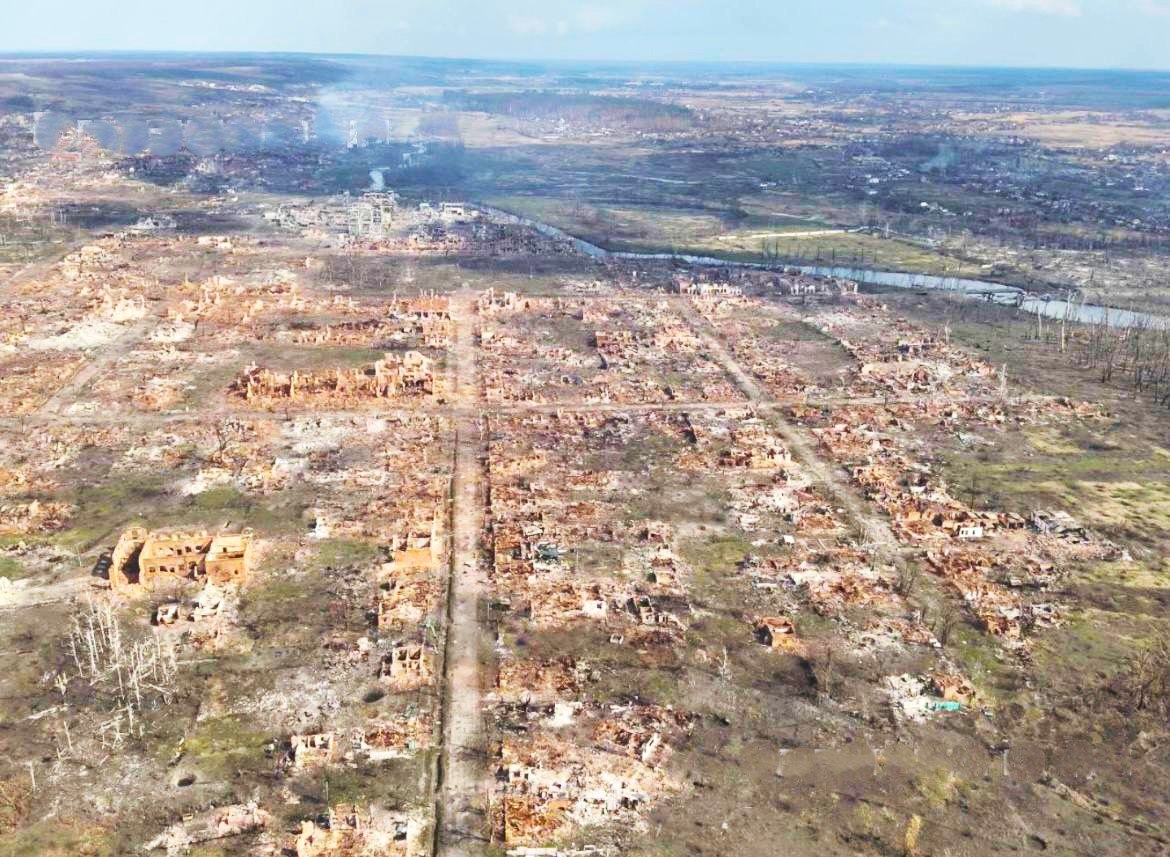
In reality, in the current war of position, we cannot say that we are pursuing only one of the two doctrines (attrition/breakthrough); we are pursuing both simultaneously.
The great battle of attrition of this war was Bakhmut, where tens of thousands of soldiers fought in a small area, each with the objective of destroying the enemy.
The great battle of attrition of this war was Bakhmut, where tens of thousands of soldiers fought in a small area, each with the objective of destroying the enemy.
Other smaller-scale battles of attrition can be highlighted, whether initiated by the Ukrainians at Kursk after their failed breakthrough or at Krinky, and by the Russians at Vovchansk or Robotyne.
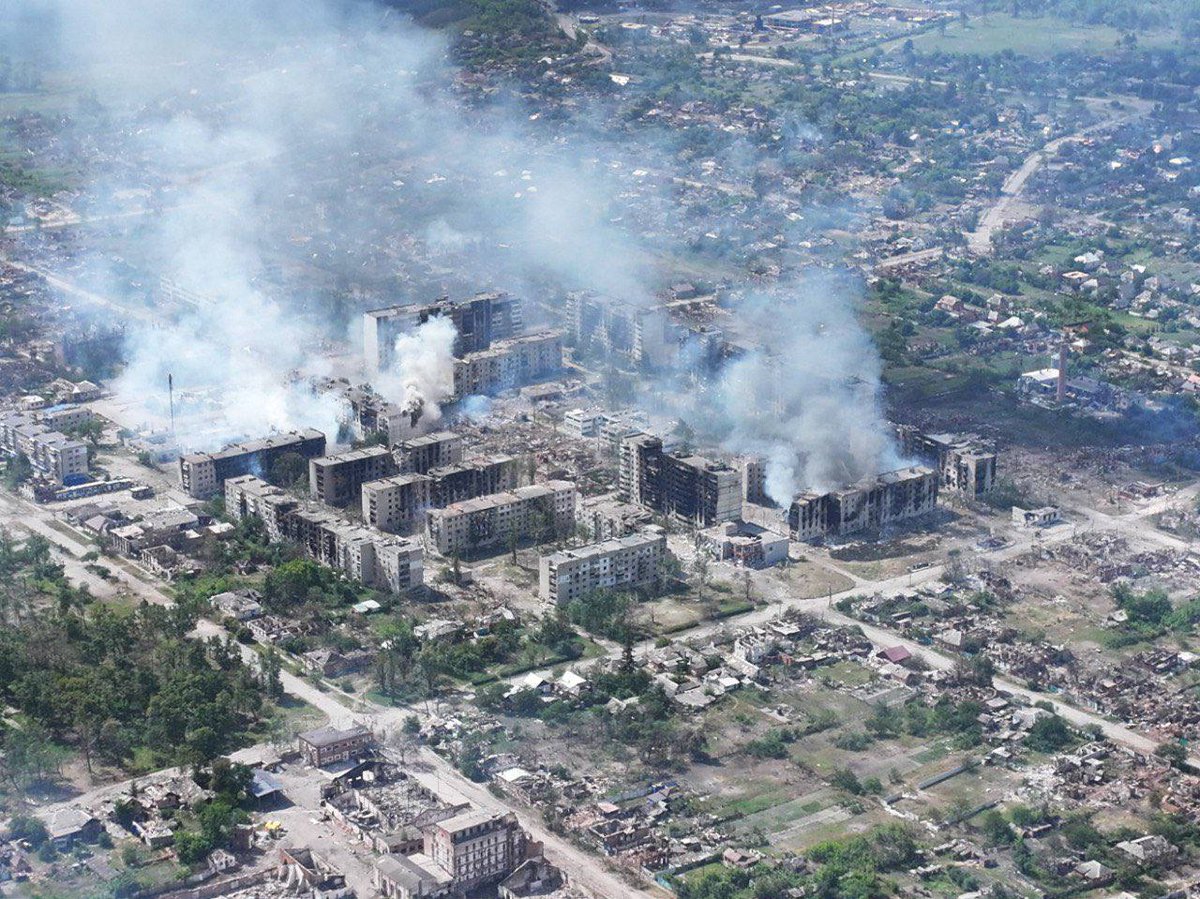
Thus, the Russian strategy lies in an alliance between degrading the enemy in order to advance or advancing to degrade the enemy.
When the Russian army bomb the Ukrainian army, for example during the Battle of Vouhledar, it does so to facilitate its advance in southern Donetsk.
When the Russian army bomb the Ukrainian army, for example during the Battle of Vouhledar, it does so to facilitate its advance in southern Donetsk.

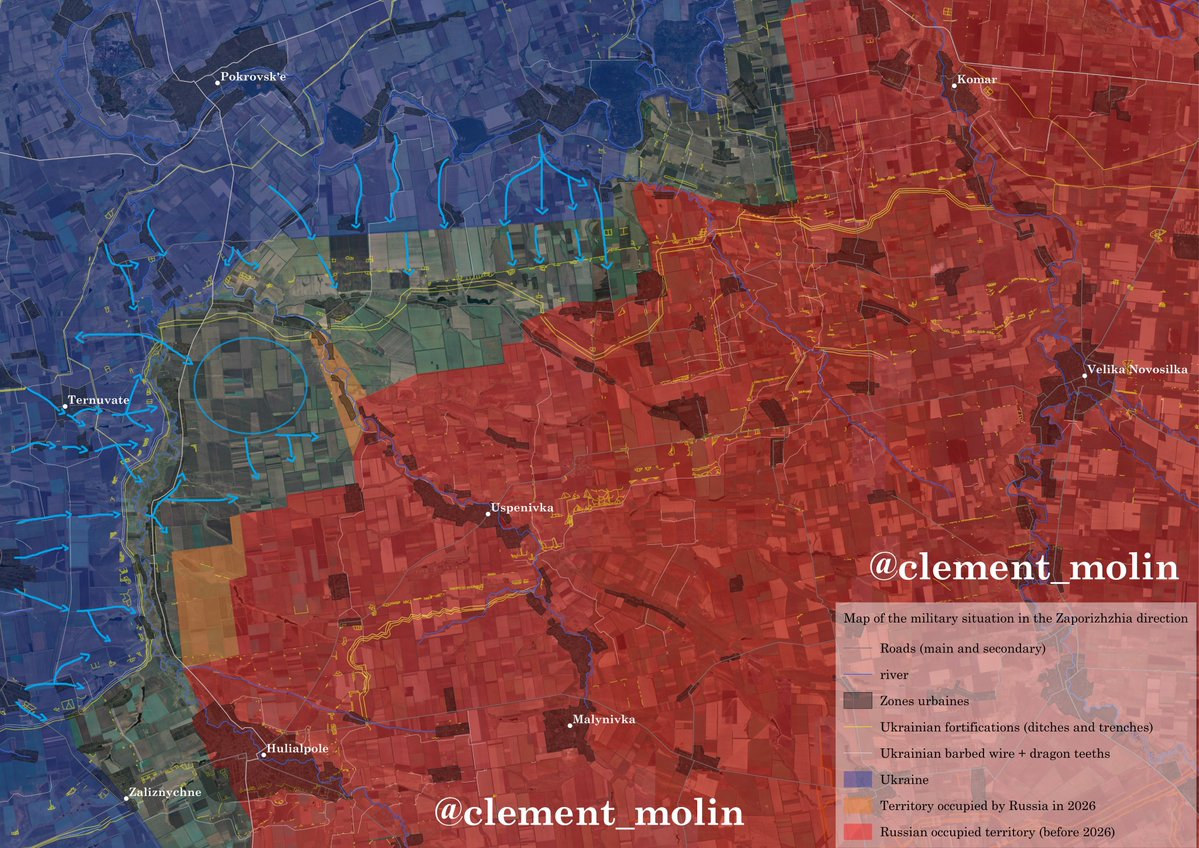
But it also uses this strategy in the opposite direction. Thus, the Russian army will attempt to multiply small breakthroughs, such as at Ocheretyne and Prohres in May and July 2024.
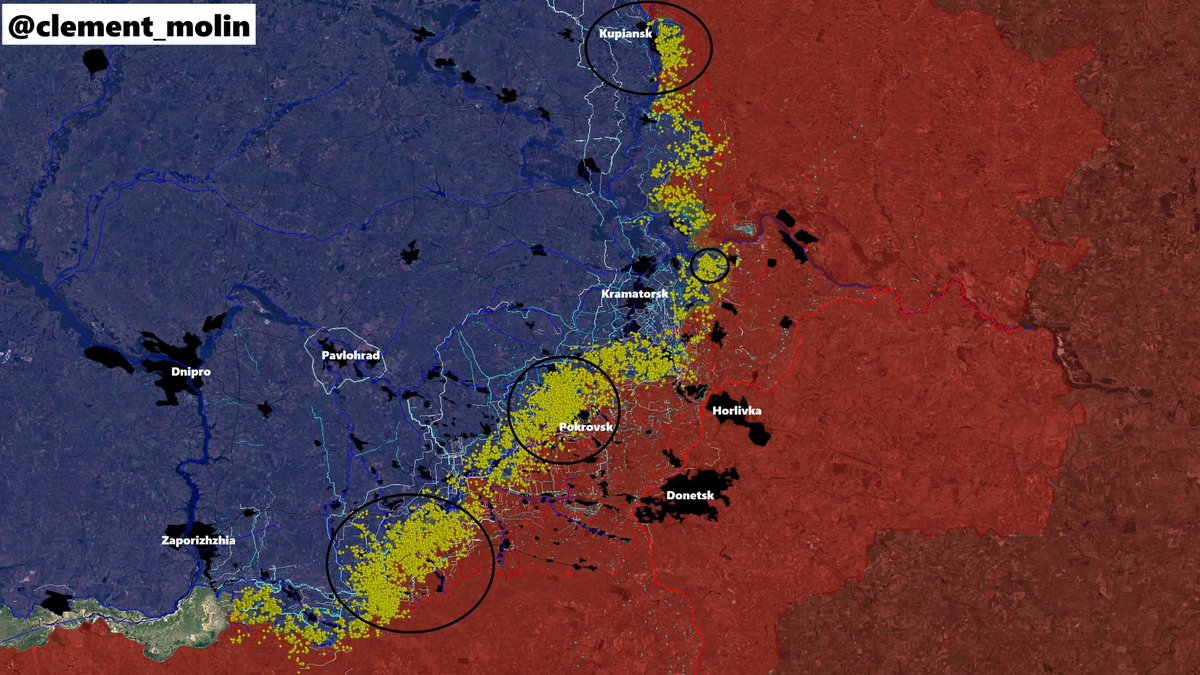
In black, attrition period, in white small progress, in green fast progress.
In black, attrition period, in white small progress, in green fast progress.

Those will allow the russian forces to disrupt the Ukrainian defenses for several months by destroying its local assets and defenses through the advance.
The Russian army often combines both strategies of destruction and breakthrough.
The Russian army often combines both strategies of destruction and breakthrough.
For example, in Novomykhailivka, south of Donetsk, the Russian army literally razed the city with FAB 500s over a two-year period to allow for a massive assault.
After being repelled for months, this assault broke through the "city center," disrupting the Ukrainian rear, and the advance continued westward, leading to the successive capture of Vouhledar, Kurakhove, and Velika Novosilka.
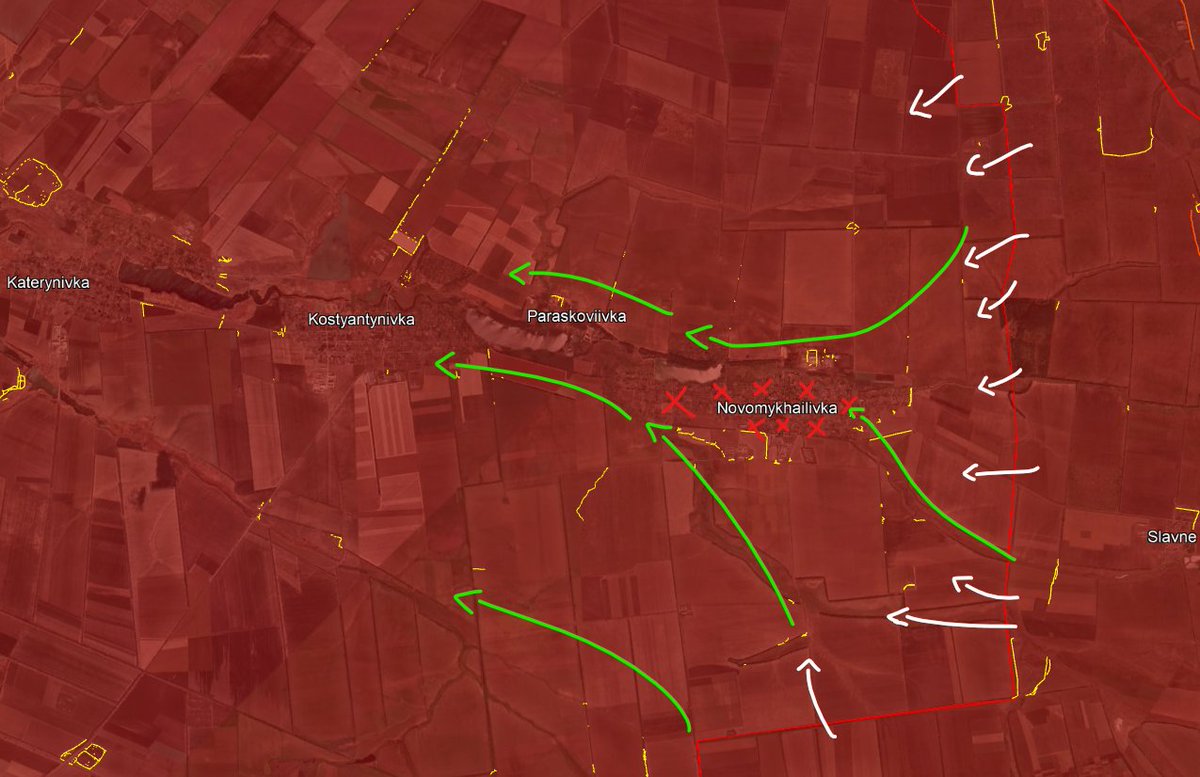
Without the attrition of the Ukrainian army, this advance would not have taken place, but without the attempted breakthrough, it would not have taken place either.
We should always remember that the objective is to achieve a tactical victory that allows the biggest possible progress toward the strategic objective.
Is the current war a war of attrition? Yes and No.
Is the current war a war of attrition? Yes and No.
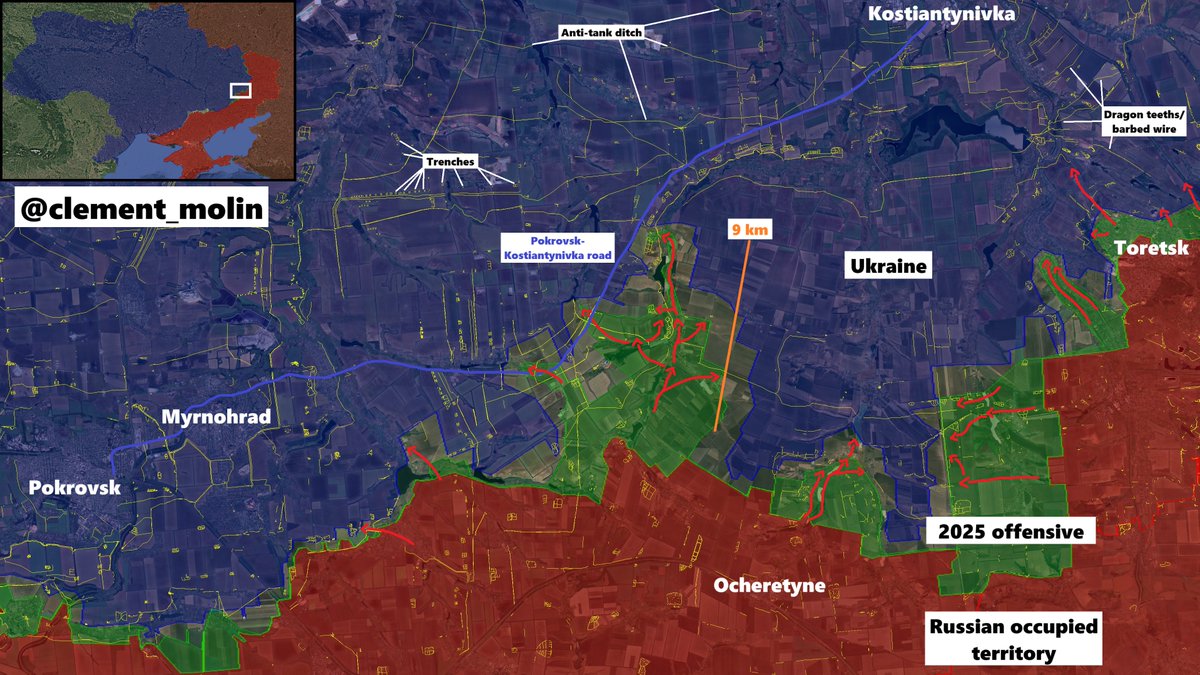
On the Russian side, it is clear that degrading the Ukrainian army is a priority objective, for the simple reason that it meets both a political (possible capitulation of Ukraine) and a military (opening up the possibility of a strategic victory) objective.
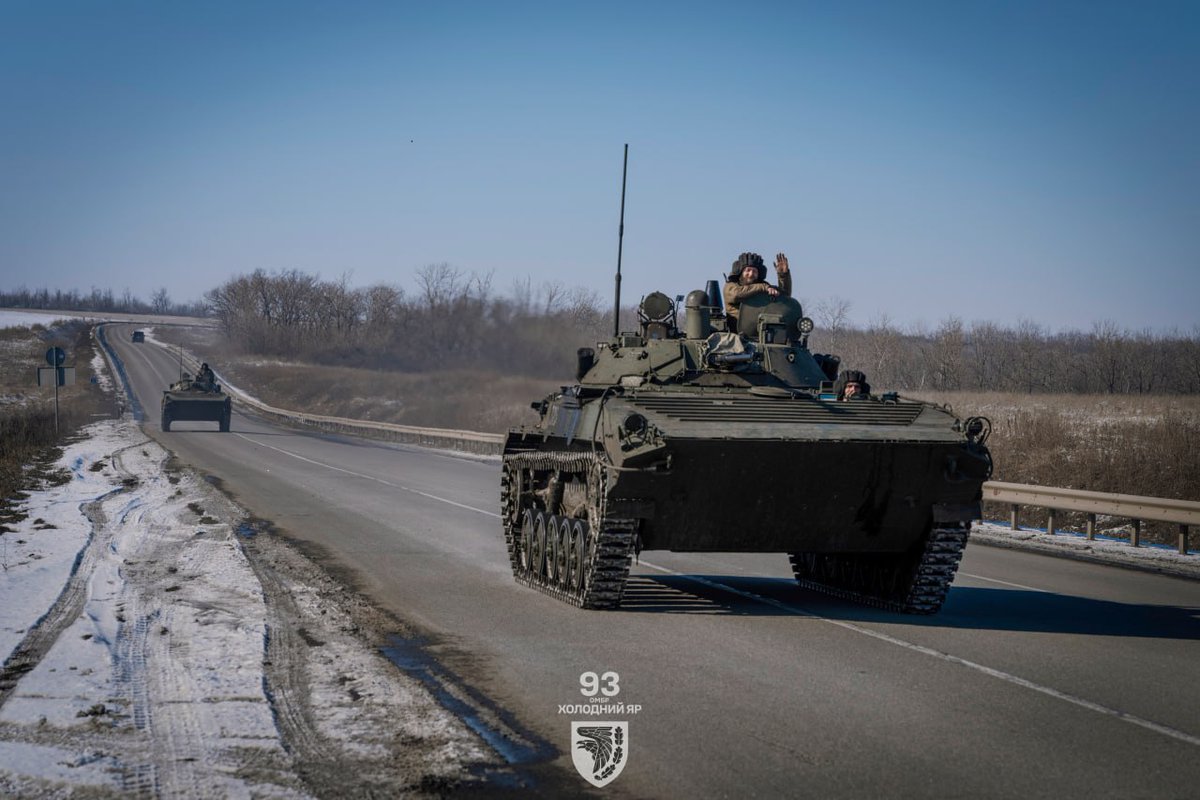
But on the other hand, this strategy cannot be said to be successful for the Russian army. It is clear that it is trying every means to advance.
We cannot deny, from the last months that Russia is seeking for a stretegic breakthrough of ukrainian lines by launching mass assaults
We cannot deny, from the last months that Russia is seeking for a stretegic breakthrough of ukrainian lines by launching mass assaults

It is also clear that it is losing a lot of equipment and men in its offensives, while avoiding urban combat, where Ukrainian attrition is concentrated, in favor of the countryside, where movement and numbers are more favorable to Russia.
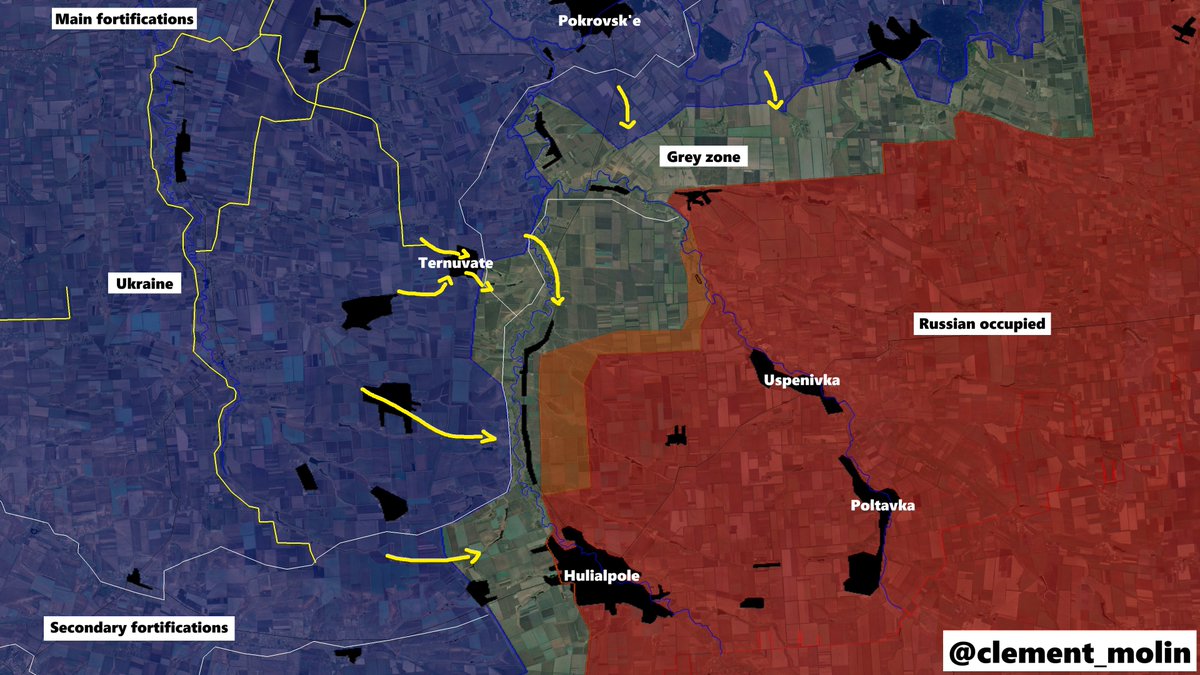
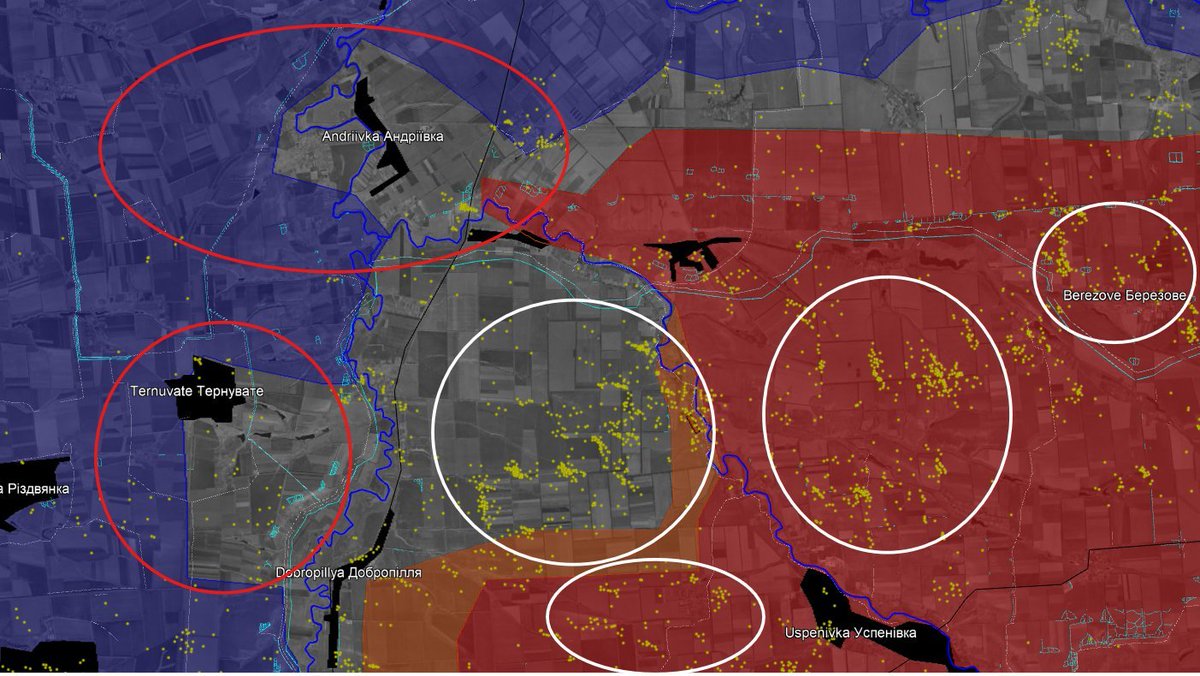
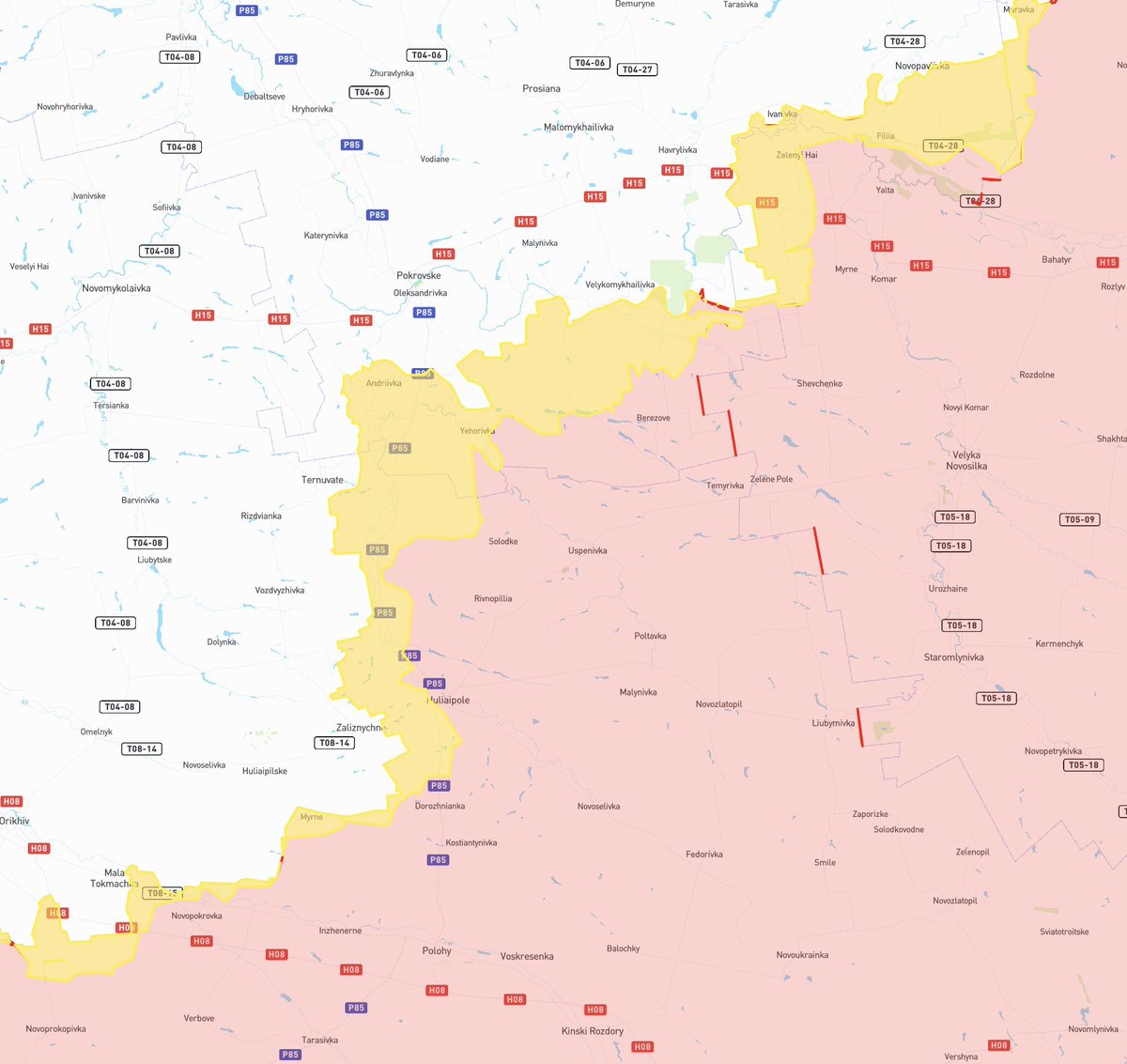
On the Ukrainian side, it is clear that the objective is to inflict the greatest losses on the Russian army. But unlike in 2023, the strategy is different. It inflicts attrition on the Russian army locally (Toretsk, Pokrovsk Front) and prefers to retreat in the face of the Russian offensive mass elsewhere (Andriivka), while preparing the ground in the rear.

The narrative of "it's normal that the Russian army isn't advancing, it's just trying to destroy the Ukrainian army" is simplistic and lacking in observation.
Why would the Russian army launch large mechanized, motorized assaults on positions on a daily basis if not to move the lines?
Why would the Russian army resort to greater troop mobility if not to advance?
Why would the Russian army resort to greater troop mobility if not to advance?

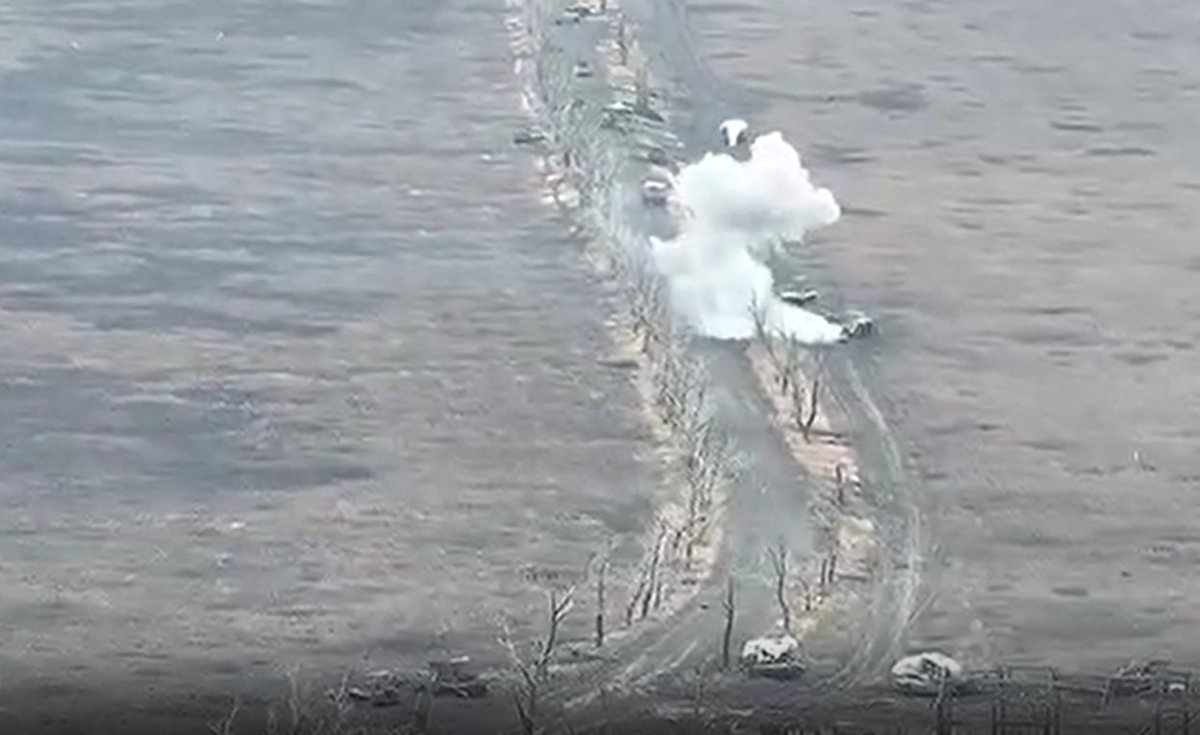
What is the point of sending a column of armored vehicles forward on an open road if not for the purpose of advancing and creating opportunities for progression ?
This allows us to think about the russian objective of the current battles. For that, we need a balanced position between both doctrines.
We cannot say that Russia is seeking a strategic breakthrough on one front. Nothing can proove it.
We cannot say that Russia is seeking a strategic breakthrough on one front. Nothing can proove it.
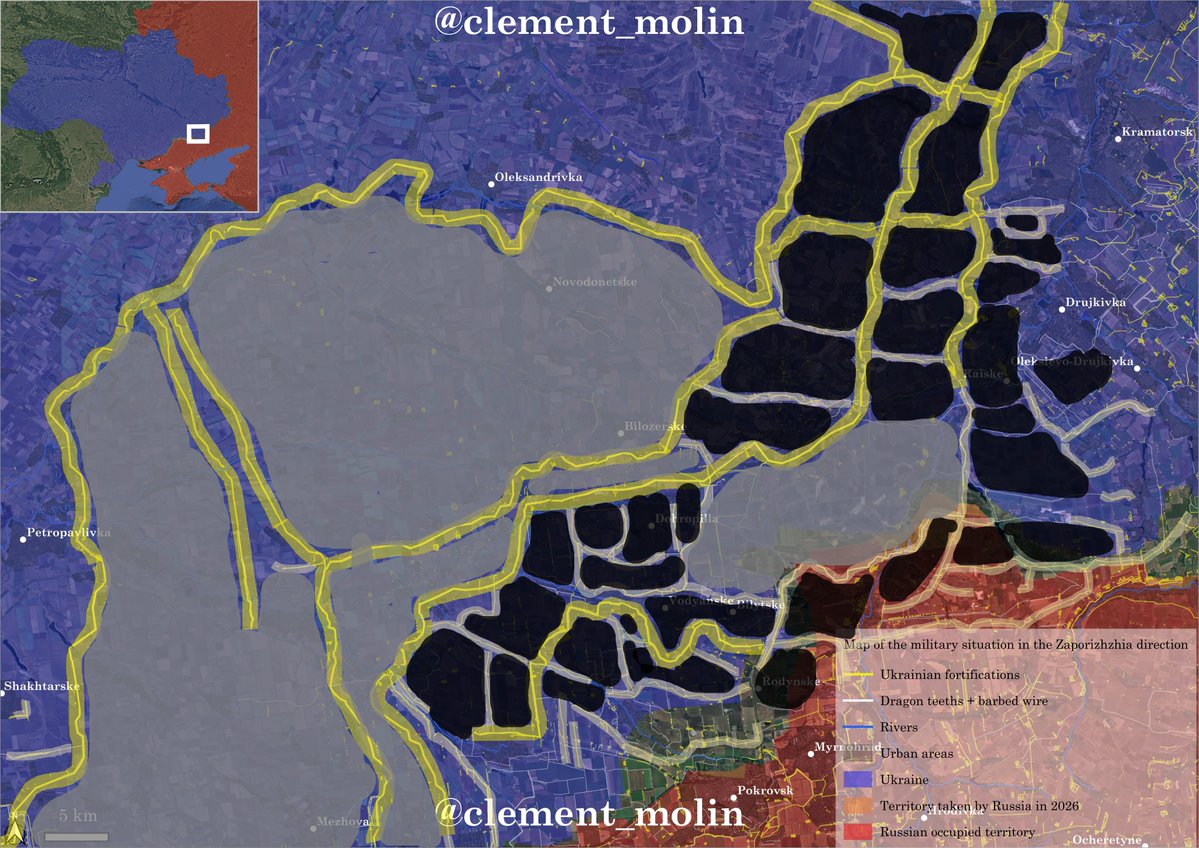
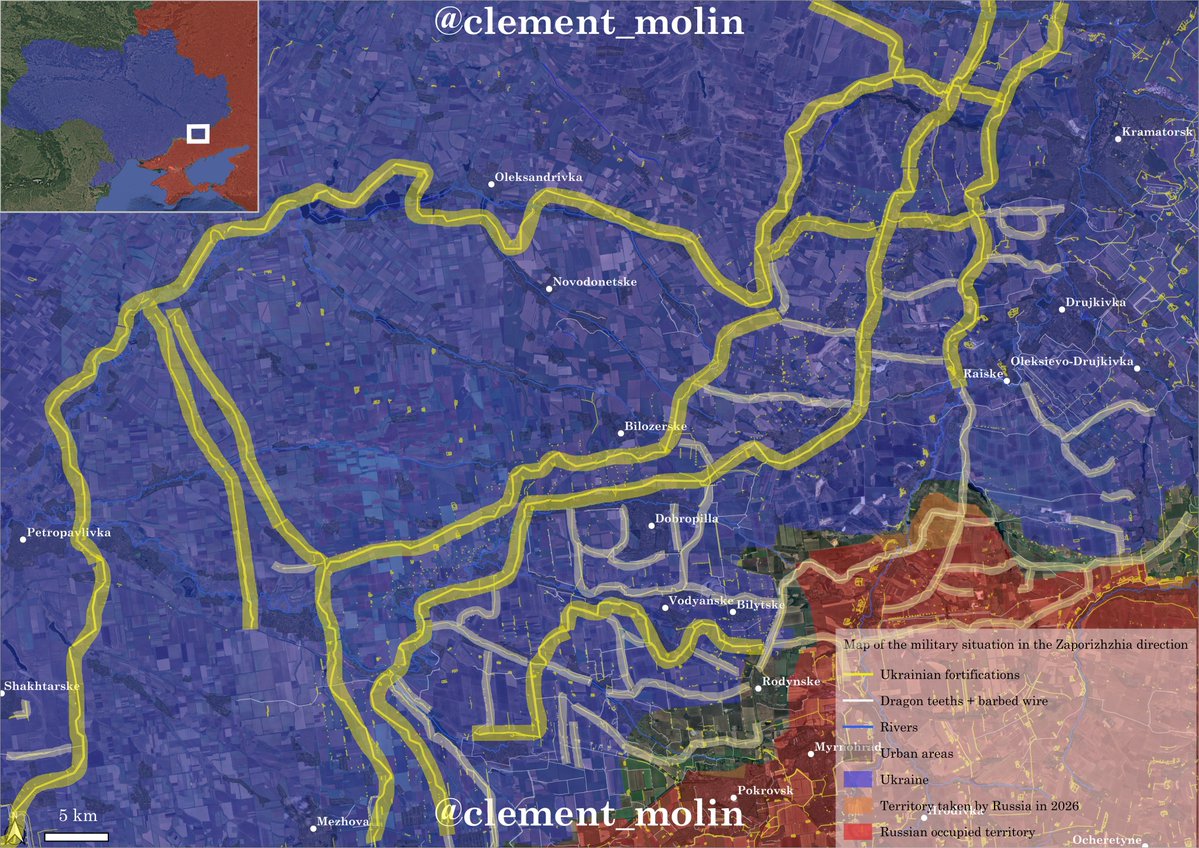
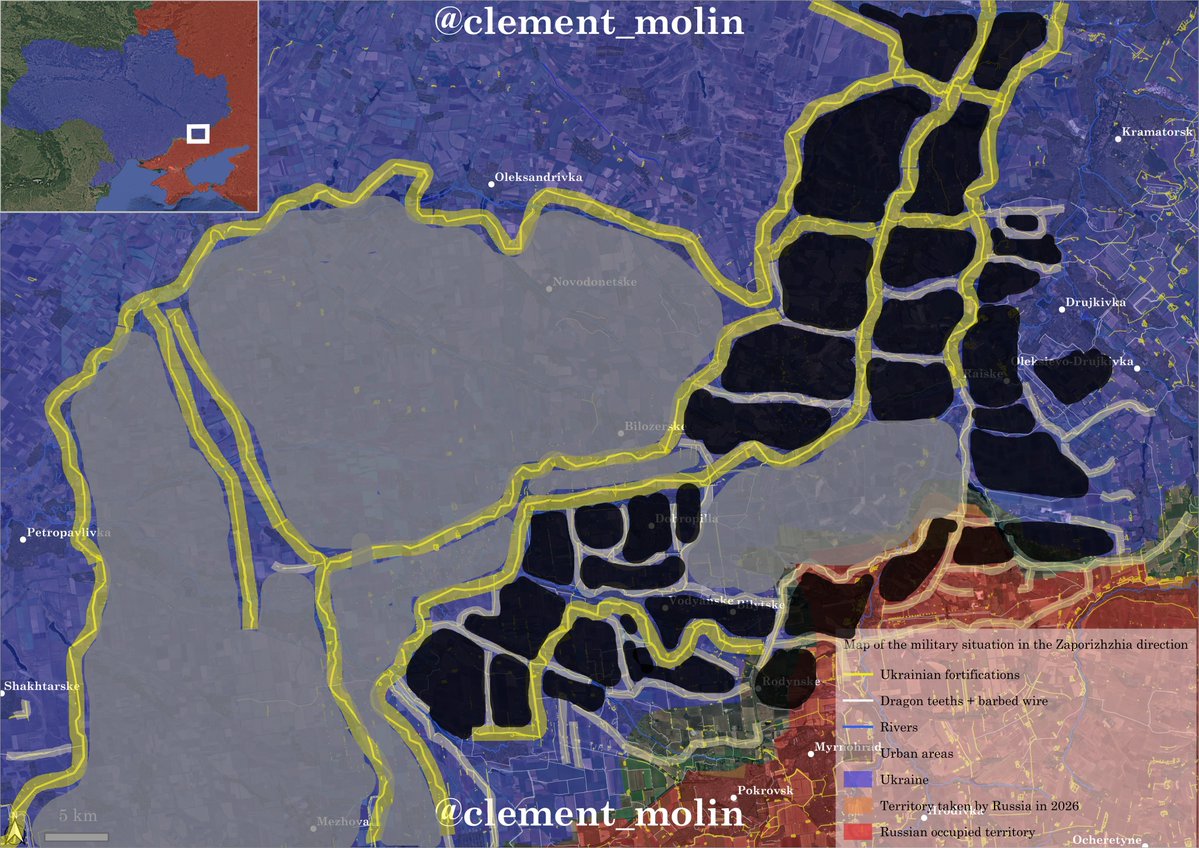
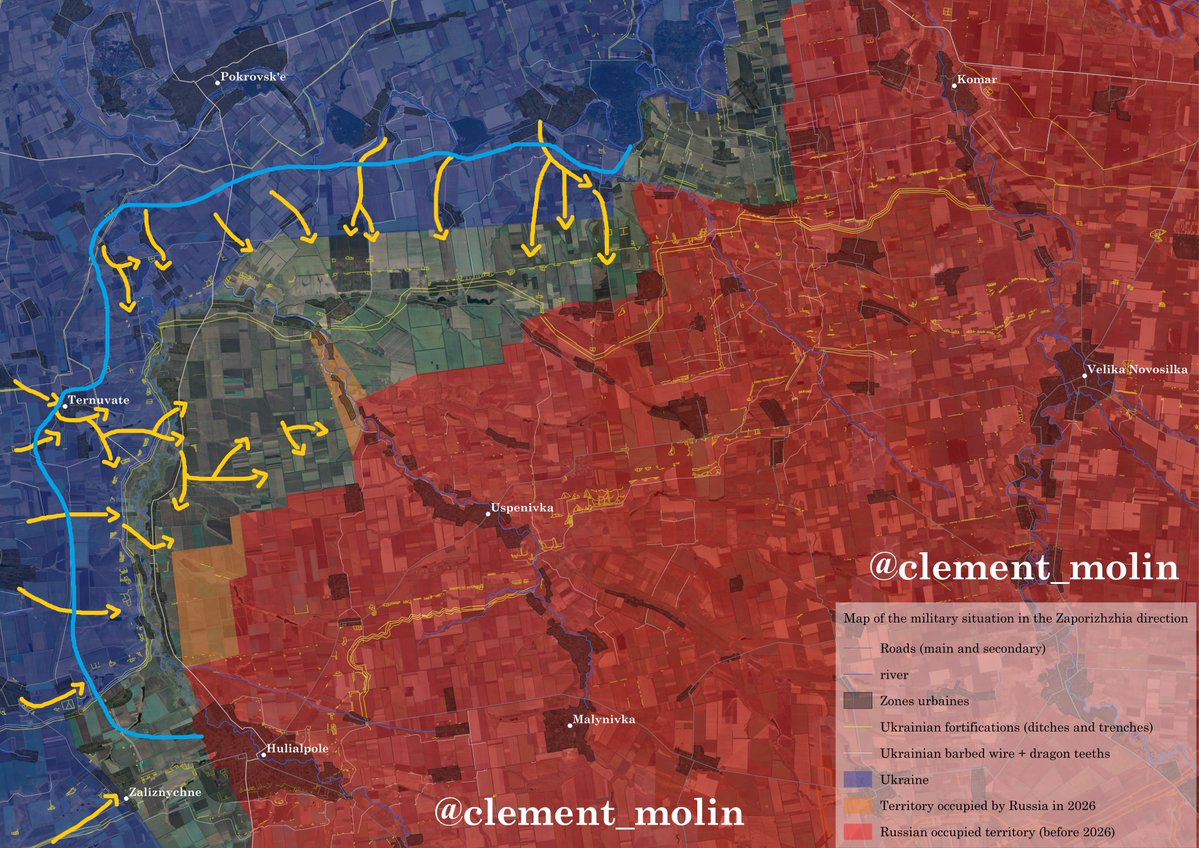
But on the other hand, we can see that Russia is pushing on various frontlines, trying to breakthrough everywhere.
This is why I think they want to play both strategies. Stretching ukrainian army, destroying its capacities and manpower on local places.
This is why I think they want to play both strategies. Stretching ukrainian army, destroying its capacities and manpower on local places.

But also, and this is the most important, make progress to achieve strategic objective. And this is where i disagree with people like AMK. The reason russian progress is slow is not because they only want to destroy ukrainian forces.
https://x.com/AMK_Mapping_/status/1921397981657575583
In fact, they fail to make big progress. Last time they tryied (all the south Donetsk front during months in 2024, Kursk after ukrainian offensive, or even the northern front in 2022), they failed and lost many men and equipment.
They are not meant for this, they don't even try to advance in areas far from railways, roads and city hubs.
They are not meant for this, they don't even try to advance in areas far from railways, roads and city hubs.
Russian army is a slow giant, it needs big logistics and artillery and is even slower because of ukrainian resistance.
Finally, I think that they ally both strategies, but "big arrows" will not necessary come later, since they are already trying to have them.
Finally, I think that they ally both strategies, but "big arrows" will not necessary come later, since they are already trying to have them.
Thank you for reading.
This thread was quite difficult to write and i'm open to any contradictory analysis if they are more than the typical "you don't understand anything".
Don't forget to follow @atummundi
This thread was quite difficult to write and i'm open to any contradictory analysis if they are more than the typical "you don't understand anything".
Don't forget to follow @atummundi
https://x.com/atummundi/status/1921665436887756836
• • •
Missing some Tweet in this thread? You can try to
force a refresh