Want to feel ALIVE in under 10 minutes?
Do this first thing in the am
Delay coffee
Delay cold plunges.
Bouncing up and down, just like a kid, might be the most amazing things you can do for your lymphatic and nervous system on the planet.
Here’s why 5-10 minutes of bouncing in the morning can change your life:

Do this first thing in the am
Delay coffee
Delay cold plunges.
Bouncing up and down, just like a kid, might be the most amazing things you can do for your lymphatic and nervous system on the planet.
Here’s why 5-10 minutes of bouncing in the morning can change your life:
Your body is a pump.
But it only works when you MOVE.
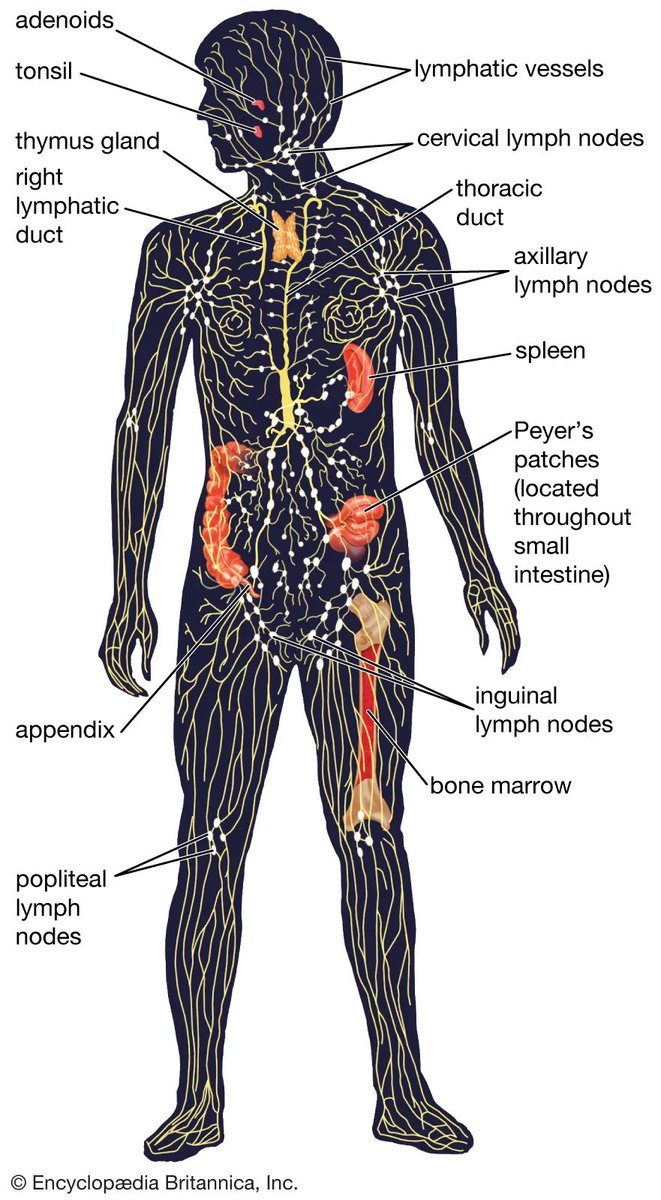
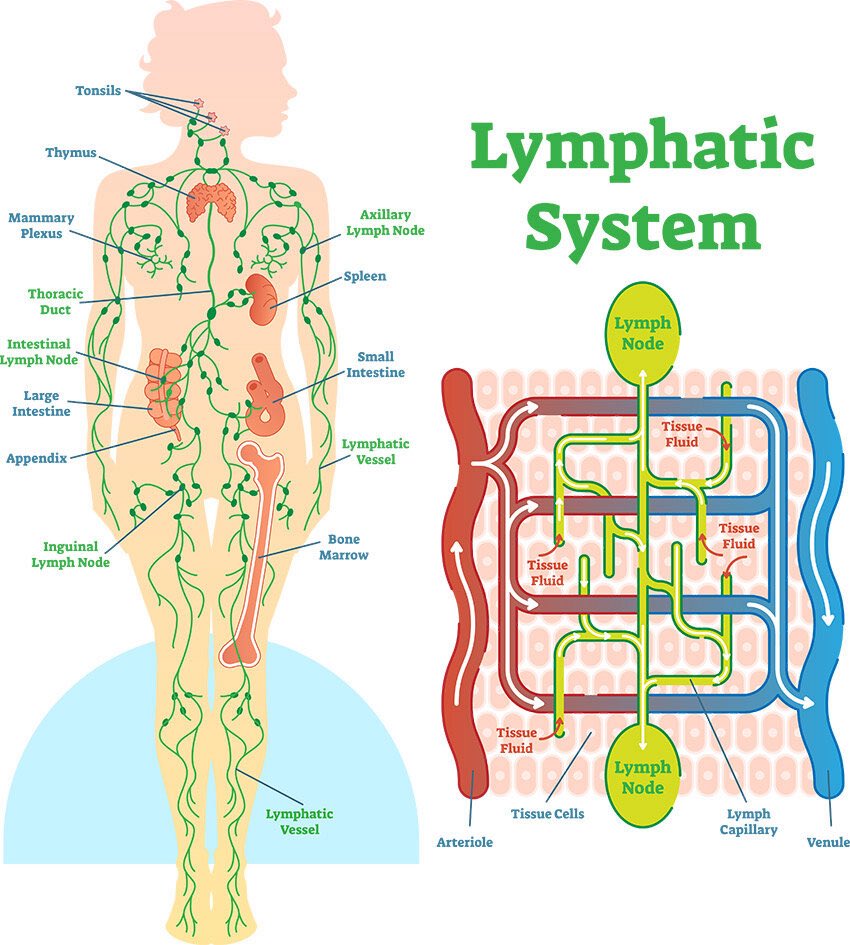
The lymphatic system is your internal drainage system.
It clears toxins, boosts immunity, and regulates inflammation.
But it doesn’t have a pump like your heart…
It relies on YOU and your movement
But it only works when you MOVE.
The lymphatic system is your internal drainage system.
It clears toxins, boosts immunity, and regulates inflammation.
But it doesn’t have a pump like your heart…
It relies on YOU and your movement
Enter: Rebounding.
Or what I call “primal bouncing.”
•No equipment needed
•Just bounce gently up and down (on feet or even seated)
•Do it barefoot for extra grounding
•5-10 minutes = full-body reset
It will also help you with bowel movement first thing in the am.
Or what I call “primal bouncing.”
•No equipment needed
•Just bounce gently up and down (on feet or even seated)
•Do it barefoot for extra grounding
•5-10 minutes = full-body reset
It will also help you with bowel movement first thing in the am.

What happens when you bounce for 10 minutes:
•Lymphatic flush = instant detox
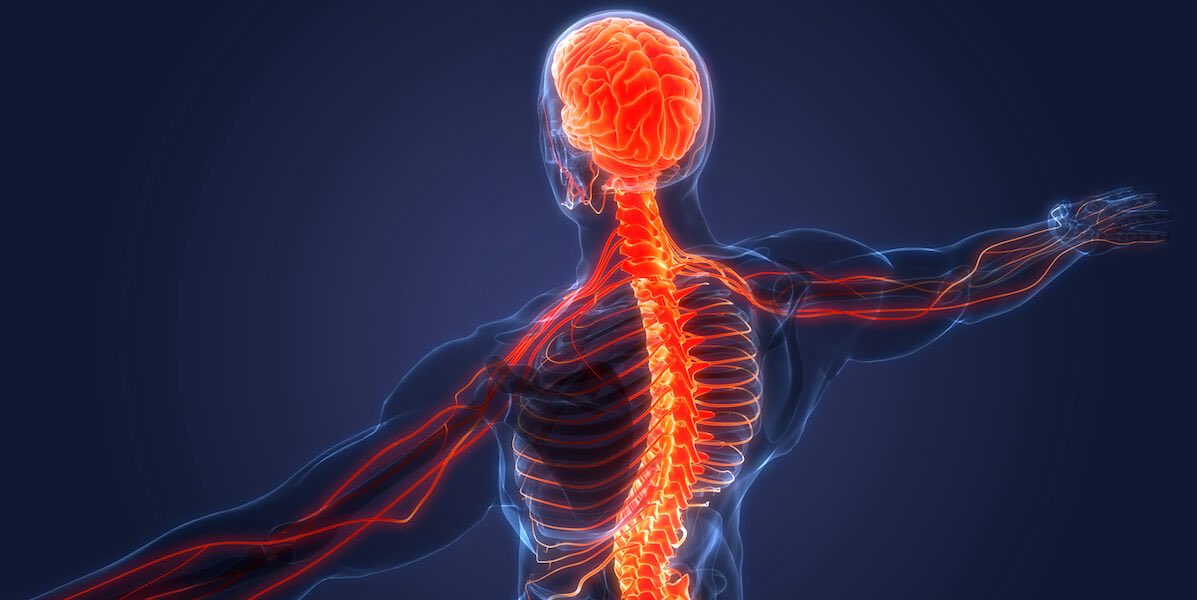
•Vagus nerve stimulation = calm mind + better digestion
•Joint lubrication = feel younger
•Cerebrospinal fluid movement = clearer thinking
•Endorphins = mood boost
•Lymphatic flush = instant detox
•Vagus nerve stimulation = calm mind + better digestion
•Joint lubrication = feel younger
•Cerebrospinal fluid movement = clearer thinking
•Endorphins = mood boost

It’s not a “workout.”
It’s a wake-up.
Think of it as a nervous system tune-up.
You’re telling your body:
“It’s safe to be here. Let’s move.”
Even astronauts use rebounding to recover from space travel.
That’s how powerful it is.
If you’re anxious, tired, inflamed, or stuck in your head…
Bounce.
•On the ground, ideally barefoot
•With music, sunlight, or silence
Just move. Gently. Feel your body
It’s a wake-up.
Think of it as a nervous system tune-up.
You’re telling your body:
“It’s safe to be here. Let’s move.”
Even astronauts use rebounding to recover from space travel.
That’s how powerful it is.
If you’re anxious, tired, inflamed, or stuck in your head…
Bounce.
•On the ground, ideally barefoot
•With music, sunlight, or silence
Just move. Gently. Feel your body
My routine:
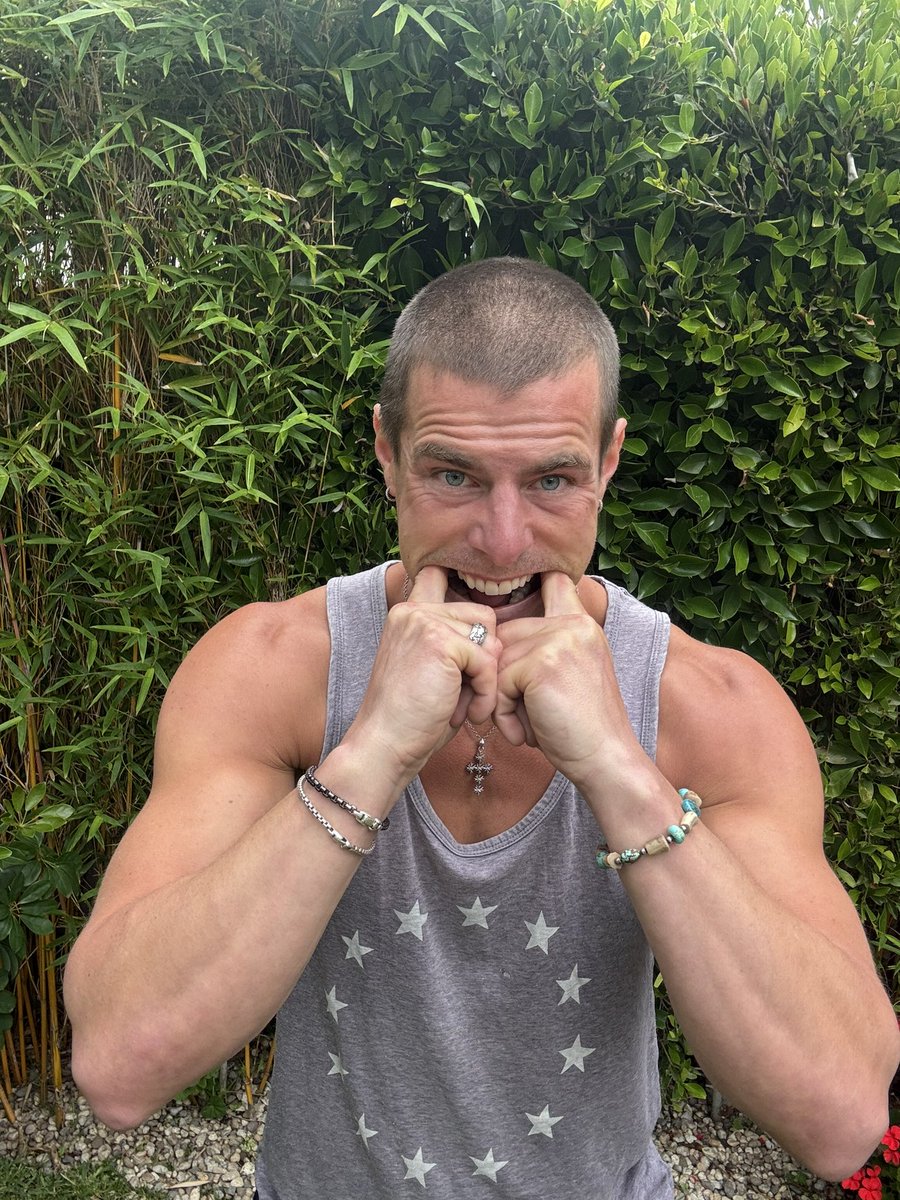
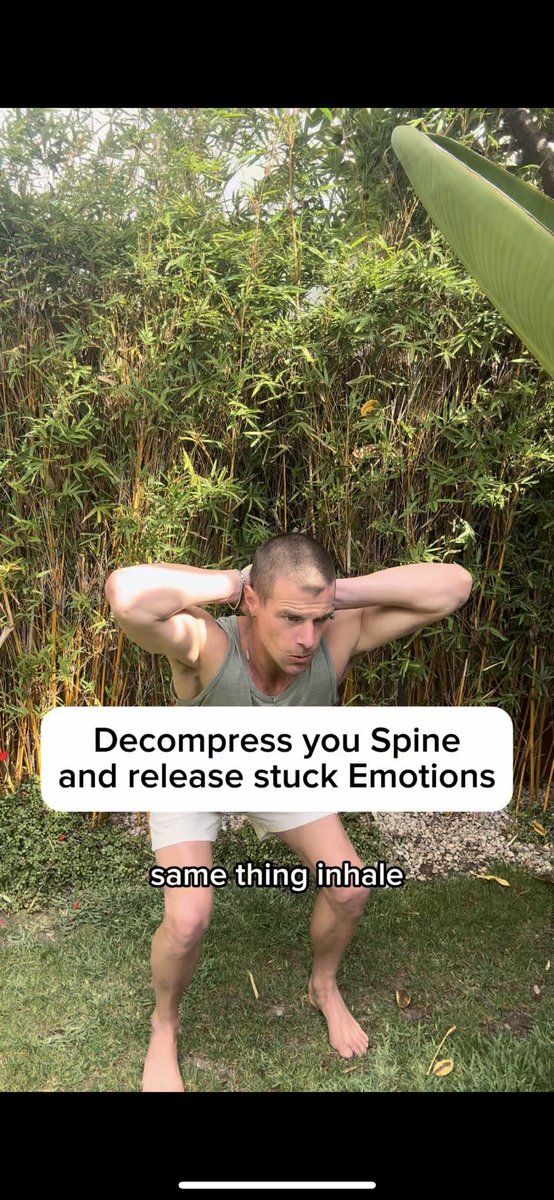
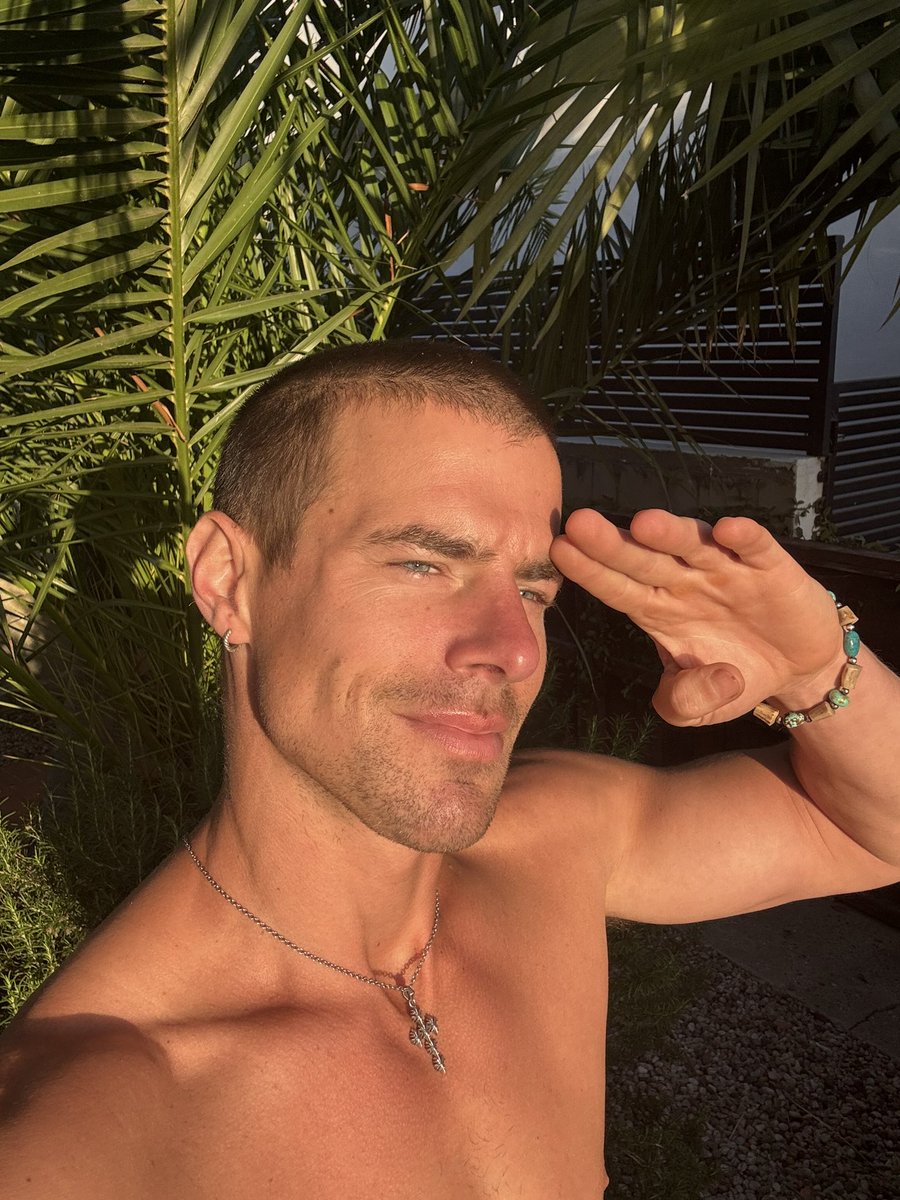
I either bounce up and down and lift my heals as you see in the start of the thread. Or i do the “shake the tree” feels also amazing
I either bounce up and down and lift my heals as you see in the start of the thread. Or i do the “shake the tree” feels also amazing
Reminder:
Your body doesn’t need force.
It needs rhythm.
It needs space.
It needs movement that feels safe.
Bouncing does that.
Try it tomorrow. Let your nervous system remember who you are.
I hope you enjoyed this thread
Love always, @juleshorn01
Your body doesn’t need force.
It needs rhythm.
It needs space.
It needs movement that feels safe.
Bouncing does that.
Try it tomorrow. Let your nervous system remember who you are.
I hope you enjoyed this thread
Love always, @juleshorn01
• • •
Missing some Tweet in this thread? You can try to
force a refresh