I thought I had a phone addiction.
Really, I had a problem with being present.
Eckhart Tolle says: “The present moment is all you ever have.”
Here’s how I stopped letting my phone steal it (and how you can too): 👇
Really, I had a problem with being present.
Eckhart Tolle says: “The present moment is all you ever have.”
Here’s how I stopped letting my phone steal it (and how you can too): 👇

Your phone is the perfect tool to keep you out of the present moment:
• Constant stimulation
• A false sense of urgency
• Distraction from the now
• Endless comparison
It's easy to get hooked and forget what you're missing.
• Constant stimulation
• A false sense of urgency
• Distraction from the now
• Endless comparison
It's easy to get hooked and forget what you're missing.
Tolle says the mornings are sacred.
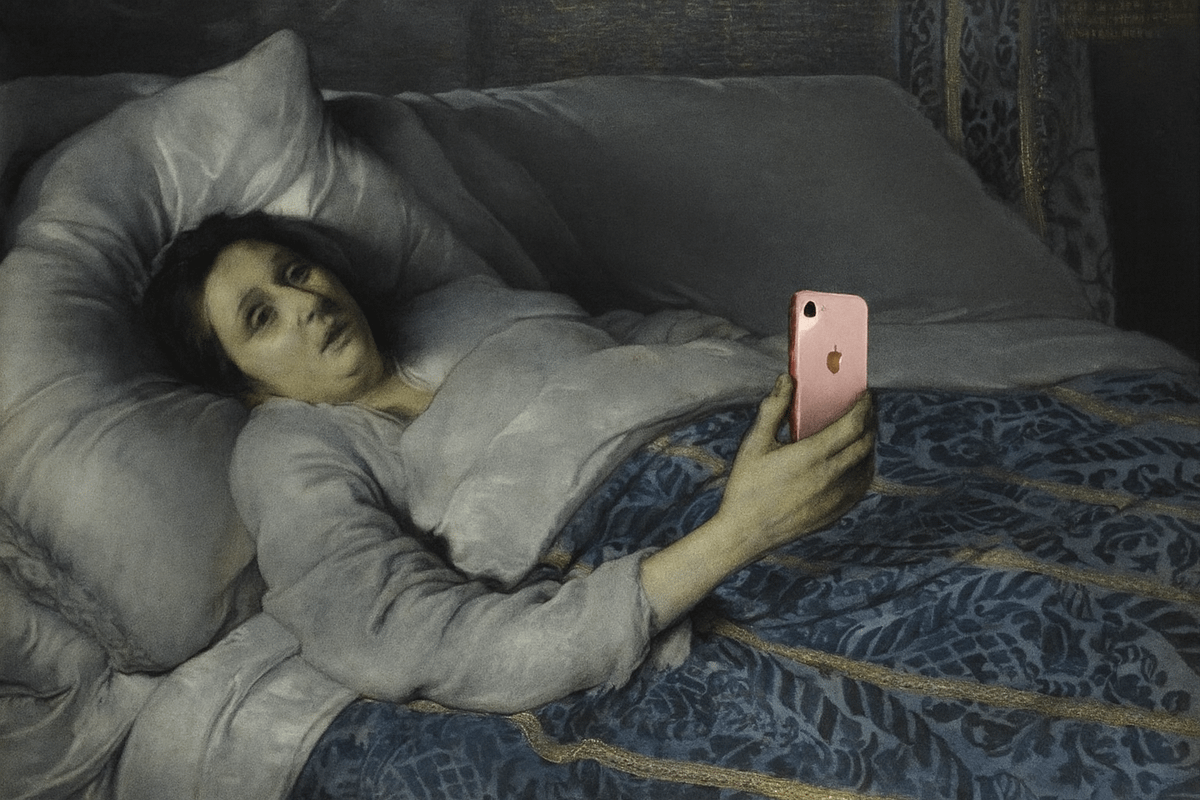
But we wake up and scroll. Setting the tone for the rest of the day.
Notifications, updates, input from 100+ people before breakfast.
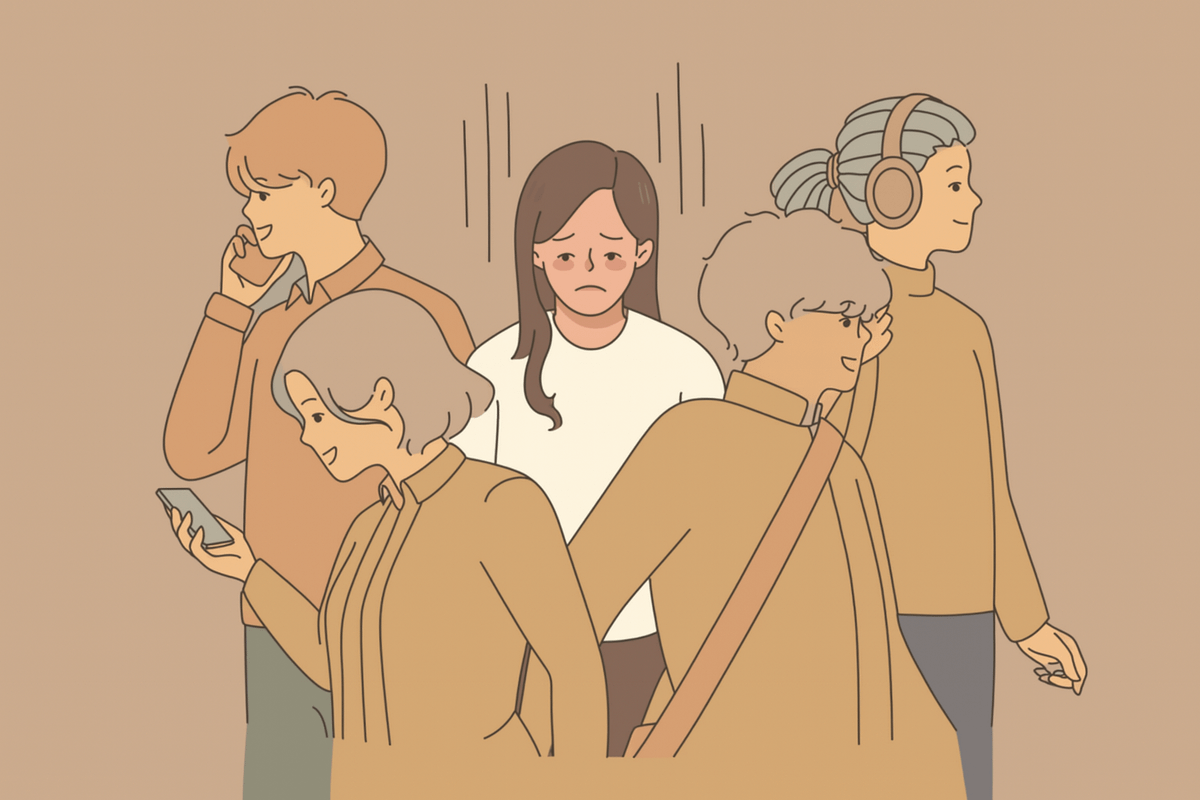
It’s no wonder we feel anxious, unfocused, and disconnected from ourselves.
But we wake up and scroll. Setting the tone for the rest of the day.
Notifications, updates, input from 100+ people before breakfast.
It’s no wonder we feel anxious, unfocused, and disconnected from ourselves.
Your soul wasn’t made to consume 1,000 inputs before noon.
You don’t need more information.
You need more stillness.
That’s the essence of Tolle’s work.
You don’t need more information.
You need more stillness.
That’s the essence of Tolle’s work.
Tolle teaches that presence is our natural state.
But phones create a “stream of compulsive thinking”—which pulls us into the ego mind.
He wrote: “The mind is a superb instrument if used rightly. Misused, it becomes very destructive.”
But phones create a “stream of compulsive thinking”—which pulls us into the ego mind.
He wrote: “The mind is a superb instrument if used rightly. Misused, it becomes very destructive.”
Neurologically, he’s right.
Constant stimulation activates the brain’s default mode network—where worry, rumination, and self-talk live.
Overuse = overthinking.
Stillness = clarity.
Constant stimulation activates the brain’s default mode network—where worry, rumination, and self-talk live.
Overuse = overthinking.
Stillness = clarity.

When you can't stop checking your phone:
• Your nervous system stays on alert
• Sleep suffers
• Creativity goes away
• You lose access to inner stillness
And worst of all—you stop being present for your own life.
• Your nervous system stays on alert
• Sleep suffers
• Creativity goes away
• You lose access to inner stillness
And worst of all—you stop being present for your own life.
Stillness isn’t about “quitting your phone.”
It’s about using it consciously, and finding balance:
• Phone-free mornings
• Wind-down rituals
• Walking without input
• Meditation, nature, breath work
It’s about using it consciously, and finding balance:
• Phone-free mornings
• Wind-down rituals
• Walking without input
• Meditation, nature, breath work
Presence doesn’t come from deleting everything and living off-grid.
It starts with awareness.
Noticing the moment your hand reaches for your phone without thinking.
And gently choosing something else.
It starts with awareness.
Noticing the moment your hand reaches for your phone without thinking.
And gently choosing something else.
The key is to find peace in the present moment.
For me, starting a daily meditation practice was a game changer.
I committed to meditating once per day. Even if it was just 5 minutes.
Over time, my whole perspective shifted.
For me, starting a daily meditation practice was a game changer.
I committed to meditating once per day. Even if it was just 5 minutes.
Over time, my whole perspective shifted.
That's when I realized how much my phone was hijacking my presence...
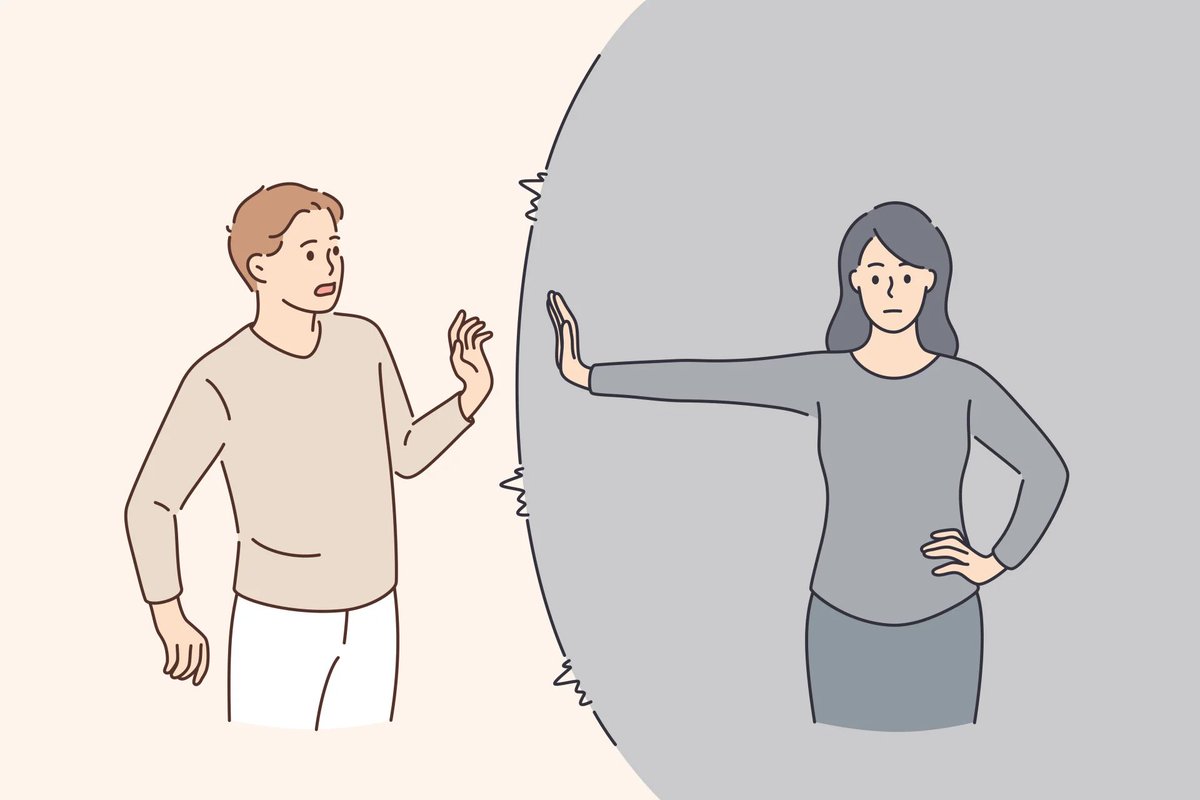
I decided to set real boundaries.
I needed a system that didn’t just rely on willpower.
This even led me to launching an app called Roots.
I decided to set real boundaries.
I needed a system that didn’t just rely on willpower.
This even led me to launching an app called Roots.

Roots helps you block distracting apps and reclaim your time.
Not by forcing you to quit your phone...
But by helping you use it with intention.
Not by forcing you to quit your phone...
But by helping you use it with intention.

If you're ready to break free from your phone addiction, try Roots.
It helps you set better boundaries. It's also rated 4.8 out of 5 stars in the App Store.
apps.apple.com/app/apple-stor…
It helps you set better boundaries. It's also rated 4.8 out of 5 stars in the App Store.
apps.apple.com/app/apple-stor…
• • •
Missing some Tweet in this thread? You can try to
force a refresh