
Sen. John Kennedy just OBLITERATED the Democrats’ narrative on HHS budget cuts with nothing but a few simple questions.
RFK Jr. was under heavy fire.
Then Sen. Kennedy stepped in—and hit a grand slam.
This exchange flipped the whole hearing on its head.
You have to see it.
🧵 THREAD
RFK Jr. was under heavy fire.
Then Sen. Kennedy stepped in—and hit a grand slam.
This exchange flipped the whole hearing on its head.
You have to see it.
🧵 THREAD

HHS Secretary Robert F. Kennedy Jr. went head-to-head with Senate Democrats today over major proposed budget cuts, including $18 billion slashed from the NIH and $3.6 billion from the CDC.
But for many Democrats, you’d think it was the end of the world.
But for many Democrats, you’d think it was the end of the world.

Senator Tammy Baldwin (D-WI) led the charge, slamming Kennedy for a $3 billion drop in federally funded biomedical research compared to last year.
Kennedy stood his ground.
“We’re cutting waste, we’re cutting duplicative programs,” he said.
Still, Baldwin wouldn’t let up. She framed the loss of “3,200 fewer grants” as an attack on “life-saving programs.”
Kennedy hit back with a devastating stat.
“We spend 70% of the world’s biomedical research out of NIH. 70%. And we’re the sickest country in the world,” he said.
“We’ve had a 38% increase in our agency growth over the past four years,” he added. “That money has not been well spent.”
The exchange summed up a broader dynamic: Democrats trying to paint RFK Jr. as a villain, slashing life-saving science, while Kennedy pointed out that America’s health is declining because of how this money is being spent, not despite it.
Kennedy stood his ground.
“We’re cutting waste, we’re cutting duplicative programs,” he said.
Still, Baldwin wouldn’t let up. She framed the loss of “3,200 fewer grants” as an attack on “life-saving programs.”
Kennedy hit back with a devastating stat.
“We spend 70% of the world’s biomedical research out of NIH. 70%. And we’re the sickest country in the world,” he said.
“We’ve had a 38% increase in our agency growth over the past four years,” he added. “That money has not been well spent.”
The exchange summed up a broader dynamic: Democrats trying to paint RFK Jr. as a villain, slashing life-saving science, while Kennedy pointed out that America’s health is declining because of how this money is being spent, not despite it.
Then came Senator John Kennedy, and he dismantled the entire narrative with a few simple questions.
Before I break it down, you should really watch the full exchange for yourself. It’s nothing short of glorious.
Before I break it down, you should really watch the full exchange for yourself. It’s nothing short of glorious.
The first line of questioning pointed out that HHS staff went from 82,000 to 62,000, the same level it was at before COVID in 2019.
Sen. Kennedy sarcastically asked, “Is this the first time that an institution in America has ever downsized?”
“I don't think so,” RFK Jr. replied.
Sen. Kennedy sarcastically asked, “Is this the first time that an institution in America has ever downsized?”
“I don't think so,” RFK Jr. replied.

Sen. Kennedy kept ramming this point home.
“Microsoft just announced that they were going to reduce their workforce by 6,000 people. You think that’ll be the end of Microsoft?”
“I don’t think so,” RFK Jr. answered.
“Microsoft just announced that they were going to reduce their workforce by 6,000 people. You think that’ll be the end of Microsoft?”
“I don’t think so,” RFK Jr. answered.

Sen. Kennedy kept going.
“Meta—I still call them Facebook—just announced they’re going to reduce their workforce by 3,000 people. You think that’ll be the end of Meta?”
“I imagine it will not,” RFK Jr. said.
“Yeah. Think maybe the people at Meta know what they’re doing?” Sen. Kennedy asked.
“I think that they do,” RFK Jr. responded. “They make a lot of money.”
“Meta—I still call them Facebook—just announced they’re going to reduce their workforce by 3,000 people. You think that’ll be the end of Meta?”
“I imagine it will not,” RFK Jr. said.
“Yeah. Think maybe the people at Meta know what they’re doing?” Sen. Kennedy asked.
“I think that they do,” RFK Jr. responded. “They make a lot of money.”

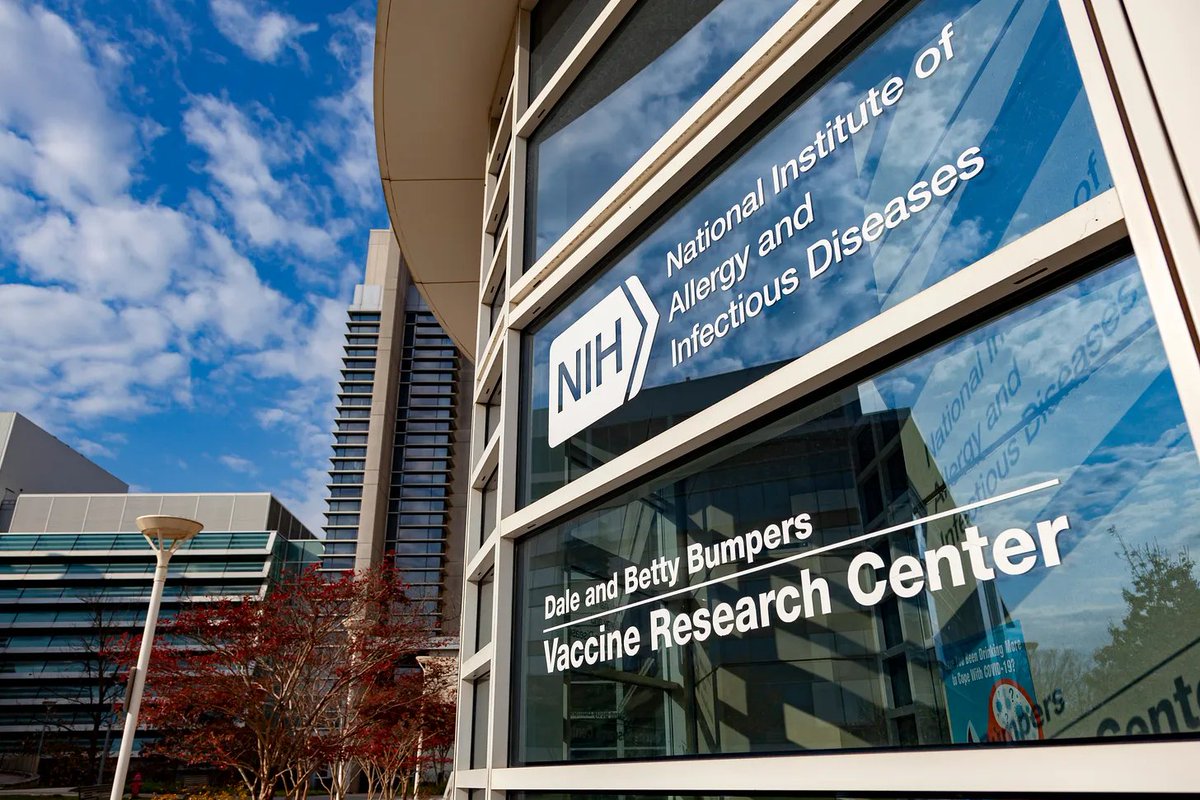
“Do you hate NIH?” Senator Kennedy asked.
“I love NIH,” RFK Jr. said earnestly. “I grew up with NIH. I visited when I was a boy. I loved science, and those were my favorite afternoons visiting the labs.”
“I love NIH,” RFK Jr. said earnestly. “I grew up with NIH. I visited when I was a boy. I loved science, and those were my favorite afternoons visiting the labs.”
Then, the gloves came off.
Senator Kennedy argued the best way to increase medical research funding was to “stop the stealing.” He explained how universities misuse taxpayer dollars:
“Let’s suppose NIH gives a university $100 million for medical research. That university takes $30 million of it, doesn’t spend it on the research, and uses it to subsidize the rest of their university. Does that show a commitment to medical research?” he asked facetiously.
Kennedy pointed to a real-life case, citing Stanford as an example.
He said they were taking 78% in indirect costs, and no one really knew where the money was going.
“That’s theft, isn’t it?” he asked, adding, “In Louisiana… we call that STEALING.”
Senator Kennedy argued the best way to increase medical research funding was to “stop the stealing.” He explained how universities misuse taxpayer dollars:
“Let’s suppose NIH gives a university $100 million for medical research. That university takes $30 million of it, doesn’t spend it on the research, and uses it to subsidize the rest of their university. Does that show a commitment to medical research?” he asked facetiously.
Kennedy pointed to a real-life case, citing Stanford as an example.
He said they were taking 78% in indirect costs, and no one really knew where the money was going.
“That’s theft, isn’t it?” he asked, adding, “In Louisiana… we call that STEALING.”
Sen. Kennedy asked RFK Jr. point-blank:
“Is there any doubt in your mind that a lot of universities are taking this NIH money, which is supposed to be spent on medical research, and using it to fund other parts of their university? Is there any doubt in your mind, Bobby?”
RFK Jr. explained that while private grantmakers like the Gates Foundation or Rockefeller Foundation pay just 10%–15% in indirect costs (overhead expenses that universities charge on top of research grants), the NIH has been paying 50%, 60%, even 70%.
This means taxpayer-funded grant money meant for medical research is being misused and spent far more loosely than it would be under private grantmakers.
“Is there any doubt in your mind that a lot of universities are taking this NIH money, which is supposed to be spent on medical research, and using it to fund other parts of their university? Is there any doubt in your mind, Bobby?”
RFK Jr. explained that while private grantmakers like the Gates Foundation or Rockefeller Foundation pay just 10%–15% in indirect costs (overhead expenses that universities charge on top of research grants), the NIH has been paying 50%, 60%, even 70%.
This means taxpayer-funded grant money meant for medical research is being misused and spent far more loosely than it would be under private grantmakers.
With his last question, Sen. Kennedy asked RFK Jr., “ Why do we allow highly processed foods in America?”
“That’s a complicated question,” RFK Jr. replied, “but it’s driven by profits to a food industry that is making money by poisoning American kids.”
He added, “And they don’t do it abroad. They make the same products for Canada and for Europe that do not contain many of those chemicals.”
“That’s a complicated question,” RFK Jr. replied, “but it’s driven by profits to a food industry that is making money by poisoning American kids.”
He added, “And they don’t do it abroad. They make the same products for Canada and for Europe that do not contain many of those chemicals.”
Before wrapping up, Senator Kennedy took one last shot at the partisan drama:
“You understand, Mr. Secretary, there’s nothing you can do that’s going to make many of my Democratic colleagues happy. You get that, don’t you?”
“I do understand,” RFK Jr. replied. “I’m coming to understand that, Senator. Yes.”
“You understand, Mr. Secretary, there’s nothing you can do that’s going to make many of my Democratic colleagues happy. You get that, don’t you?”
“I do understand,” RFK Jr. replied. “I’m coming to understand that, Senator. Yes.”
And just like that, Sen John Kennedy not only put a smile on Kennedy’s face, but also torched the “budget cuts kill people” narrative and exposed how bloated spending has failed the very people it’s meant to help.
From that moment on, the Democratic outrage fell apart. The narrative had already been flipped, and everyone in the room knew it.
From that moment on, the Democratic outrage fell apart. The narrative had already been flipped, and everyone in the room knew it.

Thanks for reading. For more in-depth stories the mainstream won’t touch, follow me on 𝕏.
—> @VigilantFox
Looking for something else to read? Bernie Sanders just backstabbed Democrats in his most brutally honest interview yet. This was a shocker.
—> @VigilantFox
Looking for something else to read? Bernie Sanders just backstabbed Democrats in his most brutally honest interview yet. This was a shocker.
https://x.com/VigilantFox/status/1924569072756211980
A little bit about me: I spent over a decade working as a licensed healthcare professional. But when the Biden administration rolled out its vaccine mandates, I couldn’t stay silent. My conscience simply wouldn’t let me.
That’s when I started this page.
Since then, I’ve shared thousands of clips featuring doctors and scientists who were brave enough to question the official COVID narrative.
Along the way, we’ve reached billions of views and helped millions of people understand the other side of the COVID story that the government didn’t want out.
If you’re looking for clear, honest information without corporate spin, you’re in the right place. Follow me for straight-to-the-point clips and threads that challenge the narrative.
Follow on 𝕏: @VigilantFox
Telegram: t.me/VigilantFox
Rumble: rumble.com/c/VigilantFox
Email List: vigilantfox.com
That’s when I started this page.
Since then, I’ve shared thousands of clips featuring doctors and scientists who were brave enough to question the official COVID narrative.
Along the way, we’ve reached billions of views and helped millions of people understand the other side of the COVID story that the government didn’t want out.
If you’re looking for clear, honest information without corporate spin, you’re in the right place. Follow me for straight-to-the-point clips and threads that challenge the narrative.
Follow on 𝕏: @VigilantFox
Telegram: t.me/VigilantFox
Rumble: rumble.com/c/VigilantFox
Email List: vigilantfox.com

• • •
Missing some Tweet in this thread? You can try to
force a refresh






