Do you ever wonder what the White Tree of Gondor means — and why it's dead?
Well, there's a hidden story that most don't know about.
And it's the key to understanding the entirety of The Lord of the Rings… (thread) 🧵
Well, there's a hidden story that most don't know about.
And it's the key to understanding the entirety of The Lord of the Rings… (thread) 🧵

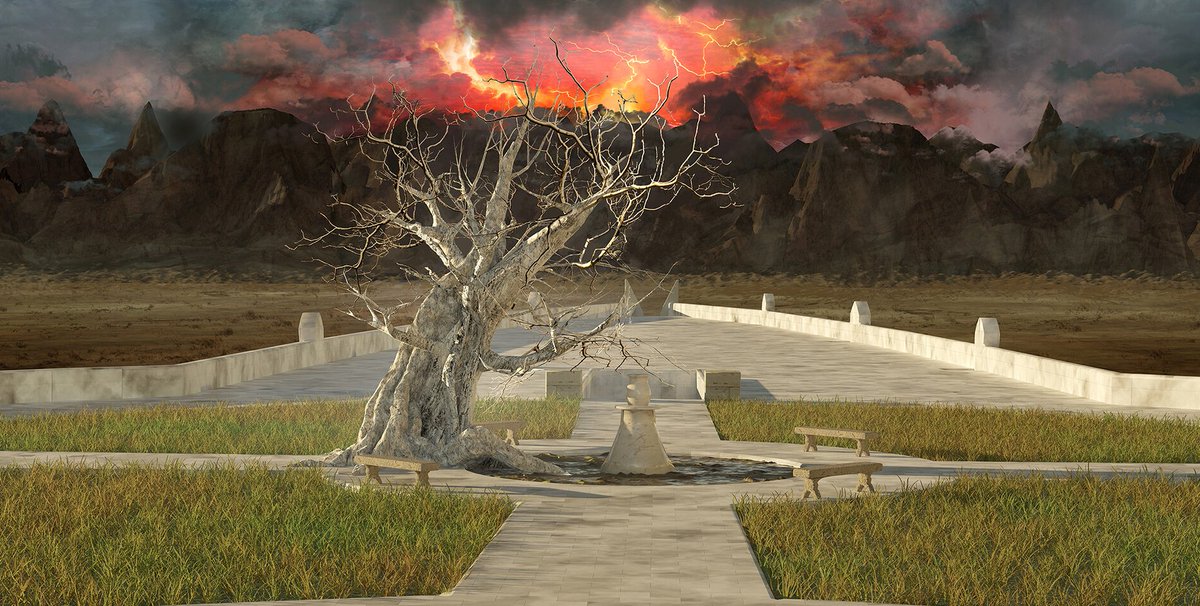
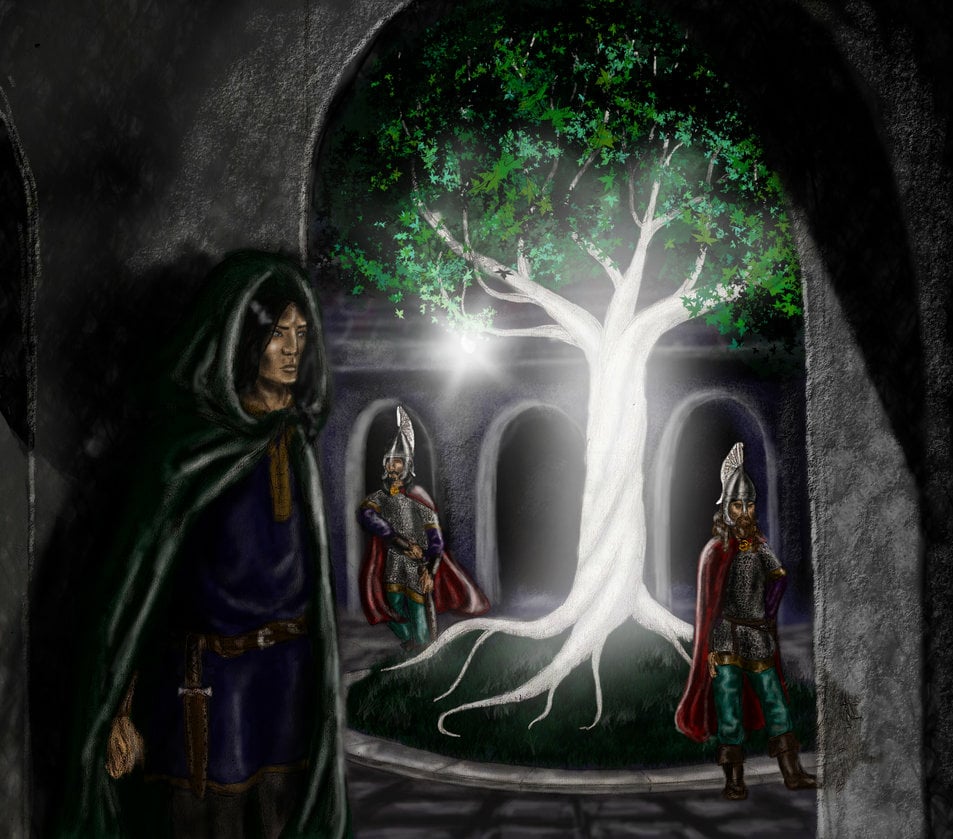
Gondor's White Tree is a symbol of the realm. When we encounter it in The Return of the King, it's been dead for 150 years.
A reflection of Gondor's fortunes, before Aragorn's ascension as king...
A reflection of Gondor's fortunes, before Aragorn's ascension as king...


Tolkien was borrowing a very old idea. In Ancient Greece, towns had a hearth at the center called a prytaneion.
Someone had to tend the sacred fire each day — if it died, so too the city would die.
Someone had to tend the sacred fire each day — if it died, so too the city would die.

Failure to keep the tree alive during the rule of the Stewards is a symbol of man's dwindling ennoblement.
The hope of a true king's return had faded into legend...
The hope of a true king's return had faded into legend...
But the White Tree reflects something deeper still — it's really about lineage.
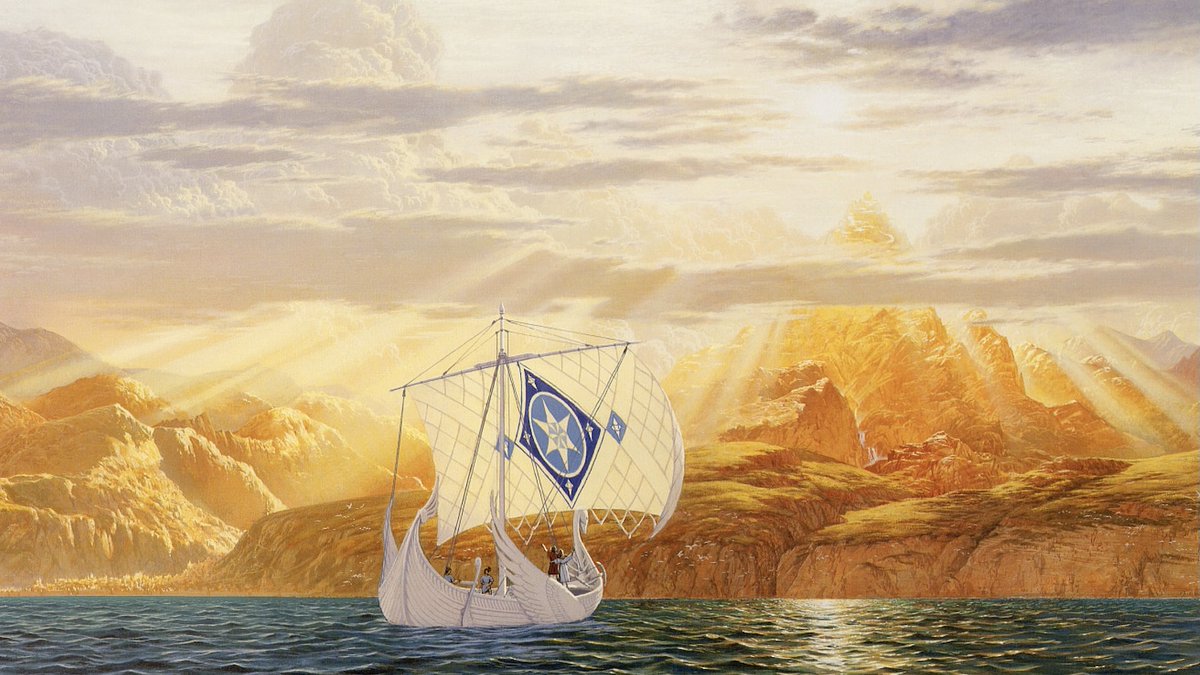
Gondor's tree descends from a sapling of Nimloth, a tree that once stood in Númenor at the height of human civilization.
Gondor's tree descends from a sapling of Nimloth, a tree that once stood in Númenor at the height of human civilization.
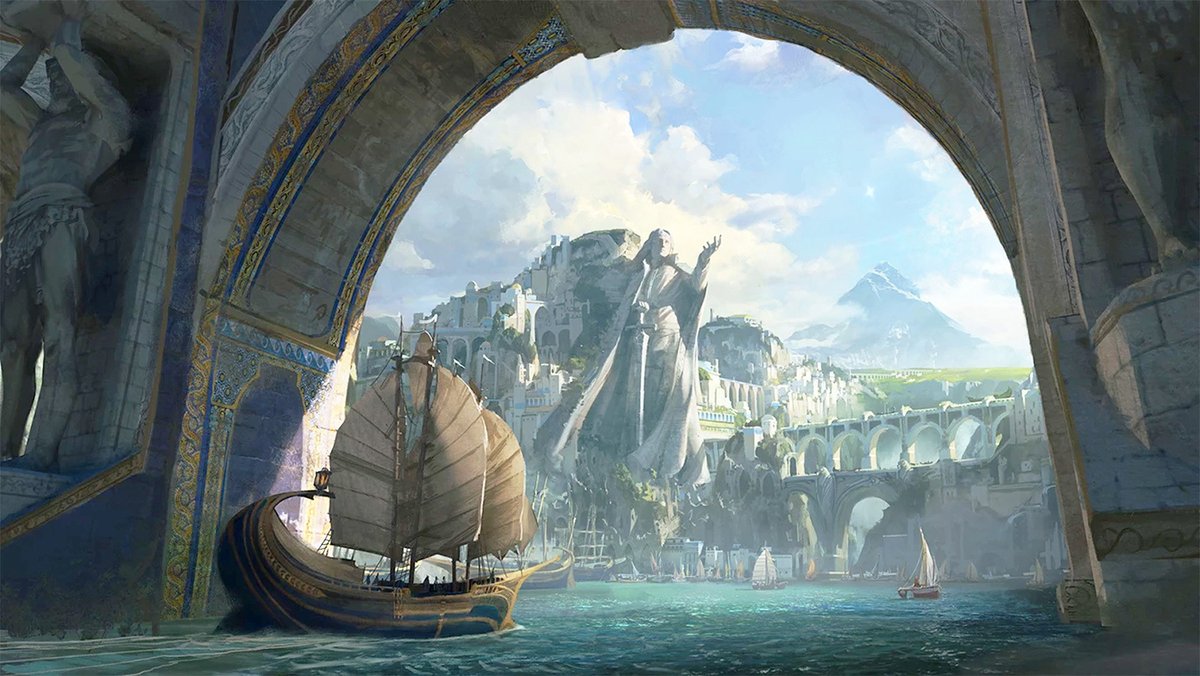
And Nimloth was a descendant of an even more significant tree: Telperion.
This was one of the two trees in Valinor, which brought light to the world early in its history.
This was one of the two trees in Valinor, which brought light to the world early in its history.
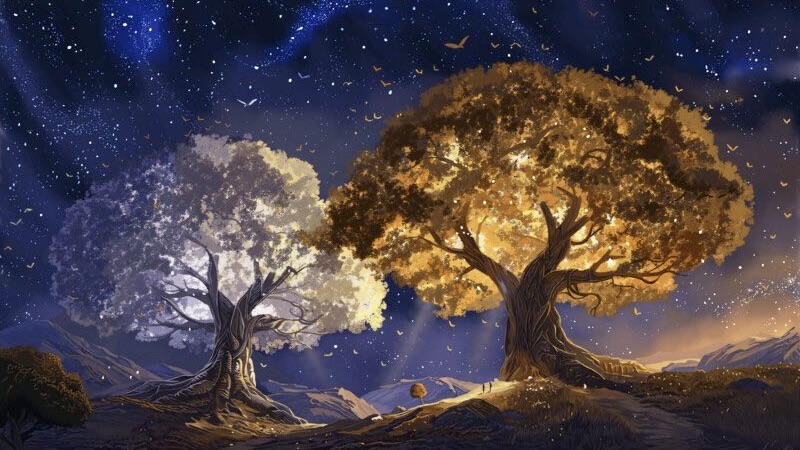
So, the White Tree comes from an important line of ancestors, and that's a recurring theme.
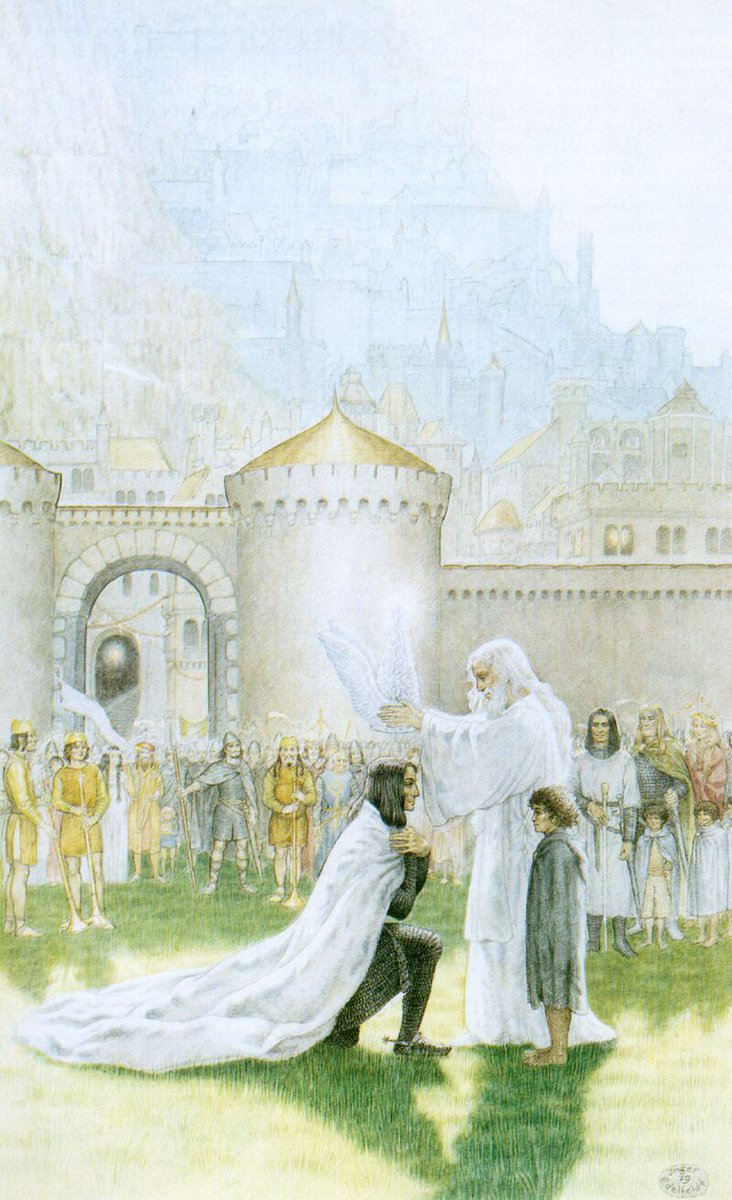
Aragorn, also a descendant of Númenor, comes to repair his own broken line of kings.
Aragorn, also a descendant of Númenor, comes to repair his own broken line of kings.

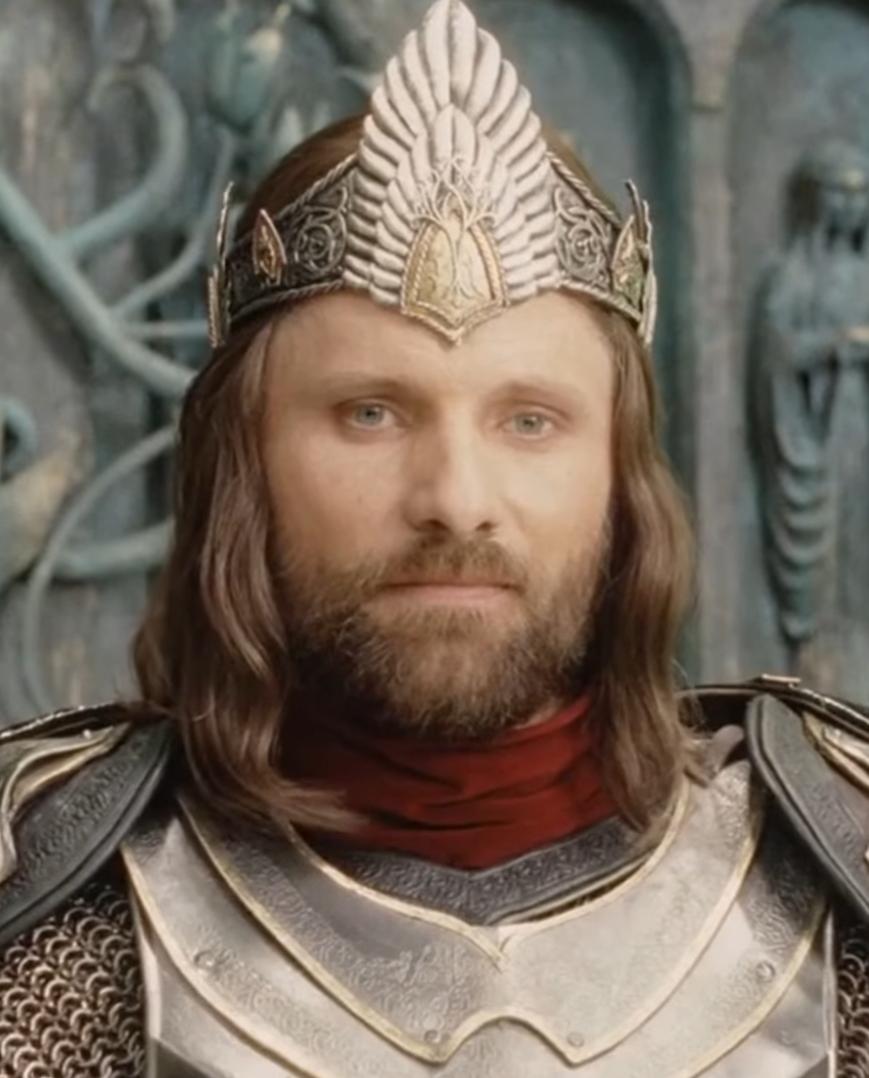
And after taking the throne, he replants the White Tree in Minas Tirith with a new sapling.
It's a symbol of his ancestry, but also of resurrection — and that's where the true meaning of the story lies...
It's a symbol of his ancestry, but also of resurrection — and that's where the true meaning of the story lies...


Aragorn is clearly a Christ figure.
He fulfills the prophecies surrounding him, his journey from ranger to king mirrors Christ's revelation as Messiah and King, and his healing abilities parallel Christ's miracles.
He fulfills the prophecies surrounding him, his journey from ranger to king mirrors Christ's revelation as Messiah and King, and his healing abilities parallel Christ's miracles.


And the parallels extend to his ancestry.
Matthew's Gospel describes how Jesus descends from King David, like Aragorn from Isildur — and the similarities of David and Isildur are all too obvious.
Matthew's Gospel describes how Jesus descends from King David, like Aragorn from Isildur — and the similarities of David and Isildur are all too obvious.
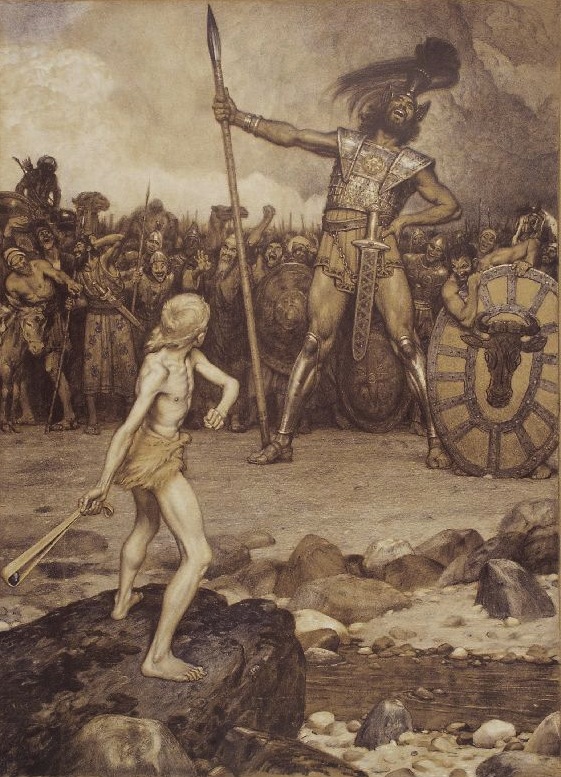
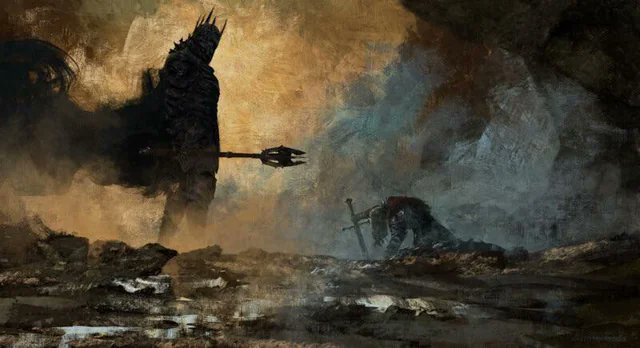
But remember: Luke's Gospel traces Jesus's ancestry differently, right back to Adam in the Garden of Eden.
How can we connect Aragorn's return to this?
How can we connect Aragorn's return to this?
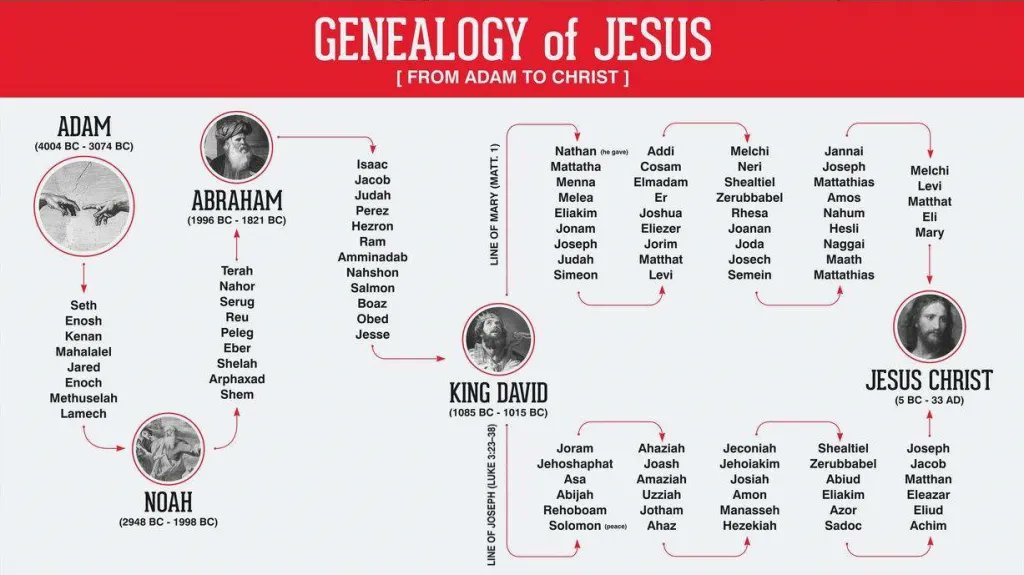
Again, the White Tree — it goes back all the way back to Telperion in Valinor.
To Tolkien, Valinor represented the Garden of Eden: a lush garden where, after the Fall, man was forbidden to enter.
To Tolkien, Valinor represented the Garden of Eden: a lush garden where, after the Fall, man was forbidden to enter.

Note how Tolkien's story mirrors the Biblical one.
Long before the events of LOTR, man suffers a "Fall": Númenor is destroyed in punishment for pride, and the world is remade so men can no longer access the paradisiacal Valinor (Eden).
Long before the events of LOTR, man suffers a "Fall": Númenor is destroyed in punishment for pride, and the world is remade so men can no longer access the paradisiacal Valinor (Eden).

When you view the story through a Biblical lens, everything starts to make sense.
Events prior to LOTR are an Old Testament narrative LOTR is a New Testament one, and the White Tree is what connects them.
Events prior to LOTR are an Old Testament narrative LOTR is a New Testament one, and the White Tree is what connects them.


In LOTR, a great renewal of Middle-earth is taking place, and the trees symbolize that — why?
Because every part of creation, big or small, plays its part in the grand story.
Because every part of creation, big or small, plays its part in the grand story.

Tolkien abhorred the desecration of nature, and wanted us to live in communion with all things that grow.
So he gave simple trees their own names, histories, personalities — and even the dignity of royal genealogy...
So he gave simple trees their own names, histories, personalities — and even the dignity of royal genealogy...

We go much deeper on Tolkien's works in our free newsletter.
Do NOT miss the next email!
170,000+ people read it: art, history, and culture 👇 theculturist.io/welcome
Do NOT miss the next email!
170,000+ people read it: art, history, and culture 👇 theculturist.io/welcome
• • •
Missing some Tweet in this thread? You can try to
force a refresh