The most courageous officer in military history:
Stanislav Petrov.
He defied Soviet protocol, ignored 5 missile alerts, and prevented WW3 with a single decision.
Here's how one man's judgment saved billions of lives:🧵
Stanislav Petrov.
He defied Soviet protocol, ignored 5 missile alerts, and prevented WW3 with a single decision.
Here's how one man's judgment saved billions of lives:🧵

Midnight in a secret Soviet bunker, 100 meters underground.
Lieutenant Stanislav Petrov mans his station at Serpukhov-15, monitoring for nuclear attacks.
It's just another quiet night shift.
Until...
Lieutenant Stanislav Petrov mans his station at Serpukhov-15, monitoring for nuclear attacks.
It's just another quiet night shift.
Until...


At 00:15, alarms blared. The screen flashed red:
NUCLEAR LAUNCH DETECTED.
Five American missiles heading for Soviet territory.
The bunker pulsed with crimson warning lights.
What happened next would determine your existence.
NUCLEAR LAUNCH DETECTED.
Five American missiles heading for Soviet territory.
The bunker pulsed with crimson warning lights.
What happened next would determine your existence.

Context: 1983 was a powder keg.
The USSR had just shot down a Korean airliner with 269 civilians aboard.
Reagan called them the "evil empire."
Soviet leadership expected an American first strike any day.
War seemed inevitable.
The USSR had just shot down a Korean airliner with 269 civilians aboard.
Reagan called them the "evil empire."
Soviet leadership expected an American first strike any day.
War seemed inevitable.
A nuclear exchange in 1983 meant this:
11,000 warheads launched.
Half a billion dead within days. Nuclear winter follows.
The end of civilization as we knew it.
Petrov had 15 minutes to decide.
11,000 warheads launched.
Half a billion dead within days. Nuclear winter follows.
The end of civilization as we knew it.
Petrov had 15 minutes to decide.

The computer system was sophisticated.
Each Soviet early warning satellite could detect missile heat signatures and launch trajectories with multiple confirmations.
The system was showing FIVE independent launches.
But something felt wrong to Petrov...
Each Soviet early warning satellite could detect missile heat signatures and launch trajectories with multiple confirmations.
The system was showing FIVE independent launches.
But something felt wrong to Petrov...


Here's what bothered him:
The Cold War had one core rule - any nuclear attack must destroy ALL enemy missiles at once.
You don't launch 5 missiles. You launch thousands.
Why would America only send five?
But if he was wrong...
The Cold War had one core rule - any nuclear attack must destroy ALL enemy missiles at once.
You don't launch 5 missiles. You launch thousands.
Why would America only send five?
But if he was wrong...
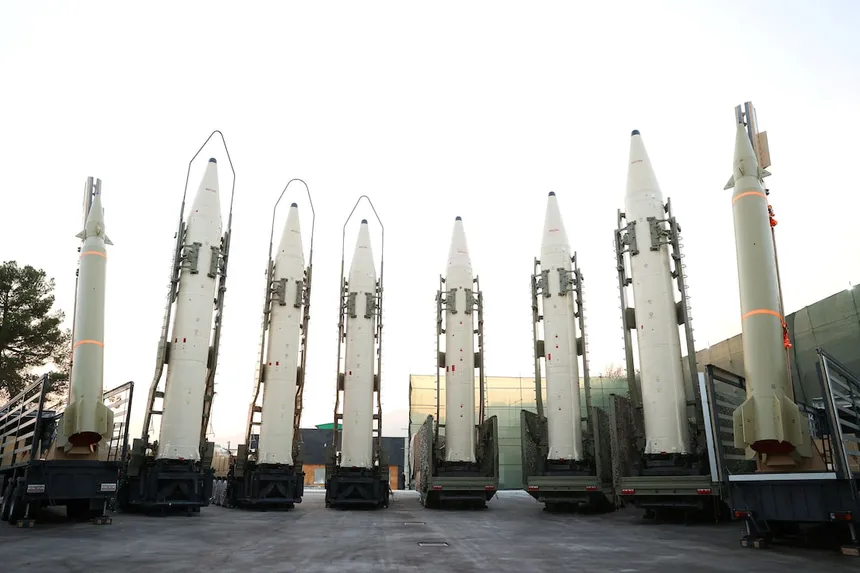

For the next 15 minutes, Petrov sat frozen.
One hand on the phone to his superiors, another on the intercom to his team.
The alarms kept blaring. The computer showed 99.9% certainty.
Every second felt like an eternity.
Would you trust math or intuition?
One hand on the phone to his superiors, another on the intercom to his team.
The alarms kept blaring. The computer showed 99.9% certainty.
Every second felt like an eternity.
Would you trust math or intuition?
Here's the mind-bending truth:
The satellites detected sunlight reflecting off clouds at the exact angle matching Minuteman ICBM launches.
A simple physics quirk nearly triggered Armageddon.
The satellites detected sunlight reflecting off clouds at the exact angle matching Minuteman ICBM launches.
A simple physics quirk nearly triggered Armageddon.
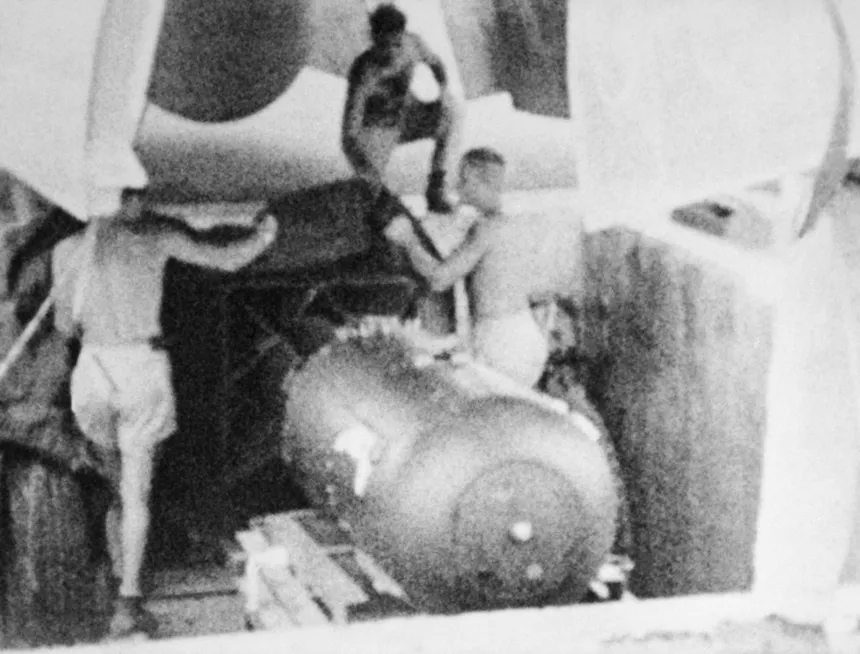
The sheer destructive power at stake is hard to comprehend.
A single modern nuclear warhead was three times more powerful than Hiroshima.
One missile could create a mile-wide instant death zone and a radiation radius of 20 miles.
And thousands were ready to launch.
A single modern nuclear warhead was three times more powerful than Hiroshima.
One missile could create a mile-wide instant death zone and a radiation radius of 20 miles.
And thousands were ready to launch.

The most absurd part:
Petrov wasn't investigated for his world-changing decision.
He was reprimanded for not documenting it properly in his logbook.
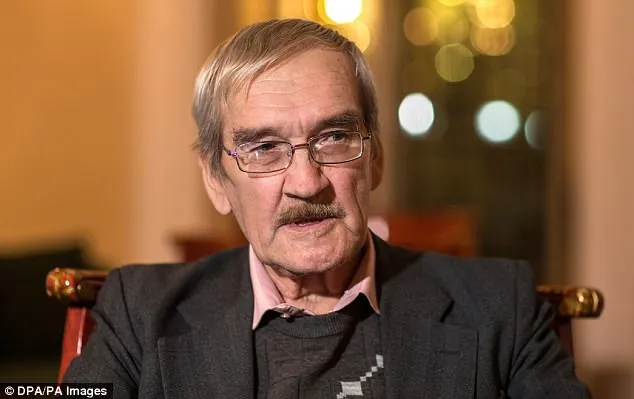
"I had a phone in one hand and an intercom in the other," he said.
"I didn't have a third hand for the logbook."
Petrov wasn't investigated for his world-changing decision.
He was reprimanded for not documenting it properly in his logbook.
"I had a phone in one hand and an intercom in the other," he said.
"I didn't have a third hand for the logbook."
Petrov's story teaches us something profound about leadership and courage.
Sometimes the bravest thing is to trust your judgment over data.
To question protocol when the context demands it.
To understand that inaction, in crucial moments, can be the boldest choice of all.
Sometimes the bravest thing is to trust your judgment over data.
To question protocol when the context demands it.
To understand that inaction, in crucial moments, can be the boldest choice of all.
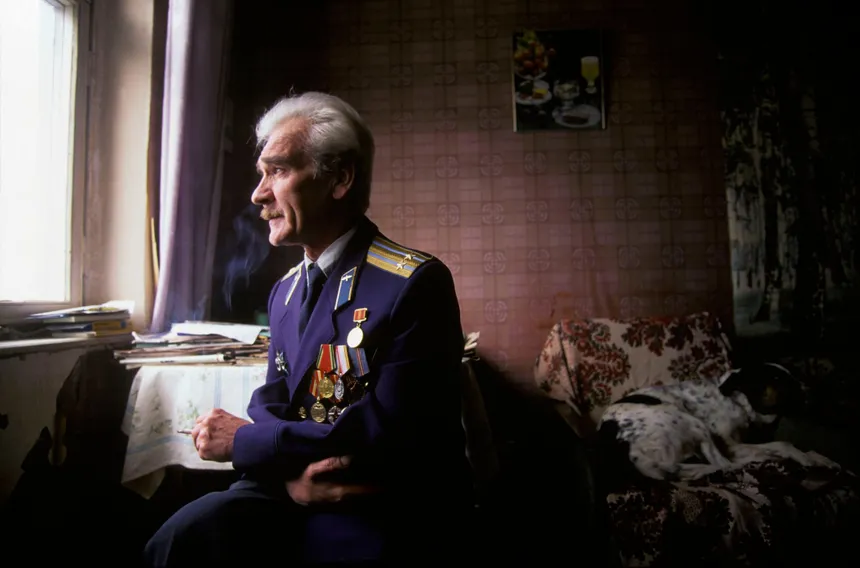
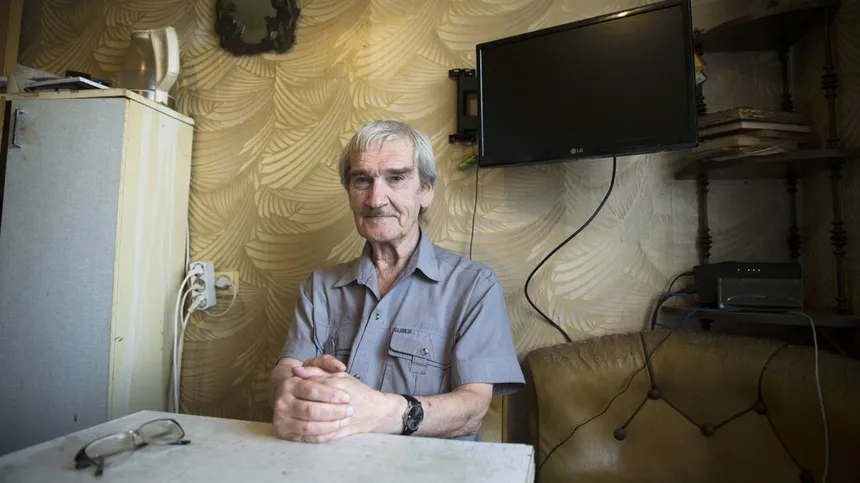
The story remained classified until 1998.
When journalists found him 15 years later:
Living alone...outside Moscow.
Growing potatoes to survive. A $100 monthly pension.
A man who saved humanity, forgotten by the world he saved.
When journalists found him 15 years later:
Living alone...outside Moscow.
Growing potatoes to survive. A $100 monthly pension.
A man who saved humanity, forgotten by the world he saved.
Think about this:
One ordinary person, trusting their judgment against all odds, saved billions of lives by choosing to do nothing.
The next time someone says one person can't change the world, remember the night Stanislav Petrov refused to push a button.
One ordinary person, trusting their judgment against all odds, saved billions of lives by choosing to do nothing.
The next time someone says one person can't change the world, remember the night Stanislav Petrov refused to push a button.
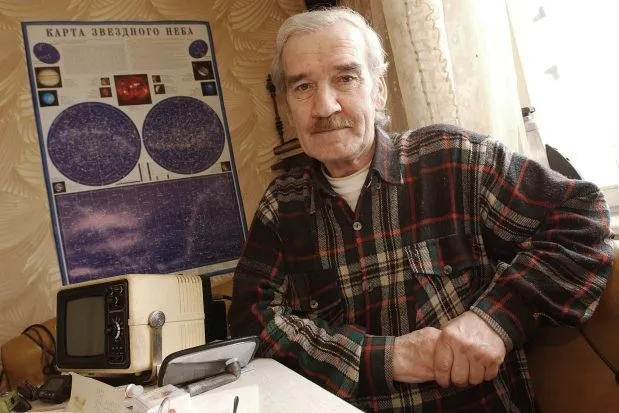
Petrov died in 2017 in a modest Moscow apartment.
Few noticed.
Yet we all owe our existence to his decision that night.
Sometimes the most important person in history is someone you've never heard of.
Follow @LearningToan for more untold stories.
Few noticed.
Yet we all owe our existence to his decision that night.
Sometimes the most important person in history is someone you've never heard of.
Follow @LearningToan for more untold stories.

• • •
Missing some Tweet in this thread? You can try to
force a refresh