Despite what this photo caption says, it does not show Dr. Alaa al-Najjar, the mother of children killed in an airstrike.
The photo in @guardian actually shows al-Najjar's niece (left) and brother-in-law with an as yet unidentified woman. 🧵
We know this is the niece as she is identified as such in a @Reuters video interview from inside the hospital.
Despite this, Reuters is currently selling the erroneously captioned photo that The Guardian used.
So is this Dr. Alaa al-Najjar in this @Reuters photo, a pediatrician who wears a niqab and is so strictly religious that she was allowed to train in medicine, and still had time to give birth to 10 children in little more than 11 years?
Because the media won't ask the questions.
And maybe they should, because there is now a trove of AI-generated or fake images falsely claiming to show members of the family and the dead children.
Such as this photo -- that we've found was taken before the incident even occurred.
Or this obviously AI image that has spread online.
In a @Reuters video, a relative says, "We searched through the rubble...Right next to us, my cousin rented three shops or maybe two — tyre repair shops."
10 children weren't the target. So what was nearby that prompted an IDF airstrike?
Will the media even bother to ask?
• • •
Missing some Tweet in this thread? You can try to
force a refresh

1/10 🧵
Did you know the recent Israel-NGO framework story is being covered very differently depending on the outlet?
Most headlines focus on "restrictions" and "limits on criticism."
But what's the actual policy trying to achieve – and why do some groups comply while others don't? Let's break down the facts calmly.
2/10
In late 2025, Israel rolled out a new registration/vetting system for humanitarian orgs in Gaza & West Bank.
Goal (per official statements): Prevent wartime infiltration by militants into aid groups.
Most organizations signed on quickly. A smaller number raised concerns.
Question: What would you consider reasonable safeguards in active conflict zones?
3/10
Israel reports ~85%+ compliance rate – meaning the vast majority of NGOs met the criteria without issue.
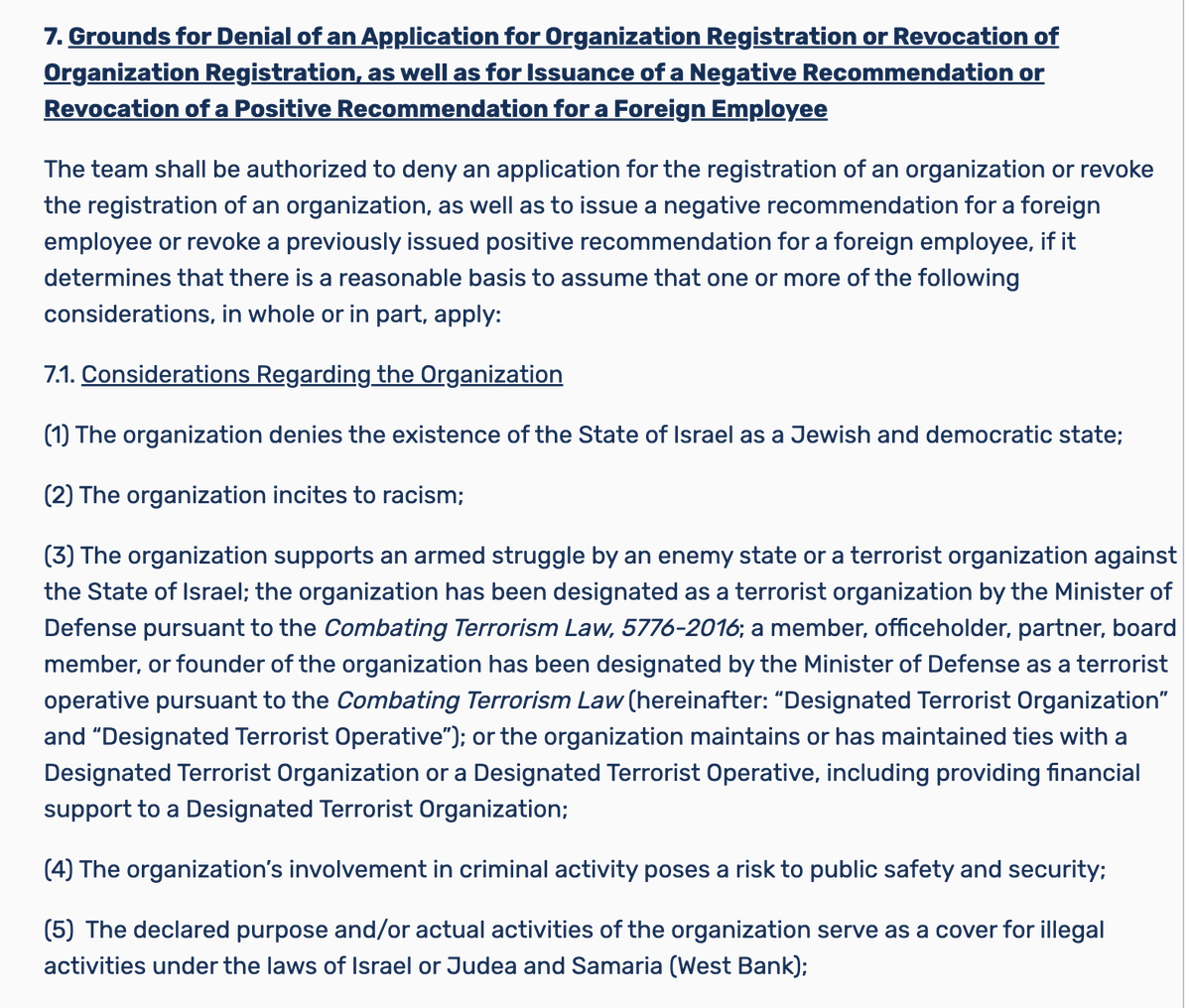
The rules target specific red flags like:
- Documented support for armed groups
- Denial of documented atrocities (e.g., Oct 7)
- Active promotion of boycotts/lawfare against Israel
- Coordination with designated enemy orgs
Not blanket "no criticism" – but focused security checks.
1/ It’s awards season… and while Hollywood hands out trophies for acting, we’re honoring the people who pretended to do journalism. Presenting: Dishonest Reporter of the Year 2025.
Let's find out the winners 👇
2/ 🏆 Winner: The BBC
No outlet worked harder this year to prove that “publicly funded” doesn’t mean “publicly accountable.” Truly a masterclass in bias, blunders & backpedaling. honestreporting.com/exposed-leaked…
3/ Remember that Gaza documentary narrated by… a Hamas minister’s teenage son? The one whose mom got paid? Yeah — that really happened. BBC: Bold. Brave. Or just… 🤦♂️
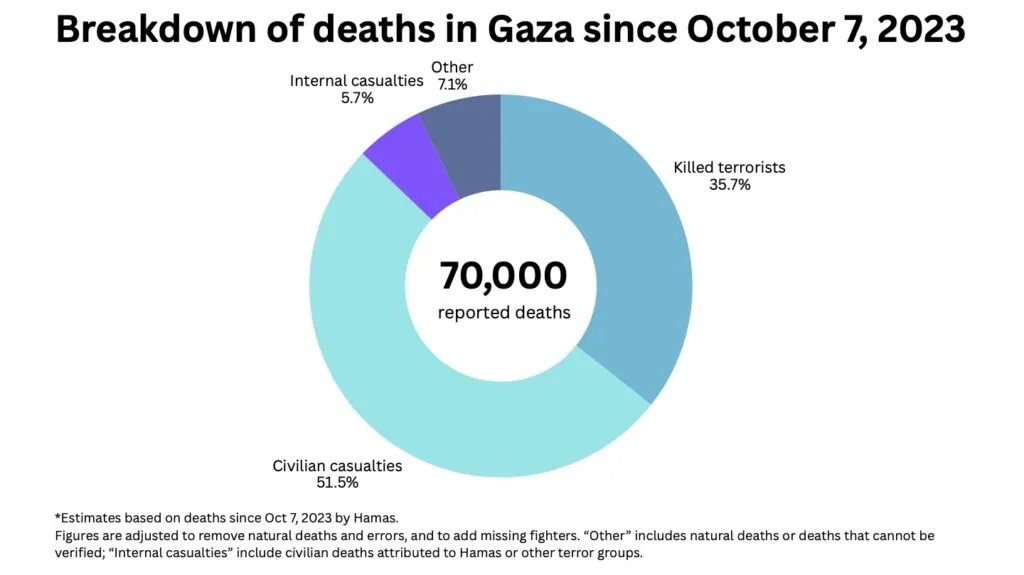
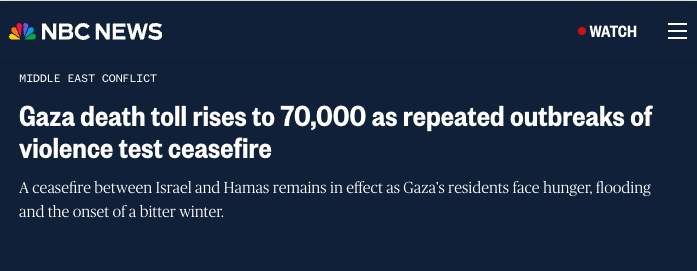
1/ Since Oct. 7, 2023, major media outlets have repeatedly reported casualty figures from the Hamas-run Ministry of Health (MoH) in Gaza as if they were independently verified facts -- with little to no skepticism.
Let's break down the distorted narratives. 🧵
2/ Headlines citing MoH death tolls were widely amplified without attribution to Hamas, allowing a terrorist org’s figures to become the dominant narrative in global reporting.
3/ This has resulted in repeated blood libels in media coverage -- blaming Israel for high civilian death tolls without critically examining the reliability of the source data.
1/ 🌍Are Israeli women living in a dystopian reality where, year by year, they are being stripped of their most basic rights?
No, because the data and imagery used by @CNN to support that narrative distort reality and mislead audiences. 🧵
2/ 📸 The cover image features a “Handmaid’s Tale”-style protest from nearly three years ago against legal reforms -- not a current reflection of women’s rights in Israel. Context matters.
3/ 📊 CNN relies on the Women Peace & Security Index (WPS Index) without questioning its methodology. The index blends unrelated indicators (e.g., cellphone use, conflict exposure), not a pure gender-rights measure.