Researchers in a NEW study found that a single gene, OLAH, or a three-gene blood signature can predict COVID death within 48 hours of hospital admission with up to 88% accuracy. 1/
These simple gene expression patterns could speed up triage and improve outcomes during hospital surges. 2/
These parsimonious blood- and nasal-based classifiers merit further study as accessible prognostic tools to guide triage, resource allocation, and early therapeutic interventions in COVID-19. 3/3
A significant discovery in the fight against #LongCovid!
➡️ Researchers have identified the epipharynx, a part of the pharynx, as a key site for chronic inflammation driven by residual SARS-CoV-2 RNA. 1/
Using a next-generation molecular mapping technology called Visium HD spatial transcriptomics, researchers from Japan provided the world's first high-resolution spatial gene expression analysis of the epipharynx in patients with longCOVID. 2/
According to the study, the viral RNA from SARS-CoV-2 can persist in the epipharynx for more than six months post-infection, and here they activate local immune signals in specialized cells like B cells, plasmacytoid dendritic cells, and ciliated epithelial cells. 3/
A new article on #LongCOVID shows that millions of Americans continue to suffer from LongCOVID which is a very complex and heterogeneous disease, with no diagnostic tests and no approved treatments. 1/
New clinical trials will target specific biological pathways including immune dysfunction and autoimmunity, viral persistence, and microclots rather than treating LongCOVID as a single disease. 2/
Trials include REVERSE-LC, which will use the immune-modulating drug baricitinib, and ADDRESS-LC, which will test bezisterim, a novel anti-inflammatory that can cross the blood-brain barrier. 3/
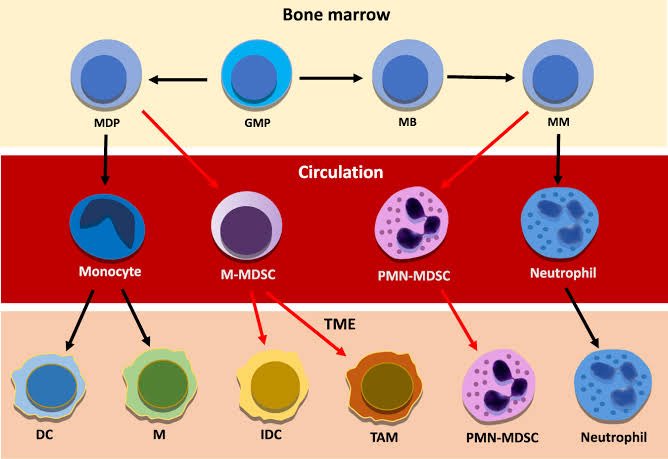
A study new finds that neutrophils—the most abundant white blood cells in humans—may be altered by SARS-CoV-2 virus to cease their normal function of destroying pathogens in the body and, instead, significantly inhibit other immune cells critical for fighting the virus. 1/
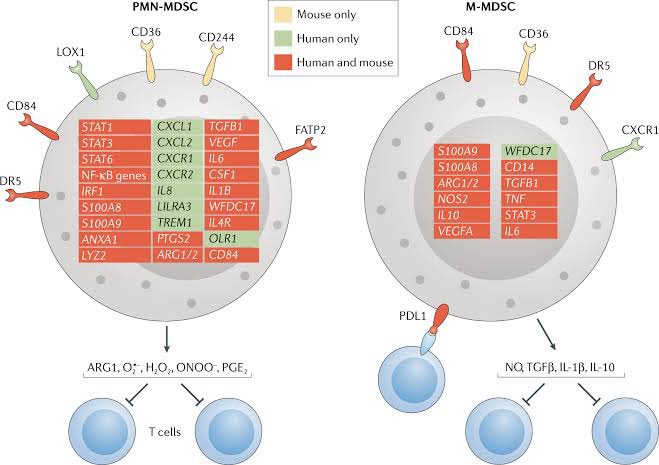
The study finds that in some COVID infections, SARS-CoV-2 may dramatically impair the immune response by reprogramming neutrophils—front-line immune cells central to fighting infections—into a cell type called polymorphonuclear myeloid derived suppressor cells (PMN-MDSCs) 2/
Polymorphonuclear myeloid derived suppressor cells (PMN-MDSCs) are known to suppress virus-fighting T cells & it is believed that the reprogramming that creates them could provide a mechanism by which severe COVID, a more dangerous form of the disease, may arise. 3/
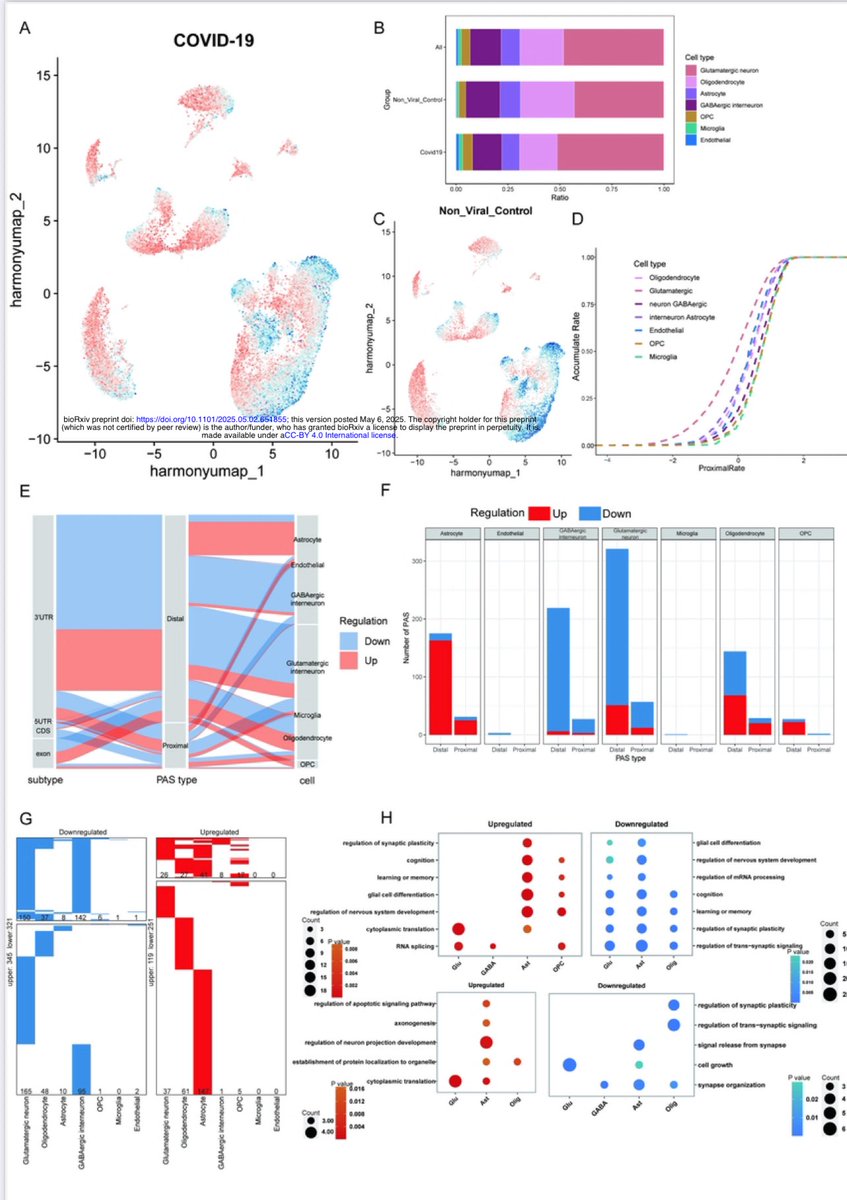
COVID-19 carries neurological and psychological risks. Alternative polyadenylation (APA) is ubiquitous in human genes, resulting in mRNA variation, and has been shown to play a key role in the starting and progression of many diseases, including viral infections. 1/
Here, researchers analyzed the APA usage across different cell types in frontal cortex cells from non-viral control group and COVID-19 patients, and identified functionally related APA events in COVID-19. 2/
According to this study, the poly(A) site (PAS) usage is different among cell types and following SARS-COV-2 infection. 3/
A NEW study reports that 68 individuals with LongCOVID had unusually active CD8+ T cells and elevated IL-3 levels, which may drive inflammation and symptom severity up to 18 months after acute COVID infection. 1/
A pronounced T cell hypo-reactivity and reduced expression of IL-3 was found in patients with severe acute SARS-CoV-2 infection. Interestingly, the opposite was the case as researchers detected a marked hyper-reactivity of T cells in LongCOVID. 2/
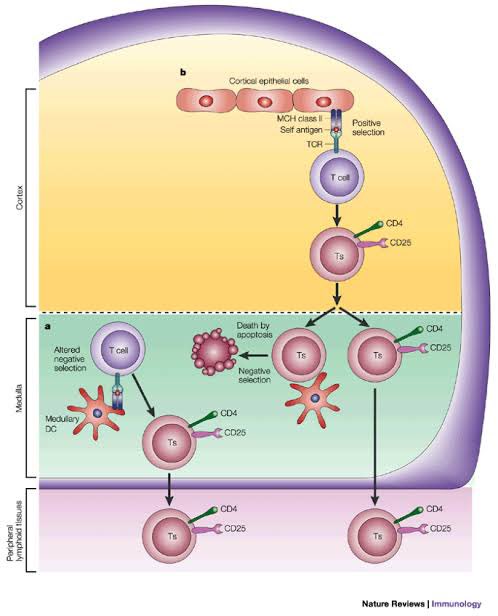
Hyper-activation was evident by a higher percentage of CD8+ T cells expressing the activation marker CD25, a stronger upregulation of CD25 after polyclonal stimulation, a stronger release of cytokines especially IL-3 and a higher fraction of memory T cells. 3/
A new study, the first to compare inflammation & brain stress in #LongCOVID patients w/ those who have fully recovered shows that those w/continued brain fog & other cognitive issues have a lower ability to adapt to stress & higher levels of inflammation in their brains. 1/
While previous longCOVID studies have shown changes in these markers in mice, this study evaluated the infection's impact on the brain in documented COVID-positive patients. 2/
The pilot study included 17 confirmed COVID patients (10 with longCOVID and seven who were fully recovered with no lingering symptoms). 3/