Vipin M. Vashishtha Profile picture
Jun 2, 2025 7 tweets 3 min read Read on X
Globally, NB.1.8.1 is now the dominant variant. The WHO has issued a warning about rising COVID-19 activity in the Western Pacific, Southeast Asia, and Eastern Mediterranean, driven by NB.1.8.1 this week.

H/T: @RajlabN Image
Classified as a "variant under monitoring" by the WHO & “ Nimbus” by @TRyanGregory, NB.1.8.1 has triggered a seventh consecutive week of surges in Southeast Asia. Taiwan has seen ER visits double again this week. 2/

focustaiwan.tw/society/202505…
@TRyanGregory China is reporting widespread infections with NB.1.8.1 causing severe throat pain described as “razor blade throat.”

However, the #Nimbus aka NB.1.8.1 wave in Hong Kong and Singapore may have peaked. 3/ Image
@TRyanGregory A new surge is going on in India too. Still early days…active Covid-19 cases have risen to 3,758, with Kerala reporting the highest at 1,400 cases.

One death is also reported from my own district though no uptick is noticed in children so far. 4/4

indtoday.com/covid-19-cases…Image
@TRyanGregory And what about vaccines?

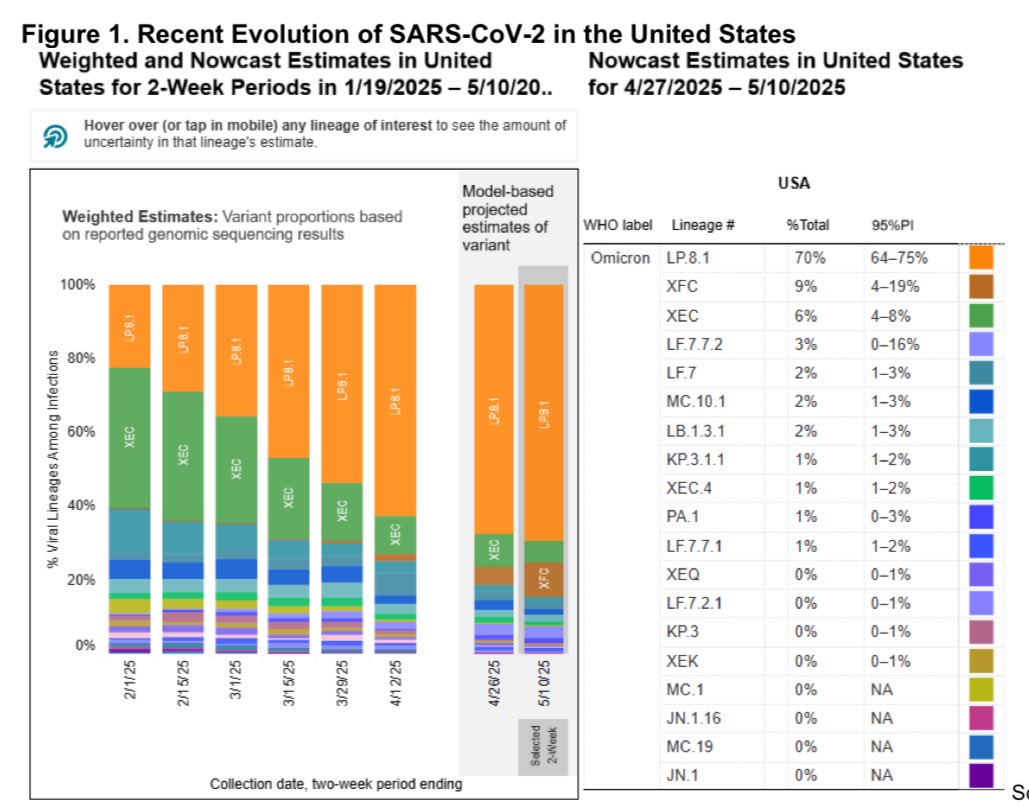
The FDA has recommended updating Fall 2025 COVID vaccines to target LP.8.1 which is the dominant variant in the United States now.

But, LP.8.1 is fairly different from NB.1.8.1 which is the dominant variant worldwide. 5/

nbcnews.com/news/amp/rcna2…
@TRyanGregory Last year’s Fall 2024 COVID vaccine targeted KP.2 for Moderna/Pfizer & JN.1 for Novavax. Although FDA’s advisory panel favored sticking with JN.1-based strains for Fall 2025, they agreed LP.8.1 is an appropriate alternative for 2025/2026 season 6/

fda.gov/media/186567/d…Image
@TRyanGregory And what about India?

No JN.1/adapted booster
The only Omicron-adapted vax is Gemcovac-OM based on BA.1
Even this isn’t freely available
The only category who need boosters in India: elderly w/ comorbidities or immunocompromised

So what’s the recs for Covid vax here👇 7/7 Image

• • •

Missing some Tweet in this thread? You can try to force a refresh

 

Keep Current with Vipin M. Vashishtha

Vipin M. Vashishtha Profile picture

Stay in touch and get notified when new unrolls are available from this author!

Read all threads

This Thread may be Removed Anytime!

PDF

Twitter may remove this content at anytime! Save it as PDF for later use!

Try unrolling a thread yourself!

how to unroll video
  1. Follow @ThreadReaderApp to mention us!

  2. From a Twitter thread mention us with a keyword "unroll"
@threadreaderapp unroll

Practice here first or read more on our help page!

More from @vipintukur

Mar 24
Autoantibodies as drivers of #LongCOVID

➡️ Compelling new evidence strengthens the autoimmune hypothesis of long COVID.

Transfer of patient-derived IgG induces pain-associated behaviours in mice—suggesting a causal, not associative, role.

Key experiment:

➡️ Total IgG from long COVID patients → injected into mice

➡️ Result: mechanical hypersensitivity (allodynia)

This recapitulates a core clinical feature—chronic pain.

➡️ Strikingly, pathogenicity is durable:
IgG collected 2 years later from persistently symptomatic patients
→ still induces pain in vivo

Implies long-term stability of autoreactive clones. 1/Image
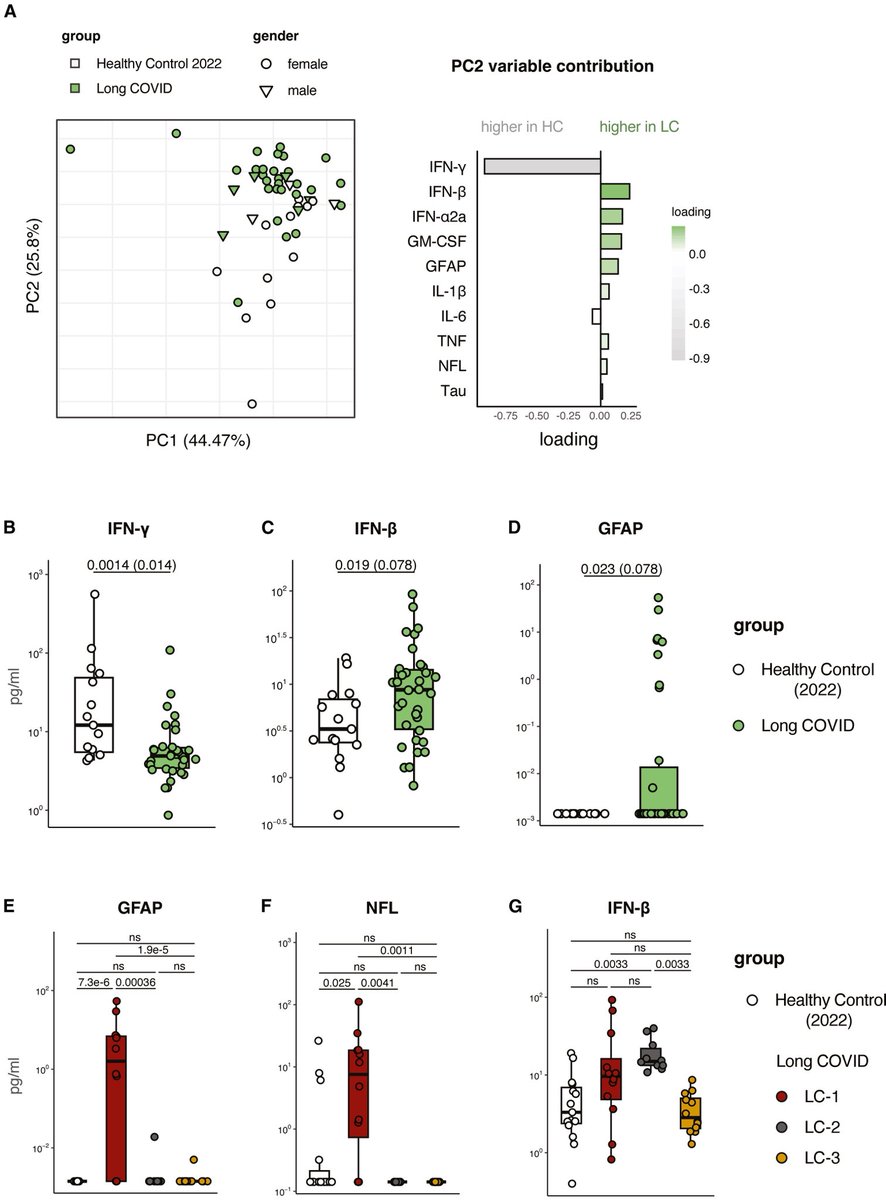
Not all LongCOVID is the same.

➡️ Patients stratified using:
• GFAP
• Neurofilament light chain (NFL)
• IFN-β

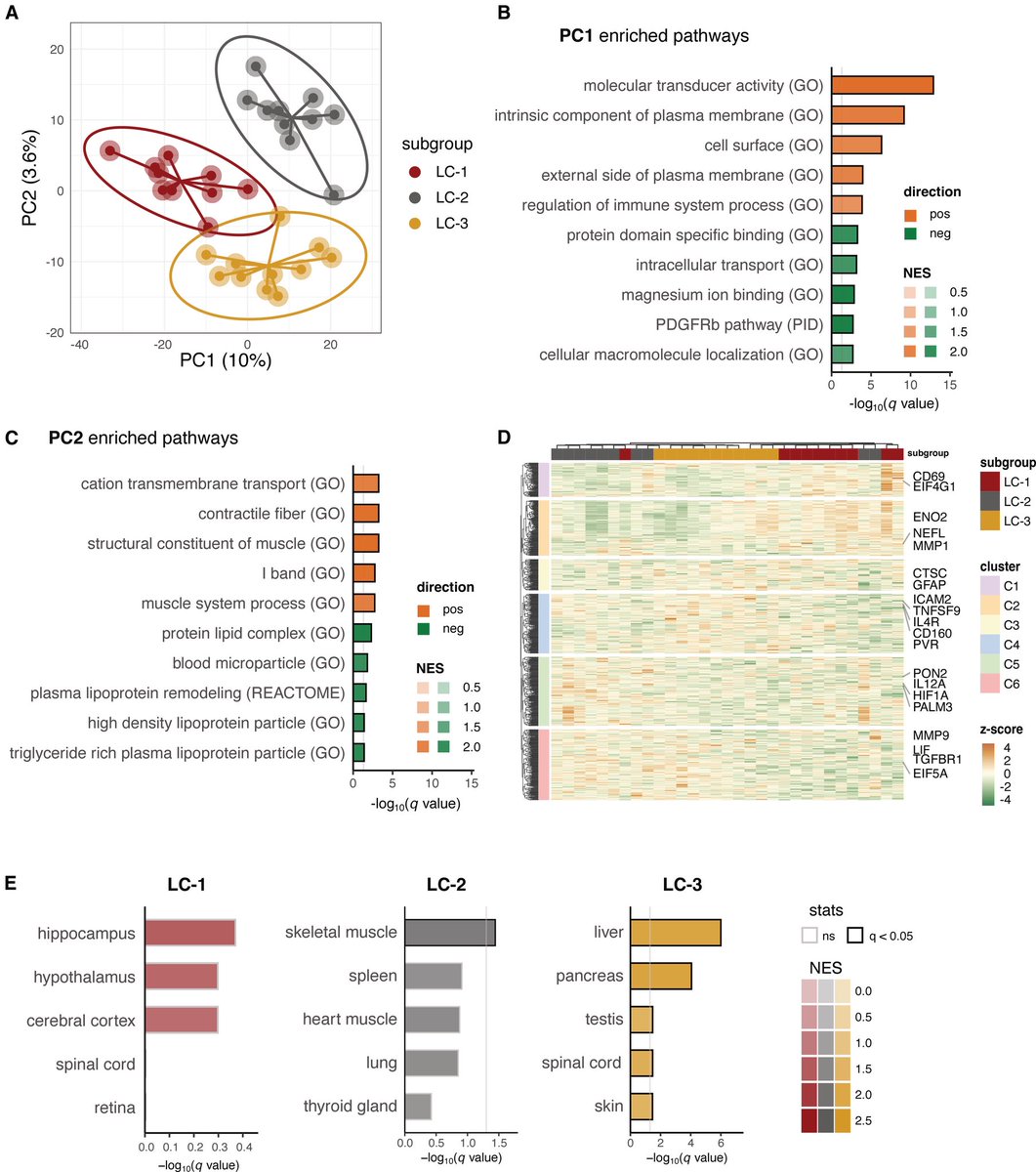
➡️ Distinct biomarker-defined subgroups with different pathogenic pathways.

Proteome-wide profiling reveals:

➡️ Subgroup-specific autoantibody signatures
➡️ Persistent over time
➡️ Independently validated

Supports biological heterogeneity rather than a single syndrome. 2/Image
Conceptually aligns with conditions like fibromyalgia:

👉 Chronic symptoms driven by functional autoantibodies
👉 Neuro-immune interface involvement

➡️ Clinical implications:

• Identifying pathogenic IgG could enable risk stratification
• Opens avenues for targeted immunomodulation (e.g., IVIG, plasmapheresis, B-cell therapies?)

➡️ Methodological strength:

-Functional transfer model (human → mouse)
-Longitudinal sampling
-Multi-omics support

➡️ Moves the field from correlation → causation. 3/Image
Image
Read 4 tweets
Mar 13
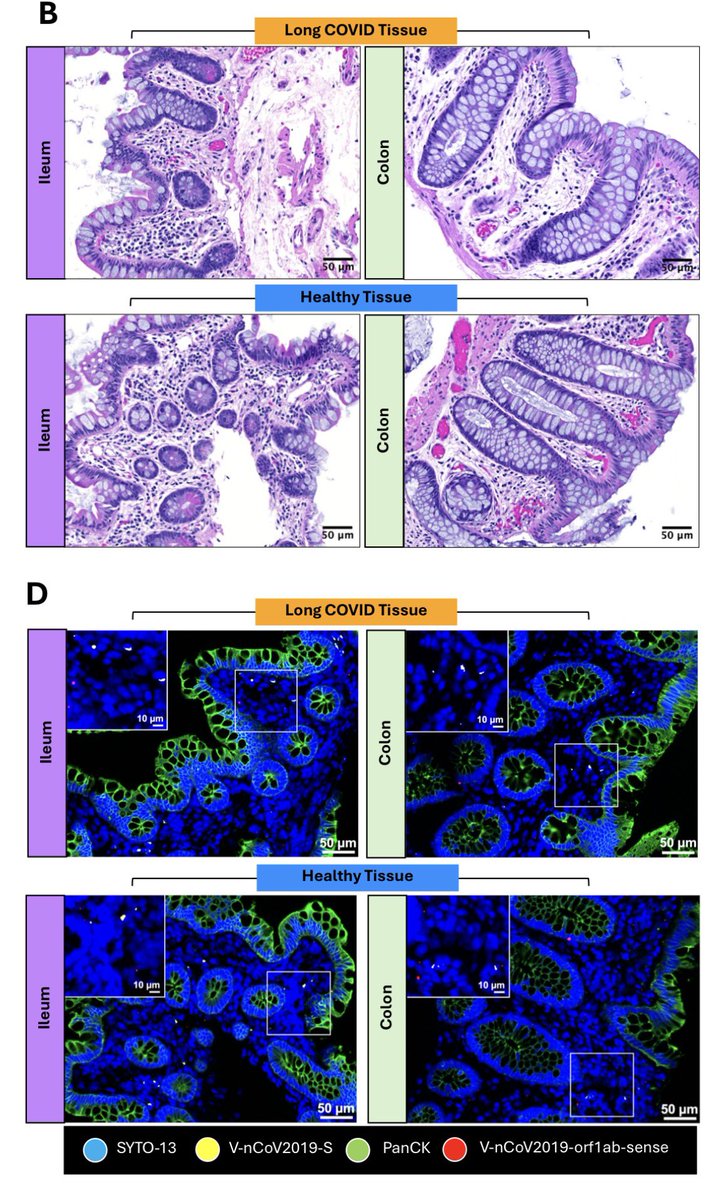
New research finds that SARS-CoV-2 spike protein can persist in the gut of people with #LongCOVID, even months after infection.

➡️ This persistent viral antigen may drive ongoing immune changes in intestinal tissue.

➡️ Scientists detected viral spike RNA and protein in colon and ileum biopsies from Long COVID patients.

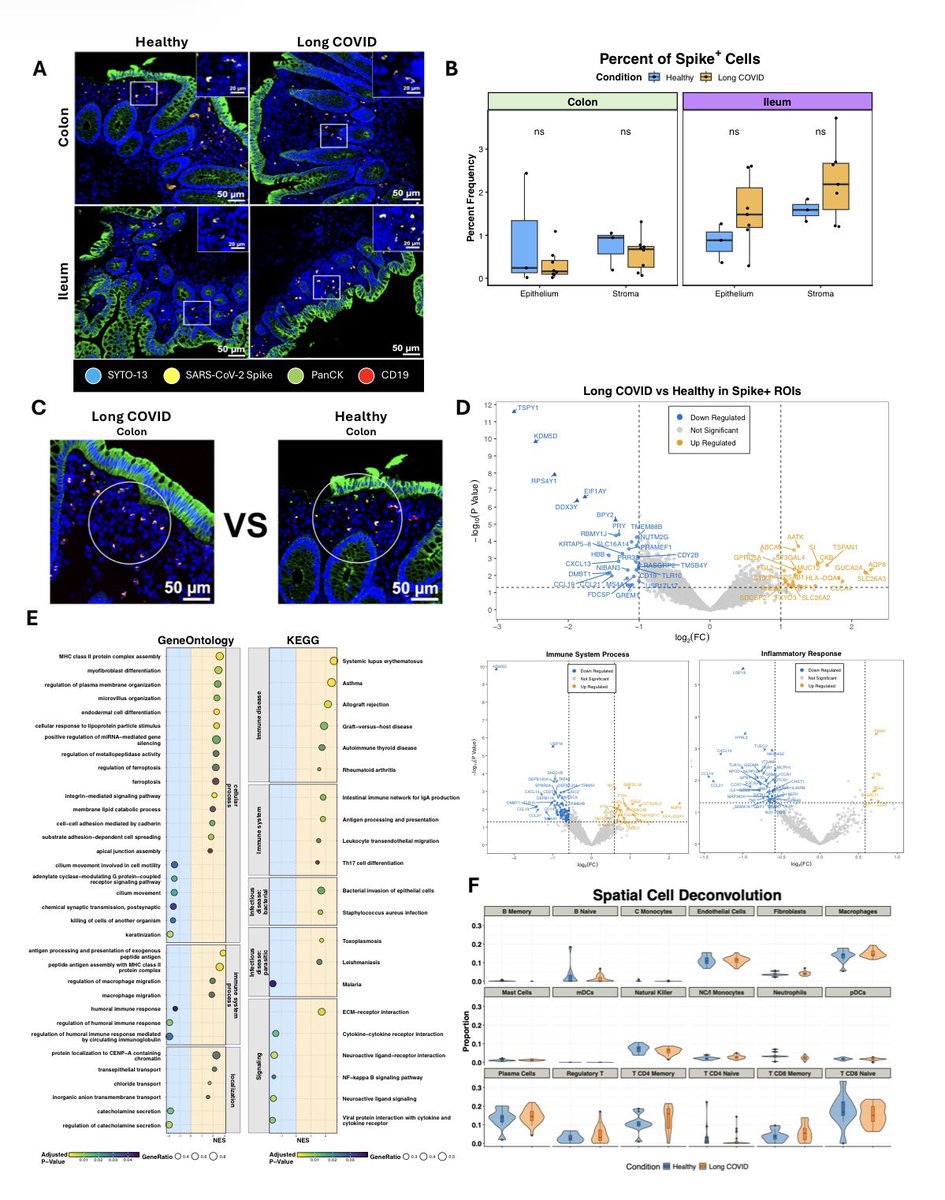
➡️ In these regions, genes linked to inflammation, immune dysfunction, and tissue stress were altered. 1/Image
Persistent spike-positive areas in the colon showed increased immune cell activity, including:

• Macrophages
• Plasma cells
• Regulatory T cells

Suggesting an active local immune response in the gut.

➡️ Researchers also found disrupted expression of key immune-signaling genes, indicating impaired immune coordination and chronic inflammation in gut tissues. 2/Image
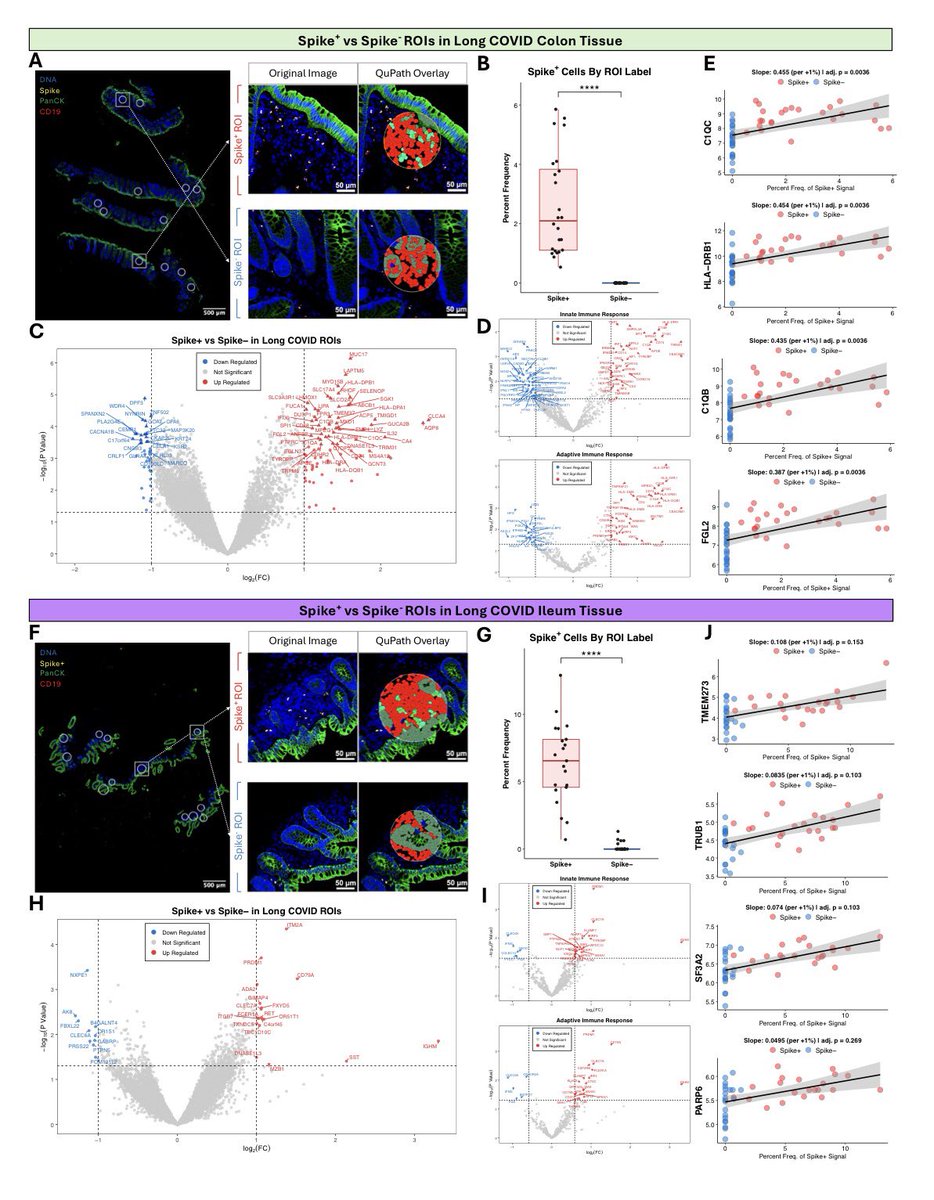
SARS-CoV-2 persistence is a proposed driver of Long COVID (LC), but the in-situ relationship between residual viral antigen and immune dysregulation remains poorly defined.

➡️ This NEW study provides robust evidence that persistent SARS-CoV-2 Spike protein detection in the gut is not immunologically inert.

➡️ Instead, it is actively associated with distinct, immune cell composition shifts and a dysfunctional pro-inflammatory transcriptional profile, supporting the hypothesis that retained viral antigen drives chronic immune dysregulation in tissue of LongCOVID subjects. 3/Image
Read 4 tweets
Mar 10
New research suggests that gut bacteria may contribute to neurological symptoms in #LongCOVID.

➡️ Small particles released by gut microbes—called extracellular vesicles—may trigger inflammation affecting both the body and the brain.

➡️ Scientists found that people with Long COVID and neurological symptoms show a persistent imbalance in gut microbiota.

➡️ This altered microbiome may disrupt the intestinal barrier and promote systemic inflammation. 1/Image
In experiments, transferring gut microbes from LongCOVID patients into mice caused intestinal barrier damage and signs of brain inflammation.

➡️ This suggests a biological link between the gut and neurological symptoms. 2/ Image
Gut microbe–derived vesicles were shown to activate inflammatory pathways and immune cells, including microglia in the brain.

➡️ These processes may contribute to symptoms such as brain fog. 3/ Image
Read 4 tweets
Feb 22
Scientists have identified a possible new cause of chronic constipation — called “bacterial constipation.”

➡️ Certain gut bacteria can damage the mucus layer in the colon, making stool dry and hard to pass.

➡️ The researchers found that two bacteria work together to cause this problem:

• Akkermansia muciniphila
• Bacteroides thetaiotaomicron

➡️ They break down intestinal mucus that normally keeps stool moist and easy to pass. 1/Image
This discovery may explain why some people with chronic constipation do not respond to usual treatments.

➡️ The problem may not always be slow bowel movement — it could be changes in gut bacteria. 2/ Image
Researchers also found higher levels of these mucus-destroying bacteria in Parkinson’s disease patients, who often have long-standing constipation.

➡️ Gut bacteria may play a role in symptoms previously blamed only on nerve damage. 3/ Image
Read 4 tweets
Feb 18
New study links #LongCOVID symptoms with mitochondrial dysfunction.

➡️ Patients with PASC had lower levels of circulating mitochondrial DNA and poorer cognitive performance than recovered controls. 1/ Image
Key findings in 228 adults:

• LongCOVID group showed worse cognition
• Higher psychological distress
• More inflammation
• Lower circulating mitochondrial DNA levels

➡️ Suggests energy-production problems may underlie symptoms. 2/ Image
Researchers found:

-Better cognitive function was linked to higher mitochondrial DNA levels in the blood.

-Higher inflammation markers were linked to lower mitochondrial DNA. 3/ Image
Read 5 tweets
Feb 17
A small brain-imaging study found that people with #LongCOVID showed slower thinking and reaction times during a cognitive task.

➡️ Advanced MRI scans revealed changes in how important brain networks communicate with each other, especially those involved in attention, language, and decision-making. 1/Image
Researchers found altered connectivity in key brain networks:

• Salience network
• Language network
• Central executive network
• Sensorimotor and visual networks

➡️ These systems are essential for attention, decision-making, and task control. 2/ Image
The most prominent deficits were seen in the salience network, which helps the brain detect and respond to important stimuli.

➡️ Connectivity problems in this network were more severe with longer illness duration. 3/ Image
Read 5 tweets

Did Thread Reader help you today?

Support us! We are indie developers!


This site is made by just two indie developers on a laptop doing marketing, support and development! Read more about the story.

Become a Premium Member ($3/month or $30/year) and get exclusive features!

Become Premium

Don't want to be a Premium member but still want to support us?

Make a small donation by buying us coffee ($5) or help with server cost ($10)

Donate via Paypal

Or Donate anonymously using crypto!

Ethereum

0xfe58350B80634f60Fa6Dc149a72b4DFbc17D341E copy

Bitcoin

3ATGMxNzCUFzxpMCHL5sWSt4DVtS8UqXpi copy

Thank you for your support!

Follow Us!

:(