Now >5 years out from onset of SARS-CoV-2 pandemic, the mechanisms driving #LongCOVID are just beginning to be elucidated. Adipose tissue has been proposed as a potential reservoir for viral persistence and tissue dysfunction contributing to symptomology seen in LongCOVID 1/
Stanford researchers found that COVID infection causes lasting gene expression changes in subcutaneous fat, depleting immune pathways and increasing Hox gene activity, but these changes were not linked to #LongCOVID. 2/
No persistent SARS-CoV-2 RNA was detected in adipose tissue, suggesting that fat is not a viral reservoir. However, adipose transcription remodeling after COVID infection may affect metabolism and inflammation without directly causing LongCOVID. 3/3
Globally, NB.1.8.1 is now the dominant variant. The WHO has issued a warning about rising COVID-19 activity in the Western Pacific, Southeast Asia, and Eastern Mediterranean, driven by NB.1.8.1 this week.
H/T: @RajlabN
Classified as a "variant under monitoring" by the WHO & “ Nimbus” by @TRyanGregory, NB.1.8.1 has triggered a seventh consecutive week of surges in Southeast Asia. Taiwan has seen ER visits double again this week. 2/
Researchers found that people with LongCOVID fatigue have damaged gut barriers & signs of immune activation.
Preexisting gastrointestinal symptoms before COVID infection predisposed people to developing LongCOVID fatigue. 1/
LongCOVID patients were found to have an increased LBP/sCD14 ratio & lower IL-33 levels, which indicates altered immune activation & a reduced intestinal barrier. In addition, there were increased IL-6 levels, which are considered a marker for systemic inflammation. 2/
LBP/sCD14 is the ratio of lipopolysaccharide binding protein to soluble CD14.
This study emphasizes the impact of SARS-CoV-2 infection on the gut, which might be associated with the onset of Fatigue seen in LongCovid patients. 3/
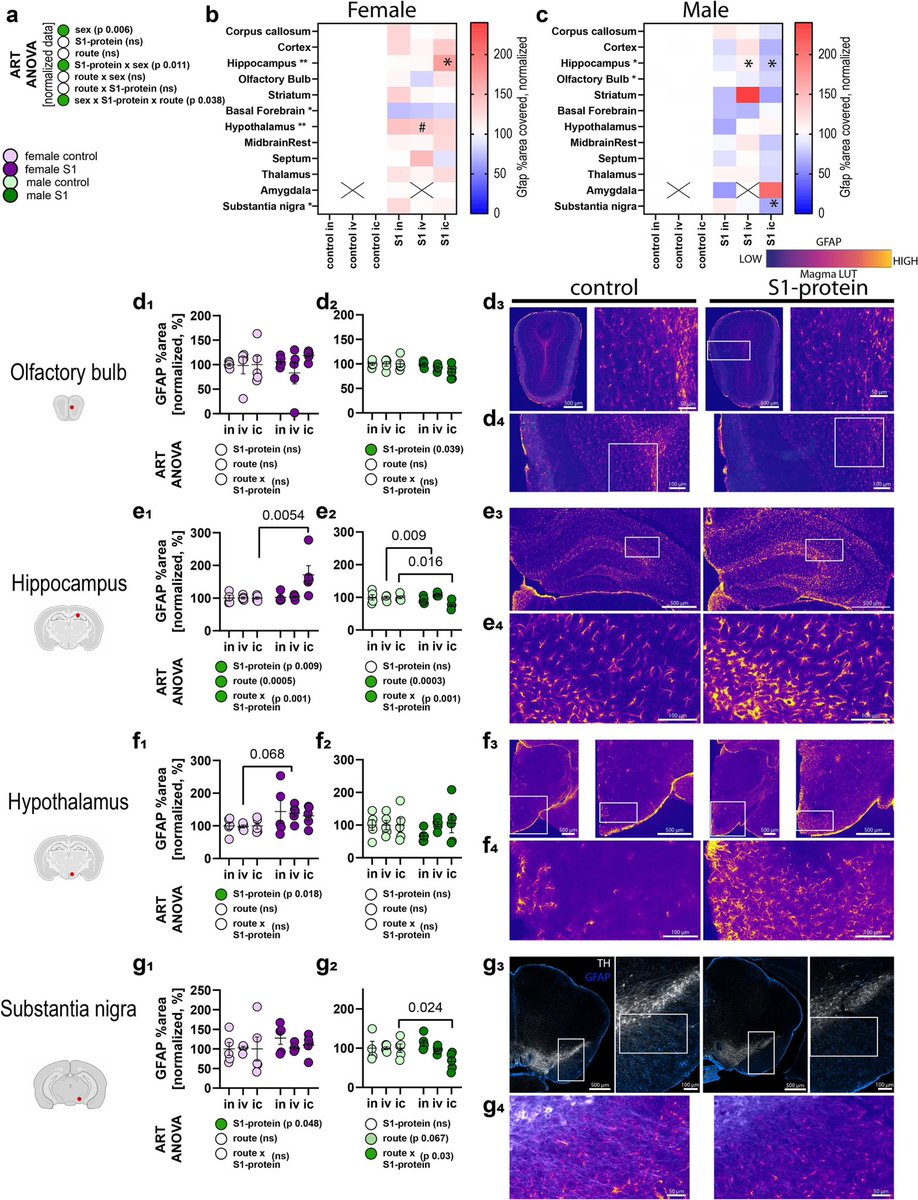
A new study from Germany found that intravenous administration of the SARS-CoV-2 spike protein in mice led to neuroinflammation and accumulation of alpha-synuclein in brain regions associated with Parkinson’s disease. 1/
Authors also discovered “sex-dependent alterations in astrocyte reactivity and parvalbumin-positive interneurons.” 2/
These findings suggest that exposure to the spike protein alone, without full viral infection, may contribute to neurodegenerative processes linked to Parkinson's, thus highlighting potential long-term neurological risks following COVID infection. 3/
A significant discovery in the fight against #LongCovid!
➡️ Researchers have identified the epipharynx, a part of the pharynx, as a key site for chronic inflammation driven by residual SARS-CoV-2 RNA. 1/
Using a next-generation molecular mapping technology called Visium HD spatial transcriptomics, researchers from Japan provided the world's first high-resolution spatial gene expression analysis of the epipharynx in patients with longCOVID. 2/
According to the study, the viral RNA from SARS-CoV-2 can persist in the epipharynx for more than six months post-infection, and here they activate local immune signals in specialized cells like B cells, plasmacytoid dendritic cells, and ciliated epithelial cells. 3/
A new article on #LongCOVID shows that millions of Americans continue to suffer from LongCOVID which is a very complex and heterogeneous disease, with no diagnostic tests and no approved treatments. 1/
New clinical trials will target specific biological pathways including immune dysfunction and autoimmunity, viral persistence, and microclots rather than treating LongCOVID as a single disease. 2/
Trials include REVERSE-LC, which will use the immune-modulating drug baricitinib, and ADDRESS-LC, which will test bezisterim, a novel anti-inflammatory that can cross the blood-brain barrier. 3/
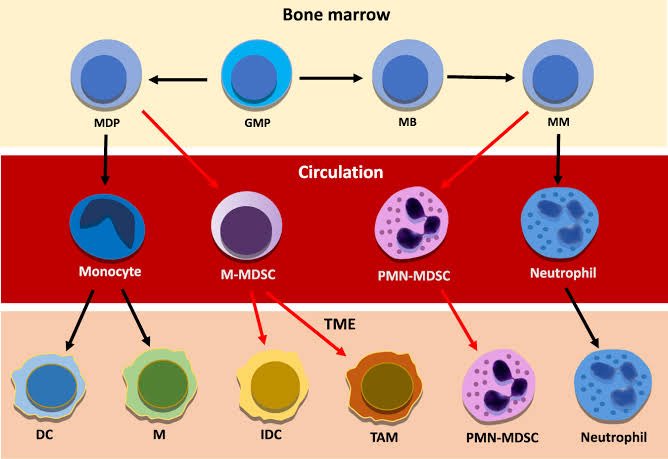
A study new finds that neutrophils—the most abundant white blood cells in humans—may be altered by SARS-CoV-2 virus to cease their normal function of destroying pathogens in the body and, instead, significantly inhibit other immune cells critical for fighting the virus. 1/
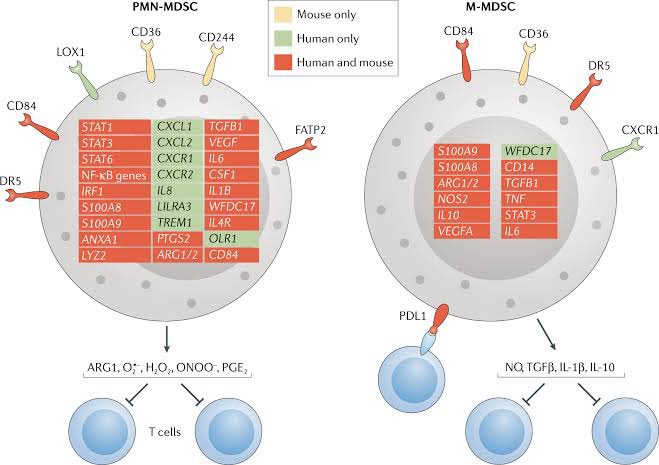
The study finds that in some COVID infections, SARS-CoV-2 may dramatically impair the immune response by reprogramming neutrophils—front-line immune cells central to fighting infections—into a cell type called polymorphonuclear myeloid derived suppressor cells (PMN-MDSCs) 2/
Polymorphonuclear myeloid derived suppressor cells (PMN-MDSCs) are known to suppress virus-fighting T cells & it is believed that the reprogramming that creates them could provide a mechanism by which severe COVID, a more dangerous form of the disease, may arise. 3/