Now that this @GazaFFlotilla has been interdicted & @GretaThunberg + her band of merry voyagers are safely off to their next publicity stunt, no doubt many ppl (including me) are glad the "selfie yacht" will soon disappear from news coverage & our social media feeds.
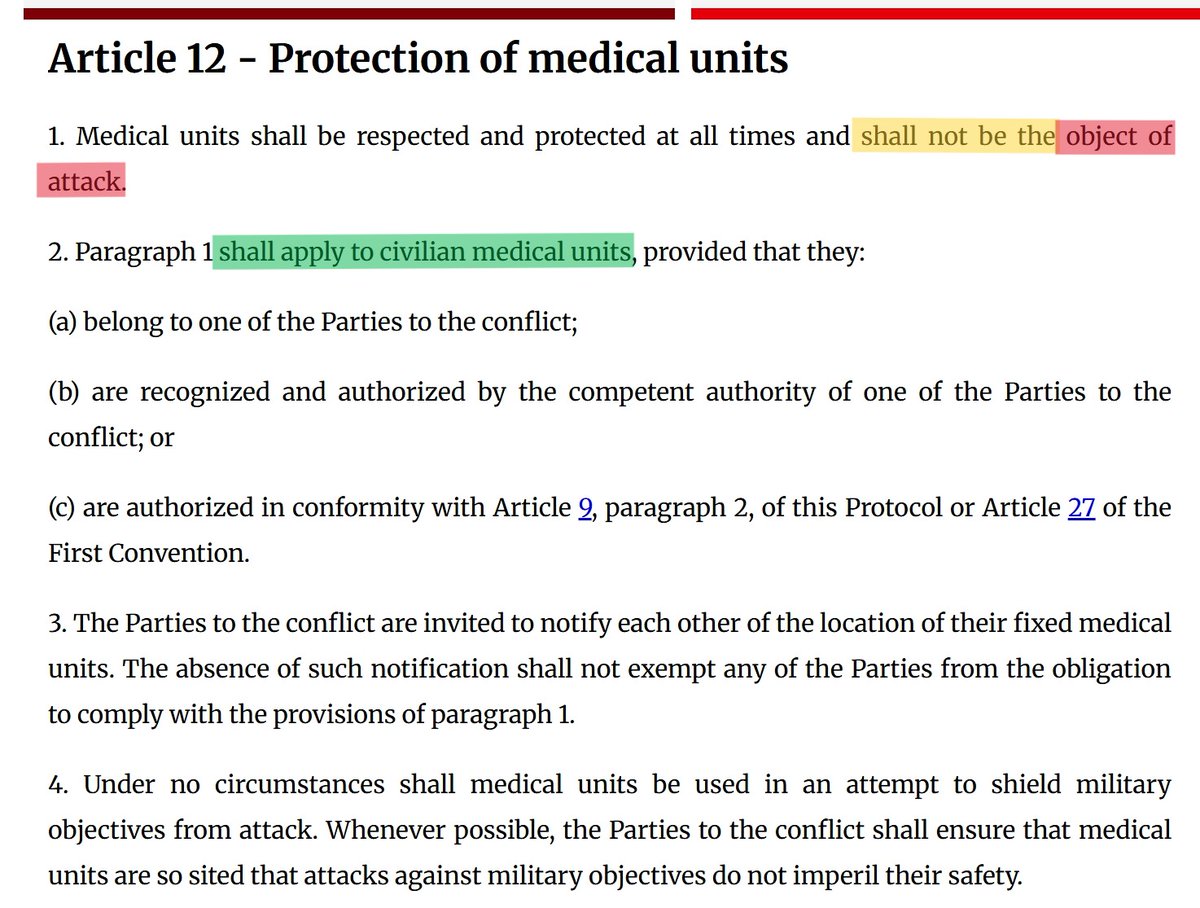
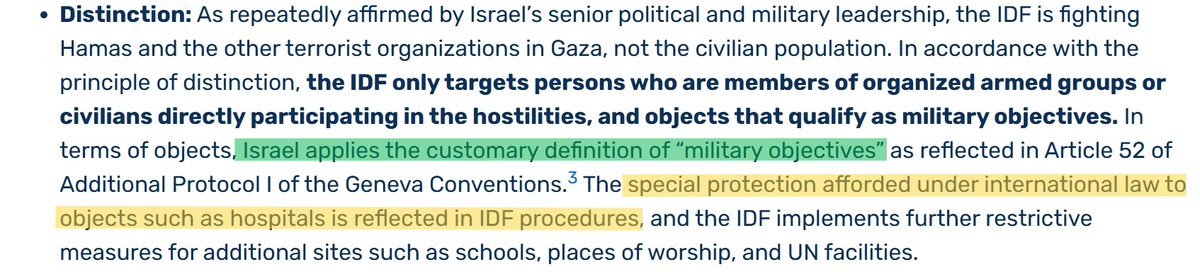
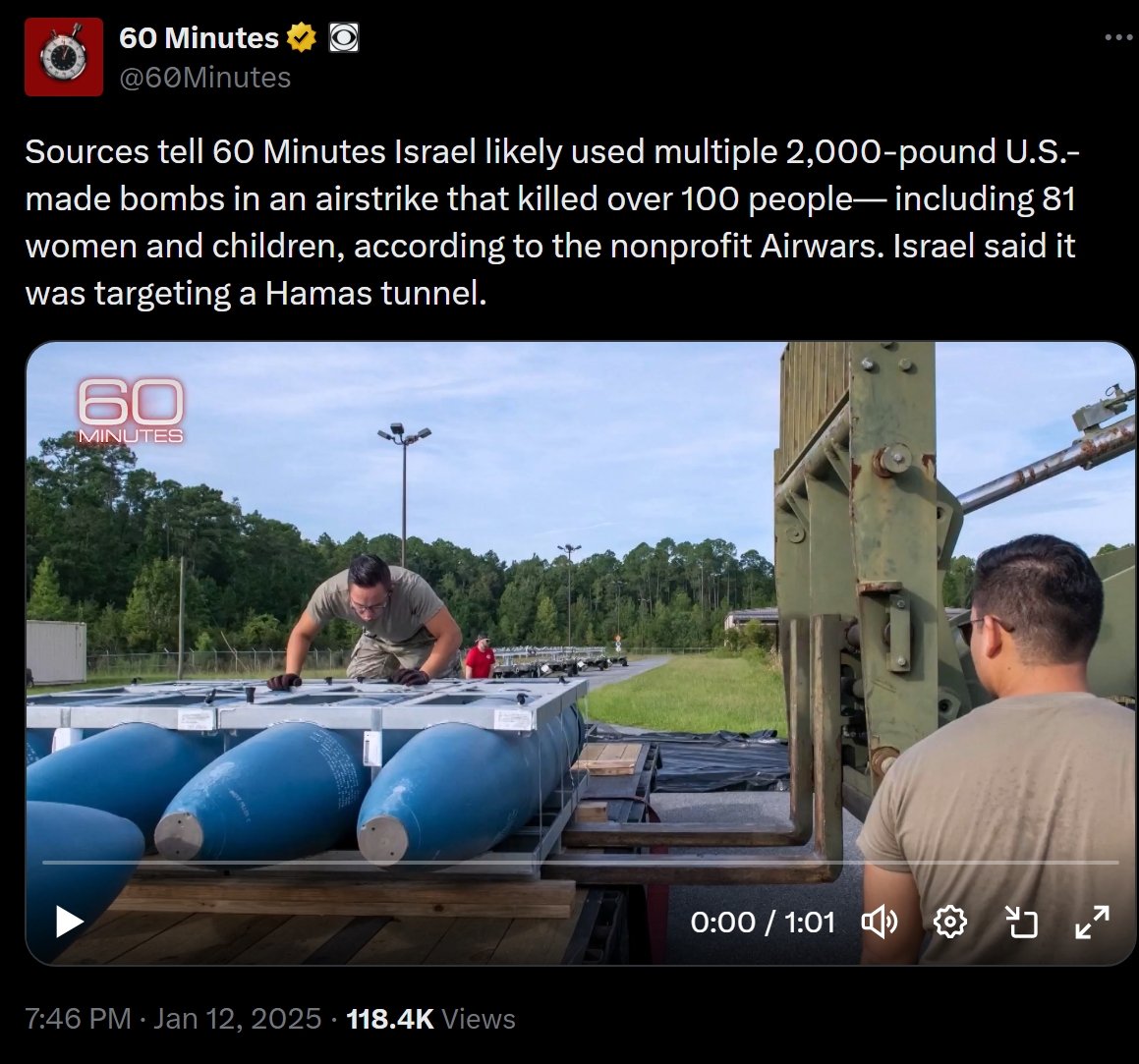
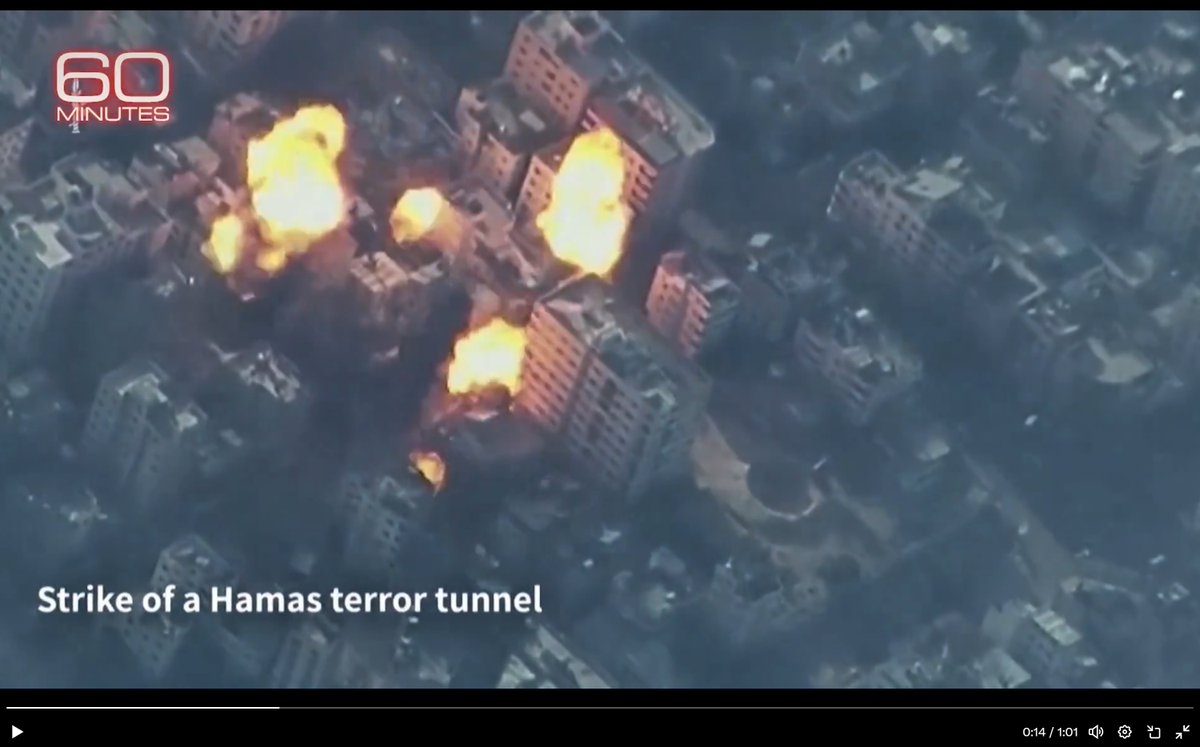
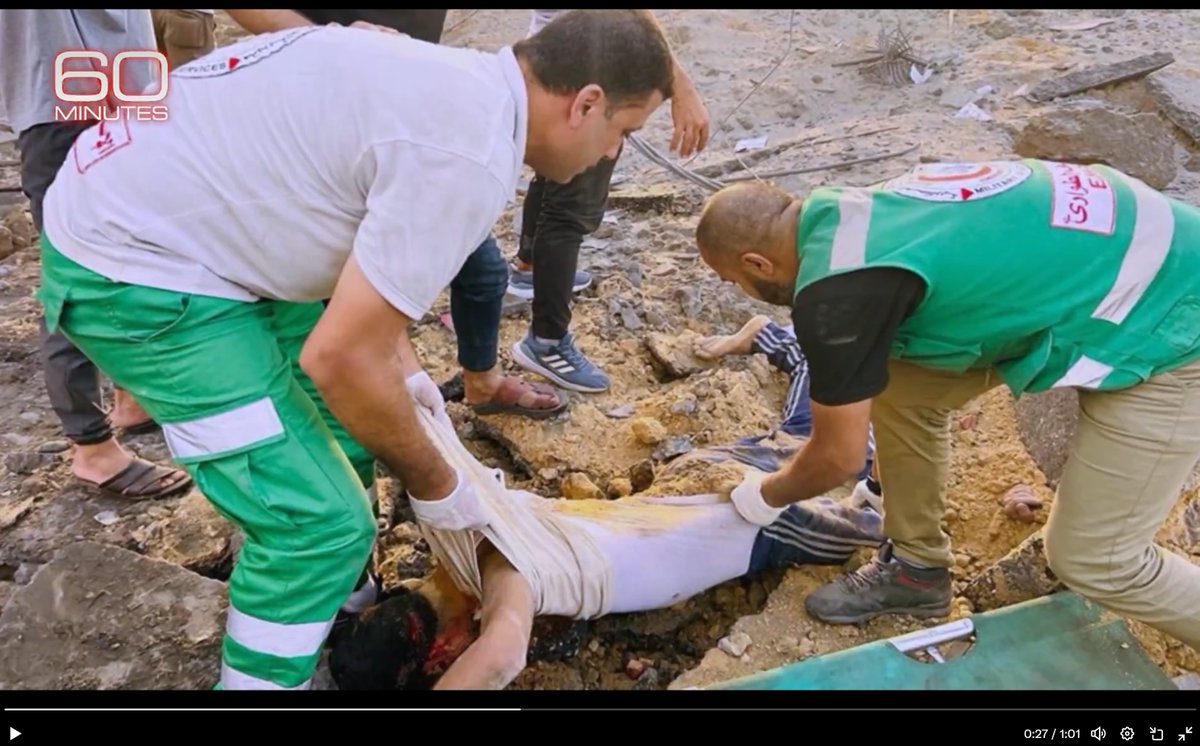
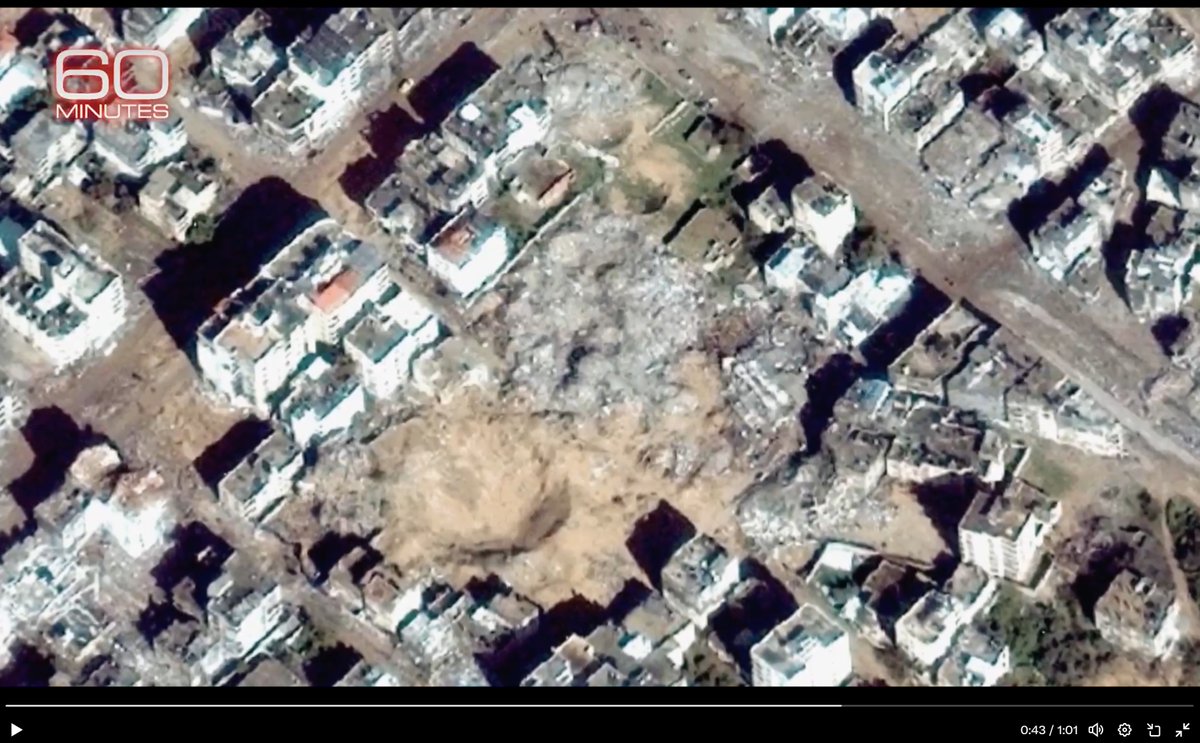
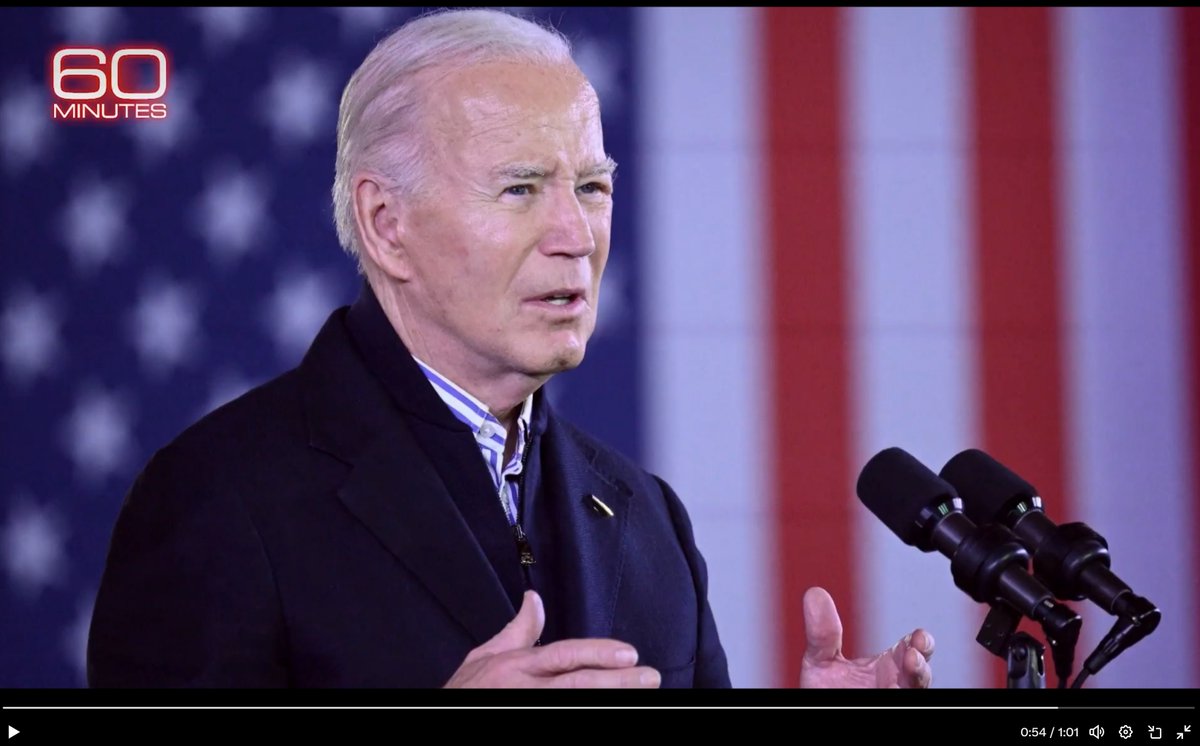
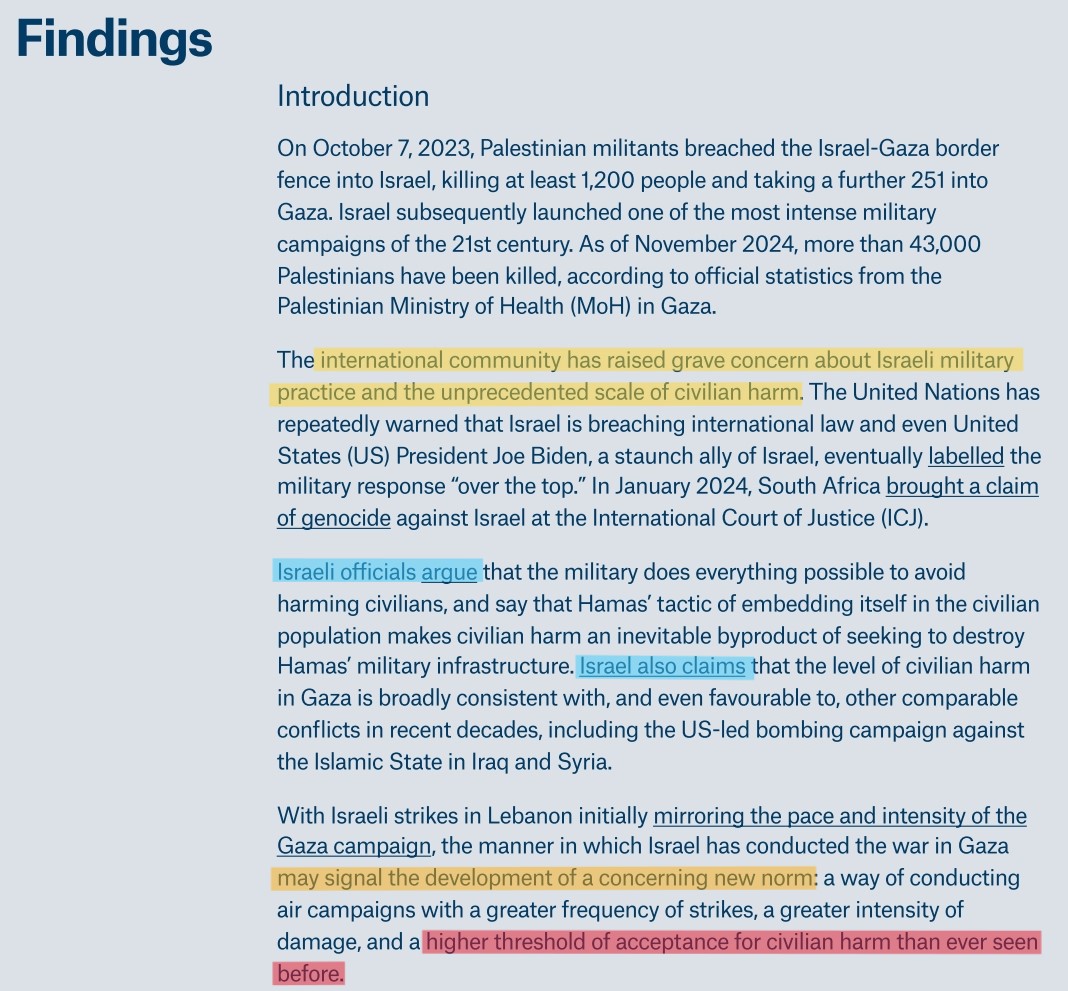
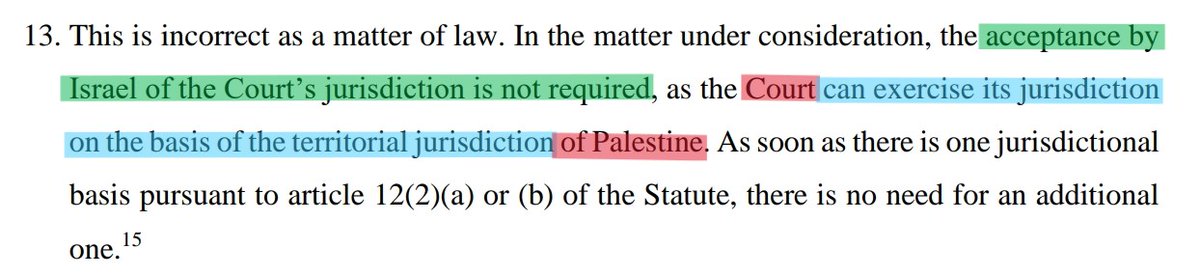
As it does, it's not a bad idea to pause for a moment to reflect on how & why the language of int'l law has been distorted, manipulated & inverted to generate & amplify global activism in support of yet another "pro-Palestinian" cause. Like nearly all such advocacy campaigns, language of int'l law is relied upon to convert a preferred policy outcome (what gov'ts & concerned citizens should do) into an apparent obligatory action (what gov'ts/citizens must do). To supplement assertions in QTd post, I've attached screenshots of two other examples (among probably thousands) of similar advocacy that draws on int'l law language to create the appearance of similar "obligations."
Let's first consider why int'l legal terminology is routinely misrepresented to construct the appearance of obligatory actions. Distorting int'l law in this way is immensely dangerous, and increasingly so, for a number of reasons.
- First, distortions of int'l law are now widely used to justify all manners of social disruption & even political violence. If we were to paraphrase sentiment behind this phenomenon, it might sound something like this: "My gov't is failing in its obligation to ______, so I am justified by taking matters into my own hands to do it for them." In reality, the gov't likely wasn't obliged to take action represented by the blank space. It was just some advocacy group or activist "expert" who distorted the language of int'l law to fabricate the "obligation," and Iran's useful idiots throughout the West who either don't know any better or want to believe the pseudo-legal assertion then take it upon themselves take action their gov'ts are (apparently) "failing" to implement on their own.
- That's the sentiment behind the activism. Another reason these legal distortions are dangerous is the political violence it encourages is increasingly being directed at Jews as a proxy for "protest" against @Israel. The recent murders of Yaron Lischinsky & Sarah Milgrim in DC & firebombing attack against Jewish demonstrators in Boulder justifiably result in headlines & global attention because of the outrageous nature of these senseless acts of violence. Even so, these tragedies represent the tip of the iceberg of increasingly aggressive & violent hate being directed at members of the Jewish population. At the core of this escalating & abhorrent (often) violent antisemitism is language of int'l law that has been misrepresented & subverted in service of the Palestinian "liberation" movement.
- The last significant danger I'll address here before examining specific distortions reflected in advocacy supporting this "#FreedomFlotilla" is ongoing erosion of perceived legitimacy of int'l law. Gov'ts such as 🇬🇧🇨🇦🇫🇷🇪🇸🇺🇸 & 🇮🇱 that have been subjected to targeted & coordinated PR campaign supporting "flotillia" are tasked with applying int'l law as it exists in doctrine. Their legal advisors are not tasked with applying popular perceptions of int'l law. As gov'ts are increasingly perceived to be "failing" to apply & comply with relevant provisions of int'l law, popular apathy & even hostility toward international law itself is the predictable result. As perceived legitimacy of int'l law continues to erode, the enduring actual effectiveness of a body of law that has gradually evolved to benefit int'l community as a whole is increasingly at risk.
Ok, those are some reflections on why this matters. The global advocacy campaign that has coalesced around this "Freedom Flotilla" is just one example in a broader study of how the language of int'l law is systemically distorted & manipulated to fabricate the perception that gov'ts & concerned citizens must take specified action. Now let's take a closer look at how these distortions are achieved.
As we'll see below in analyzing points raised in this QTd post, there is not one legitimate articulation of int'l law as it exists in doctrine represented in this PR campaign. Even so, the language of int'l law is the foundation upon which global advocacy is built.
Here's the foundational "legal" claim in QT'd post: "The UK has a legal duty to protect its vessel and the civilians aboard from Israeli interference." Notice correlation between language of law & advocated actions that comes next: "Under international law, the UK must:". Then 3 specific actions 🇬🇧 "must" do - pursuant to obligations established in int'l "law" - are presented. Here they are, with analysis of each.
• Prevent genocide.
While it is true that 🇬🇧 "must" prevent genocide (pursuant to art. I of Genocide Convention), @FCDOGovUK has not made an official public determination that 🇮🇱 is committing "genocide." Often claims that "genocide" is being carried out are based on provisional measures @CIJ_ICJ has indicated in 🇿🇦 v. 🇮🇱 "genocide" case, but this is a fundamental misrepresentation of purpose for ICJ provisional measures. I've addressed this point extensively in commentary on the matter, as have many other int'l law specialists. For now it's sufficient to emphasize 🇬🇧 hasn't determined that "genocide" is being committed, so obligation to prevent "genocide" hasn't been activated. Incidentally, rhetoric such as that utilized in support of "Freedom Flotilla" is precisely why allegations of "genocide" have become so prevalent in public discourse since Oct 7. Obligations to prevent & punish genocide & incitement to commit genocide are well established in conventional int'l law. Distorting language of int'l law (in this case, intent element of "genocide") is a way to construct perception that countries must take action to "stop" the "genocide" allegedly being carried out by 🇮🇱. In reality, though, intent to destroy - in whole - a transnational terrorist group that instigates large scale armed conflict by committing one of the most horrific atrocities in living memory then deliberately hides & fights among its own civilian population is not genocide. It is war.
• Reject Israel’s illegal blockade of Gaza.
I assess there is a reasonable argument to be made that Israel's conduct at sea near Gaza does not, in fact, constitute a "blockade" as a matter of law. But @IsraelMFA characterizes it as a blockade, so I'll leave legal nuance regarding whether it actually is for another day. Let's assume it is a blockade. If so, the assertion it is illegal is unsubstantiated. Again, not to belabor this point - but it is helpful here to refer to a report published in 2011 for then-@UN Sec-Gen involving a similar "flotilla" interdiction in 2010. In sum, this "Palmer Report" determined, "The fundamental principle of the freedom of navigation on the high seas is subject to only certain limited exceptions under international law. Israel faces a real threat to its security from militant groups in Gaza. The naval blockade was imposed as a legitimate security measure in order to prevent weapons from entering Gaza by sea and its implementation complied with the requirements of international law." These conditions regarding "a real threat to [Israel's] security from militant groups in Gaza," of course, remain present still today. As the San Remo Manual indicates (para 67a), vessels of "neutral States" may not be attacked unless they are determined to be "... breaching a blockade, and after prior warning they intentionally and clearly refuse to stop, or intentionally and clearly resist visit, search or capture." In this case, the "flotilla" was warned that it was breaching a blockade, it stopped, & 🇮🇱 interdicted vessel (apparently) without resorting to force. So, the blockade and interdiction actually comply with int'l law. Neither actions are, in fact, "illegal."
• Defend its flagged ship from unlawful attacks.
Right. There are so many problems with this assertion it's difficult to know where to begin. Let's start with each country's obligations in relation to its own population. There is no doubt that a country must respect rights of those who are present "within its territory and subject to its jurisdiction." Quotation here is from art. 2(1) of International Covenant on Civil and Political Rights (ICCPR). Not all countries have ratified ICCPR, but those that are being targeted by "Freedom Flotilla" & other Palestinian "liberation" advocacy have - including 🇬🇧. There's a reason states have agreed to respect rights of those "within its territory and subject to its jurisdiction" by ratifying ICCPR. This is the space over which each State maintains effective control. Countries may provide assistance to, and under certain conditions protect rights of, its nationals situated beyond its territory & control - but it has no obligation to do so. Another glaring problem with this assertion regarding an "obligation" to "defend its flagged ships unlawful attacks" involves exercise of "jurisdiction" on the high seas or in territorial waters of another country. In general, there is no such obligation - or under normal circumstances even authority to do so. Finally, a State such as 🇮🇱 interdicting a vessel attempting to breach a blockade doesn't constitute an "unlawful" attack as long as conditions addressed in previous point are met. For any number of reasons, then, this purported "obligation" to defend a country's flagged ship from unlawful attack does not exist.
There are certainly other issues to address in relation to the global PR campaign behind the "Freedom Flotilla." Analysis above hits the main points at least in this QTd post. What we should take away from this is that the language of international law is often distorted in specific ways to construct the appearance of a legal obligation from a preferred policy outcome. To counter this rampant #legaldisinformation, it is important to be able to recognize & affirm the difference between propaganda & law.
As it does, it's not a bad idea to pause for a moment to reflect on how & why the language of int'l law has been distorted, manipulated & inverted to generate & amplify global activism in support of yet another "pro-Palestinian" cause. Like nearly all such advocacy campaigns, language of int'l law is relied upon to convert a preferred policy outcome (what gov'ts & concerned citizens should do) into an apparent obligatory action (what gov'ts/citizens must do). To supplement assertions in QTd post, I've attached screenshots of two other examples (among probably thousands) of similar advocacy that draws on int'l law language to create the appearance of similar "obligations."
Let's first consider why int'l legal terminology is routinely misrepresented to construct the appearance of obligatory actions. Distorting int'l law in this way is immensely dangerous, and increasingly so, for a number of reasons.
- First, distortions of int'l law are now widely used to justify all manners of social disruption & even political violence. If we were to paraphrase sentiment behind this phenomenon, it might sound something like this: "My gov't is failing in its obligation to ______, so I am justified by taking matters into my own hands to do it for them." In reality, the gov't likely wasn't obliged to take action represented by the blank space. It was just some advocacy group or activist "expert" who distorted the language of int'l law to fabricate the "obligation," and Iran's useful idiots throughout the West who either don't know any better or want to believe the pseudo-legal assertion then take it upon themselves take action their gov'ts are (apparently) "failing" to implement on their own.
- That's the sentiment behind the activism. Another reason these legal distortions are dangerous is the political violence it encourages is increasingly being directed at Jews as a proxy for "protest" against @Israel. The recent murders of Yaron Lischinsky & Sarah Milgrim in DC & firebombing attack against Jewish demonstrators in Boulder justifiably result in headlines & global attention because of the outrageous nature of these senseless acts of violence. Even so, these tragedies represent the tip of the iceberg of increasingly aggressive & violent hate being directed at members of the Jewish population. At the core of this escalating & abhorrent (often) violent antisemitism is language of int'l law that has been misrepresented & subverted in service of the Palestinian "liberation" movement.
- The last significant danger I'll address here before examining specific distortions reflected in advocacy supporting this "#FreedomFlotilla" is ongoing erosion of perceived legitimacy of int'l law. Gov'ts such as 🇬🇧🇨🇦🇫🇷🇪🇸🇺🇸 & 🇮🇱 that have been subjected to targeted & coordinated PR campaign supporting "flotillia" are tasked with applying int'l law as it exists in doctrine. Their legal advisors are not tasked with applying popular perceptions of int'l law. As gov'ts are increasingly perceived to be "failing" to apply & comply with relevant provisions of int'l law, popular apathy & even hostility toward international law itself is the predictable result. As perceived legitimacy of int'l law continues to erode, the enduring actual effectiveness of a body of law that has gradually evolved to benefit int'l community as a whole is increasingly at risk.
Ok, those are some reflections on why this matters. The global advocacy campaign that has coalesced around this "Freedom Flotilla" is just one example in a broader study of how the language of int'l law is systemically distorted & manipulated to fabricate the perception that gov'ts & concerned citizens must take specified action. Now let's take a closer look at how these distortions are achieved.
As we'll see below in analyzing points raised in this QTd post, there is not one legitimate articulation of int'l law as it exists in doctrine represented in this PR campaign. Even so, the language of int'l law is the foundation upon which global advocacy is built.
Here's the foundational "legal" claim in QT'd post: "The UK has a legal duty to protect its vessel and the civilians aboard from Israeli interference." Notice correlation between language of law & advocated actions that comes next: "Under international law, the UK must:". Then 3 specific actions 🇬🇧 "must" do - pursuant to obligations established in int'l "law" - are presented. Here they are, with analysis of each.
• Prevent genocide.
While it is true that 🇬🇧 "must" prevent genocide (pursuant to art. I of Genocide Convention), @FCDOGovUK has not made an official public determination that 🇮🇱 is committing "genocide." Often claims that "genocide" is being carried out are based on provisional measures @CIJ_ICJ has indicated in 🇿🇦 v. 🇮🇱 "genocide" case, but this is a fundamental misrepresentation of purpose for ICJ provisional measures. I've addressed this point extensively in commentary on the matter, as have many other int'l law specialists. For now it's sufficient to emphasize 🇬🇧 hasn't determined that "genocide" is being committed, so obligation to prevent "genocide" hasn't been activated. Incidentally, rhetoric such as that utilized in support of "Freedom Flotilla" is precisely why allegations of "genocide" have become so prevalent in public discourse since Oct 7. Obligations to prevent & punish genocide & incitement to commit genocide are well established in conventional int'l law. Distorting language of int'l law (in this case, intent element of "genocide") is a way to construct perception that countries must take action to "stop" the "genocide" allegedly being carried out by 🇮🇱. In reality, though, intent to destroy - in whole - a transnational terrorist group that instigates large scale armed conflict by committing one of the most horrific atrocities in living memory then deliberately hides & fights among its own civilian population is not genocide. It is war.
• Reject Israel’s illegal blockade of Gaza.
I assess there is a reasonable argument to be made that Israel's conduct at sea near Gaza does not, in fact, constitute a "blockade" as a matter of law. But @IsraelMFA characterizes it as a blockade, so I'll leave legal nuance regarding whether it actually is for another day. Let's assume it is a blockade. If so, the assertion it is illegal is unsubstantiated. Again, not to belabor this point - but it is helpful here to refer to a report published in 2011 for then-@UN Sec-Gen involving a similar "flotilla" interdiction in 2010. In sum, this "Palmer Report" determined, "The fundamental principle of the freedom of navigation on the high seas is subject to only certain limited exceptions under international law. Israel faces a real threat to its security from militant groups in Gaza. The naval blockade was imposed as a legitimate security measure in order to prevent weapons from entering Gaza by sea and its implementation complied with the requirements of international law." These conditions regarding "a real threat to [Israel's] security from militant groups in Gaza," of course, remain present still today. As the San Remo Manual indicates (para 67a), vessels of "neutral States" may not be attacked unless they are determined to be "... breaching a blockade, and after prior warning they intentionally and clearly refuse to stop, or intentionally and clearly resist visit, search or capture." In this case, the "flotilla" was warned that it was breaching a blockade, it stopped, & 🇮🇱 interdicted vessel (apparently) without resorting to force. So, the blockade and interdiction actually comply with int'l law. Neither actions are, in fact, "illegal."
• Defend its flagged ship from unlawful attacks.
Right. There are so many problems with this assertion it's difficult to know where to begin. Let's start with each country's obligations in relation to its own population. There is no doubt that a country must respect rights of those who are present "within its territory and subject to its jurisdiction." Quotation here is from art. 2(1) of International Covenant on Civil and Political Rights (ICCPR). Not all countries have ratified ICCPR, but those that are being targeted by "Freedom Flotilla" & other Palestinian "liberation" advocacy have - including 🇬🇧. There's a reason states have agreed to respect rights of those "within its territory and subject to its jurisdiction" by ratifying ICCPR. This is the space over which each State maintains effective control. Countries may provide assistance to, and under certain conditions protect rights of, its nationals situated beyond its territory & control - but it has no obligation to do so. Another glaring problem with this assertion regarding an "obligation" to "defend its flagged ships unlawful attacks" involves exercise of "jurisdiction" on the high seas or in territorial waters of another country. In general, there is no such obligation - or under normal circumstances even authority to do so. Finally, a State such as 🇮🇱 interdicting a vessel attempting to breach a blockade doesn't constitute an "unlawful" attack as long as conditions addressed in previous point are met. For any number of reasons, then, this purported "obligation" to defend a country's flagged ship from unlawful attack does not exist.
There are certainly other issues to address in relation to the global PR campaign behind the "Freedom Flotilla." Analysis above hits the main points at least in this QTd post. What we should take away from this is that the language of international law is often distorted in specific ways to construct the appearance of a legal obligation from a preferred policy outcome. To counter this rampant #legaldisinformation, it is important to be able to recognize & affirm the difference between propaganda & law.


• • •
Missing some Tweet in this thread? You can try to
force a refresh