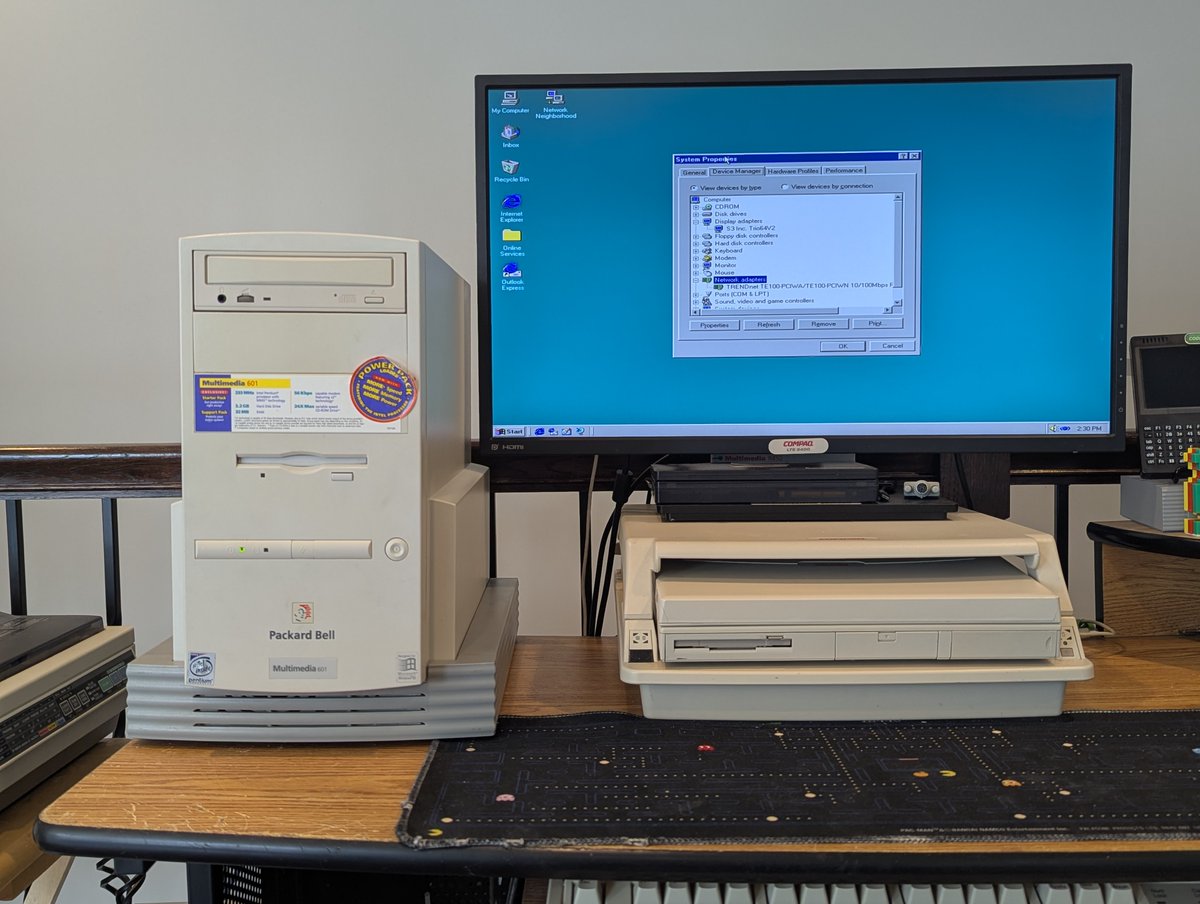
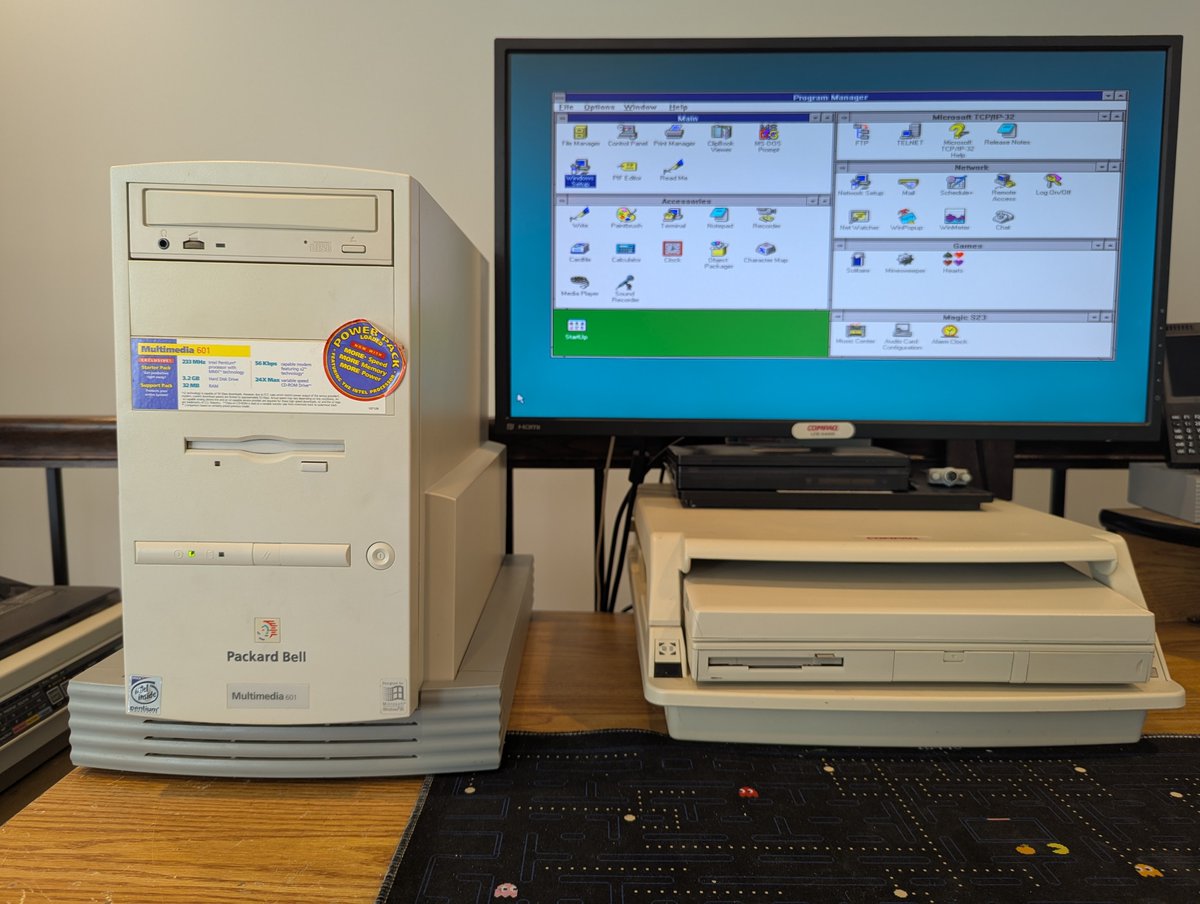
Time to do a case swap for my Pentium 233 MMX. We're going from one Enlight case to another! Here's the end result. I thought this was going to be easier than it was, let's talk about it in, you guessed it, a 🧵 here!
So, you might ask: why do a swap? Well, the current case for my Pentium 233 MMX is nice, but it is a little bit beat up. I found this poor computer in 2019 at Computer Reset being used as a "stepping stool" to get to higher shelves. And I rescued it!
I thought to myself "okay, this is only going to take a few minutes, I'll just swap the cover." Well, despite looking the same, these two Enlight AT cases are actually different! So that plan didn't work out 😂. The cover doesn't fit!!
Here's a comparison of the insides of the two computers. And you can see some subtle differences if you look closely for the case.
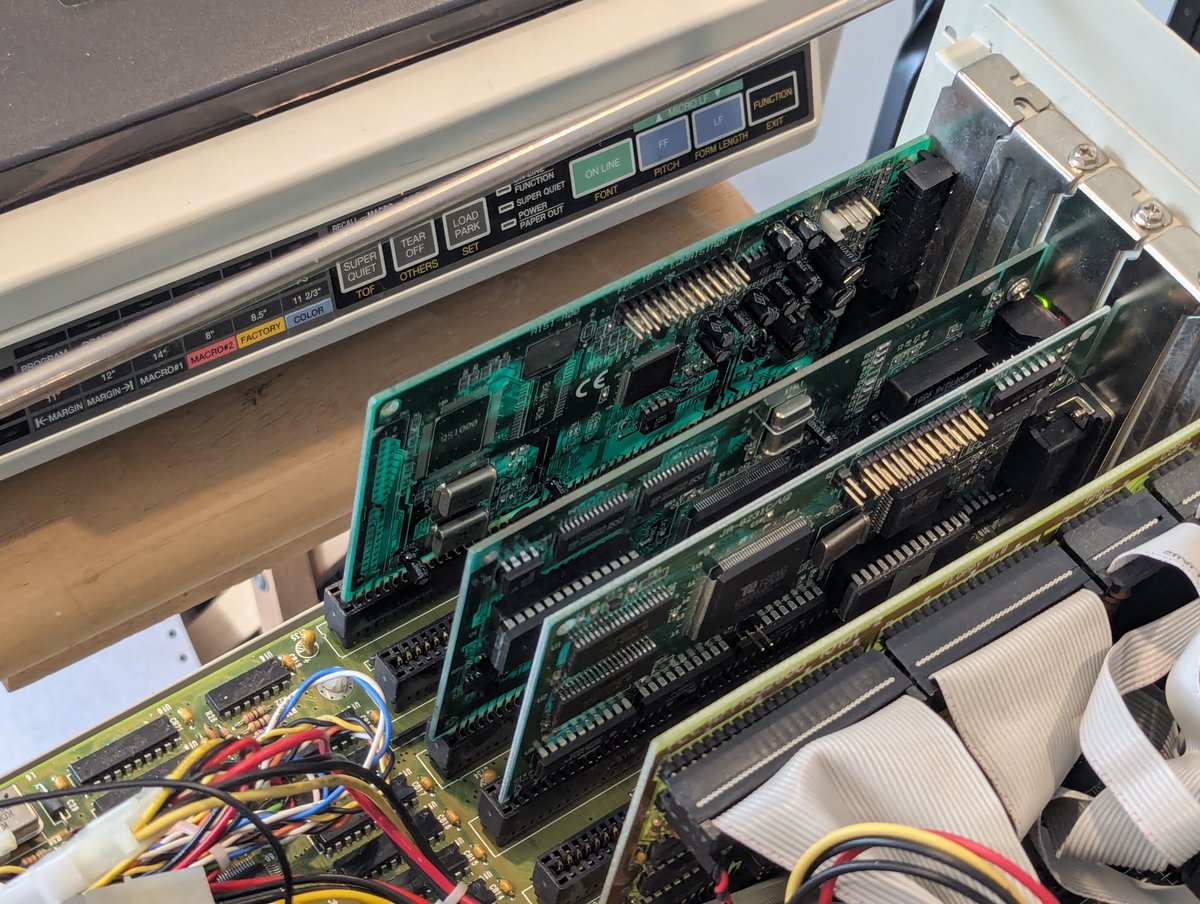
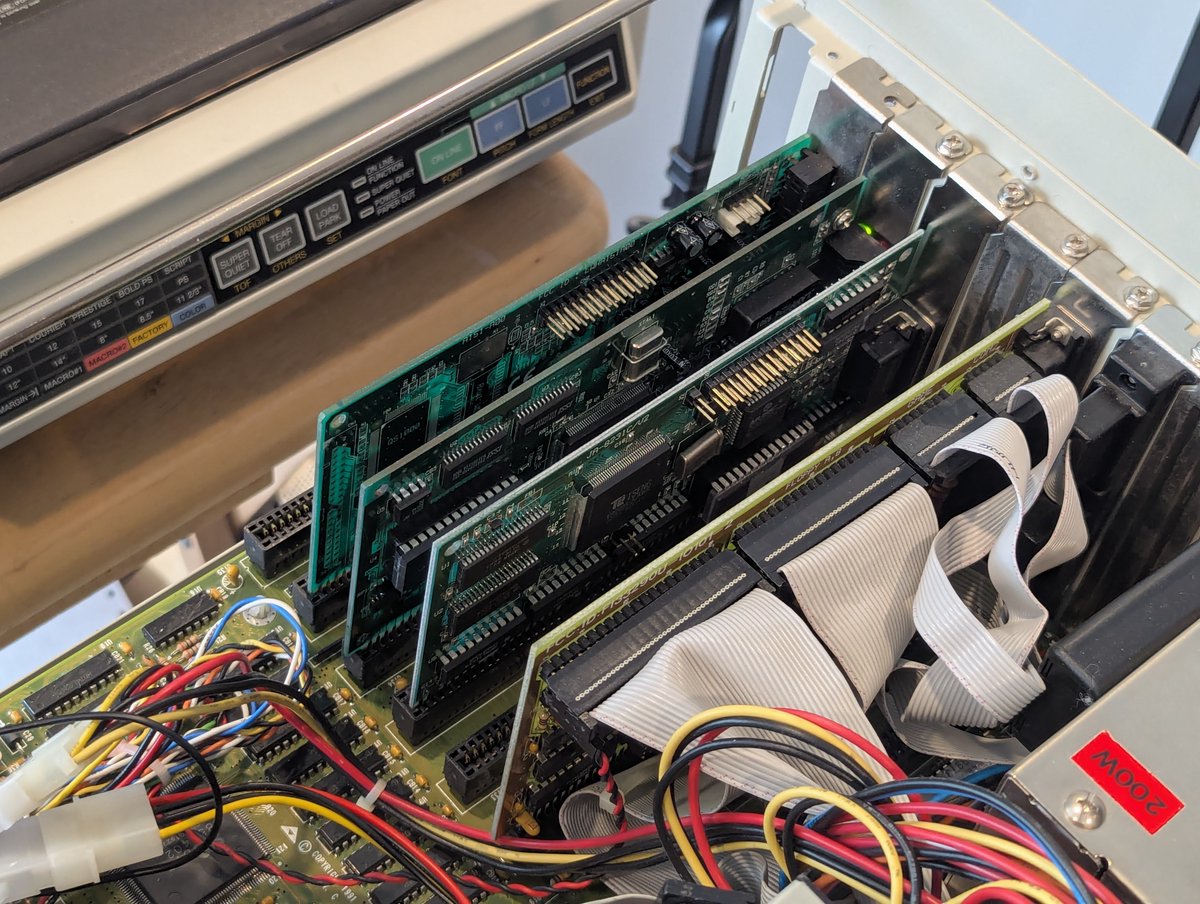
Before I started taking these apart, I took a picture of the card order and front-panel connectors. Not critical, but it serves as a guide.
Despite being different, many components are swappable, and we will take advantage of that. The front bezel, drive cage, and motherboard tray are all removable and swappable!
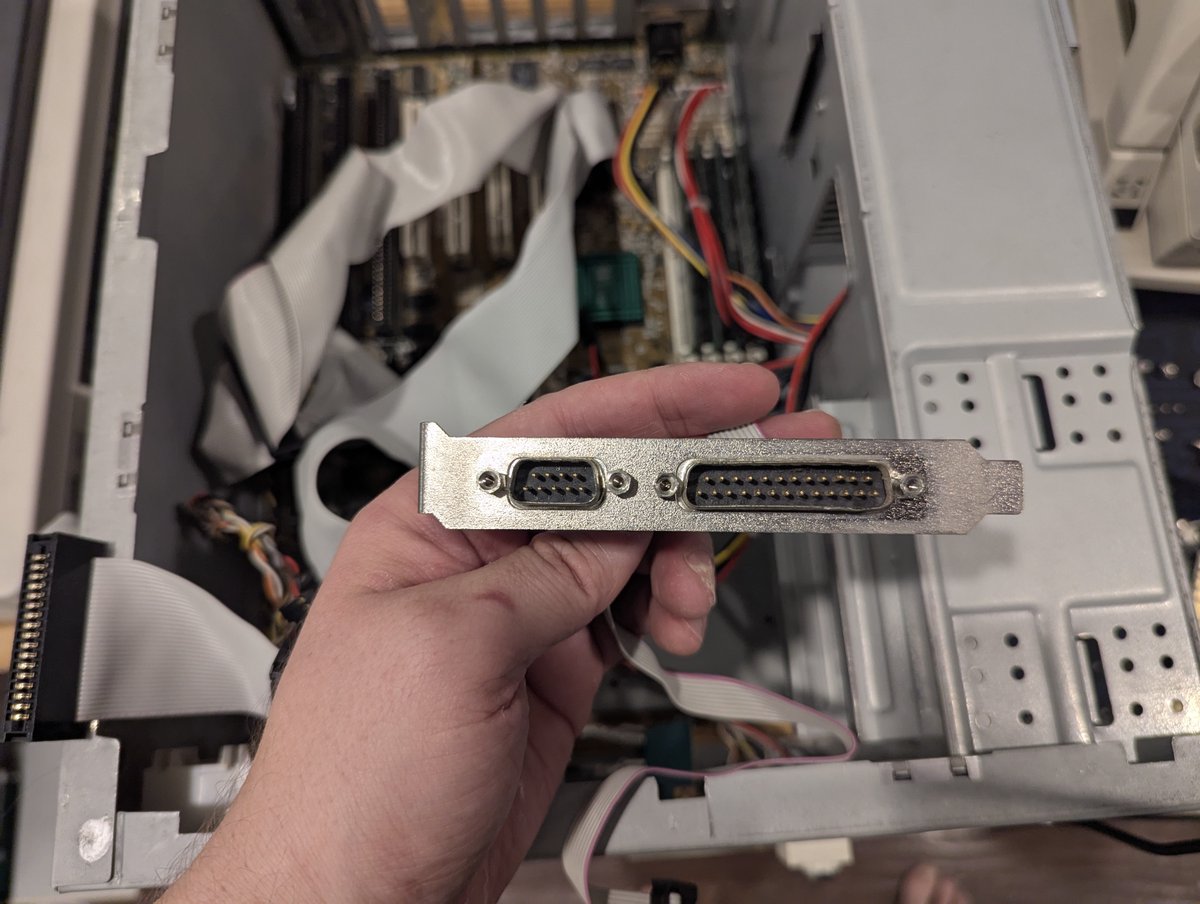
On my current case, the serial ports had been fastened to the case. Rather than remove the "blanks" on the new case, I decided to swap out the connectors and moved the bracket over (wasn't sure if they were the same pinouts). Of course, I got it backwards on the first attempt 😂
I had originally planned to keep the front bezel from the old case. But the newer one was slightly nicer, so I swapped over the badge to it!
I wanted to swap over the Pentium MMX badge too, but it was worse for the wear. I used double-sided tape for now. Maybe I will pick up a replacement reproduction badge from my good friend @geekenspiel!
After assembly, it was time to power on the Pentium 233 MMX. Naturally, the CMOS battery was dead, so I swapped in one of these cheap Amazon batteries.
And from there, reassembled, the computer was a total PAIN. Fiddling with the IDE, floppy and SCSI cable, I was FINALLY able to get everything seated and working properly.
Anyway, that will do it for now, thx for following along as always!
@threadreaderapp unroll
• • •
Missing some Tweet in this thread? You can try to
force a refresh

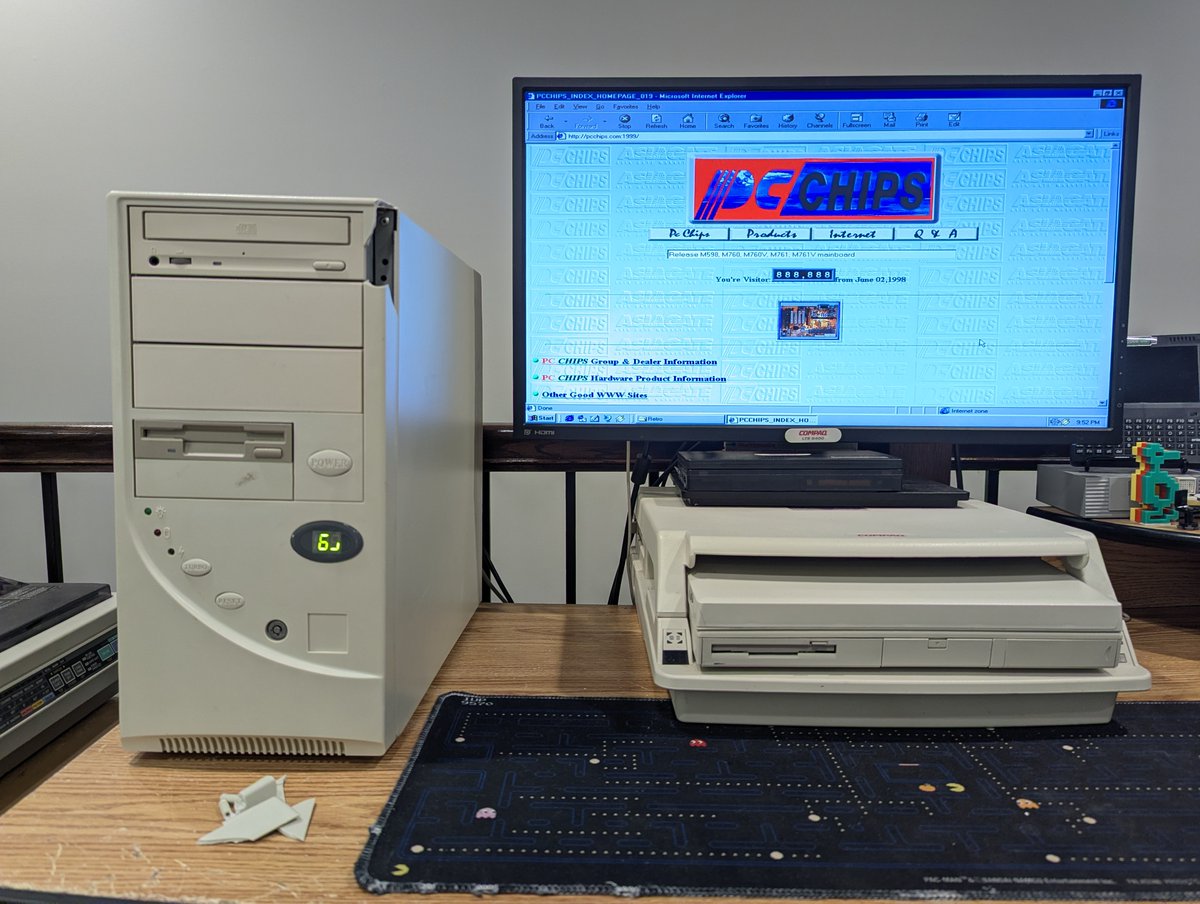
Let's talk about my newest PC acquisition, which might be the most budget build ever 🤣. But there was a reason for buying it. I'll cover that... along with a Windows 95 installation, in a 🧵. Let's go!

First, why did I buy this? Well, the plan was to do a case swap with another system I had, which had some strange "fit" issues. However, that planned got smashed... literally. So, I thought we might as well explore what's left of this PC!
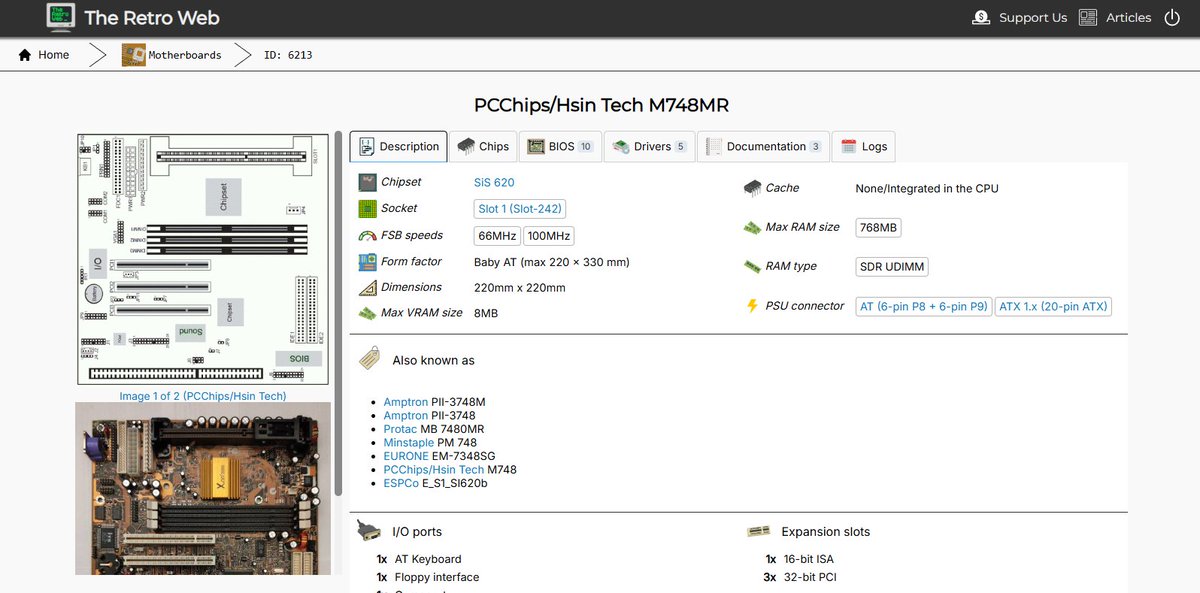
This system has a PC Chips M748MR motherboard, an Intel Celeron 400 MHz processor, and 16MB of RAM. Yikes! And of course the case is nothing fancy, but is nostalgic for me. But yea, this is the most budget build ever, for sure!
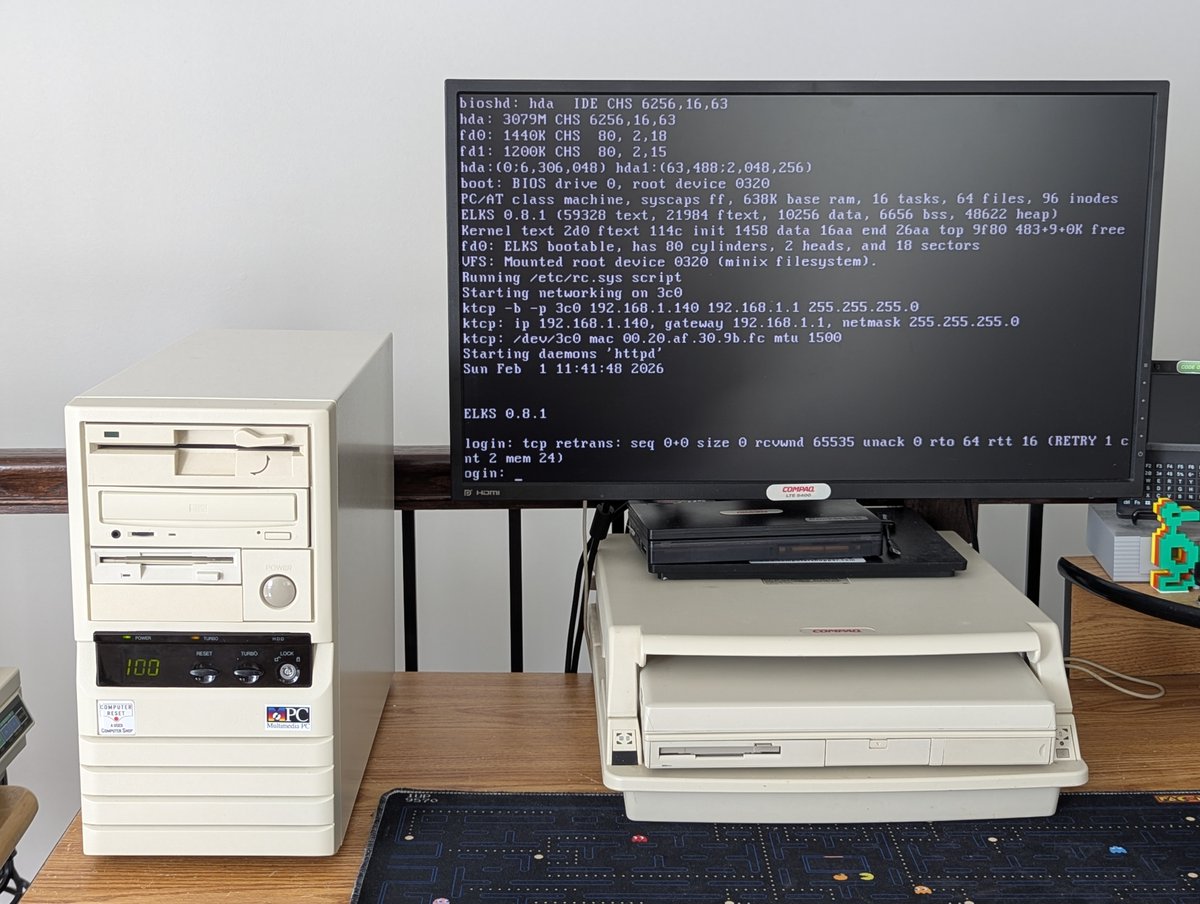
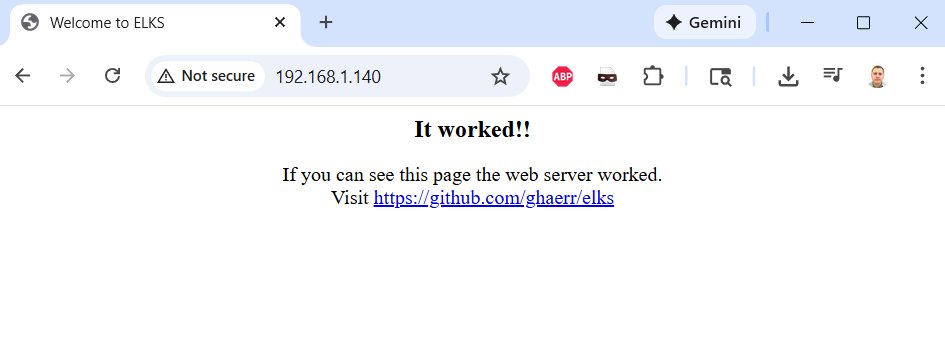
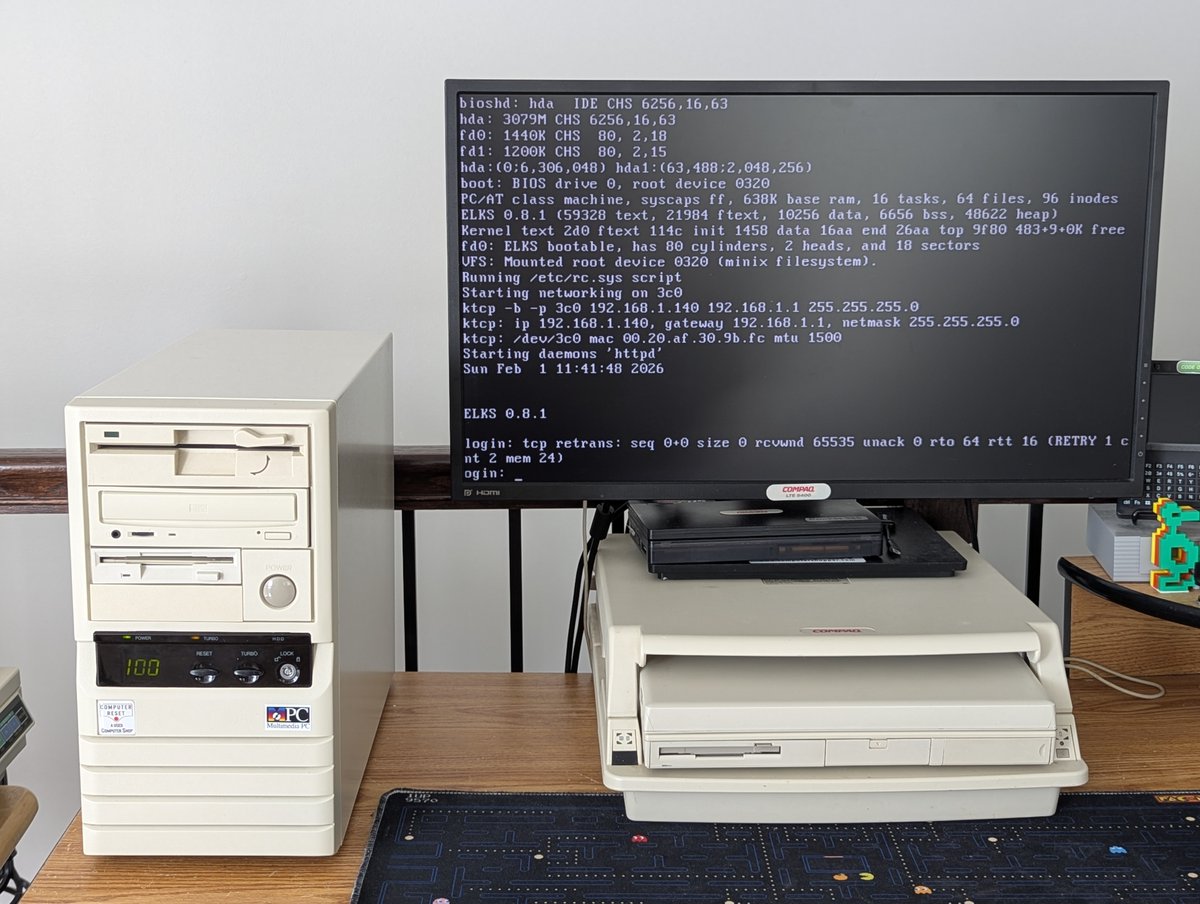
I just watched a video where YouTuber Action Retro set up a web server on a floppy disk using ELKS (the Embeddable Linux Kernel Subset). I thought, I have to try this for myself! Let's talk about it briefly in a 🧵
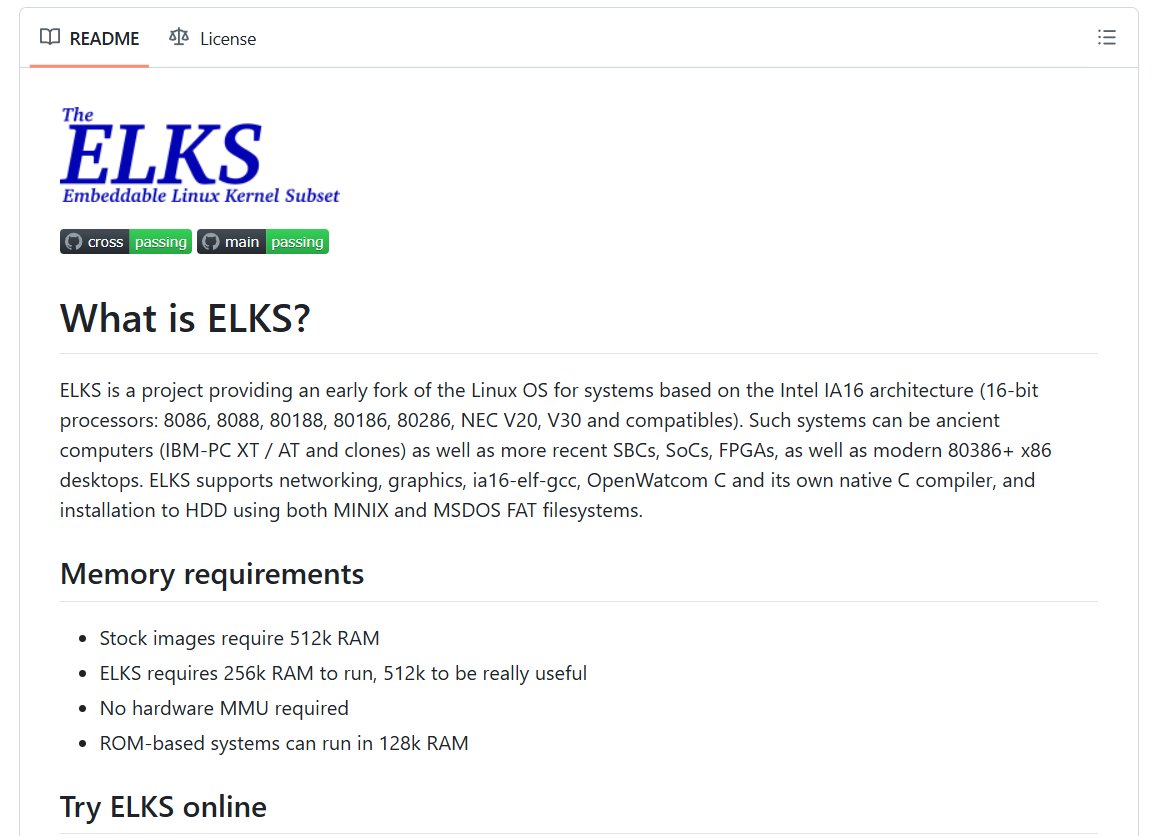
So, first of all, what is ELKS? It's the Embeddable Linux Kernel Subset, and it will run on a wide range of hardware, including 8088 systems. Pretty wild for a modern product! If you want to read more or try it out, GitHub repo is here: github.com/ghaerr/elks
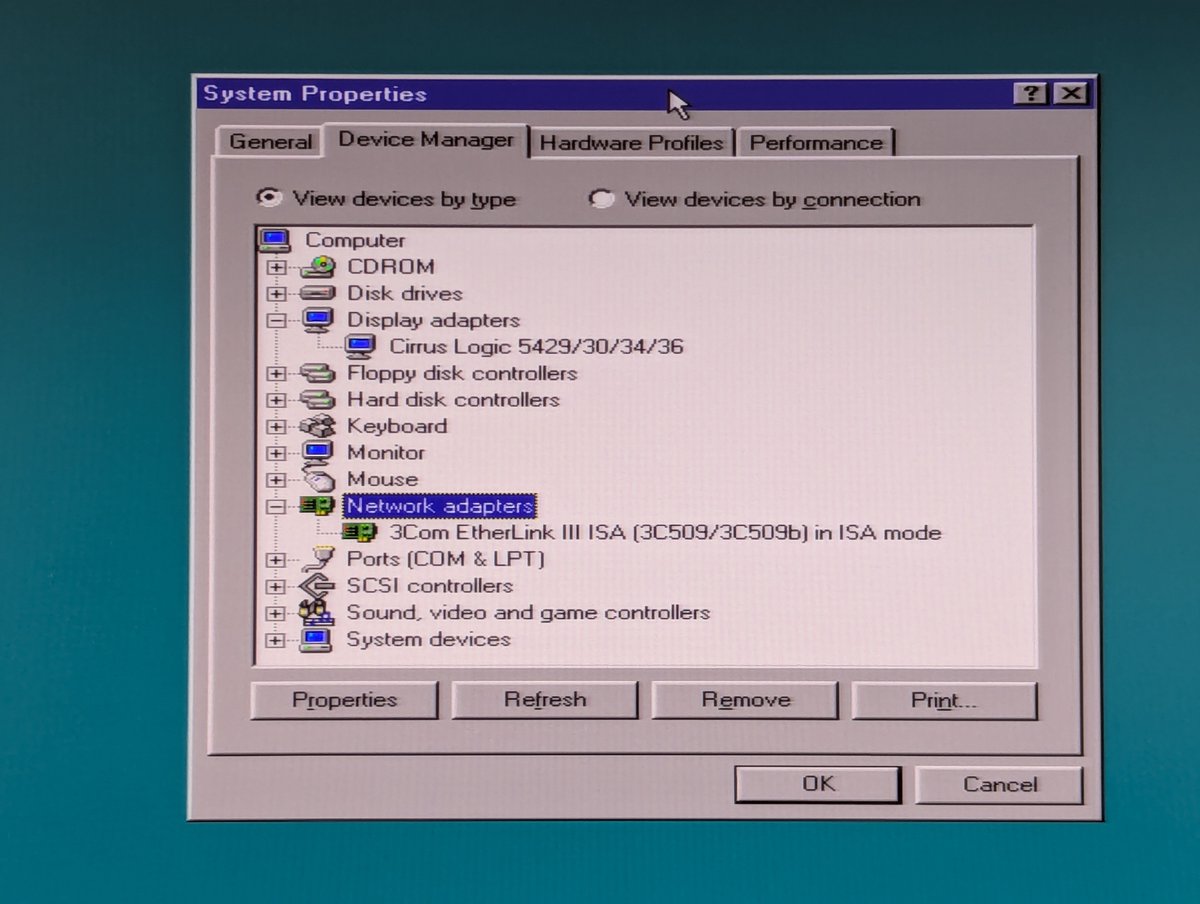
Alright, let's go. I need to choose a system that will support the networking for ELKS. Turning to the Wiki, as of right now, the network cards supported are NE1000, NE2000, Western Digital 8003, Western Digital 8013, and 3com Ethernet III (3c509). My 486 DX4 has a 3Com 3c509!
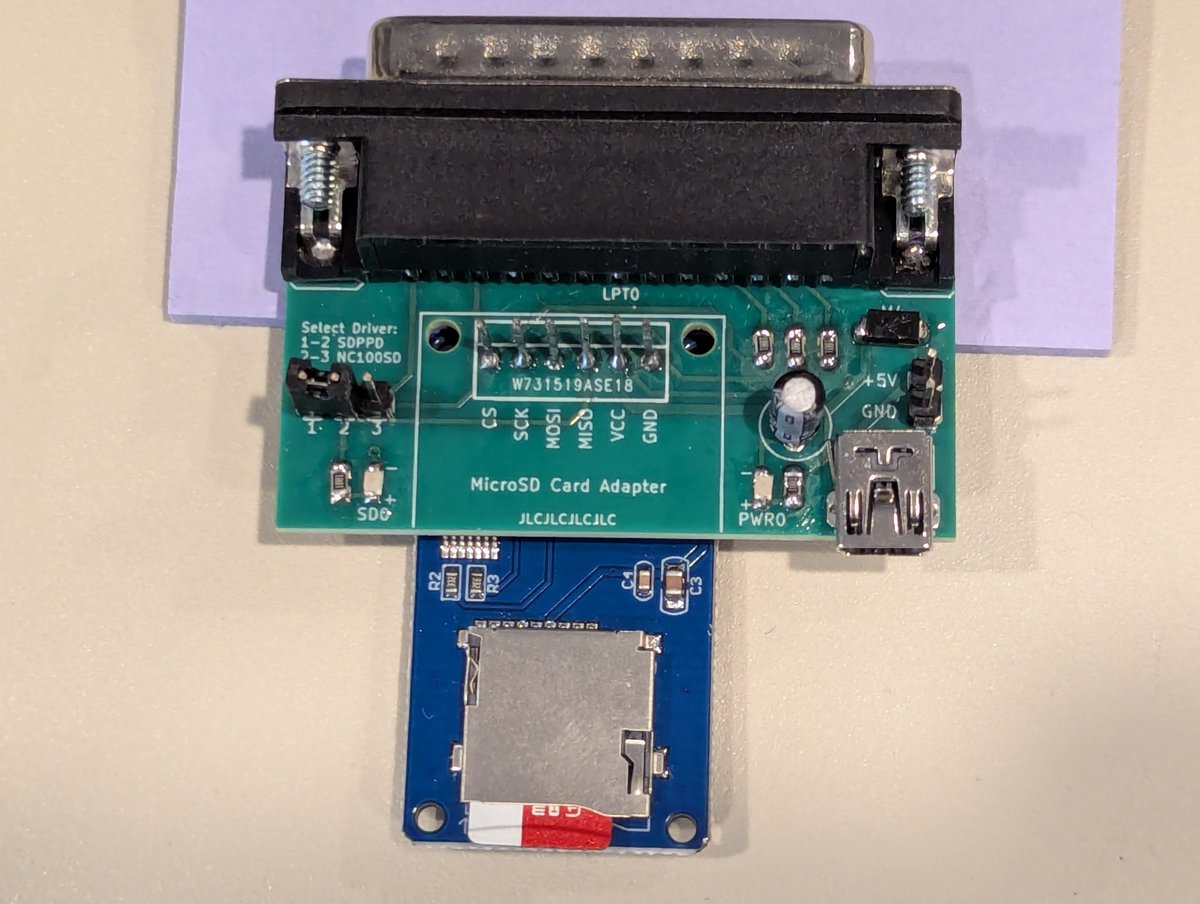
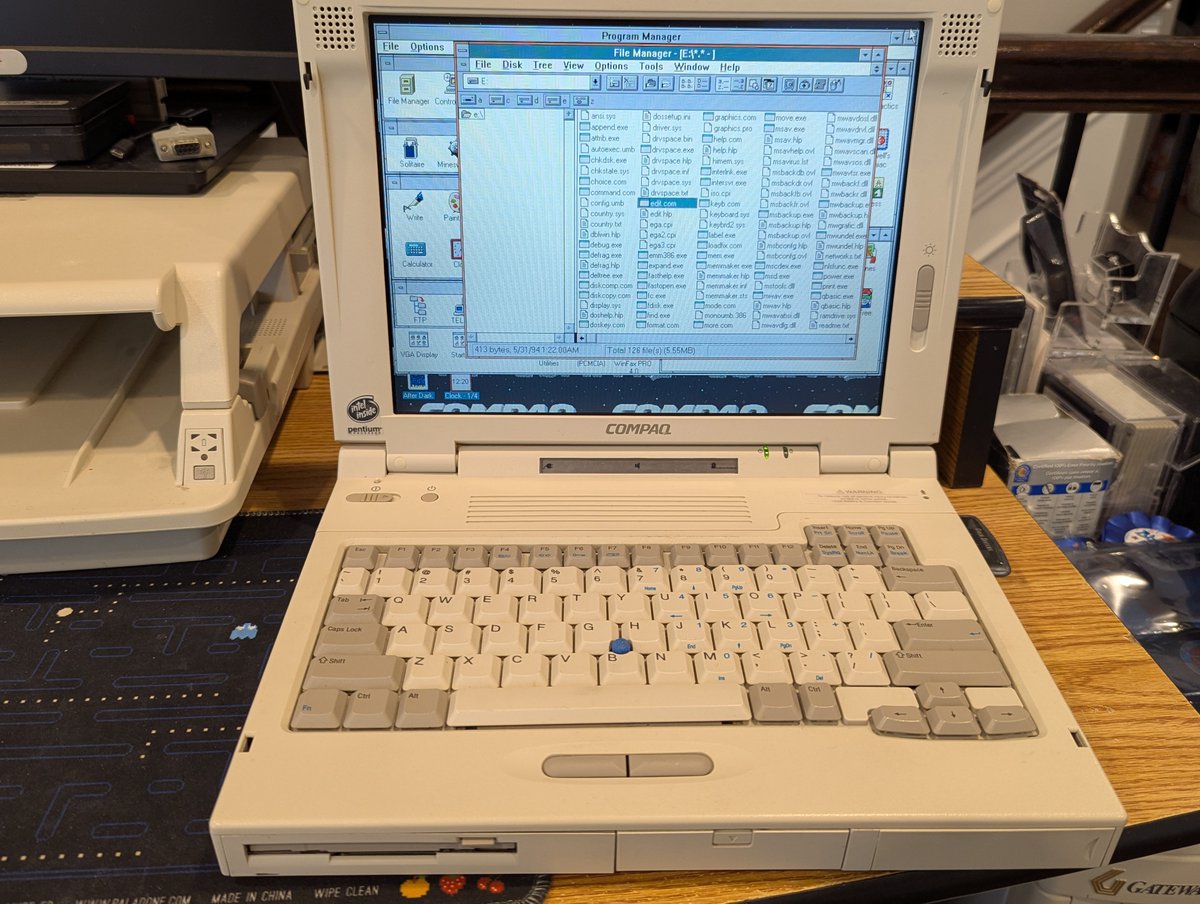
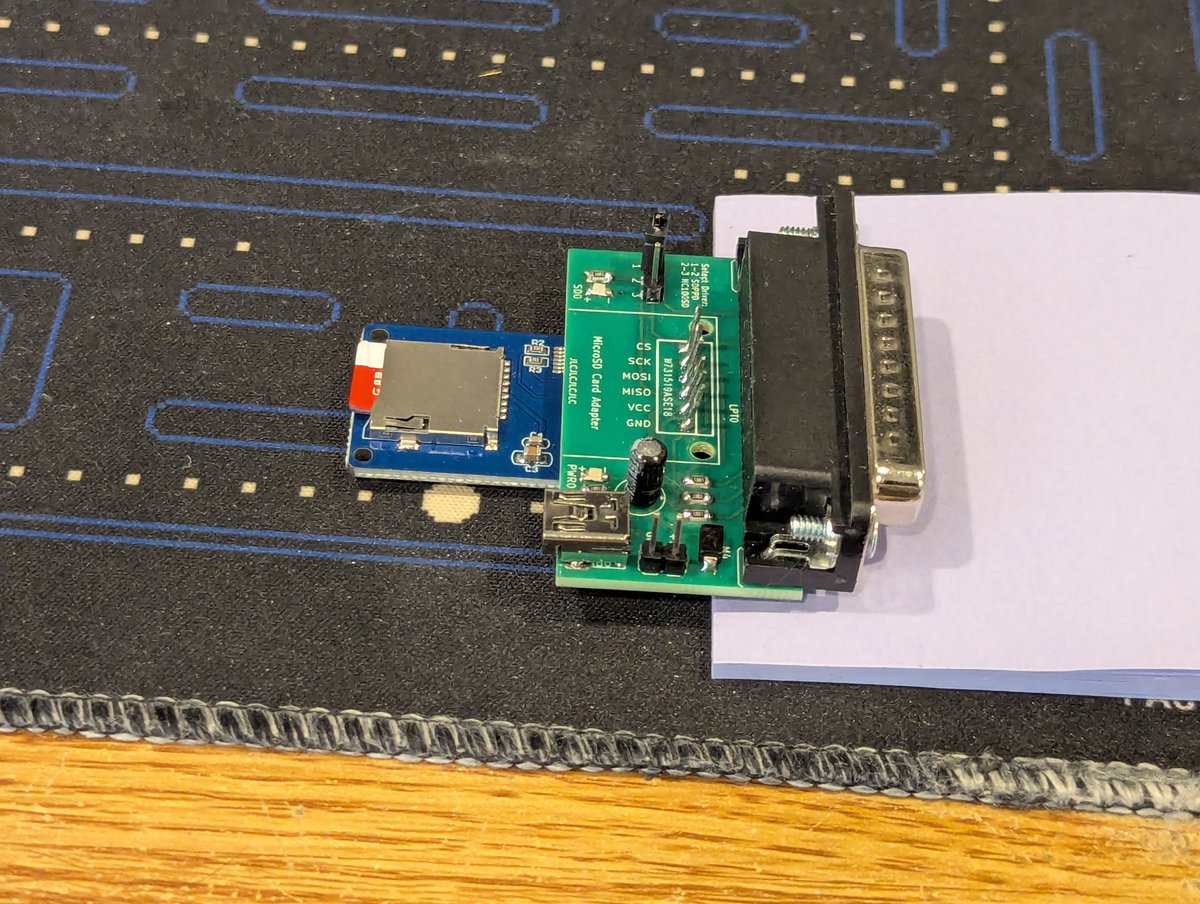
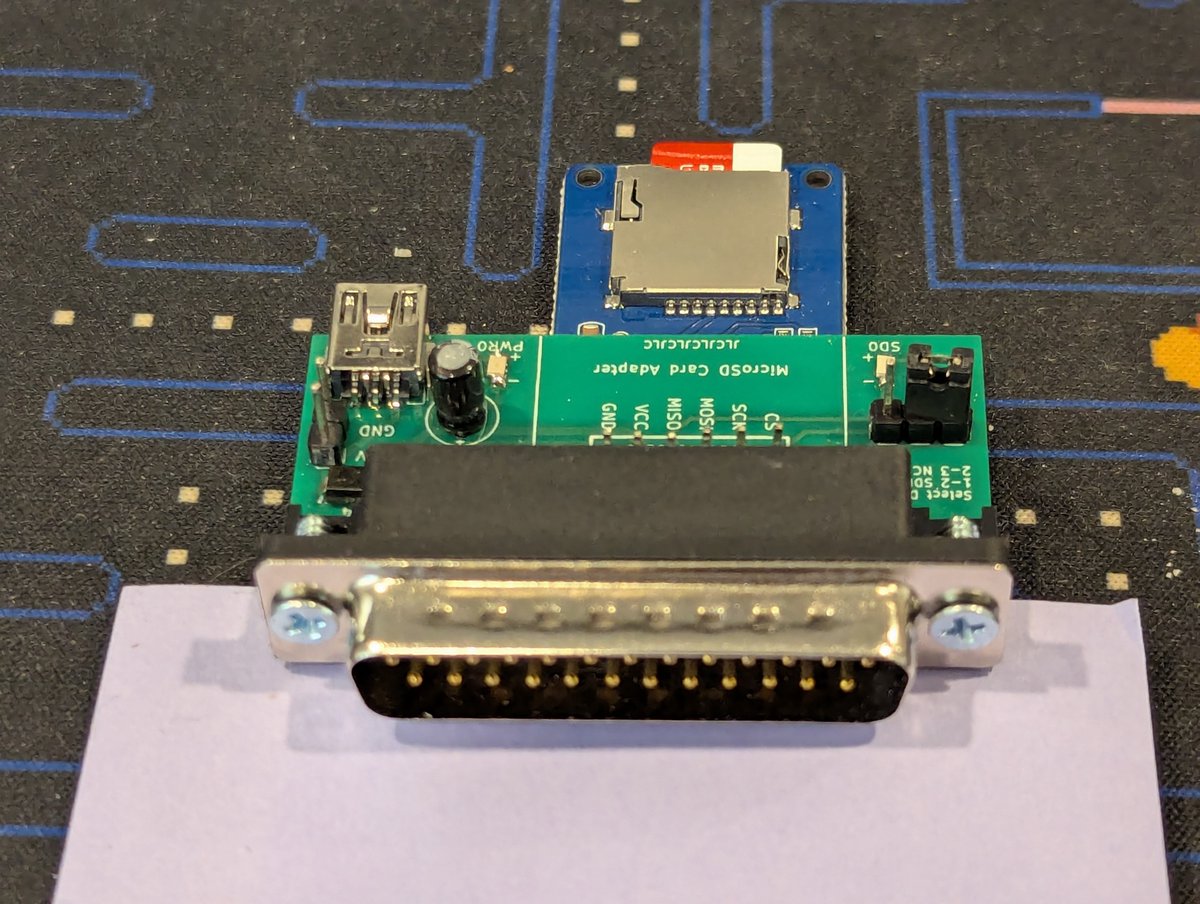
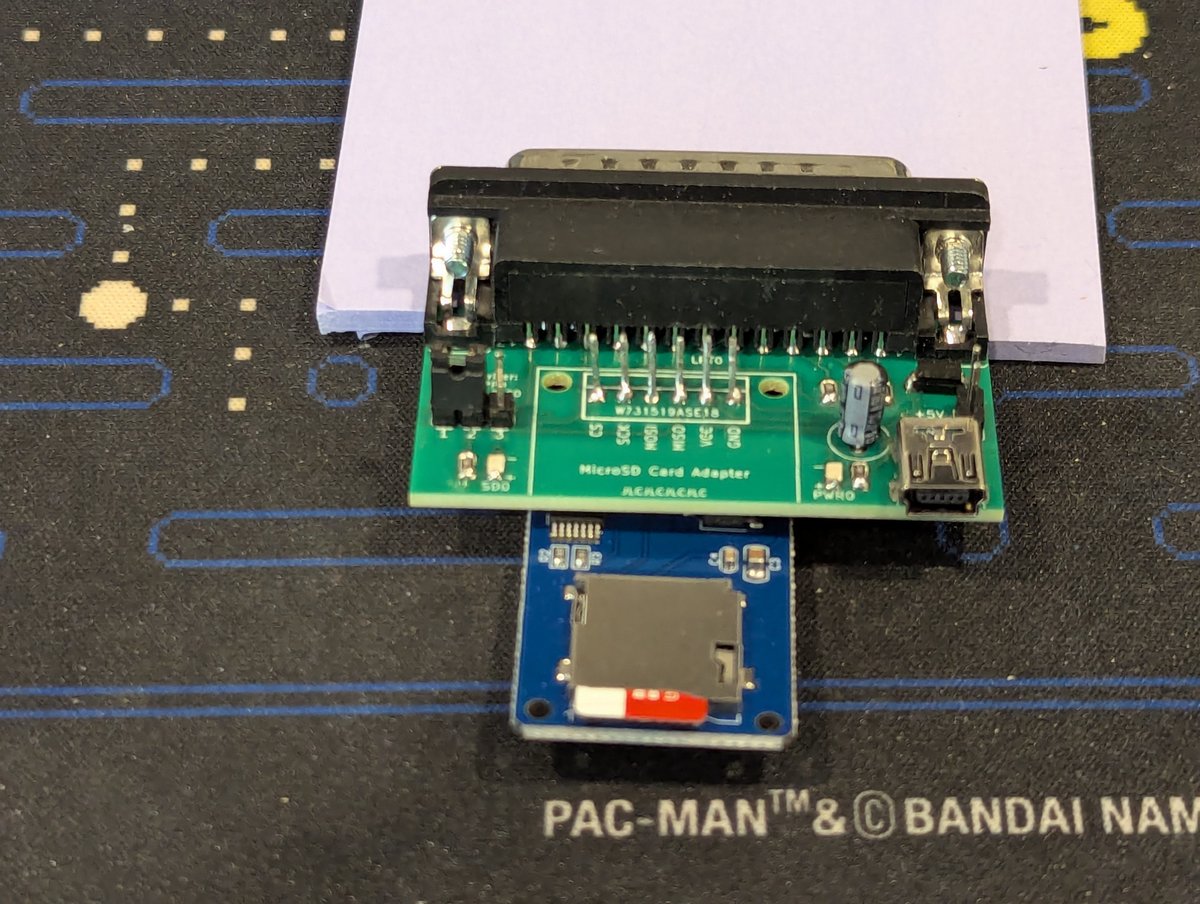
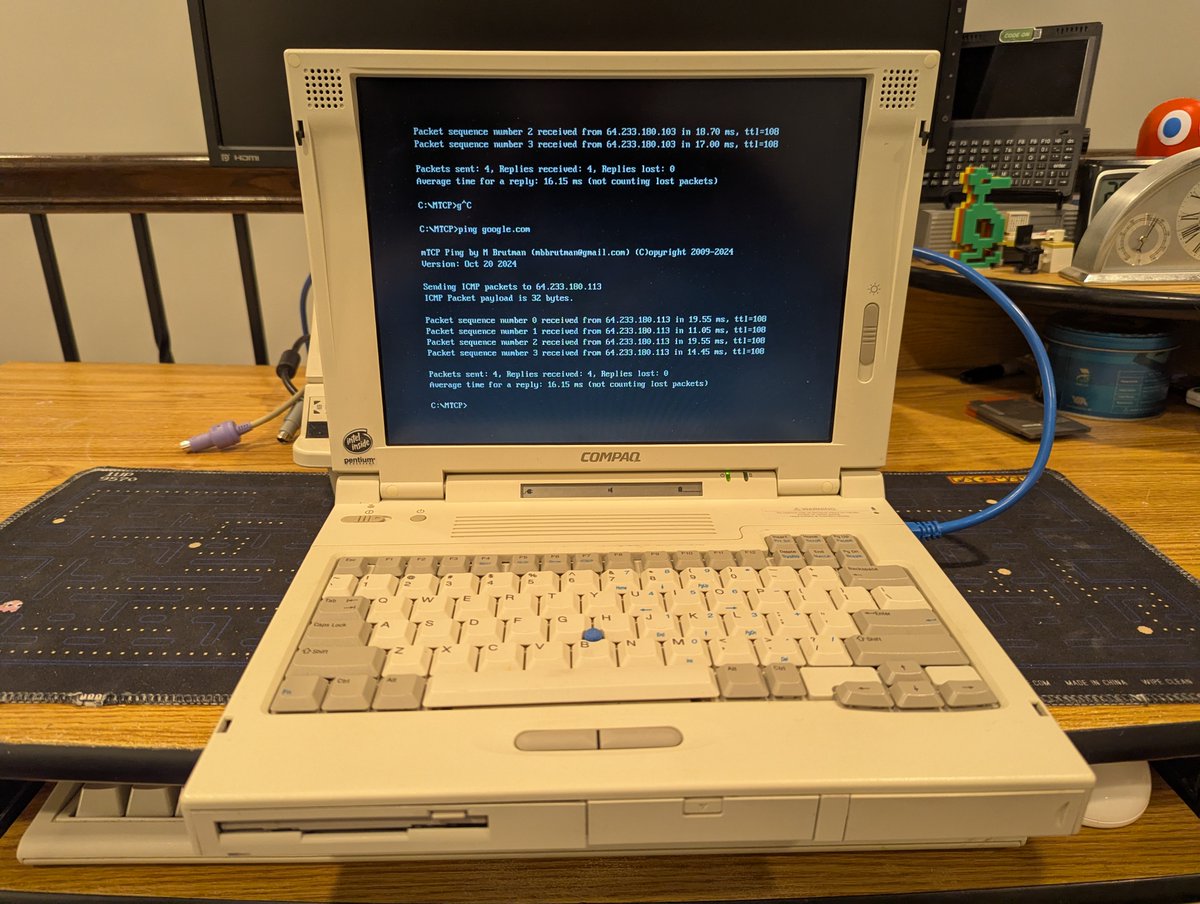
I got a new DOS file transfer toy! Now, these have been around since the dawn of time, but let's talk about it: a MicroSD to LPT Printer Port Adapter. We'll give it a test on my Compaq LTE 5400. Time for a 🧵
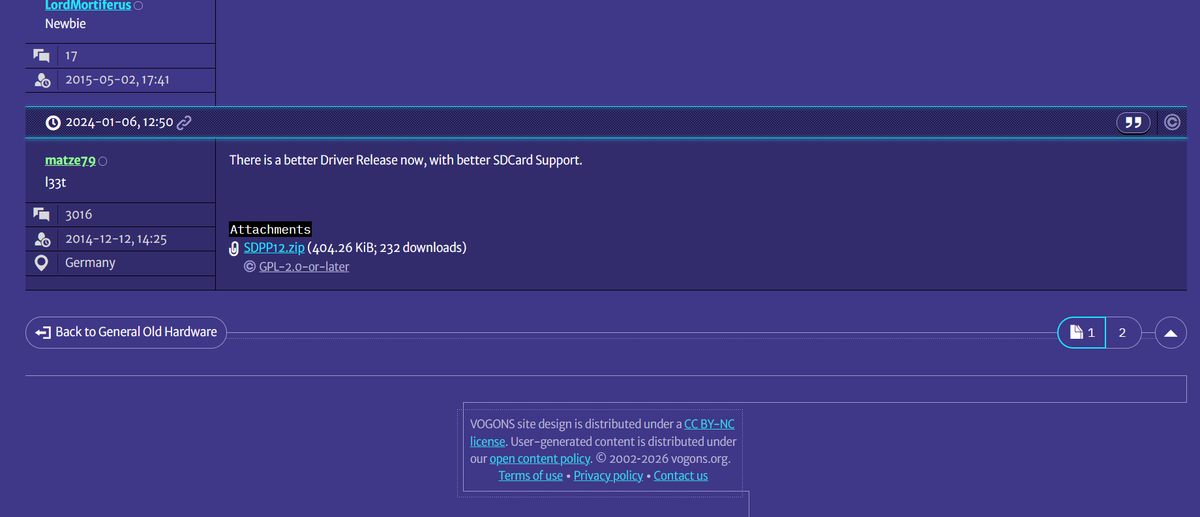
First, if you are interested in reading about these, there is a thread on Vogons! Included in that thread is where I found the DOS drivers for it, you can go here for that, and to read about this device! vogons.org/viewtopic.php?…
Also, here's a few more perspective shots of it, captured from different angles.
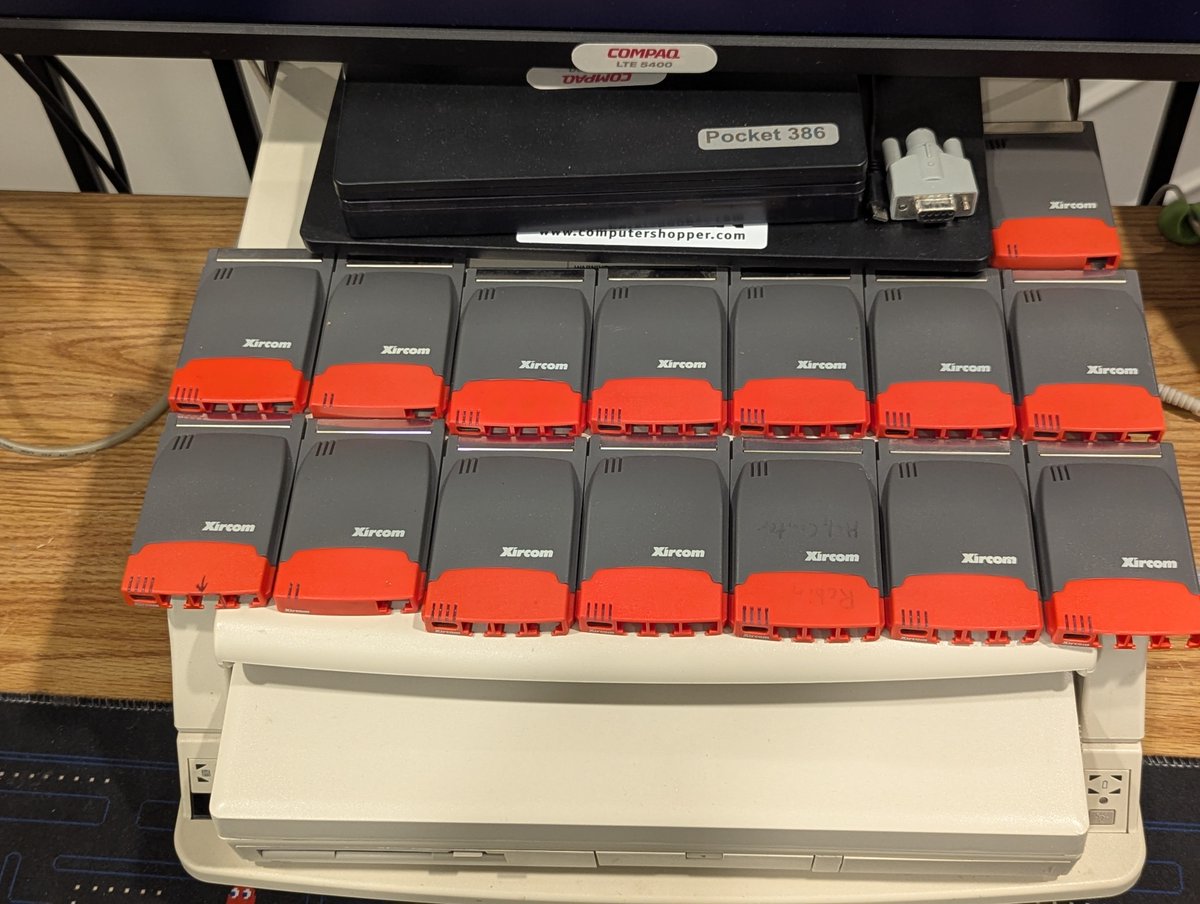
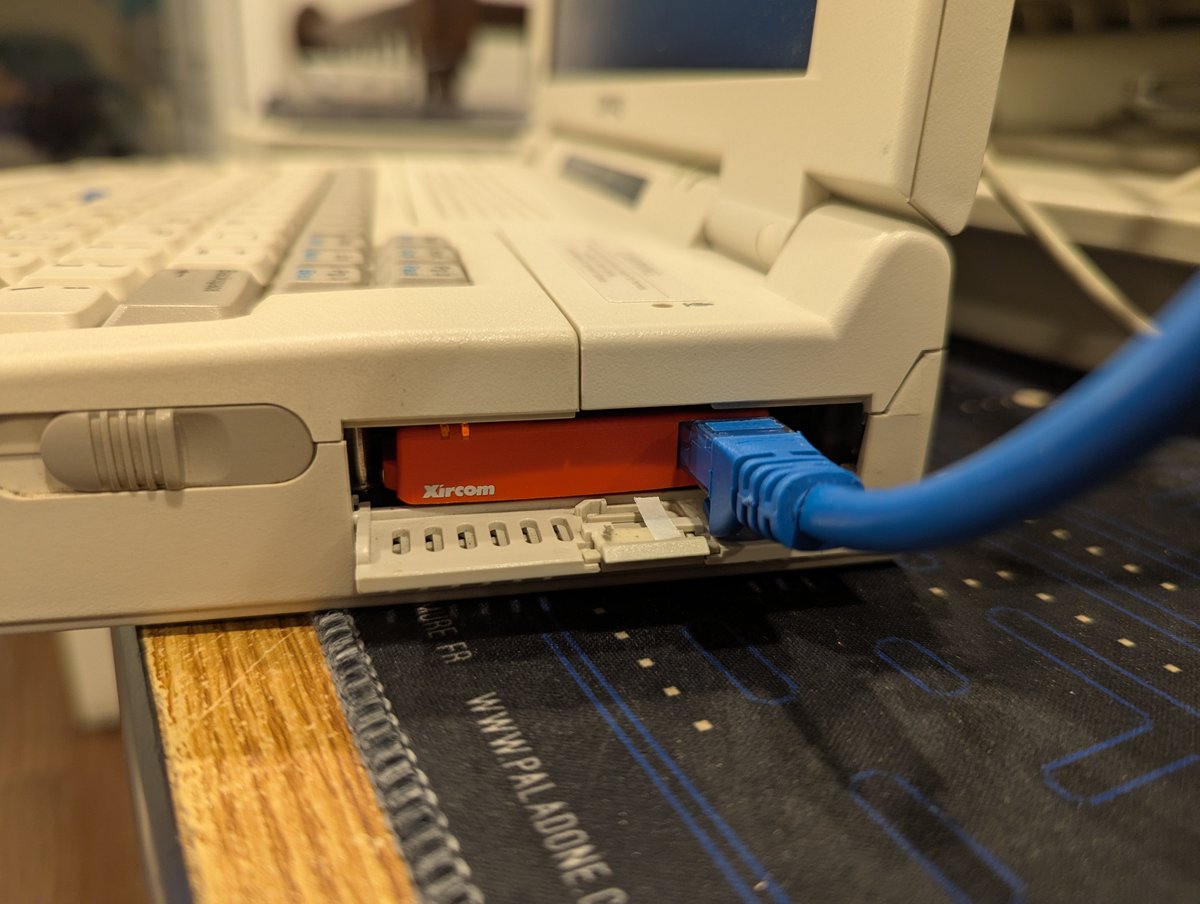
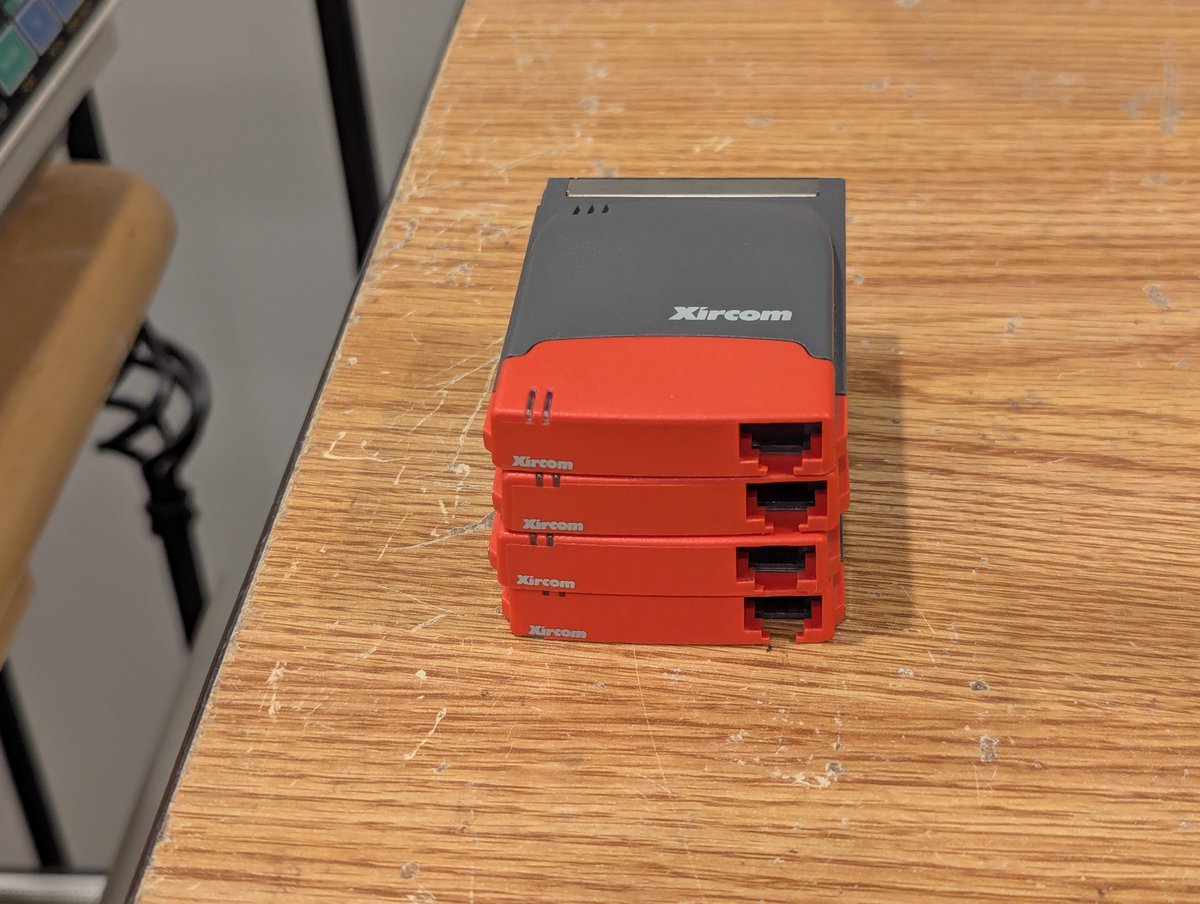
And speaking of the past, here's what I had before today: four cards. These Xircom RealPort Ethernet 10/100 cards are great for getting a laptop without Internet connected to a wired network!
My holiday break is quickly coming to an end. So, I think it's time to power on the retro PCs that I have yet to power on recently. I am sure this will go flawlessly 😂. Let's do most of this, in real time, in a 🧵 here!
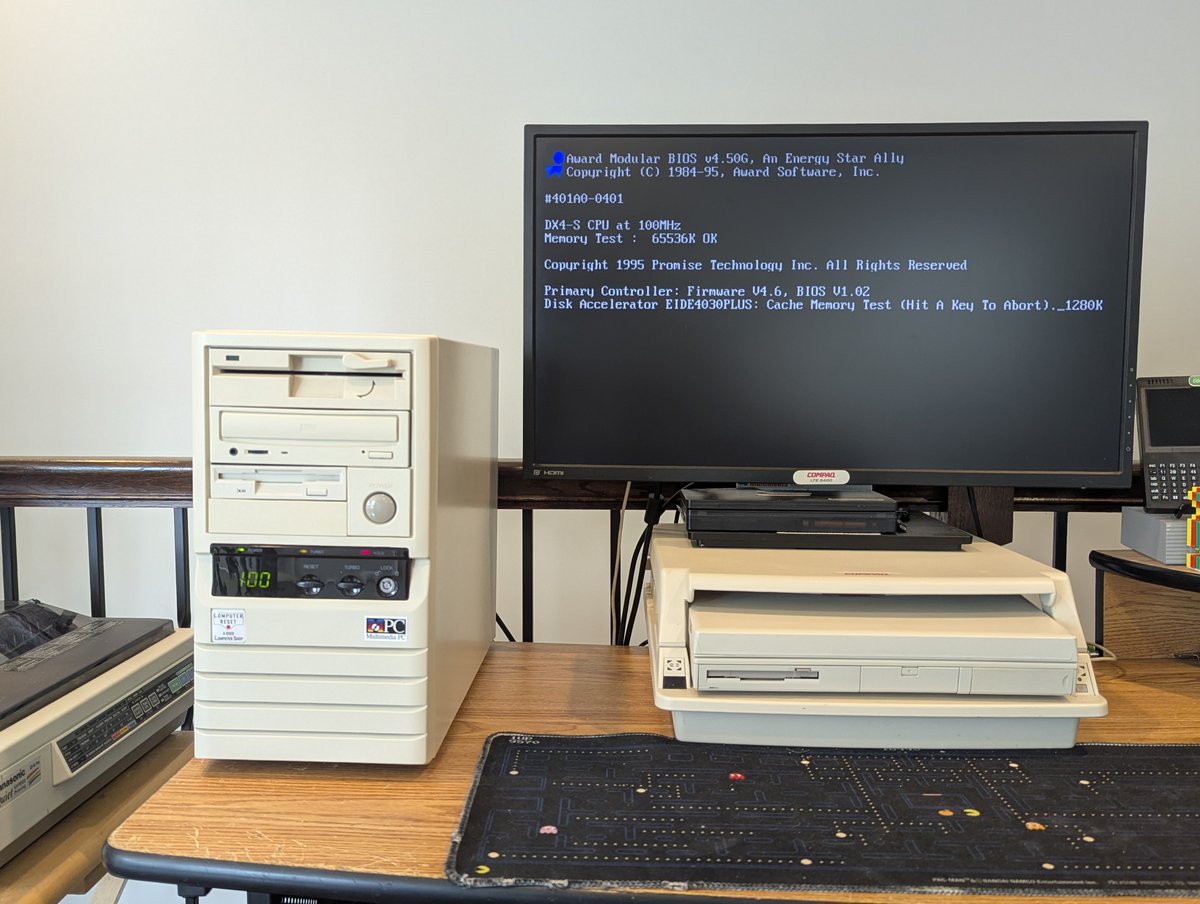
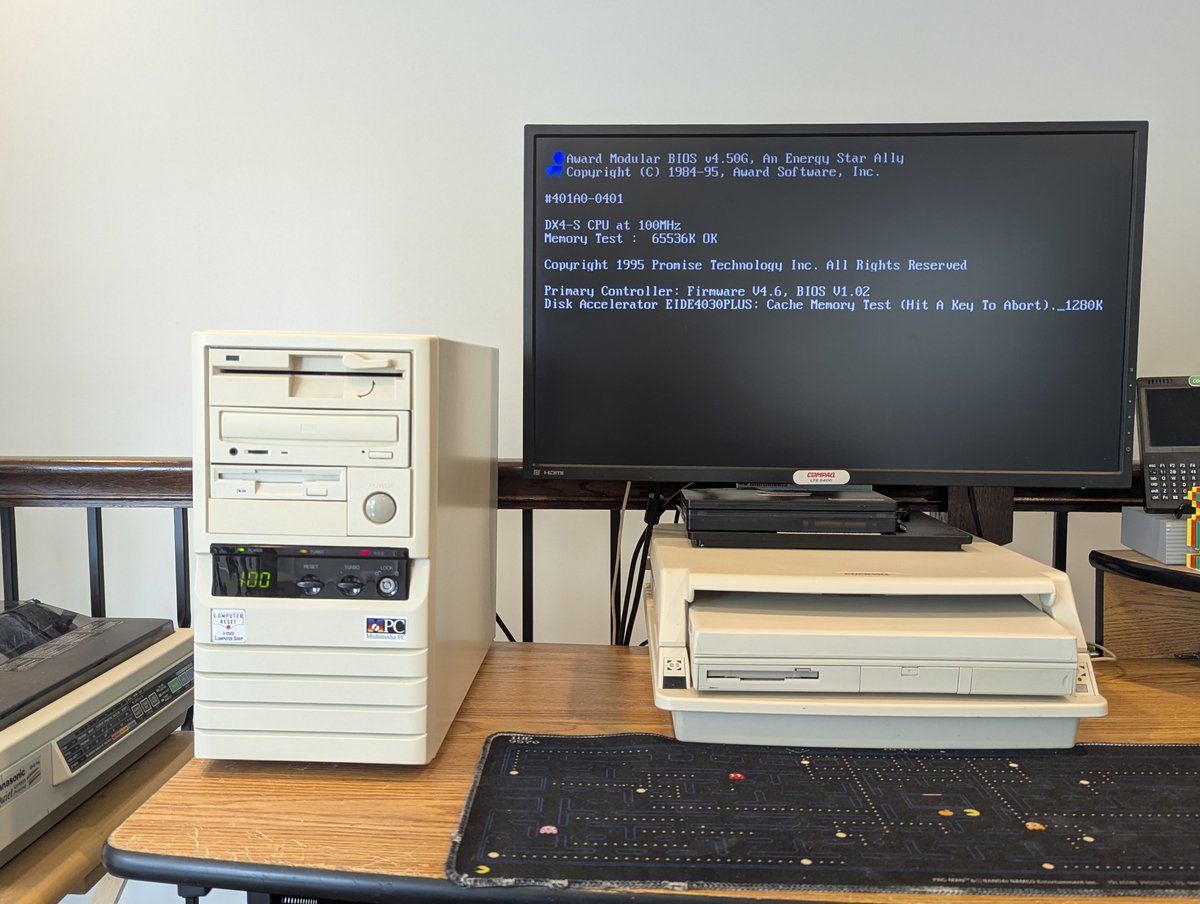
Alright, you've already seen the first three. My trusty, original 486DX4/100 powered right up, as did the Packard Bell Multimedia 601 Pentium 233 MMX
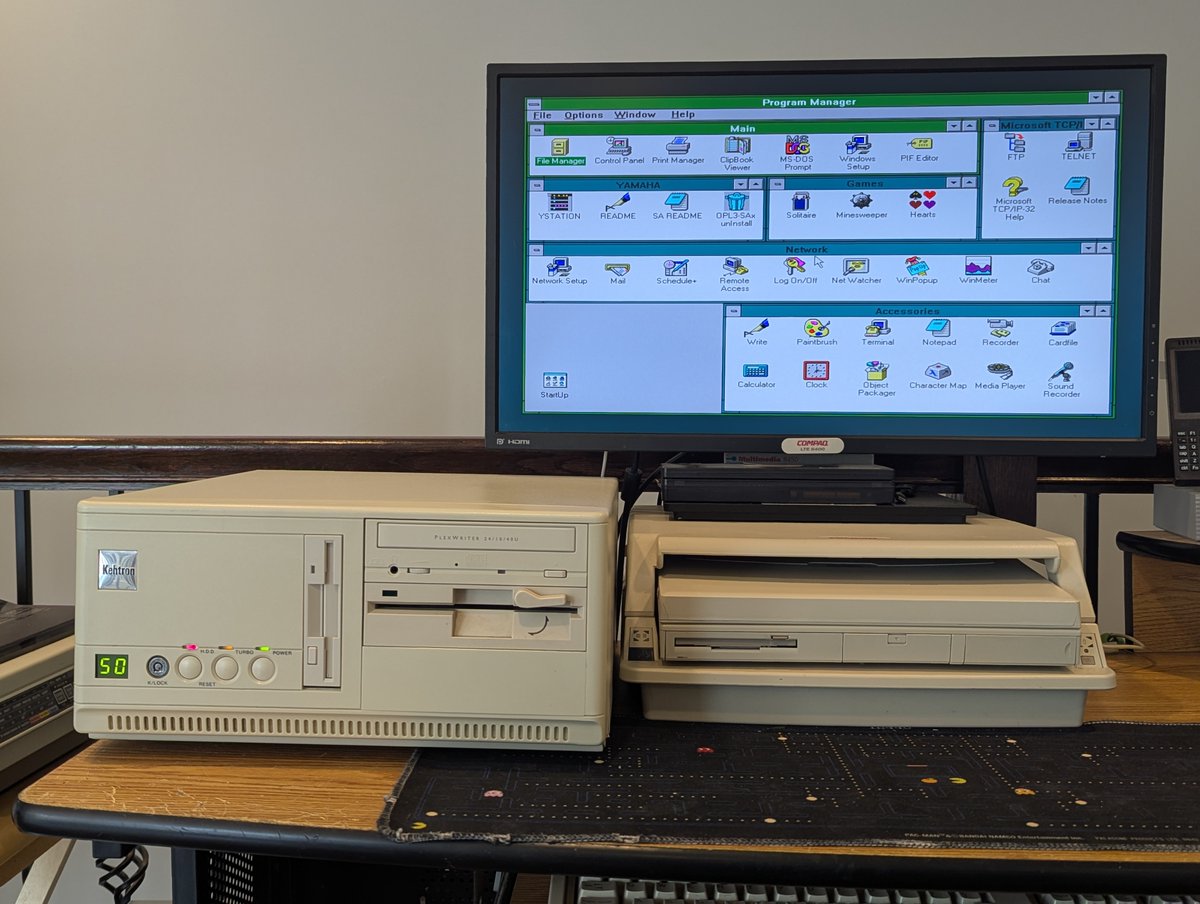
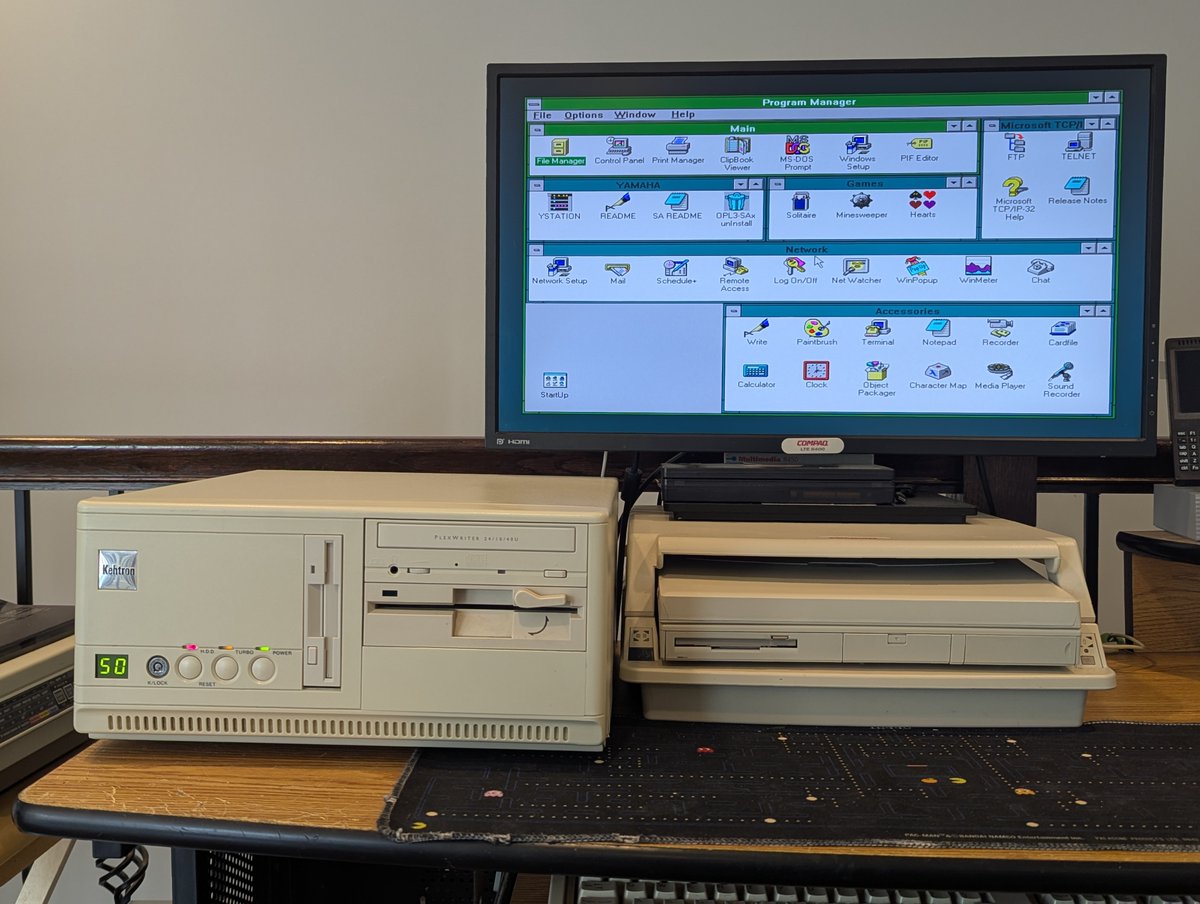
How about the Kehtron 486 DX/50? Weeelll.. the front seven segment display needed reconnected (I really should fix this permanently), and the sound card was being a pain, but I moved it over one slot and it is now working!
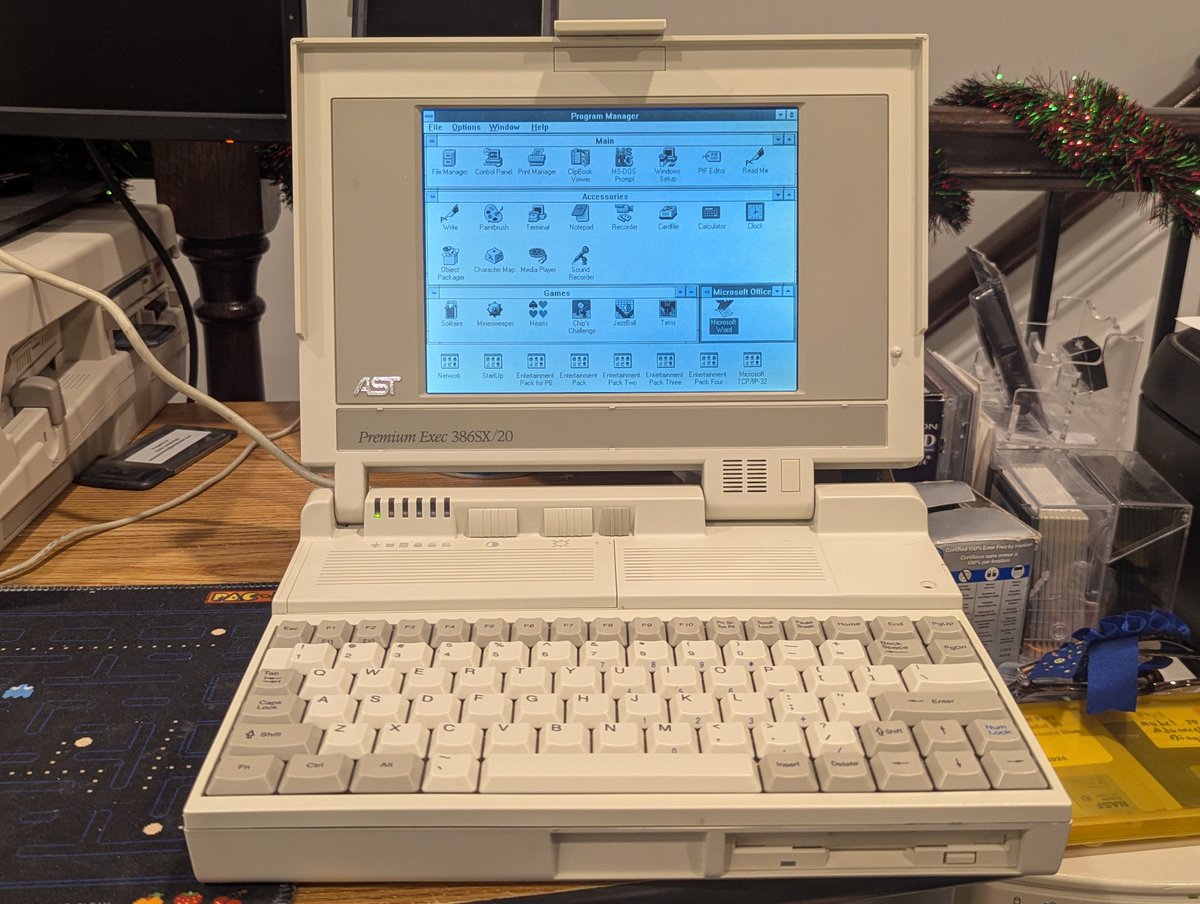
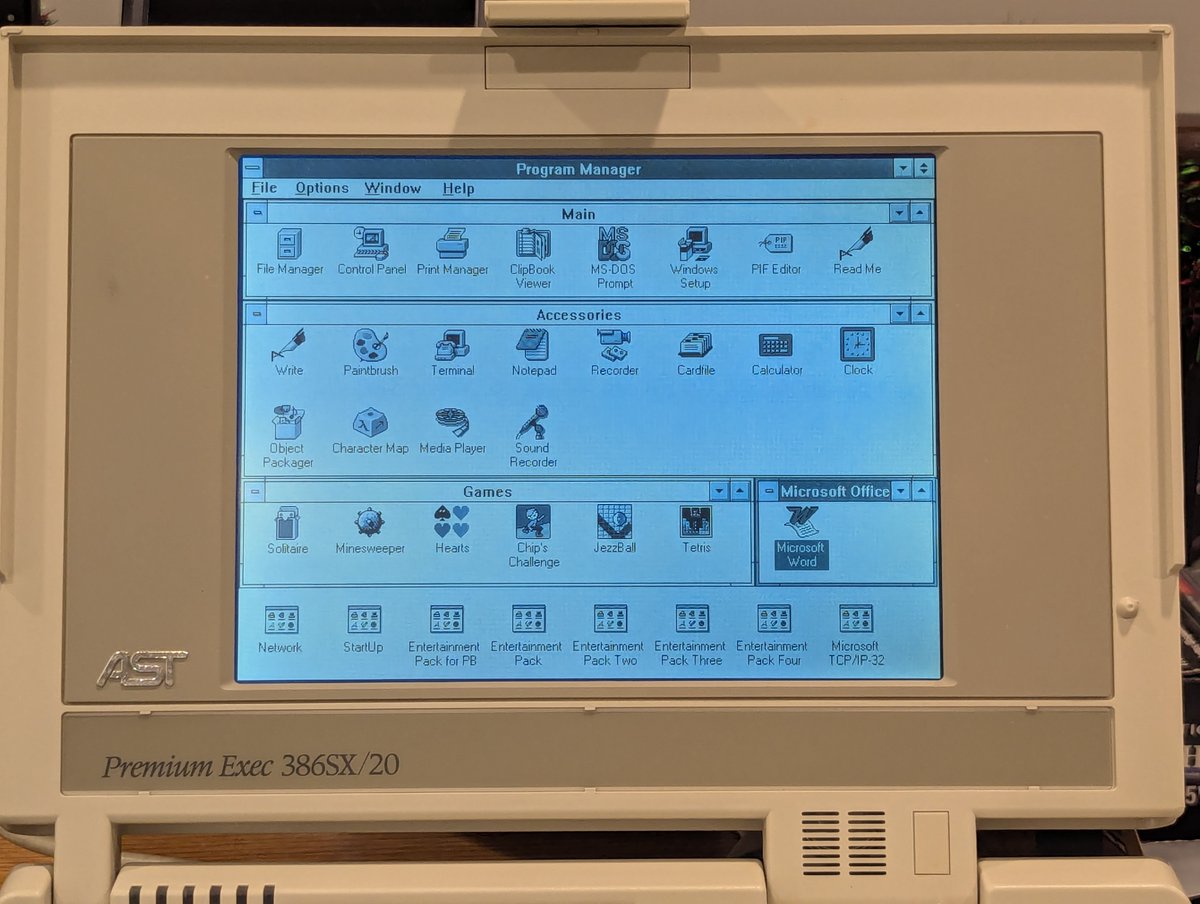
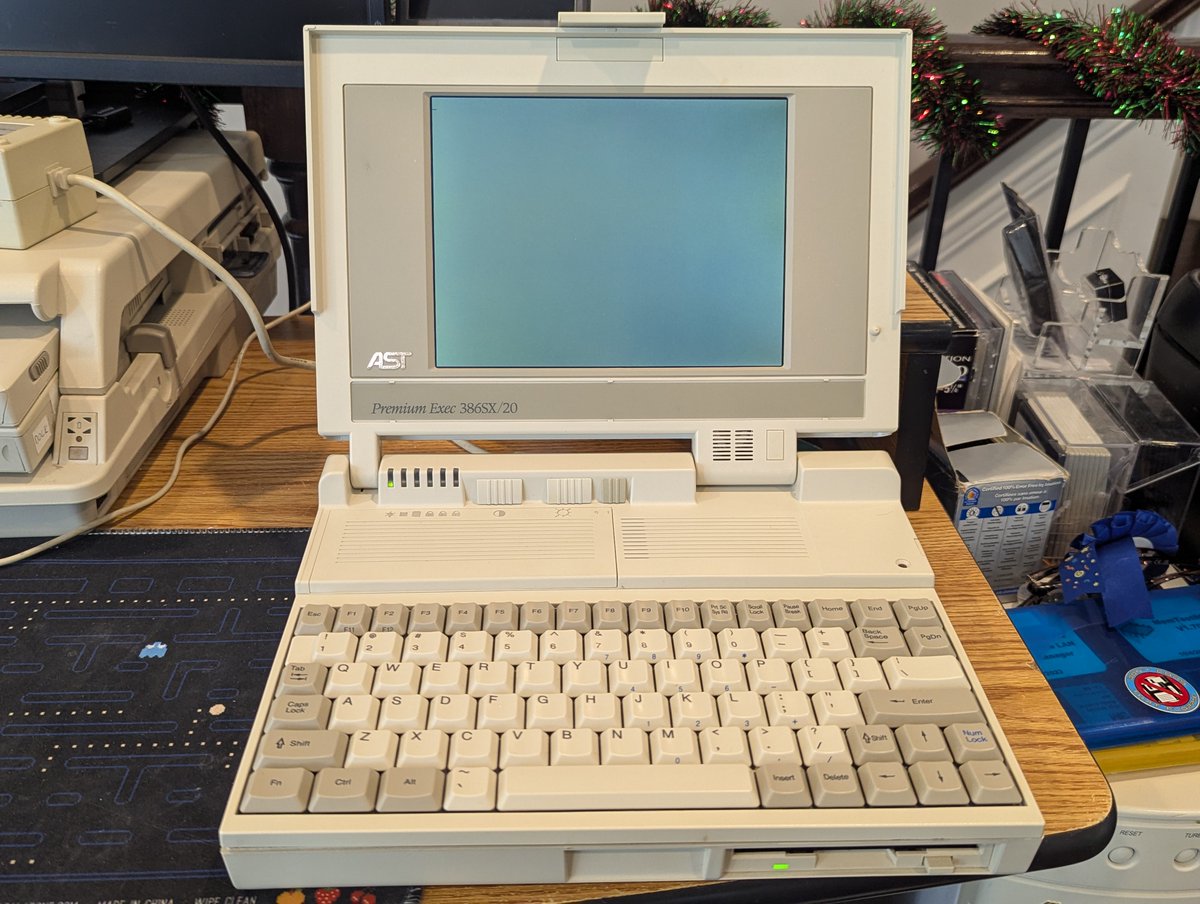
The challenges and solutions in retro computing never cease to amaze me, and today's project is no different. Today's goal was getting working storage in this AST Premium Exec 386 laptop. And fortunately, somewhat against the odds, I found one! Let's talk about it in a 🧵 here!
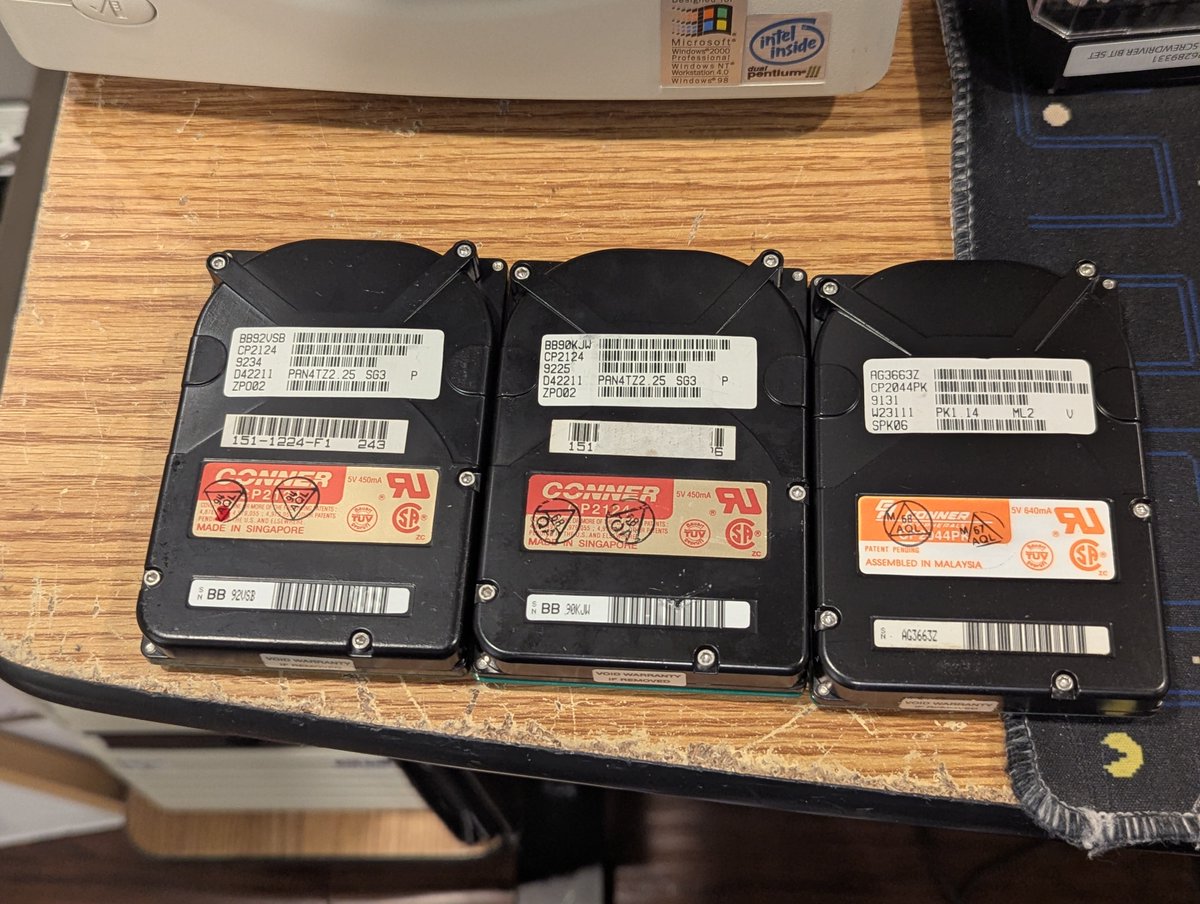
So, anyway, the issue I had with this laptop is that the original 20MB 3.5" IDE hard drive had died. I thought "no problem, I'll pop on eBay and get one." Except they are scarce and expensive. I picked up two 120MB drives and one 40MB drive. None of them worked.
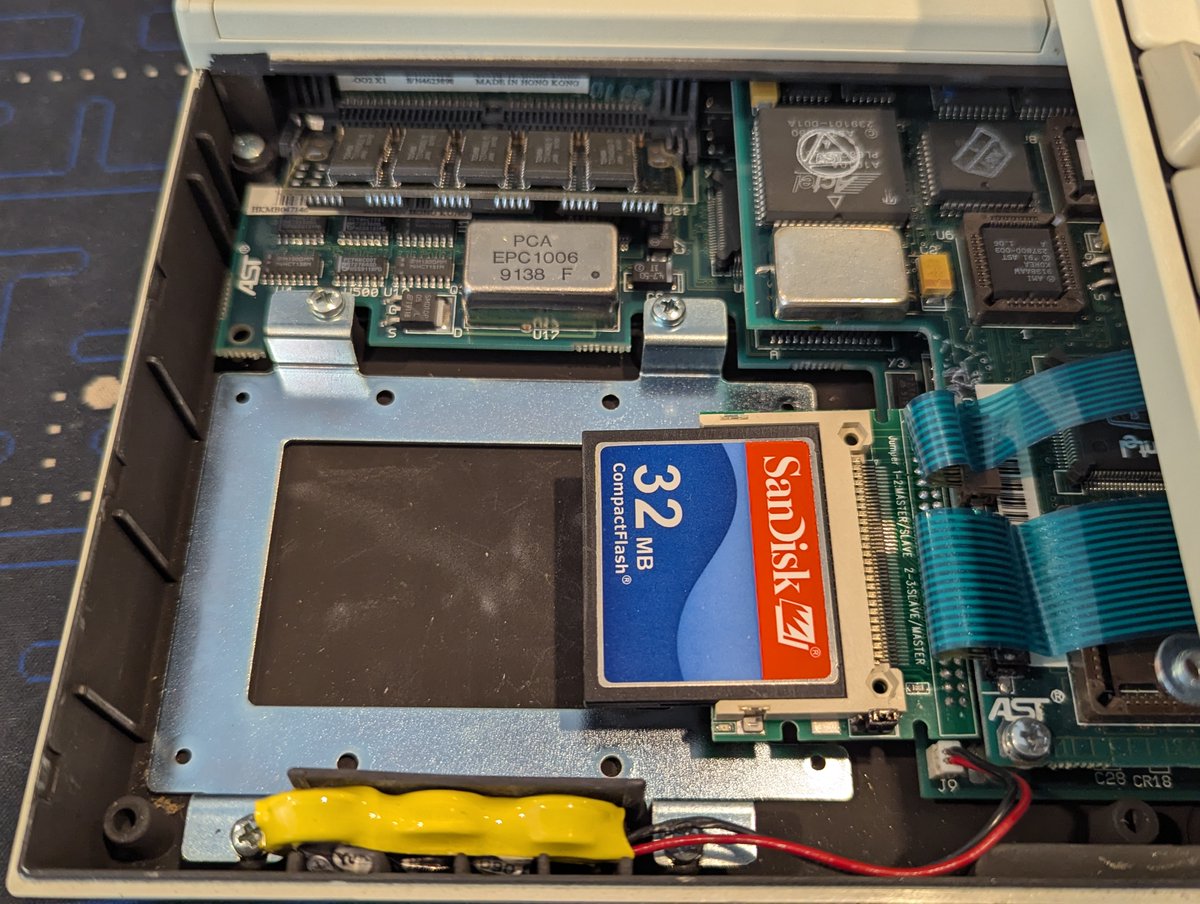
In the past, I had also tried a CF card. I could get the CF cards to a point where they were accessible, but when I go to boot, I get a blinking cursor.. and sometimes a "non system disk or disk error" a few minutes later. Tried multiple CF cards, same result.