IBM PC compatible retro tech enthusiast who likes trying out unique retro experiments!

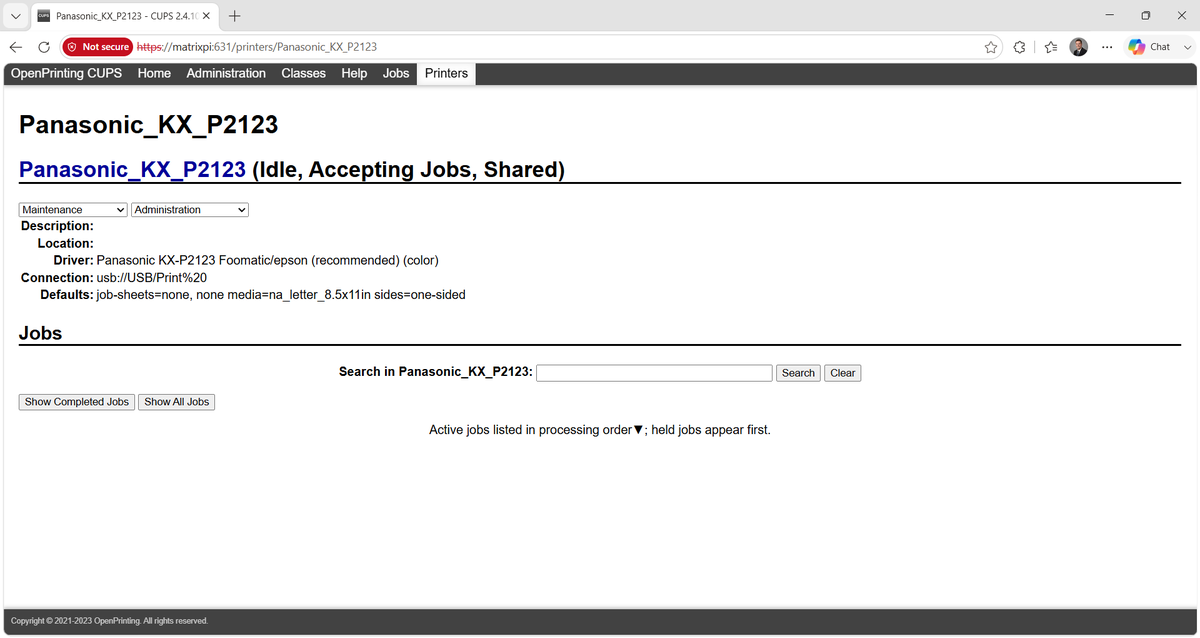 First and foremost, let's talk about the hardware. I chose to use a Raspberry Pi 3 that I had sitting in a drawer. I also have this Sabrent USB to Parallel cable as well, which you can find for pretty cheap if needed! I'll used a 32GB MicroSD card for the Pi


 First, we'll start with the ITX Llama. I took out the SD card from the motherboard and brought it to my modern system. Only one partition was showing though! So I booted the ITX Llama back up and adjusted what is currently visible from the boot manager. Okay, that's better!


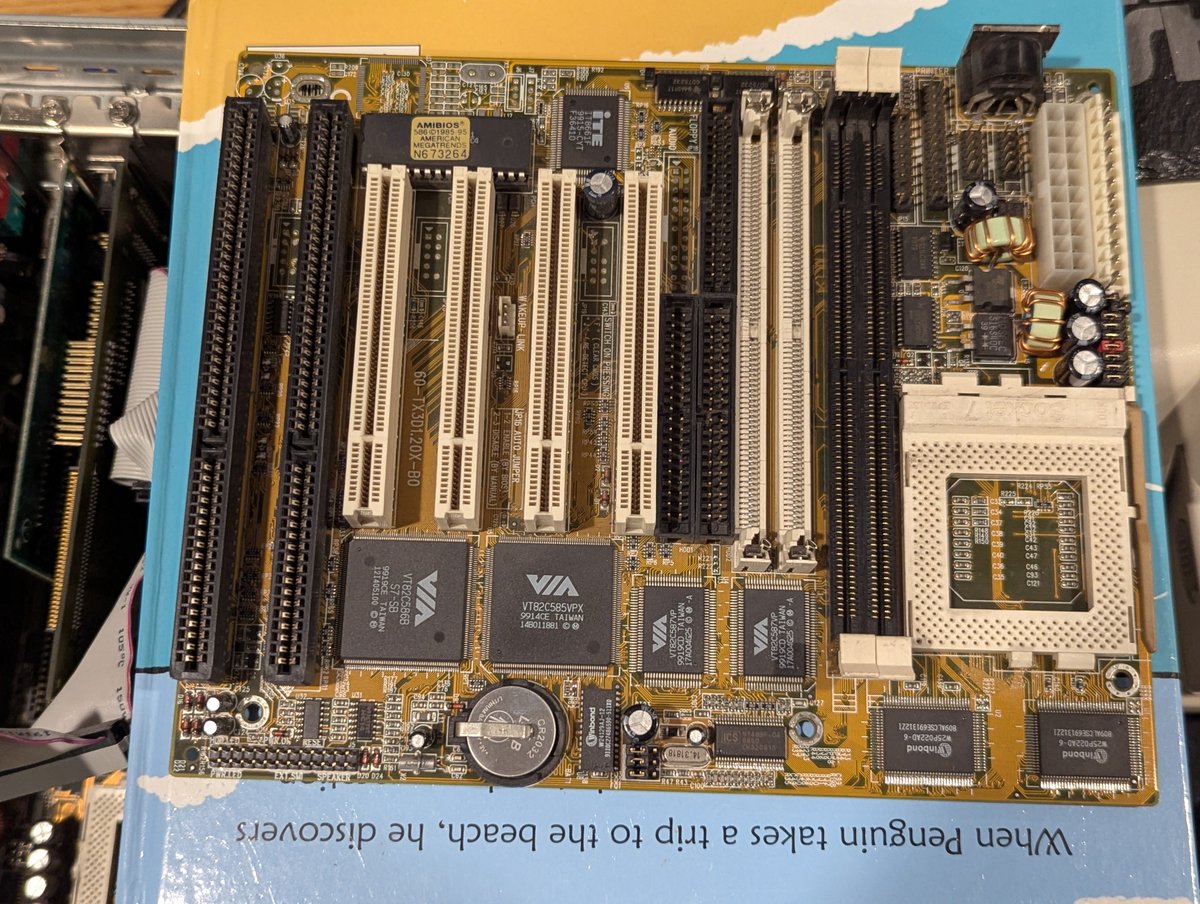
 This particular board is a Tomato TX98-3D. Did the fact that this board was labelled a "Tomato Board" encourage me to purchase it, even though I didn't really need it? Perhaps 😂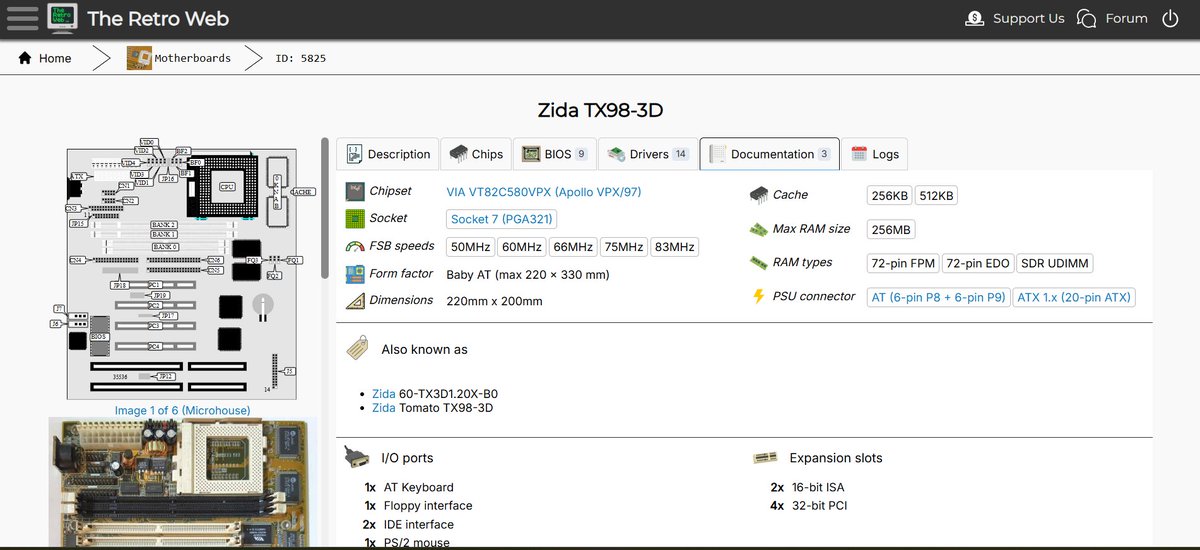


 So, first of all, we are need to need a test victim... erm... I mean a test harness... or a test machine. I think the Kehtron 486 DX/50 is the perfect candidate. It's been a little flaky recently though. I had to reseat the HDD/FDD controller to get it to boot!

 The XTMax was designed by Ted Fried (MicroCore Labs) and is an 8-bit software defined ISA card that expands RAM up to 640KB, adds 16MB of expanded memory, and provides bootable HDD-like access. It uses a Teensy 4.1. And yes, there is PicoMEM rivalry, more on that in a minute.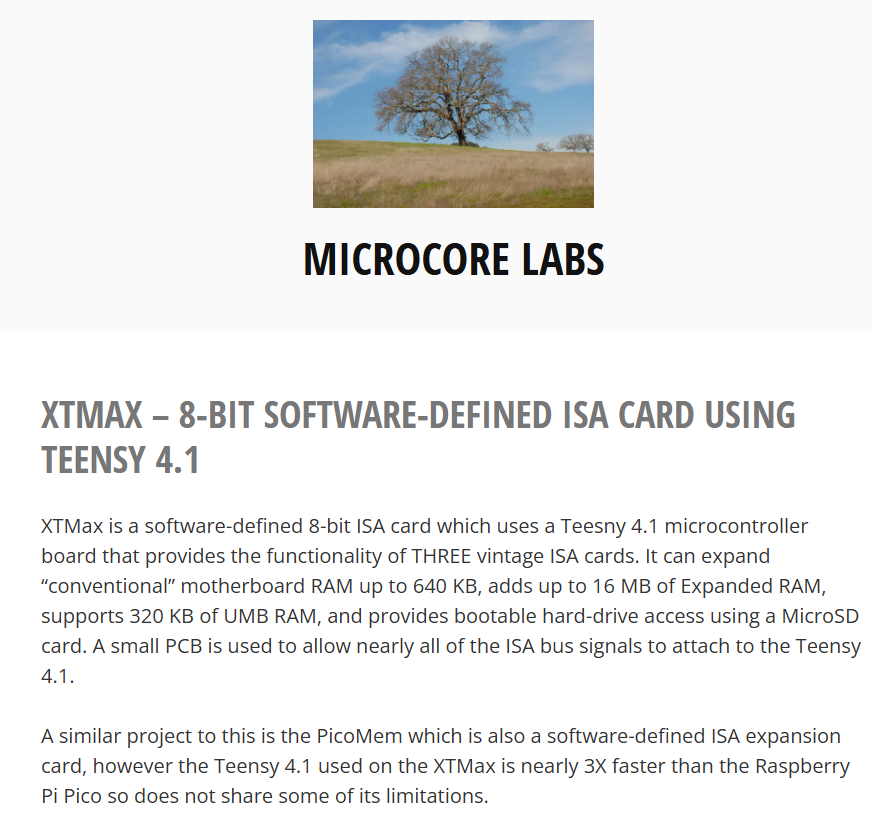
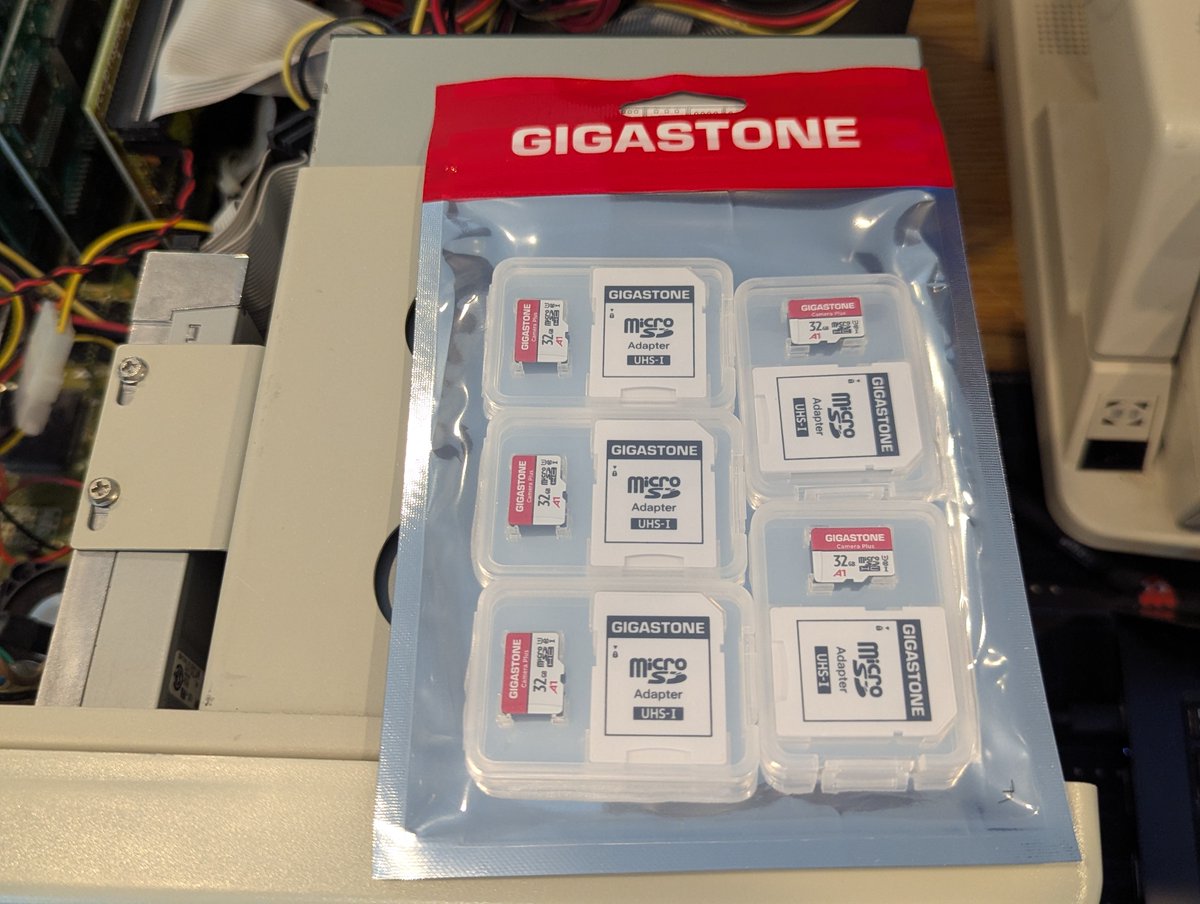 First, I looked at my SCSI emulators... both my BlueSCSI and ZuluSCSI Blaster, but quickly realized they don't take Micro SD cards. Next 😂

 So, first of all, I decided to go with the nightly debug version, so take that for what it is worth! Second, I promise I am not being critical, what has been done here represents a lot of great work, and the software is still considered to be alpha.


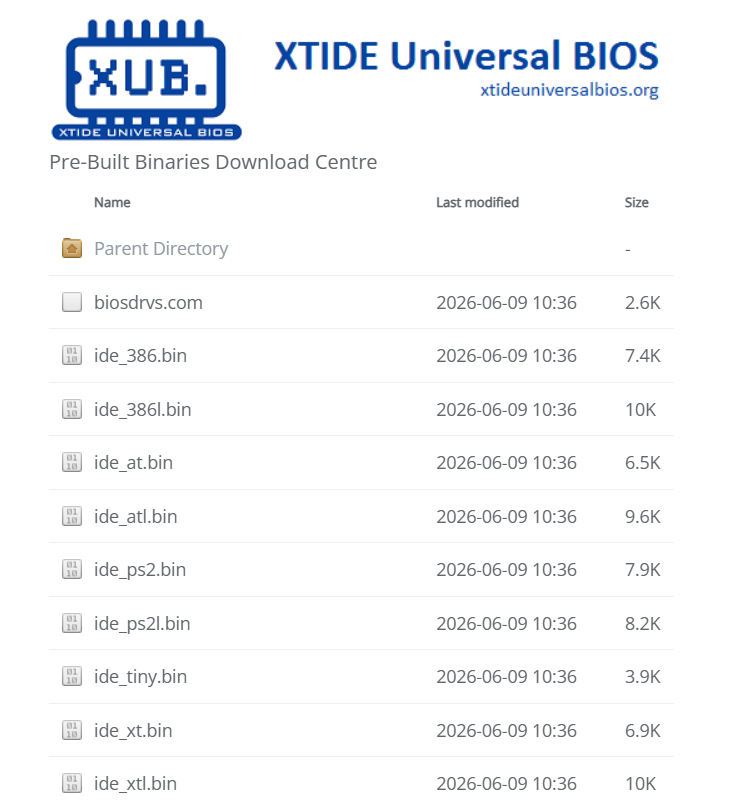
 First, I imagine that many retro enthusiasts are familiar with it, but the XTIDE Universal BIOS is actively developed and offered at no cost to the retro community. If you haven't seen it before, you can read more about it here: xtideuniversalbios.org

 So, first of all, these SCSI emulators (BlueSCSI V2 and ZuluSCSI Blaster) were predominantly designed for Macintosh systems, which also tended to use DayaPort SCSI network cards like this one here.
 Well, first, let's clean up the new one. Oh boy, it is ever dirty!! Here's a before an after... I failed at getting a clear after picture. Sorry, no refunds 🤣


 First and foremost, we're going to need a Master CD. Which one? Well, recently I found an eBay listing with some "System Credentials" that match my PC. And I saved them off for this very reason! We can grab 175710-05 from the Internet Archive and get this going!


 First, we'll see that we're doing a good job of using up the expansion slots in this beast 😂. Oh, and before I forget, when installing any PicoMEM in a Tandy 1000, you do have to update the configuration and add Tandy to it!

 First of all, the PicoMEM 2 does a FANTASTIC job at emulating Tandy sound. You can go into configuration and set the appropriate port settings, or you can use the "PMINIT" program to initialize whatever you need! I am just going to set the settings via the configuration util.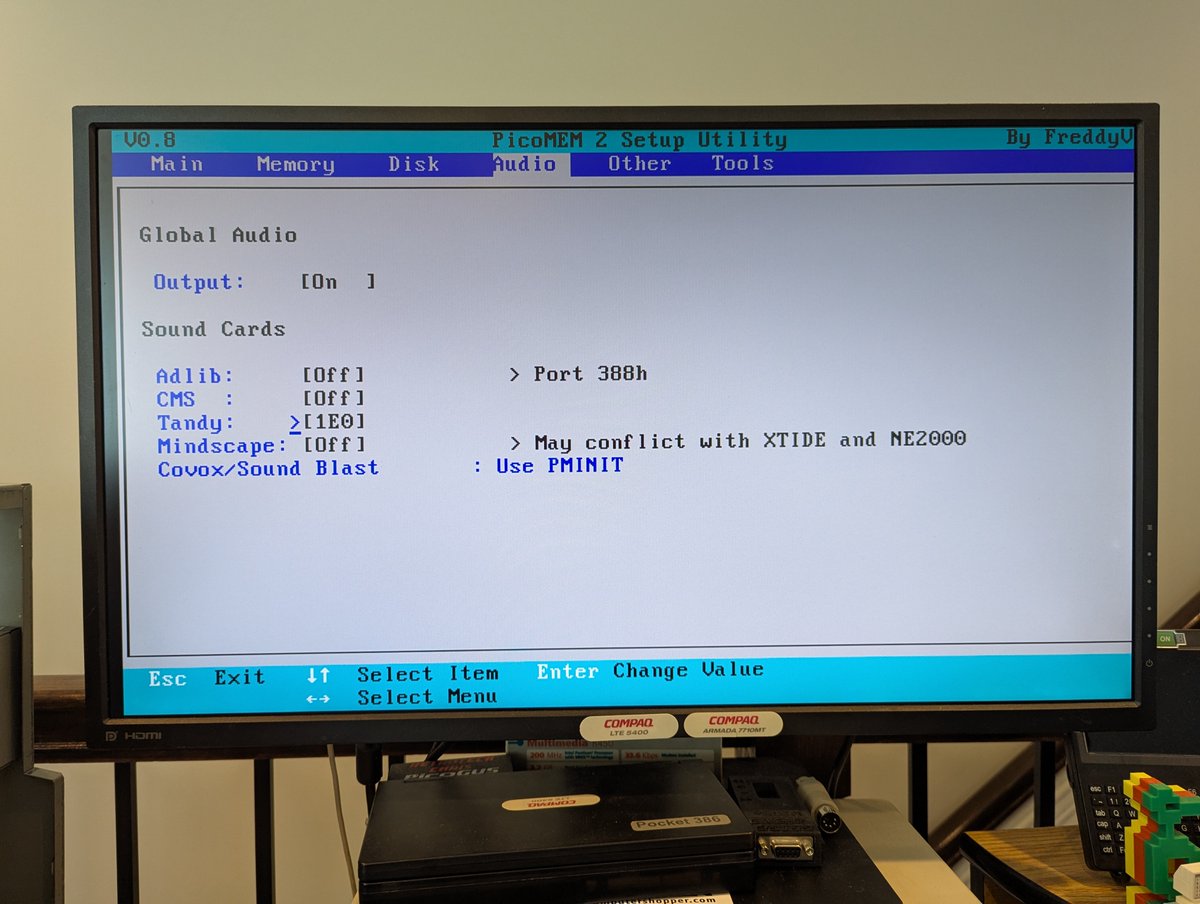


 First of all, if you are not familiar with PicoMEM, it's an amazing little all in one card that brings you lots of capabilities. This card will be available for sale soon I believe. The functionality is strong and capable. You can read more about it here: github.com/FreddyVRetro/I…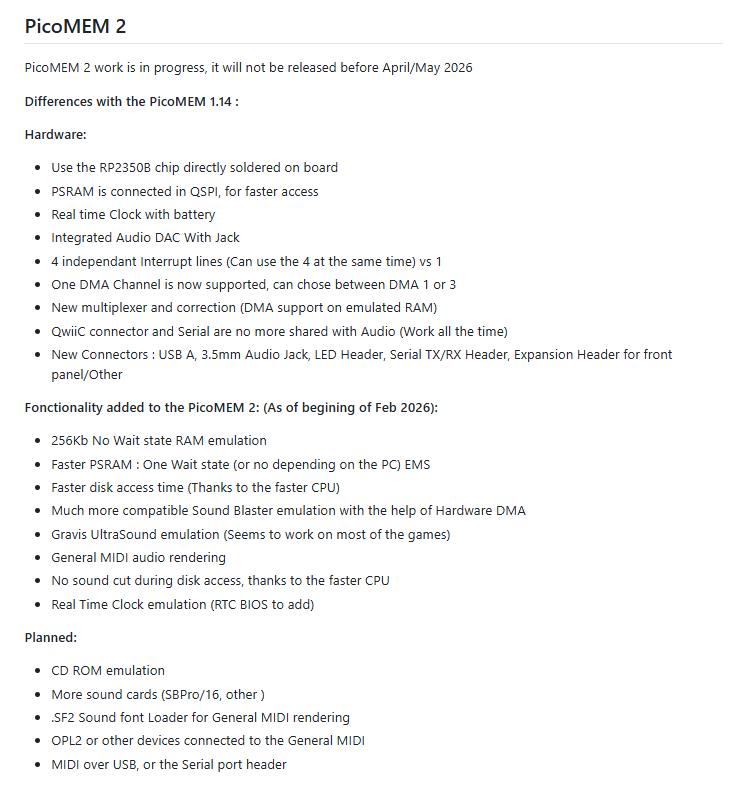
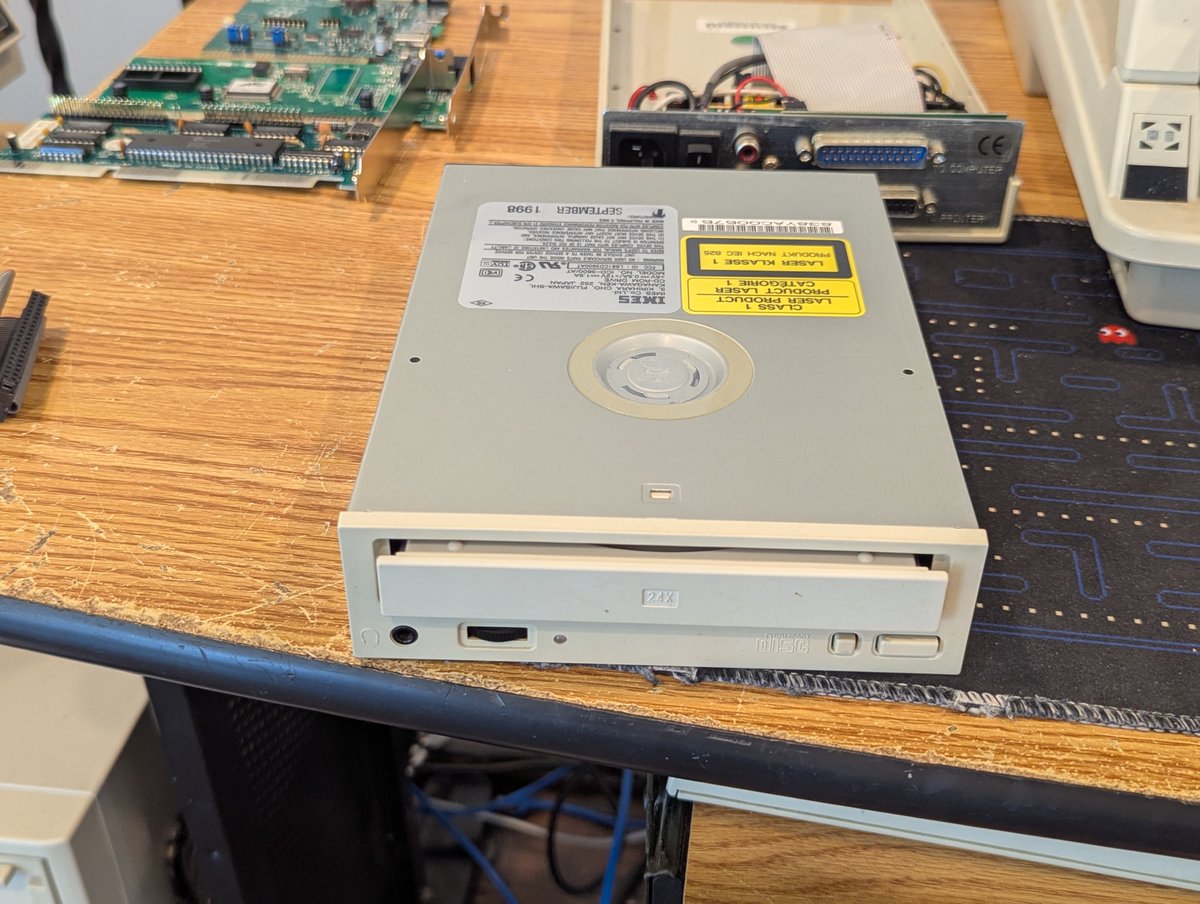

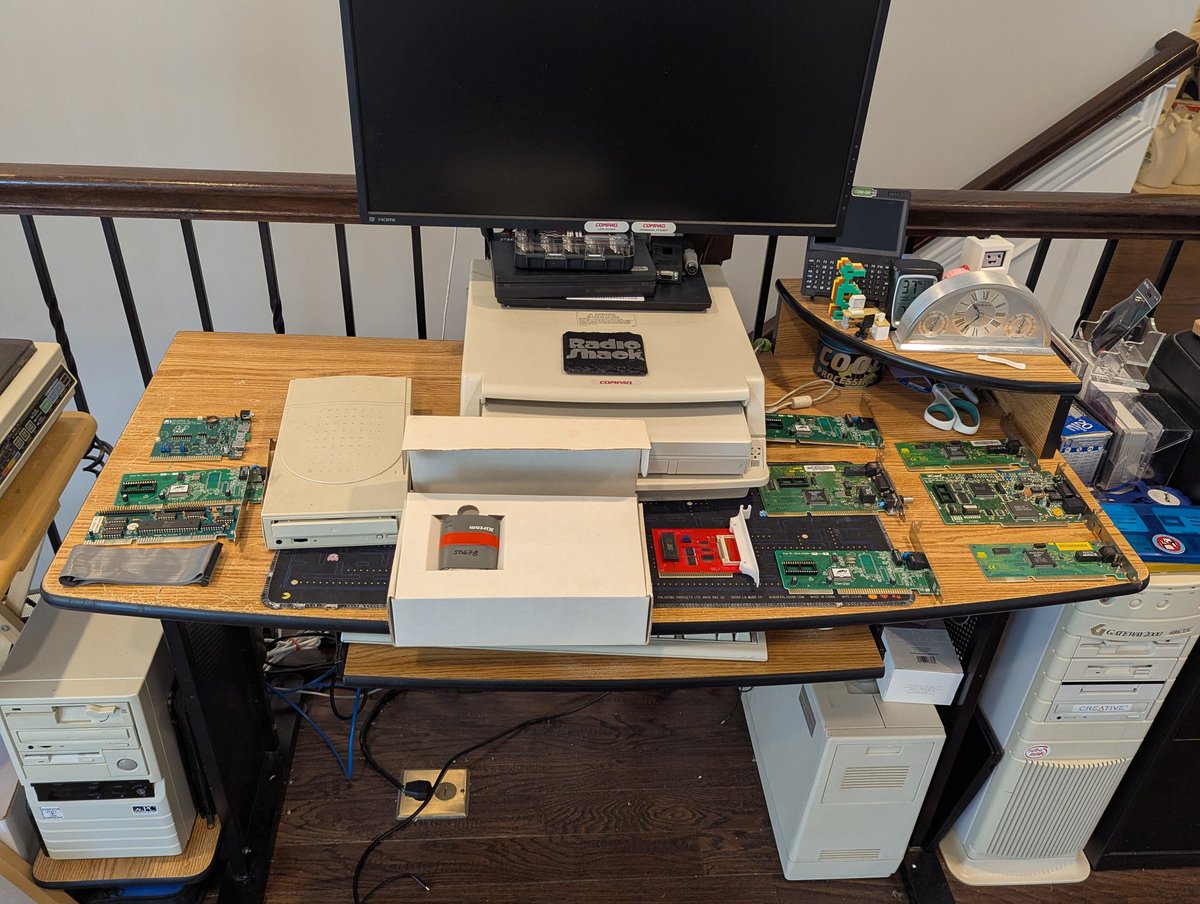
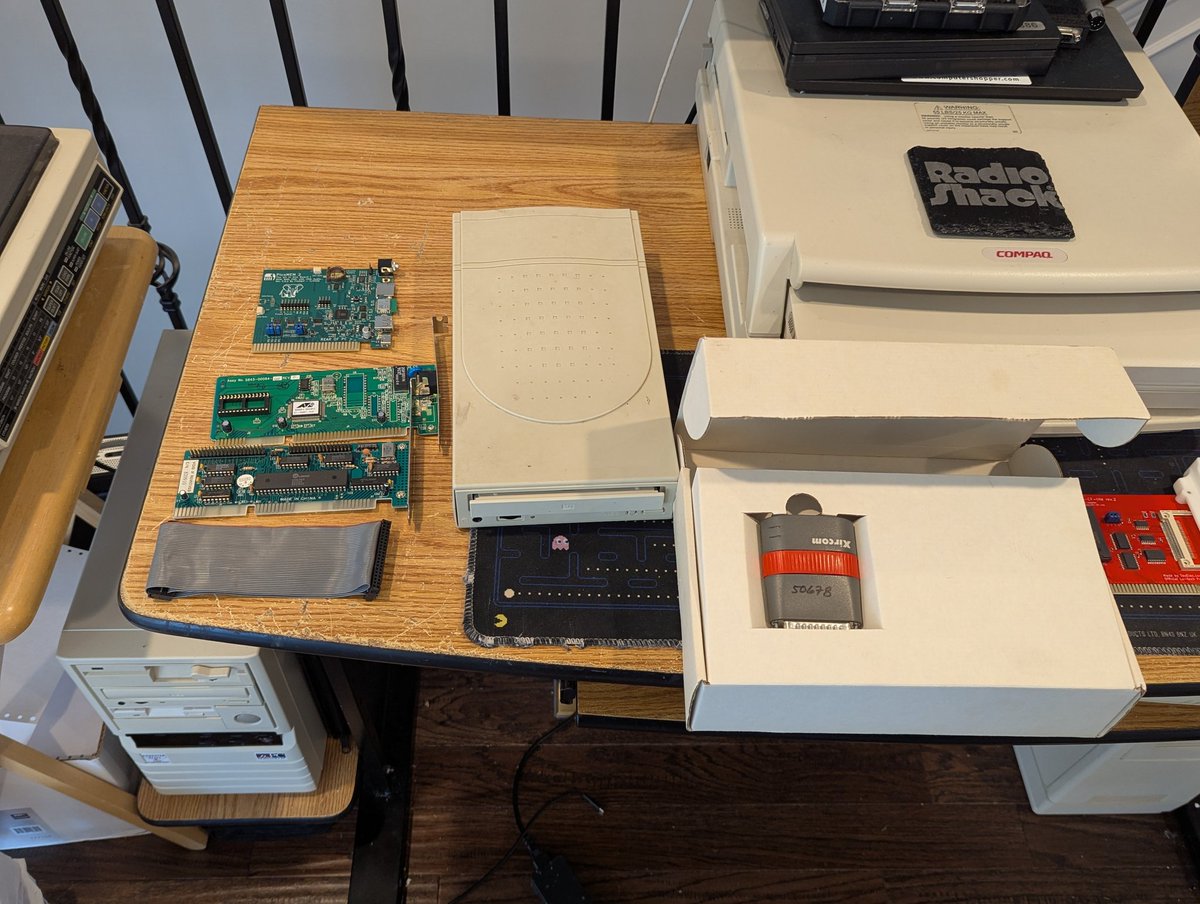
 Yea, okay, this deserved its own thread, haha. You can read about the parallel to IDE drive converter over here!
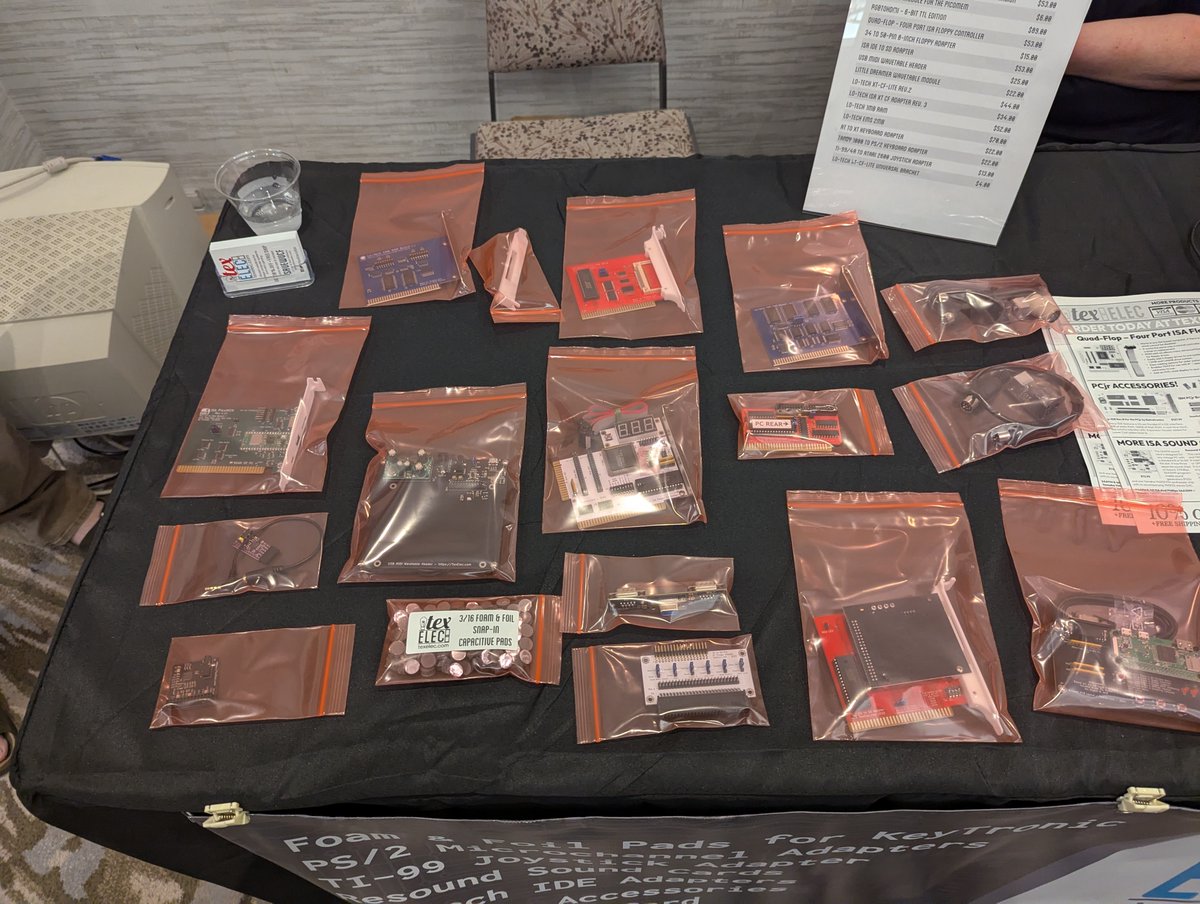
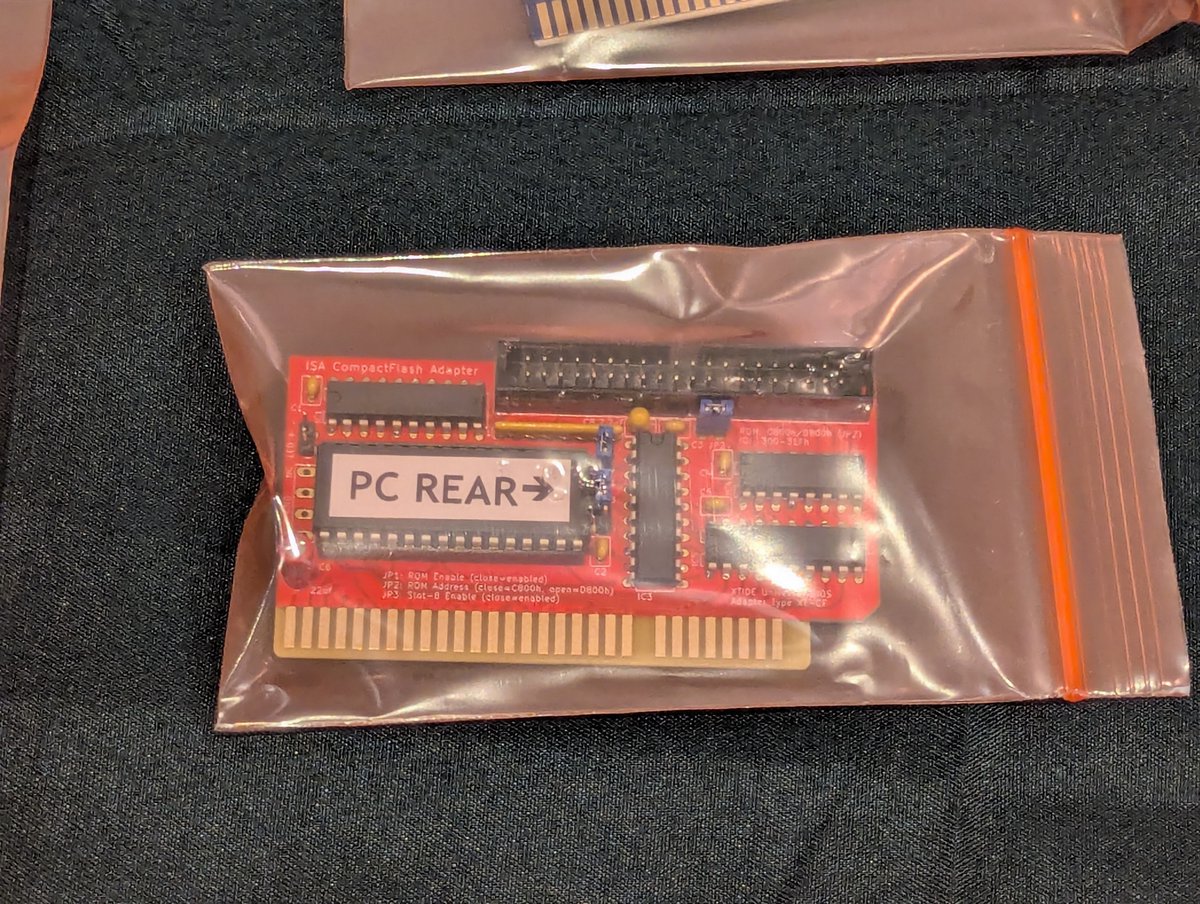
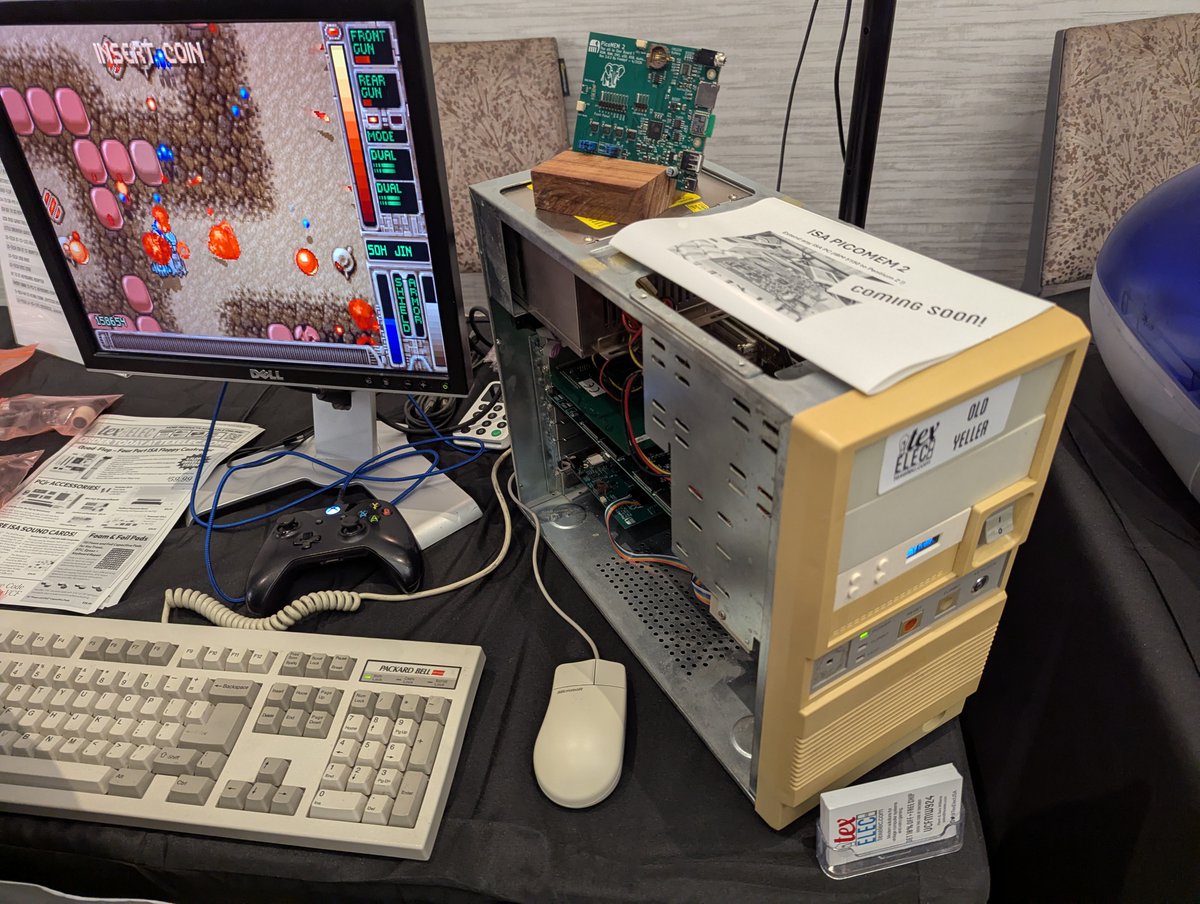
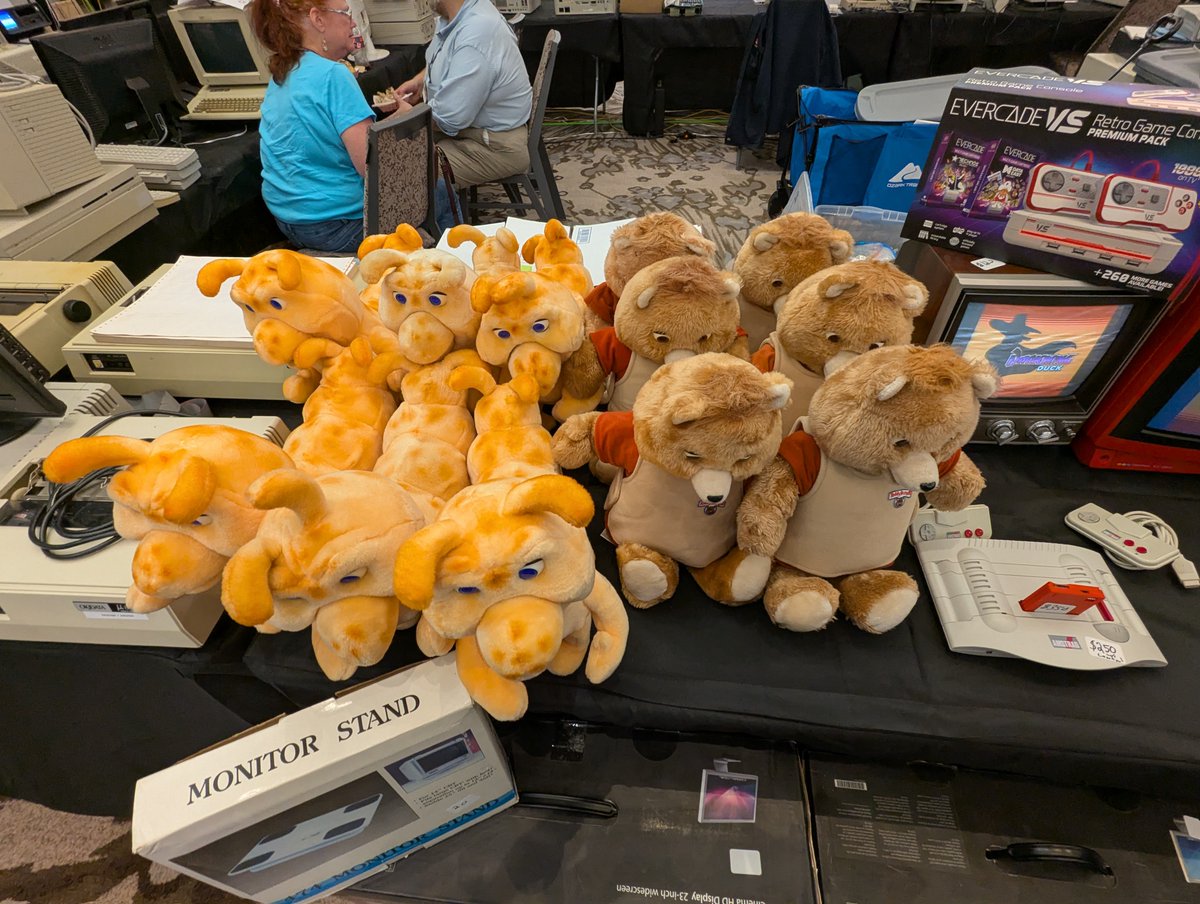
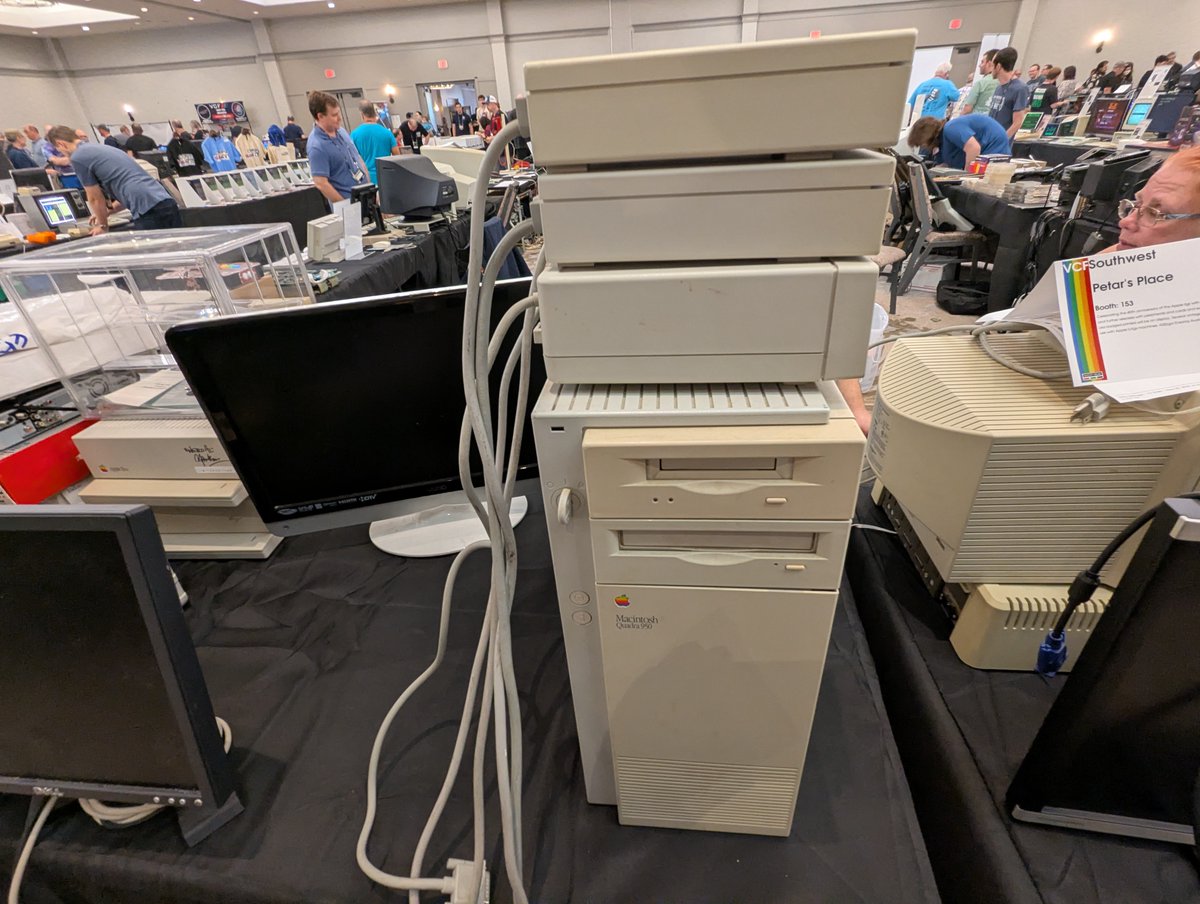
 Next, Macintoshes, Macintoshes, and more Macintoshes. And look at that Kaypro sign! And the Teddy Ruxpins 😂



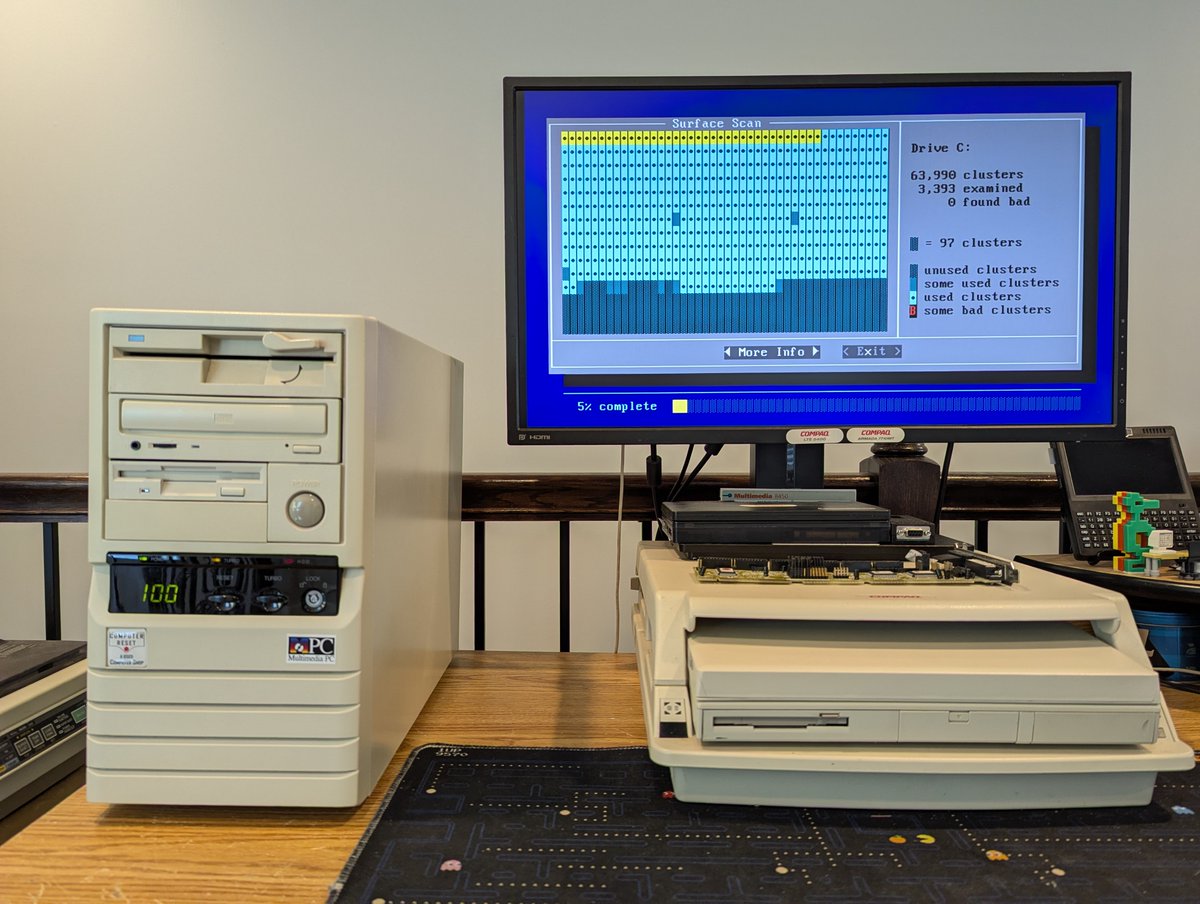
 So, first question, why redo the setup? Recently, I loaded an XTIDE patch on my Compaq LTE 5400 to allow large drive support. I ended up having to really optimize conventional memory. I also simplified the boot process to always load network drivers:
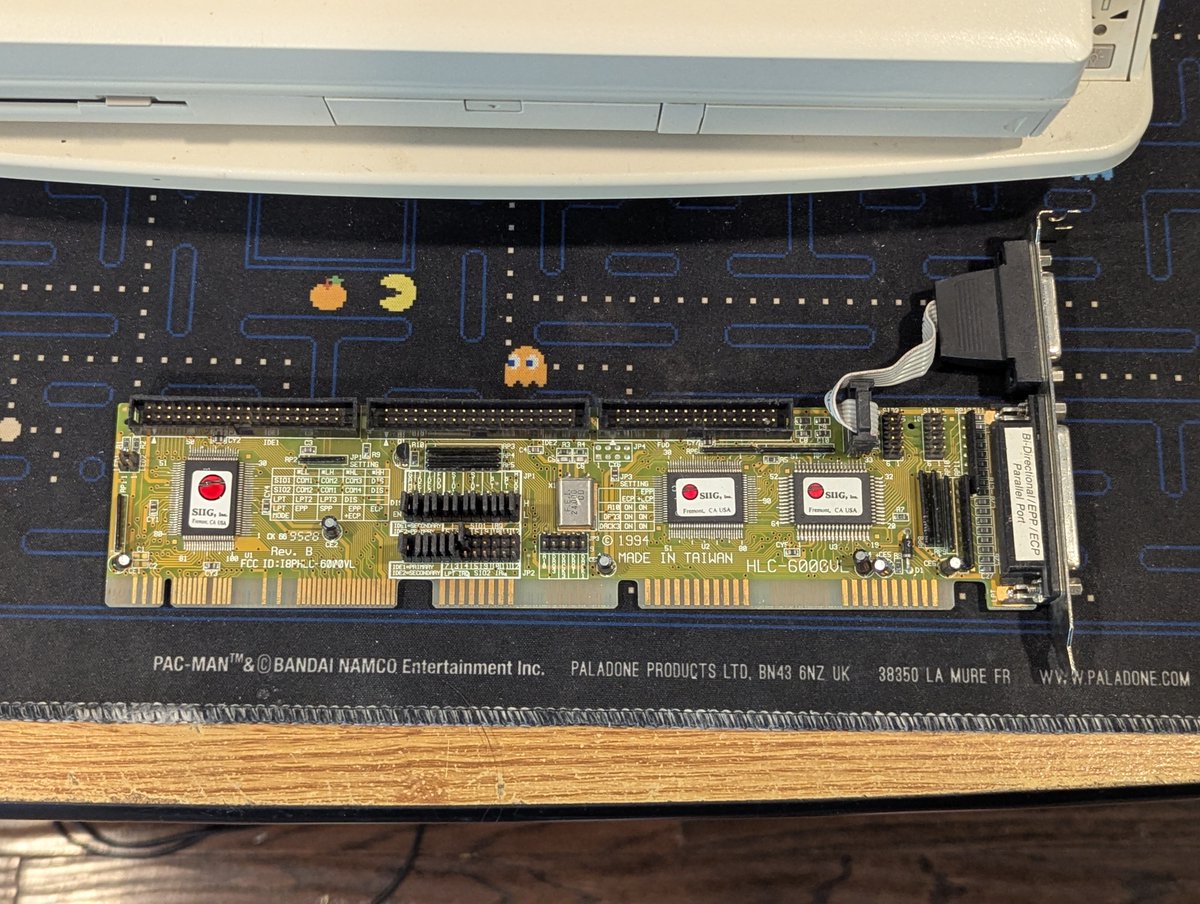
 This card is a SIIG Professional VL. And it has your typical I/O as you can see here: dual IDE, FDD, 2 serial, 1 parallel, and 1 game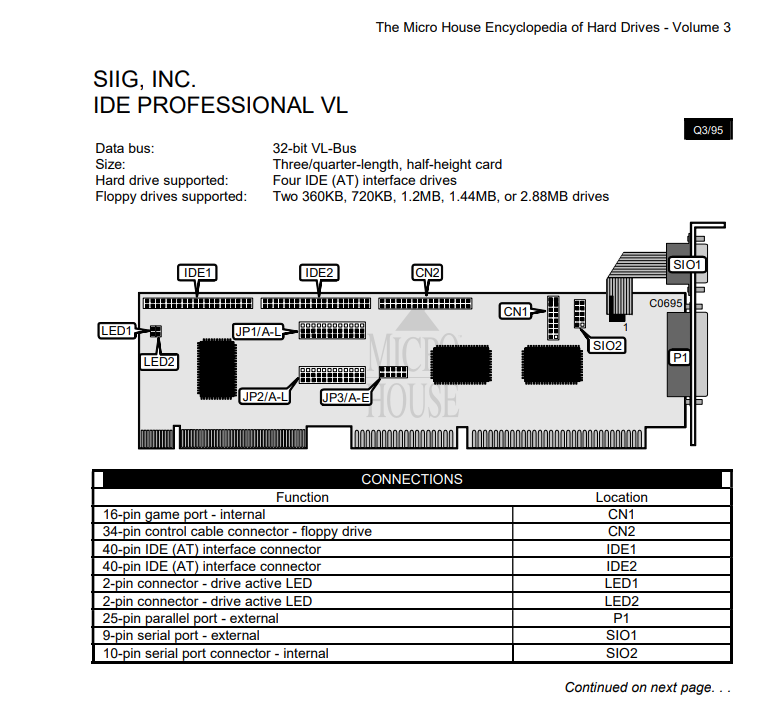
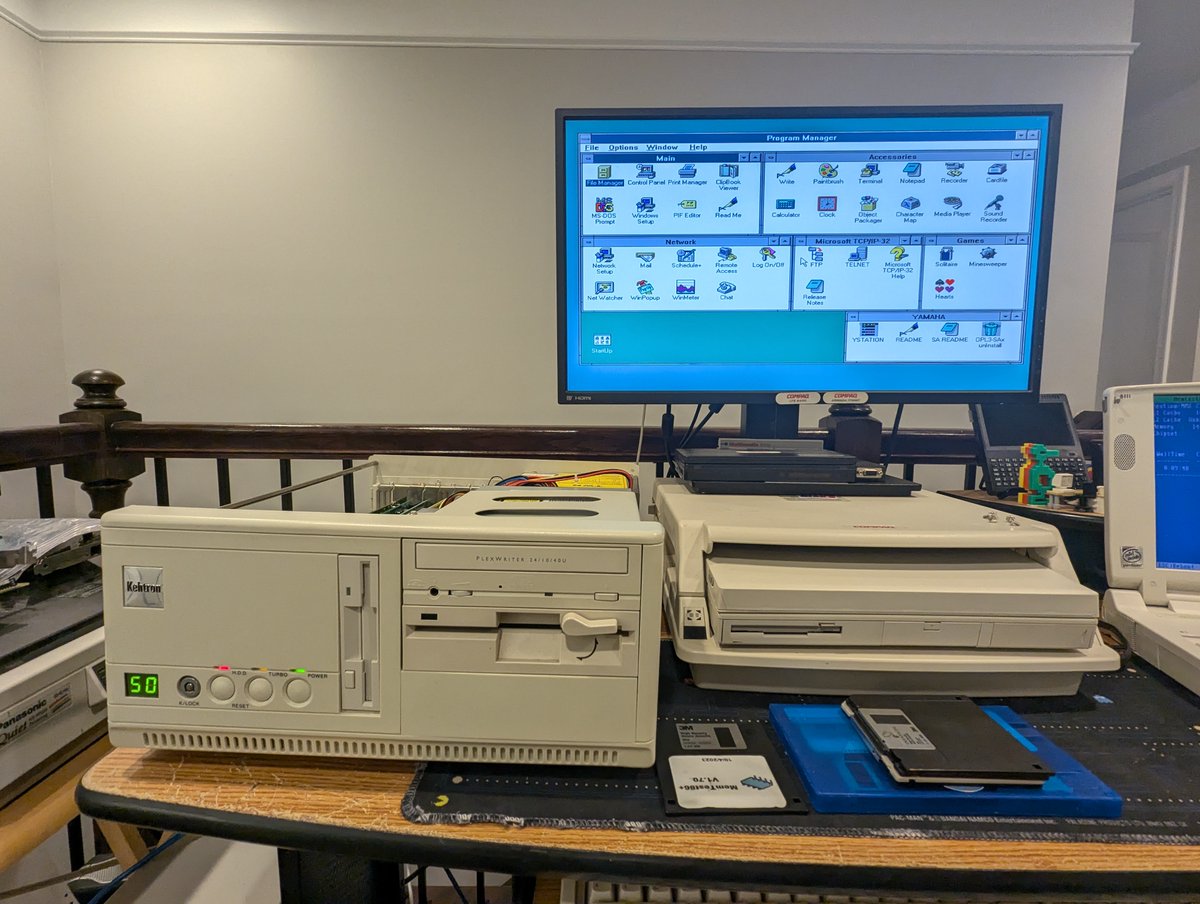
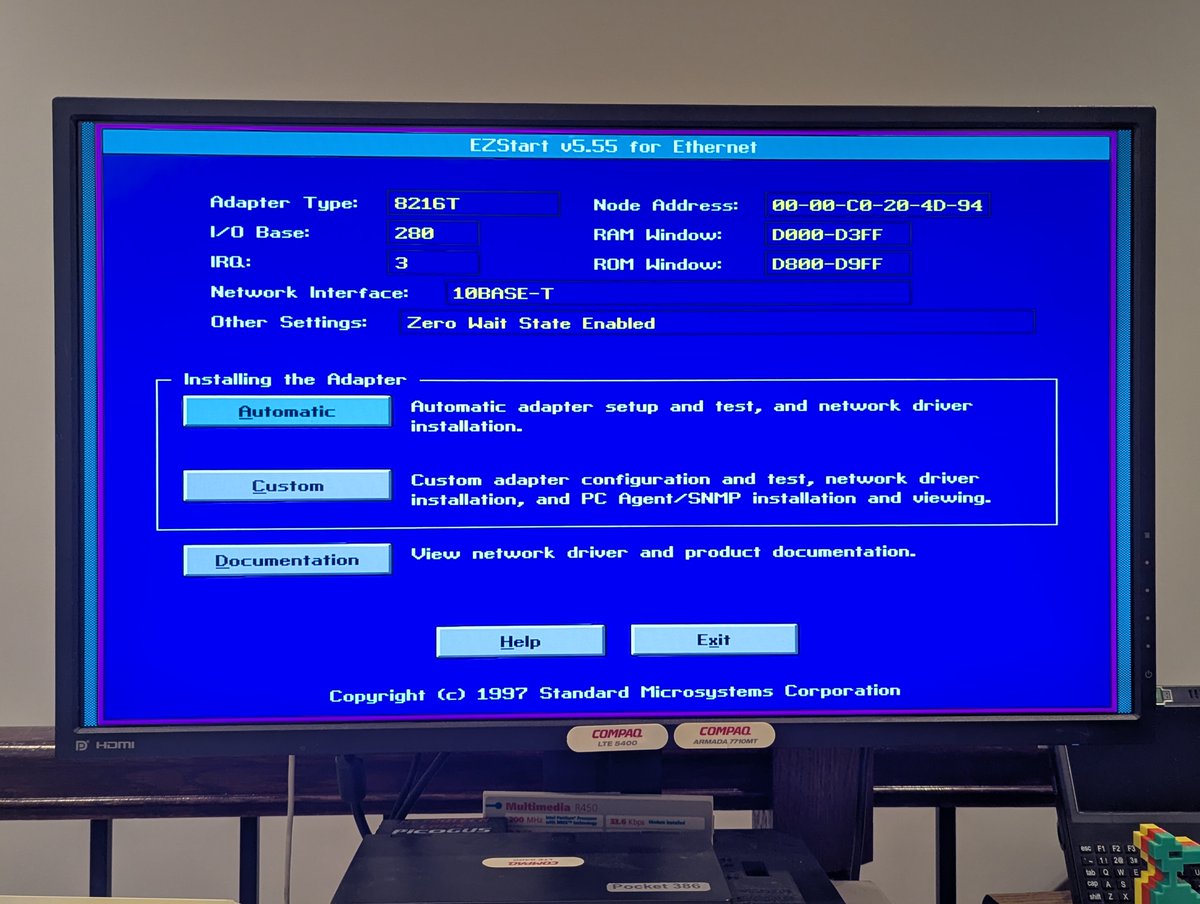
 Anyway, this thread starts out with a funny story. I grabbed a PC at random, and it happened to be the Kehtron PC. Guess what kind of card was already installed and operational in it? Yep, a SMC Elite 16 😂. Well, good, this problem should be solvable then!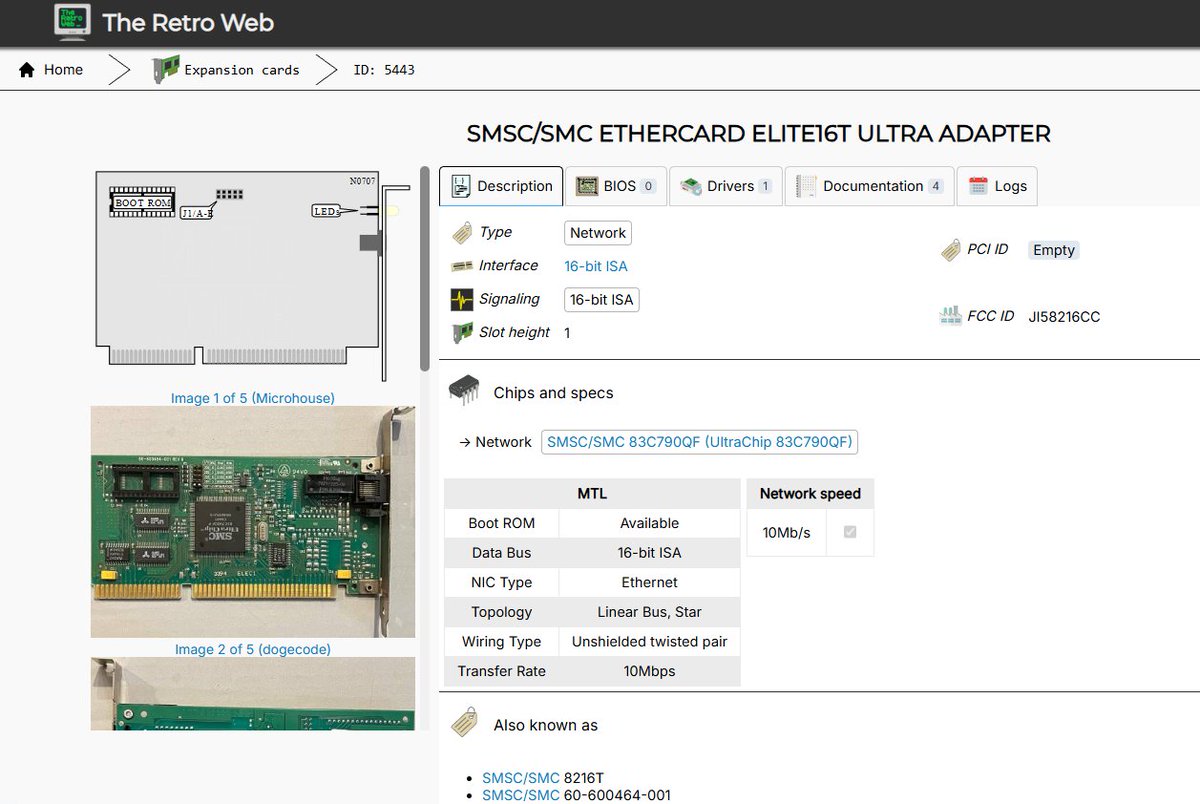

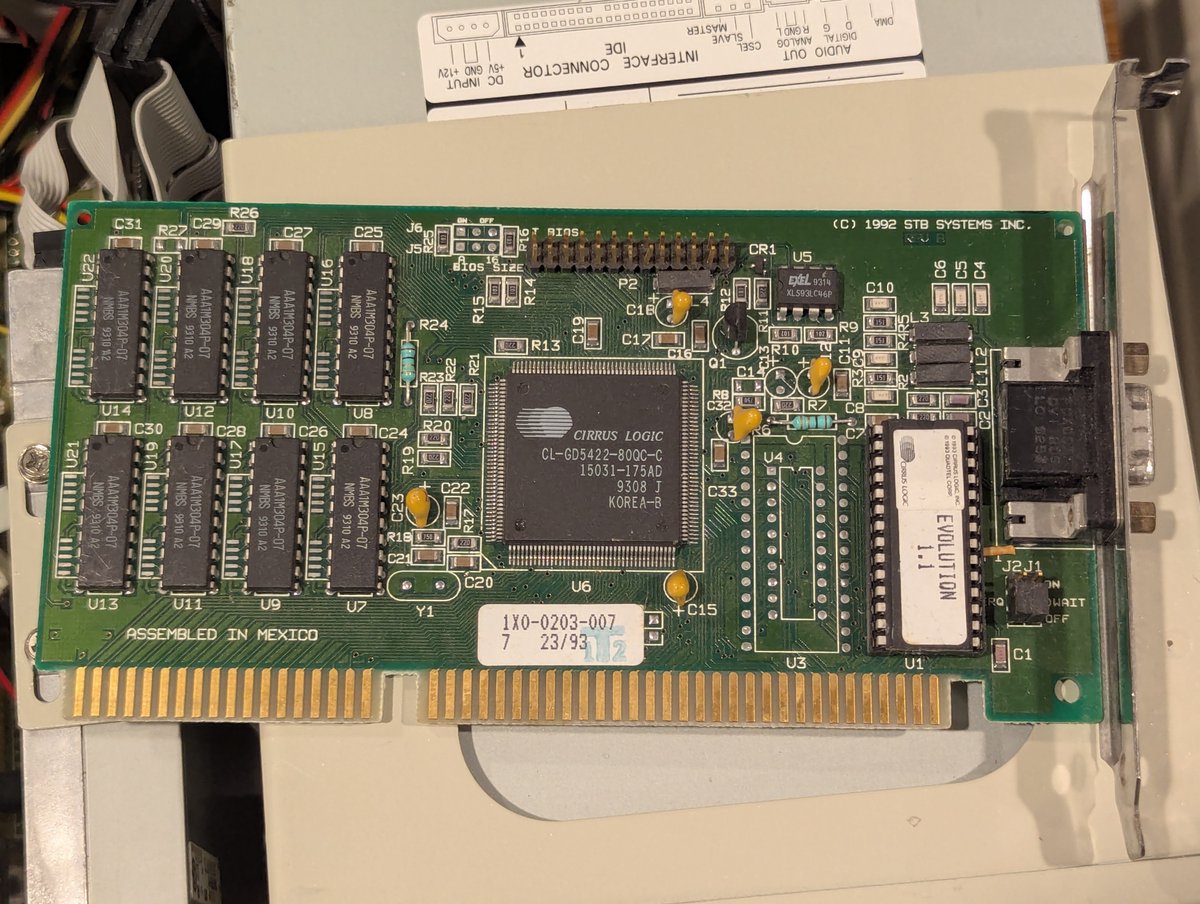
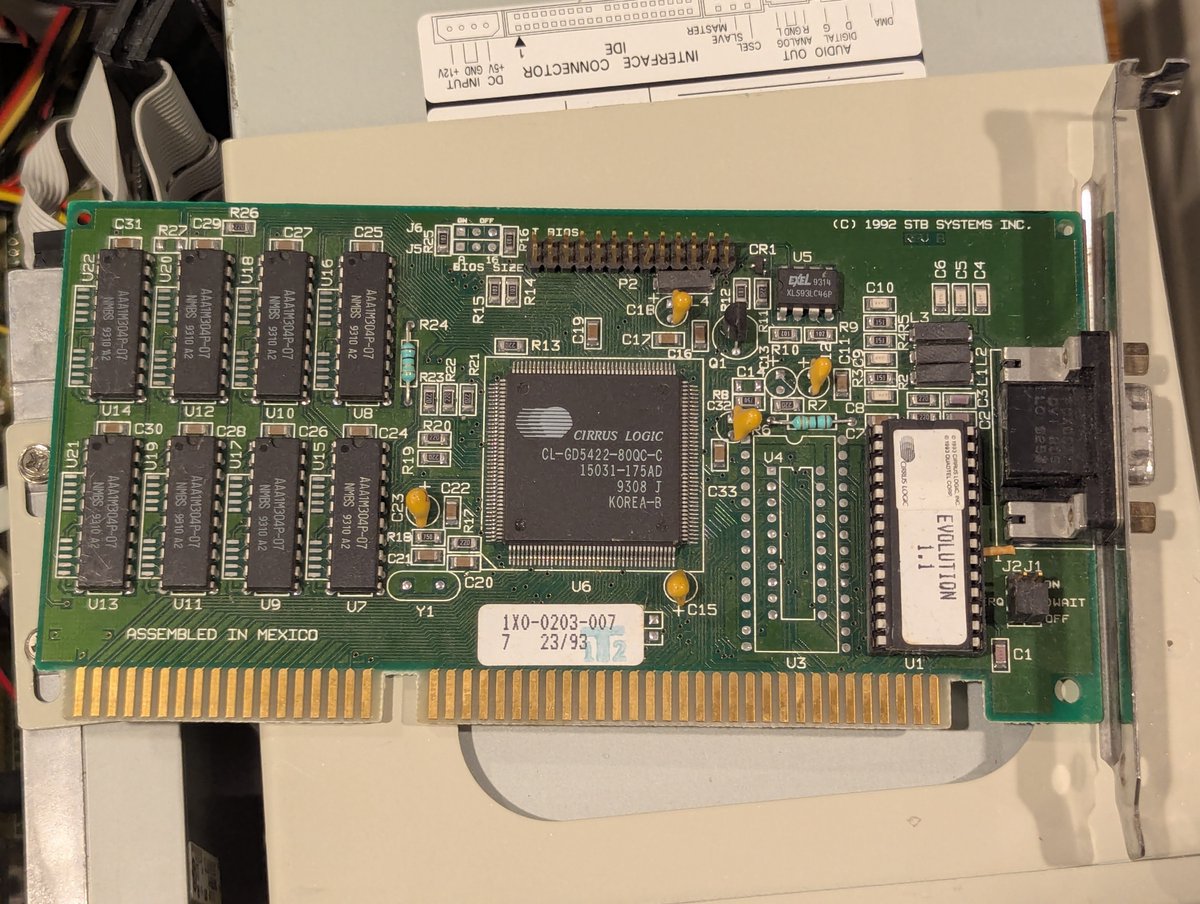 So this card is based on the Cirrus Logic GD-5422 chipset. It looks to be a STB System Horizon card. I didn't count the memory, but looks to be 1MB