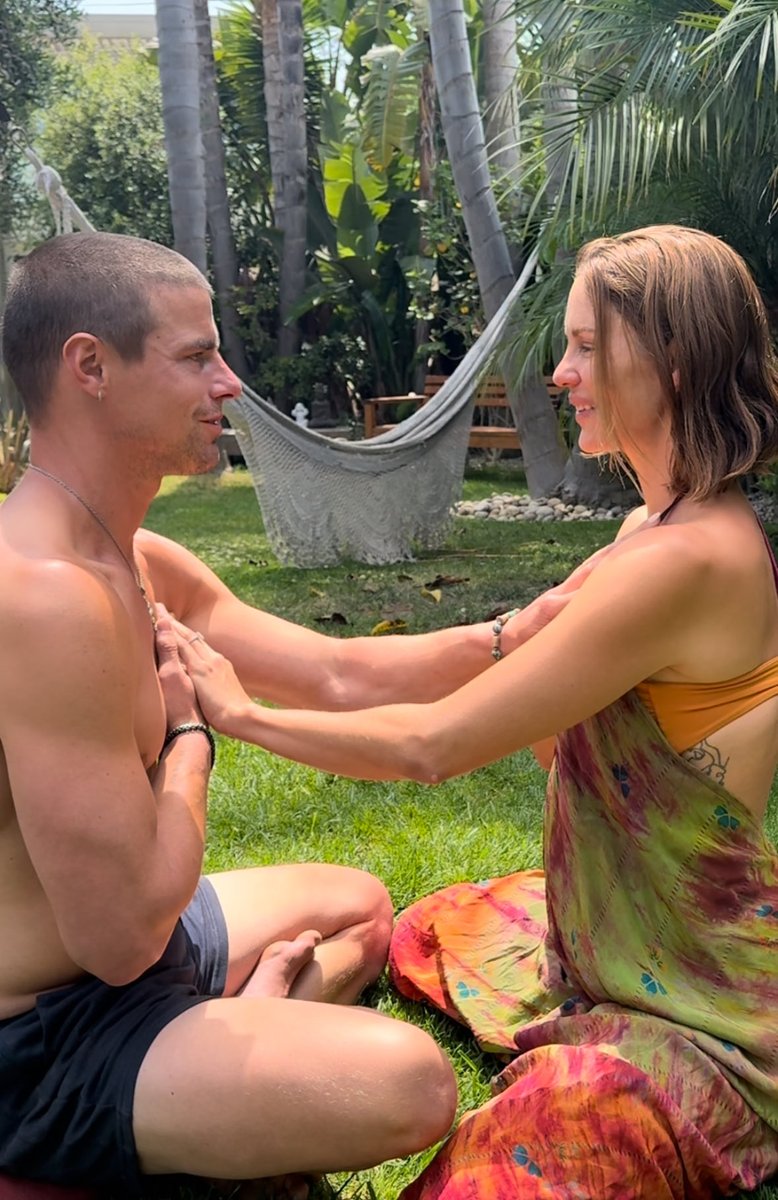
THE SILENT SCREAM
The trauma release technique they never taught you... but your body's been begging for.
You won't believe what happens when you try this.
Read this. Save it. Try it today.
The trauma release technique they never taught you... but your body's been begging for.
You won't believe what happens when you try this.
Read this. Save it. Try it today.


You're holding pain in your face.
Your jaw.
Your throat.
Your neck.
Your body is screaming inside but no sound comes out.
It's not random tension. It's unprocessed trauma.
Your jaw.
Your throat.
Your neck.
Your body is screaming inside but no sound comes out.
It's not random tension. It's unprocessed trauma.

The "Silent Scream" is a fascia release that resets your nervous system in 30 seconds.
No tech. No therapist. Just your hands and your breath.
It might look weird, but what you'll feel after... is unreal.
No tech. No therapist. Just your hands and your breath.
It might look weird, but what you'll feel after... is unreal.

How to do it
1. Clench your fist and place it under your chin with steady pressure.
2. Open your mouth as wide as possible, stretch the jaw and throat.
3. Keep your eyes engaged. Let your face express intensity.
4. Inhale through your nose (4 seconds), exhale through your mouth (6 seconds). No sound.
5. Show those canine teeth
6. Repeat for 6 full breaths.
7. Observe what arises. Shaking, yawning, tears, or heat are signs of release.
As always be gentle with yourself.
1. Clench your fist and place it under your chin with steady pressure.
2. Open your mouth as wide as possible, stretch the jaw and throat.
3. Keep your eyes engaged. Let your face express intensity.
4. Inhale through your nose (4 seconds), exhale through your mouth (6 seconds). No sound.
5. Show those canine teeth
6. Repeat for 6 full breaths.
7. Observe what arises. Shaking, yawning, tears, or heat are signs of release.
As always be gentle with yourself.
What’s happening internally:
You’re decompressing key structures of the stress-response system:
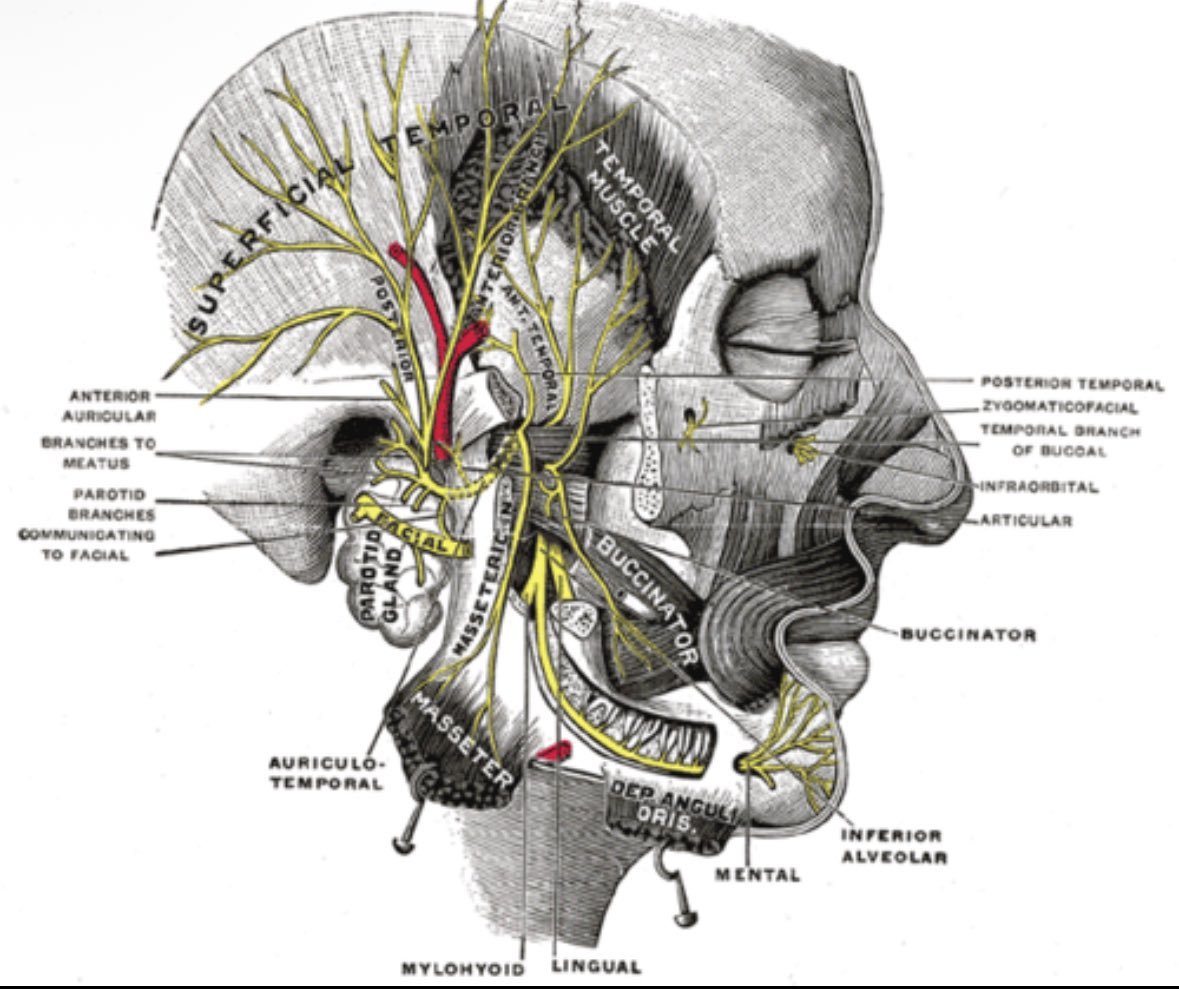
•The TMJ (temporomandibular joint), often clenched under unconscious tension
•The occiput, where the skull meets the spine, a critical neurological junction
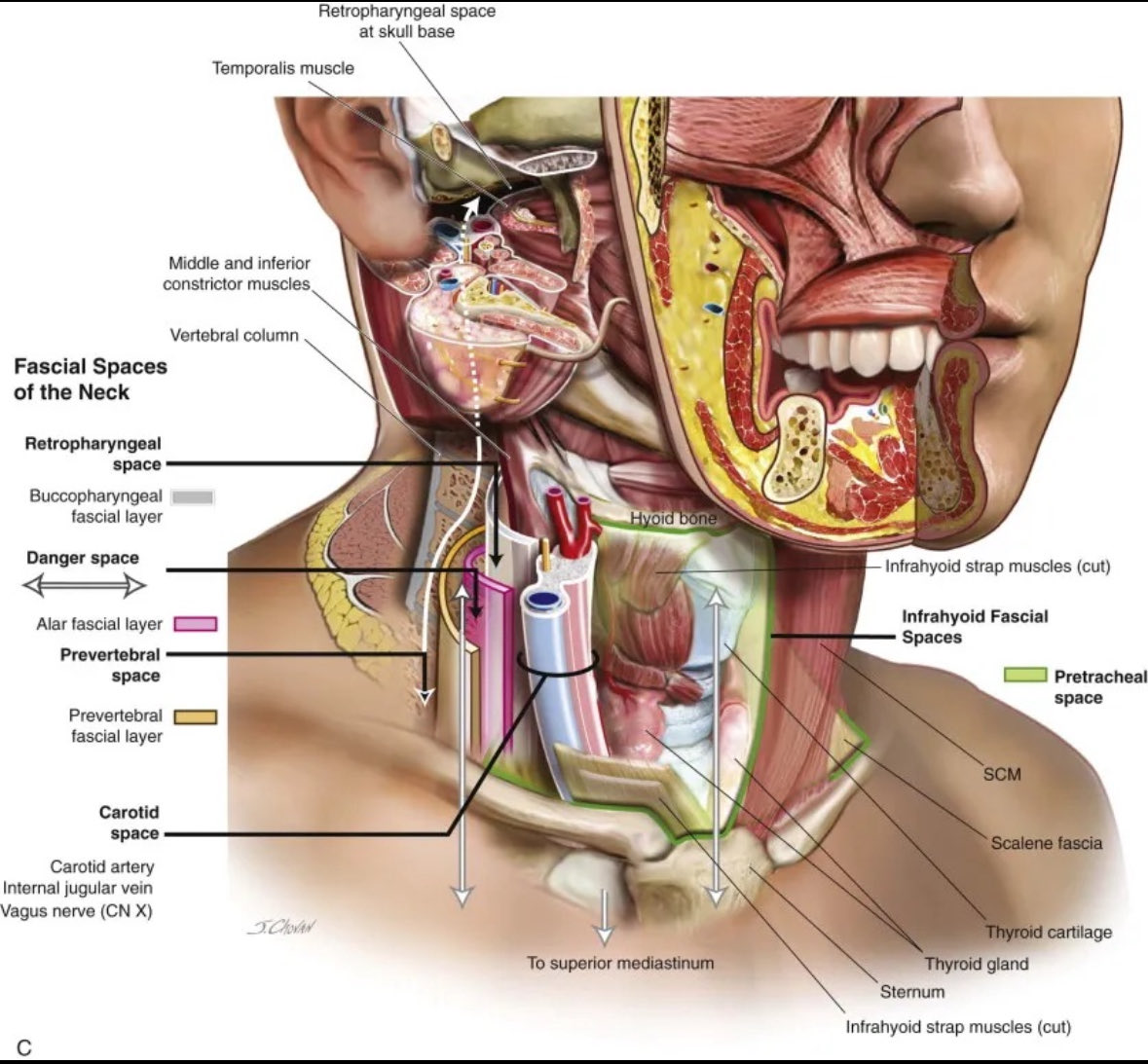
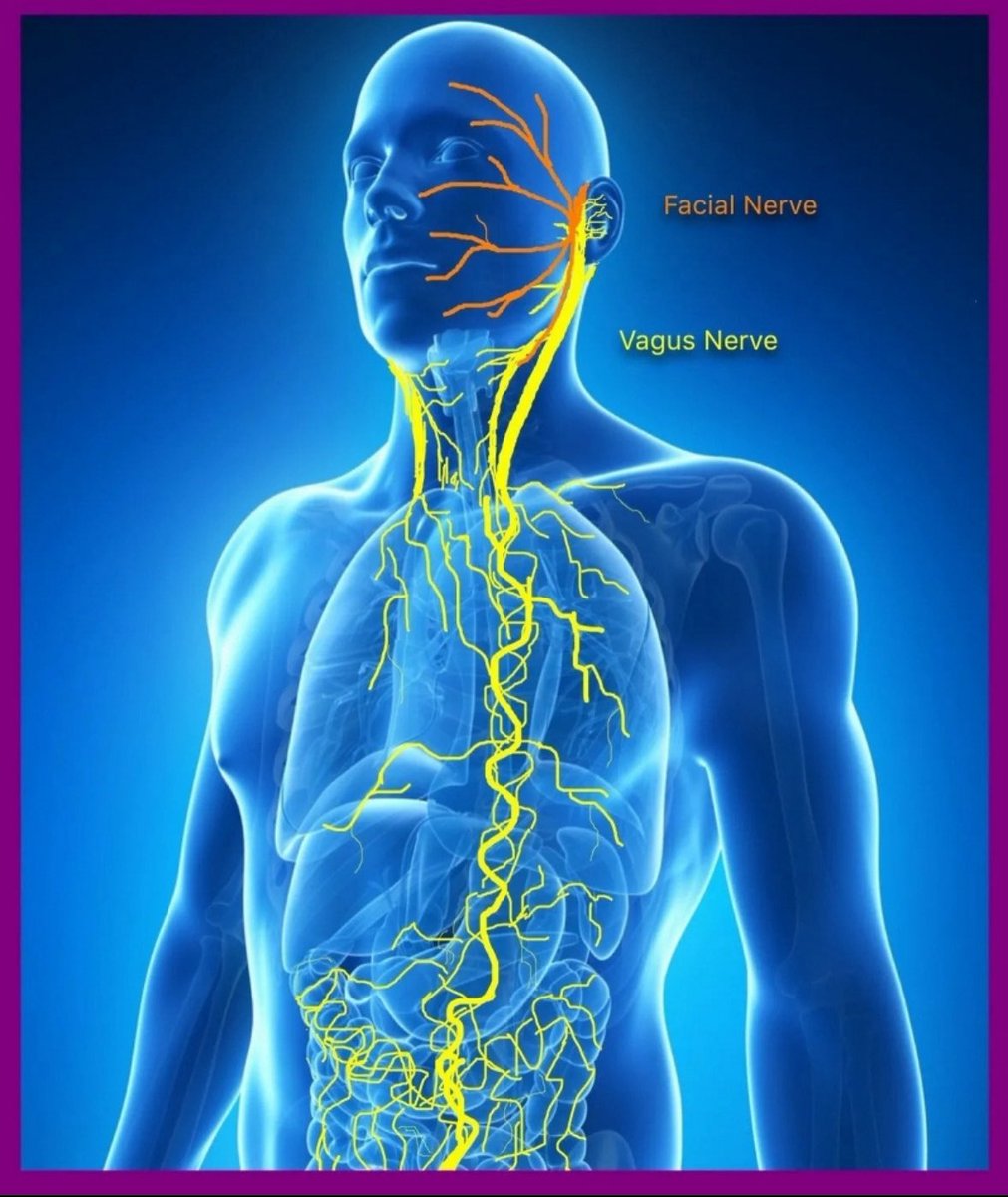
•The fascia surrounding the vagus nerve, which governs your parasympathetic response
This region holds unresolved stress, suppressed rage, and unprocessed grief.
Most people learn to mute these sensations.
This practice gives the body permission to express and release what the mind has been holding back.
You’re decompressing key structures of the stress-response system:
•The TMJ (temporomandibular joint), often clenched under unconscious tension
•The occiput, where the skull meets the spine, a critical neurological junction
•The fascia surrounding the vagus nerve, which governs your parasympathetic response
This region holds unresolved stress, suppressed rage, and unprocessed grief.
Most people learn to mute these sensations.
This practice gives the body permission to express and release what the mind has been holding back.
What to expect:
You may experience:
•Spontaneous yawning
•Involuntary shaking or trembling
•Emotional release without a clear trigger
•Subtle shifts in facial tension
•A sudden drop into stillness and calm
These are signs of nervous system decompression.
Not symptoms, signals of healing
You may experience:
•Spontaneous yawning
•Involuntary shaking or trembling
•Emotional release without a clear trigger
•Subtle shifts in facial tension
•A sudden drop into stillness and calm
These are signs of nervous system decompression.
Not symptoms, signals of healing
The science:
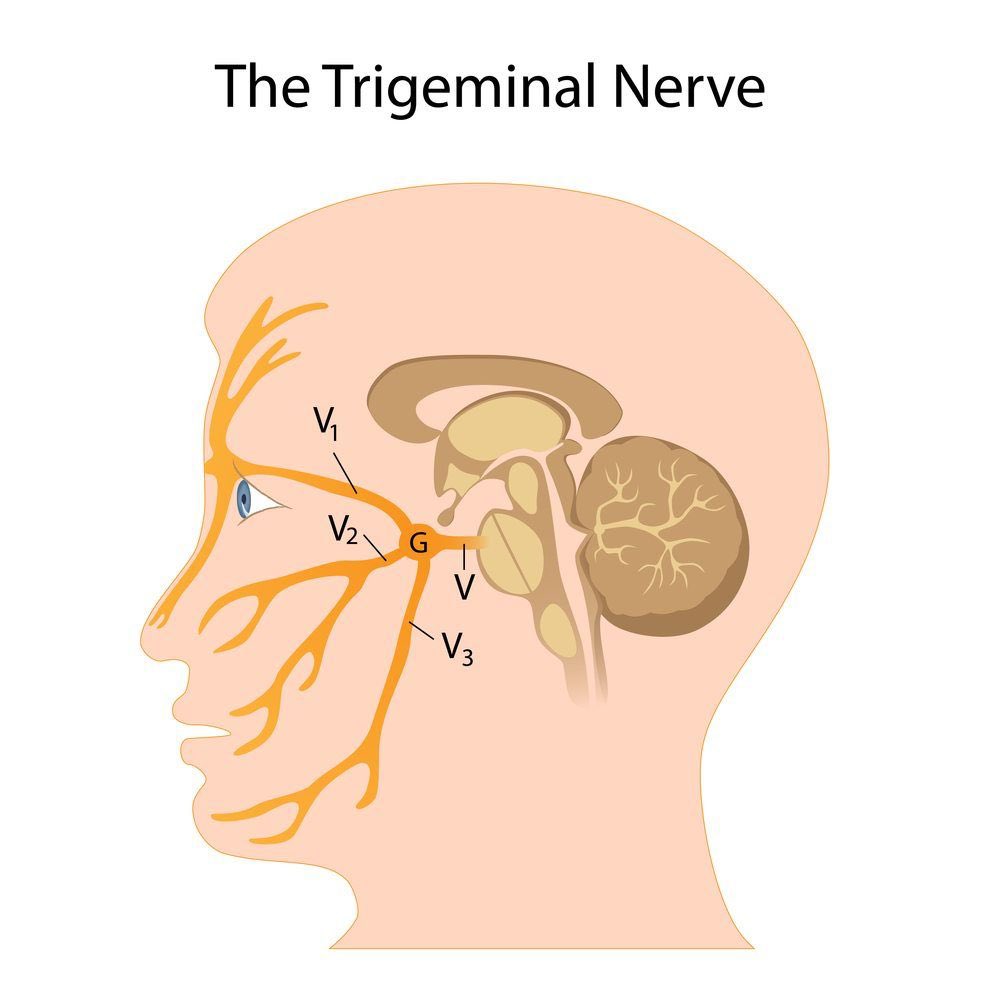
•The TMJ is neurologically linked to key trauma-processing centers in the brain
•Fascia encodes and stores somatic memory from unresolved stress
•The vagus nerve controls your autonomic state, regulating stress, digestion, and emotion
This single maneuver interfaces with all three systems, releasing tension at the root.
•The TMJ is neurologically linked to key trauma-processing centers in the brain
•Fascia encodes and stores somatic memory from unresolved stress
•The vagus nerve controls your autonomic state, regulating stress, digestion, and emotion
This single maneuver interfaces with all three systems, releasing tension at the root.
Why I teach this:
Because no one ever taught me how to feel.
I was told to stay quiet. Sit still. Be strong.
But strength without expression becomes tension.
When I finally learned to let go, everything shifted.
Physically. Emotionally. Spiritually.
I felt like myself again.
That’s why I’ve devoted my life to this work.
Everyone deserves to feel good in their body.
This isn’t just a release, it’s fascia therapy, trauma integration, and breathwork in a single, embodied practice.
Because no one ever taught me how to feel.
I was told to stay quiet. Sit still. Be strong.
But strength without expression becomes tension.
When I finally learned to let go, everything shifted.
Physically. Emotionally. Spiritually.
I felt like myself again.
That’s why I’ve devoted my life to this work.
Everyone deserves to feel good in their body.
This isn’t just a release, it’s fascia therapy, trauma integration, and breathwork in a single, embodied practice.
I’m teaching this and more in my next fascia emotional healing masterclass June 21st, 8am PST, $22 - recording included
Join me, seats are limited ♾️
calendly.com/mindfulmovemen…
Join me, seats are limited ♾️
calendly.com/mindfulmovemen…
Thank you for reading and trying something new 🙏🏽♾️
Love @juleshorn01
Love @juleshorn01
@SolBrah one for you 👀🫡
@joerogan give that a shot 👀🤌🏽
@elonmusk give that a shot 👀🤌🏽
If you perform it in the sun, it works even better and you get more benefits.
Here’s some more on sun and ocean exposure 🙏🏽
Here’s some more on sun and ocean exposure 🙏🏽
https://twitter.com/kait_robbins/status/1934534493190180994
• • •
Missing some Tweet in this thread? You can try to
force a refresh