For nearly a decade, online advertisers were the shock troops of censorship.
News outlets feared a boycott for publishing the wrong viewpoint.
Social media companies feared a boycott for platforming the wrong person.
The FTC just called time on this censorship tactic 🧵
News outlets feared a boycott for publishing the wrong viewpoint.
Social media companies feared a boycott for platforming the wrong person.
The FTC just called time on this censorship tactic 🧵
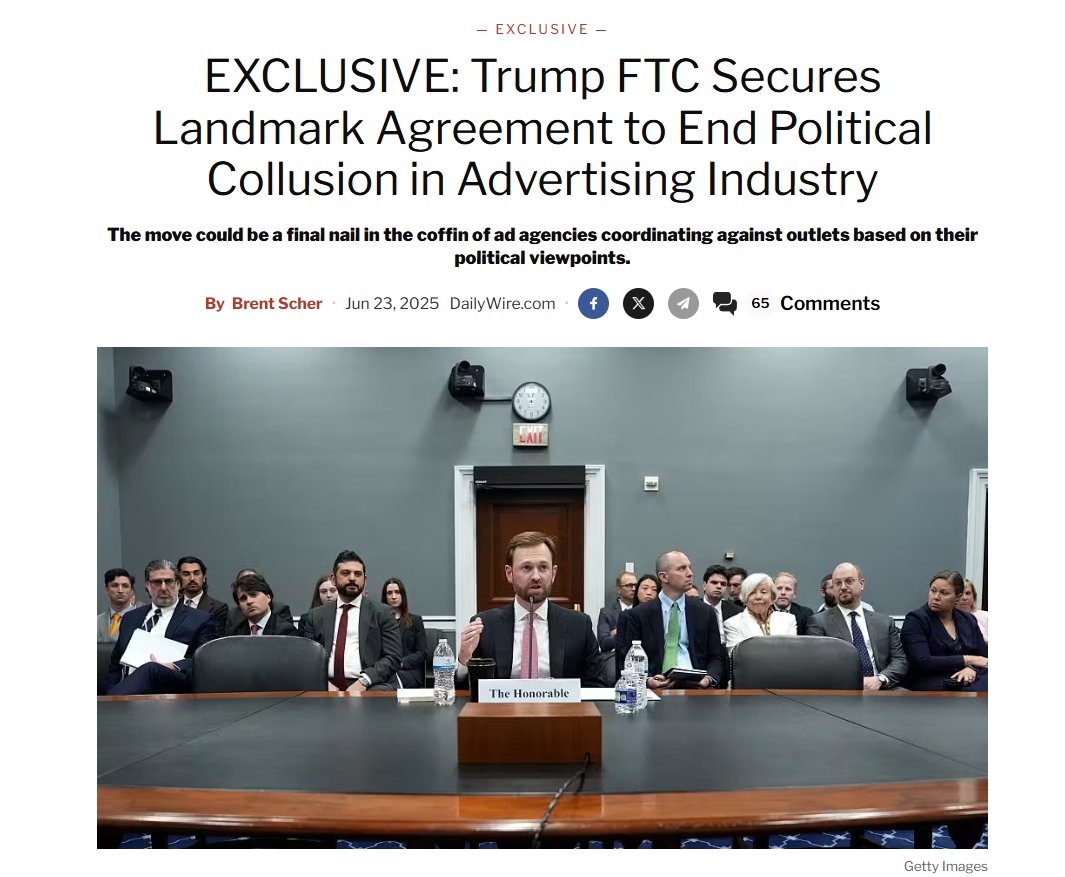
In December, two of the world's largest ad agencies, IPG and Omnicom, announced plans to merge.
Mergers of this size can't take place without the approval of competition regulators like the FTC.
Mergers of this size can't take place without the approval of competition regulators like the FTC.

Both firms are knee deep in censorship.
They were members of the Global Alliance for Responsible Media, which combined 97% of global ad spend to force uniform censorship policies on tech platforms.
It shut down after House GOP investigations and an @elonmusk lawsuit.
They were members of the Global Alliance for Responsible Media, which combined 97% of global ad spend to force uniform censorship policies on tech platforms.
It shut down after House GOP investigations and an @elonmusk lawsuit.

IPG and Omnicom also used NewsGuard, the industry's favorite media blacklisting service.
NewsGuard built a huge blacklist of disfavored news sources.
Its founders deliberately marketed the product to advertisers to financially throttle their targets.
NewsGuard built a huge blacklist of disfavored news sources.
Its founders deliberately marketed the product to advertisers to financially throttle their targets.
https://x.com/AllumBokhari/status/1858947896357646571
Massive news sources like Tucker Carlson, Breitbart News, and of course the X platform itself ended up in NewsGuard's crosshairs.
According to the "brand safety" consensus that IPG and Omnicom subscribed to, cutting brands off from hundreds of millions of potential customers is completely fine, as long as ads aren't appearing next to "misinformation" and "hate speech."
According to the "brand safety" consensus that IPG and Omnicom subscribed to, cutting brands off from hundreds of millions of potential customers is completely fine, as long as ads aren't appearing next to "misinformation" and "hate speech."
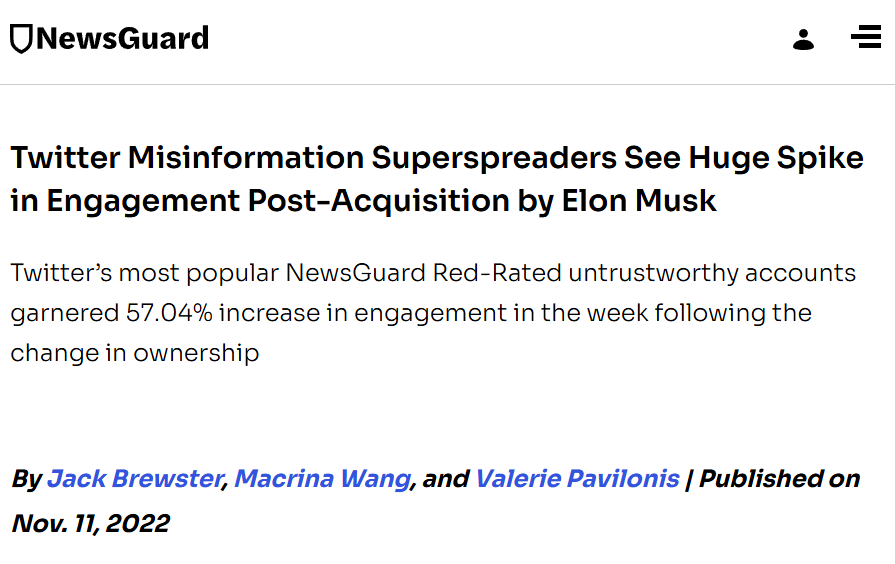
By reframing industry-wide ad boycotts as a collusion issue, the FTC is bringing the weight of US competition law down on the censorship industry.
The FTC is also establishing a direct line to publishers who are the targets of these boycotts.
The FTC is also establishing a direct line to publishers who are the targets of these boycotts.

Some Allum vindication - I wrote in December that @AFergusonFTC was the best possible choice for online free speech.
nypost.com/2024/12/11/opi…
nypost.com/2024/12/11/opi…
The only lingering question is - will the agreement last? Companies have a habit of forgetting previous consent decrees when the White House changes hands. In other words, what are the "teeth" of this decree?
I imagine the world's largest ad firms (not just IPG/Omnicom but also Publicis, WPP) are fretting about the status of their OVER $6 BILLION in federal ad contracts.
It would be very hard to get those contracts back if they were given to other firms.
It would be very hard to get those contracts back if they were given to other firms.
https://x.com/AllumBokhari/status/1819099527455928480
• • •
Missing some Tweet in this thread? You can try to
force a refresh