The missing link to make sense of the SDR and recent decisions on air power is a major ACP (Loyal Wingman) programme for both RAF and FAA.
This is an SDR recommendation and needs to be properly funded (billions), but is unlikely to get those resources until after 2029.
This is an SDR recommendation and needs to be properly funded (billions), but is unlikely to get those resources until after 2029.

Introduction of an ACP to FAA needs to be timed with a 2030s MLU of the carriers, but can enter service earlier with the RAF, initially as part of UK IAMD and for the SEAD/DEAD mission, increasing mass in the fast jet force.
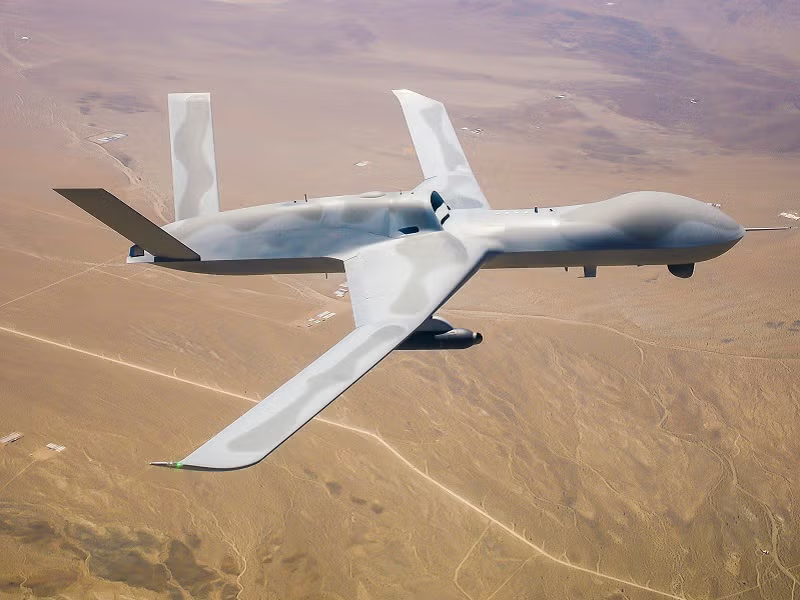
BAE and MHI have begun cooperation on ACP designs for GCAP, and Boeing Australia is looking for European partners to develop MQ-28 Ghostbat. General Atomics and Anduril are flying new lower cost designs for USAF, and Airbus and Saab have both shown concepts.

Affordable designs are more likely to be attractive to the RAF and could be fielded relatively quickly if resources are made available. They also have the advantage of needing less powerful catapults if adopted by FAA. Anduril's YFQ-44A Fury, for exmaple.

General Atomics YFQ-42 is another 'fighter drone' - smaller, lower cost and more agile - than the larger 'bomb truck' strike drones such as MQ-28 and XQ-58. The former is probably attractive for both the RAF and FAA for IAMD, and could be fielded sooner.

Dassault is pursuing a development of its Neuron drone as a heavyweight strike drone to accompany Rafale and SCAF. This is a much larger stealthy platform, designed to increase the strike potential of the realtively small Rafale and SCAF crewed platforms.

Given that GCAP has evolved into a much larger crewed deep strike platform, RAF and FAA may be more interested in a agile 'fighter' drone initially, for increasing IAMD mass, freeing Typhoon, F-35 and GCAP for the strike mission alongside long range drones and missiles.

FAA needs a tanker for F-35B, this could point to the MQ-25 Stingray, which can also provide a high flying communications node for the new 'Digital Targeting Web'.
MQ-25 will need the carriers to aquire a relatively large EMALS during MLU, which could also launch strike CCAs.
MQ-25 will need the carriers to aquire a relatively large EMALS during MLU, which could also launch strike CCAs.

For now the RAF's only major autonomous programme remains MQ-9B, although a tiny investment in 24 of Tekever's AR3 ISR drones was announced earlier in the year. This will need to change if the F-35 mix leans towards 'A' over 'B' to enable a 'hybrid air wing' on the carriers.

Leonardo have partnered with Baykar to develop drones in Italy, and one idea floated for GCAP is an autonomous variant of Leonardo's M-345/6 jet trainer, and Turkey has tested its Anka-3 stealthy combat drone and Kizilelma 'fighter' drone.

France, Italy and Germany are all moving forward rapidly on CCA/ACP programmes for SCAF and GCAP and Italy has chided the UK for dragging its feet, despite a blizzard of strategiies on autonomous systems. The US, Australia, Turkey and Japan are all moving rapidly to aquire CCAs.

Despite the rhetoric on autonomy the RAF has been slow to invest in R&D or systems when compared to our peers and adversaries. LANCA/Mosquito was never properly funded and the fanfare over 'swarming drones' proved farcical. Taranis was abandoned when UK had the leading edge.

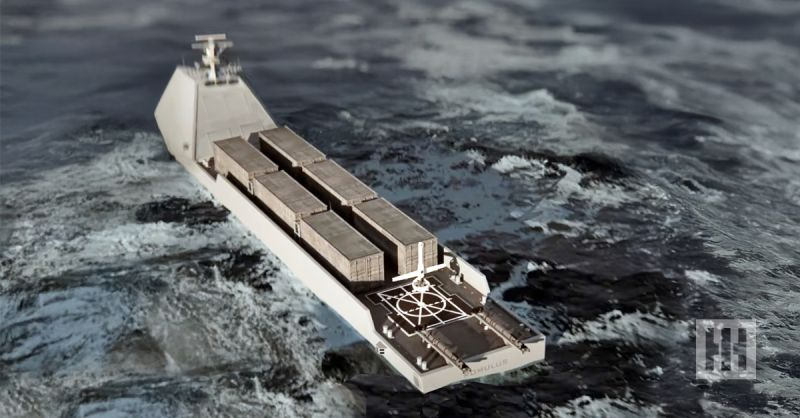
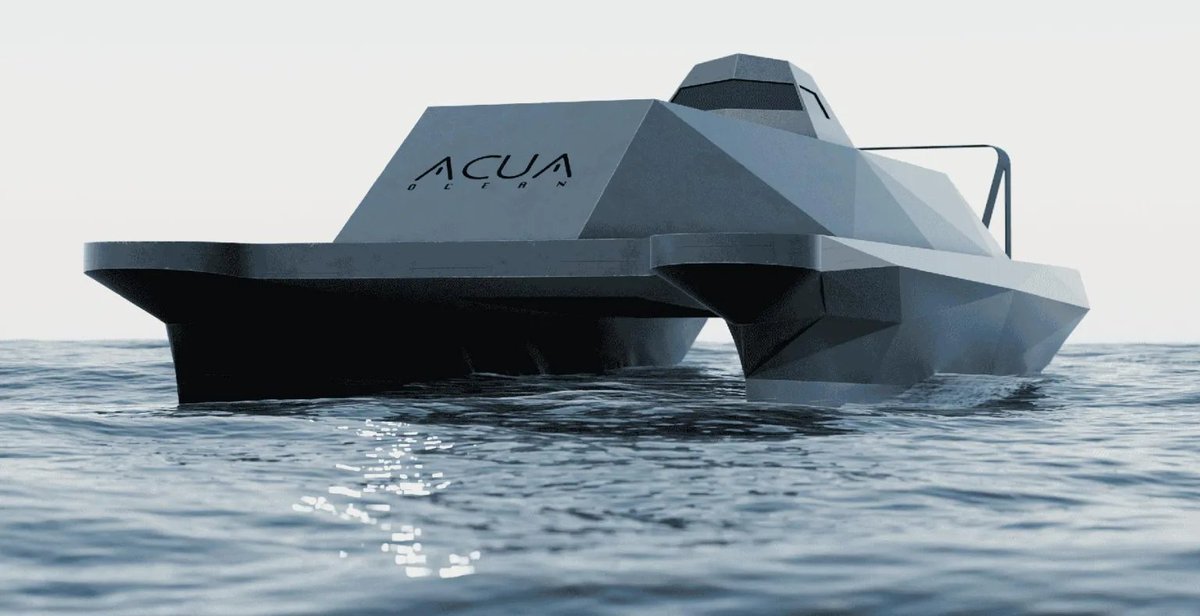
This stands in sharp contrast to the navy, which has invested heavily in both autonomous R&D and systems and now has mature programmes such as the Anglo-French autonomous MCM system, 'Proteus' ASW drone, 'Peregrine' ISR drone, 'Cetus' XLUUV and Patrick Blackett resarch vessel.

These are now leading to an autonomous shipbuilding programme for Type 91 Arsenal Vessels, Type 92 ASW Sloops and Type 93 XLUUV Chariots.
Air Command has to take autonomy seriously, not only are they falling behind, but making decisions which make no sense without ACP/CCAs.
Air Command has to take autonomy seriously, not only are they falling behind, but making decisions which make no sense without ACP/CCAs.

All of our peers have invested in CCA/ACP programmes, including our GCAP partners and France, Australia, Sweden and Germany. Air command has not done more than spend nominal sums to keep the rhetoric alive. RAF is prioritising its desire for more crewed E7, F-35A and more A400M.

Over keeping ahead of the technological curve. This is a false economy and will have long term damaging effects on the UK defence industrial base if we have no capability to develop, manufacture and export ACP/CCAs in a market that will be dominated by these systems mid-century.

@threadreaderapp unroll
• • •
Missing some Tweet in this thread? You can try to
force a refresh