NATO suggests that Russia can sustain the war at its current pace until 2027. Of course, I may be accused of being sympathetic to Ukraine and having a biased opinion, but let’s look at the facts—what’s wrong with this statement? The Russian war machine currently relies on
1/18
1/18

Soviet-era equipment reserves, a large number of soldiers, and the National Wealth Fund. Let’s start with the first point. Soviet equipment reserves are almost completely depleted. The offensive on Sumy is carried out mainly through infantry assaults, and the amount of
2/18
2/18

destroyed Russian equipment in recent weeks is two to three times lower than during the same period in previous years. If Russia continues the war at the same pace, by 2027 almost all of its equipment will be gone—perhaps even the few donkeys they have. As for soldiers,
3/18
3/18

it may seem like Russia has an endless supply, but that’s not the case. Recruitment is driven by huge payouts—sums of money most Russians have never seen in their lives. But most of those who were willing to go to war are either lying dead in Ukrainian fields or have returned
4/18
4/18

home as cripples, and even those are being scooped back into the army and sent to the front. The potential for voluntary mobilization is already exhausted. The incentives are losing effectiveness, and fear of the front is growing. In Russia, news spreads about scams with
5/18
5/18

payments and the real conditions of service, which drastically reduces the number of volunteers. Military enlistment offices are once again rounding up alcoholics, the elderly, and undocumented migrants—anyone they can pack onto a bus and send as cannon fodder. All exchanged
6/18
6/18

Russian POWs are sent back to the front straight from the bus, which says a lot. Russia is also experiencing a labor shortage, which is severely hurting the economy. This brings us to the key issue—the economy. The National Wealth Fund is one of the main sources of war
7/18
7/18

financing and social spending, especially with declining oil and gas revenues. It has been actively spent since 2022. Over three years of war, two-thirds of it has been depleted, and the 2025 state budget is facing a record deficit due to falling oil prices and record
8/18
8/18
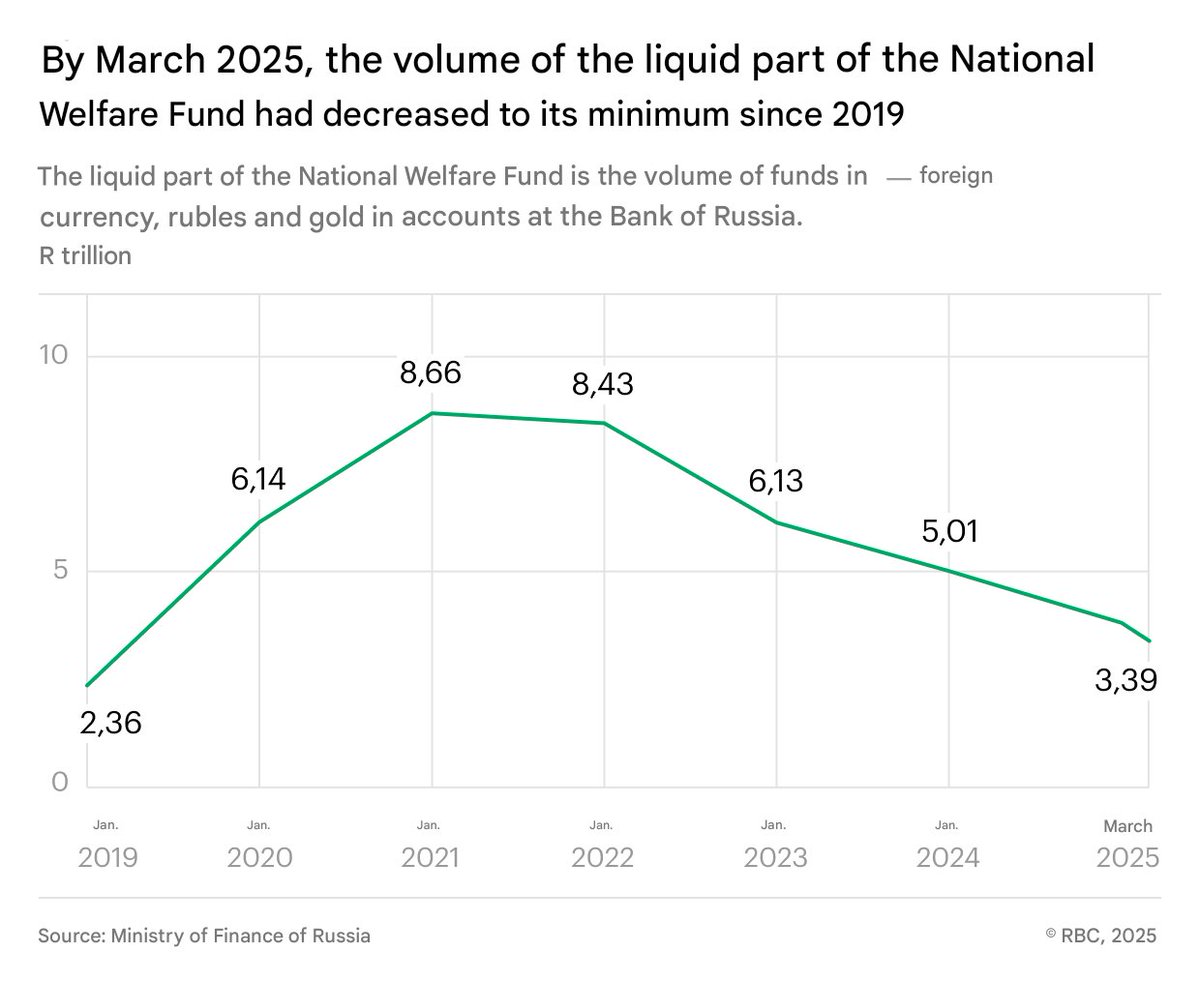
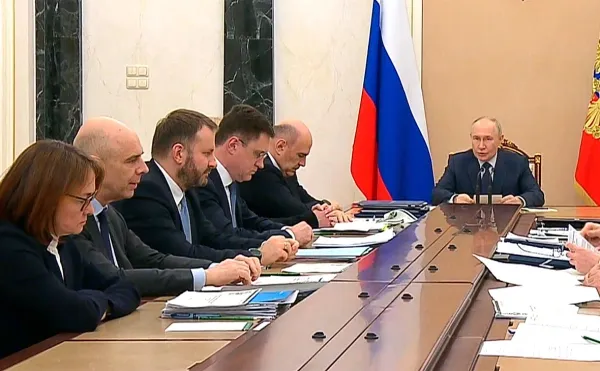
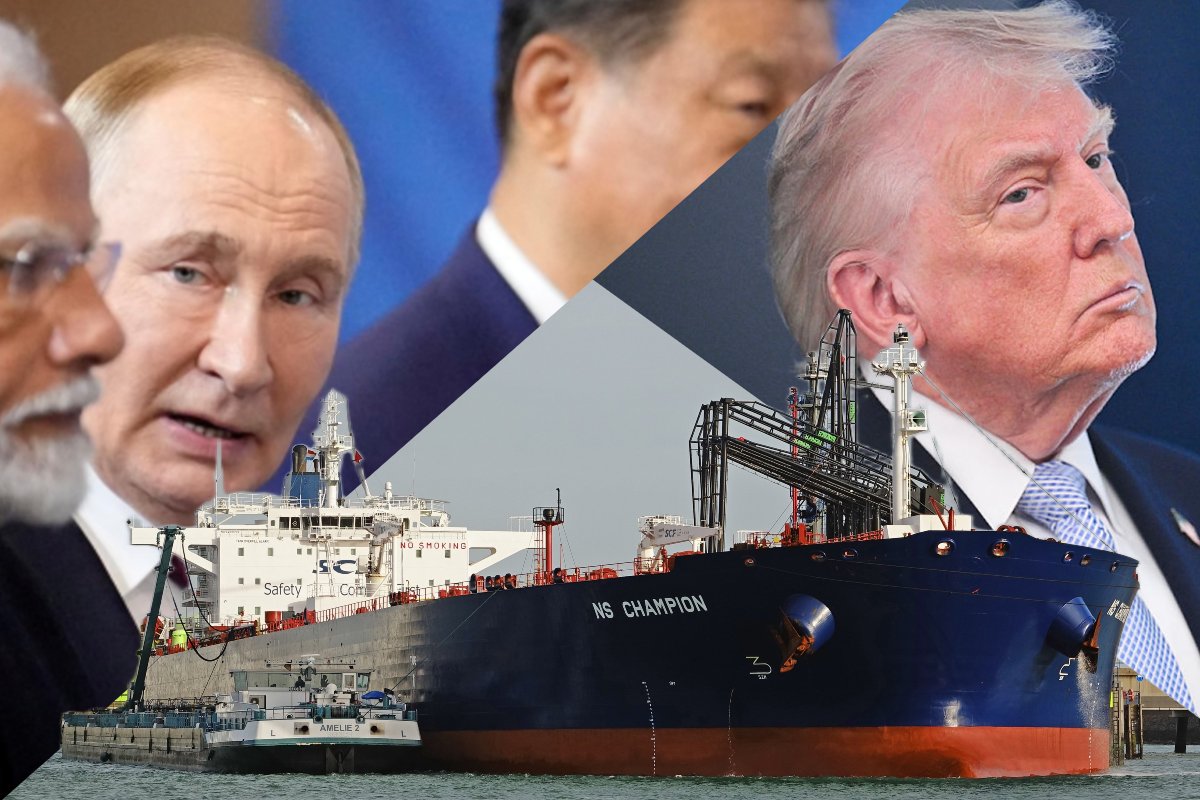
military spending. The budget was planned based on $85 per barrel, but since summer 2024 the average price of Urals oil has been around $60–65. There was a brief rise due to the war in Iran, but prices dropped again this week. At the recent SPIEF, Russian officials—who
9/18
9/18

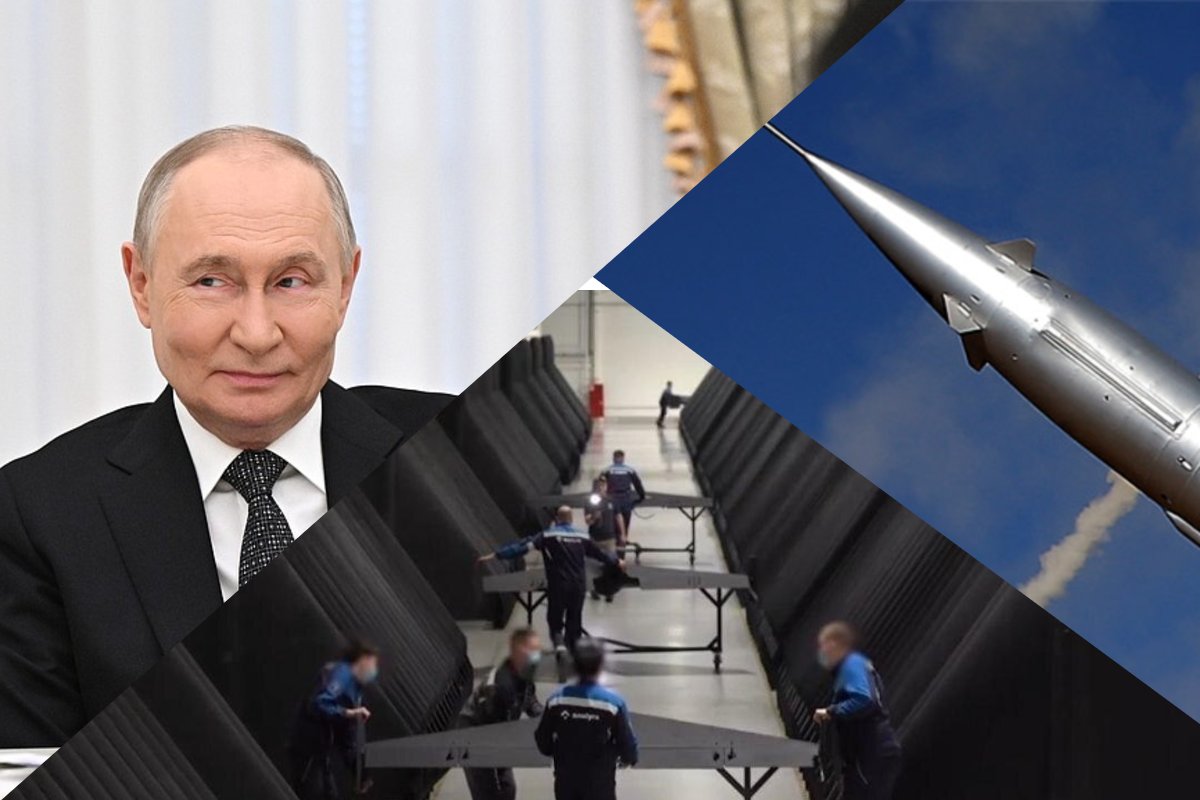
usually fear delivering bad news to Putin—openly spoke of an impending recession. Yes, there was some illusion of growth in the economy due to stimulation of military production, but Russian enterprises have started going bankrupt. The Ministry of Defense often delays
10/18
10/18

payments for state contracts, companies can't pay back loans, and high interest rates prevent new borrowing. In many cases, defense contracts are structured in a way that companies incur losses by fulfilling them. Russia’s only LED manufacturing plant just went bankrupt
11/18
11/18

and shut down—it had been operating at a loss for a year, fulfilling a defense contract. More such closures are coming. On top of that, Ukrainian drone attacks are increasingly successful. Russia is losing domestic manufacturers. Sanctions are also having an impact—it's hard
12/18
12/18

to service equipment, source materials, and acquire components. Russia produces almost nothing itself and relies heavily on imports that bypass sanctions. But even in that, Russia is losing partners—Iran is no longer helpful, Kazakhstan is reorienting toward the West, and
13/18
13/18

China is not rushing to save Russia either, as it likely has its own plans for Russia’s resources once the country collapses. The real estate market in Russia has slowed down, with a nearly 30% decline in new developments compared to last year. And this is just the visible
14/18
14/18

part of the iceberg. The most important point is that economic experts—both within and outside Russia—are now openly discussing an imminent recession. Of course, such talk has been ongoing for three years and often remains speculative, but the snowball of economic problems
15/18
15/18

that has been growing over this period has reached massive proportions, and there are many indirect signs that the Russian economy is in much worse shape than it is portrayed. The fact that Russian officials are now openly talking about it is serious—fear of inevitable
16/18
16/18

collapse has outweighed their fear of falling out of favor with the Tsar. Yes, Russia might last until 2027, but definitely not at the pace it is sustaining now But the Russian threat is permanent. The Bolsheviks sought to restore the borders of the Tsarist Empire, and
17/18
17/18

modern Russia wants to restore the borders of the Soviet Union. Russia represents a constant and structural threat to its neighbors—a country whose identity and geopolitical ambitions are built on imperial revisionism. No matter who is in power
18/18
18/18

• • •
Missing some Tweet in this thread? You can try to
force a refresh