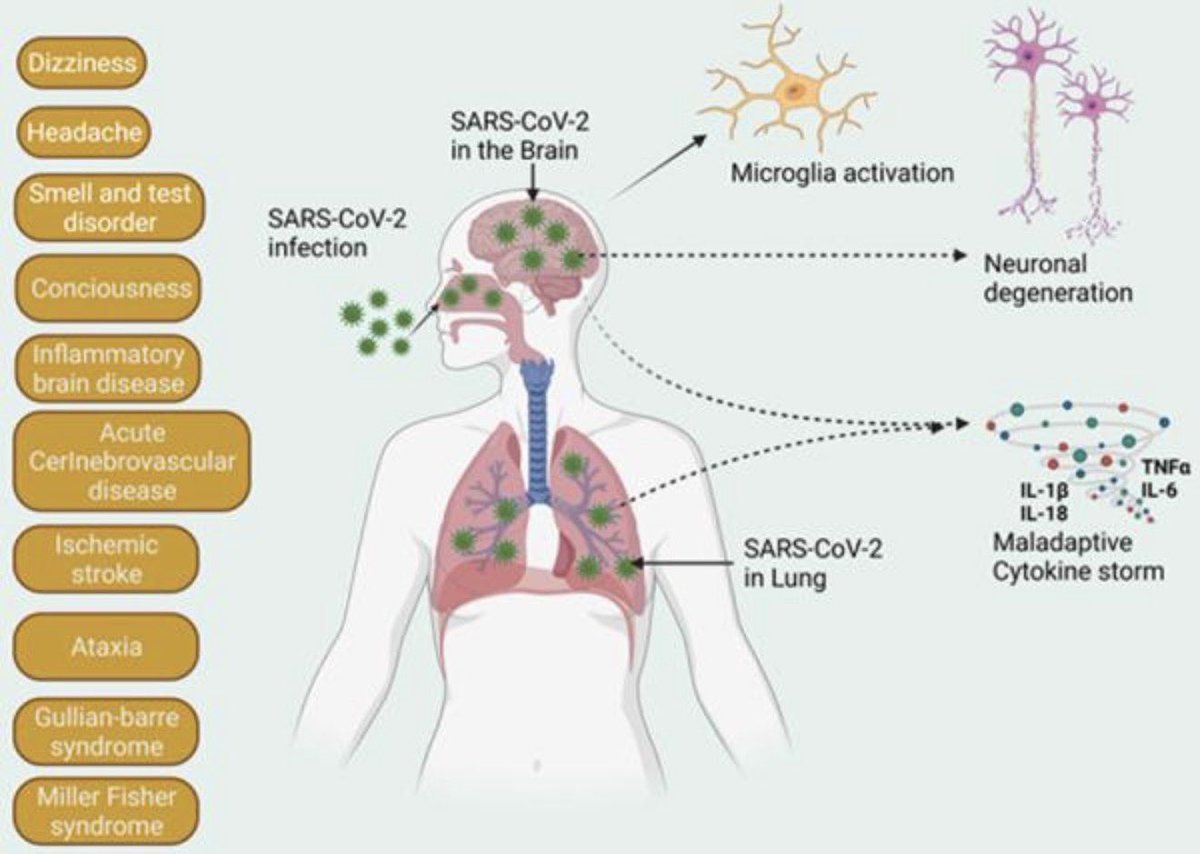
A meta-analysis from Egypt of 125 studies involving over 4 million COVID survivors shows that months to years after infection, fatigue was the most common symptom at 43%. Around 27% of people experience cognitive impairment after COVID infection. 1/
Further, 28% experienced memory issues, 24% sleep disorders, 20% headaches, 16% dizziness, 14% depression, and 13% anxiety, with significant variability depending on follow‑up time, disease severity, sex, and BMI. 2/
Neurological symptoms are common & persistent in COVID survivors. This study highlights significant burden these symptoms place on individuals, emphasizing the need for well-resourced multidisciplinary healthcare services to support post-COVID recovery. 3/3
👉 The lungs may remain biologically altered long after acute infection resolves. 1/
A new review highlights how persistent immune activation in LongCOVID may lead to:
• Fibrosis-like lung changes
• Endothelial dysfunction
• Microvascular injury
• Ongoing respiratory symptoms
COVID may end clinically—but not biologically.
#LongCOVID #Pulmonology 2/
LongCOVID respiratory sequelae may result from a “perfect storm” of:
COVID-19 may be, in part, a mitochondrial disease.
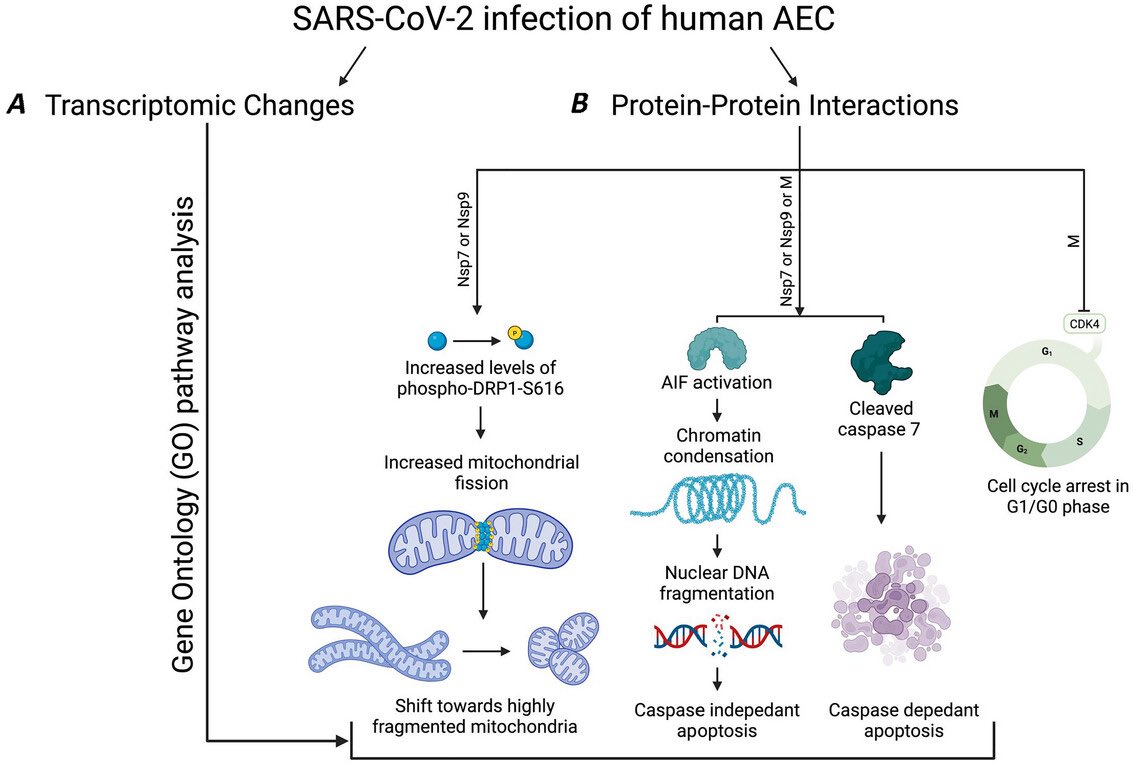
➡️ A Cambridge review shows SARS-CoV-2 disrupts mitochondrial function in lung cells—driving inflammation and worsening pneumonia.
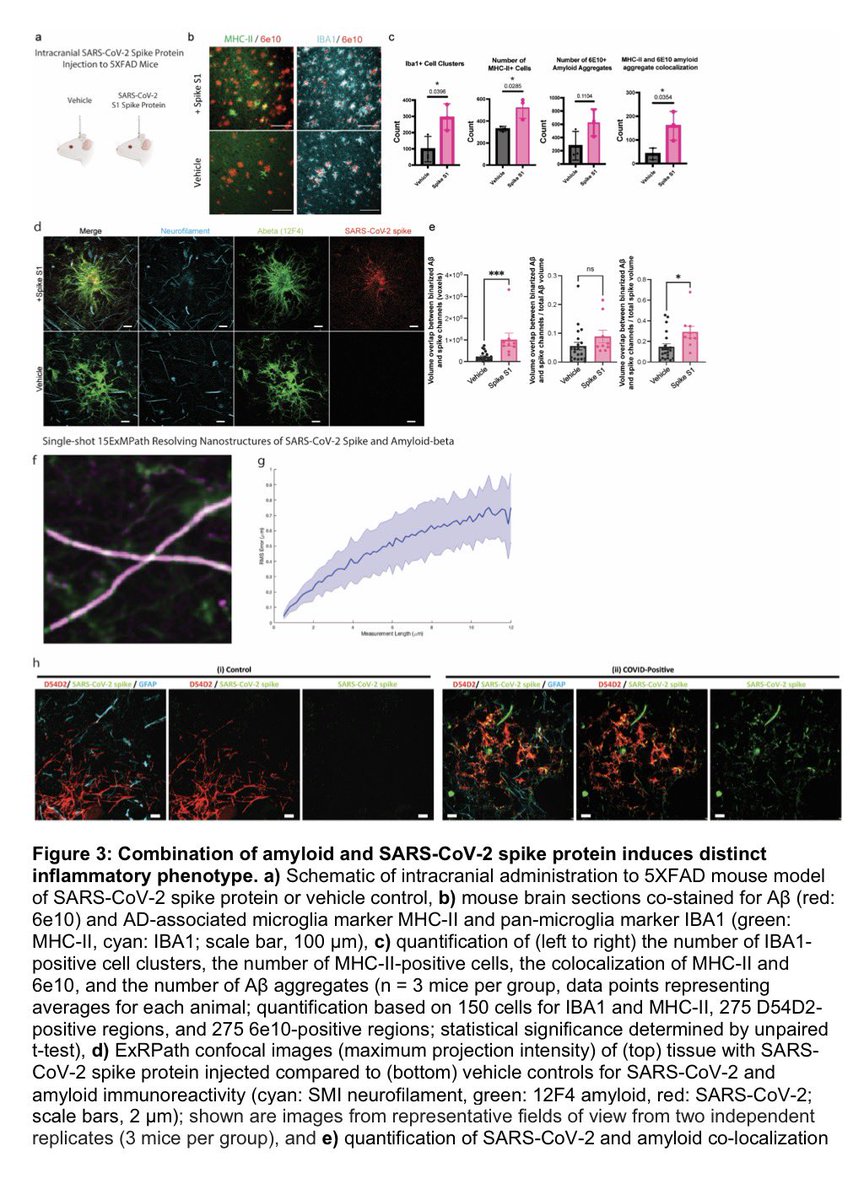
➡️ Emerging studies suggest even after the active infection is resolved, residual viral proteins, particularly SARS-CoV-2 spike protein, may linger and continue to cause damage to the mitochondria by increasing oxidative stress and disrupting energy metabolism, offering a plausible mechanism for #LongCOVID. 1/
H/T: @CatchTheBaby
COVID-19 is not just viral—it’s metabolic.
SARS-CoV-2 hijacks mitochondria →
↓ Energy production
↑ Inflammatory signaling
A key pathway worsening lung injury. 2/
Mitochondria may link acute COVID → #LongCOVID.
Viral disruption of mitochondrial function can persist, sustaining oxidative stress and immune dysregulation even after infection. 3/
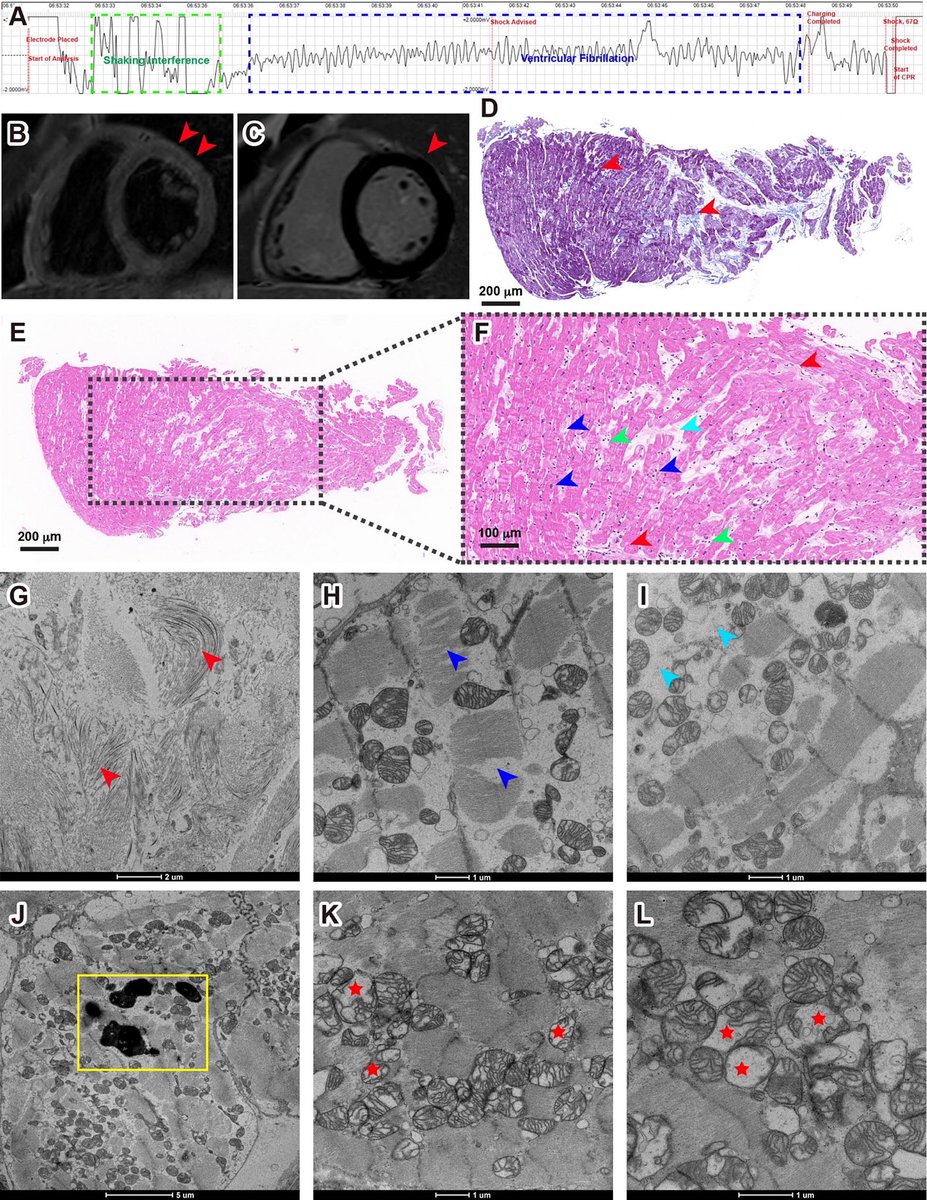
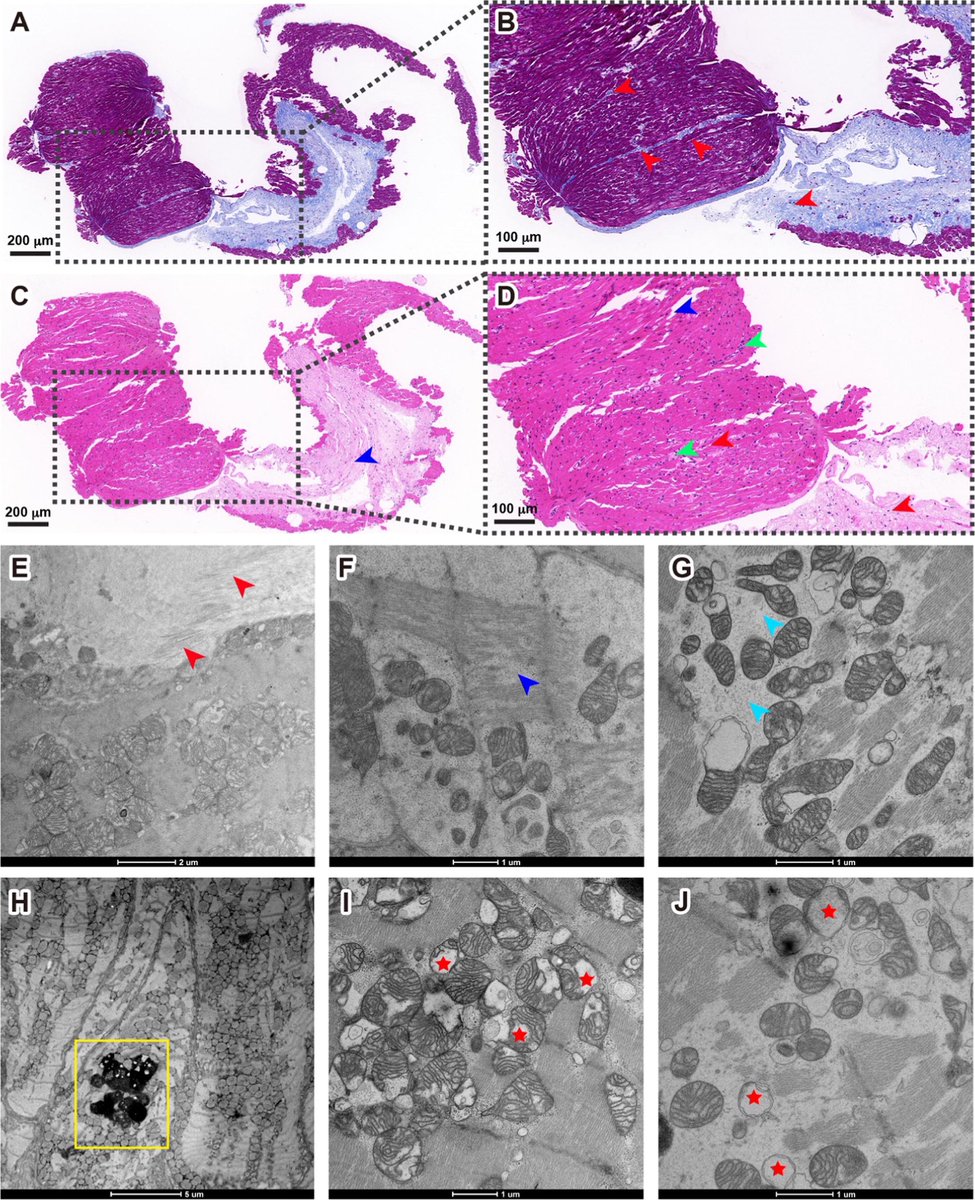
New study shows SARS-CoV-2 directly damages heart cell mitochondria—key energy engines—offering a mechanistic link to #LongCOVID cardiovascular symptoms. 1/
#LongCOVID may be a mitochondrial disease: electron microscopy reveals structural damage & myofilament breakdown in cardiomyocytes. 2/
Biopsies from LongCOVID patients confirm myocarditis with mitochondrial disruption—mirrored in infected animal models. Strong biological plausibility for persistent cardiac symptoms. 3/
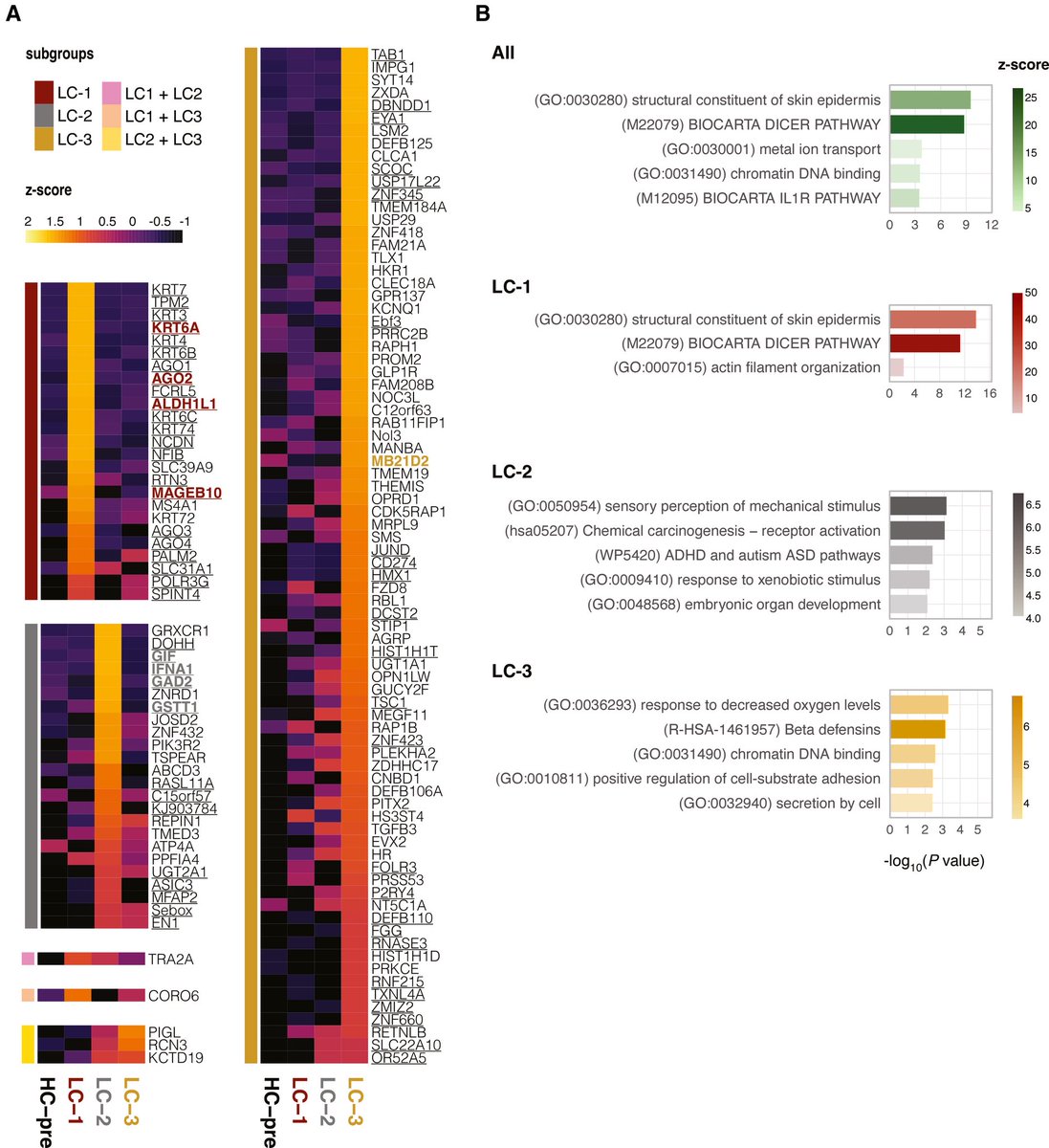
New research finds that SARS-CoV-2 spike protein can persist in the gut of people with #LongCOVID, even months after infection.
➡️ This persistent viral antigen may drive ongoing immune changes in intestinal tissue.
➡️ Scientists detected viral spike RNA and protein in colon and ileum biopsies from Long COVID patients.
➡️ In these regions, genes linked to inflammation, immune dysfunction, and tissue stress were altered. 1/
Persistent spike-positive areas in the colon showed increased immune cell activity, including:
• Macrophages
• Plasma cells
• Regulatory T cells
Suggesting an active local immune response in the gut.
➡️ Researchers also found disrupted expression of key immune-signaling genes, indicating impaired immune coordination and chronic inflammation in gut tissues. 2/
SARS-CoV-2 persistence is a proposed driver of Long COVID (LC), but the in-situ relationship between residual viral antigen and immune dysregulation remains poorly defined.
➡️ This NEW study provides robust evidence that persistent SARS-CoV-2 Spike protein detection in the gut is not immunologically inert.
➡️ Instead, it is actively associated with distinct, immune cell composition shifts and a dysfunctional pro-inflammatory transcriptional profile, supporting the hypothesis that retained viral antigen drives chronic immune dysregulation in tissue of LongCOVID subjects. 3/